
The Story
Plant Bio
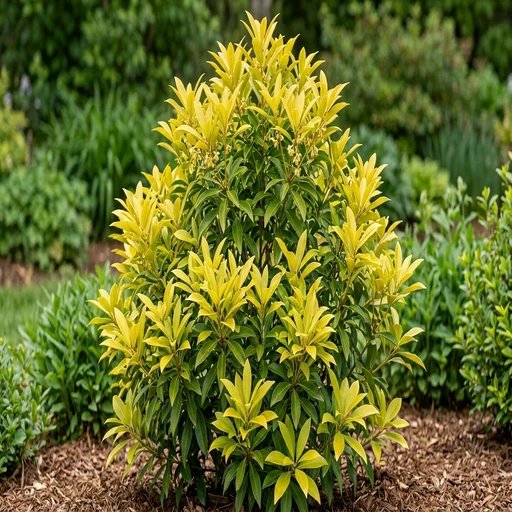
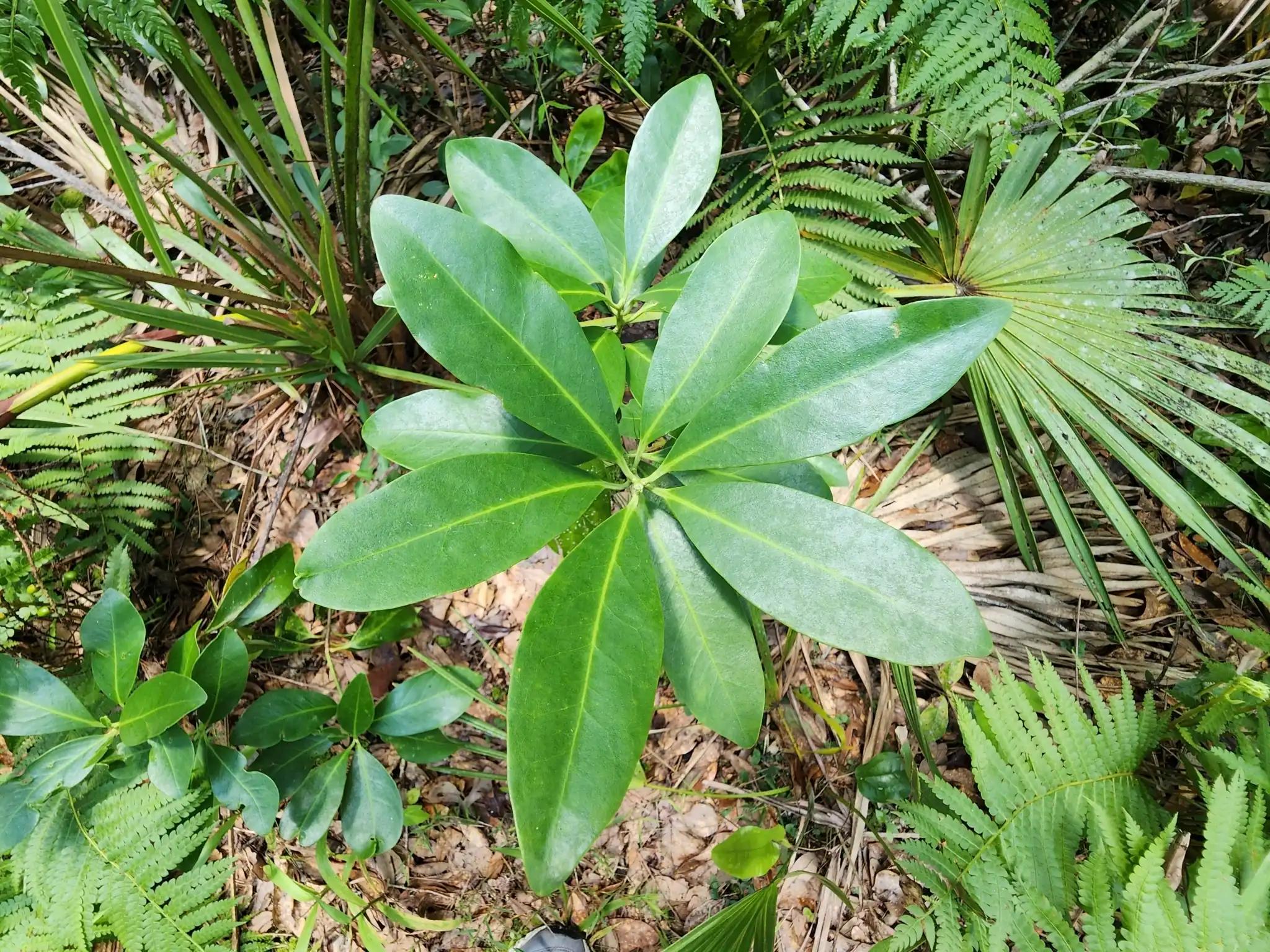
Illicium parviflorum, or small anise tree, is an evergreen shrub native to Florida, known for its olive-green leaves that emit a distinct anise or licorice fragrance when crushed. It is a tough, adaptable plant for shady locations.
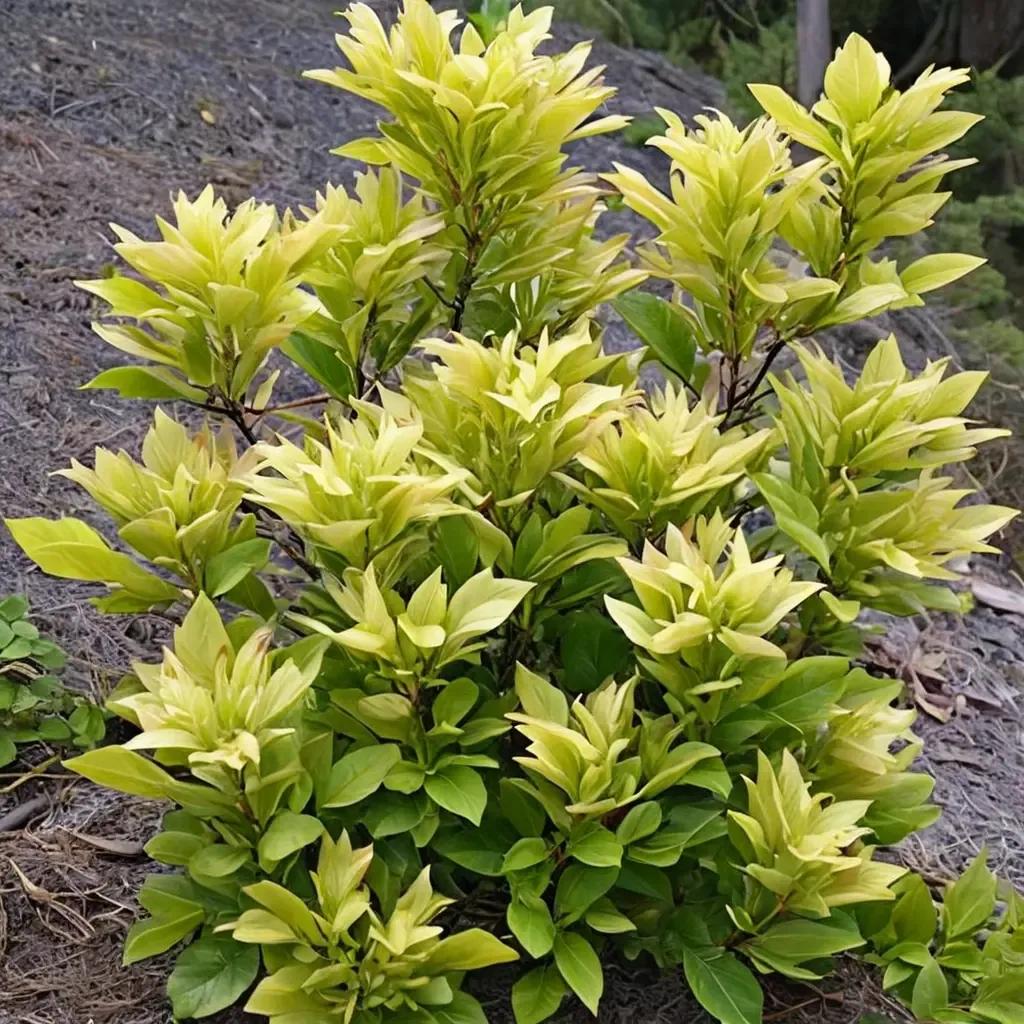
Bananappeal® ('PIIIP-I') is a remarkable cultivar featuring brilliant golden-chartreuse foliage that illuminates shady corners of the garden. Unlike the species, it maintains a compact, mounding habit and does not sucker.
Uses & Benefits:
Essentials
At a Glance
Plant Type
Shrub
Height
42"
Width
42"
Light
Partial Sun, Shade
Zones
7, 8, 9
Water
Moderate to high
Humidity
High
Lifespan
Long-lived shrub
Native To
Florida, USA
Toxicity
All parts are toxic if ingested
Bloom period
Late spring – Early summer
In flower about 2 months of the year
Planting
How to Grow
- Select a location with morning sun or dappled shade
- Ensure the soil is rich, moist, and well-drained
- Dig a hole twice the width of the container
- Gently place the plant in the hole, with the root flare at soil level
- Backfill with soil and water thoroughly to eliminate air pockets
- Apply a 2-inch layer of mulch to retain moisture
Pro Tip
Provide consistent moisture and protection from harsh afternoon sun to maintain the brightest, healthiest golden foliage without scorching.
Keep It Thriving
Care Guide
Do
- Plant in a location protected from harsh winter winds
- Provide consistent water, especially in the first few years
- Mulch annually to keep the root zone cool and moist
- Enjoy the anise scent when brushing against the foliage
Don't
- Do not plant in full, hot afternoon sun, which can scorch the leaves
- Avoid letting the soil dry out completely
- Don't confuse it with the edible Star Anise (Illicium verum); this plant is toxic
- Do not plant in poorly drained, boggy soil
Seasonal Care Calendar
| Task | Jan | Feb | Mar | Apr | May | Jun | Jul | Aug | Sep | Oct | Nov | Dec |
|---|---|---|---|---|---|---|---|---|---|---|---|---|
| Fertilize | ||||||||||||
| Mulch | ||||||||||||
| Plant | ||||||||||||
| Prune |
Watch Out For
Pests & Diseases
Common Pests
Common Diseases
In the Garden
Landscape Uses & Companions
Landscape Uses
Multiply
Propagation Methods
Good to Know
Common Questions
Bananappeal Anise Tree questions
What zones can Bananappeal Anise Tree grow in?
Bananappeal Anise Tree is hardy in USDA Zones 7–9. Inside that range it survives winter in the ground; outside it, grow it as an annual or a container plant you protect.
Is Bananappeal Anise Tree deer resistant?
Yes — Bananappeal Anise Tree is rated deer-resistant. Deer typically pass it over, though extreme hunger can override any plant's defenses.
When does Bananappeal Anise Tree bloom?
Bananappeal Anise Tree typically blooms in late spring through early summer. Exact timing shifts a week or two with your zone — Sow's bloom calendar maps it to your garden.
Does Bananappeal Anise Tree need full sun?
Bananappeal Anise Tree does best in part shade.
More Illicium to compare
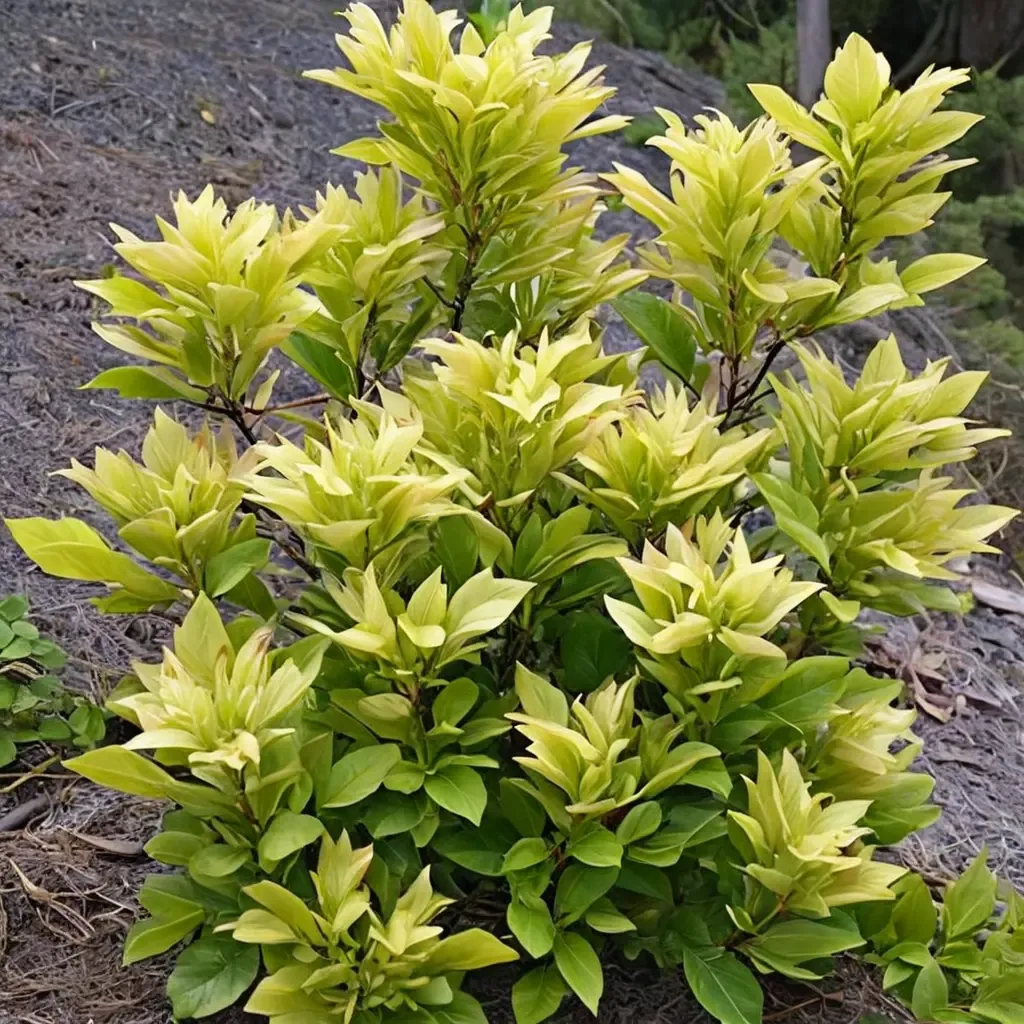
'Florida Sunshine' Anise Tree
Illicium parviflorum 'Florida Sunshine'
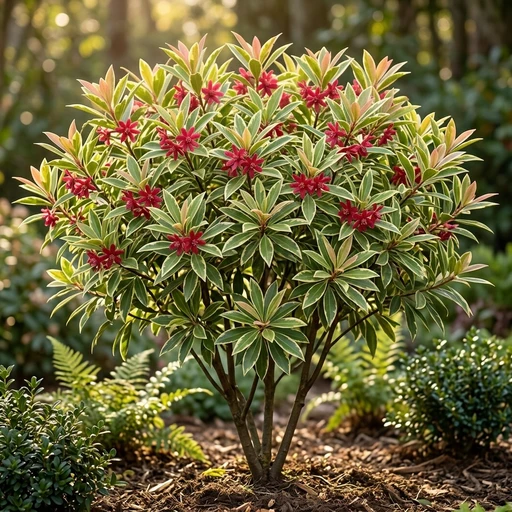
Pink Frost Florida Anise Tree
Illicium floridanum 'Pink Frost'
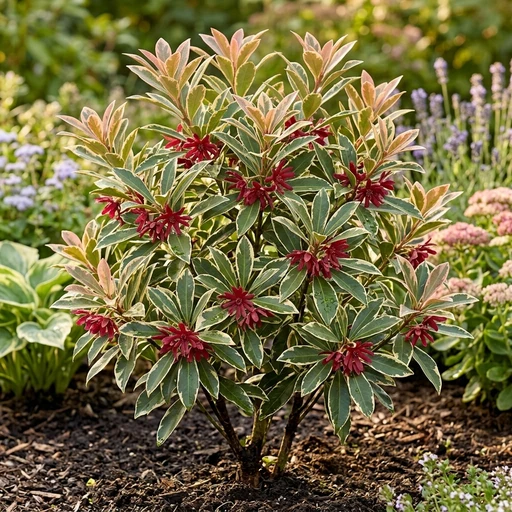
Miss Scarlett Illicium
Illicium floridanum 'Miss Scarlett'
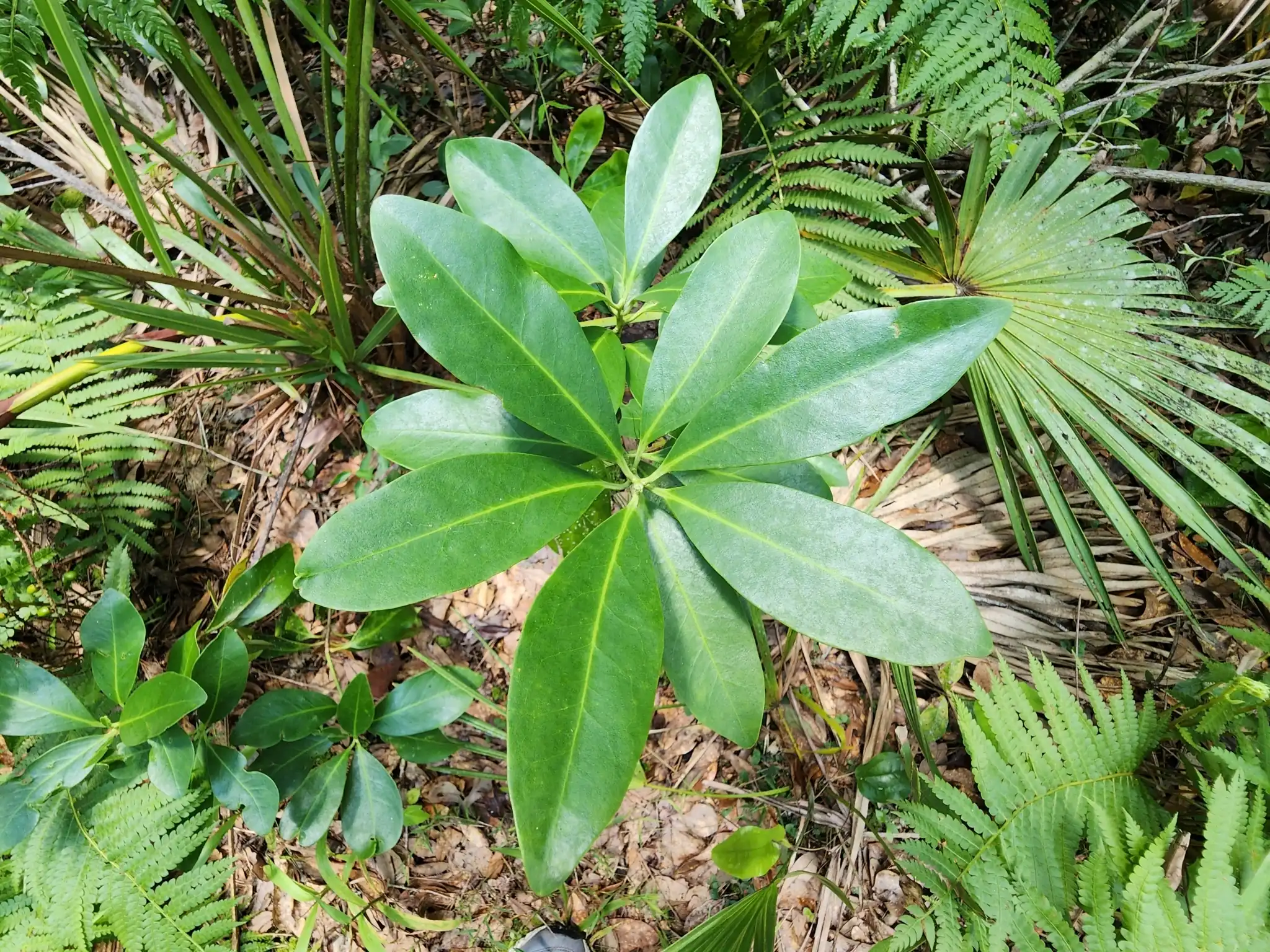
Yellow Anise Tree
Illicium parviflorum
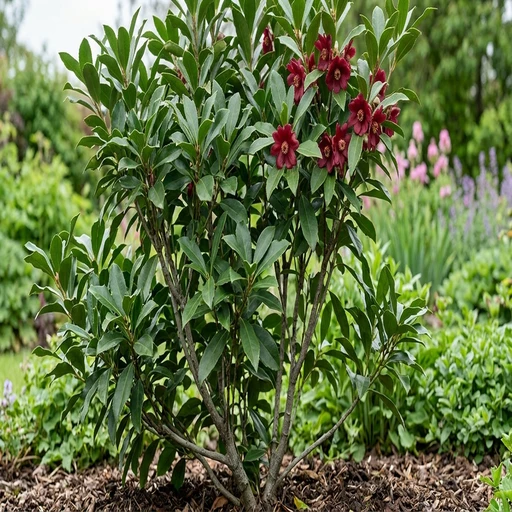
Woodland Ruby Anise Tree
Illicium x hybrida 'Woodland Ruby'
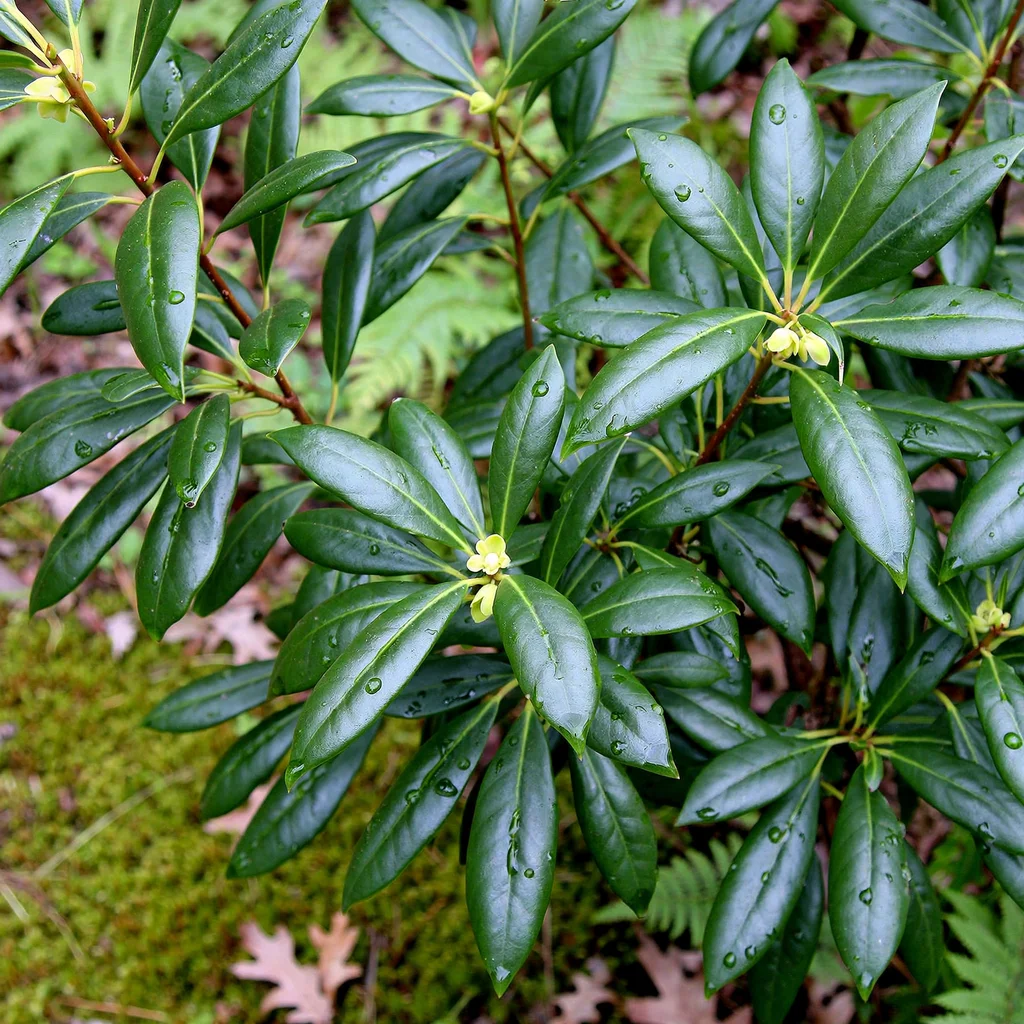
Yellow Anisetree
Illicium parviflorum 'Forest Green'
Keep exploring
Explore the genus
Hardy in your zone?
Grow Bananappeal Anise Tree with confidence
See it in a design of your actual yard, get zone-matched care reminders, and track it season by season in your garden journal.