The Story
Plant Bio
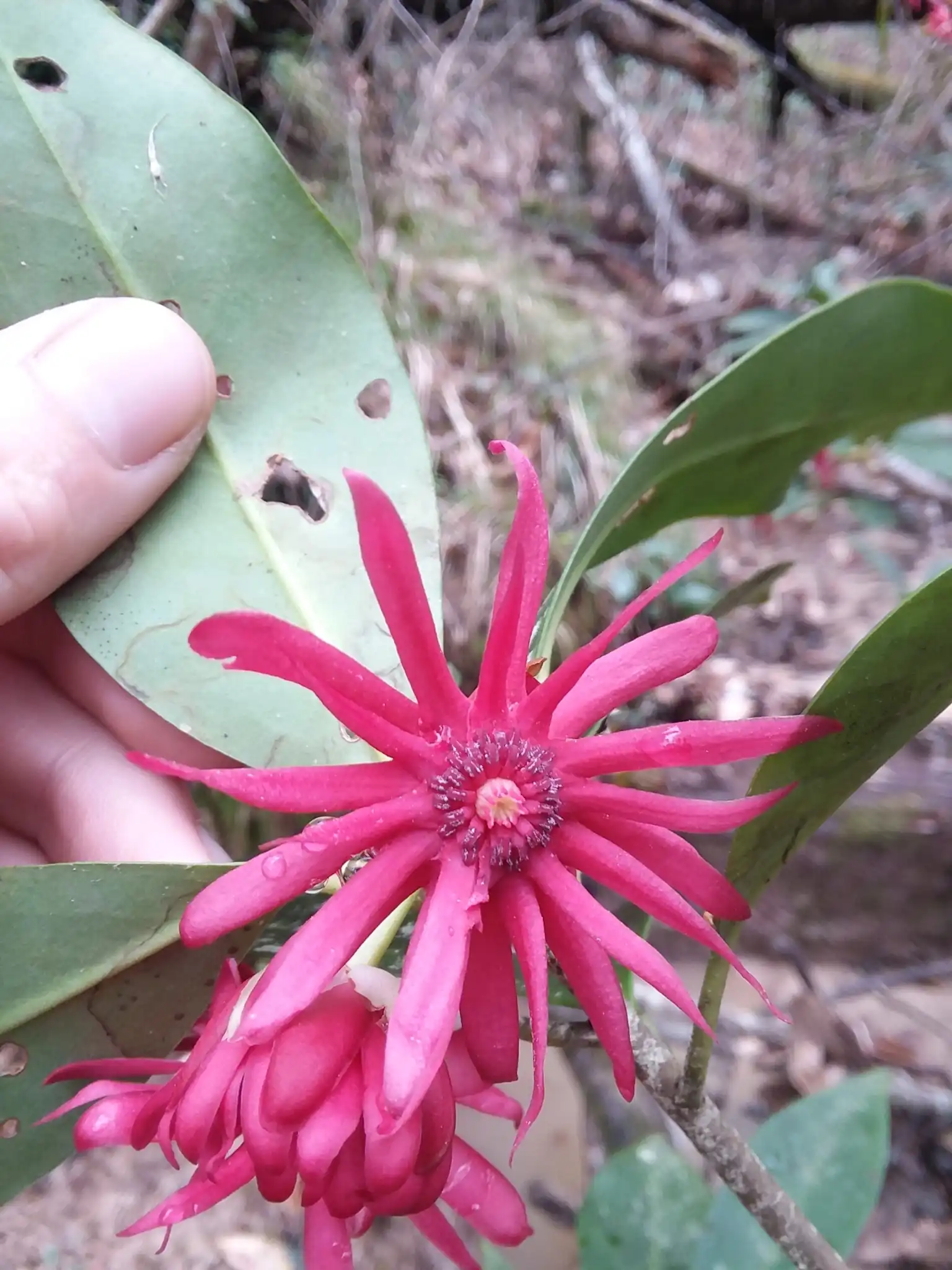
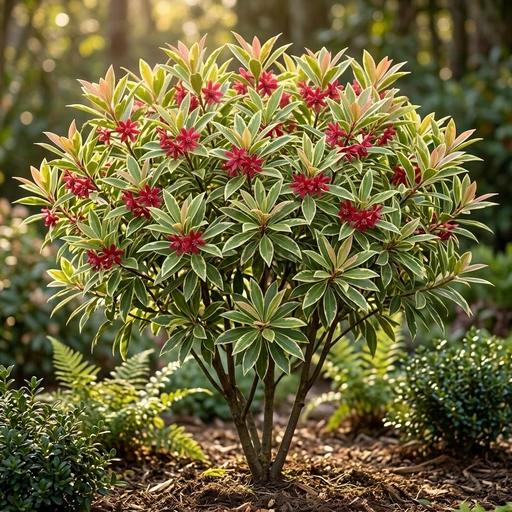
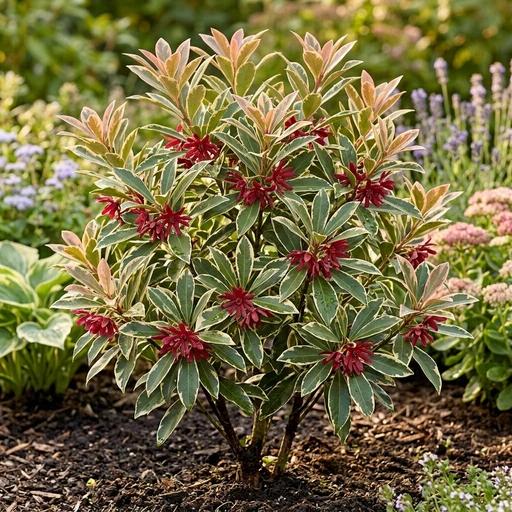
Illicium floridanum, Florida anise, is a multi-stemmed broadleaf evergreen shrub native to the southeastern United States and Mexico, reaching six to ten feet in moist shaded ground. Leathery olive-green leaves release a strong anise scent when crushed, and nodding star-shaped maroon-red flowers with more than twenty narrow petals open in spring.
Do not confuse this with culinary star anise. NCSU is explicit that it is poisonous if eaten and is not a substitute for the spice, which comes from the unrelated Illicium verum — the mistake has caused genuine poisonings. Grown as an ornamental it is outstanding: one of very few handsome evergreens that thrives in deep shade and wet soil.
Uses & Benefits:
Essentials
At a Glance
Plant Type
Shrub
Height
96"
Width
84"
Light
Partial Sun, Shade
Zones
6, 7, 8, 9, 10
Water
Moderate to high
Humidity
Moderate to high
Lifespan
Perennial
Native To
Southeastern United States and Mexico
Toxicity
Poisonous if eaten; not culinary star anise
Planting
How to Grow
- Plant in partial to deep shade; it dislikes full sun.
- Give it moist, humus-rich, acid soil.
- It tolerates wet ground where most shrubs fail.
- Water through the first two summers to establish it.
- Mulch to keep the shallow roots cool.
- Prune lightly after flowering if shaping is needed.
Pro Tip
This is one of the few good evergreens for wet shade — a spot that drowns camellias and hollies will suit it perfectly.
Keep It Thriving
Care Guide
Do
- Plant it in shade and moist soil 🌑
- Use it in rain gardens and pond edges 💧
- Mulch over the shallow roots 🍂
- Crush a leaf to enjoy the anise scent 🌿
Don't
- Use it as a spice — it is poisonous ❌
- Plant it in full hot sun ❌
- Let the soil dry out completely ❌
Seasonal Care Calendar
| Task | Jan | Feb | Mar | Apr | May | Jun | Jul | Aug | Sep | Oct | Nov | Dec |
|---|---|---|---|---|---|---|---|---|---|---|---|---|
| Mulch | ||||||||||||
| Prune |
Watch Out For
Pests & Diseases
Common Pests
Common Diseases
In the Garden
Landscape Uses & Companions
Landscape Uses
Multiply
Propagation Methods
Good to Know
Common Questions
Florida Anise Tree questions
What zones can Florida Anise Tree grow in?
Florida Anise Tree is hardy in USDA Zones 6–10. Inside that range it survives winter in the ground; outside it, grow it as an annual or a container plant you protect.
Is Florida Anise Tree deer resistant?
Yes — Florida Anise Tree is rated deer-resistant. Deer typically pass it over, though extreme hunger can override any plant's defenses.
When does Florida Anise Tree bloom?
Florida Anise Tree typically blooms in spring through early summer. Exact timing shifts a week or two with your zone — Sow's bloom calendar maps it to your garden.
Does Florida Anise Tree need full sun?
Florida Anise Tree does best in part shade.
More Illicium to compare
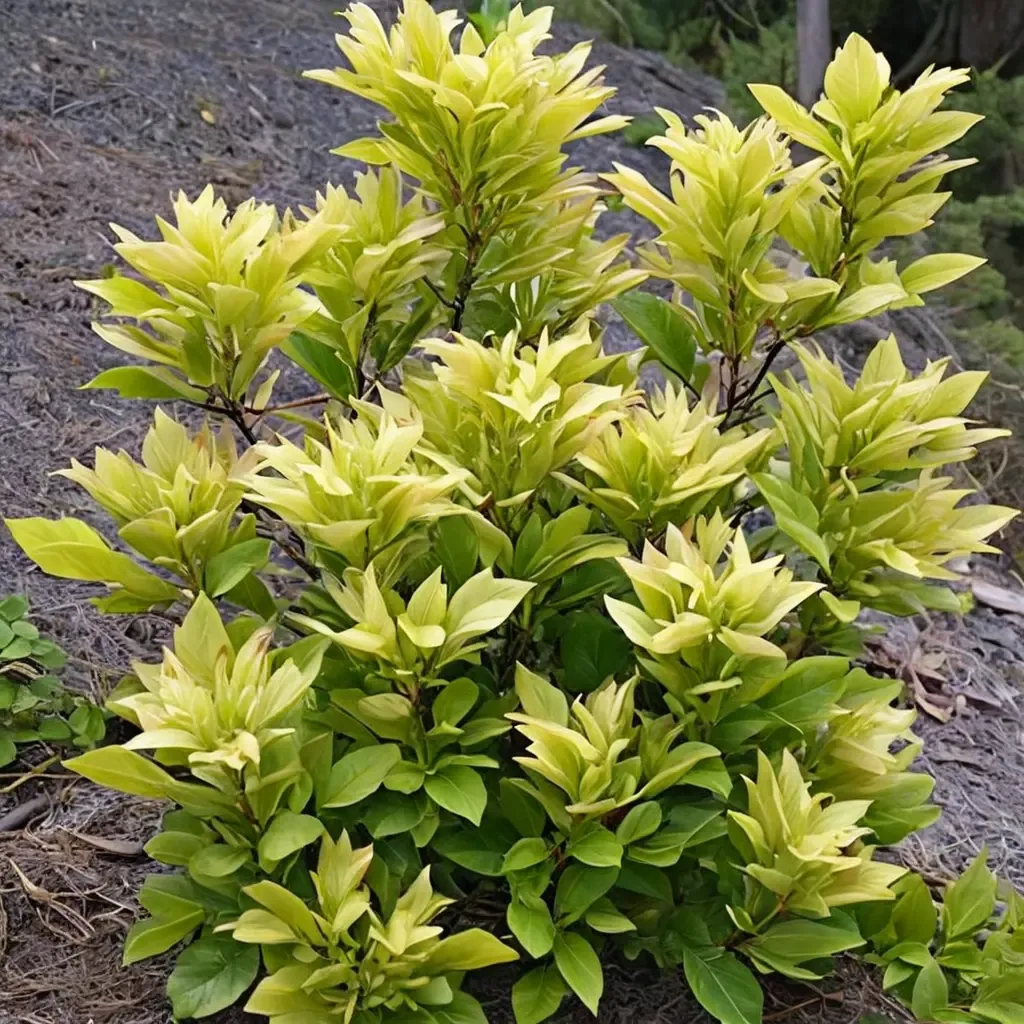
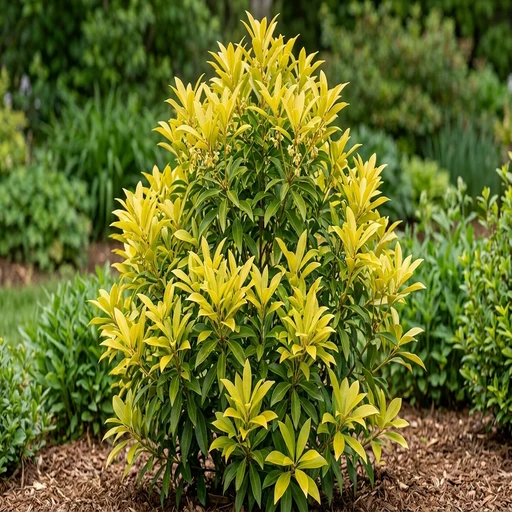
'Florida Sunshine' Anise Tree
Illicium parviflorum 'Florida Sunshine'
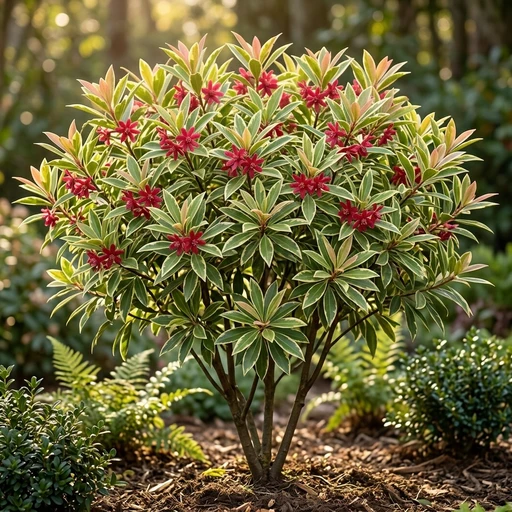
Bananappeal Anise Tree
Illicium parviflorum 'First Editions Bananappeal'
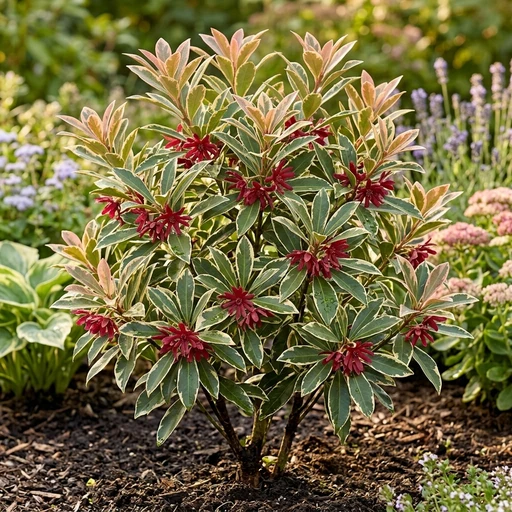
Pink Frost Florida Anise Tree
Illicium floridanum 'Pink Frost'
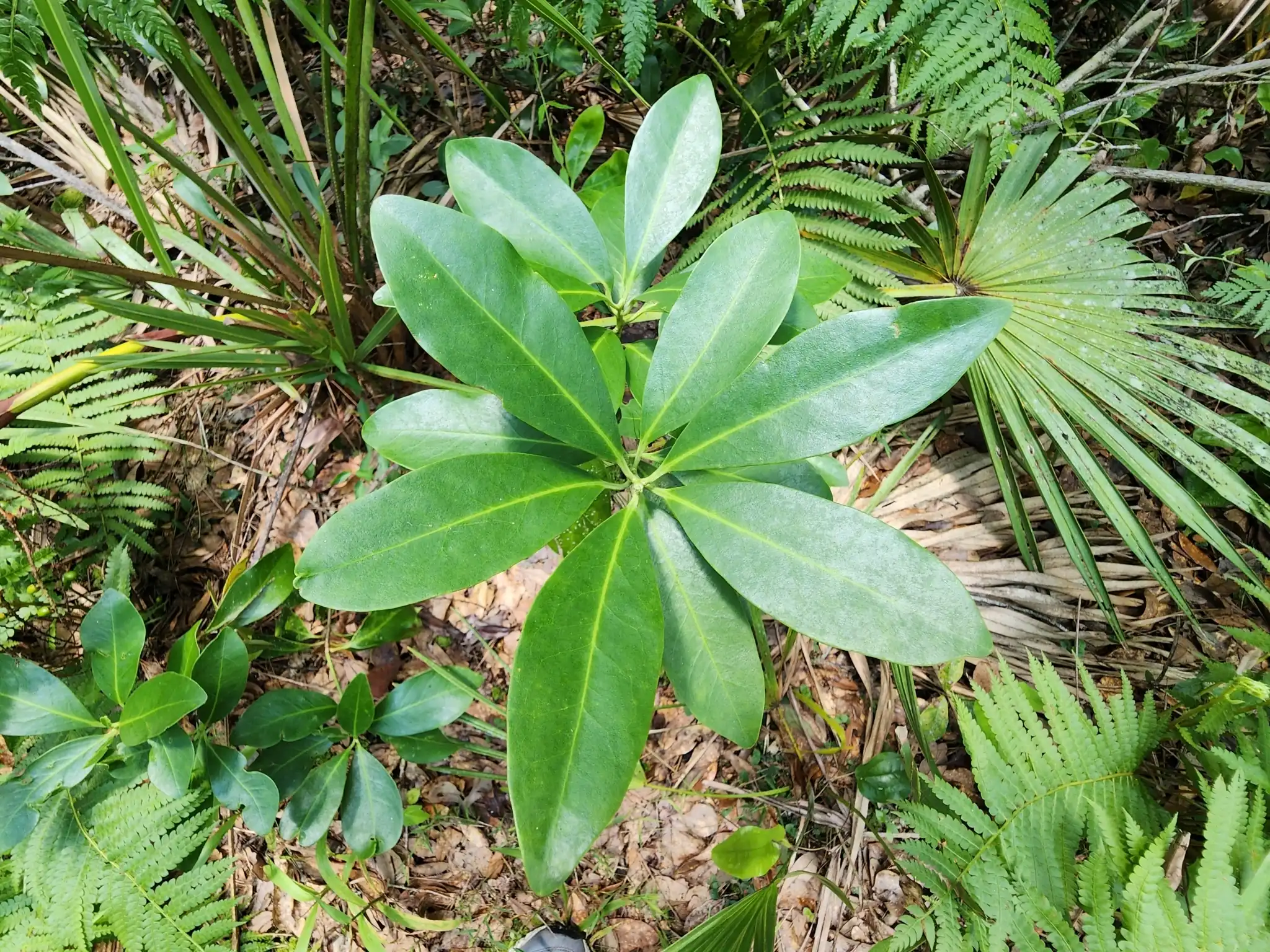
Miss Scarlett Illicium
Illicium floridanum 'Miss Scarlett'
Yellow Anise Tree
Illicium parviflorum
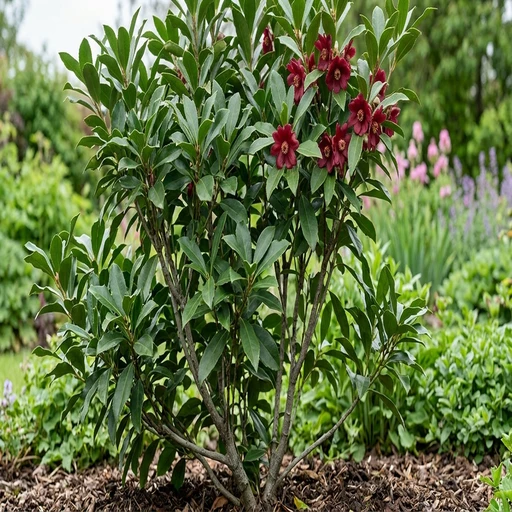
Woodland Ruby Anise Tree
Illicium x hybrida 'Woodland Ruby'
Keep exploring
Explore the genus
Hardy in your zone?
Grow Florida Anise Tree with confidence
See it in a design of your actual yard, get zone-matched care reminders, and track it season by season in your garden journal.