The Story
Plant Bio
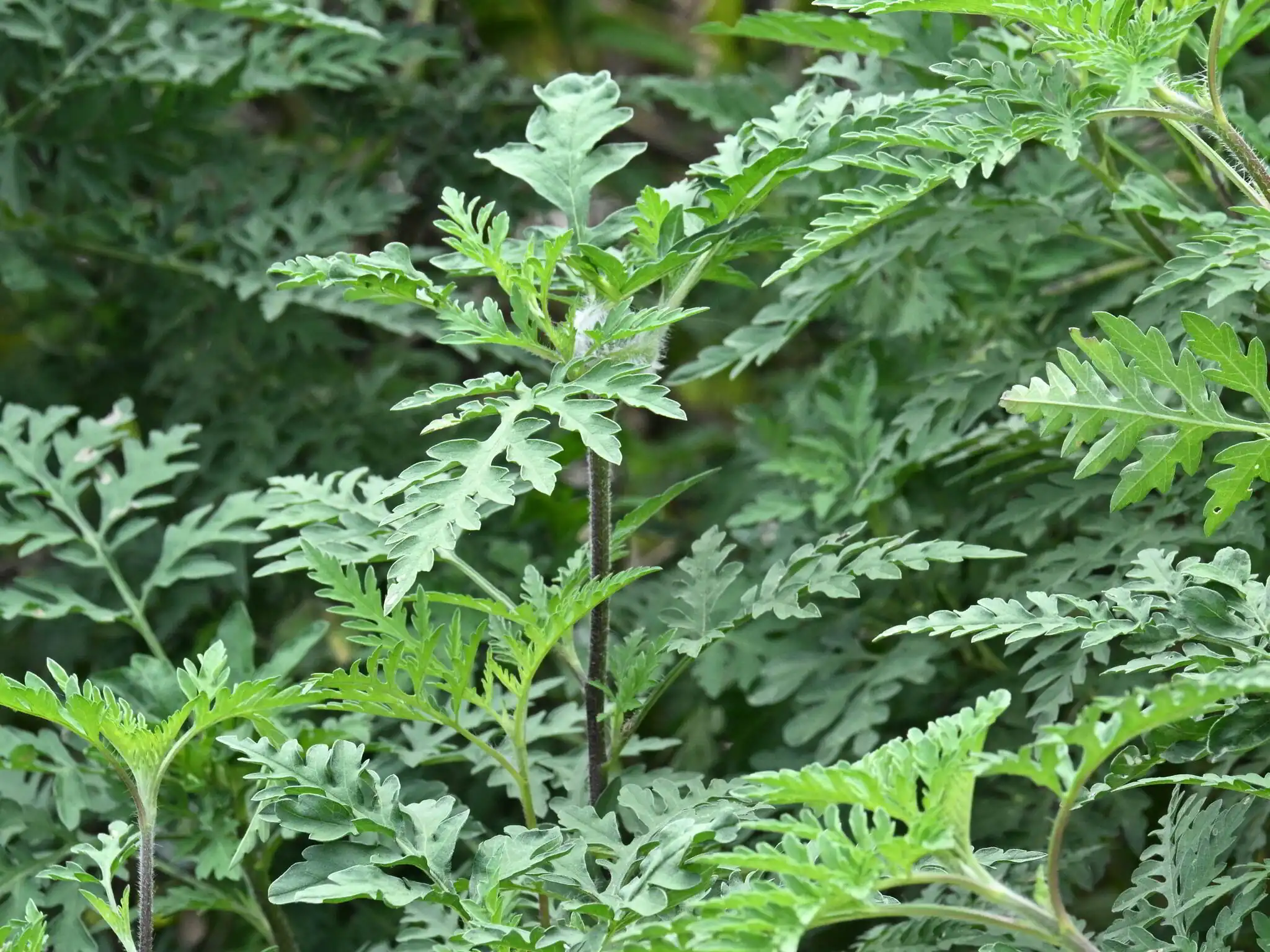
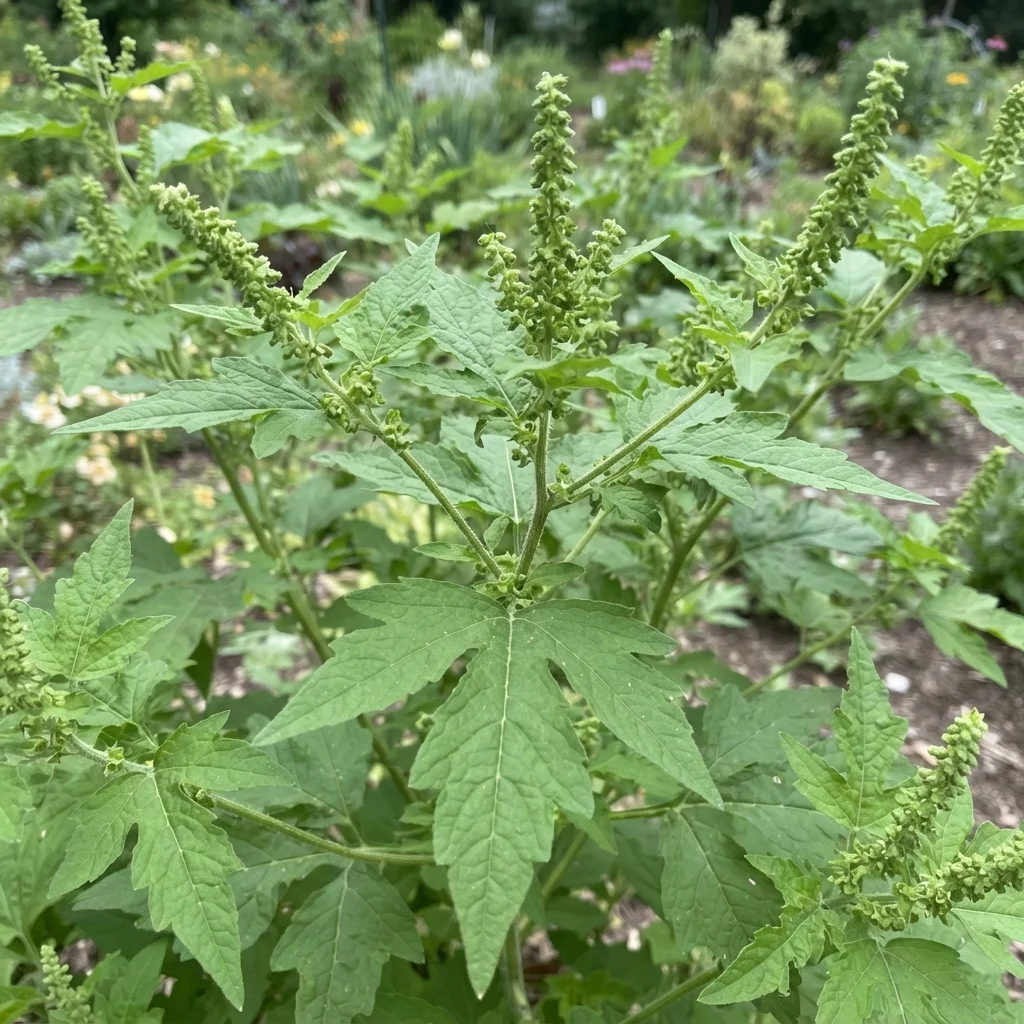
Ambrosia artemisiifolia is an upright, branching summer annual herb native to North America, characterized by deeply divided, fern-like foliage and a highly adaptable root system. The plant produces inconspicuous green to yellowish-brown flowers on slender terminal spikes that release vast quantities of wind-borne pollen.
This species is primarily known as a highly troublesome agricultural and environmental weed rather than an ornamental garden plant. Its wind-pollinated flowers lack nectar and showy petals, relying instead on wind currents to distribute its highly allergenic pollen.
Uses & Benefits:
Essentials
At a Glance
Plant Type
Annual
Height
60"
Width
24"
Light
Full Sun
Zones
4, 5, 6, 7, 8, 9
Water
Moderate
Humidity
Tolerant
Lifespan
Annual
Native To
North America
Toxicity
Highly Allergenic (Pollen) / Skin Irritant
Bloom period
Summer – Fall
In flower about 6 months of the year
Marketplace
Where to Buy
Shipping costs Year-round shipping Free shipping
Planting
How to Grow
- Identify young seedlings in late spring by their deeply lobed, hairy, fern-like leaves.
- Hand-pull or hoe the plants from the root before they reach maturity in mid-summer.
- Bag and dispose of all pulled plants to prevent any developing flower heads from releasing pollen or setting seed.
- Maintain a thick layer of mulch over disturbed soil to suppress the germination of remaining seeds in the soil bank.
Pro Tip
To control infestations, pull or hoe young plants before the summer flowering period begins to prevent the release of allergenic pollen and the formation of long-lived seeds.
Keep It Thriving
Care Guide
Do
- Wear gloves and long sleeves when handling the plant to avoid contact dermatitis.
- Eradicate plants early in the season before the inconspicuous green flower spikes emerge.
- Dispose of pulled plants in sealed bags rather than composting them if flower heads have formed.
Don't
- Do not allow the plant to flower or set seed, as seeds can remain viable in the soil for decades.
- Do not compost mature plants, as the seeds will survive the composting process and spread.
- Do not touch the foliage with bare skin if you are prone to allergic skin reactions.
Seasonal Care Calendar
| Task | Jan | Feb | Mar | Apr | May | Jun | Jul | Aug | Sep | Oct | Nov | Dec |
|---|---|---|---|---|---|---|---|---|---|---|---|---|
| Mulch | ||||||||||||
| Pest Check | ||||||||||||
| Prune | ||||||||||||
| Spring Cleanup | ||||||||||||
| Winter Prep |
Watch Out For
Pests & Diseases
Common Pests
Common Diseases
Multiply
Propagation Methods
Good to Know
Common Questions
Common Ragweed questions
What zones can Common Ragweed grow in?
Common Ragweed is hardy in USDA Zones 4–9. Inside that range it survives winter in the ground; outside it, grow it as an annual or a container plant you protect.
When does Common Ragweed bloom?
Common Ragweed typically blooms in summer through fall. Exact timing shifts a week or two with your zone — Sow's bloom calendar maps it to your garden.
Does Common Ragweed need full sun?
Common Ragweed does best in full sun (6+ hours).
Is Common Ragweed drought tolerant?
Yes — once established (usually after the first full season), Common Ragweed handles dry spells with minimal watering. Water deeply its first year to build the root system that makes that possible.
More Ambrosia to compare
Keep exploring
Explore the genus
Grow Common Ragweed with confidence
See it in a design of your actual yard, get zone-matched care reminders, and track it season by season in your garden journal.