The Story
Plant Bio
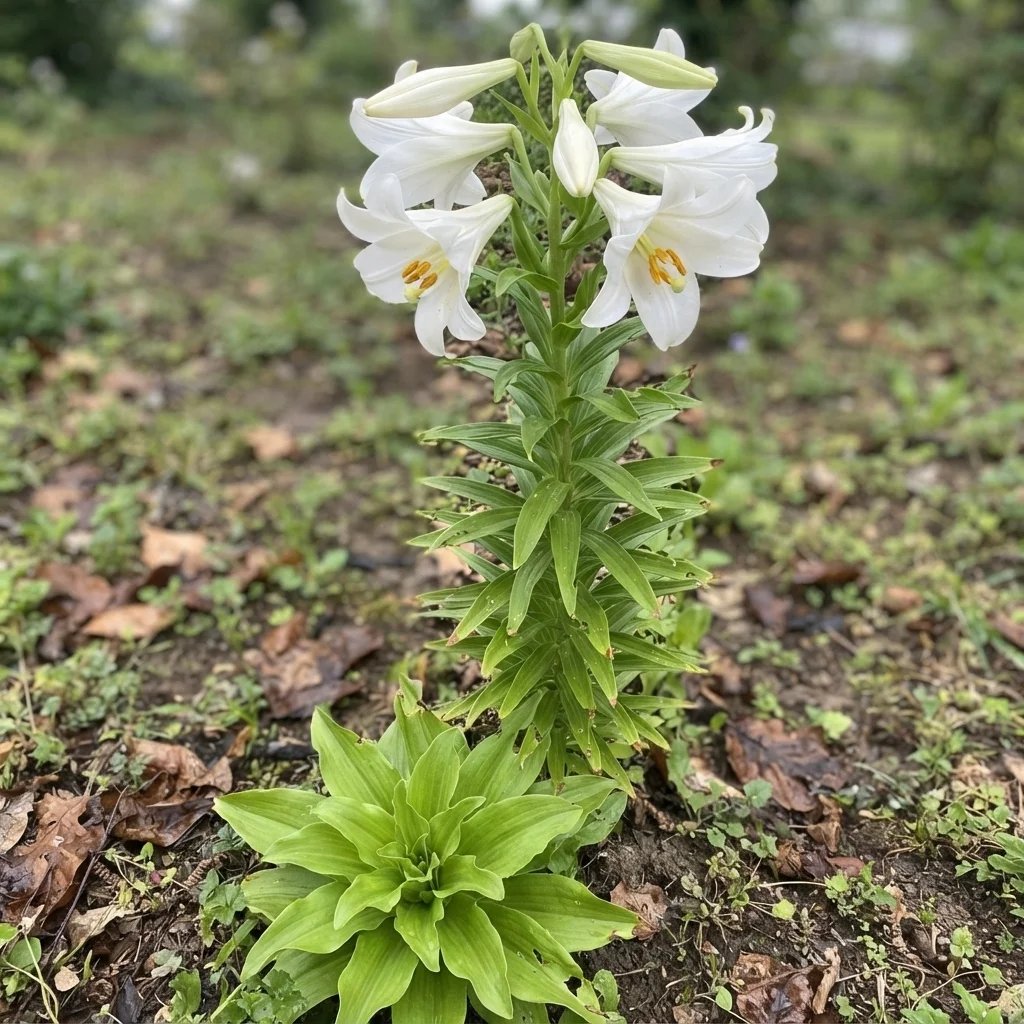
Lilium candidum, the Madonna lily, is a bulbous geophyte producing an erect, unbranched flowering stem that reaches four to six feet in height. Uniquely among lilies, it produces a flush of broad, bright green basal rosette leaves in fall that persist through the winter months.
The terminal flower spikes bear five to twenty horizontal, funnel-shaped flowers of pure dazzling white with prominent golden-yellow anthers. The blooms emit a powerful, sweet fragrance during their early to midsummer display.
Uses & Benefits:
Essentials
At a Glance
Plant Type
Bulb Corm Tuber
Height
72"
Width
18"
Light
Full Sun, Partial Sun
Zones
6, 7, 8, 9
Water
Moderate
Humidity
Moderate
Lifespan
Perennial
Native To
Balkans and Middle East
Toxicity
Highly toxic to cats; toxic to dogs and horses
Bloom period
Early summer – Midsummer
In flower about 2 months of the year
Planting
How to Grow
- Select a planting site with rich, fertile, neutral to alkaline soil that offers exceptional drainage.
- Dig a shallow hole and position the bulb so that its tip will be covered by only one to two inches of soil.
- Water sparingly during the summer dormancy period, but maintain even soil moisture during active spring growth.
- Allow the flowering stems to turn completely yellow and die back naturally in late summer before cutting them to ground level.
Pro Tip
Plant the bulbs incredibly shallowly, covering the tips with only one to two inches of soil; deep planting traps moisture and invariably triggers fatal crown and basal rot.
Keep It Thriving
Care Guide
Do
- Plant bulbs shallowly with the nose sitting just beneath the soil surface.
- Ensure the soil is highly permeable and lime-rich or chalky.
- Provide full sun for the upper stems while keeping the root zone cool and shaded.
- Remove and destroy any plants showing signs of viral infection immediately.
Don't
- Do not bury the bulbs deep in the soil like other lily species.
- Do not apply heavy chemical, high-nitrogen fertilizers that encourage soft, disease-prone growth.
- Do not prune away green foliage after flowering while it is still manufacturing food for the bulb.
- Do not allow cats near the plants, as all parts are highly toxic and cause acute kidney failure.
Seasonal Care Calendar
| Task | Jan | Feb | Mar | Apr | May | Jun | Jul | Aug | Sep | Oct | Nov | Dec |
|---|---|---|---|---|---|---|---|---|---|---|---|---|
| Fertilize | ||||||||||||
| Pest Check | ||||||||||||
| Plant | ||||||||||||
| Prune | ||||||||||||
| Winter Prep |
Watch Out For
Pests & Diseases
Common Pests
Common Diseases
In the Garden
Landscape Uses & Companions
Landscape Uses
Companion Plants
Multiply
Propagation Methods
Good to Know
Common Questions
Madonna Lily questions
What zones can Madonna Lily grow in?
Madonna Lily is hardy in USDA Zones 6–9. Inside that range it survives winter in the ground; outside it, grow it as an annual or a container plant you protect.
Is Madonna Lily deer resistant?
Not reliably. Deer may browse Madonna Lily, especially tender spring growth — plan on repellents or fencing where pressure is high.
When does Madonna Lily bloom?
Madonna Lily typically blooms in early summer through midsummer. Exact timing shifts a week or two with your zone — Sow's bloom calendar maps it to your garden.
Does Madonna Lily need full sun?
Madonna Lily does best in full sun to part shade. In hot climates, afternoon shade keeps blooms fresher longer.
Is Madonna Lily drought tolerant?
Yes — once established (usually after the first full season), Madonna Lily handles dry spells with minimal watering. Water deeply its first year to build the root system that makes that possible.
More Lilium to compare
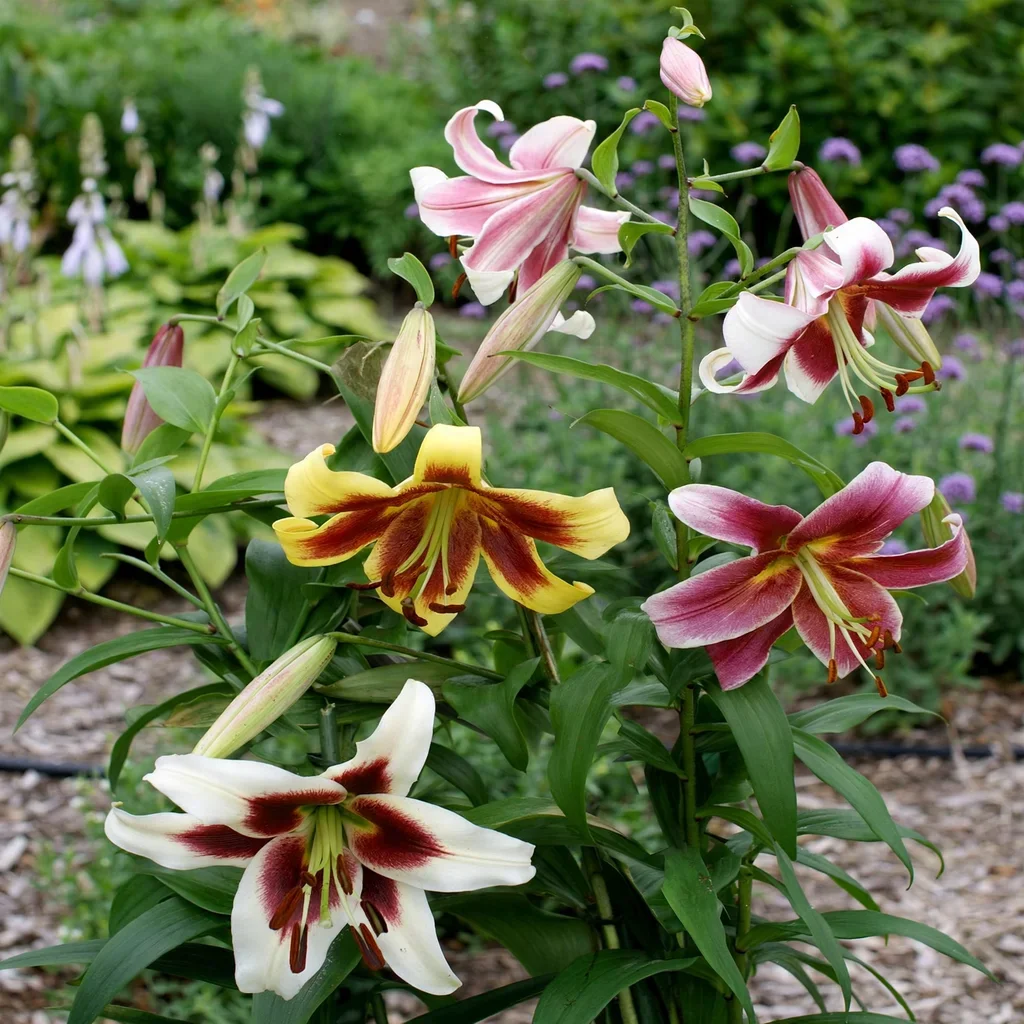
Tree Lily
Lilium x hybrida 'Tree Mix'
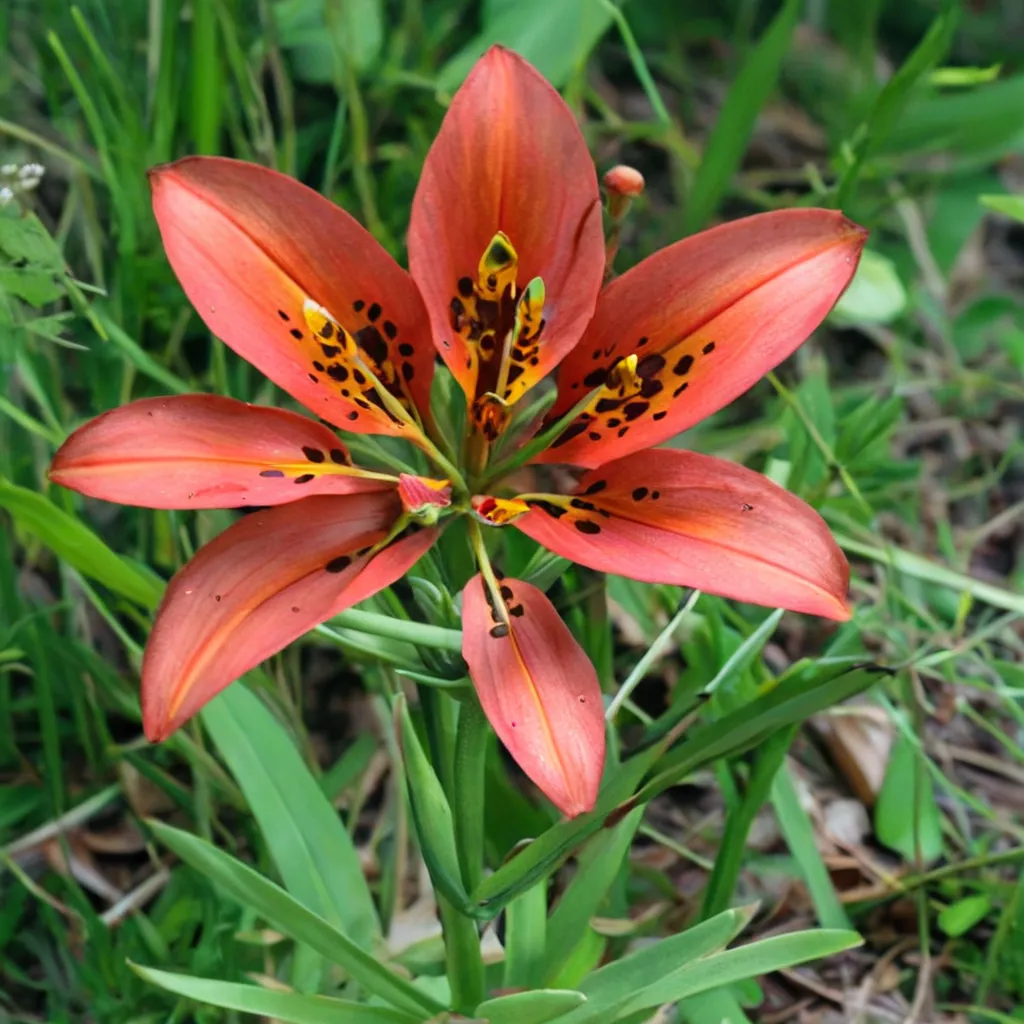
Wood Lily
Lilium philadelphicum
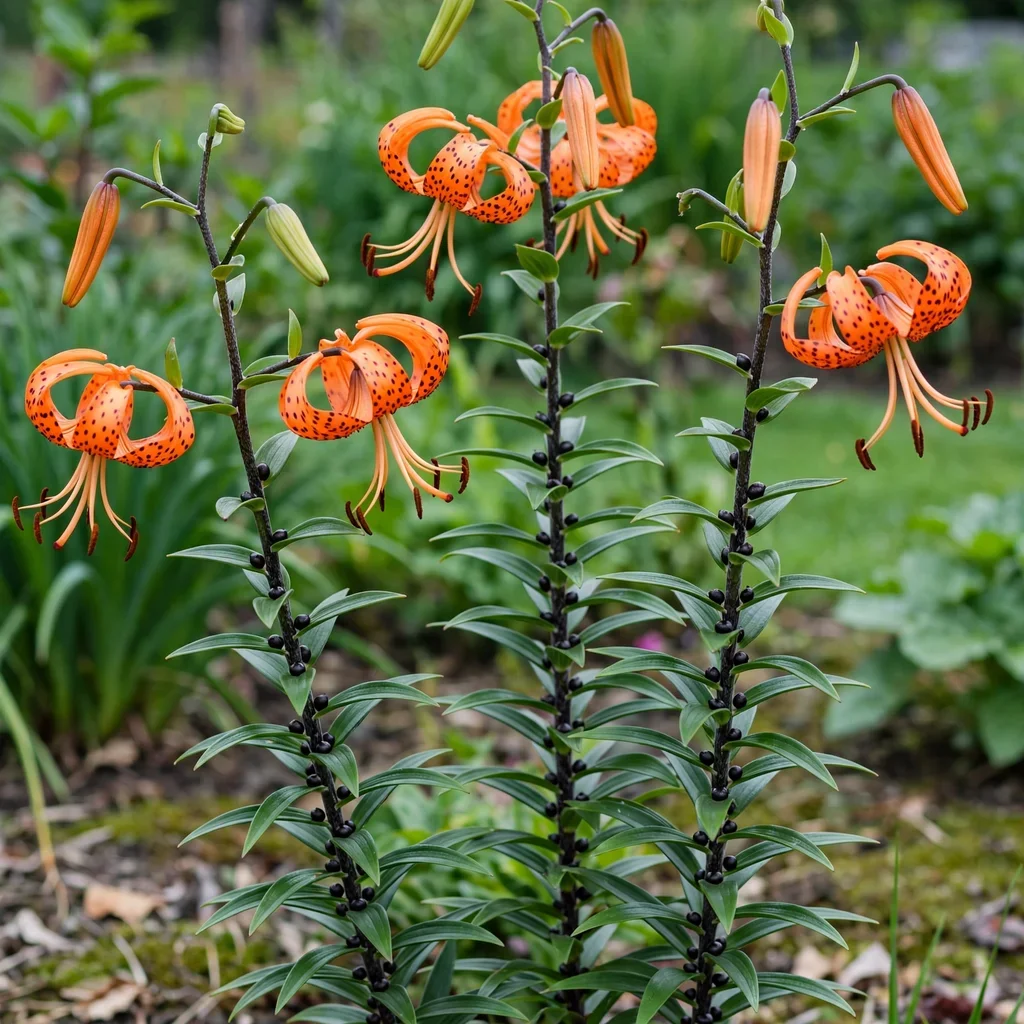
Tiger Lily
Lilium lancifolium
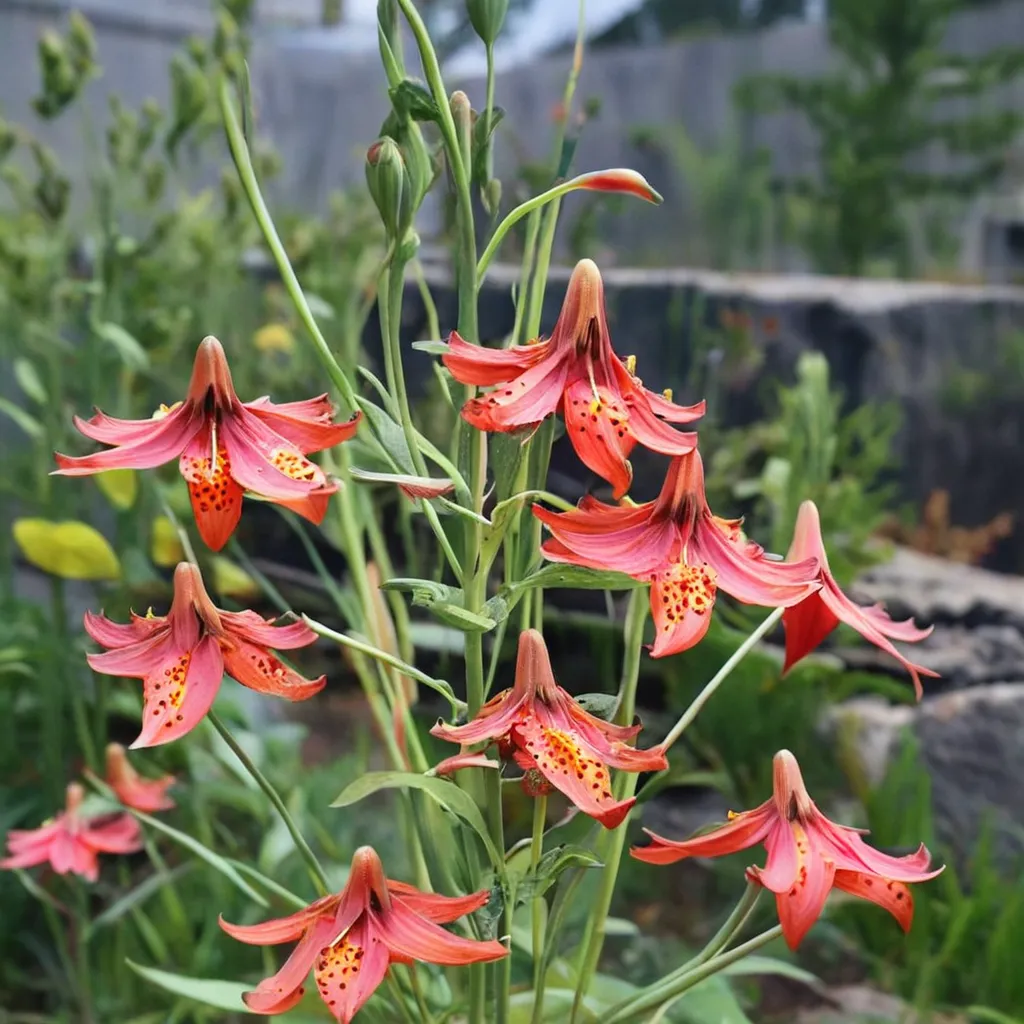
Canada Lily 'Reverend Walker'
Lilium canadense 'Reverend Walker'
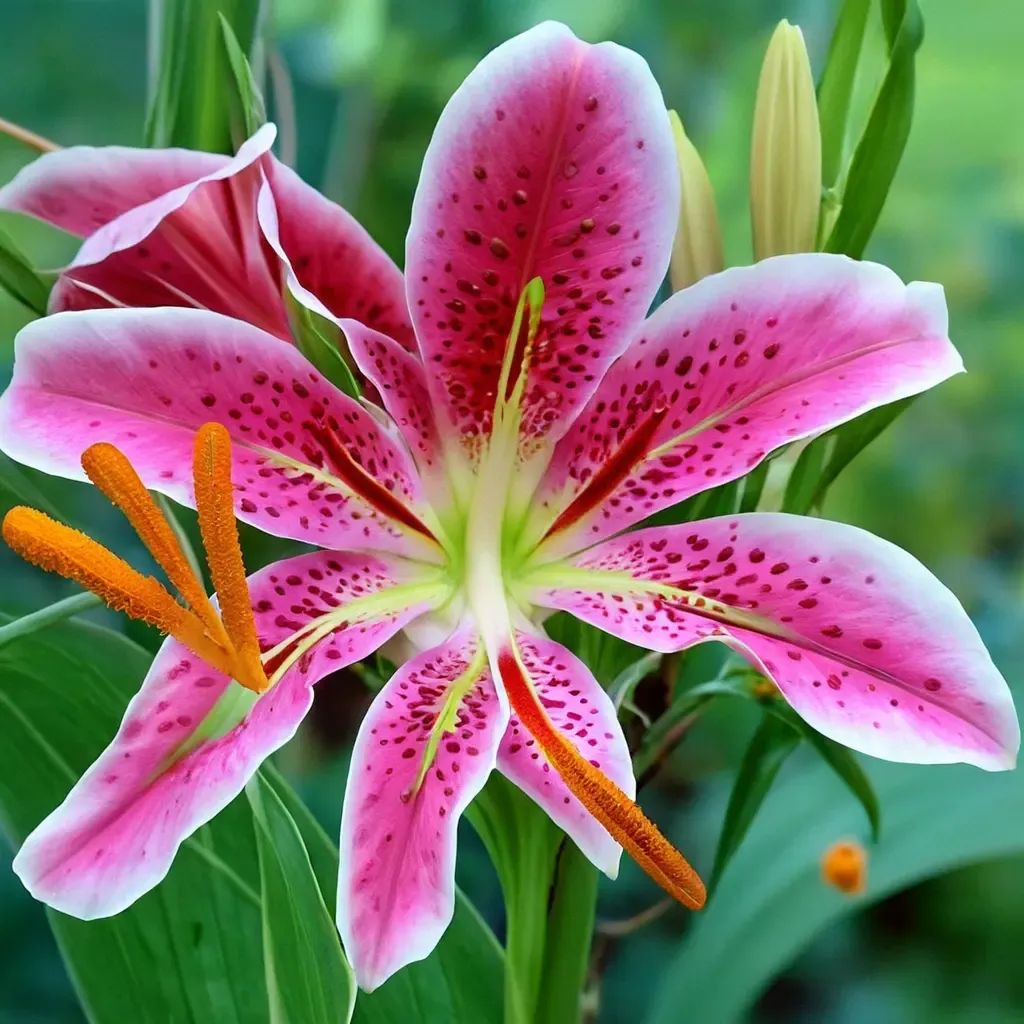
Stargazer Lily
Lilium lancifolium 'Stargazer'
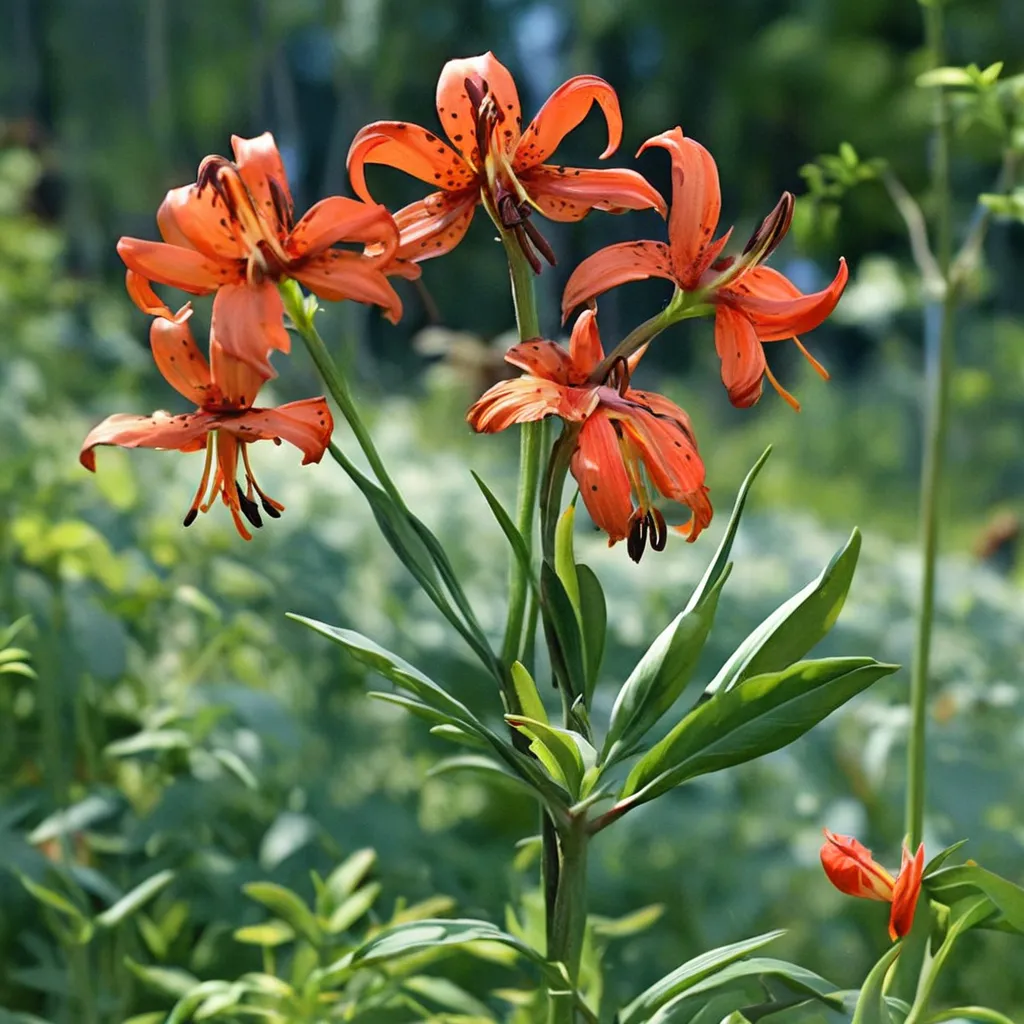
Michigan Lily
Lilium michiganense
Keep exploring
Explore the genus
Hardy in your zone?
Grow Madonna Lily with confidence
See it in a design of your actual yard, get zone-matched care reminders, and track it season by season in your garden journal.