The Story
Plant Bio
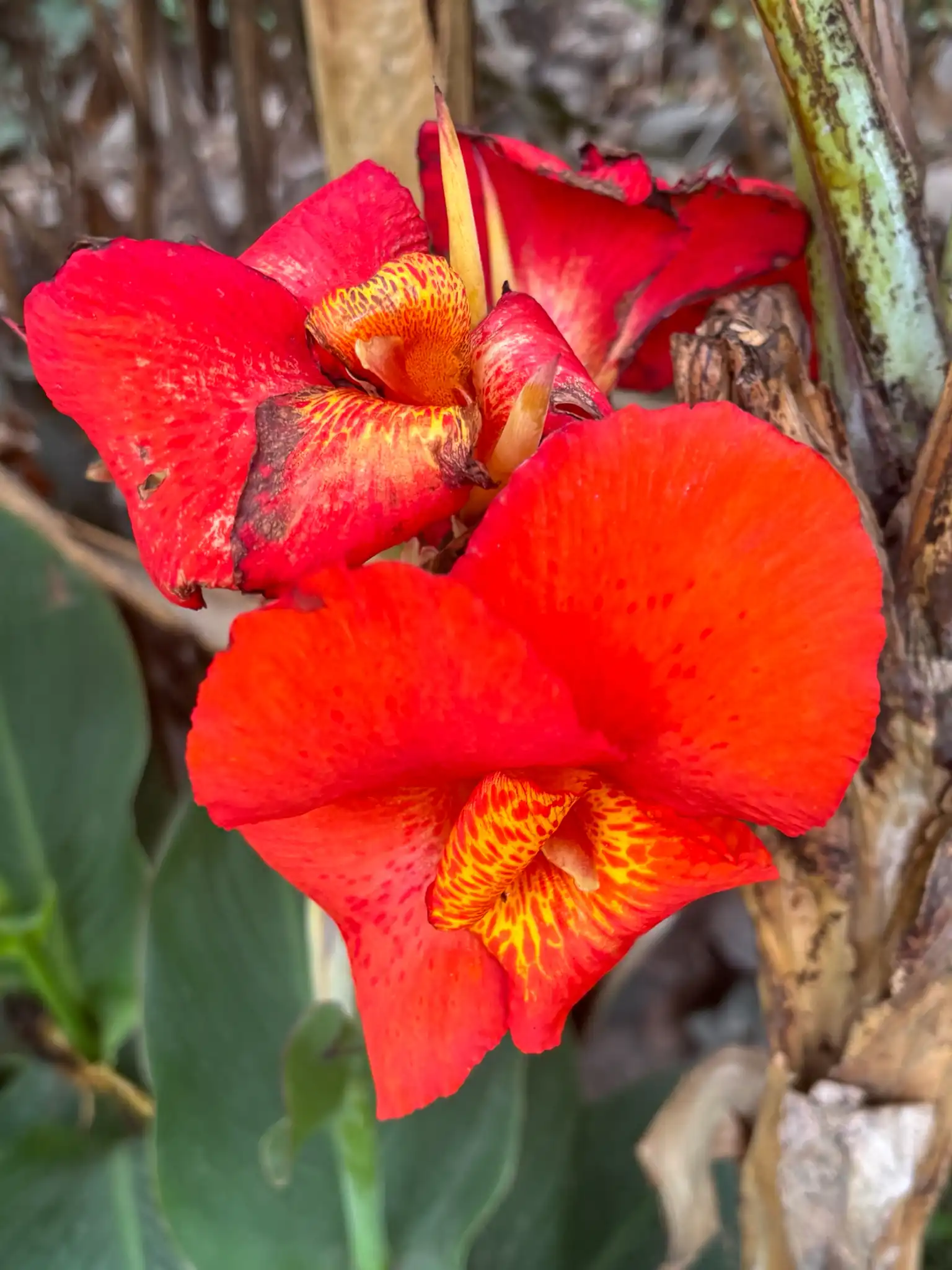
Canna × generalis, commonly known as garden canna, is a robust, rhizomatous perennial forming erect, clump-forming stems wrapped in large, paddle-shaped leaves. The terminal, asymmetrical flowers feature showy, petaloid staminodes in shades of red, orange, yellow, and pink, blooming continuously from midsummer until frost.
These garden hybrids represent a complex genetic mix bred for compact stature, diverse flower colors, and dramatic foliage that ranges from deep bronze-purple to cream-and-pink variegation. Their rapid, tropical growth makes them highly effective as structural accents in temperate borders or large containers.
Uses & Benefits:
Essentials
At a Glance
Plant Type
Perennial
Height
94"
Width
71"
Light
Full Sun, Partial Sun
Zones
7, 8, 9, 10
Water
High
Humidity
High
Lifespan
Perennial
Native To
South and Central America
Toxicity
Non-toxic
Bloom period
Summer – Early fall
In flower about 4 months of the year
Planting
How to Grow
- Select a planting site in full sun with fertile, organic-rich soil that retains moisture well.
- Plant rhizomes in spring after the danger of frost has passed, burying them 3 to 4 inches deep with the growing points or 'eyes' facing upward.
- Water thoroughly after planting and maintain consistent soil moisture throughout the active growing season to support the rapid development of large leaves.
- Apply a balanced, high-nitrogen or high-potash fertilizer monthly from late spring through mid-summer to fuel heavy foliage and flower production.
Pro Tip
Lift the rhizomes immediately after the first autumn frost blackens the foliage in zones below USDA 7; storing them in dry peat moss or vermiculite prevents winter rot.
Keep It Thriving
Care Guide
Do
- Deadhead spent flowers weekly by cutting the stem down to the next node to encourage continuous blooming.
- Divide overcrowded rhizome clumps every 3 to 4 years in spring to maintain vigor and flower size.
- Keep the soil consistently moist, especially during hot summer spells, to prevent leaf scorching.
Don't
- Do not prune off healthy green leaves mid-season, as they are essential for photosynthesizing and feeding the underground rhizome.
- Do not allow the rhizomes to sit in stagnant, freezing-wet soil over winter, which causes rapid rot.
- Do not plant in deep shade, which leads to weak, leggy stems and a complete failure to bloom.
Seasonal Care Calendar
| Task | Jan | Feb | Mar | Apr | May | Jun | Jul | Aug | Sep | Oct | Nov | Dec |
|---|---|---|---|---|---|---|---|---|---|---|---|---|
| Deadhead | ||||||||||||
| Fertilize | ||||||||||||
| Lift Store | ||||||||||||
| Plant |
Watch Out For
Pests & Diseases
Common Pests
Common Diseases
In the Garden
Landscape Uses & Companions
Landscape Uses
Companion Plants
Multiply
Propagation Methods
Good to Know
Common Questions
Garden Canna questions
What zones can Garden Canna grow in?
Garden Canna is hardy in USDA Zones 7–10. Inside that range it survives winter in the ground; outside it, grow it as an annual or a container plant you protect.
Is Garden Canna deer resistant?
Not reliably. Deer may browse Garden Canna, especially tender spring growth — plan on repellents or fencing where pressure is high.
When does Garden Canna bloom?
Garden Canna typically blooms in summer through early fall. Exact timing shifts a week or two with your zone — Sow's bloom calendar maps it to your garden.
Does Garden Canna need full sun?
Garden Canna does best in full sun to part shade. In hot climates, afternoon shade keeps blooms fresher longer.
More Canna to compare
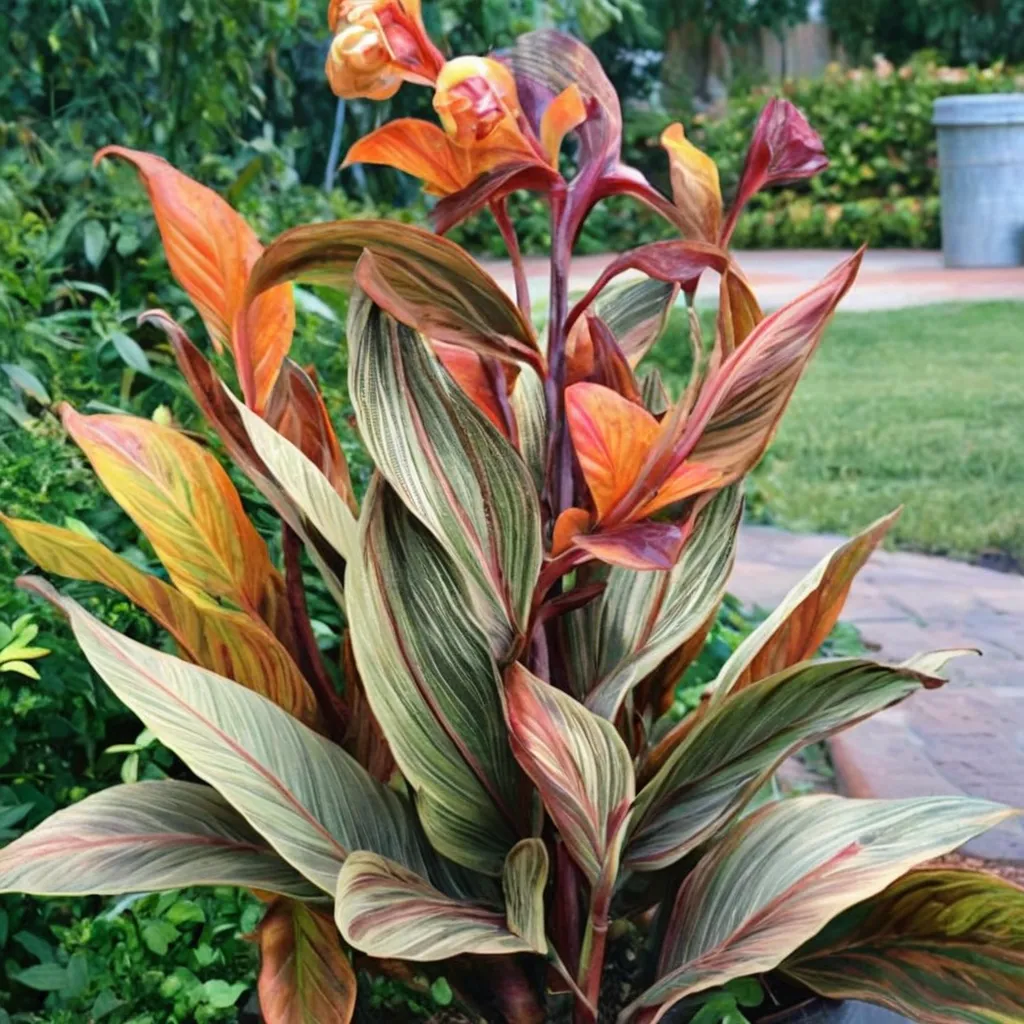
Tropicanna Canna
Canna x generalis 'Durban'
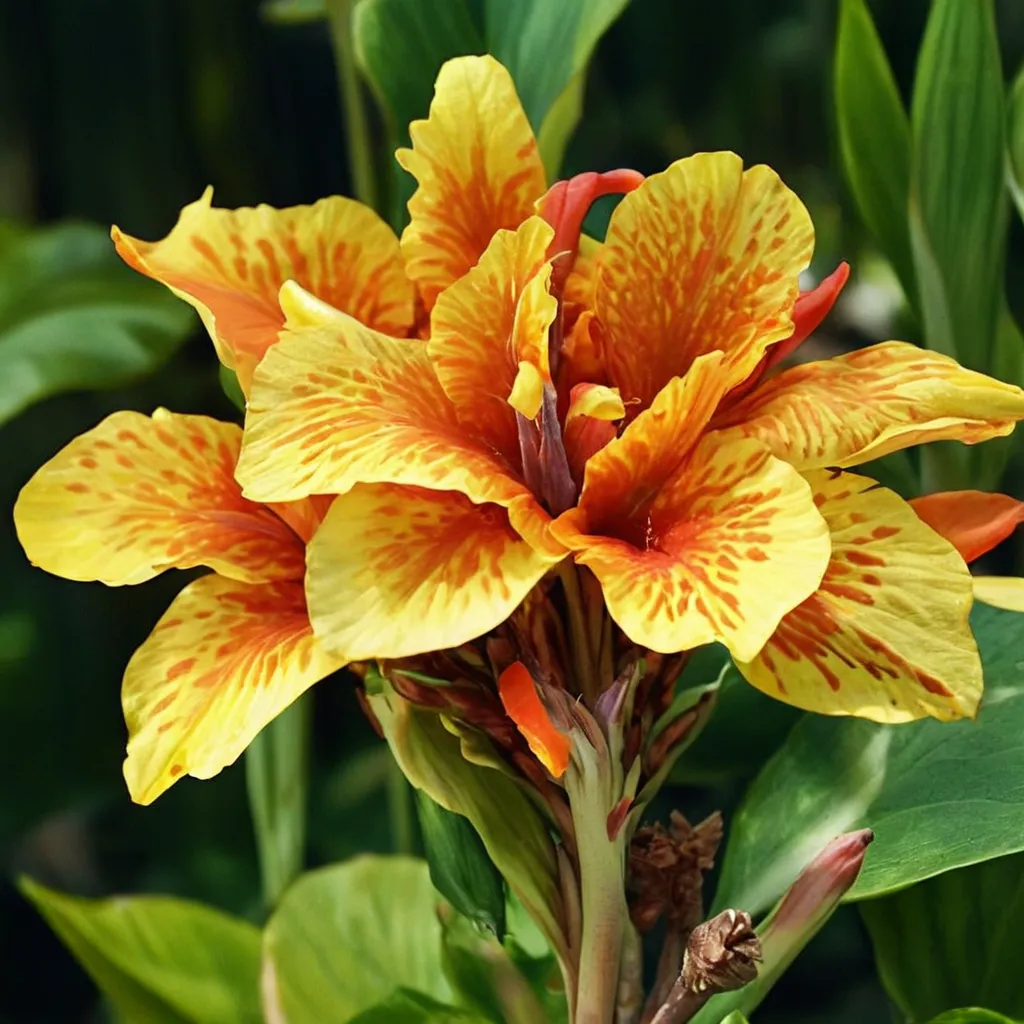
Mactro Canna Lily
Canna x generalis 'Mactro'
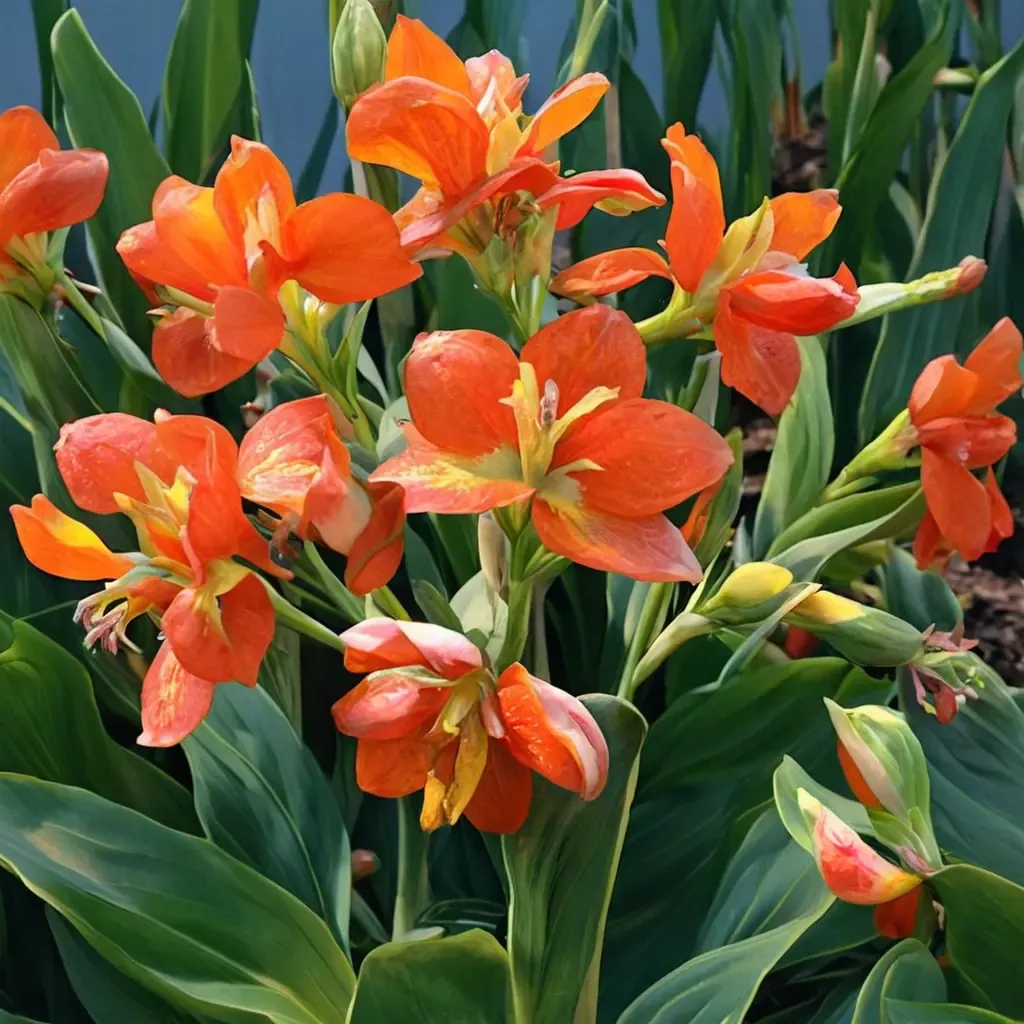
Orange Punch Canna
Canna x hybrida 'Orange Punch'
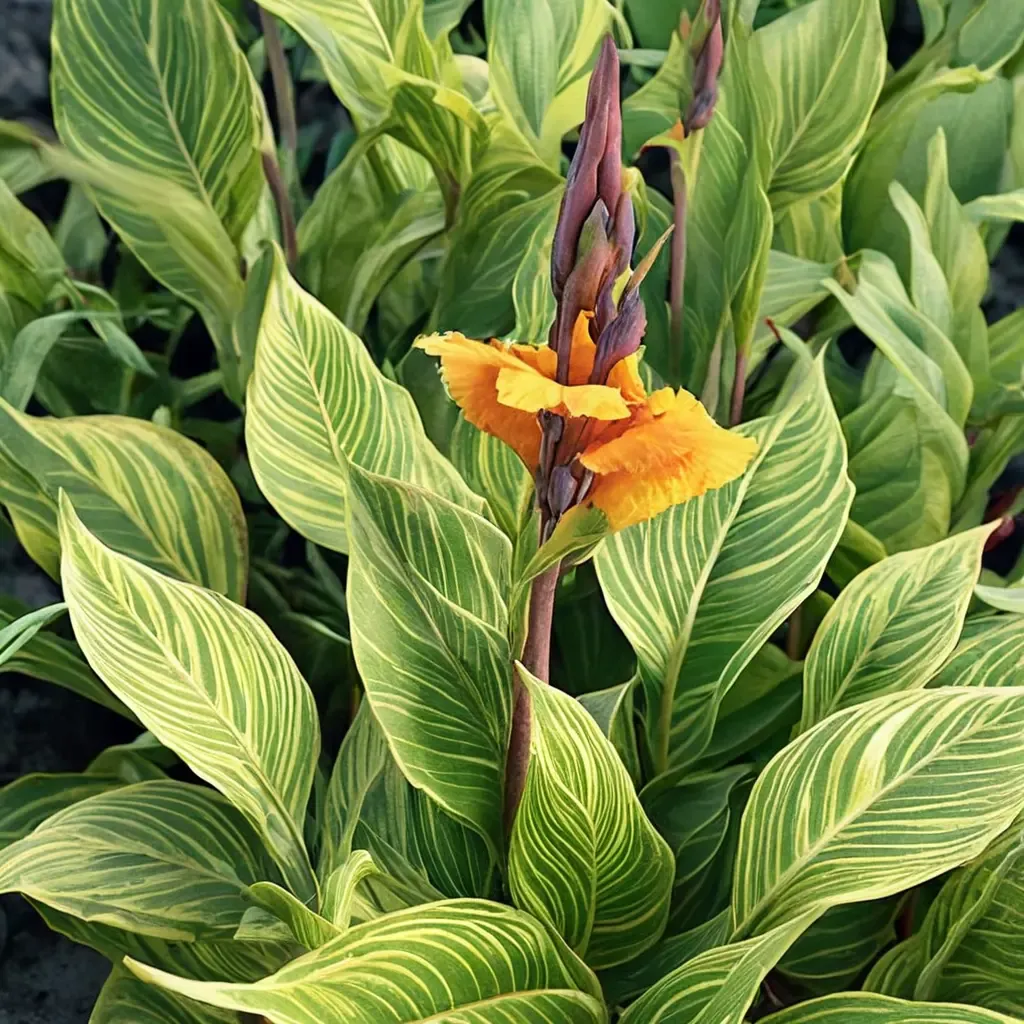
Bengal Tiger Canna
Canna x hybrida 'Bengal Tiger'
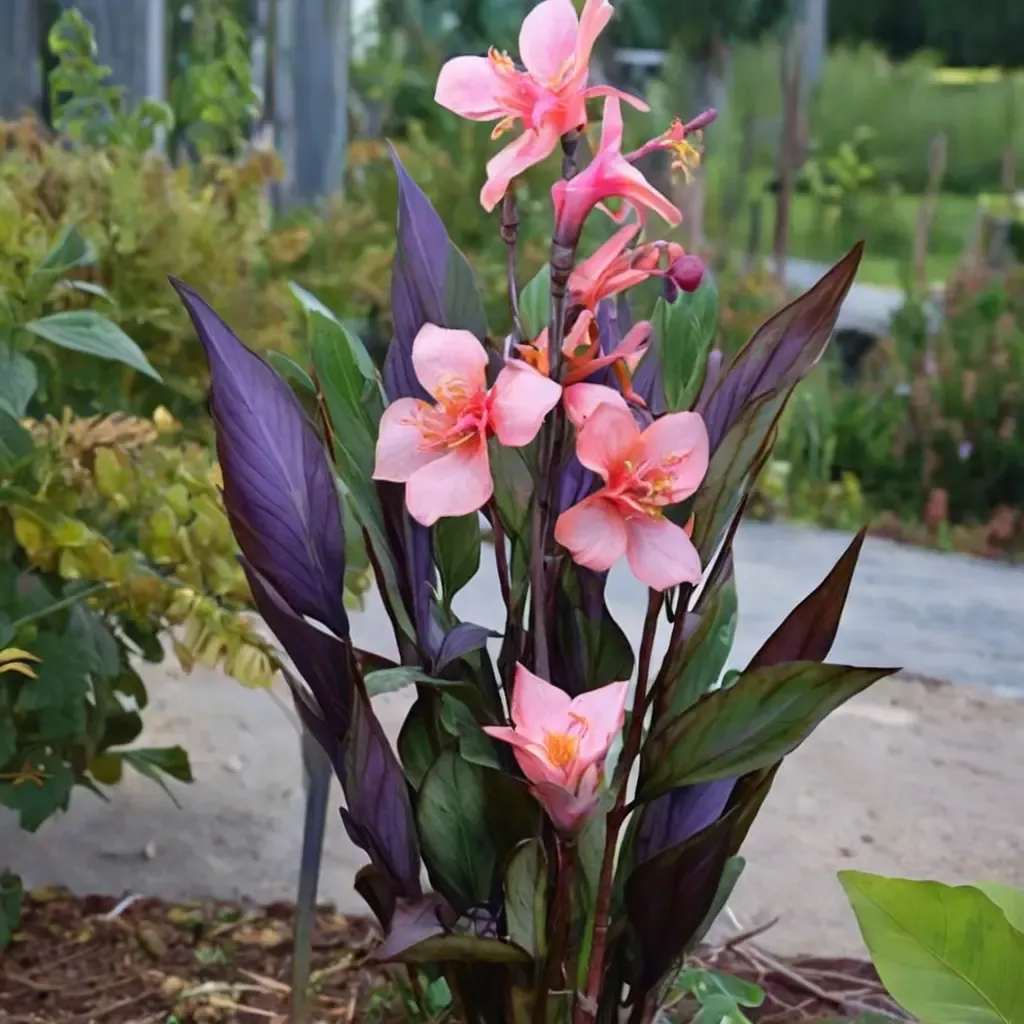
Blueberry Sparkler Canna
Canna x hybrida 'Blueberry Sparkler'
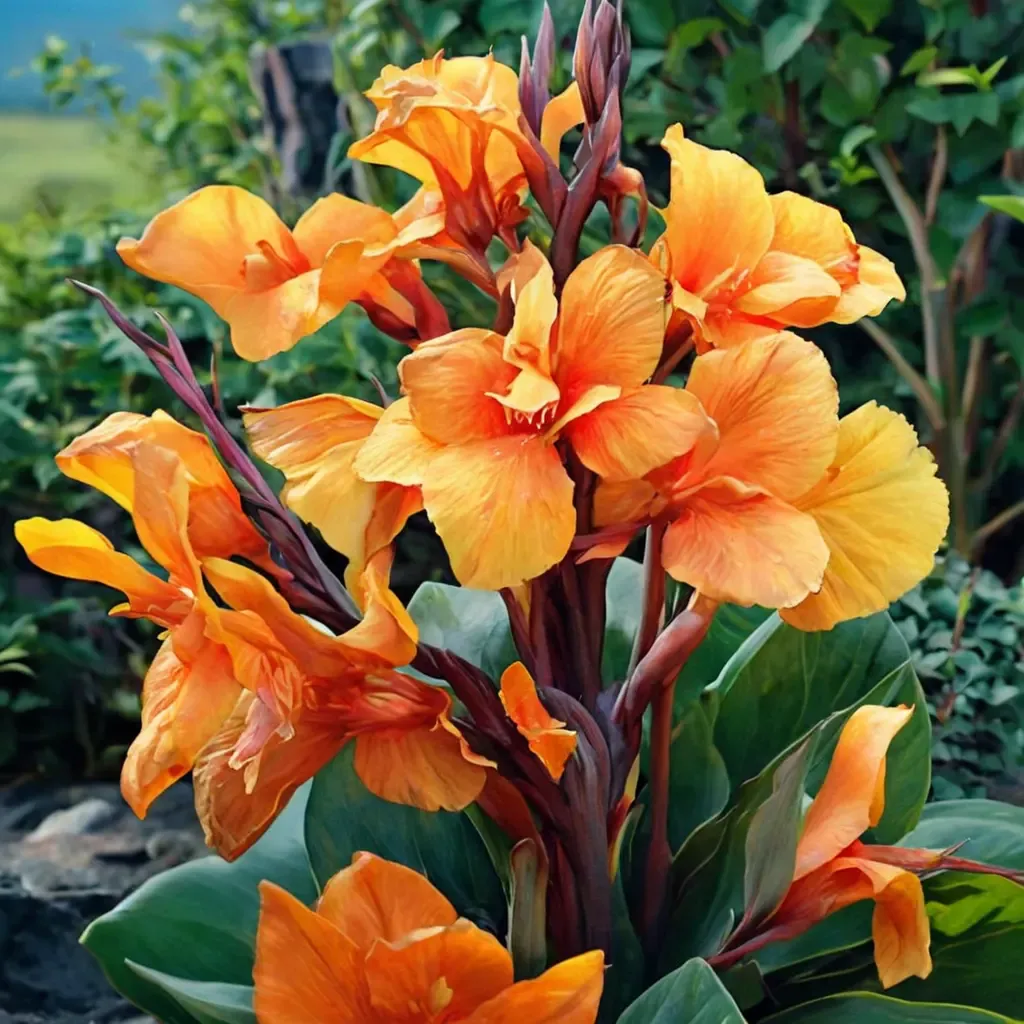
Wyoming Canna
Canna indica 'Wyoming'
Keep exploring
Explore the genus
Hardy in your zone?
Grow Garden Canna with confidence
See it in a design of your actual yard, get zone-matched care reminders, and track it season by season in your garden journal.