The Story
Plant Bio
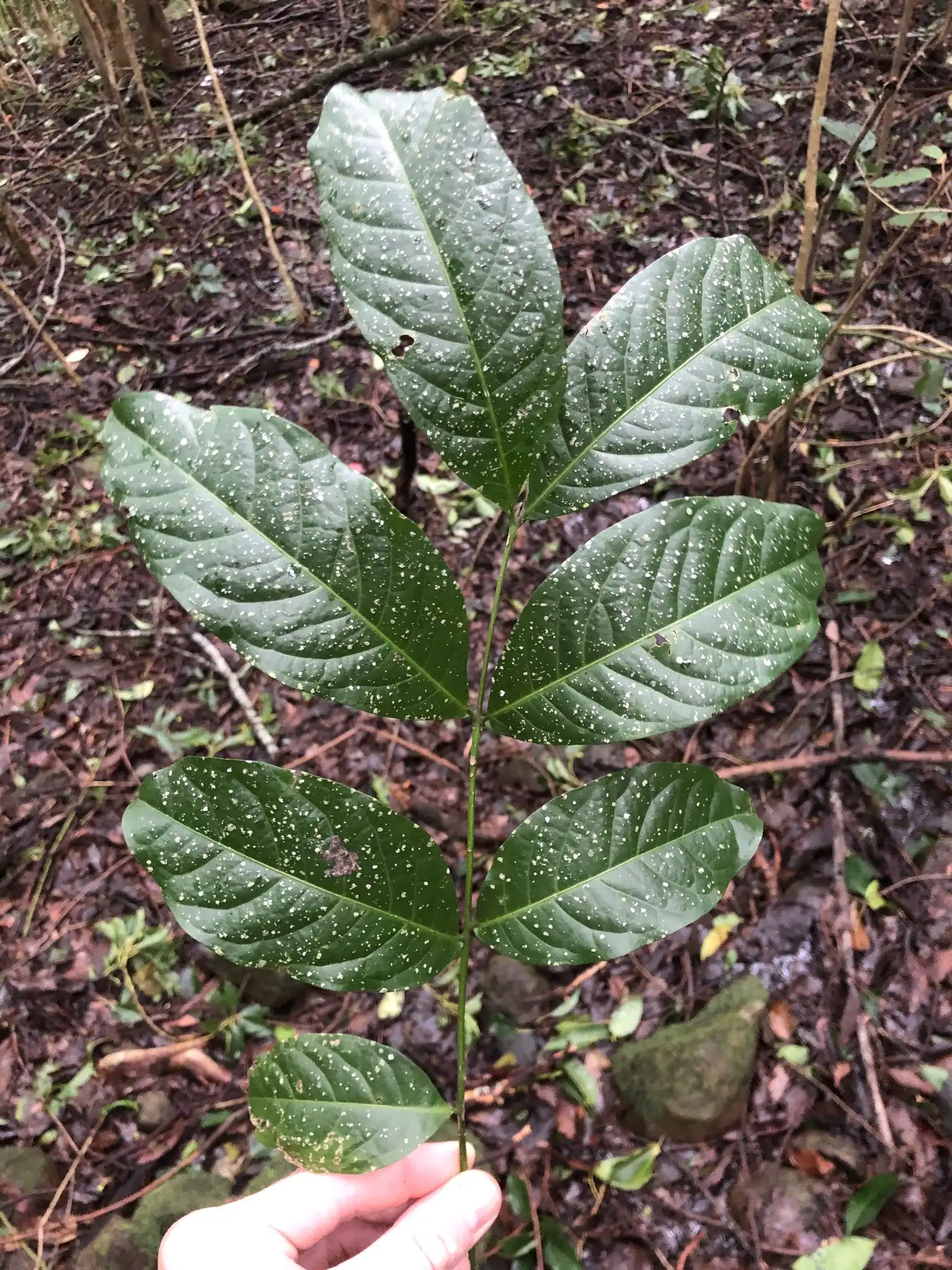
Harpullia pendula, the tulipwood, is an evergreen Australian tree reaching twenty to thirty-three feet in garden cultivation, forming a dense, symmetrical, and rounded canopy. The alternate, compound leaves are glossy green with soft, copper-pink or fawn-colored new growth, producing pendulous sprays of small, greenish-yellow flowers from spring to summer.
The species is highly resilient to urban pollution and coastal salt air, making it an exceptional street or shade tree for warm, frost-free climates. After flowering, it drops decorative capsules and small seeds that can accumulate on the ground and attract ants.
Uses & Benefits:
Essentials
At a Glance
Plant Type
Tree
Height
394"
Width
394"
Light
Full Sun, Partial Sun
Zones
10
Water
Low to Moderate
Humidity
High
Native To
Eastern Australia
Toxicity
Non-toxic
Bloom period
Spring – Summer
In flower about 6 months of the year
Planting
How to Grow
- Plant in a full sun to partially shaded location with well-drained soil, as the roots are highly intolerant of prolonged waterlogging.
- Apply a balanced fertilizer or compost at planting to assist with establishment, watering thoroughly to settle the soil.
- Provide regular water during the first few seasons; once established, the tree exhibits high drought tolerance.
- Protect young trees from even light frosts, though established specimens can tolerate mild, occasional cold spells.
Pro Tip
Perform formative pruning early to establish a single, strong central leader, as branches naturally emerge low on the trunk. Avoid aggressive pruning into old, leafless wood, which limits recovery.
Keep It Thriving
Care Guide
Do
- Prune young trees early to establish a single central trunk.
- Ensure the planting site has excellent drainage to prevent root rot.
- Sow fresh seeds immediately after harvest, as they rapidly lose viability when dry.
Don't
- Do not prune aggressively into old, leafless wood.
- Do not allow the soil to remain waterlogged or poorly drained.
- Do not over-fertilize established trees, as they require minimal ongoing feeding.
Seasonal Care Calendar
| Task | Jan | Feb | Mar | Apr | May | Jun | Jul | Aug | Sep | Oct | Nov | Dec |
|---|---|---|---|---|---|---|---|---|---|---|---|---|
| Fertilize | ||||||||||||
| Pest Check | ||||||||||||
| Propagate | ||||||||||||
| Prune |
Watch Out For
Pests & Diseases
Common Pests
Common Diseases
In the Garden
Landscape Uses & Companions
Landscape Uses
Companion Plants
Multiply
Propagation Methods
Good to Know
Common Questions
Tulipwood questions
What zones can Tulipwood grow in?
Tulipwood is hardy in USDA Zone 10. Inside that range it survives winter in the ground; outside it, grow it as an annual or a container plant you protect.
When does Tulipwood bloom?
Tulipwood typically blooms in spring through summer. Exact timing shifts a week or two with your zone — Sow's bloom calendar maps it to your garden.
Does Tulipwood need full sun?
Tulipwood does best in full sun to part shade. In hot climates, afternoon shade keeps blooms fresher longer.
Is Tulipwood drought tolerant?
Yes — once established (usually after the first full season), Tulipwood handles dry spells with minimal watering. Water deeply its first year to build the root system that makes that possible.
Keep exploring
Explore the genus
Hardy in your zone?
Grow Tulipwood with confidence
See it in a design of your actual yard, get zone-matched care reminders, and track it season by season in your garden journal.