The Story
Plant Bio
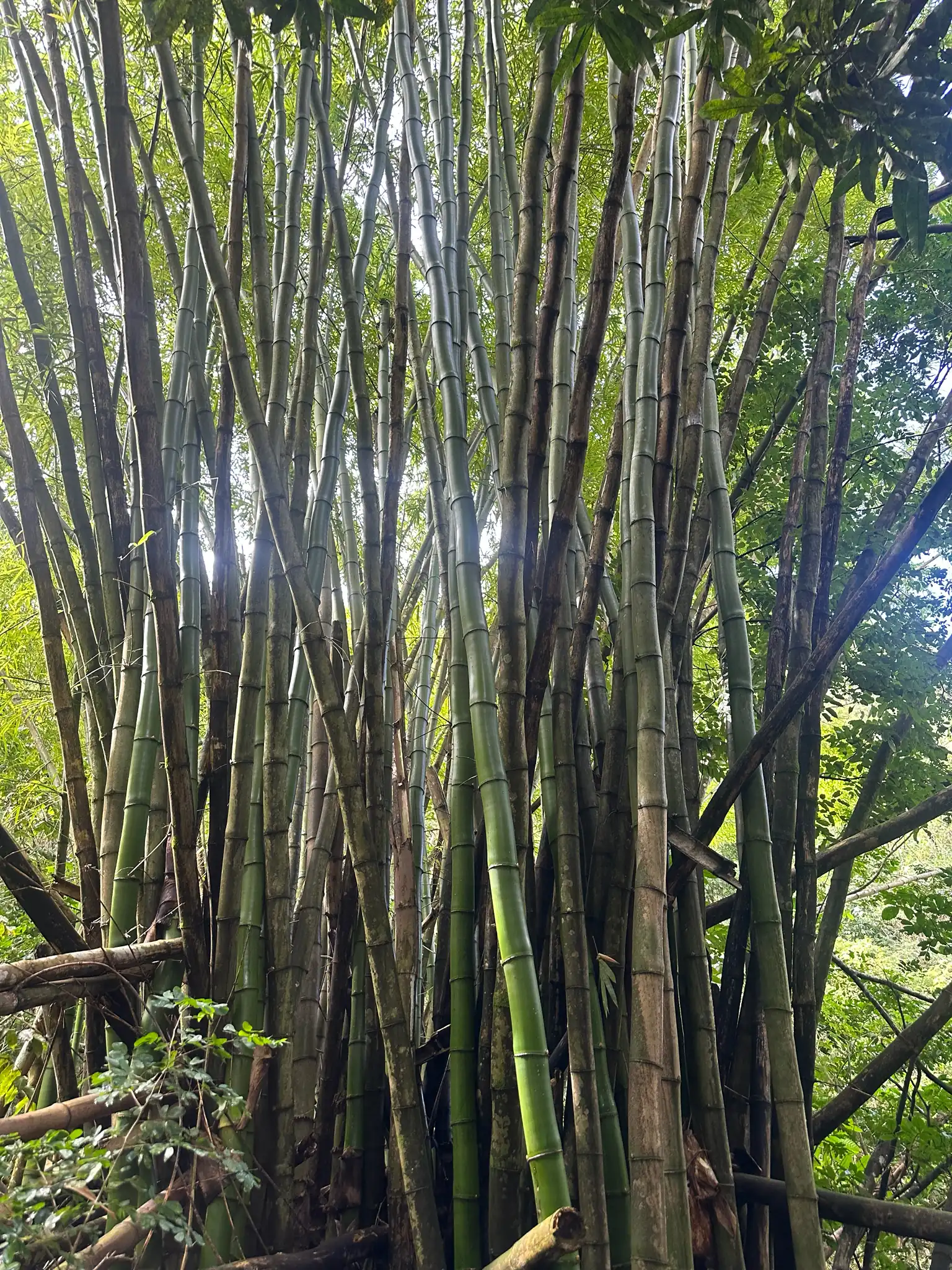
Bambusa vulgaris is a giant, open-clumping grass that produces smooth, glossy green culms with slightly swollen nodes and arching tips. The narrow, lanceolate leaves form a dense canopy, while new shoots emerge wrapped in pale yellow sheaths before maturing.
Unlike running bamboos, this species expands slowly outward from a tight, non-invasive sympodial rhizome system. Flowering is an exceptionally rare event, occurring sporadically over cycles spanning several decades.
Uses & Benefits:
Essentials
At a Glance
Plant Type
Grass
Height
787"
Width
393"
Light
Full Sun, Partial Sun
Zones
9, 10
Water
Medium
Humidity
High
Lifespan
Perennial
Native To
Asia
Toxicity
Non-toxic (shoots require cooking)
Bloom period
Summer
In flower about 3 months of the year
Marketplace
Where to Buy
Shipping costs Year-round shipping Free shipping
Planting
How to Grow
- Select a planting site in full sun to partial shade with fertile, moisture-retentive soil.
- Dig a hole twice the width of the root ball and set the plant at its original container depth.
- Water deeply and regularly during the first growing season to establish the root system.
- Apply a thick layer of organic mulch around the base to retain soil moisture and suppress weeds.
Pro Tip
Never top live culms horizontally, as this permanently halts vertical growth, ruins the natural arching form, and invites rot into the hollow stems.
Keep It Thriving
Care Guide
Do
- Prune out dead, damaged, or congested interior culms at ground level annually.
- Apply a balanced, high-nitrogen slow-release fertilizer during the active spring and summer growth periods.
- Provide supplemental irrigation during prolonged dry spells to prevent partial defoliation.
Don't
- Do not cut live culms back horizontally, which ruins the growth habit and encourages rot.
- Do not plant in areas with poor drainage where water remains waterlogged for extended periods.
- Do not allow young shoots to be eaten raw, as they contain cyanogenic glycosides and require thorough cooking.
Seasonal Care Calendar
| Task | Jan | Feb | Mar | Apr | May | Jun | Jul | Aug | Sep | Oct | Nov | Dec |
|---|---|---|---|---|---|---|---|---|---|---|---|---|
| Fertilize | ||||||||||||
| Mulch | ||||||||||||
| Pest Check | ||||||||||||
| Prune |
Watch Out For
Pests & Diseases
Common Pests
Common Diseases
In the Garden
Landscape Uses & Companions
Landscape Uses
Companion Plants
Multiply
Propagation Methods
Good to Know
Common Questions
Common Bamboo questions
What zones can Common Bamboo grow in?
Common Bamboo is hardy in USDA Zones 9–10. Inside that range it survives winter in the ground; outside it, grow it as an annual or a container plant you protect.
When does Common Bamboo bloom?
Common Bamboo typically blooms in summer through summer. Exact timing shifts a week or two with your zone — Sow's bloom calendar maps it to your garden.
Does Common Bamboo need full sun?
Common Bamboo does best in full sun to part shade. In hot climates, afternoon shade keeps blooms fresher longer.
Is Common Bamboo drought tolerant?
Yes — once established (usually after the first full season), Common Bamboo handles dry spells with minimal watering. Water deeply its first year to build the root system that makes that possible.
More Bambusa to compare
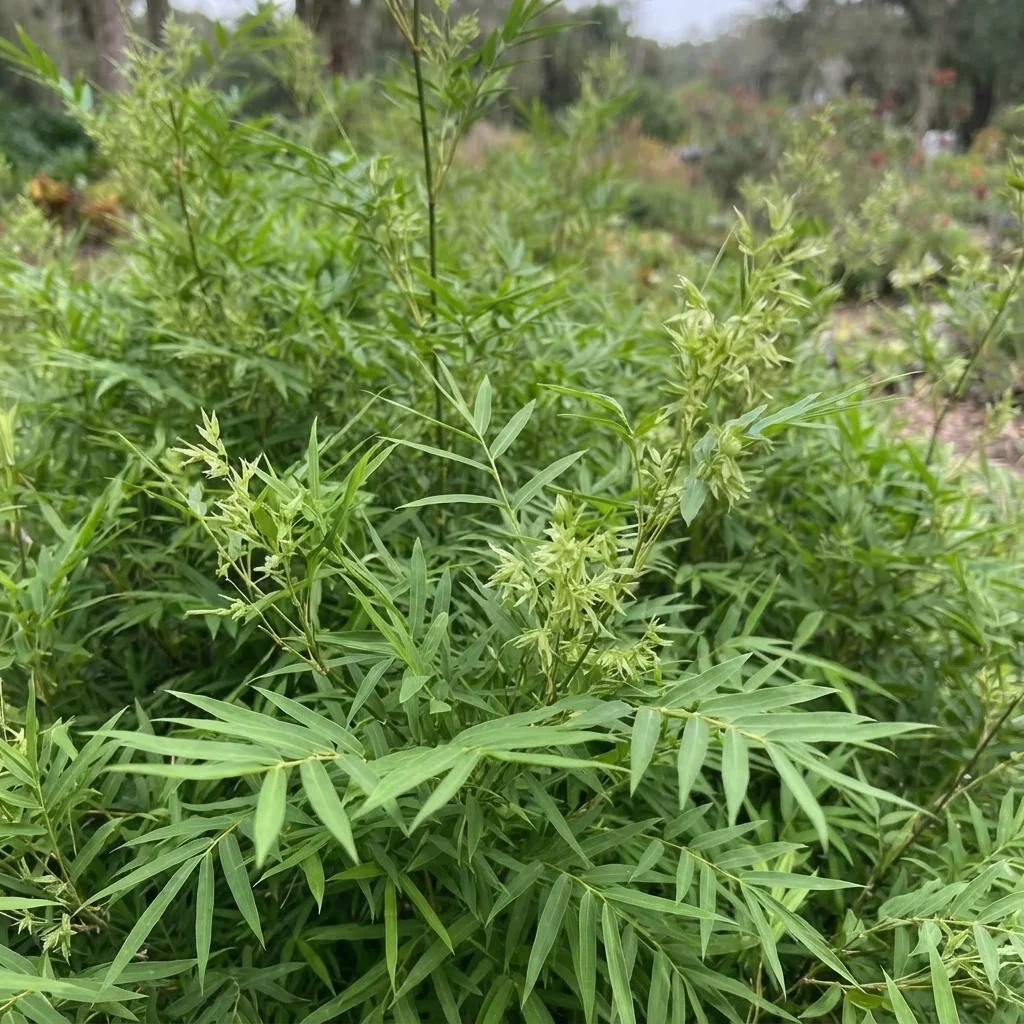
Fernleaf Bamboo
Bambusa multiplex 'Fernleaf'
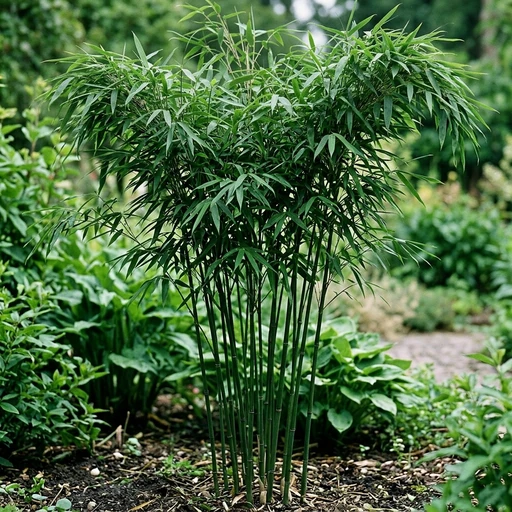
Graceful Bamboo
Bambusa textilis
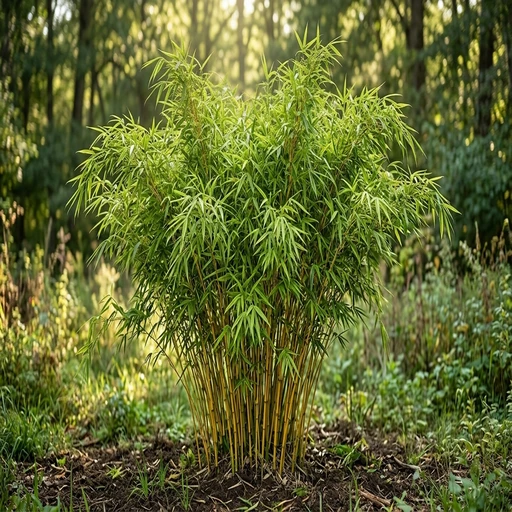
Golden Goddess Hedge Bamboo
Bambusa multiplex 'Golden Goddess'
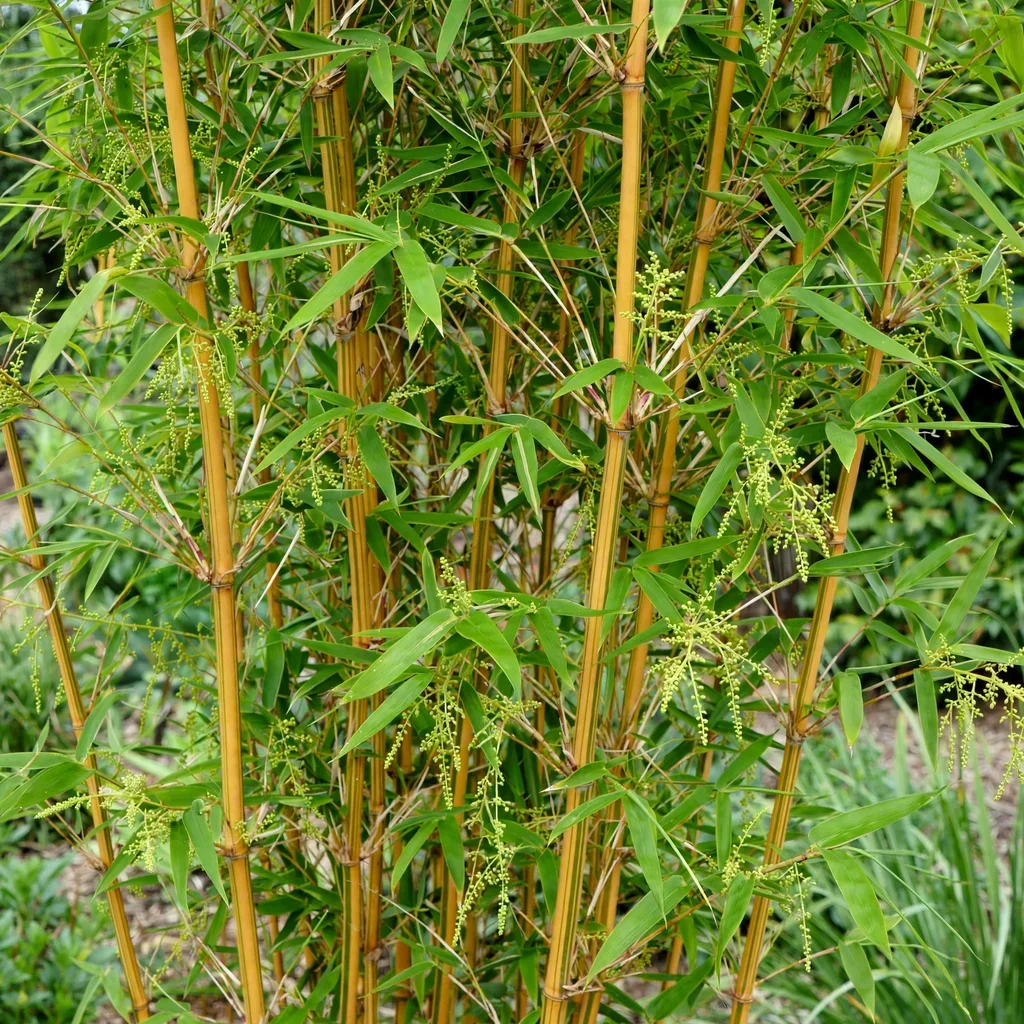
Alphonse Karr Bamboo
Bambusa multiplex 'Alphonse Karr'
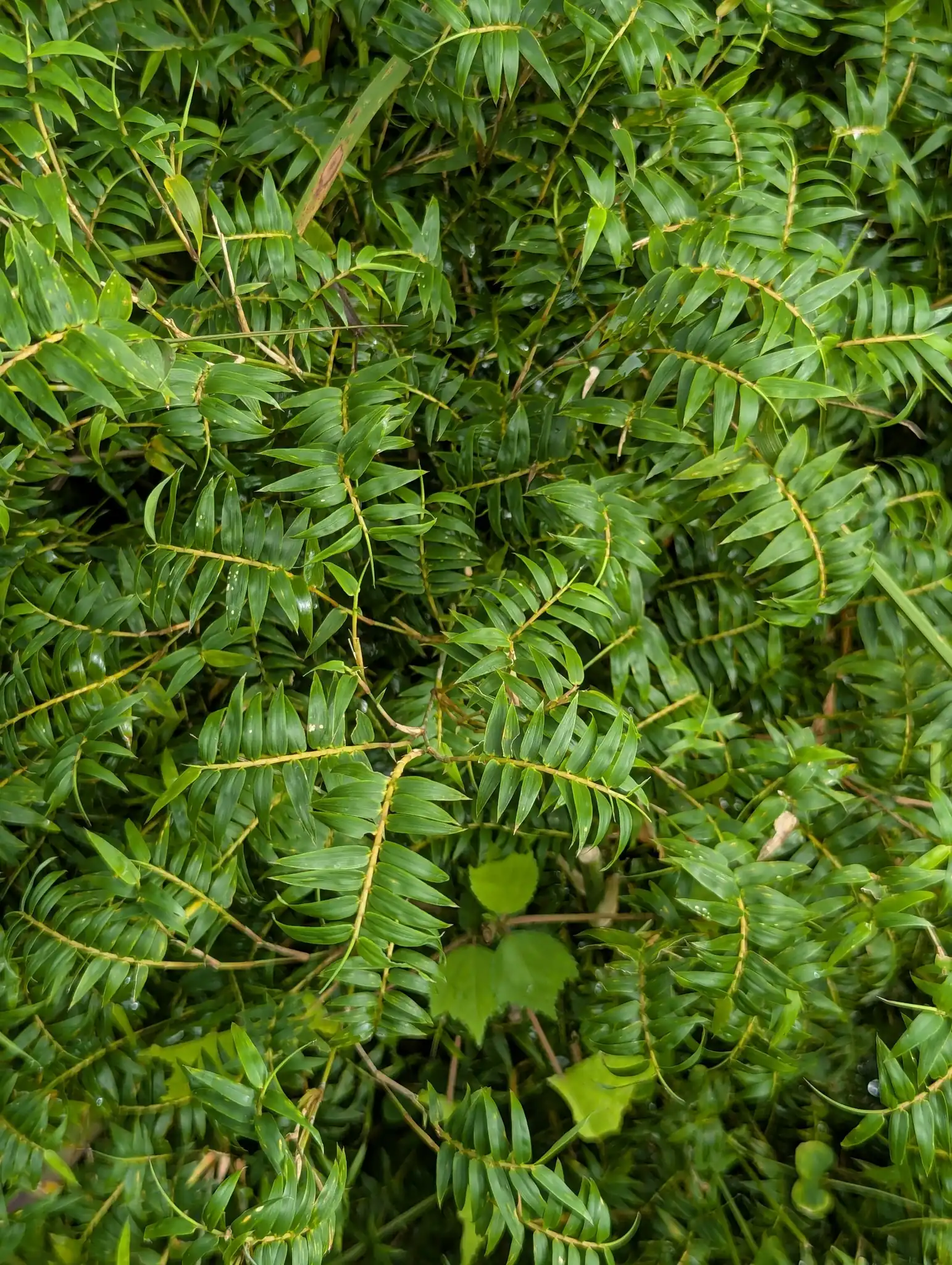
Hedge Bamboo
Bambusa multiplex
Keep exploring
Explore the genus
Hardy in your zone?
Grow Common Bamboo with confidence
See it in a design of your actual yard, get zone-matched care reminders, and track it season by season in your garden journal.