Also known as Bamboo · 52 saves
Bambusa
Bambusa, the genus most gardeners know as bamboo. We track 6 varieties; the ones most used by real gardeners.
The 6 most-saved Bambusa varieties
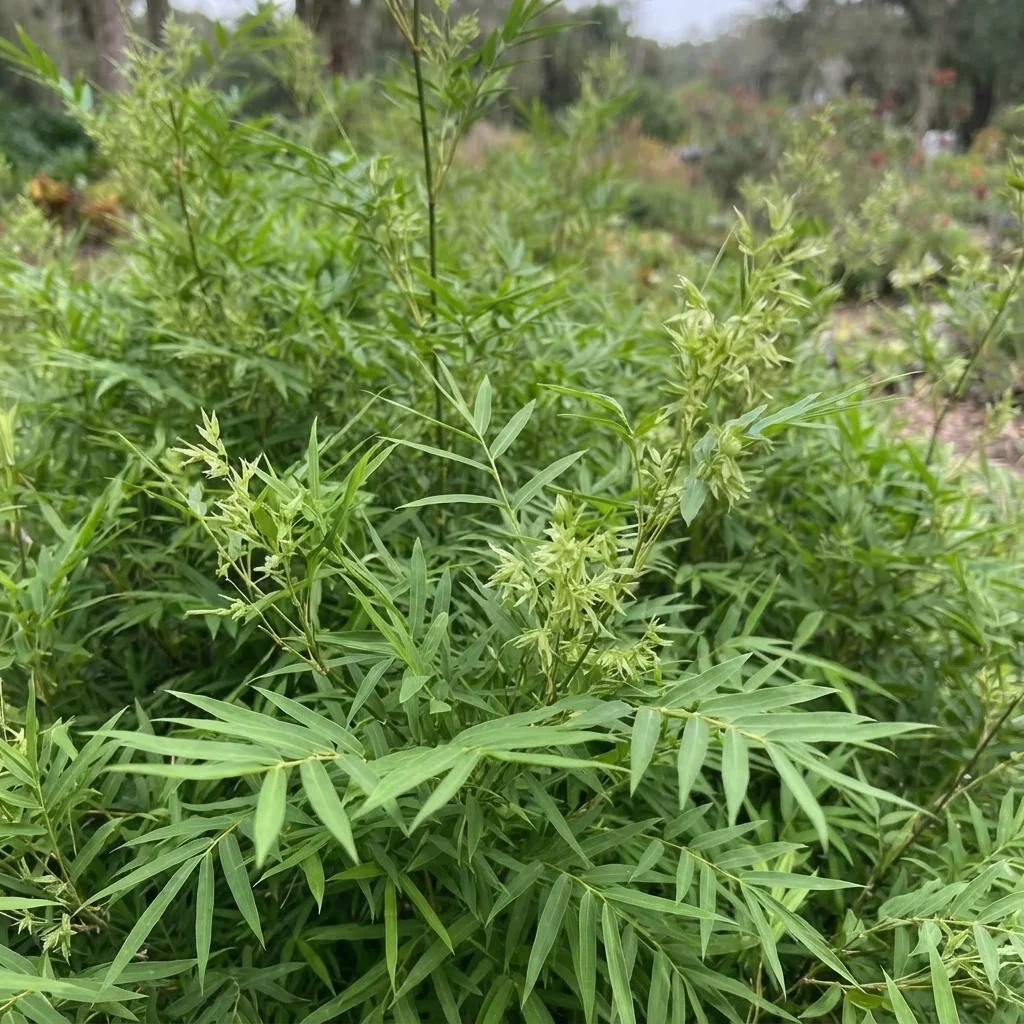
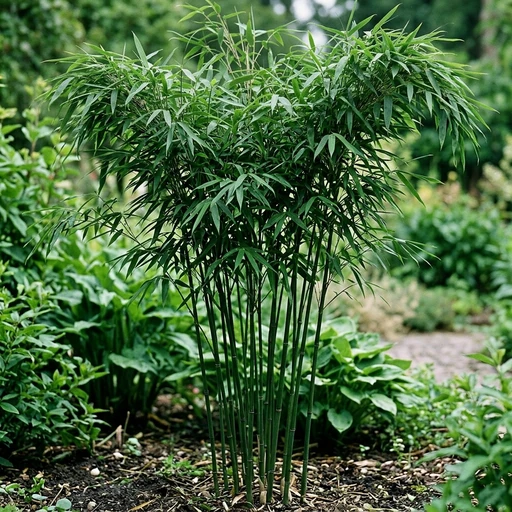
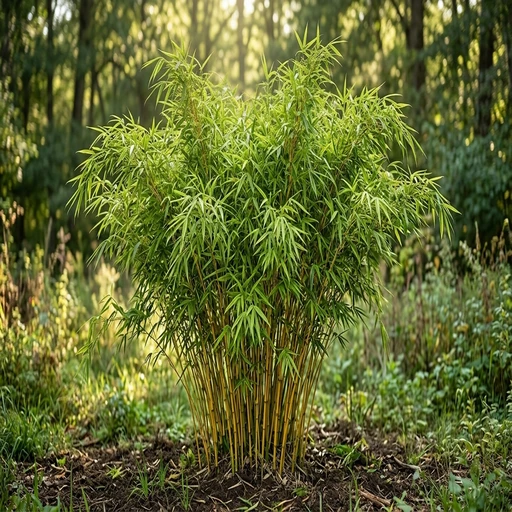
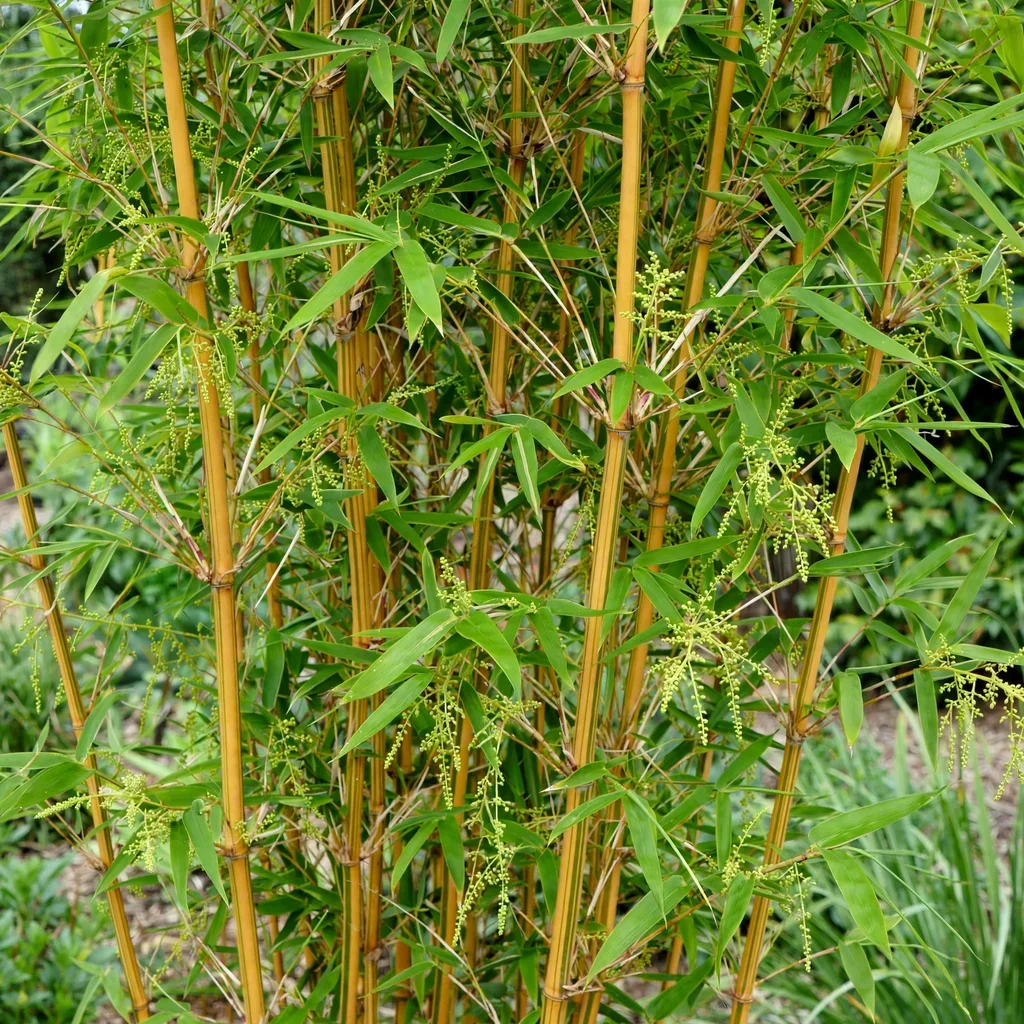
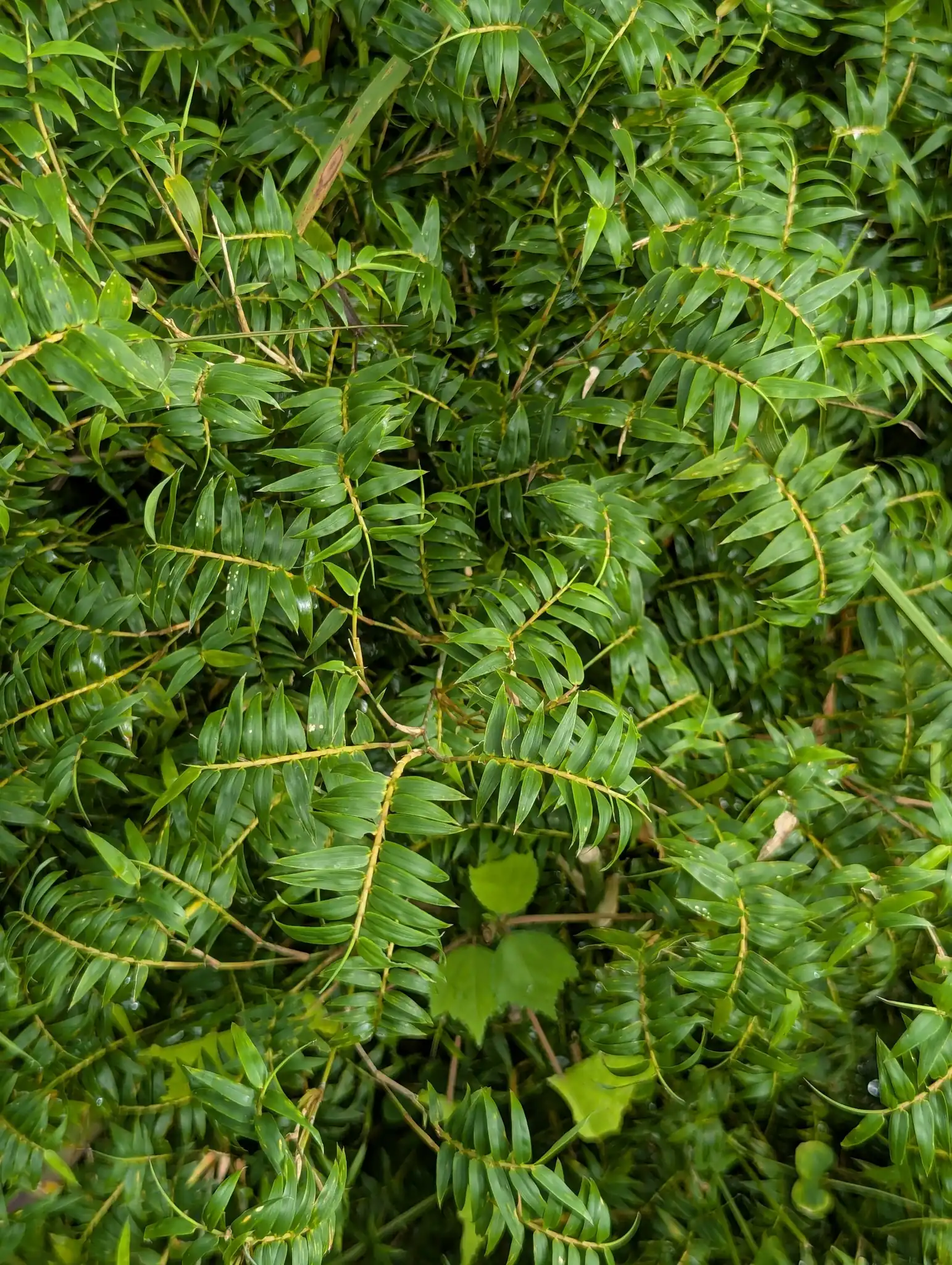
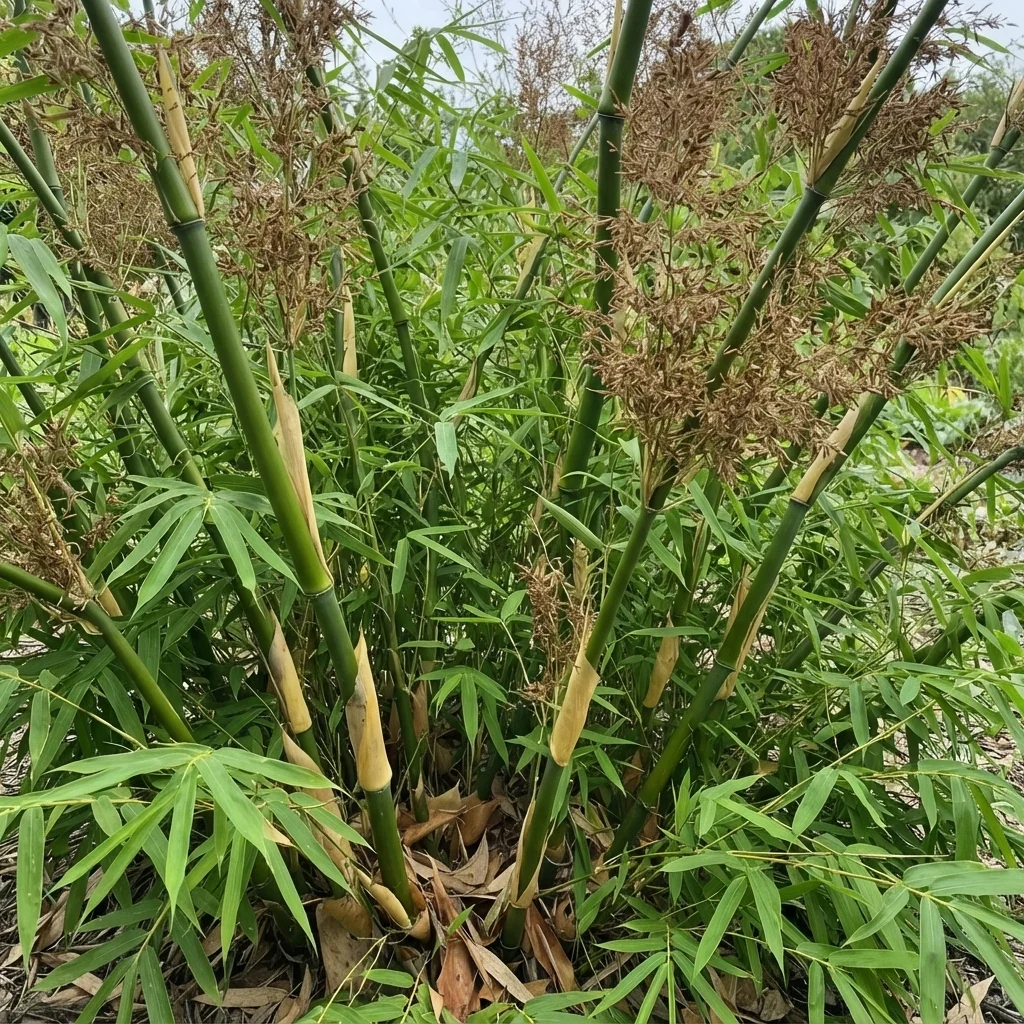
2 species of Bambusa
Each one is a parent of the varieties above.
Track your Bambusa in Sow
Save the Bambusa you grow and get care reminders timed to your zone.
How to grow Bambusa
Whats common across all Bambusa varieties in our catalog — drawn from the care records of the 6 most-grown of them.
The Bambusa year
- PruneMarch and April83% of varieties
Remove old or dead culms at ground level in late winter.
- FertilizeApril, June, July and August83% of varieties
Apply a high-nitrogen fertilizer in spring and mid-summer.
- MulchMay and December50% of varieties
Maintain a thick layer of mulch to conserve moisture.
- PlantApril, May, June and October33% of varieties
Plant during the warmer months for best establishment.
- DivideApril and May33% of varieties
Divide clumps in early spring if desired, ensuring each division has several canes.


Do
- Give it space for a four- to six-foot clump 📏
- Water steadily through the first two years 💧
- Feed with a nitrogen-rich fertiliser in spring 🌿
- Thin the oldest canes at ground level 🪚
- Water regularly, especially in heat and during establishment.
Avoid
- Avoid overwatering to prevent root rot ❌
- Top the canes to control height ❌
- Assume it needs a running-bamboo root barrier ❌
- Let a container plant dry out completely ❌
What goes wrong with Bambusa
| Problem | What you'll see | What to do |
|---|---|---|
| Aphids | Sticky honeydew and distorted leaves | Use insecticidal soap or neem oil |
| Bamboo Mites | Yellow stippling or a 'bleached' look on the upper surface of leaves. | Spray the undersides of leaves with insecticidal soap or a miticide. Horticultural oil can also be effective. |
| Bamboo mite | Pale rectangular stippled patches on the upper leaf surface, with fine webbing beneath | Cut out and destroy the worst canes; treat with horticultural oil, and avoid moving infested divisions between plants |
| Bamboo scale and mealybug | White or brown bumps clustered at the leaf sheaths, with sticky honeydew below | Thin crowded canes to open the clump and treat heavy infestations with horticultural oil |
| Root rot | Yellowing leaves and wilting | Improve drainage and reduce watering |
| Sooty Mold | A black, powdery coating on leaves and culms. | This mold grows on the honeydew excreted by pests like aphids or scale. Control the pests, and the mold can be washed off or will weather away. |
| Sooty mould | Black film coating the leaves and canes, following an aphid, scale or mealybug infestation | Treat the insects producing the honeydew; the mould is harmless in itself and weathers off once they are gone |
Making more Bambusa
Division
- Lift a rooted section of the clump in early spring.
- Cut it away with several canes and plenty of root attached.
- Replant immediately and keep it well watered for a season.
Cuttings
- Select healthy cane segments with at least two nodes
- Cut into 12-inch segments
- Dip cut ends in rooting hormone
- Plant in moist, well-draining soil
- Mist regularly and keep warm for roots to develop over 6 weeks
Bambusa questions
How many types of Bambusa are there?
The Sow catalog tracks 6 distinct Bambusa varieties. The most popular — ranked by 52 real gardeners — are shown first above.
What zones does Bambusa grow in?
Across its varieties, Bambusa covers USDA Zones 8–10. Individual varieties differ — each plant page lists its exact range, and Sow filters the catalog to your zone automatically.
When does Bambusa bloom?
Most Bambusa varieties bloom in rarely flowers, late summer, late winter. Staggering early, mid, and late varieties extends the genus's season in one bed.
Which Bambusa should I choose?
Start from the most-saved varieties above — popularity across thousands of gardens is a strong signal of reliability — then filter by your zone and sun. In the Sow app you can preview any of them in a photo of your actual yard before you buy.