The Story
Plant Bio
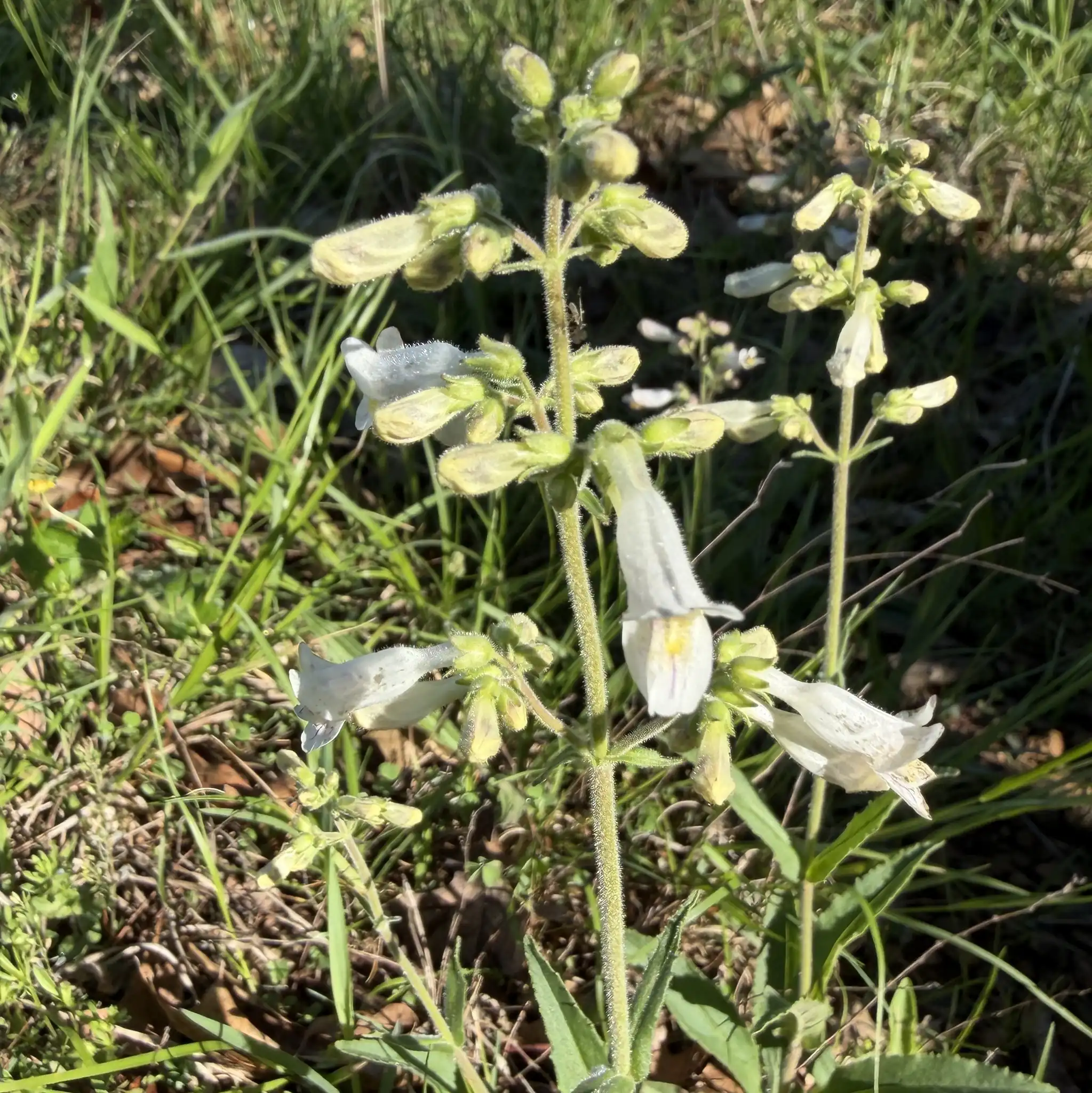
Penstemon pallidus is an erect, clump-forming herbaceous perennial native to dry open woods, glades, and prairies across central and eastern North America. Soft downy pubescence covers its slender central stems and medium-green lanceolate leaves, which give rise to upright glandular panicles of tubular white flowers in late spring.
Distinguished by soft white hairs covering its leaves, stems, and flower pedicels, this species produces two-lipped blooms lined with faint purple nectar guides inside the throat. Its basal rosette remains low to the ground throughout winter before slender flowering stems rise in spring.
Uses & Benefits:
Essentials
At a Glance
Plant Type
Perennial
Height
30"
Width
18"
Light
Full Sun, Partial Sun
Zones
4, 5, 6, 7, 8
Water
Low
Humidity
Tolerates heat and humidity
Lifespan
Perennial
Native To
Central and Eastern North America
Toxicity
Non-toxic
Bloom period
Mid spring – Early summer
In flower about 3 months of the year
Planting
How to Grow
- Select a site in full sun or light shade with sandy, gravelly, or low-fertility soil.
- Set crowns precisely at ground level, keeping soil clear of the central leaf rosette.
- Water lightly after planting to settle soil around roots, then allow the top layer to dry completely.
- Mulch with coarse sand or fine gravel rather than organic mulch to prevent moisture retention around the base.
Pro Tip
Plant in lean, gravelly, or sandy soil with sharp drainage; rich garden loam or winter dampness leads to fatal crown and root rot.
Keep It Thriving
Care Guide
Do
- Ensure high drainage around root zones to prevent winter decay.
- Cut spent flower stems back to the basal rosette after bloom finishes.
- Keep soil fertility low to maintain upright, sturdy stems.
Don't
- Do not apply heavy organic fertilizers or high-nitrogen plant food.
- Do not plant in heavy clay or low-lying areas where water collects.
- Do not overwater established plants.
Seasonal Care Calendar
| Task | Jan | Feb | Mar | Apr | May | Jun | Jul | Aug | Sep | Oct | Nov | Dec |
|---|---|---|---|---|---|---|---|---|---|---|---|---|
| Deadhead | ||||||||||||
| Divide | ||||||||||||
| Spring Cleanup | ||||||||||||
| Winter Prep |
Watch Out For
Pests & Diseases
Common Pests
Common Diseases
In the Garden
Landscape Uses & Companions
Landscape Uses
Multiply
Propagation Methods
Good to Know
Common Questions
Pale Beardtongue questions
What zones can Pale Beardtongue grow in?
Pale Beardtongue is hardy in USDA Zones 4–8. Inside that range it survives winter in the ground; outside it, grow it as an annual or a container plant you protect.
Is Pale Beardtongue deer resistant?
Yes — Pale Beardtongue is rated deer-resistant. Deer typically pass it over, though extreme hunger can override any plant's defenses.
When does Pale Beardtongue bloom?
Pale Beardtongue typically blooms in mid spring through early summer. Exact timing shifts a week or two with your zone — Sow's bloom calendar maps it to your garden.
Does Pale Beardtongue need full sun?
Pale Beardtongue does best in full sun to part shade. In hot climates, afternoon shade keeps blooms fresher longer.
Is Pale Beardtongue drought tolerant?
Yes — once established (usually after the first full season), Pale Beardtongue handles dry spells with minimal watering. Water deeply its first year to build the root system that makes that possible.
More Penstemon to compare
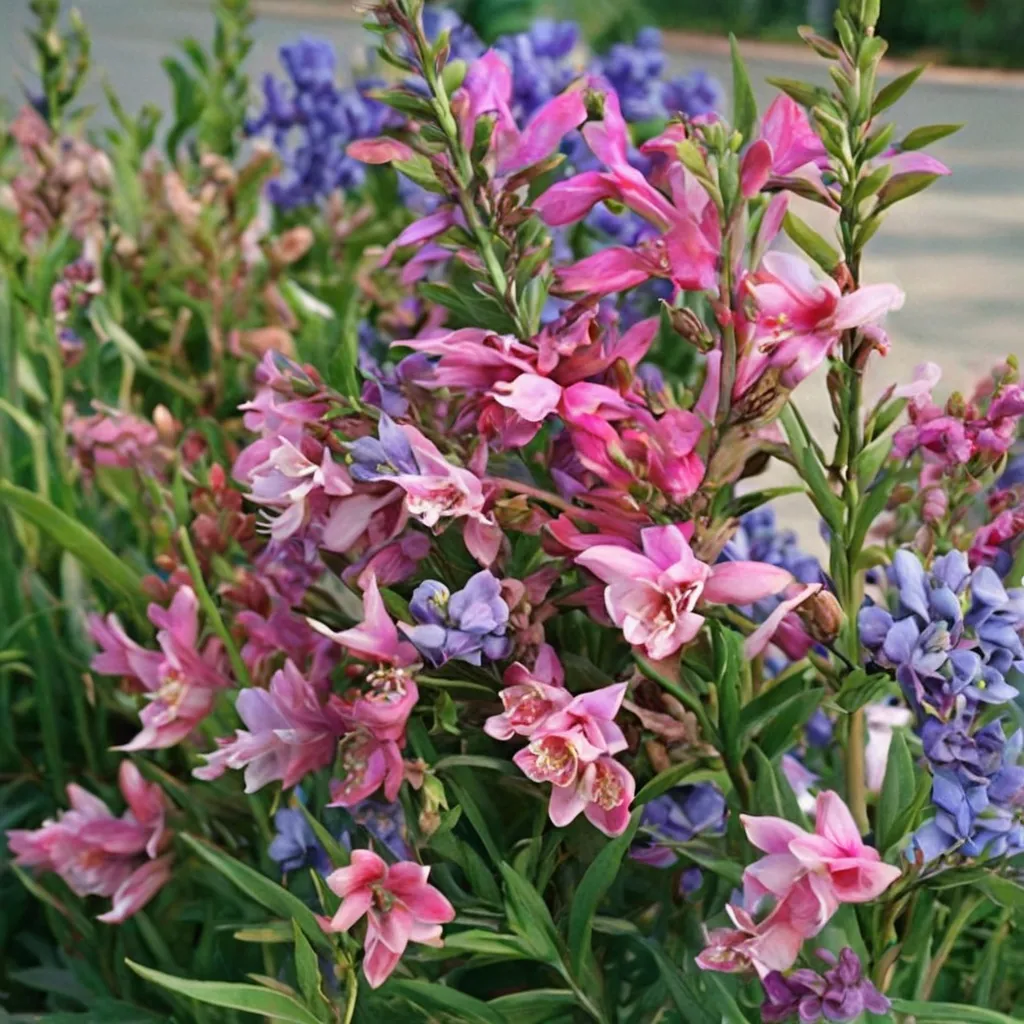
Beardtongue Rondo
Penstemon barbatus 'Rondo'
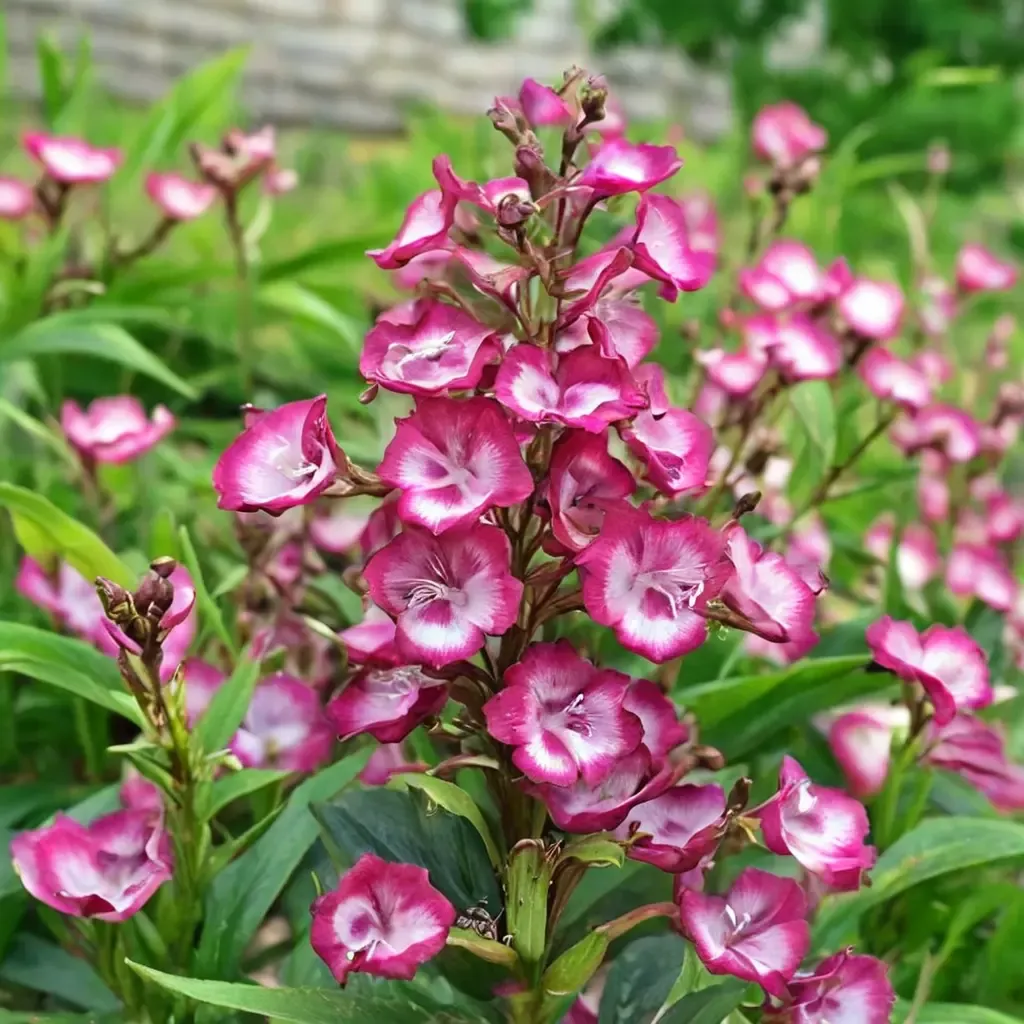
George Home Penstemon
Penstemon digitalis 'George Home'
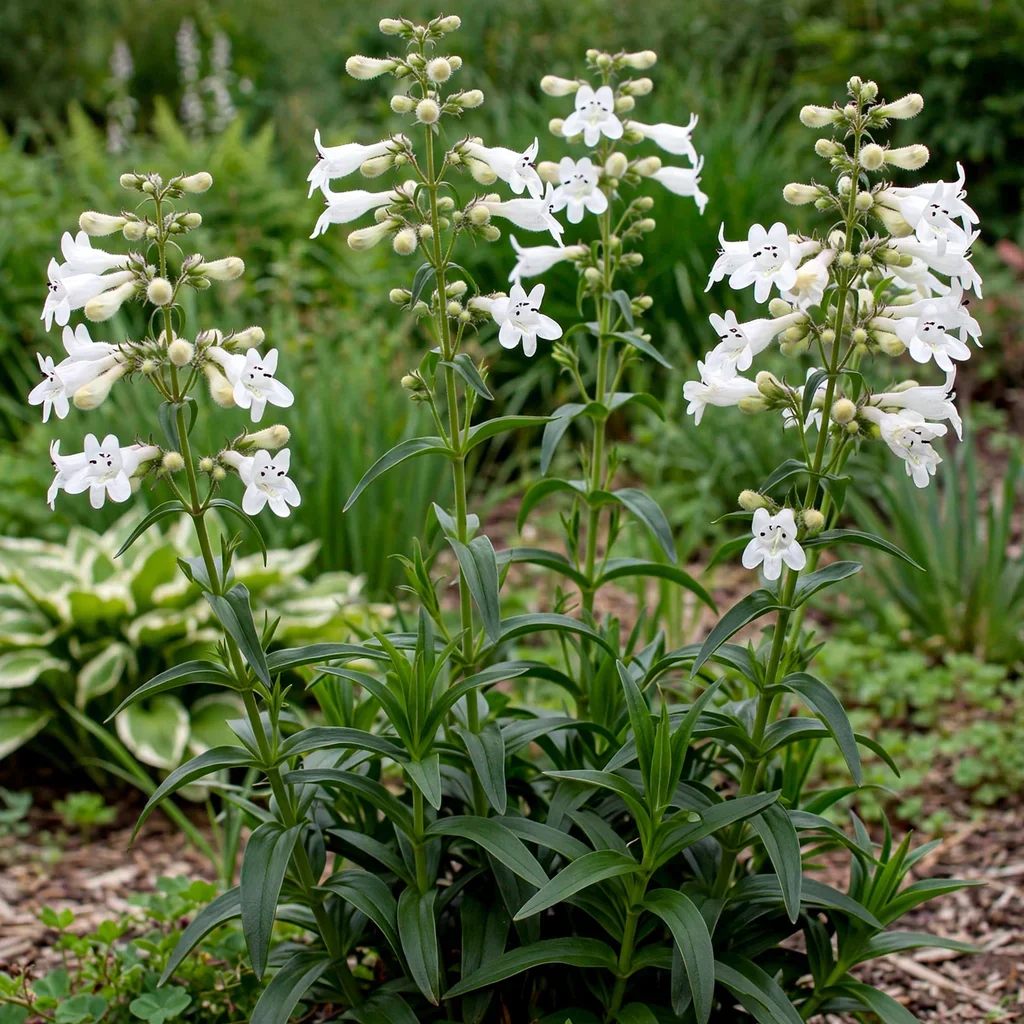
Foxglove Beardtongue
Penstemon digitalis
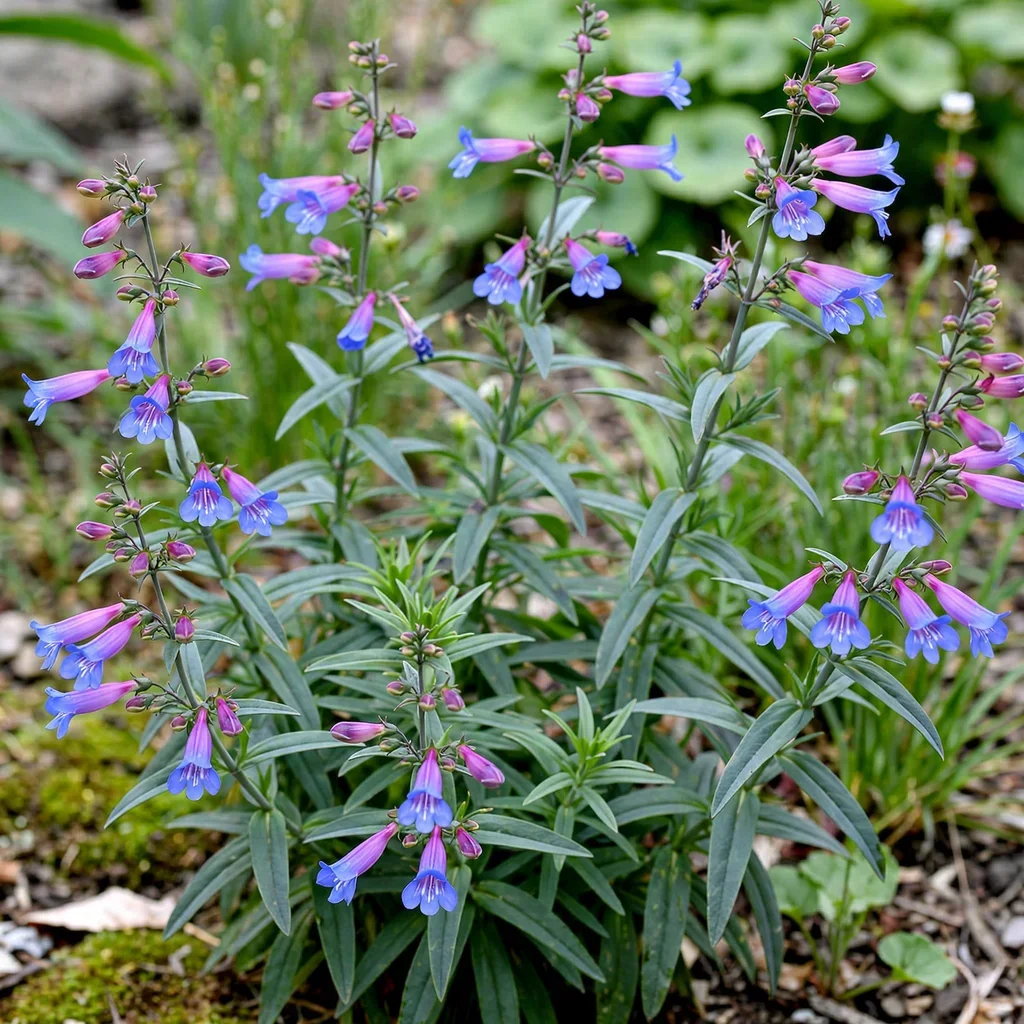
Blue Springs Penstemon
Penstemon heterophyllus 'Blue Springs'
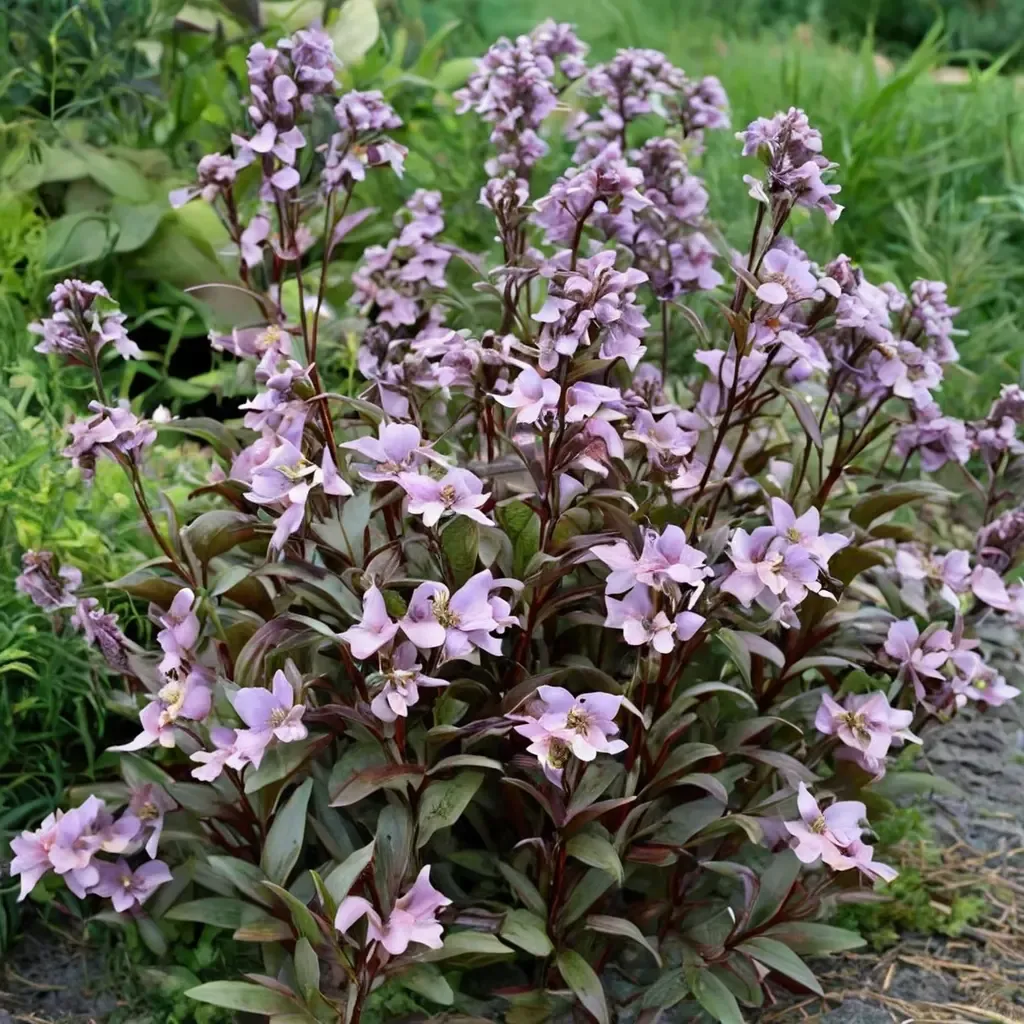
Blackbeard Beardtongue
Penstemon digitalis 'Blackbeard'
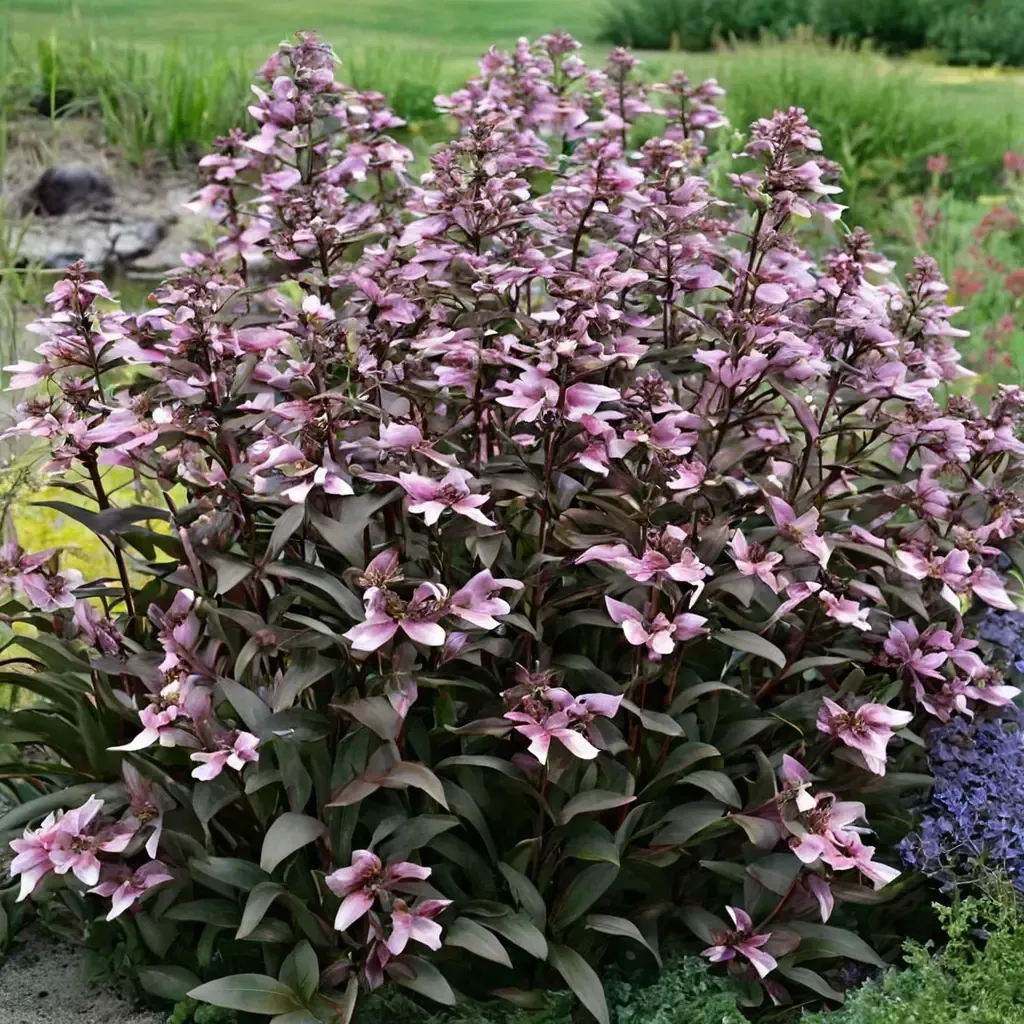
Dark Towers Penstemon
Penstemon digitalis 'Dark Towers'
Keep exploring
Explore the genus
Hardy in your zone?
Grow Pale Beardtongue with confidence
See it in a design of your actual yard, get zone-matched care reminders, and track it season by season in your garden journal.