The Story
Plant Bio
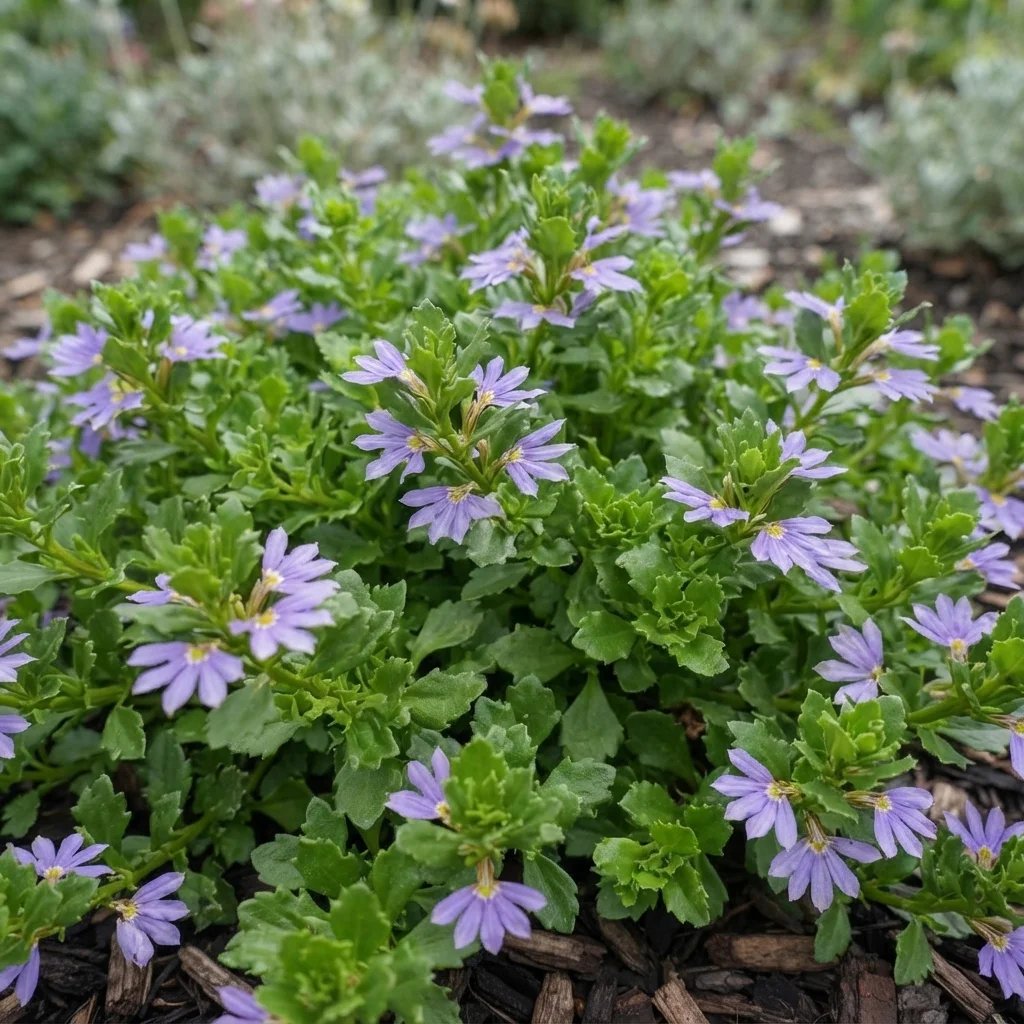
Scaevola albida, commonly known as the pale fan-flower, is a prostrate, evergreen perennial groundcover native to coastal and inland regions of Australia. It forms a dense, spreading mat of small, fleshy, bright green leaves with slightly toothed margins that hug the ground.
'Mauve Clusters' is distinguished by its highly vigorous, cascading habit and a profusion of lavender-blue to mauve fan-shaped flowers. These unique semicircular blossoms are borne in short, leafy clusters almost continuously from spring through fall.
Uses & Benefits:
Essentials
At a Glance
Plant Type
Groundcover
Height
5"
Width
48"
Light
Full Sun, Partial Sun
Zones
10
Water
Low to Moderate
Humidity
High
Lifespan
Short-lived perennial
Native To
Australia
Toxicity
Non-toxic
Bloom period
Spring – Fall
In flower about 9 months of the year
Planting
How to Grow
- Select a planting site in full sun to partial shade with sandy loam, clay loam, or exceptionally well-draining soil.
- Dig a hole twice the width of the root ball and set the plant so the crown sits slightly above the surrounding soil level to prevent rot.
- Water moderately during the first few weeks to establish the root system, then reduce irrigation to let the soil dry between waterings.
- Apply a low-rate, balanced slow-release fertilizer once in spring to support steady growth without causing weak, lush foliage.
Pro Tip
Improper drainage is the primary cause of sudden collapse; ensure the planting site has sharp, excellent drainage and avoid heavy clay basins or overwatering.
Keep It Thriving
Care Guide
Do
- Plant in raised beds or containers if your native soil is heavy clay.
- Trim the plant lightly at the end of summer to maintain a tidy, dense form.
- Water the base of the plant directly to keep the foliage dry and prevent powdery mildew.
Don't
- Do not overwater or allow the roots to sit in soggy, waterlogged soil.
- Do not prune hard into old, leafless woody stems, as they may fail to resprout.
- Do not over-fertilize, which leads to weak, rank growth and shortens the plant's lifespan.
Seasonal Care Calendar
| Task | Jan | Feb | Mar | Apr | May | Jun | Jul | Aug | Sep | Oct | Nov | Dec |
|---|---|---|---|---|---|---|---|---|---|---|---|---|
| Fertilize | ||||||||||||
| Pest Check | ||||||||||||
| Plant | ||||||||||||
| Prune |
Watch Out For
Pests & Diseases
Common Pests
Common Diseases
In the Garden
Landscape Uses & Companions
Landscape Uses
Multiply
Propagation Methods
Good to Know
Common Questions
Fairy Fan Flower questions
What zones can Fairy Fan Flower grow in?
Fairy Fan Flower is hardy in USDA Zone 10. Inside that range it survives winter in the ground; outside it, grow it as an annual or a container plant you protect.
When does Fairy Fan Flower bloom?
Fairy Fan Flower typically blooms in spring through fall. Exact timing shifts a week or two with your zone — Sow's bloom calendar maps it to your garden.
Does Fairy Fan Flower need full sun?
Fairy Fan Flower does best in full sun to part shade. In hot climates, afternoon shade keeps blooms fresher longer.
Is Fairy Fan Flower drought tolerant?
Yes — once established (usually after the first full season), Fairy Fan Flower handles dry spells with minimal watering. Water deeply its first year to build the root system that makes that possible.
More Scaevola to compare
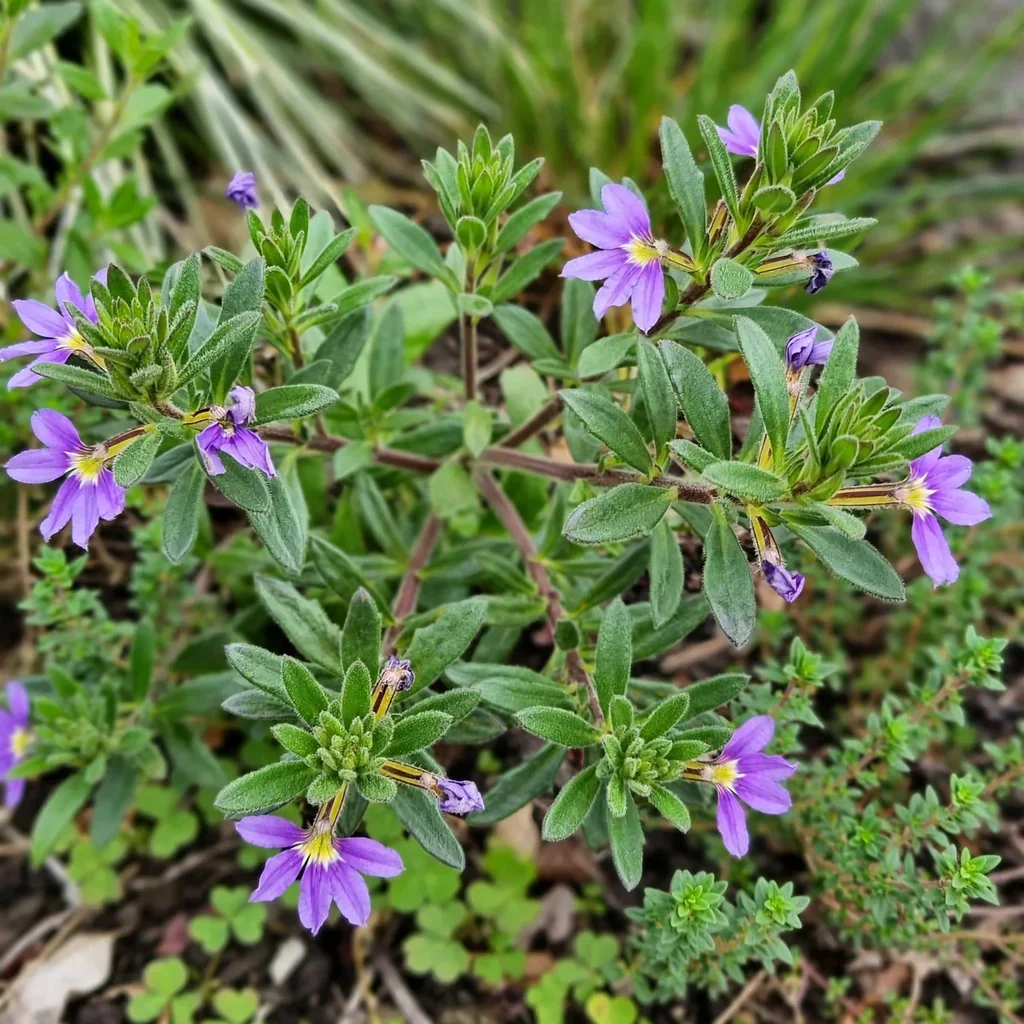
Fan Flower
Scaevola aemula
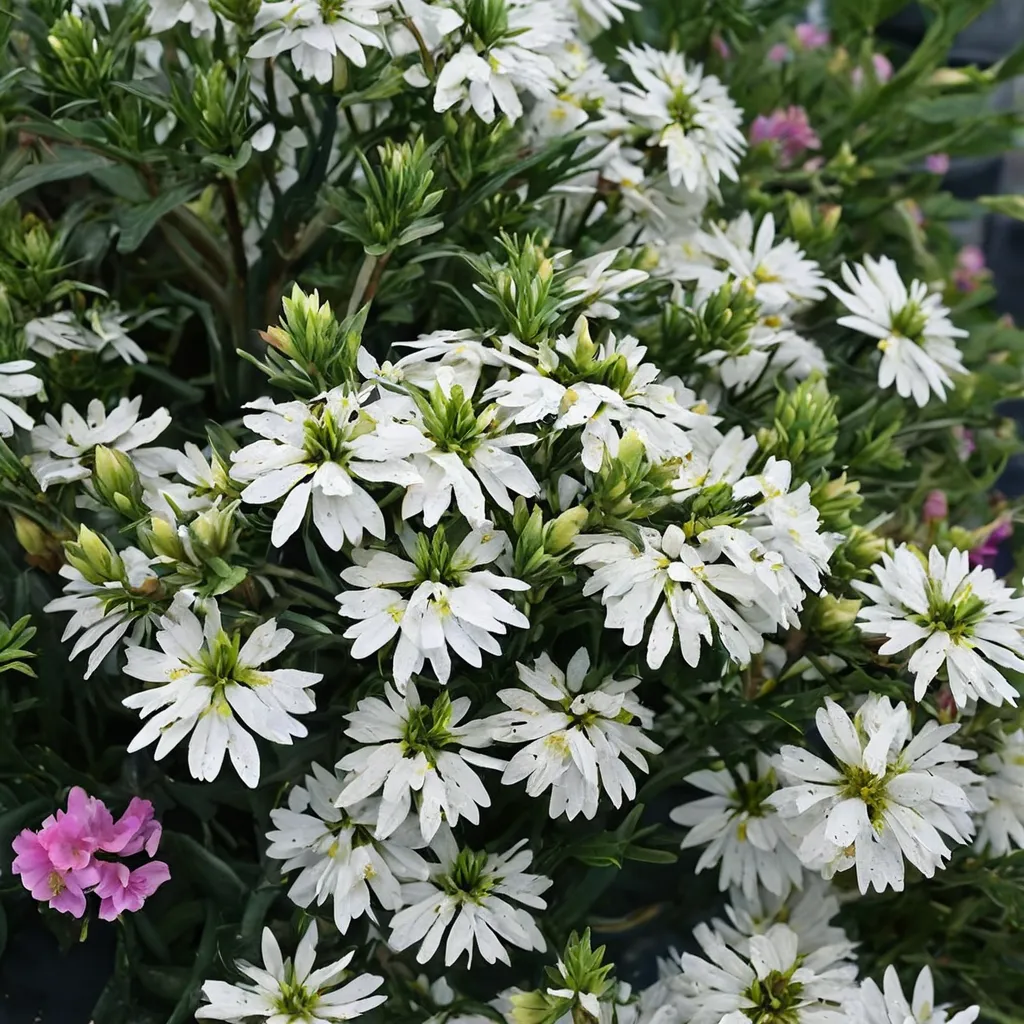
Fan Flower Whirlwind White
Scaevola aemula 'Whirlwind White'
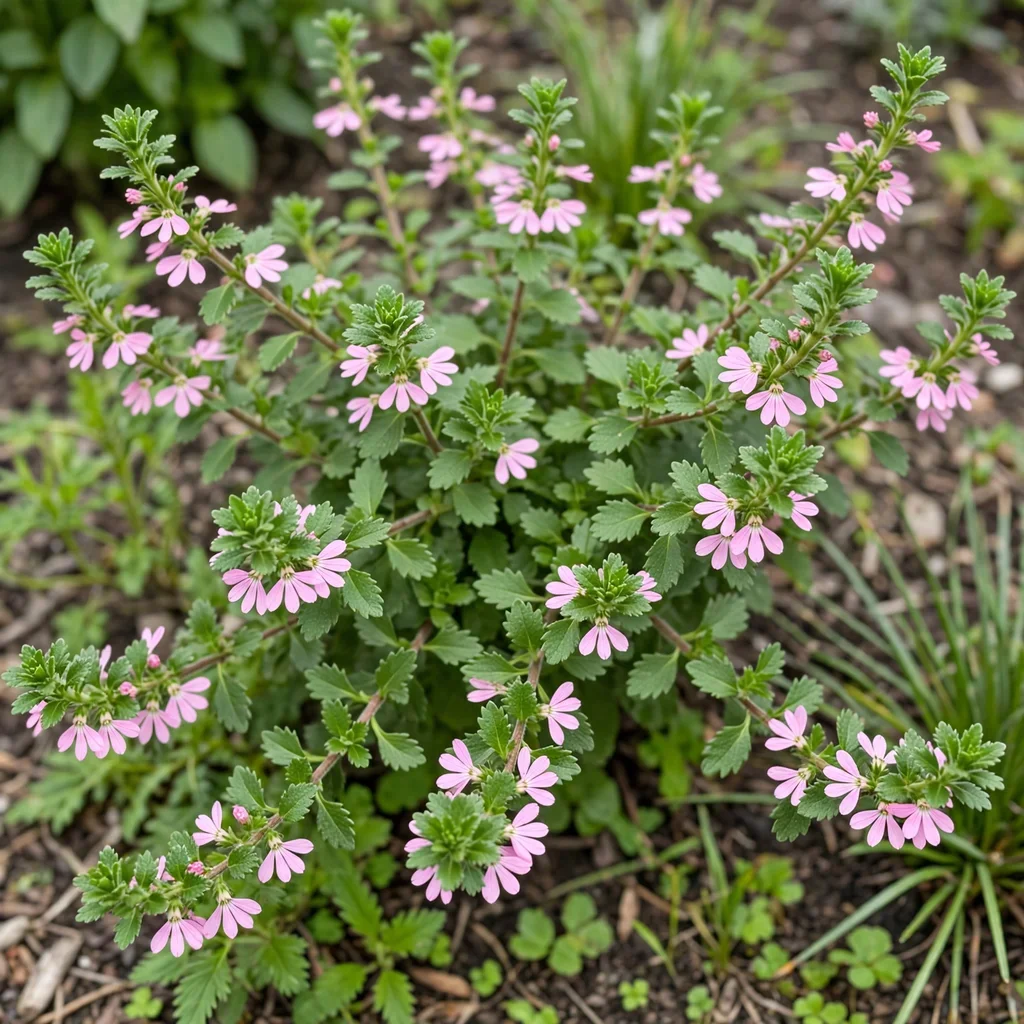
Whirlwind Pink Fan Flower
Scaevola aemula 'Whirlwind Pink'
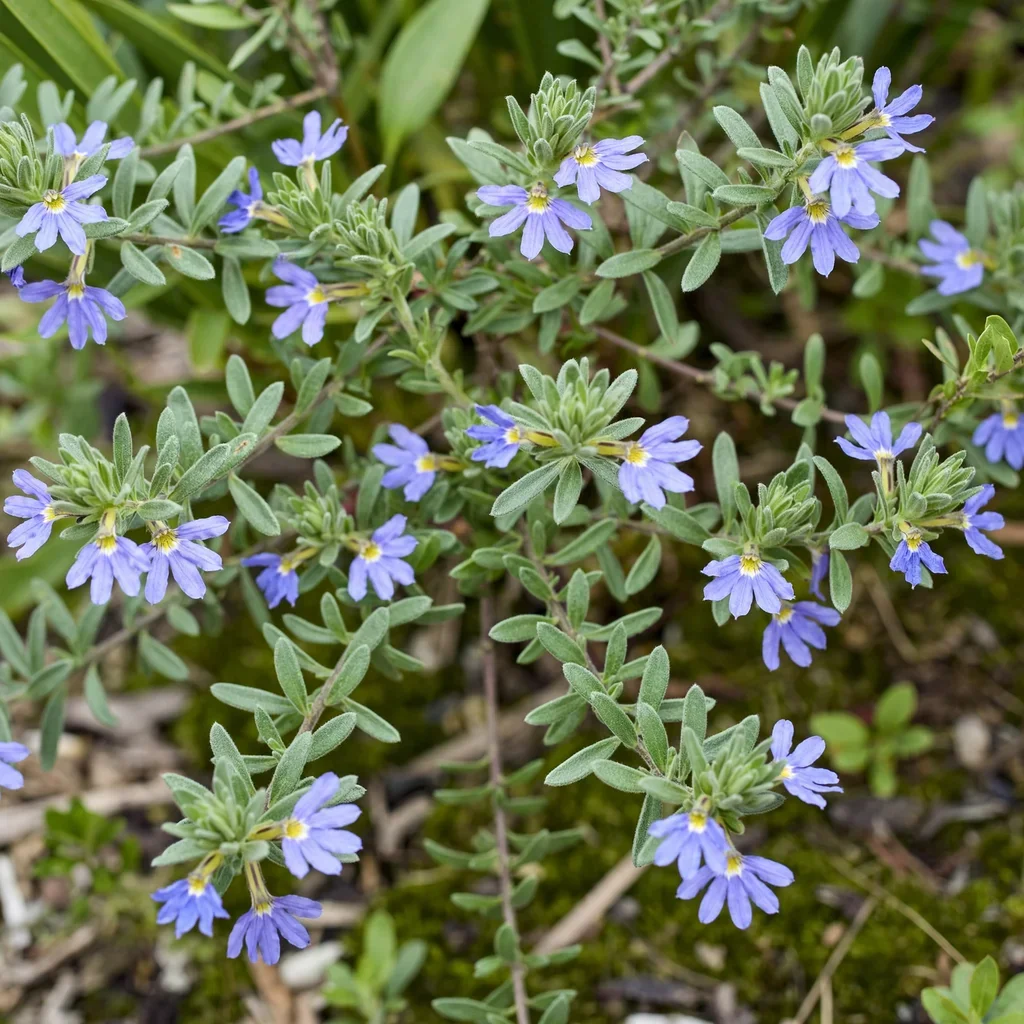
Whirlwind Blue Fan Flower
Scaevola aemula 'Whirlwind Blue'
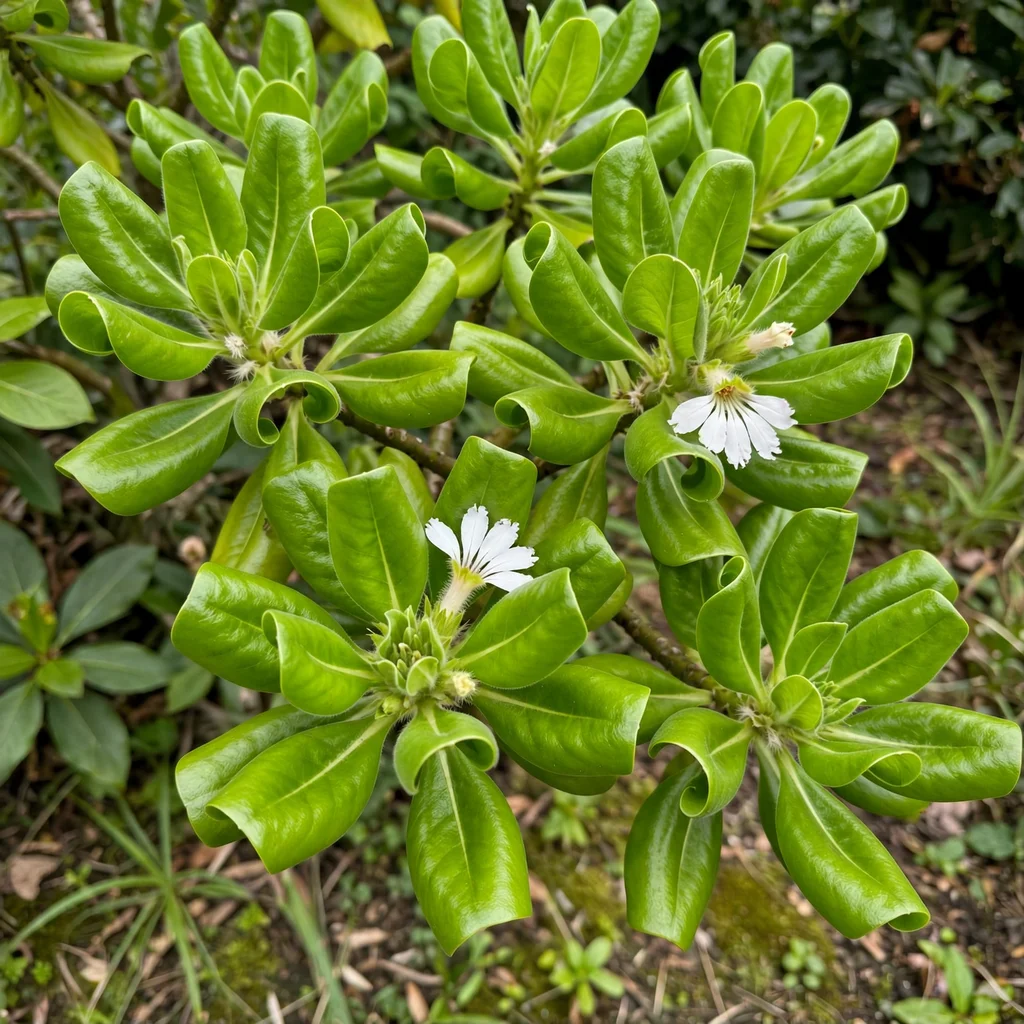
Beach naupaka
Scaevola taccada

Whirlwind Starlight Fan Flower
Scaevola aemula 'Whirlwind Starlight'
Keep exploring
Explore the genus
Hardy in your zone?
Grow Fairy Fan Flower with confidence
See it in a design of your actual yard, get zone-matched care reminders, and track it season by season in your garden journal.