The Story
Plant Bio
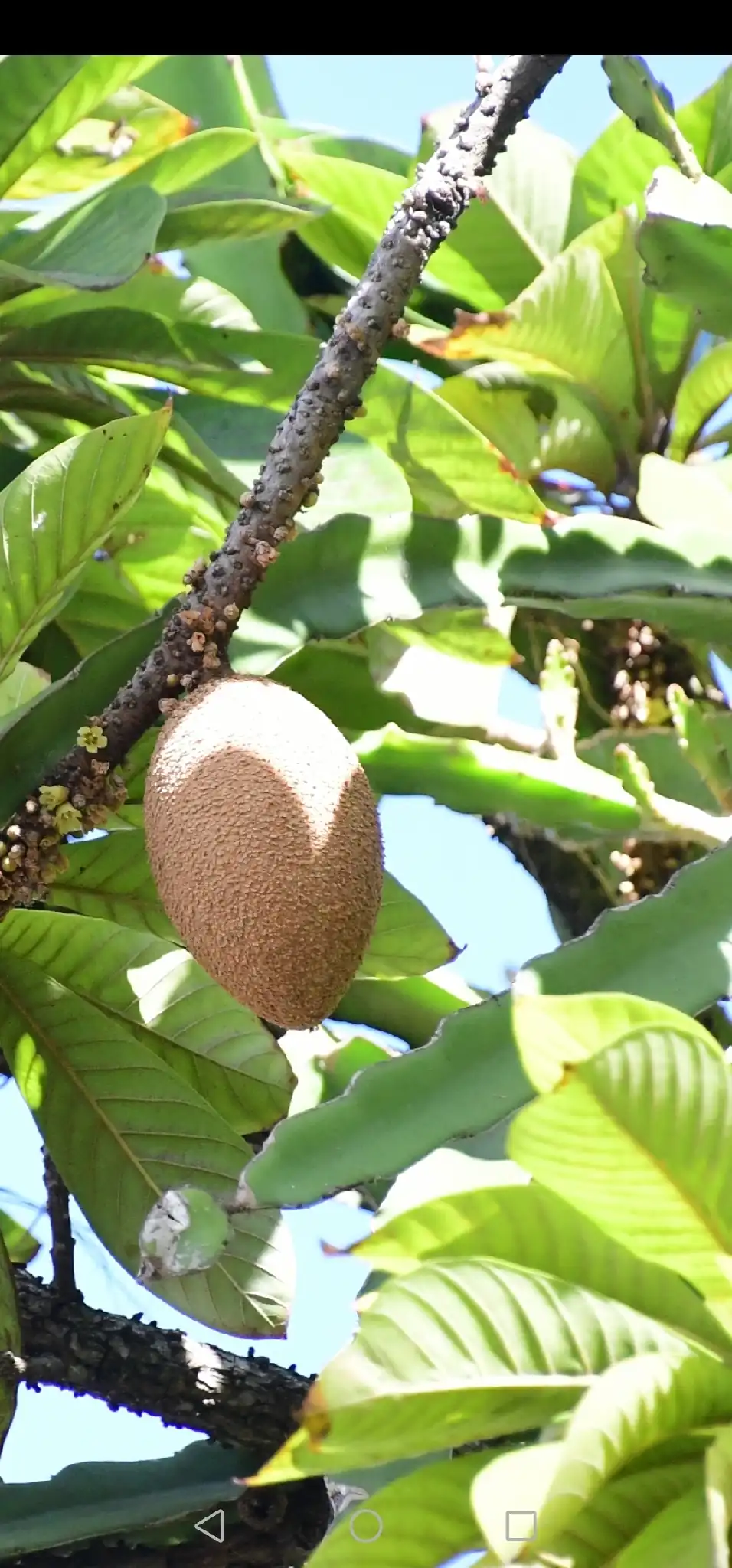
Pouteria sapota is a large, upright evergreen tree native to the lowlands of Mesoamerica, developing a dense, rounded canopy of leathery, obovate leaves clustered at the branch tips. The small, cream-colored flowers bloom directly along older, leafless branches, eventually producing large, brown-skinned fruits with sweet, orange-red pulp.
The species is distinguished by its cauliflorous flowering habit and a sturdy trunk that exudes a thick, milky latex sap when cut. The fruit development cycle is exceptionally long, requiring up to one to two years from flowering to harvest.
Uses & Benefits:
Essentials
At a Glance
Plant Type
Tree
Height
590"
Width
472"
Light
Full Sun
Zones
10
Water
Moderate
Humidity
High
Lifespan
Long-lived
Native To
Mexico and Central America
Toxicity
Seeds and sap are toxic
Bloom period
Spring – Summer
In flower about 6 months of the year
Marketplace
Where to Buy
Shipping costs Year-round shipping Free shipping
Planting
How to Grow
- Select a planting site in full sun with deep, well-drained soil such as sandy loam, red clay, or calcareous limestone.
- Plant grafted specimens at the same depth as their nursery container, ensuring the graft union remains well above the soil line.
- Water regularly during the establishment phase, but allow the soil surface to dry between waterings to prevent root rot.
- Apply a balanced fertilizer containing minor elements three to four times annually during the active growing season.
Pro Tip
To determine if a fruit is mature enough to harvest, scratch the outer peel with a fingernail; if the tissue underneath is bright orange or reddish-pink, the fruit is ready to pick, whereas a green underlayer indicates it must remain on the tree.
Keep It Thriving
Care Guide
Do
- Scratch the fruit skin to check for a reddish-pink underlayer before harvesting.
- Prune lightly in spring or immediately after harvest to manage tree height and maintain structural form.
- Ensure exceptional soil drainage to prevent root asphyxiation.
Don't
- Do not prune heavily into old, leafless wood, as re-sprouting from bare hardwood is poor.
- Do not allow standing water to accumulate around the root zone.
- Do not ingest the seeds, which contain toxic cyanogenic glycosides.
Seasonal Care Calendar
| Task | Jan | Feb | Mar | Apr | May | Jun | Jul | Aug | Sep | Oct | Nov | Dec |
|---|---|---|---|---|---|---|---|---|---|---|---|---|
| Fertilize | ||||||||||||
| Harvest | ||||||||||||
| Pest Check | ||||||||||||
| Prune |
Watch Out For
Pests & Diseases
Common Pests
Common Diseases
In the Garden
Landscape Uses & Companions
Landscape Uses
Companion Plants
Multiply
Propagation Methods
Good to Know
Common Questions
Mamey Sapote questions
What zones can Mamey Sapote grow in?
Mamey Sapote is hardy in USDA Zone 10. Inside that range it survives winter in the ground; outside it, grow it as an annual or a container plant you protect.
When does Mamey Sapote bloom?
Mamey Sapote typically blooms in spring through summer. Exact timing shifts a week or two with your zone — Sow's bloom calendar maps it to your garden.
Does Mamey Sapote need full sun?
Mamey Sapote does best in full sun (6+ hours).
Is Mamey Sapote drought tolerant?
Yes — once established (usually after the first full season), Mamey Sapote handles dry spells with minimal watering. Water deeply its first year to build the root system that makes that possible.
Keep exploring
Explore the genus
Hardy in your zone?
Grow Mamey Sapote with confidence
See it in a design of your actual yard, get zone-matched care reminders, and track it season by season in your garden journal.