Also known as Avocado · 8 saves
Persea
Persea, the genus most gardeners know as avocado. We track 5 varieties; the ones most used by real gardeners.
The 3 most-saved Persea varieties
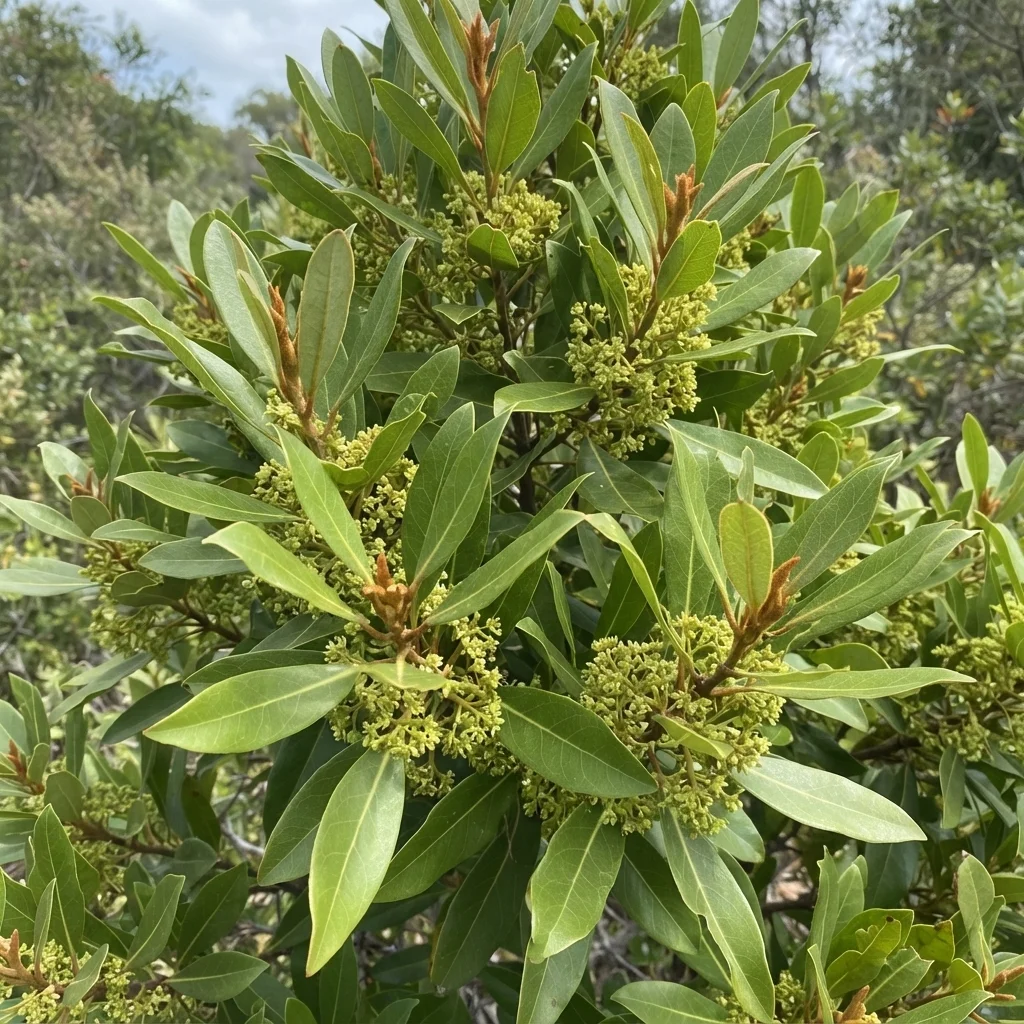
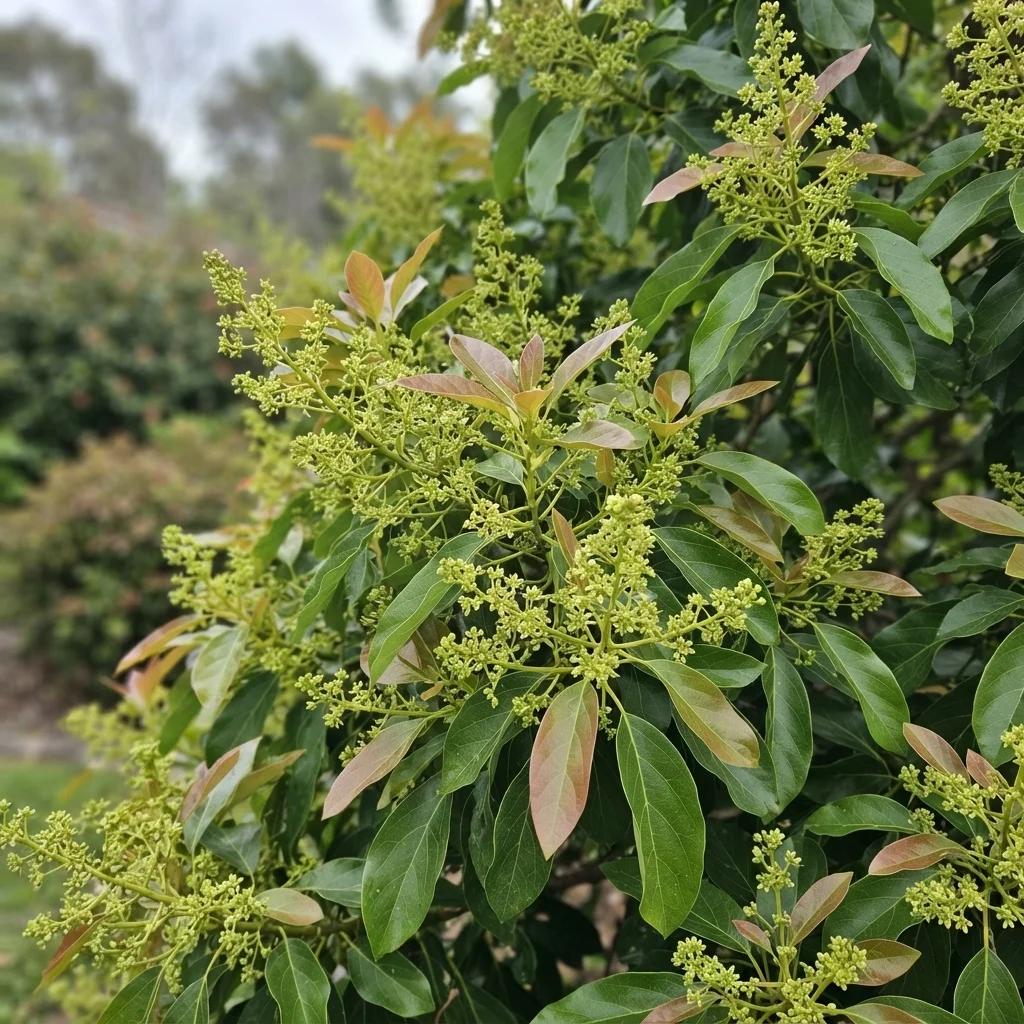
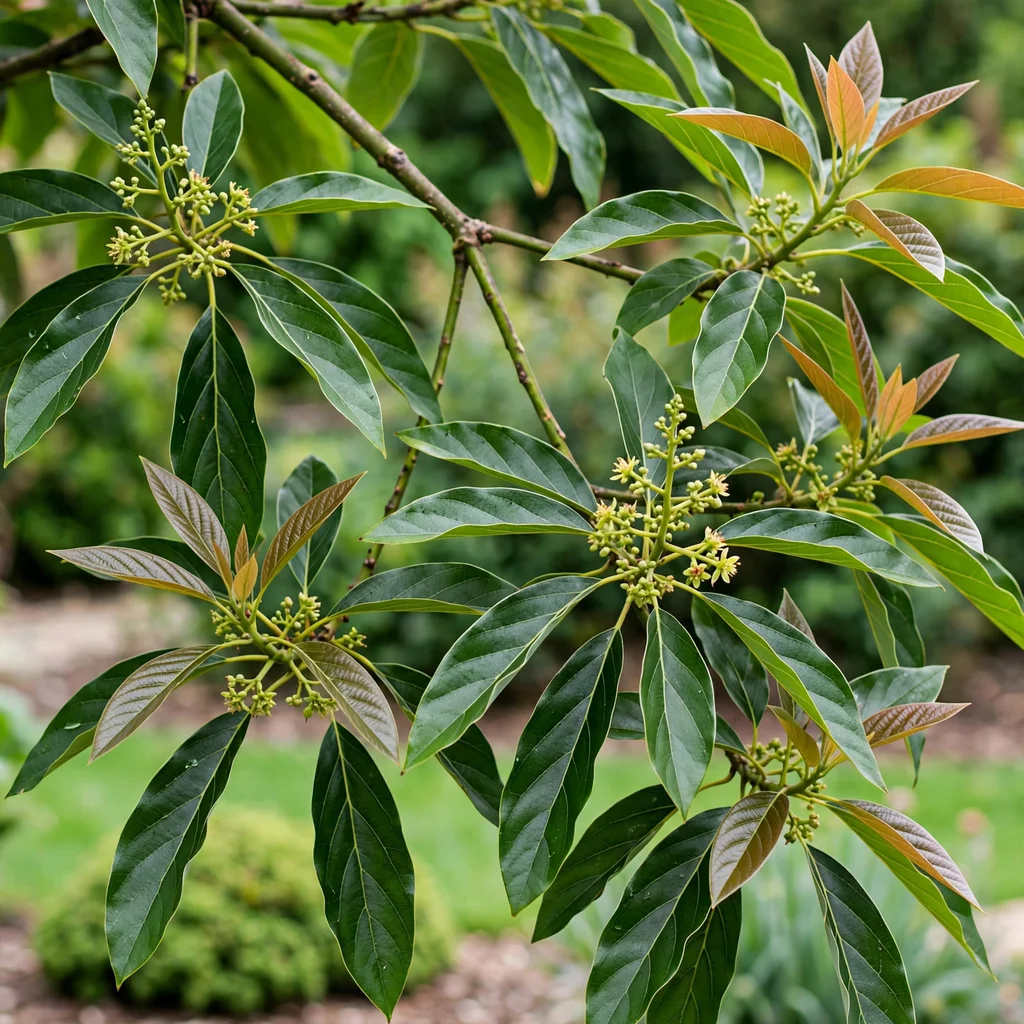
Browse all 5 Persea varieties →
2 species of Persea
Each one is a parent of the varieties above.
Track your Persea in Sow
Save the Persea you grow and get care reminders timed to your zone.
How to grow Persea
Whats common across all Persea varieties in our catalog — drawn from the care records of the 5 most-grown of them.
The Persea year
- PruneMarch and April100% of varieties
Perform minimal structural pruning during winter dormancy to reduce the risk of attracting boring beetles.
- FertilizeMarch, April, June and August100% of varieties
Apply a balanced, slow-release fertilizer if spring growth appears sluggish.
- Check for PestsMay–July100% of varieties
Inspect the trunk and branches for ambrosia beetle entry holes and sawdust tubes.
- MulchApril and October80% of varieties
Replenish organic mulch to maintain soil moisture and protect the root zone.


Do
- Keep the soil consistently moist, especially during dry spells while the tree is establishing.
- Apply an organic mulch around the base to mimic the natural forest floor and conserve moisture.
- Monitor the trunk and branches regularly for tiny entry holes or sawdust tubes indicating beetle activity.
- Water deeply but infrequently to let the upper soil layer dry out.
- Apply a balanced, slow-release citrus or avocado fertilizer during the warm spring and summer growing season.
Avoid
- Do not prune heavily or unnecessarily, as open wounds invite wood-boring insect vectors.
- Do not transport firewood or raw wood from redbay trees, which spreads the destructive laurel wilt pathogen.
- Do not plant in highly alkaline soils where the foliage is prone to chlorosis.
- Do not plant in heavy clay soils without significant amendment or raised mounds.
What goes wrong with Persea
| Problem | What you'll see | What to do |
|---|---|---|
| Avocado thrips | Scarring on leaves and fruit surfaces | Deploy biological controls or apply targeted insecticides during active flushes. |
| Persea mite | Webbing and necrotic spots on leaf undersides | Introduce predatory mites or apply specialized miticides. |
| Redbay ambrosia beetle | Tiny entry holes in the bark accompanied by protruding tubes of compacted sawdust. | Minimize pruning to avoid attracting beetles, and immediately remove and destroy infested wood to protect nearby specimens. |
| Psyllids | Distorted, swollen galls forming along the margins of the leaves. | Prune out heavily galled twigs if localized, or tolerate the damage as it is primarily cosmetic and rarely harms mature trees. |
| Phytophthora root rot | Root decay, leaf yellowing, and canopy dieback | Use resistant rootstocks, apply phosphite fungicides, and ensure perfect drainage. |
| Laurel wilt | Rapid wilting of leaves and dark vascular staining in the wood | Practice strict orchard sanitation and immediately remove infected trees. |
| Anthracnose | Dark, sunken spots on fruit and necrotic leaf lesions | Apply copper-based fungicides and maintain good canopy airflow. |
Making more Persea
Grafting
- Select a healthy, disease-resistant rootstock grown from seed.
- Collect scion wood from a mature, productive 'Hass' tree.
- Perform a whip-and-tongue or cleft graft during the active spring growth flush.
- Secure the graft union with grafting tape and keep in a humid, shaded environment until healed.
Seed
- Collect ripe, dark blue drupes in late summer or fall.
- Remove the fleshy outer pulp by soaking and rubbing the seeds.
- Sow the cleaned seeds immediately into a moist, acidic seed-starting mix.
- Maintain consistent moisture and warmth until germination occurs in spring.
Persea questions
How many types of Persea are there?
The Sow catalog tracks 5 distinct Persea varieties. The most popular — ranked by 8 real gardeners — are shown first above.
What zones does Persea grow in?
Across its varieties, Persea covers USDA Zones 7–10. Individual varieties differ — each plant page lists its exact range, and Sow filters the catalog to your zone automatically.
When does Persea bloom?
Most Persea varieties bloom in spring, late winter. Staggering early, mid, and late varieties extends the genus's season in one bed.
Which Persea should I choose?
Start from the most-saved varieties above — popularity across thousands of gardens is a strong signal of reliability — then filter by your zone and sun. In the Sow app you can preview any of them in a photo of your actual yard before you buy.