The Story
Plant Bio
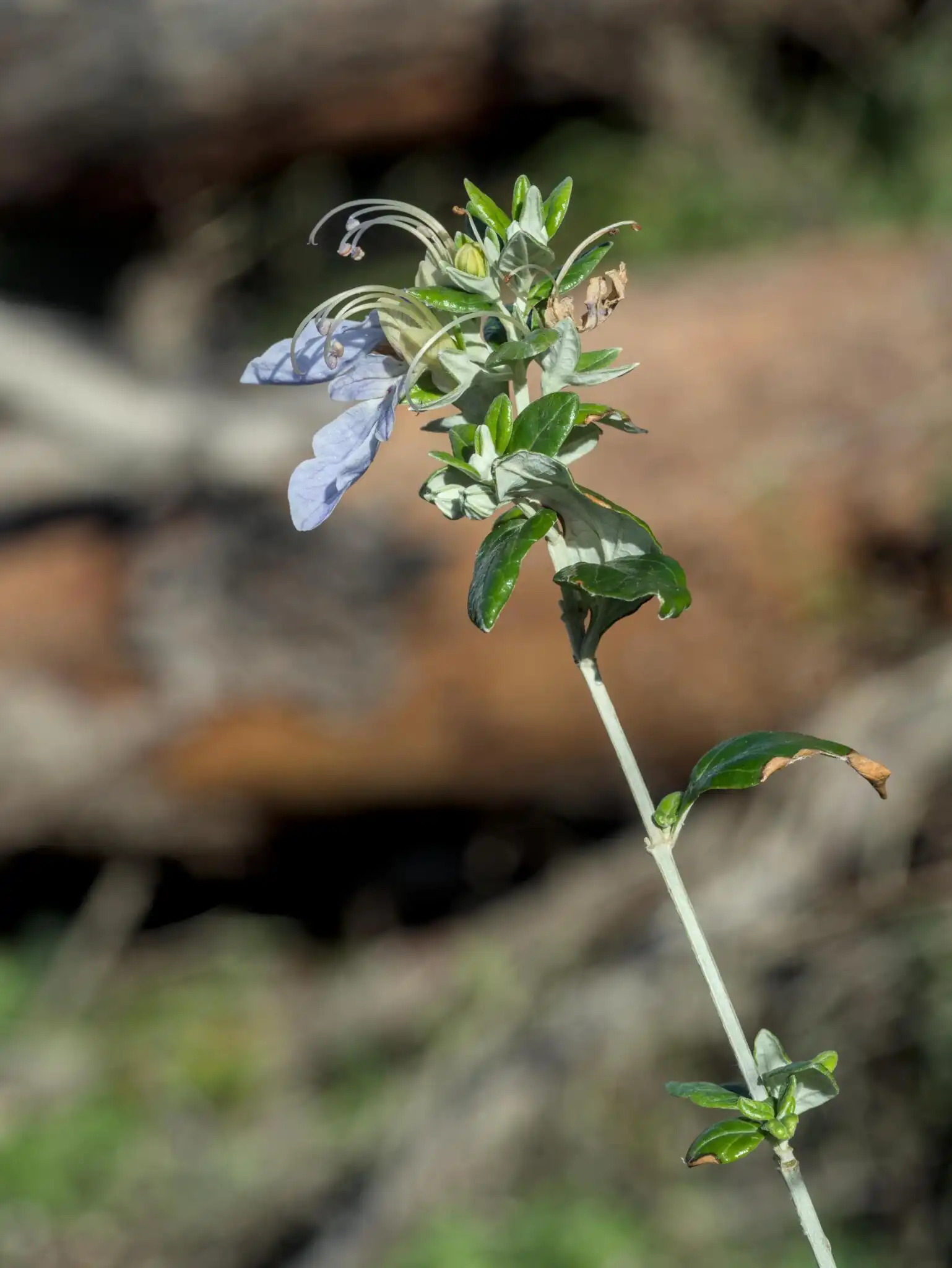
Teucrium fruticans, known as tree germander, is an upright to sprawling evergreen shrub native to the western and central Mediterranean region. It features square, white-tomentose stems carrying opposite, ovate leaves that are dark olive-green above and densely felted with silvery-white hairs underneath.
The species is highly valued in dry climates for its contrasting bi-colored foliage and pale blue to violet-blue flowers that lack an upper lip. It thrives in coastal exposures and nutrient-poor soils where other shrubs struggle with wind and salt spray.
Uses & Benefits:
Essentials
At a Glance
Plant Type
Shrub
Height
83"
Width
94"
Light
Full Sun
Zones
8, 9, 10
Water
Low
Humidity
Low to Moderate
Lifespan
Perennial
Native To
Mediterranean
Toxicity
Non-toxic
Bloom period
Spring – Autumn
In flower about 9 months of the year
Planting
How to Grow
- Select a planting site in full sun with exceptional drainage, as waterlogged soil causes rapid root decline.
- Dig a hole twice the width of the root ball and set the plant at the same depth it sat in the container.
- Water deeply to settle the soil, then withhold regular watering once the root system establishes.
- Apply a light annual topdressing of compost or low-rate balanced fertilizer in spring if growth is sluggish.
Pro Tip
Prune lightly once or twice a year immediately after flowering to maintain a dense habit; cutting deep into old, leafless brown wood results in bare patches that fail to bud back.
Keep It Thriving
Care Guide
Do
- Grow in full sun to maximize the silver coloration of the foliage.
- Ensure the soil is highly permeable, incorporating sand or grit if planting in heavier soils.
- Prune the outer canopy after flowering to prevent the center from becoming woody and sparse.
Don't
- Do not overwater or plant in low-lying areas where water collects.
- Do not cut back into old, bare wood, as it lacks adventitious buds to regenerate.
- Do not shear into tight, formal geometric shapes which can trap humidity and cause dieback.
Seasonal Care Calendar
| Task | Jan | Feb | Mar | Apr | May | Jun | Jul | Aug | Sep | Oct | Nov | Dec |
|---|---|---|---|---|---|---|---|---|---|---|---|---|
| Fertilize | ||||||||||||
| Pest Check | ||||||||||||
| Propagate | ||||||||||||
| Prune |
Watch Out For
Pests & Diseases
Common Pests
Common Diseases
In the Garden
Landscape Uses & Companions
Landscape Uses
Multiply
Propagation Methods
Good to Know
Common Questions
Tree Germander questions
What zones can Tree Germander grow in?
Tree Germander is hardy in USDA Zones 8–10. Inside that range it survives winter in the ground; outside it, grow it as an annual or a container plant you protect.
Is Tree Germander deer resistant?
Yes — Tree Germander is rated deer-resistant. Deer typically pass it over, though extreme hunger can override any plant's defenses.
When does Tree Germander bloom?
Tree Germander typically blooms in spring through autumn. Exact timing shifts a week or two with your zone — Sow's bloom calendar maps it to your garden.
Does Tree Germander need full sun?
Tree Germander does best in full sun (6+ hours).
Is Tree Germander drought tolerant?
Yes — once established (usually after the first full season), Tree Germander handles dry spells with minimal watering. Water deeply its first year to build the root system that makes that possible.
More Teucrium to compare
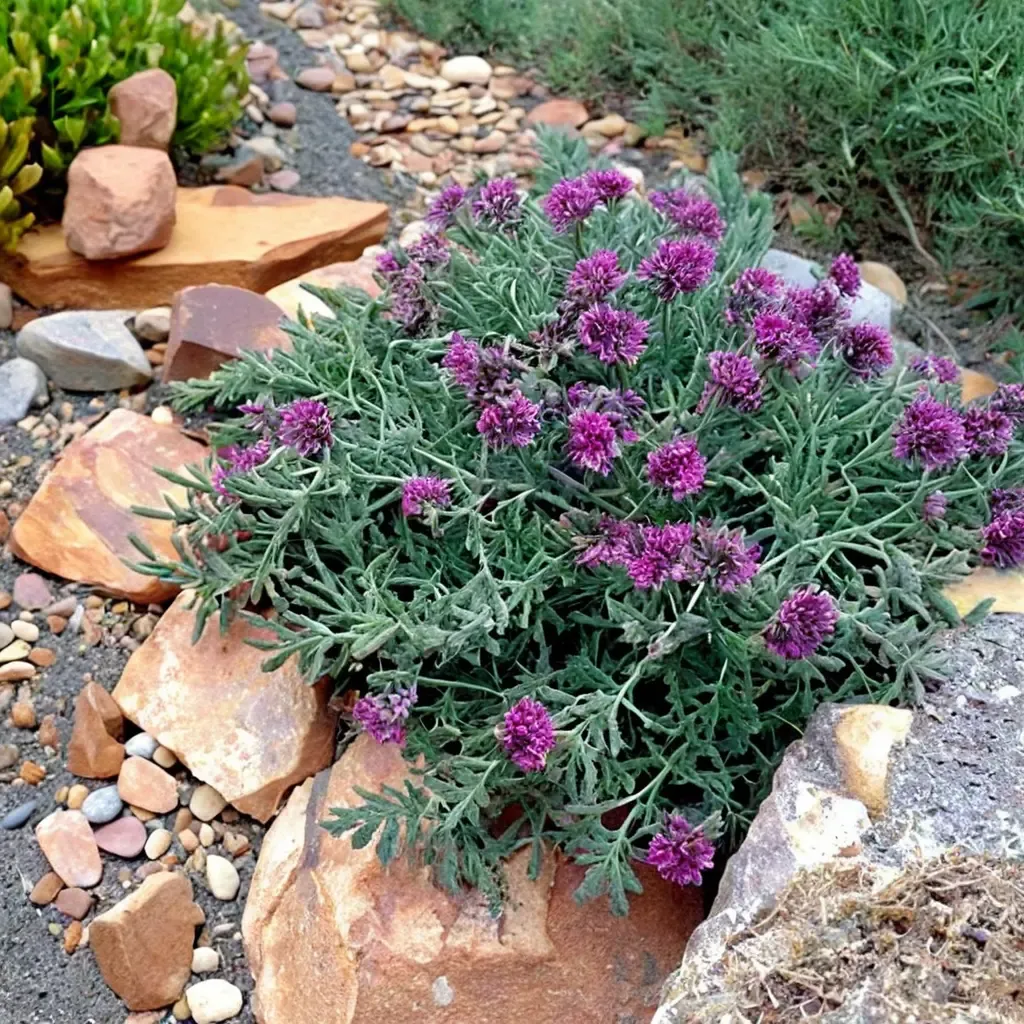
Grey Germander
Teucrium aroanium
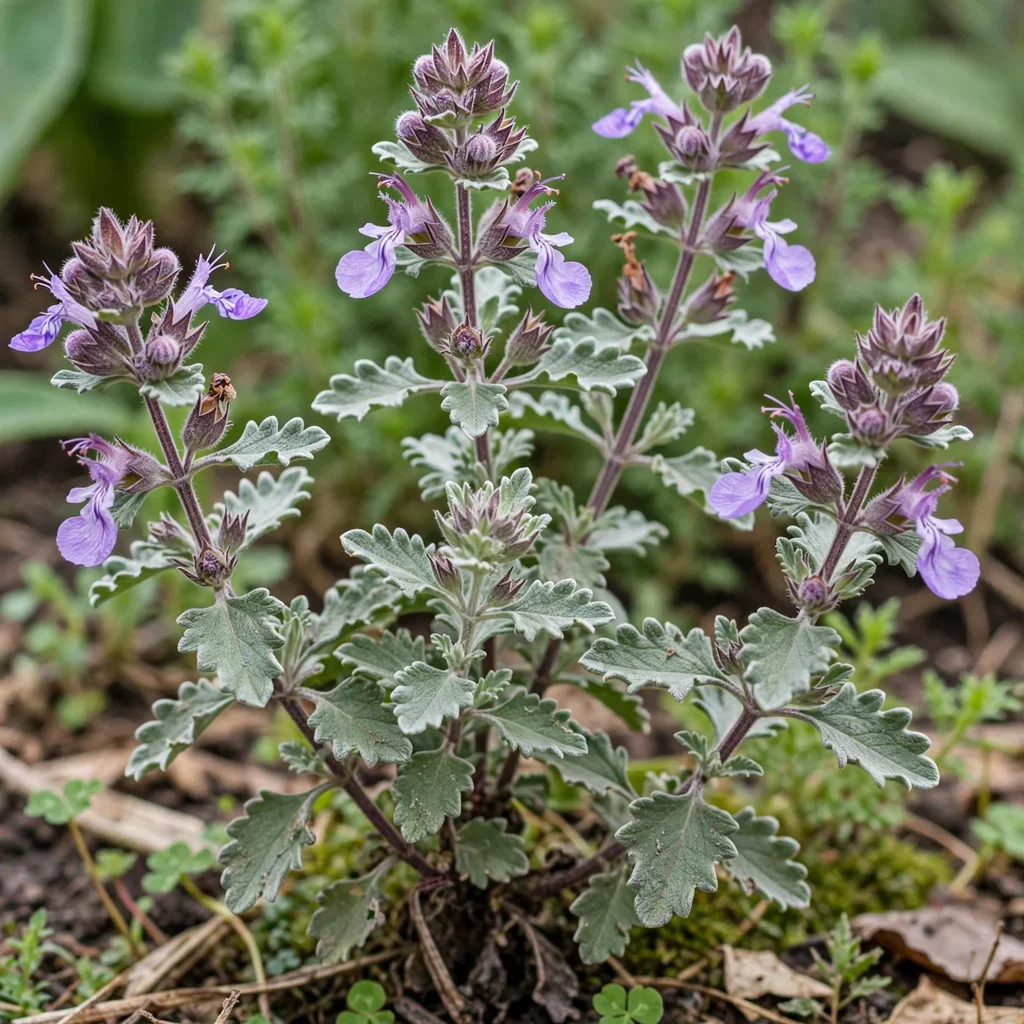
Wall Germander
Teucrium chamaedrys
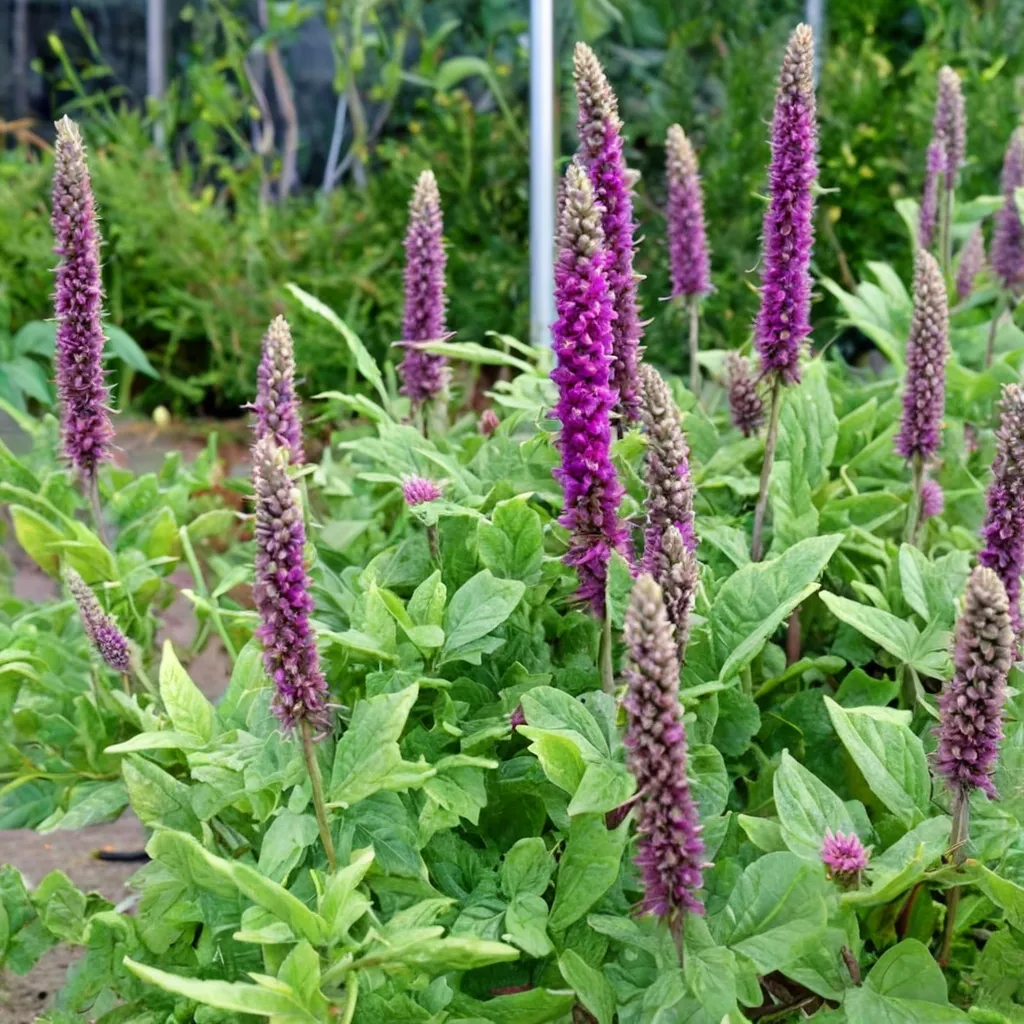
Caucasian Germander
Teucrium hircanicum
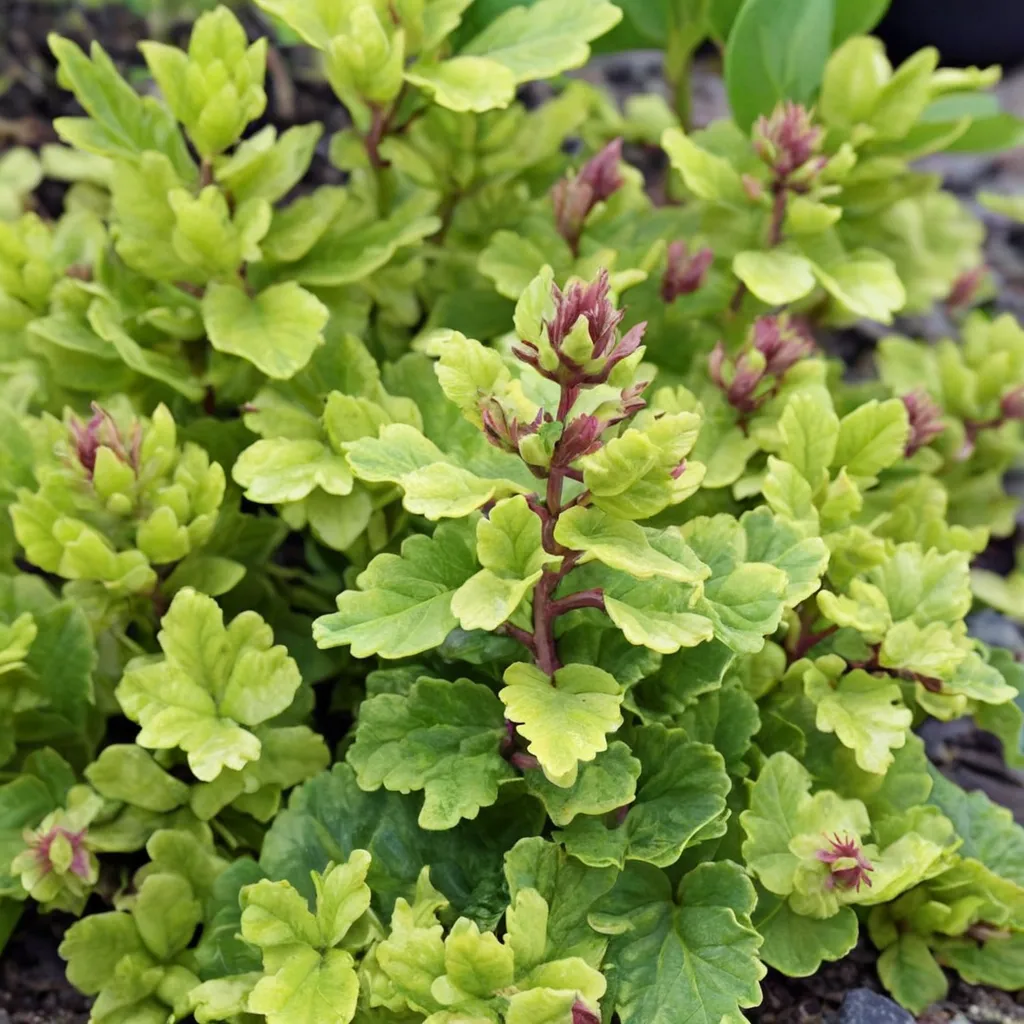
Summer Sunshine Germander
Teucrium chamaedrys 'Summer Sunshine'
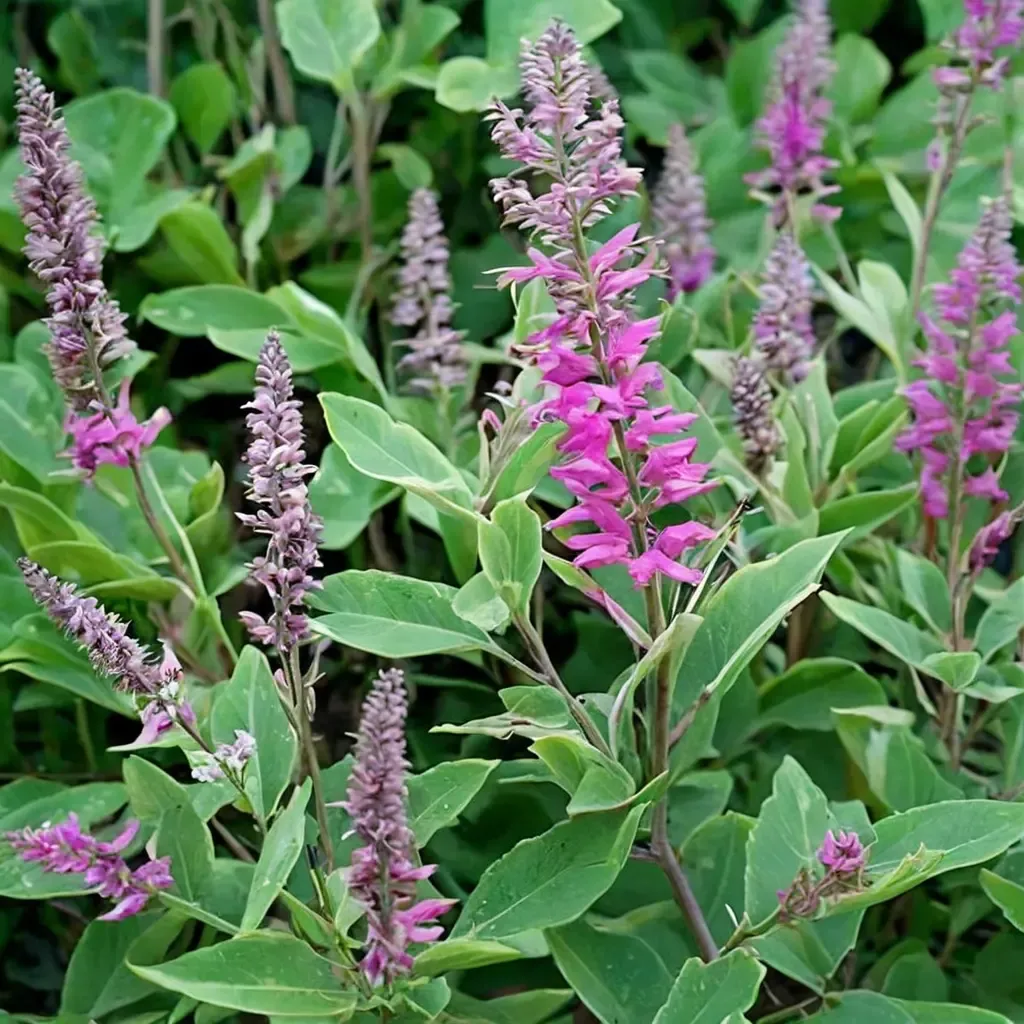
Betony Germander
Teucrium betonicum
Keep exploring
Explore the genus
Hardy in your zone?
Grow Tree Germander with confidence
See it in a design of your actual yard, get zone-matched care reminders, and track it season by season in your garden journal.