Also known as Rockrose · 66 saves
Cistus
Cistus, the genus most gardeners know as rockrose. We track 25 varieties; the ones most used by real gardeners.
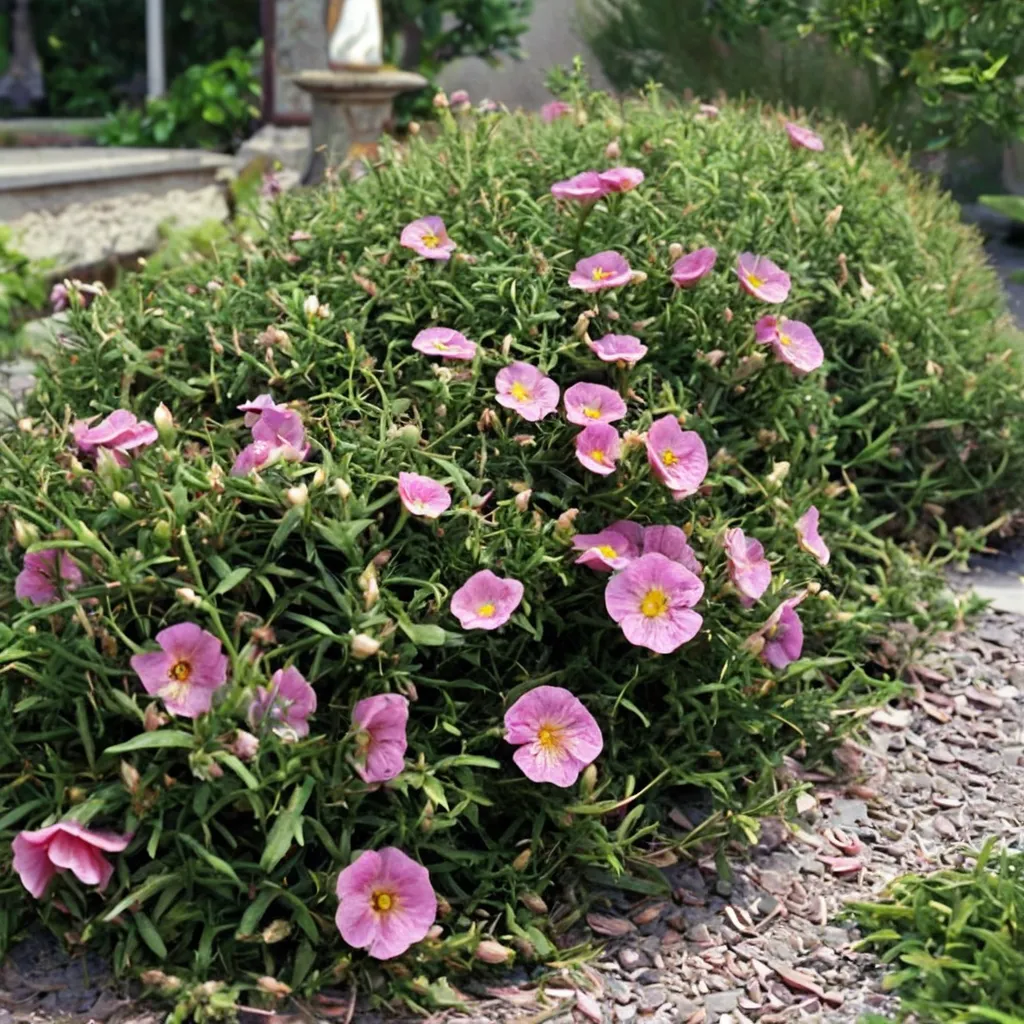
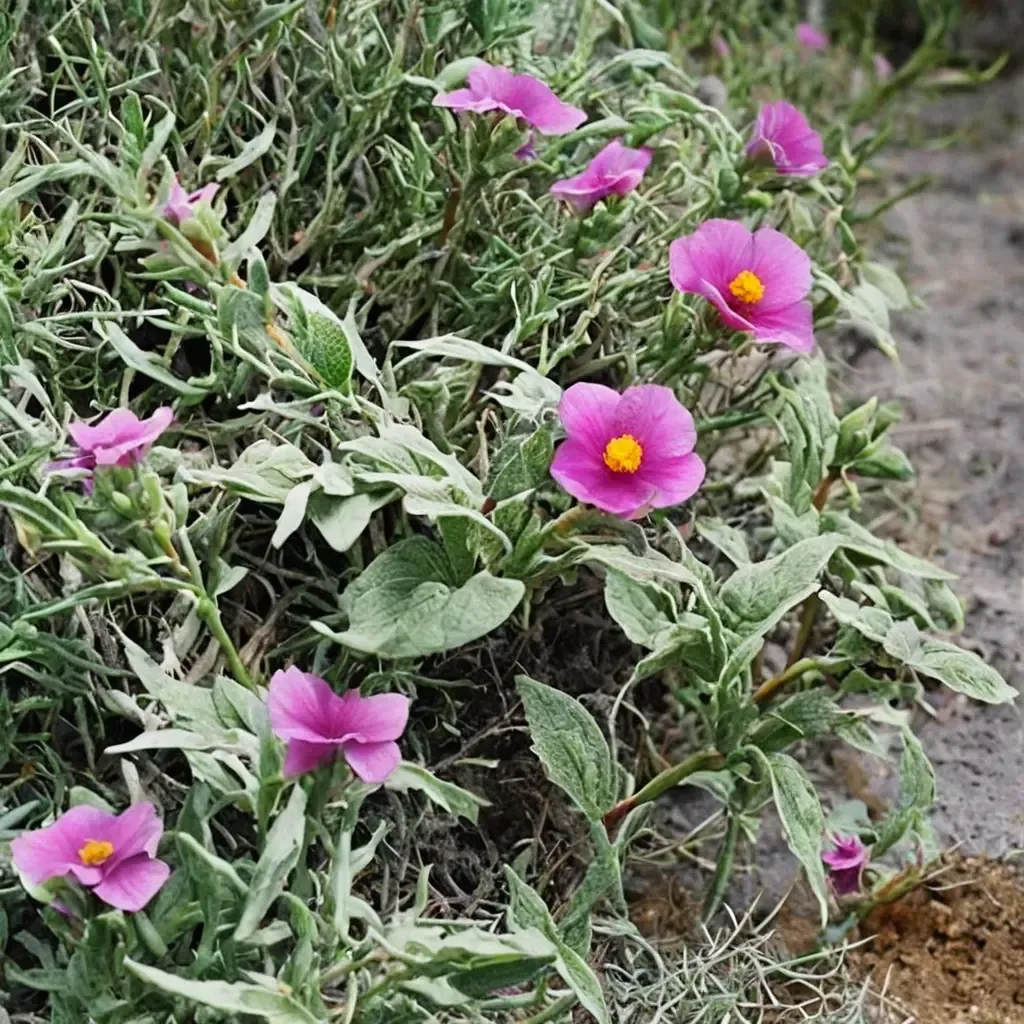
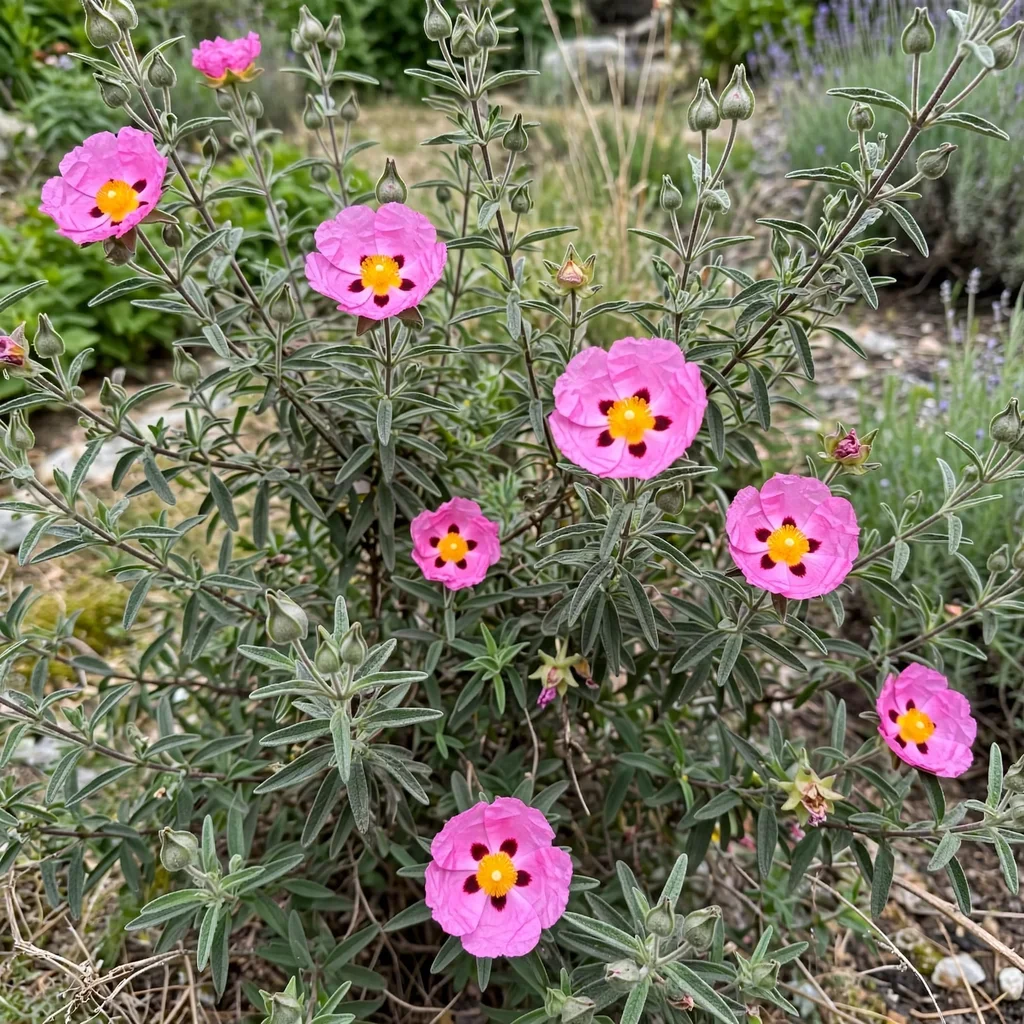
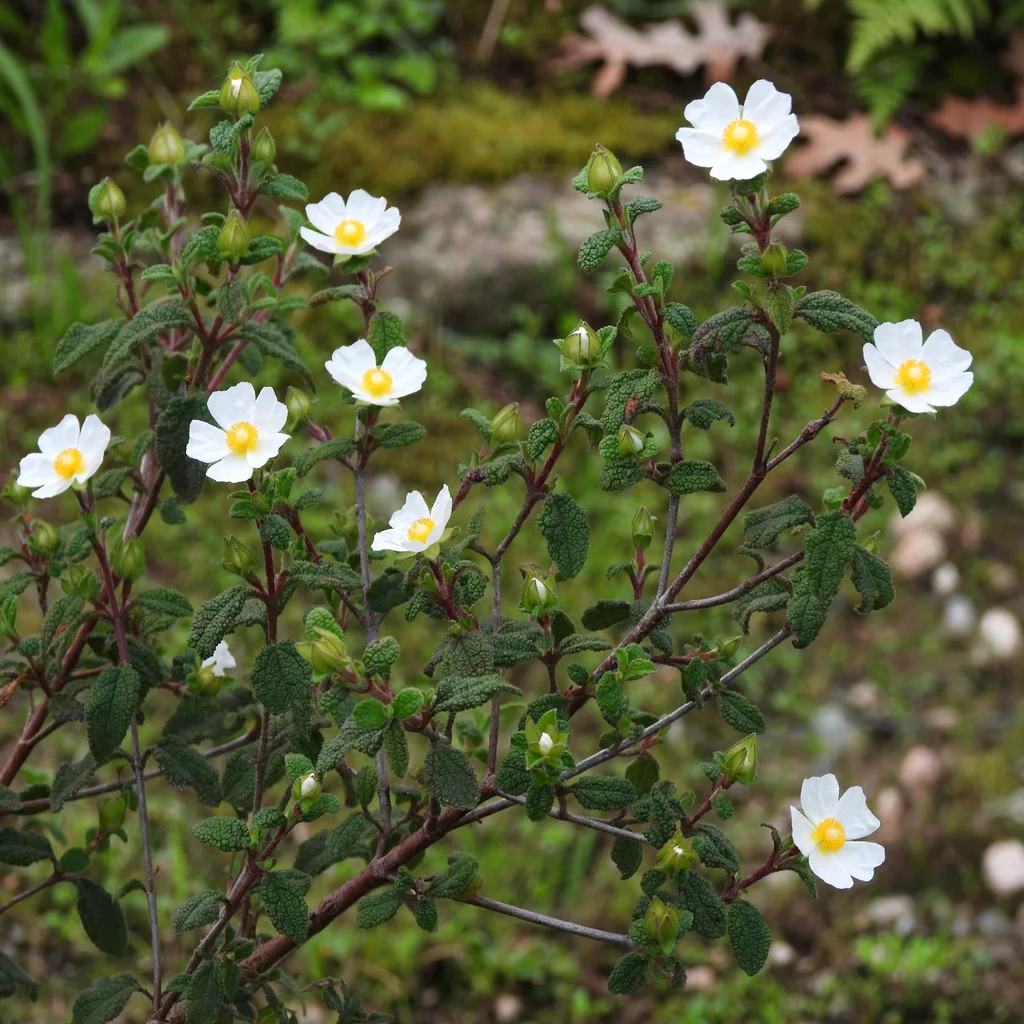
The 22 most-saved Cistus varieties
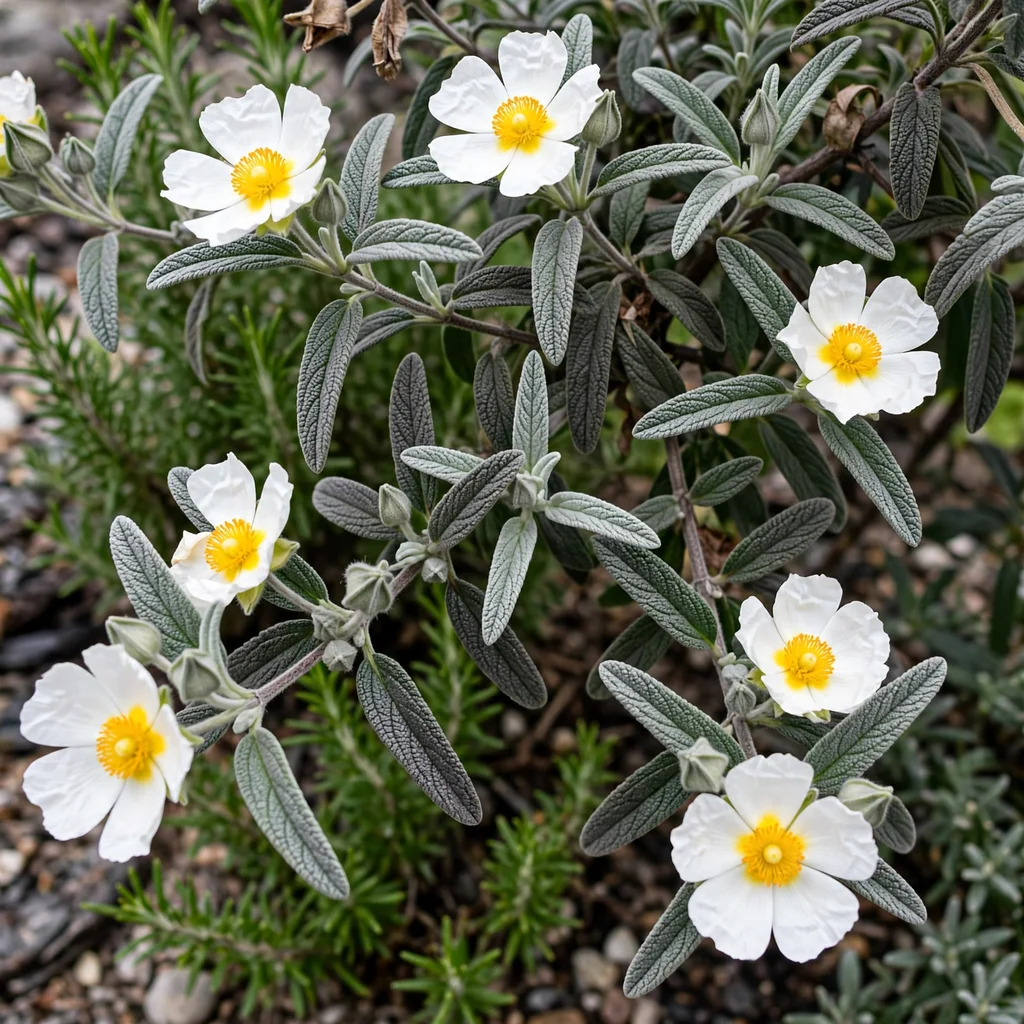

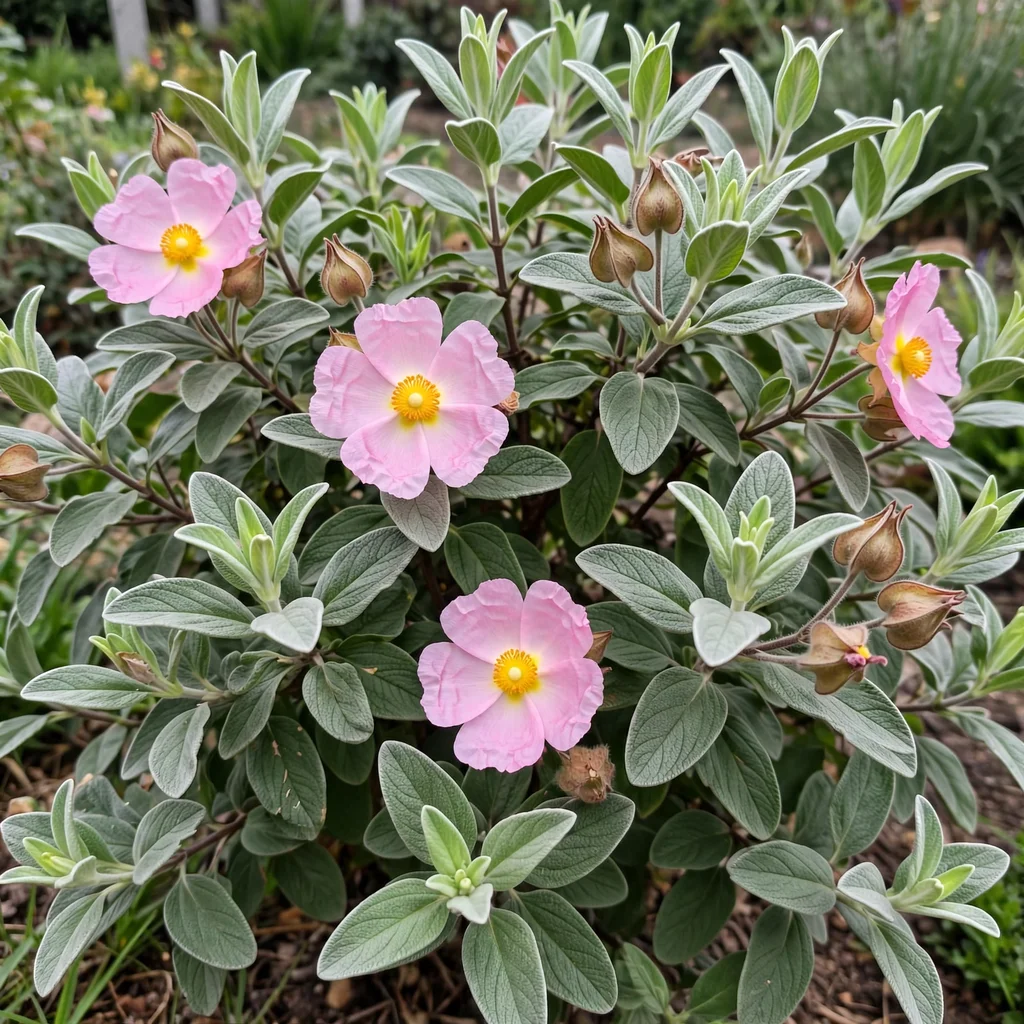
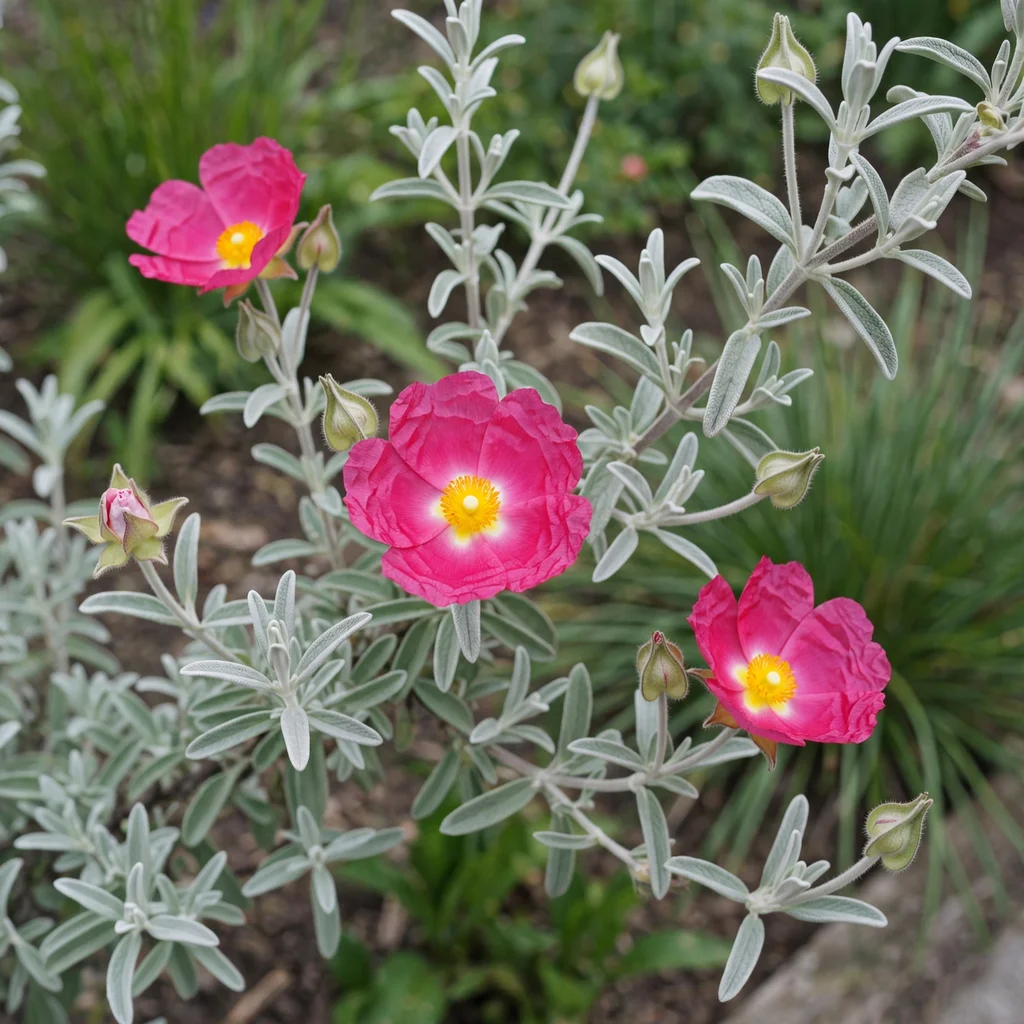
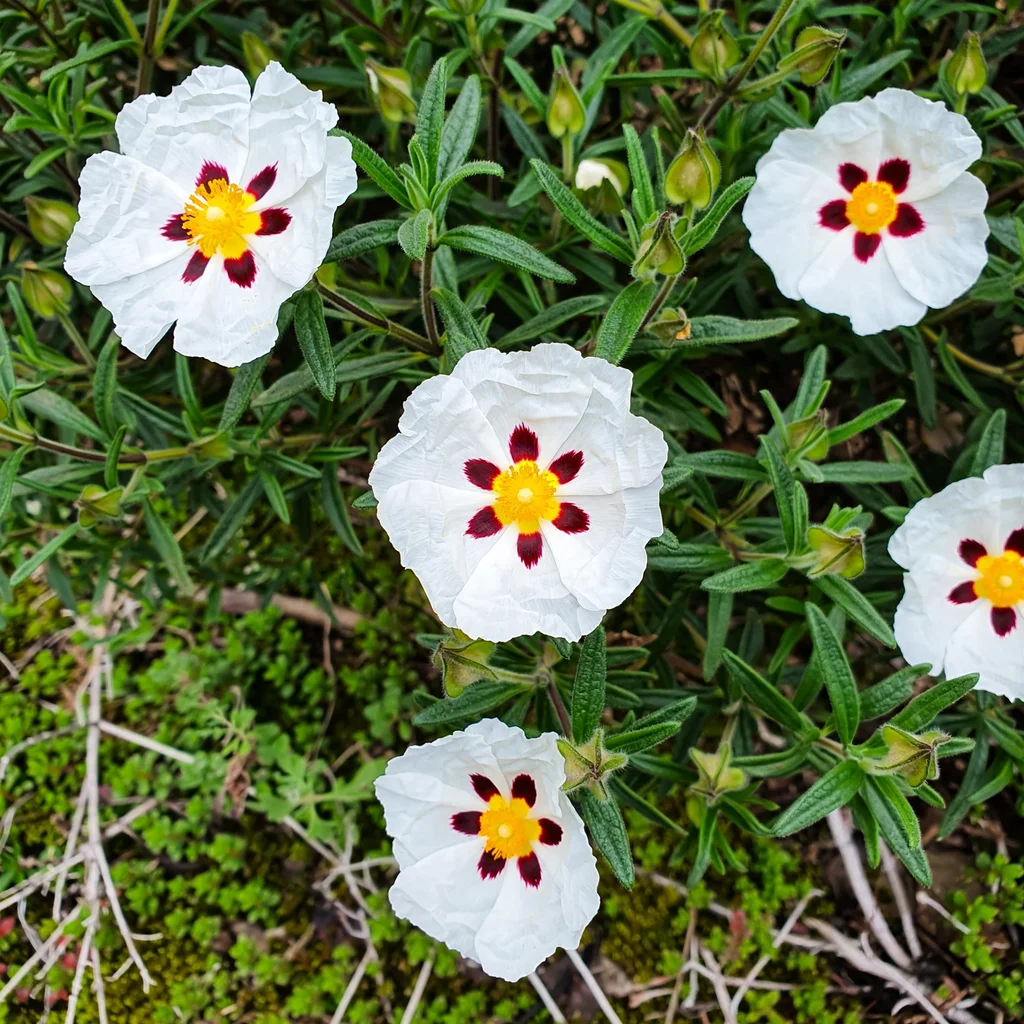
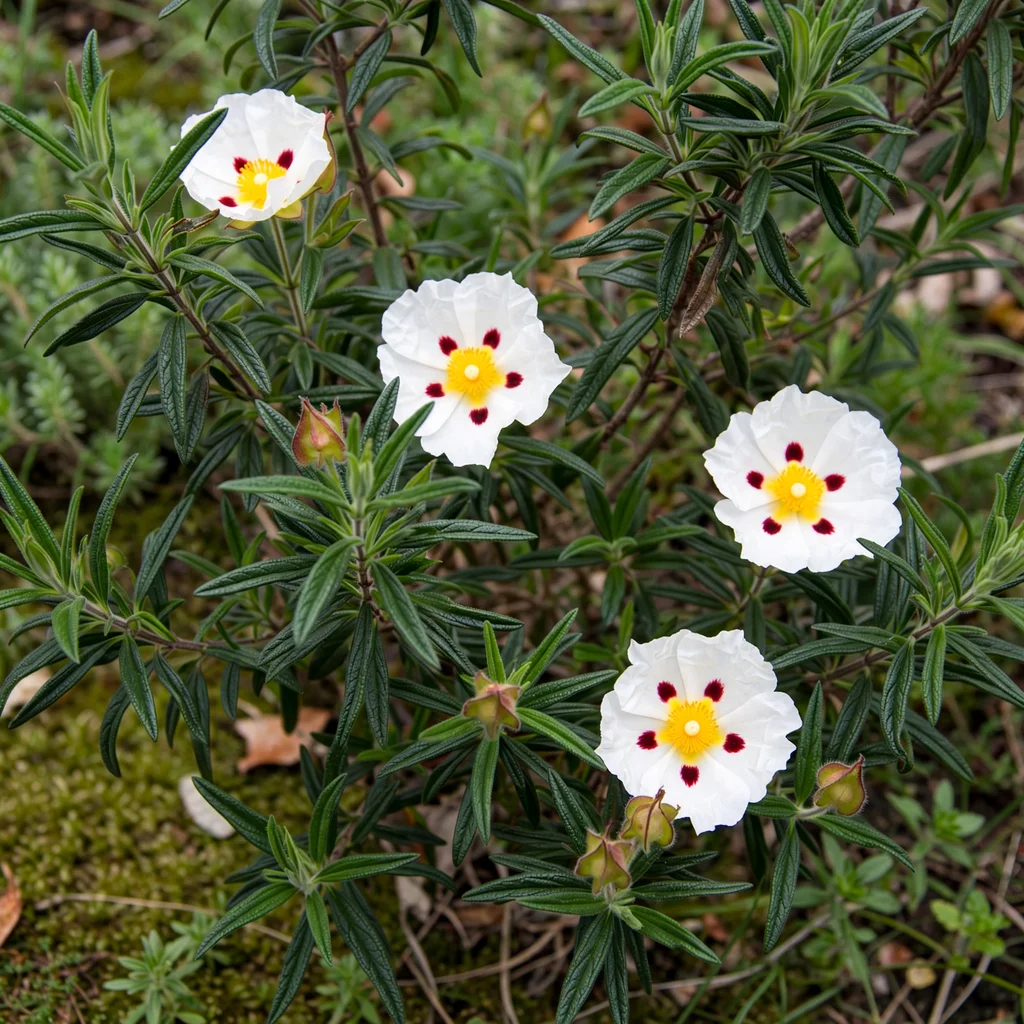
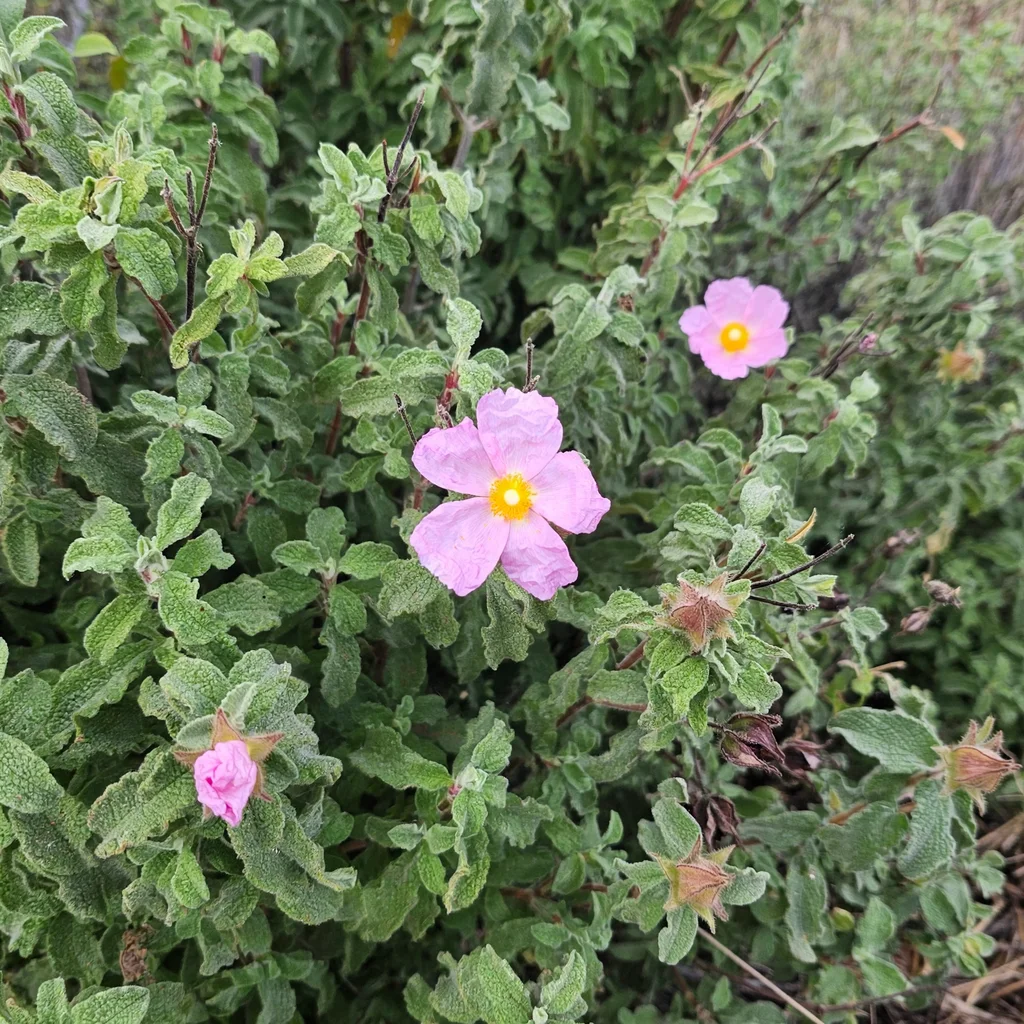
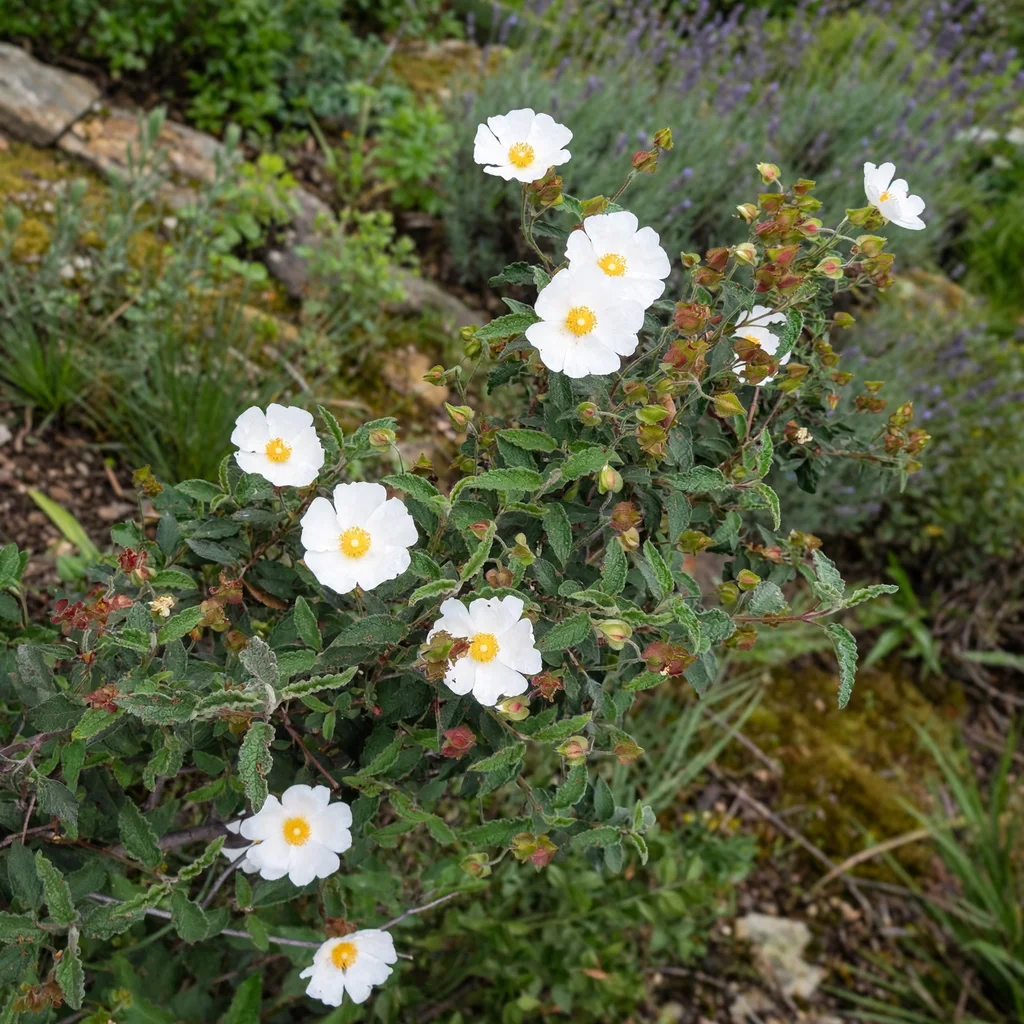
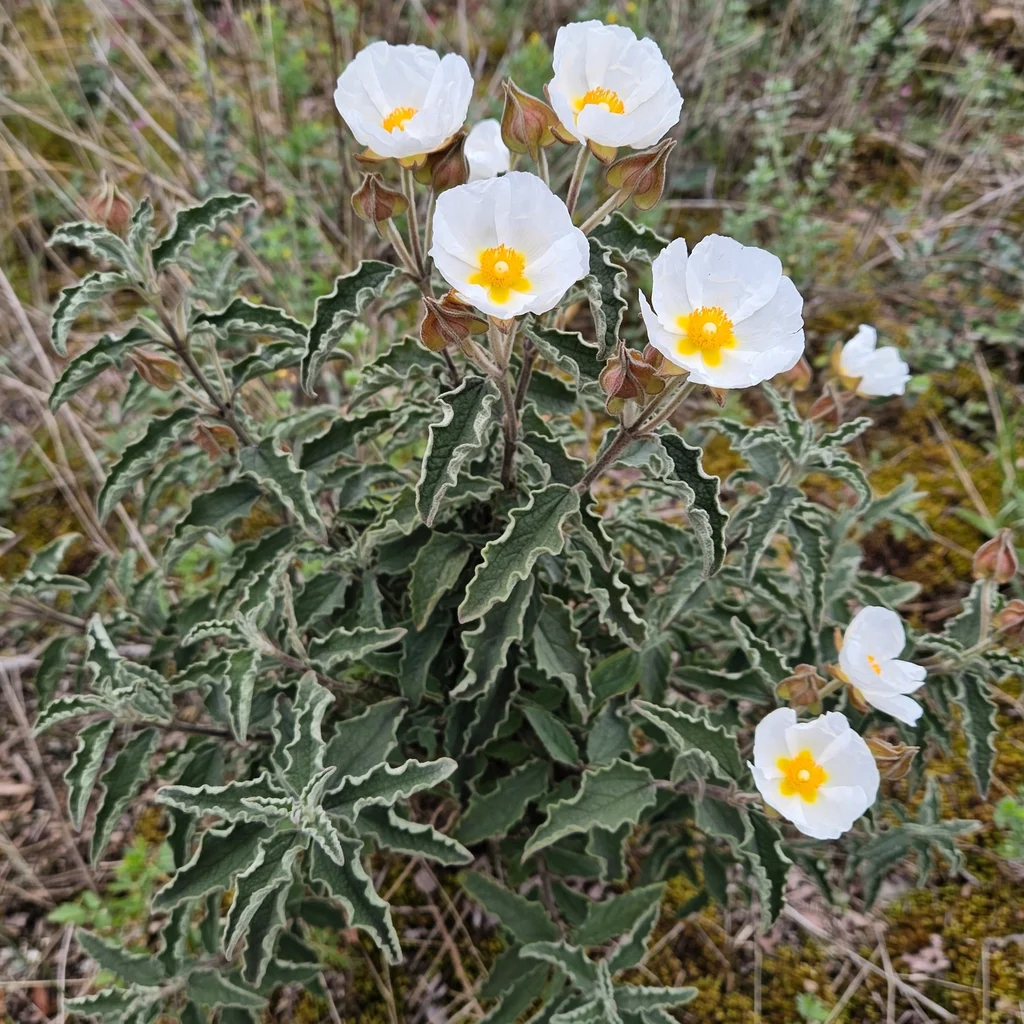
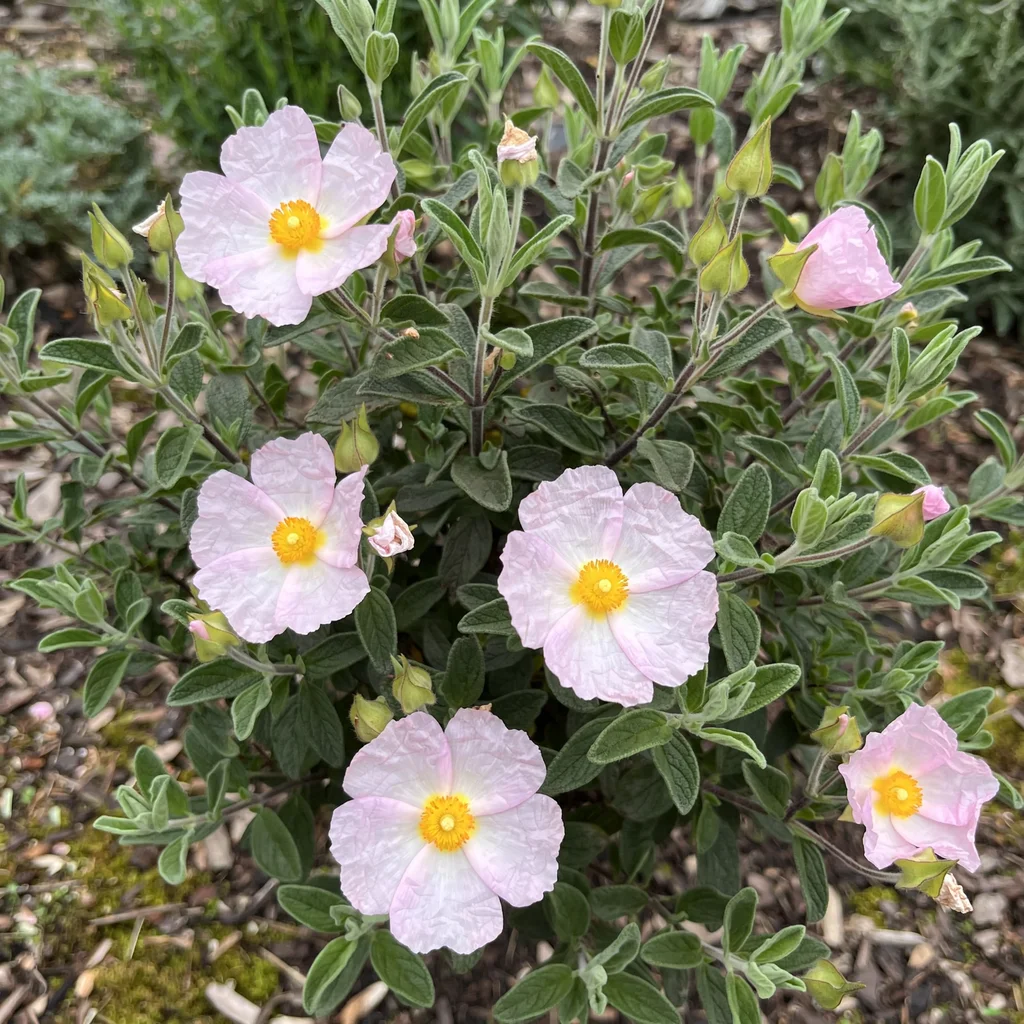
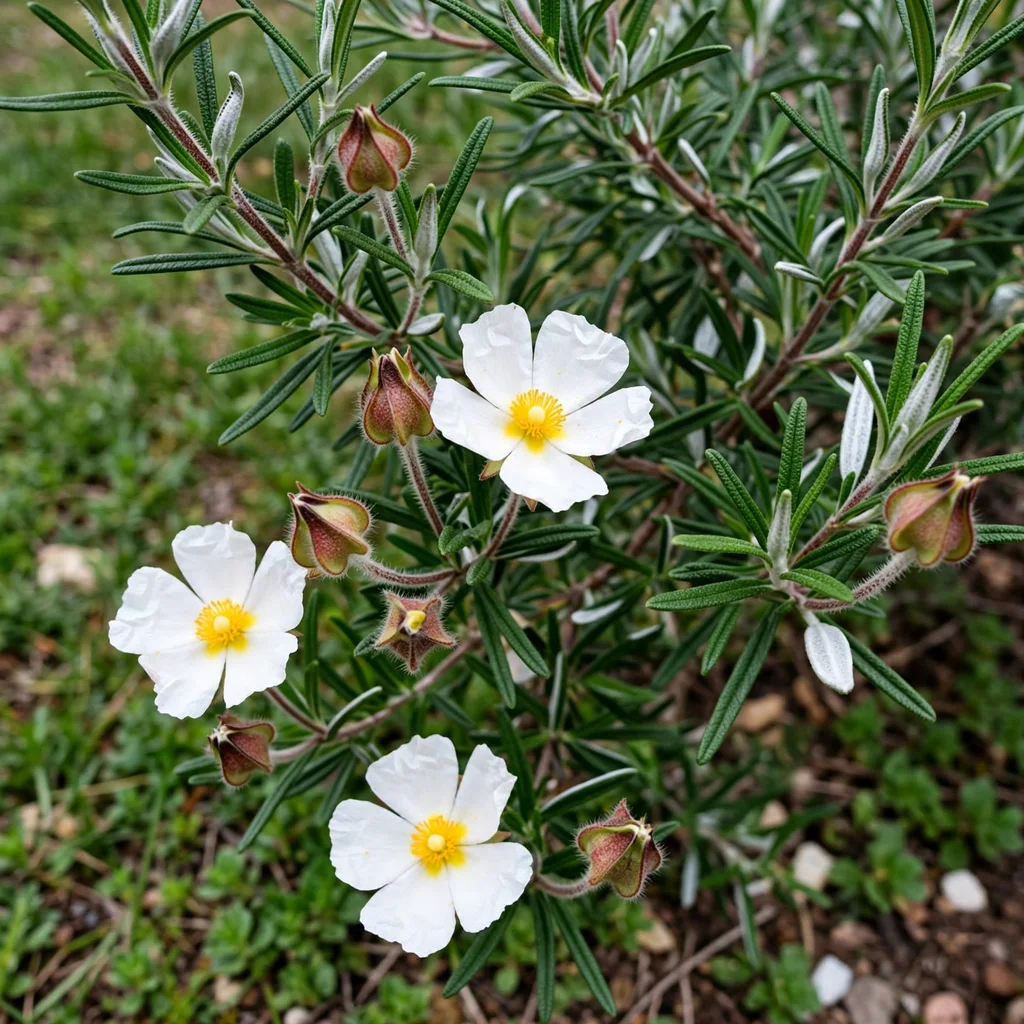
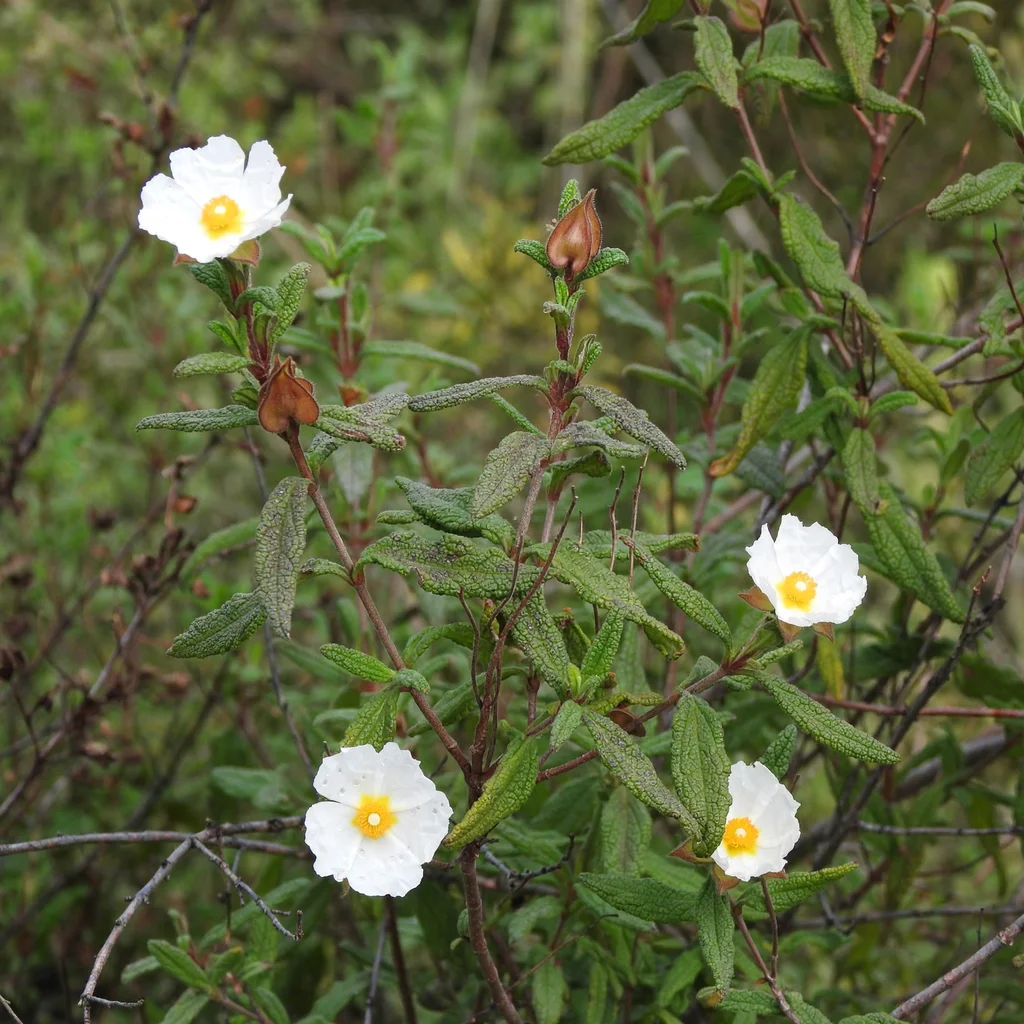
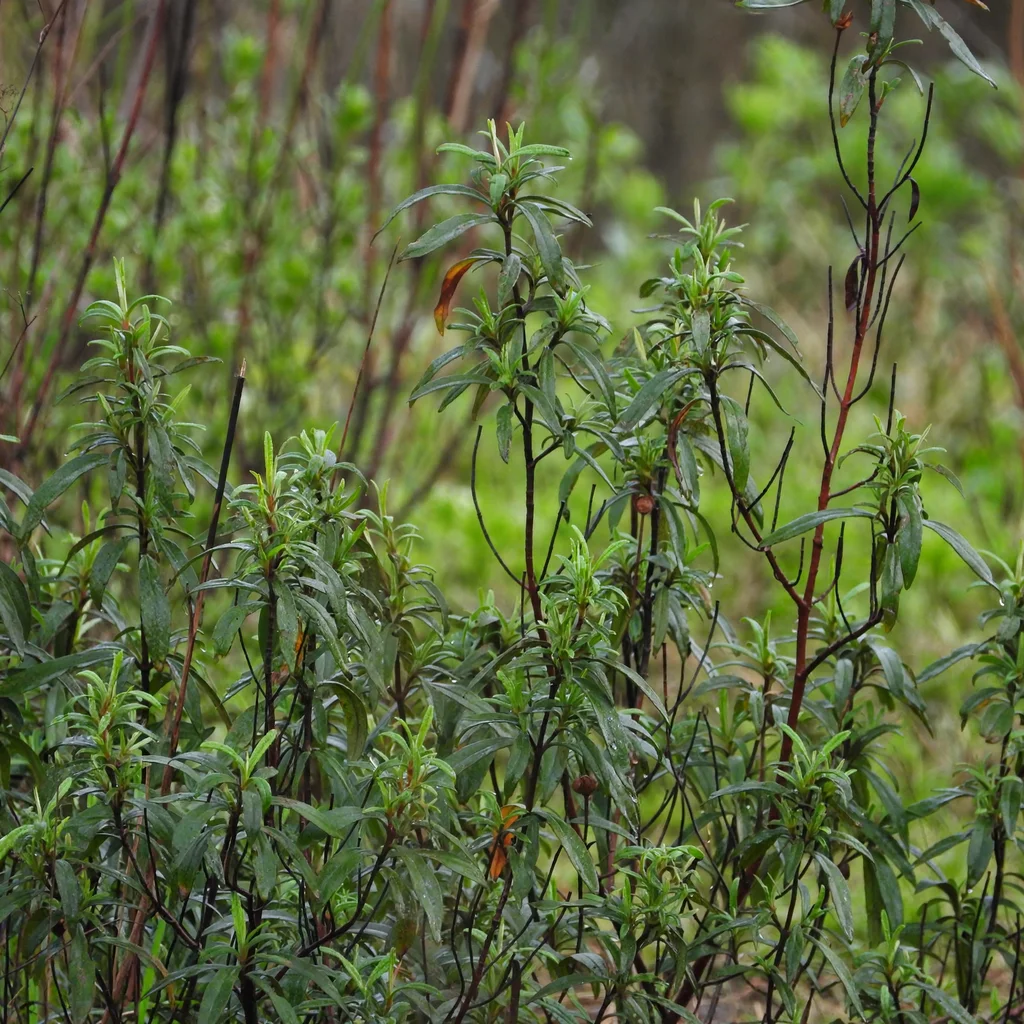
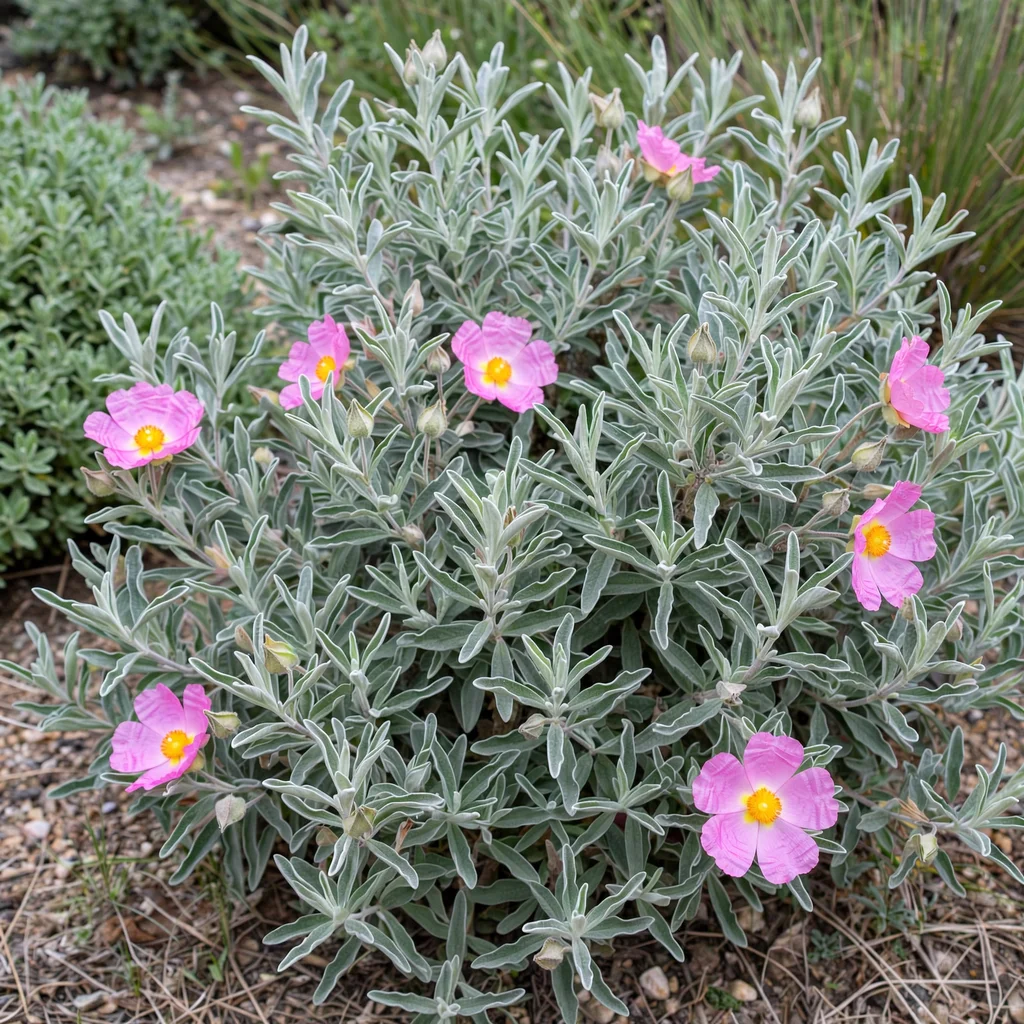
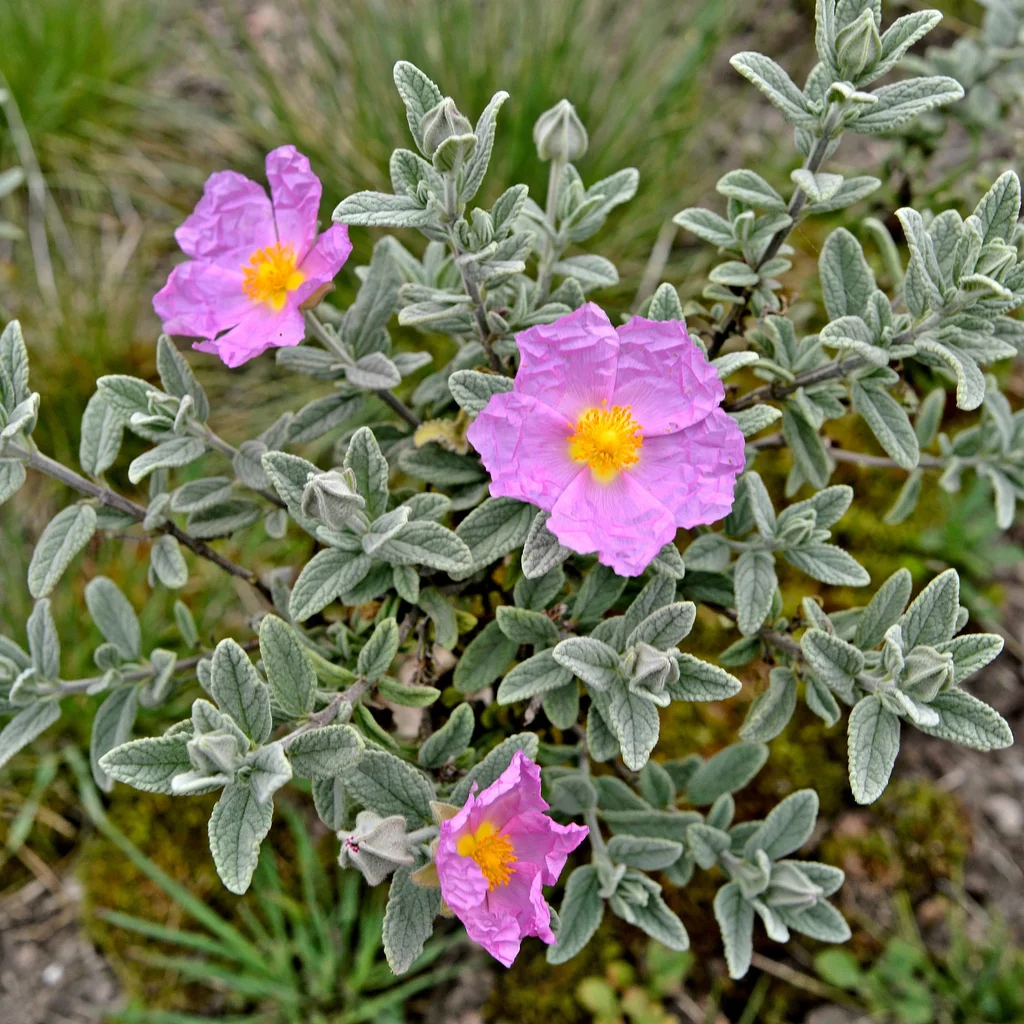
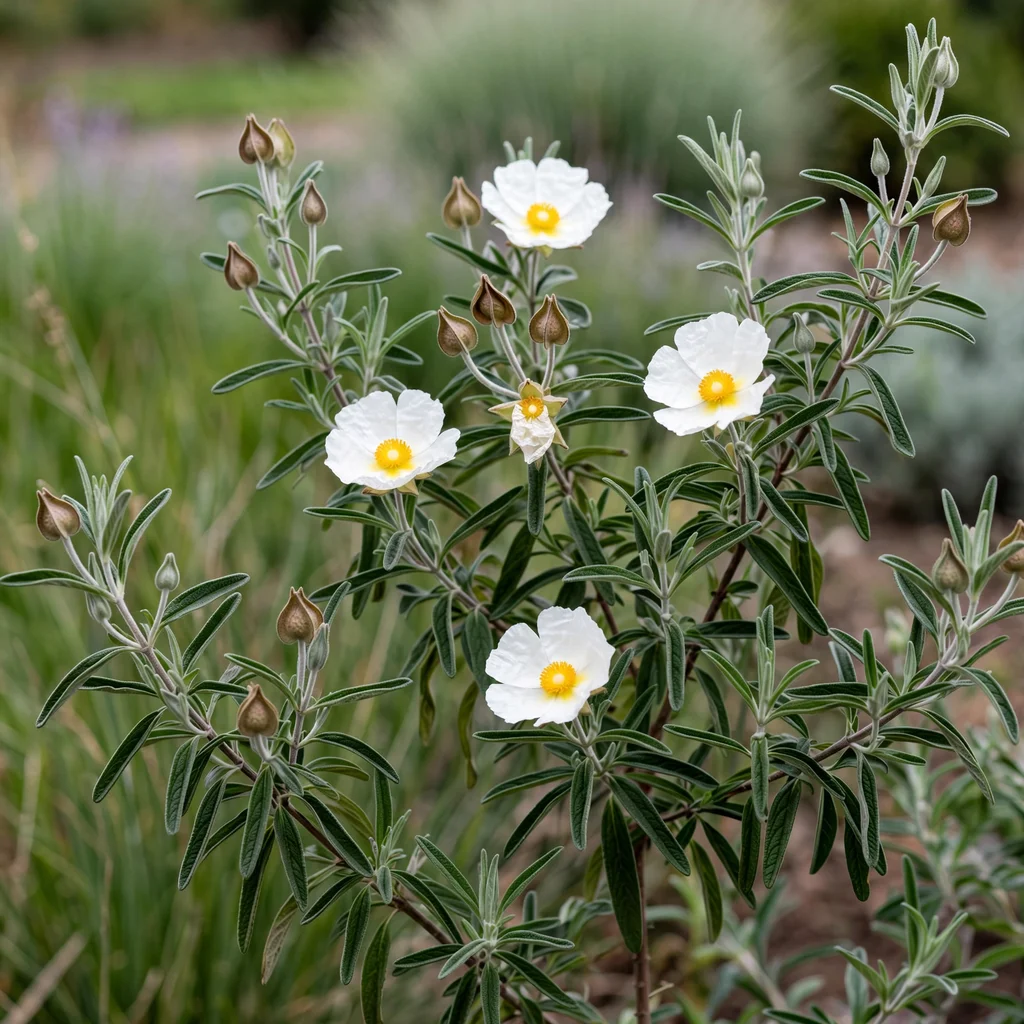
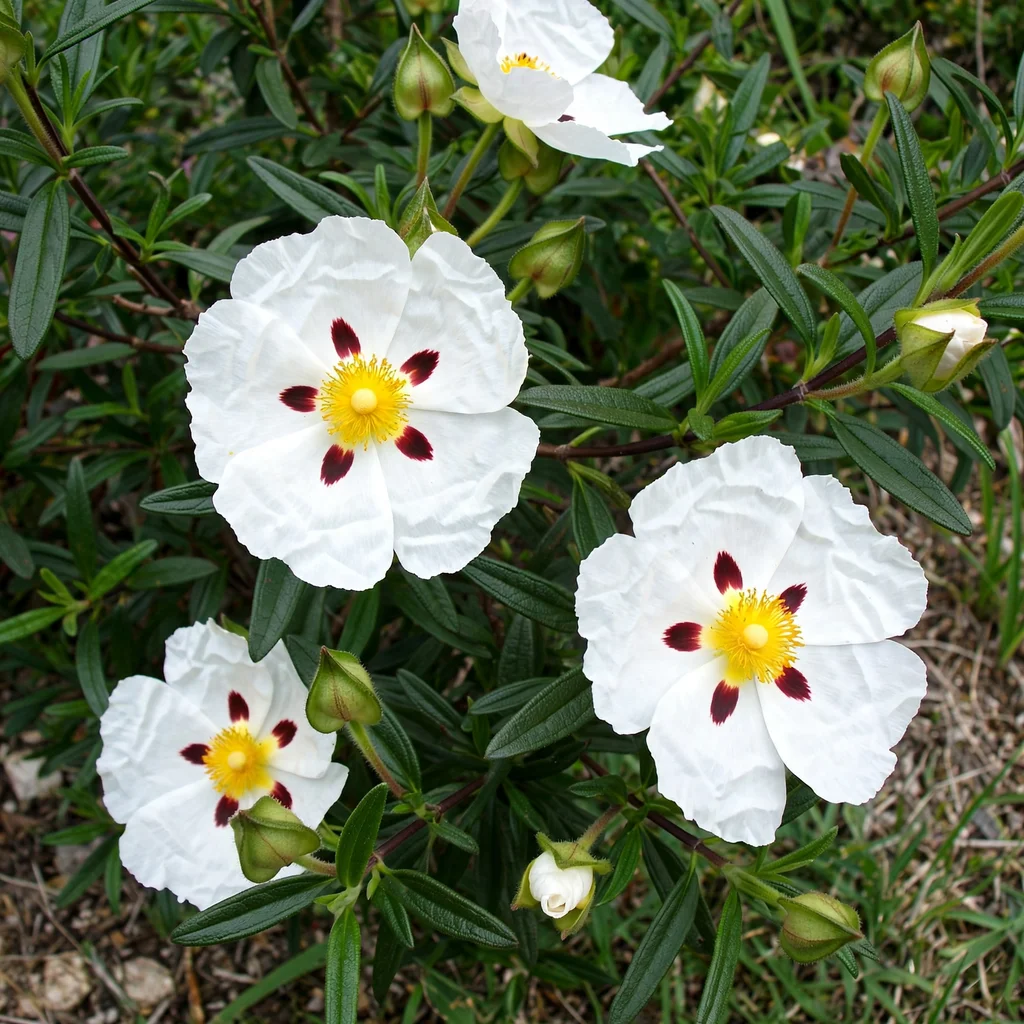
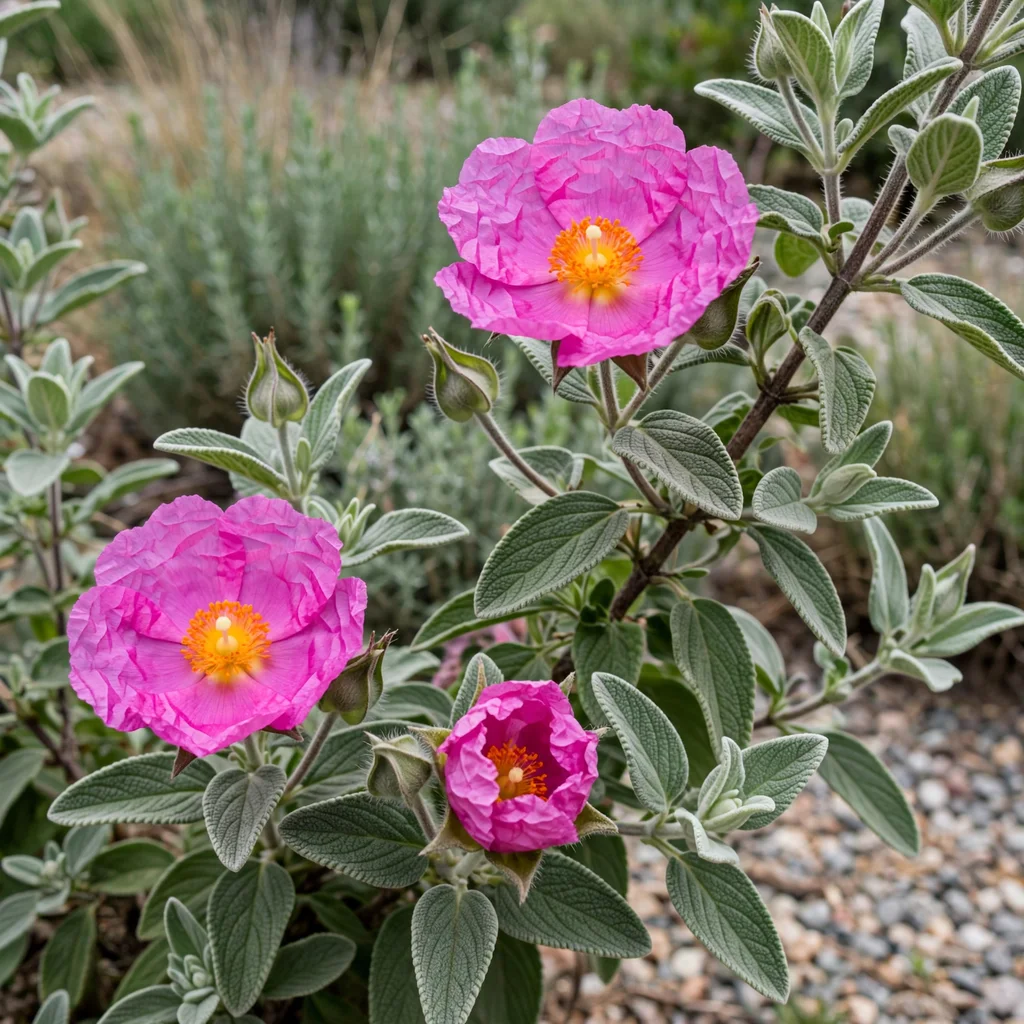
See all 25 Cistus varieties →Search this genus →
19 species of Cistus
Each one is a parent of the varieties above.
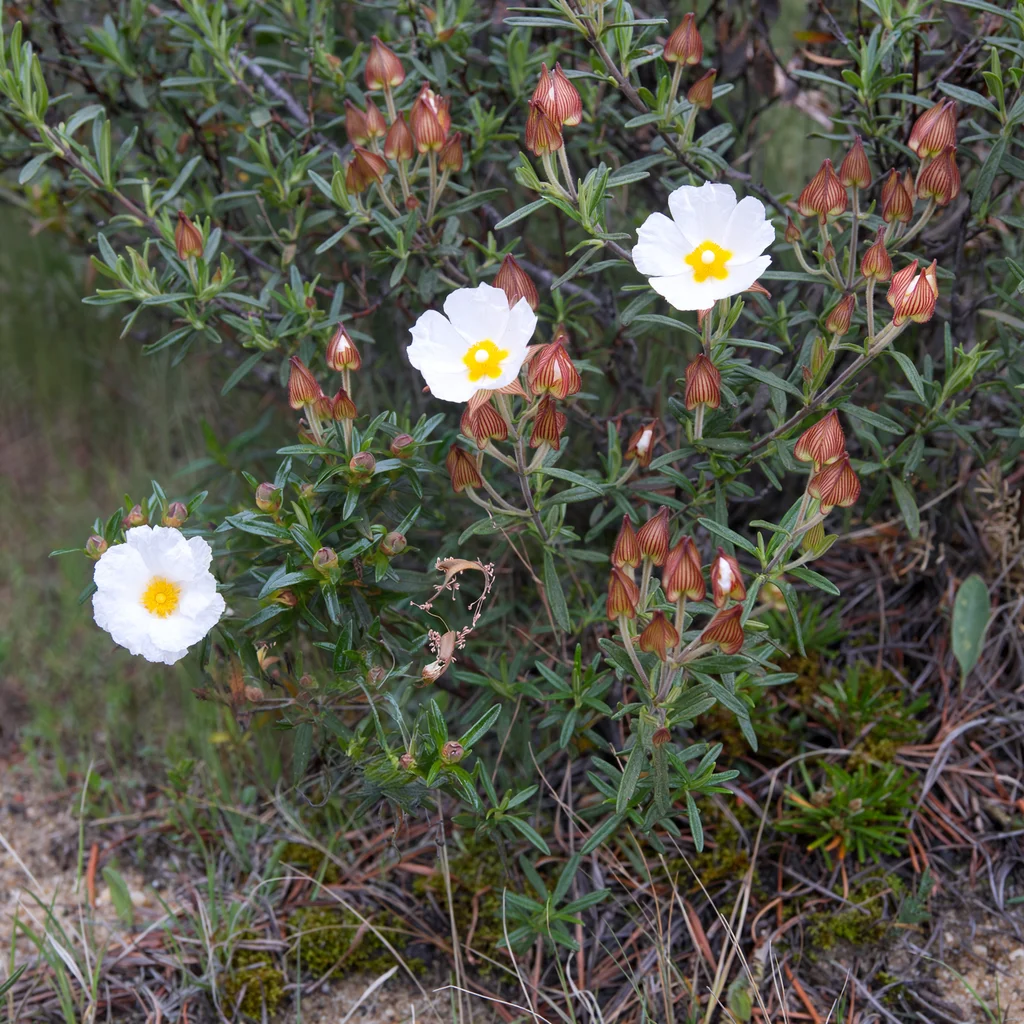
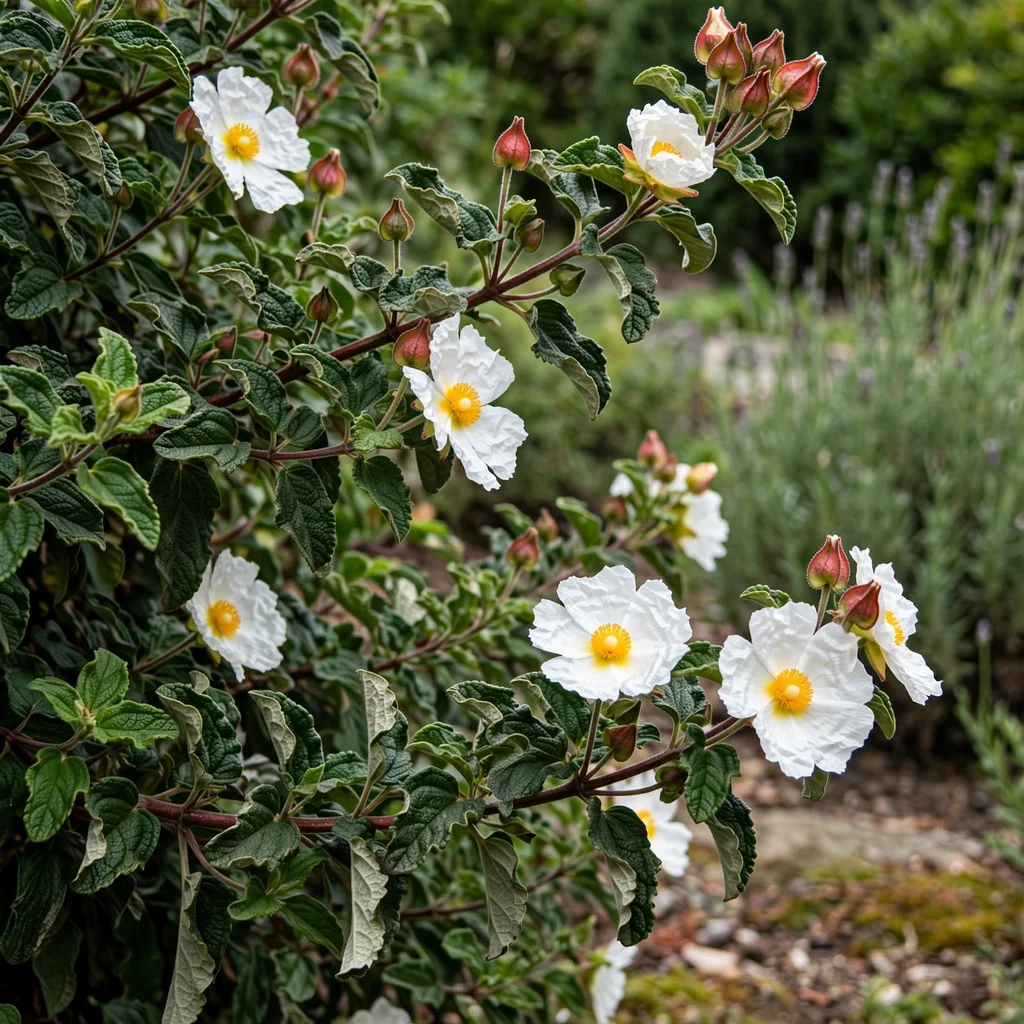
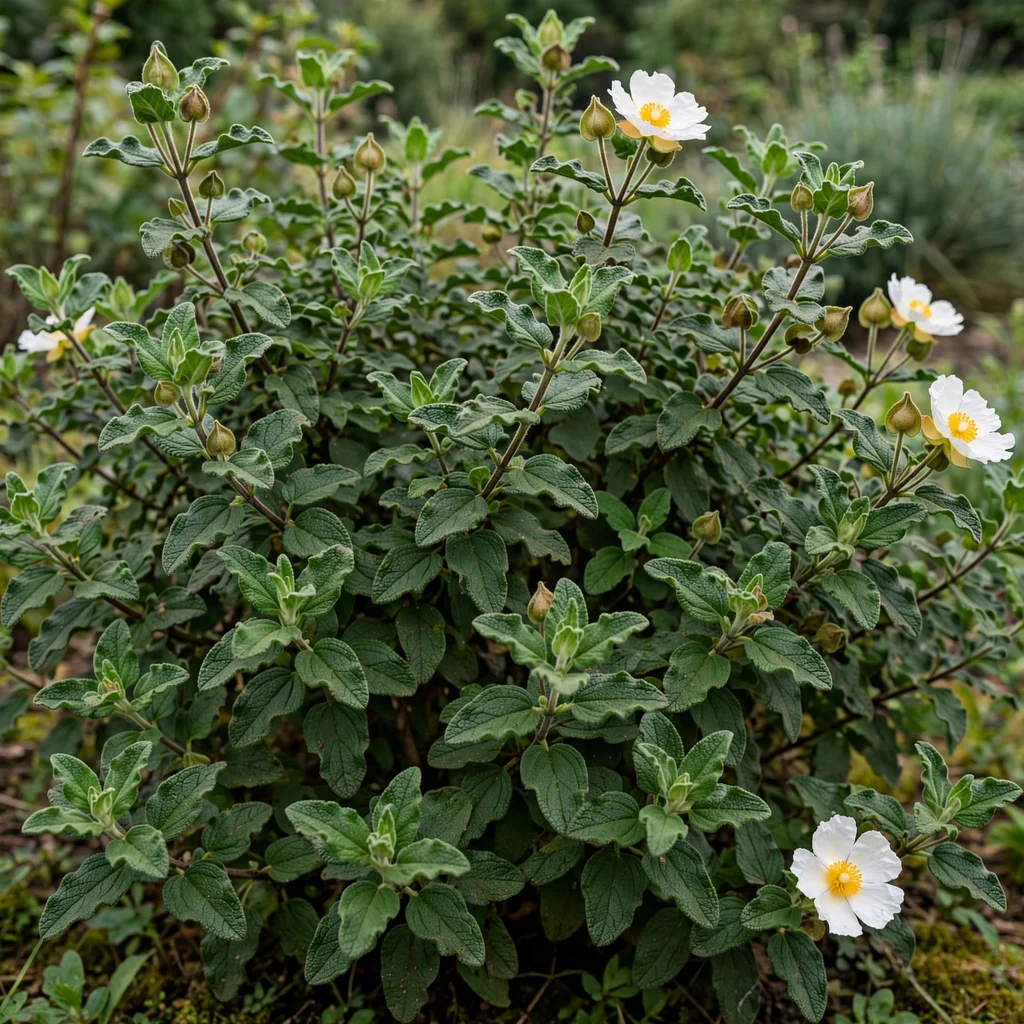
Track your Cistus in Sow
Save the Cistus you grow and get care reminders timed to your zone.
How to grow Cistus
Whats common across all Cistus varieties in our catalog — drawn from the care records of the 25 most-grown of them.
The Cistus year
- PlantMarch and April100% of varieties
Set young plants in final spot in poor well-drained soil; do not move later.
- PruneJune and July96% of varieties
Light shear after the main flush only; never cut into old leafless wood.
- Check for PestsJune and July84% of varieties
Check new growth for aphids and sooty mold; wash off with water.
- MulchMarch and April72% of varieties
Use thin gravel mulch; keep organic mulch off the crown.


Do
- Plant in full sun with sharp drainage
- Plant young in the final sunny spot in sharply drained poor soil
- Water sparingly once established and keep winter soil on the dry side
- Shear lightly after spring bloom to keep the mound dense
- Plant in full sun where air moves freely.
Avoid
- Do not cut back into old leafless wood
- Overwater, which can cause root rot ❌
- Do not hard-prune into old leafless wood
- Do not overwater or set in heavy clay that stays wet in winter
What goes wrong with Cistus
| Problem | What you'll see | What to do |
|---|---|---|
| Aphids | Clusters on new growth with sticky honeydew leading to black sooty mold | Wash off with a strong water spray or insecticidal soap; hold off fertilizer that pushes soft growth |
| Spider mites | Stippled gray leaves and fine webbing in hot dry weather | Spray leaf undersides with water; thin for airflow and avoid dust and drought stress |
| Scale insects | Yellowing and weakening of stems | Apply horticultural oil during dormant season |
| Deer | Chewed stems and foliage, particularly on tender new spring growth. | Protect young plants with temporary wire cages or apply scent-based repellents until the shrub establishes its aromatic resin. |
| Root rot | Wilting and blackened stem base in soggy soil | Plant high in fast-draining soil on a slope or mound; do not overwater |
| Powdery mildew | White powder on leaves | Apply fungicide and improve air circulation |
| Root and crown rot | Wilting, yellowing and collapse starting at the crown in wet or poorly drained soil. | Plant in sharply drained alkaline soil, never water regularly in summer, and keep mulch away from stems. |
Making more Cistus
Seed
- Collect dry capsules and sow on the surface of gritty mix.
- Cover lightly with sand and keep moist until germination.
- Grow on in full light in individual pots.
- Plant out young in final spot; do not move again.
Semi-hardwood cuttings
- Take 3- to 4-inch tip cuttings in summer from firm new growth.
- Strip lower leaves and insert in gritty sand-perlite mix.
- Keep barely moist under bright shade until rooted.
- Pot up and plant out young without disturbing roots.
Cistus questions
How many types of Cistus are there?
The Sow catalog tracks 25 distinct Cistus varieties. The most popular — ranked by 66 real gardeners — are shown first above.
What zones does Cistus grow in?
Across its varieties, Cistus covers USDA Zones 7–10. Individual varieties differ — each plant page lists its exact range, and Sow filters the catalog to your zone automatically.
When does Cistus bloom?
Most Cistus varieties bloom from late spring to late summer. Mixing early and late varieties stretches the season from spring to summer.
Which Cistus should I choose?
Start from the most-saved varieties above — popularity across thousands of gardens is a strong signal of reliability — then filter by your zone and sun. In the Sow app you can preview any of them in a photo of your actual yard before you buy.