The Story
Plant Bio
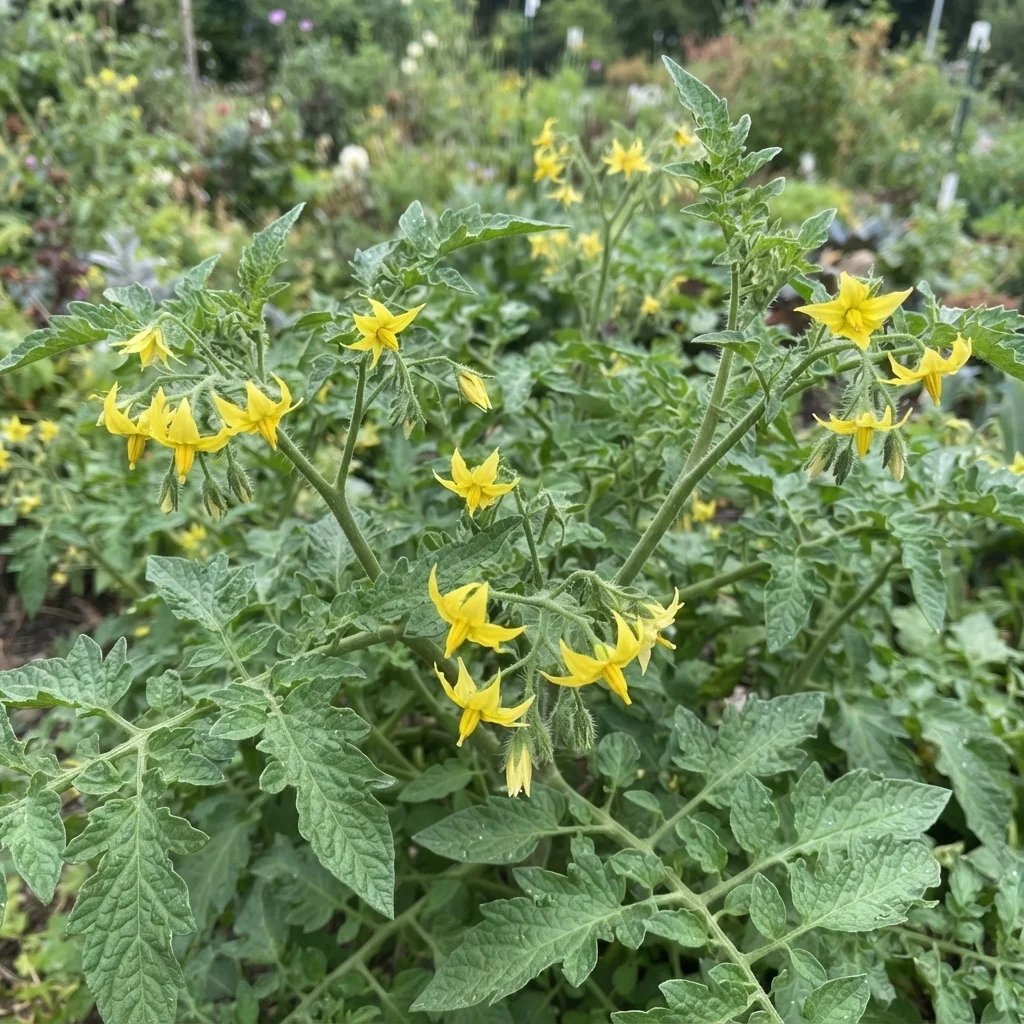
Solanum esculentum, historically classified as Solanum lycopersicum, is a sprawling, glandular-haired herbaceous annual native to western South America. It produces bright yellow, star-shaped flowers in lateral clusters followed by fleshy, edible red or yellow berries.
This species features highly aromatic, deeply lobed foliage covered in scent-gland hairs that release a distinct herbal odor when touched. Growth habits vary from compact, self-terminating determinate bushes to vigorously climbing indeterminate vines requiring structural support.
Uses & Benefits:
Essentials
At a Glance
Plant Type
Fruit Vegetable
Height
120"
Width
60"
Light
Full Sun
Zones
4, 5, 6, 7, 8, 9, 10
Water
Moderate
Humidity
Moderate
Lifespan
Annual
Native To
Western South America
Toxicity
Toxic if Ingested
Bloom period
Summer – Fall
In flower about 6 months of the year
Planting
How to Grow
- Select a planting site in full sun with rich, well-draining loamy soil of pH 6.0 to 6.8.
- Install stakes, cages, or trellises at planting time to support the sprawling stems of indeterminate varieties.
- Water deeply at the base of the plant to keep the foliage dry and maintain consistent soil moisture.
- Apply a balanced vegetable fertilizer at planting, then transition to a low-nitrogen, high-potassium formula once flowers appear.
Pro Tip
Bury the transplant deep in the soil up to its first set of true leaves; this stimulates adventitious root development along the buried stem to build a more robust root system.
Keep It Thriving
Care Guide
Do
- Water consistently at the soil level to prevent blossom-end rot.
- Prune lateral suckers weekly on indeterminate varieties to maintain a single leader.
- Bury the stem deeply when transplanting to encourage extra root growth.
Don't
- Do not wet the foliage during watering, as this invites fungal blights.
- Do not prune the woody old stems of this soft-stemmed annual.
- Do not use high-nitrogen fertilizers after flowering begins, which reduces fruit yield.
Seasonal Care Calendar
| Task | Jan | Feb | Mar | Apr | May | Jun | Jul | Aug | Sep | Oct | Nov | Dec |
|---|---|---|---|---|---|---|---|---|---|---|---|---|
| Fertilize | ||||||||||||
| Harvest | ||||||||||||
| Plant | ||||||||||||
| Prune | ||||||||||||
| Stake |
Watch Out For
Pests & Diseases
Common Pests
Common Diseases
In the Garden
Landscape Uses & Companions
Landscape Uses
Multiply
Propagation Methods
Good to Know
Common Questions
Tomato questions
What zones can Tomato grow in?
Tomato is hardy in USDA Zones 4–10. Inside that range it survives winter in the ground; outside it, grow it as an annual or a container plant you protect.
Is Tomato deer resistant?
Not reliably. Deer may browse Tomato, especially tender spring growth — plan on repellents or fencing where pressure is high.
When does Tomato bloom?
Tomato typically blooms in summer through fall. Exact timing shifts a week or two with your zone — Sow's bloom calendar maps it to your garden.
Does Tomato need full sun?
Tomato does best in full sun (6+ hours).
More Solanum to compare
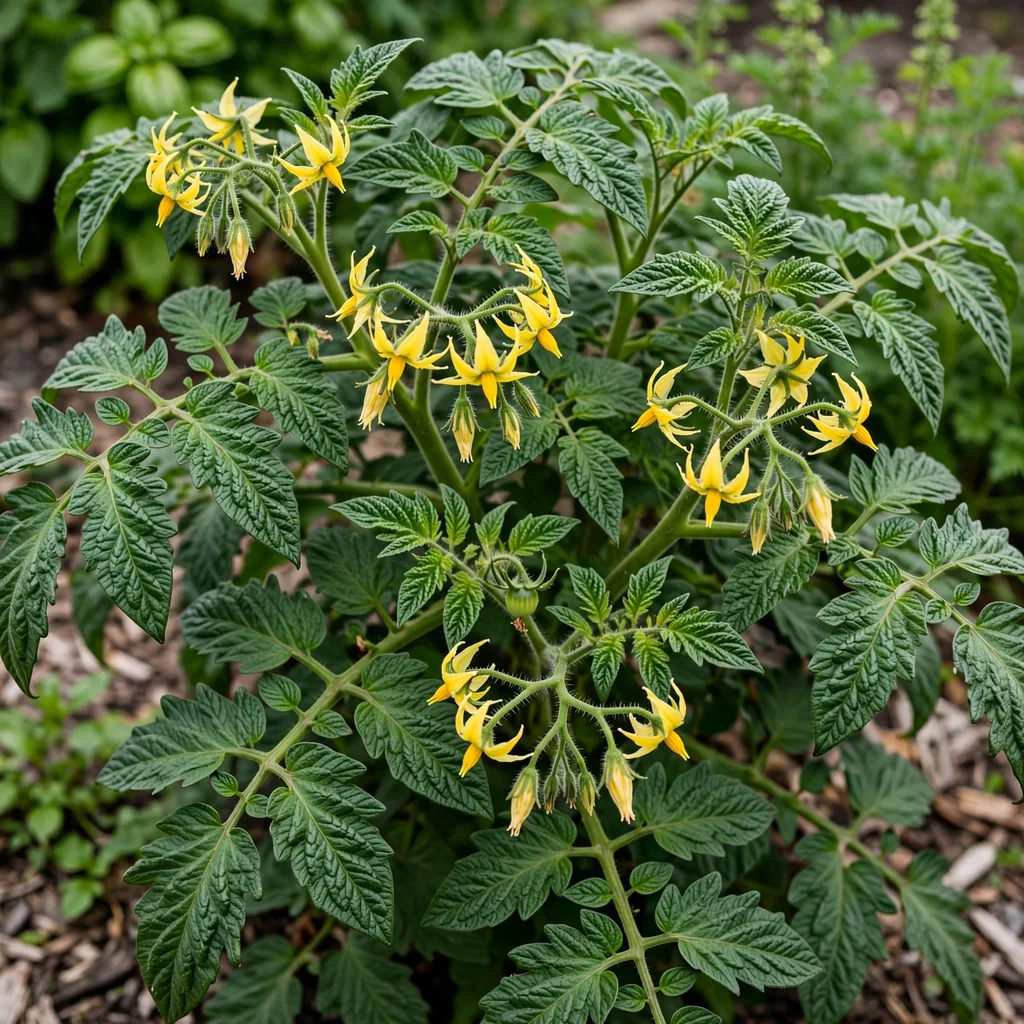
Martino's Roma Tomato
Solanum lycopersicum 'Martino's Roma'
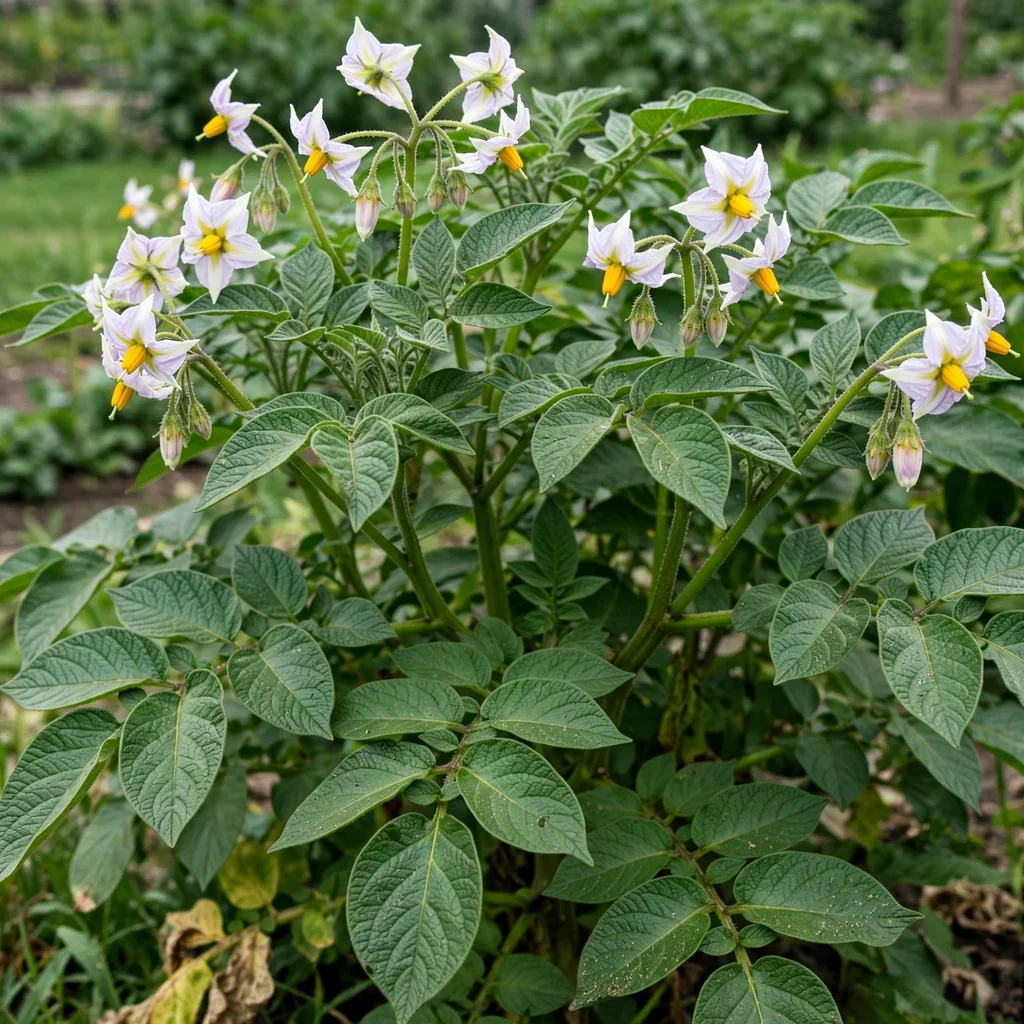
Yukon Gold Potato
Solanum tuberosum 'Yukon Gold'
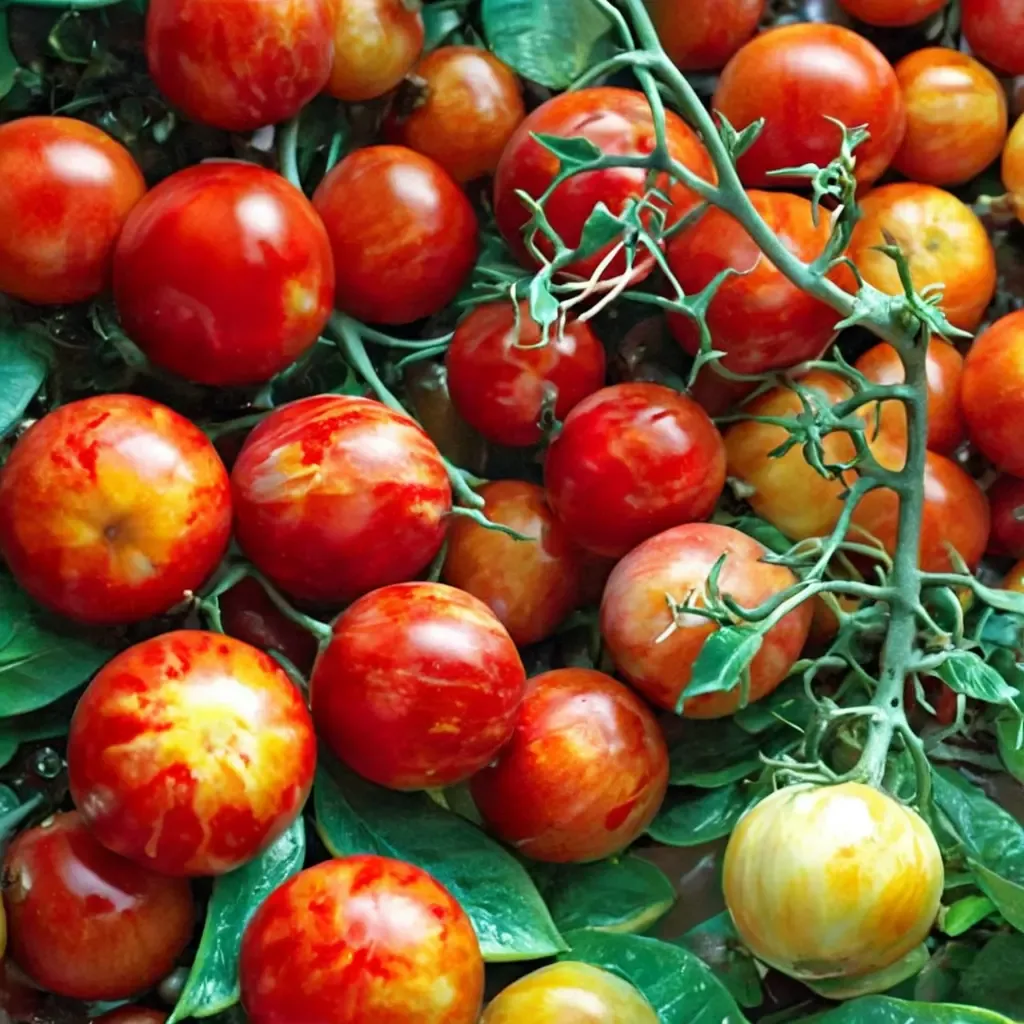
Sweet Tomato
Solanum lycopersicum 'Sweet'
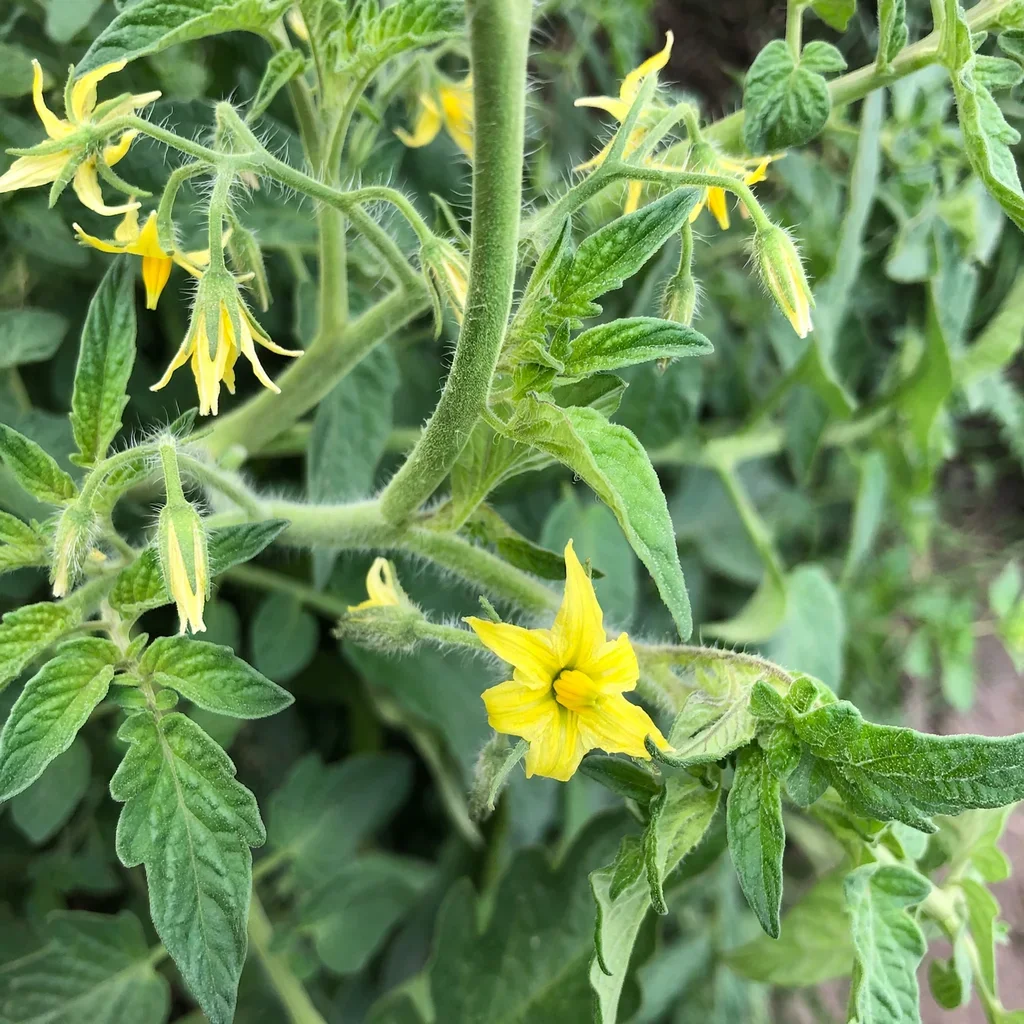
Napa Rose Tomato
Solanum lycopersicum 'Napa Rose'
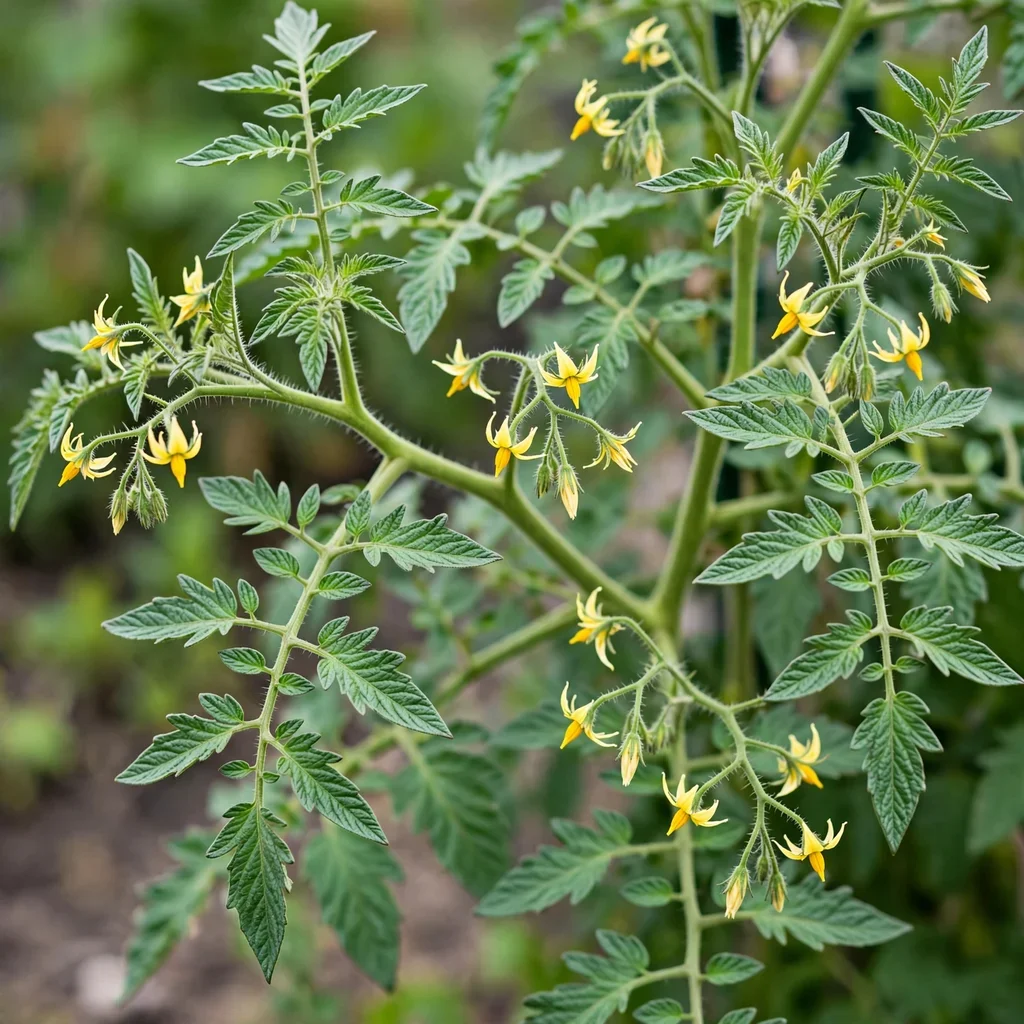
Red Currant Tomato
Solanum lycopersicum 'Red Currant'
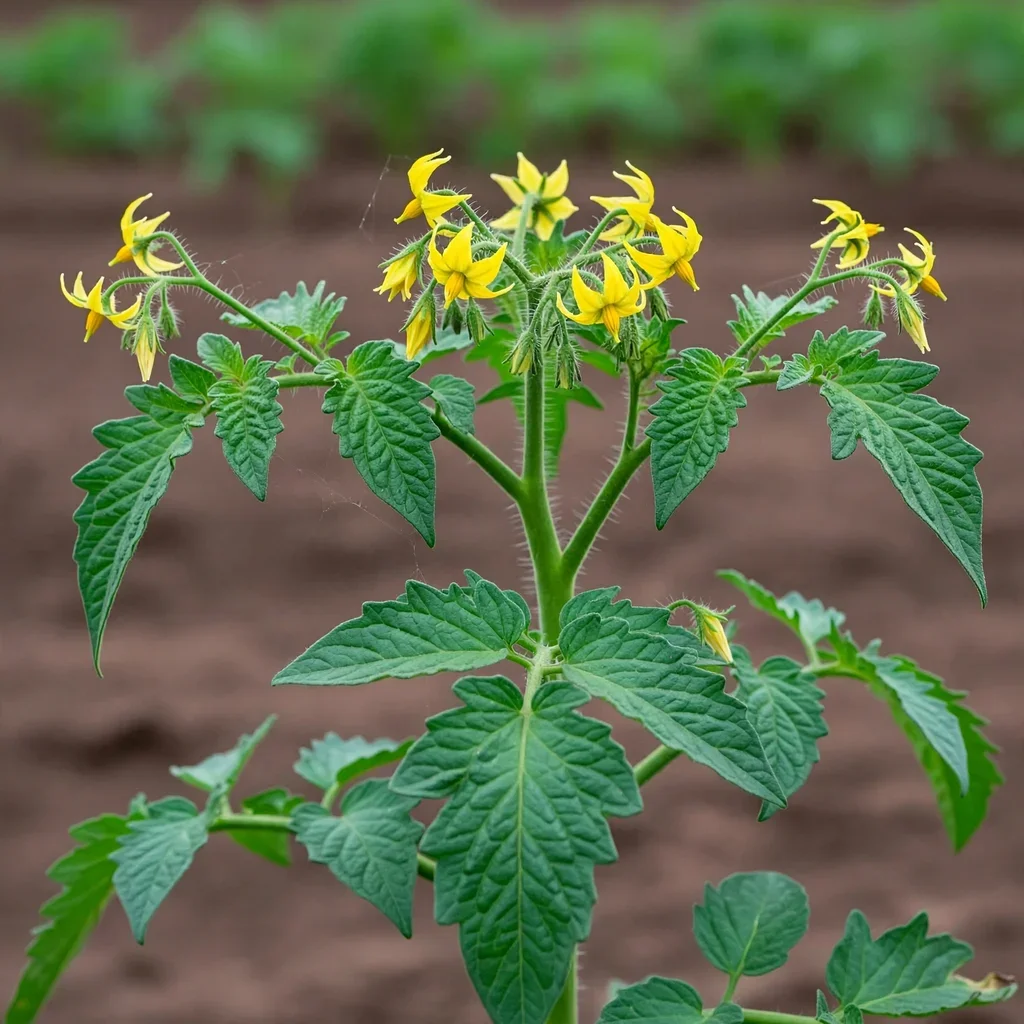
Gold Medal Tomato
Solanum lycopersicum 'Gold Medal'
Keep exploring
Explore the genus
Grow Tomato with confidence
See it in a design of your actual yard, get zone-matched care reminders, and track it season by season in your garden journal.