
Species
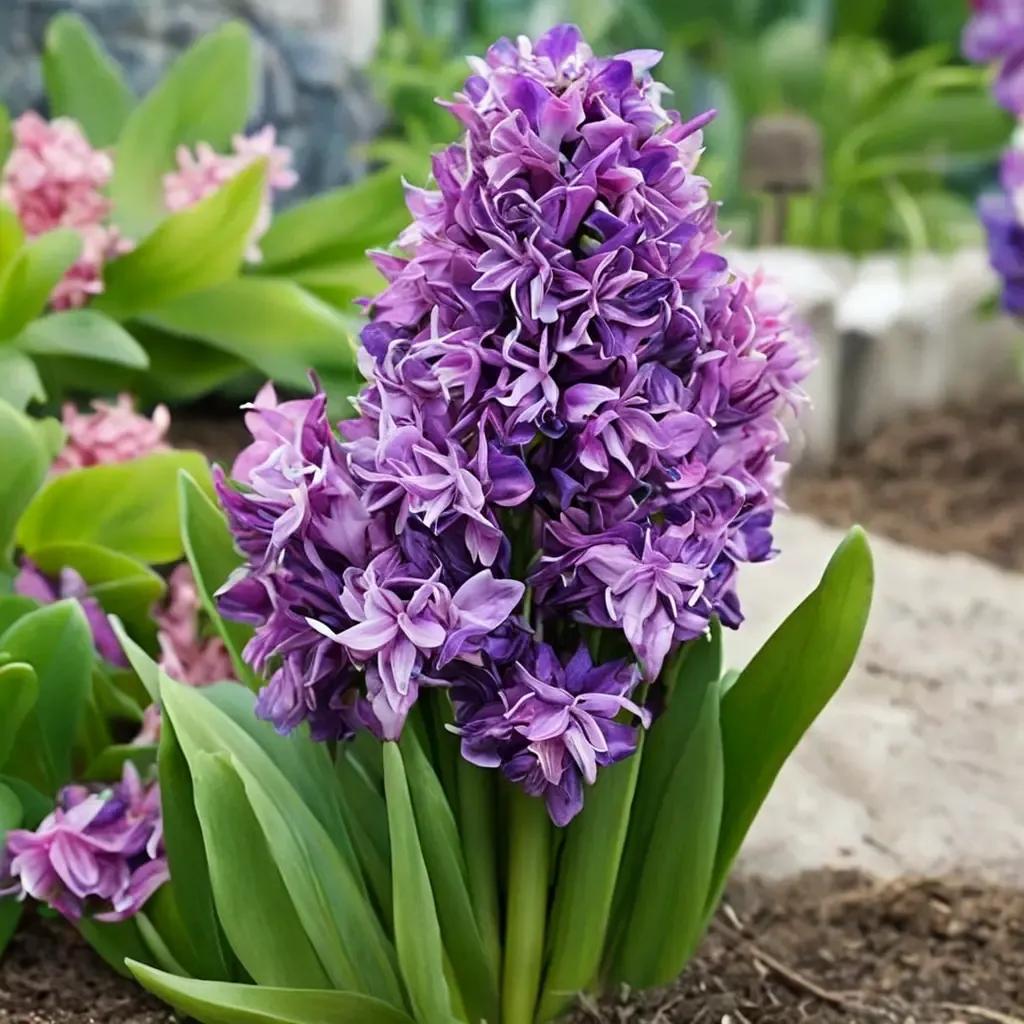 Hyacinthus orientalisCommon Hyacinth
11 other cultivars
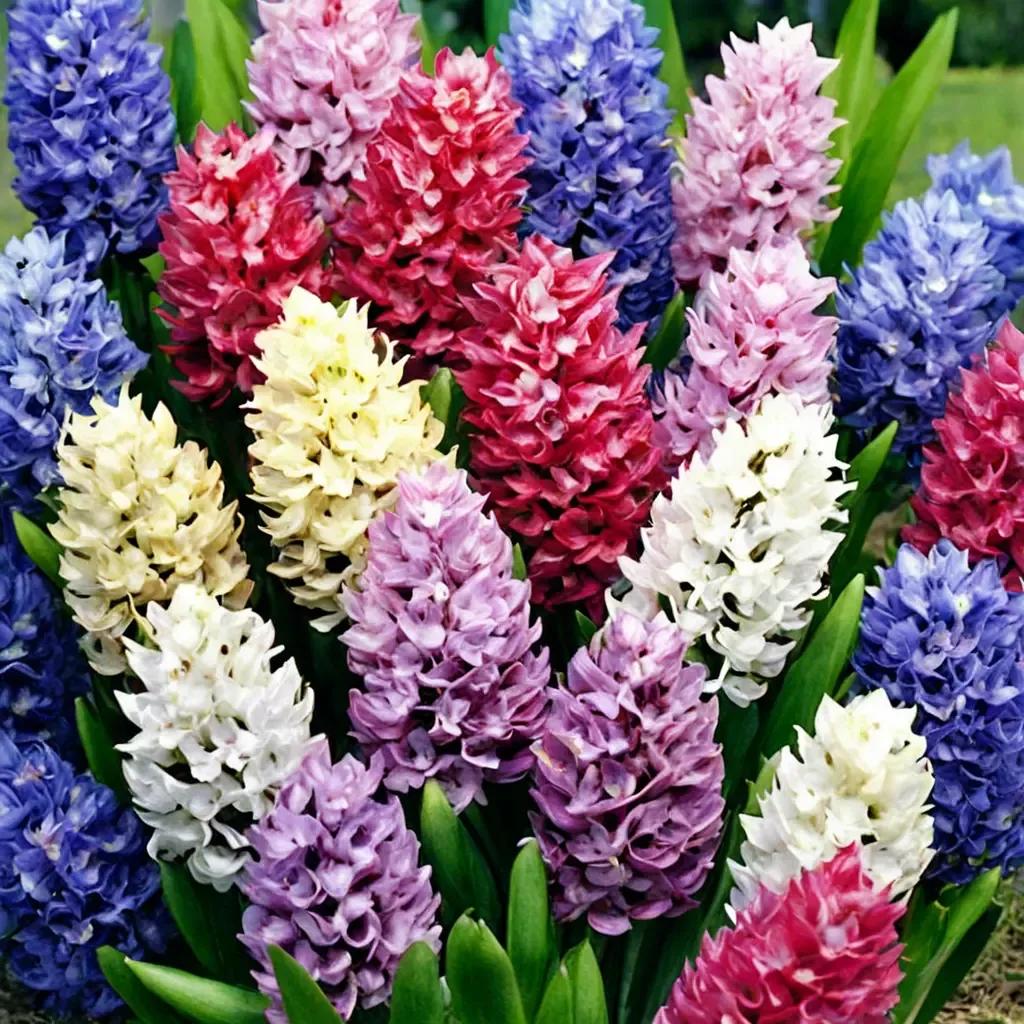 ‘Jumbo Mixed’Jumbo Mixed Hyacinth
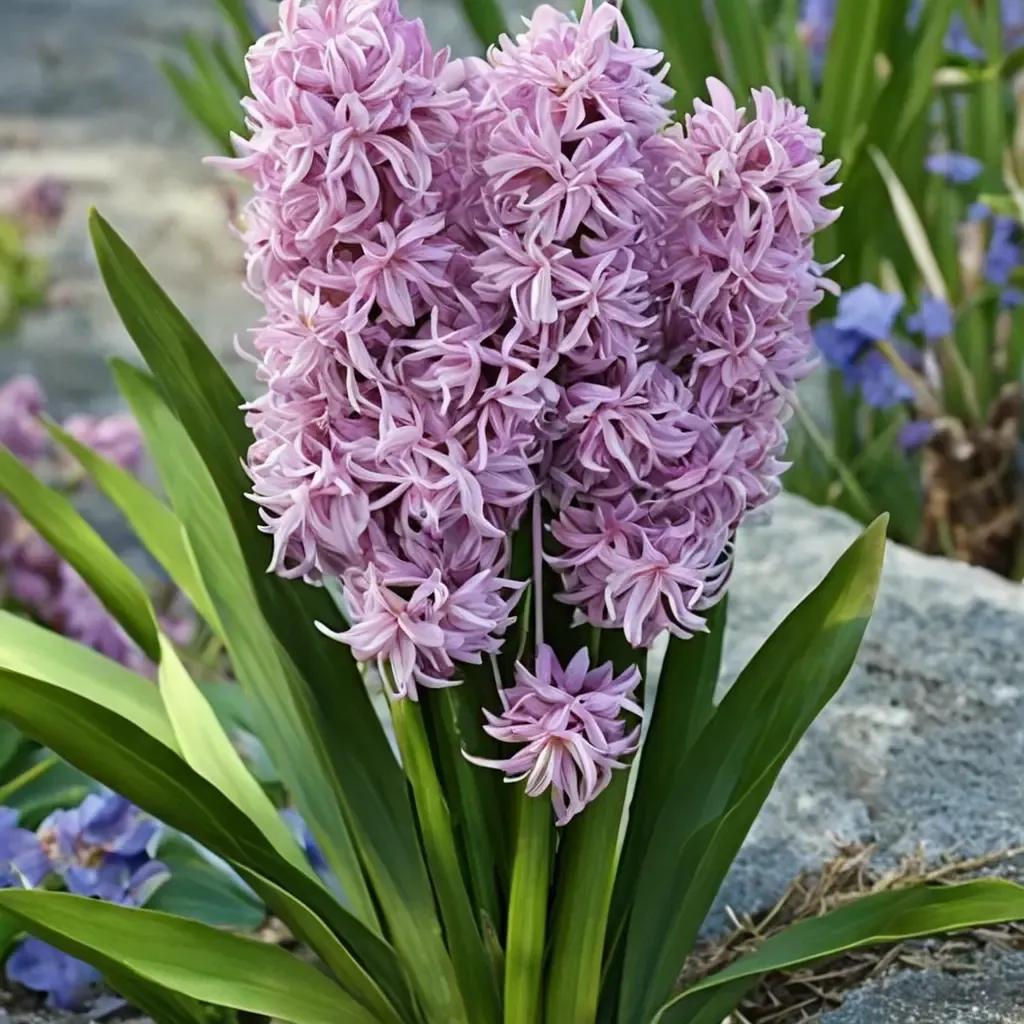 ‘Splendid Cornelia’Splendid Cornelia Hyacinth
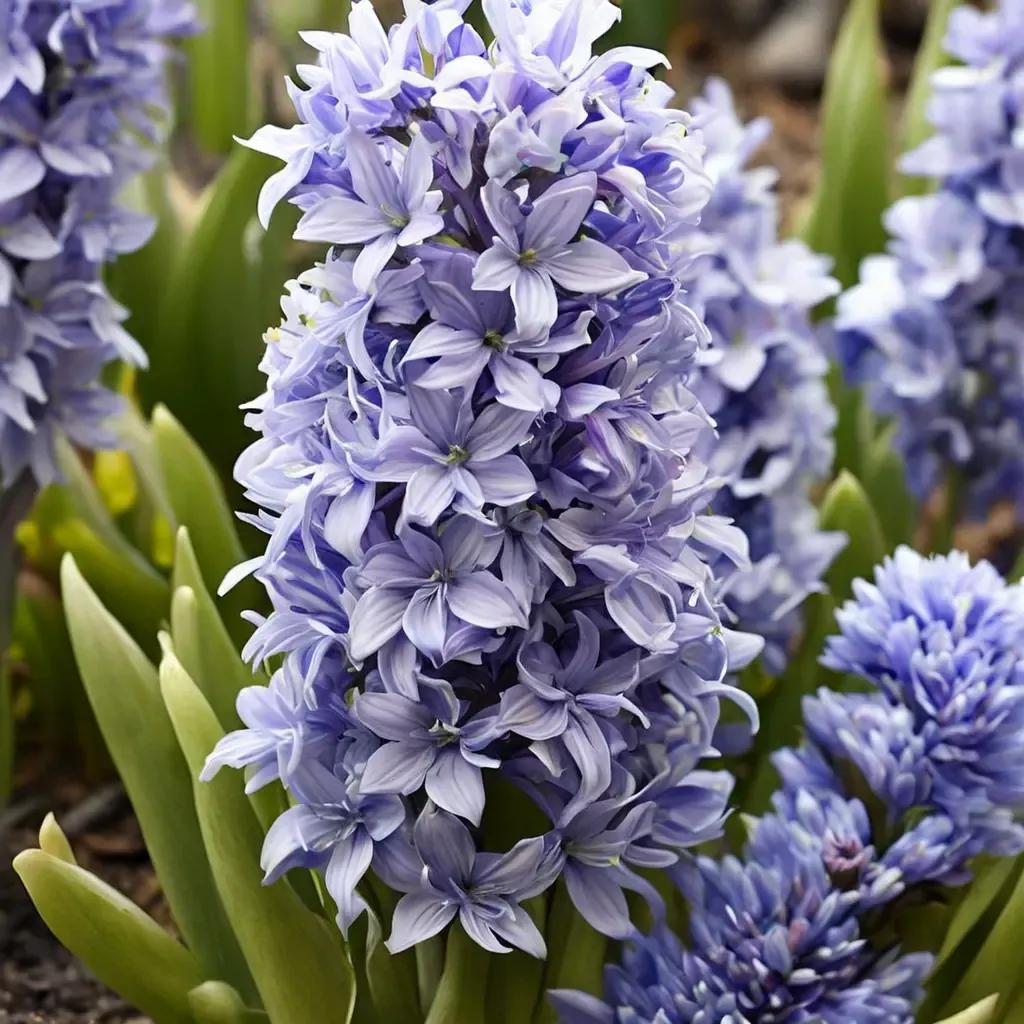 ‘Delft Blue’Delft Blue Hyacinth
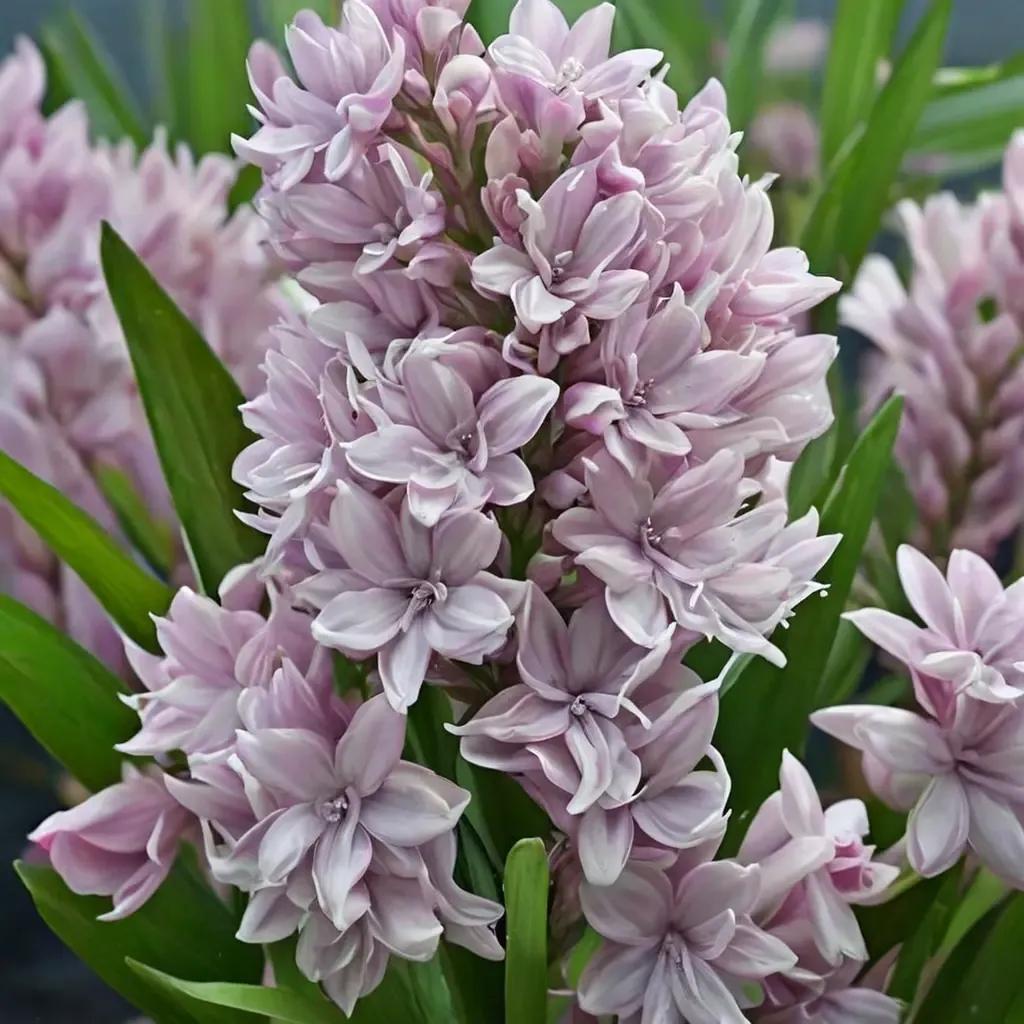 ‘Top Hit’Top Hit Hyacinth
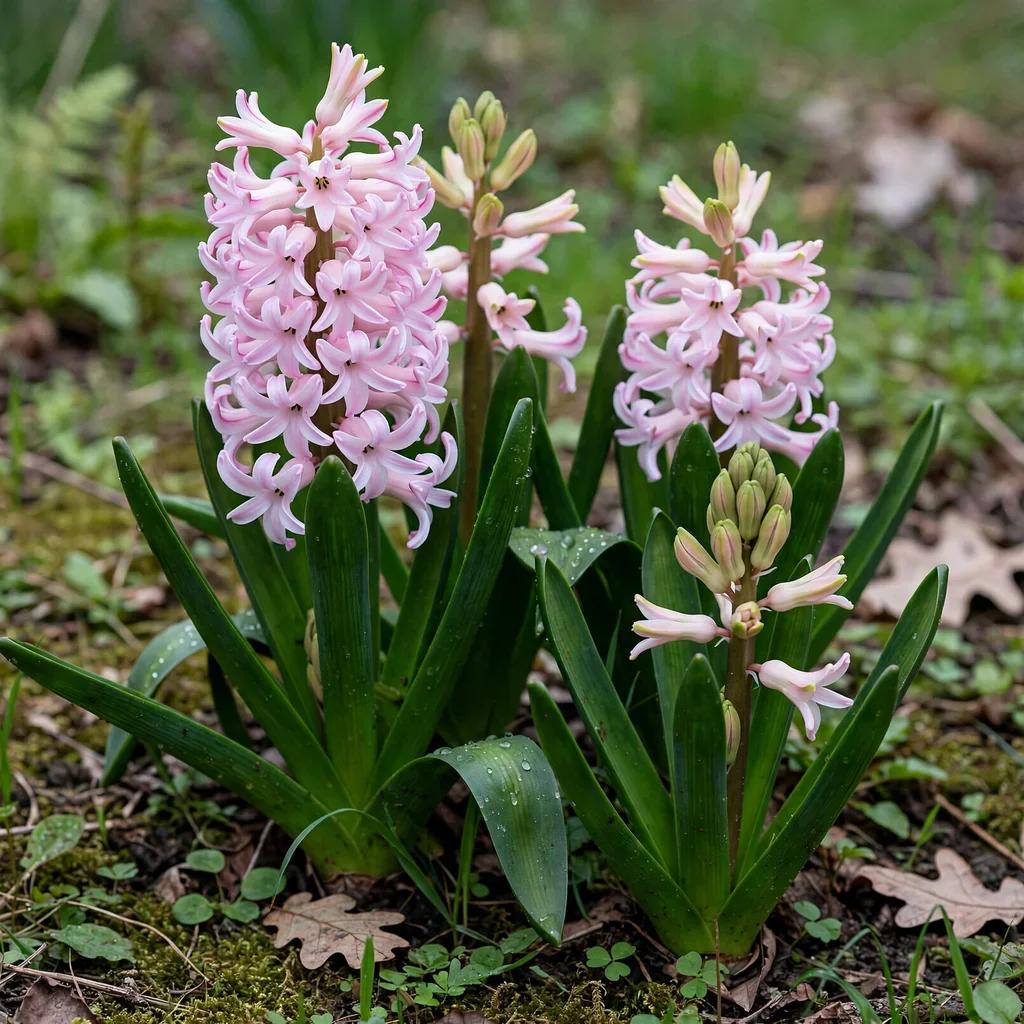 ‘Pink Surprise’Pink Surprise Hyacinth
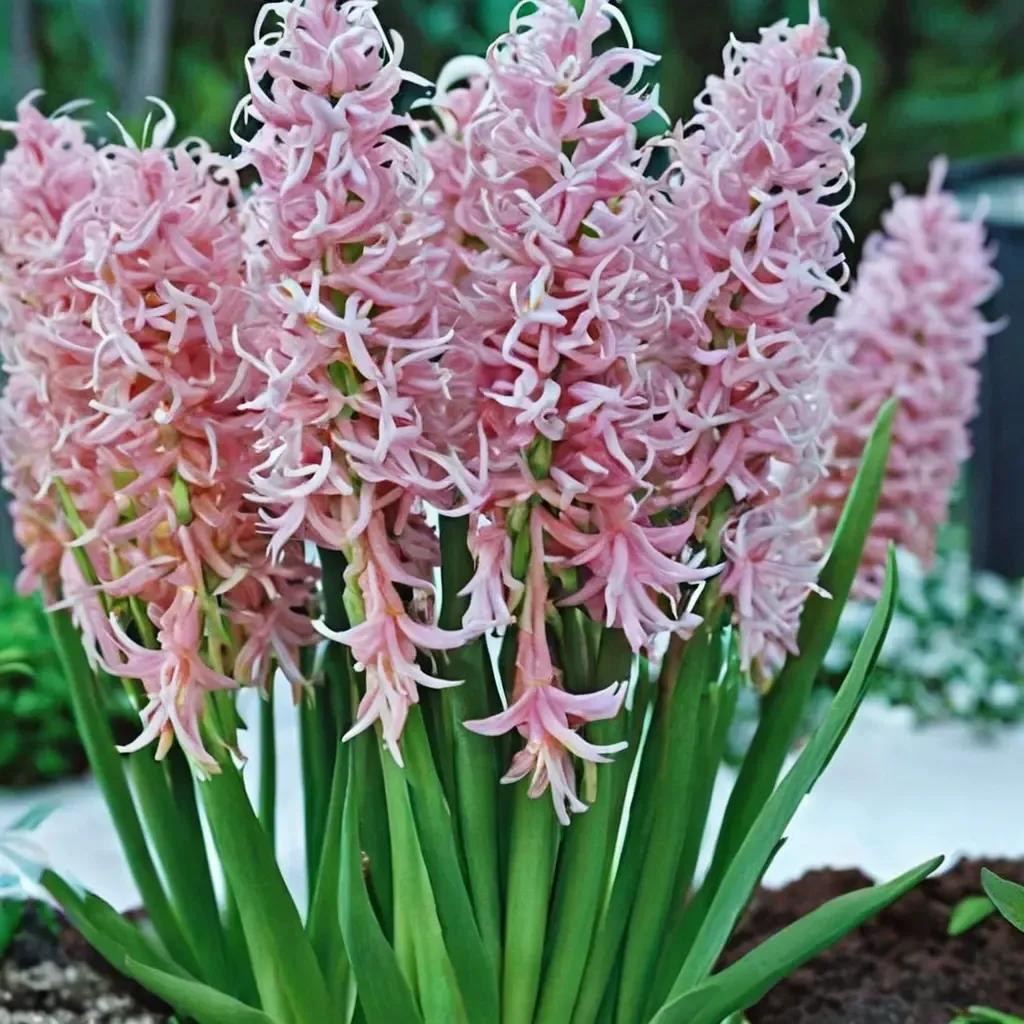 ‘Pink Festival’Pink Festival Hyacinth
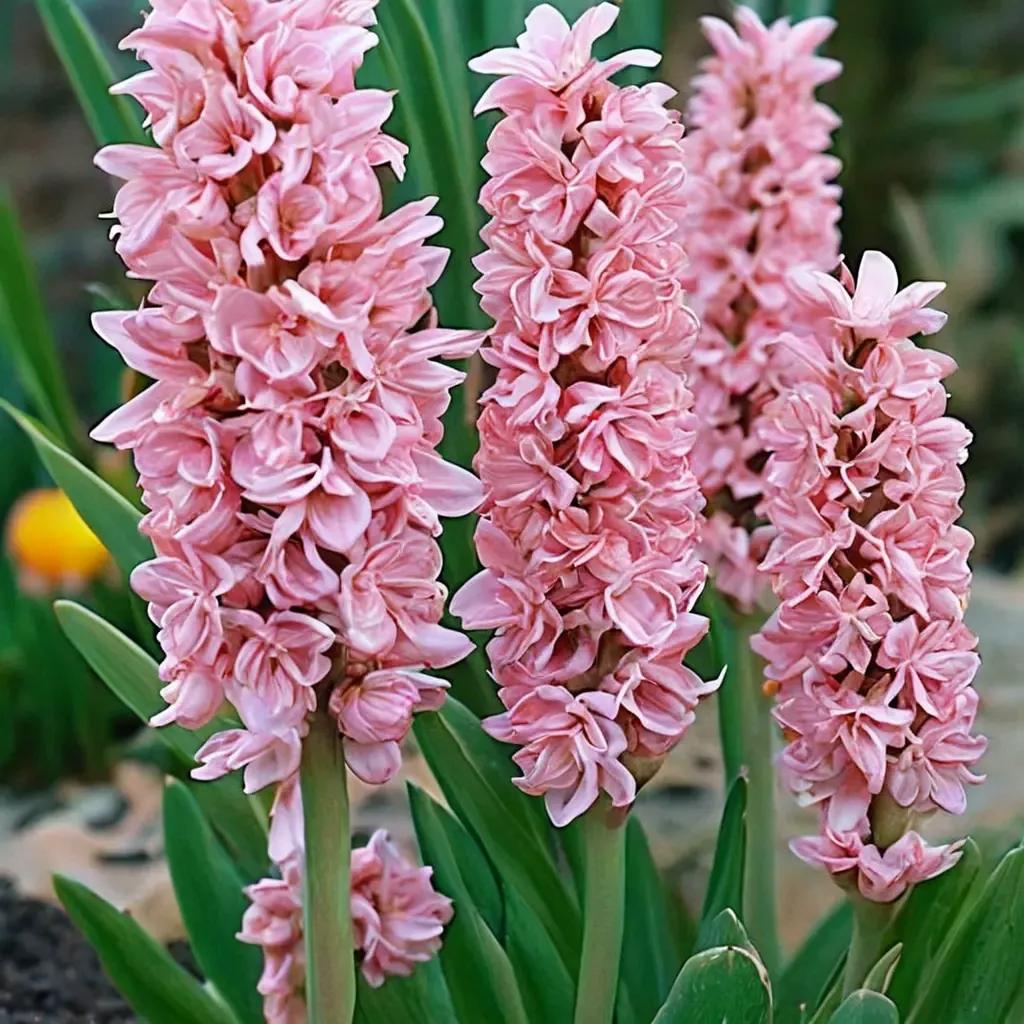 ‘Anna Marie’Anna Marie Hyacinth
 ‘Woodstock’Woodstock Hyacinth
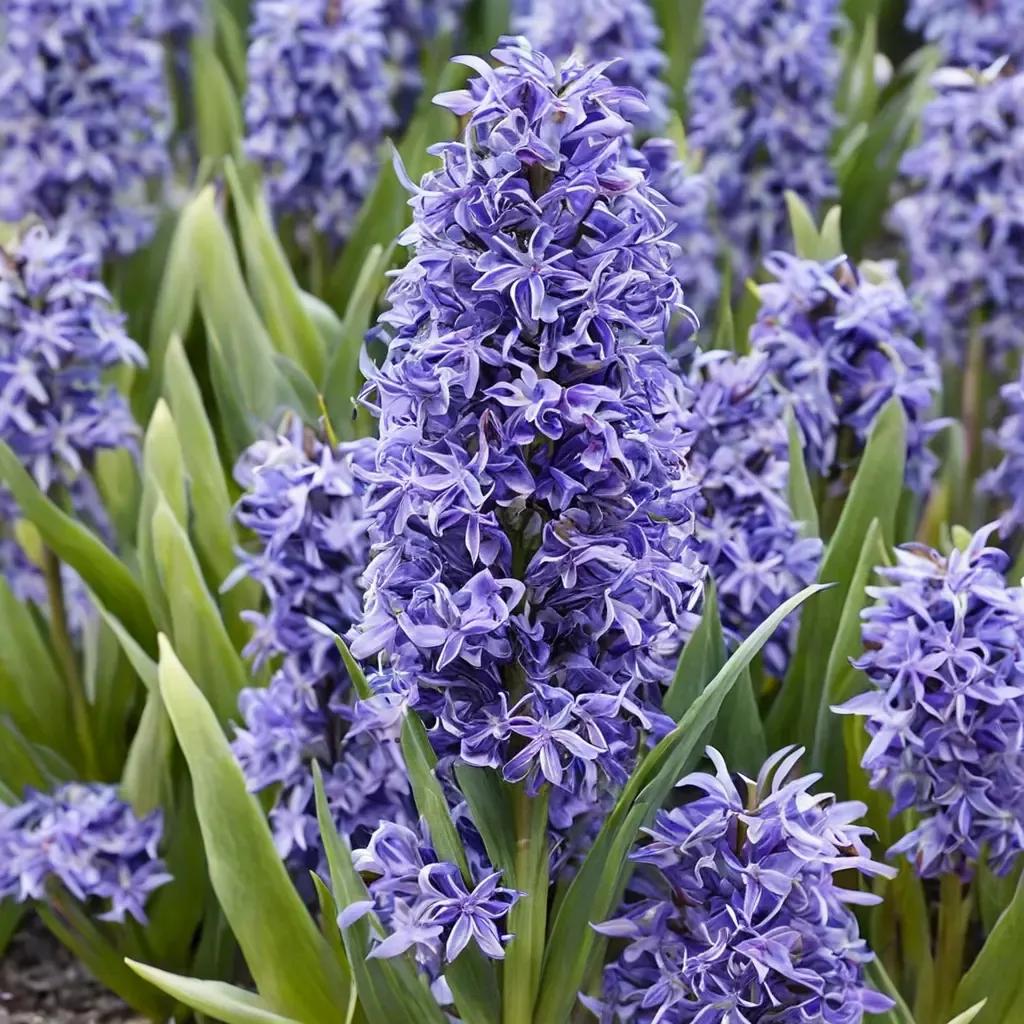 ‘Blue Jacket’Blue Jacket Hyacinth
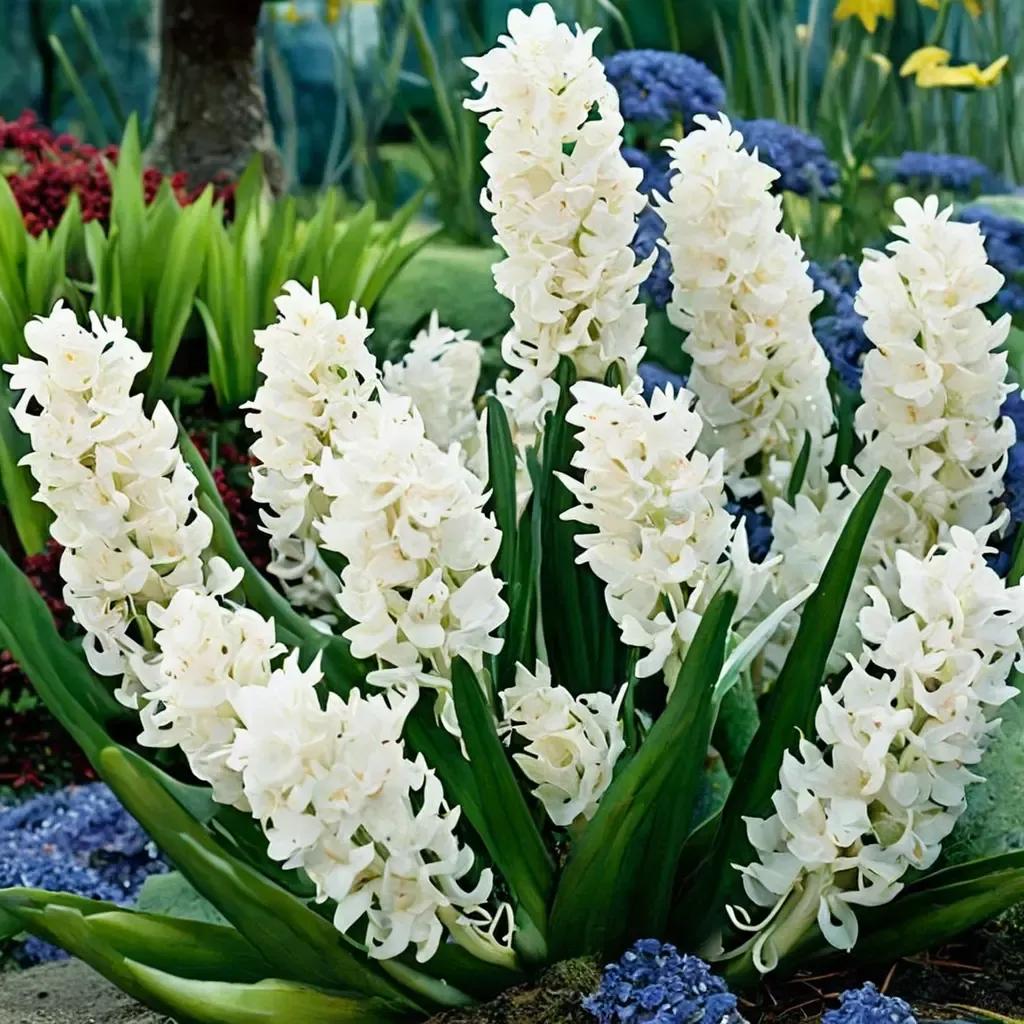 ‘Carnegie’Carnegie Hyacinth
 ‘City of Haarlem’'City of Haarlem' Hyacinth
The Story
Plant Bio
Hyacinthus orientalis 'Pink Pearl' is known for its fragrant, pink flowers and is often used in gardens and as cut flowers.
This cultivar is prized for its beautiful pink hue and strong fragrance, making it a favorite for spring displays.
Uses & Benefits:
Essentials
At a Glance
Plant Type
Bulb Corm Tuber
Height
12"
Width
6"
Light
Full Sun, Partial Sun
Zones
4, 5, 6, 7, 8
Water
Moderate
Humidity
Average
Lifespan
Perennial
Native To
Eastern Mediterranean
Toxicity
Toxic if ingested, handling gloves recommended
Bloom period
Mid-spring – Late spring
In flower about 2 months of the year
Planting
How to Grow
- Tuck bulbs 4-6 inches deep in well-draining soil in fall.
- Water thoroughly after planting to settle soil around bulbs.
- Mist bulbs in early spring to encourage blooming.
- Ensure full sun exposure for optimal flower production.
- Fertilize with a balanced bulb fertilizer in fall and early spring.
- Allow foliage to die back naturally after blooming for bulb health.
Pro Tip
Plant bulbs in groups for a more dramatic display and ensure good drainage to prevent rot.
Keep It Thriving
Care Guide
Do
- Water regularly during active growth 🌱
- Apply fertilizer when new shoots appear 🌱
- Mulch to retain moisture and suppress weeds 🌱
- Remove spent flowers to encourage next year's growth 🌱
Don't
- Don't overwater in winter ❌
- Avoid planting in poorly drained soil ❌
- Do not cut back foliage prematurely ❌
- Avoid exposing bulbs to extreme frost without mulch ❌
Seasonal Care Calendar
| Task | Jan | Feb | Mar | Apr | May | Jun | Jul | Aug | Sep | Oct | Nov | Dec |
|---|---|---|---|---|---|---|---|---|---|---|---|---|
| Deadhead | ||||||||||||
| Fertilize | ||||||||||||
| Plant |
Watch Out For
Pests & Diseases
Common Pests
Common Diseases
In the Garden
Landscape Uses & Companions
Landscape Uses
Multiply
Propagation Methods
Good to Know
Common Questions
Pink Pearl Hyacinth questions
What zones can Pink Pearl Hyacinth grow in?
Pink Pearl Hyacinth is hardy in USDA Zones 4–8. Inside that range it survives winter in the ground; outside it, grow it as an annual or a container plant you protect.
Is Pink Pearl Hyacinth deer resistant?
Yes — Pink Pearl Hyacinth is rated deer-resistant. Deer typically pass it over, though extreme hunger can override any plant's defenses.
When does Pink Pearl Hyacinth bloom?
Pink Pearl Hyacinth typically blooms in mid-spring through late spring. Exact timing shifts a week or two with your zone — Sow's bloom calendar maps it to your garden.
Does Pink Pearl Hyacinth need full sun?
Pink Pearl Hyacinth does best in full sun to part shade. In hot climates, afternoon shade keeps blooms fresher longer.
More Hyacinthus to compare
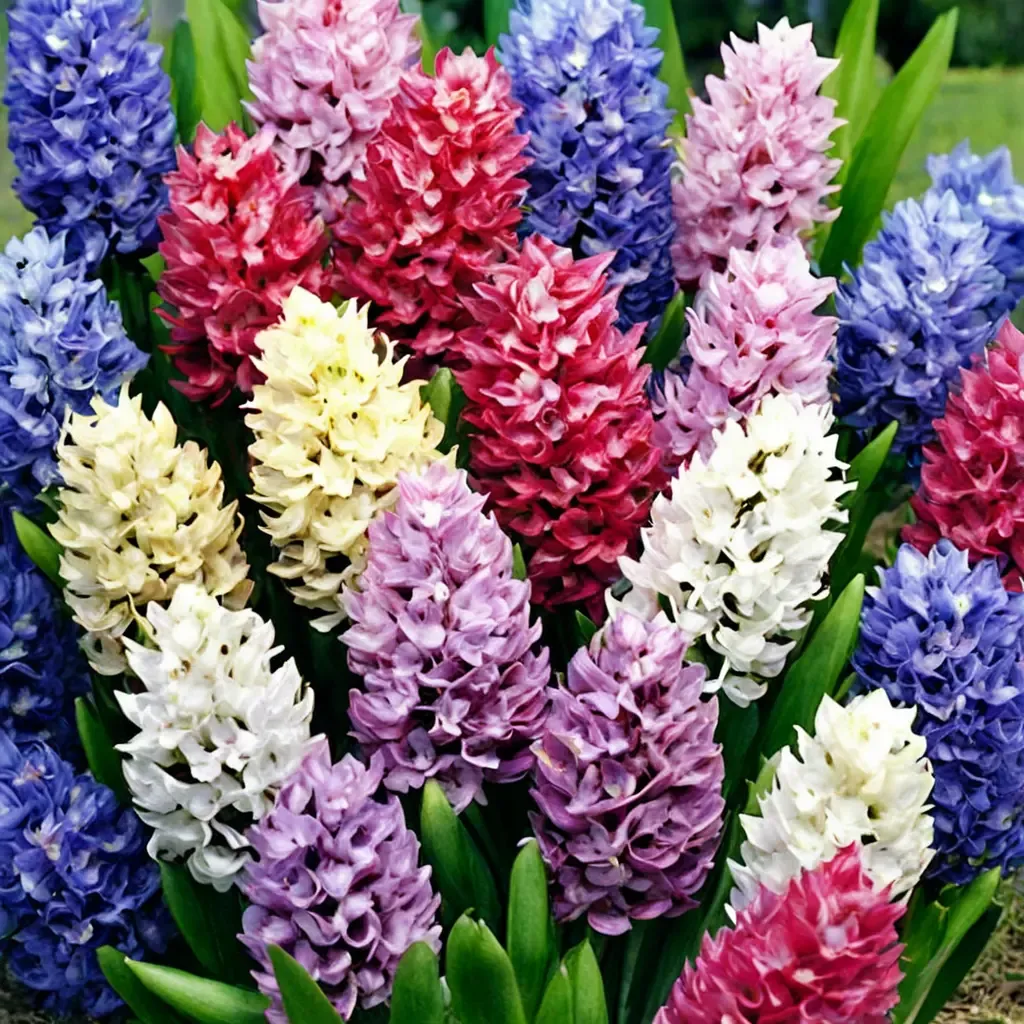
Jumbo Mixed Hyacinth
Hyacinthus orientalis 'Jumbo Mixed'
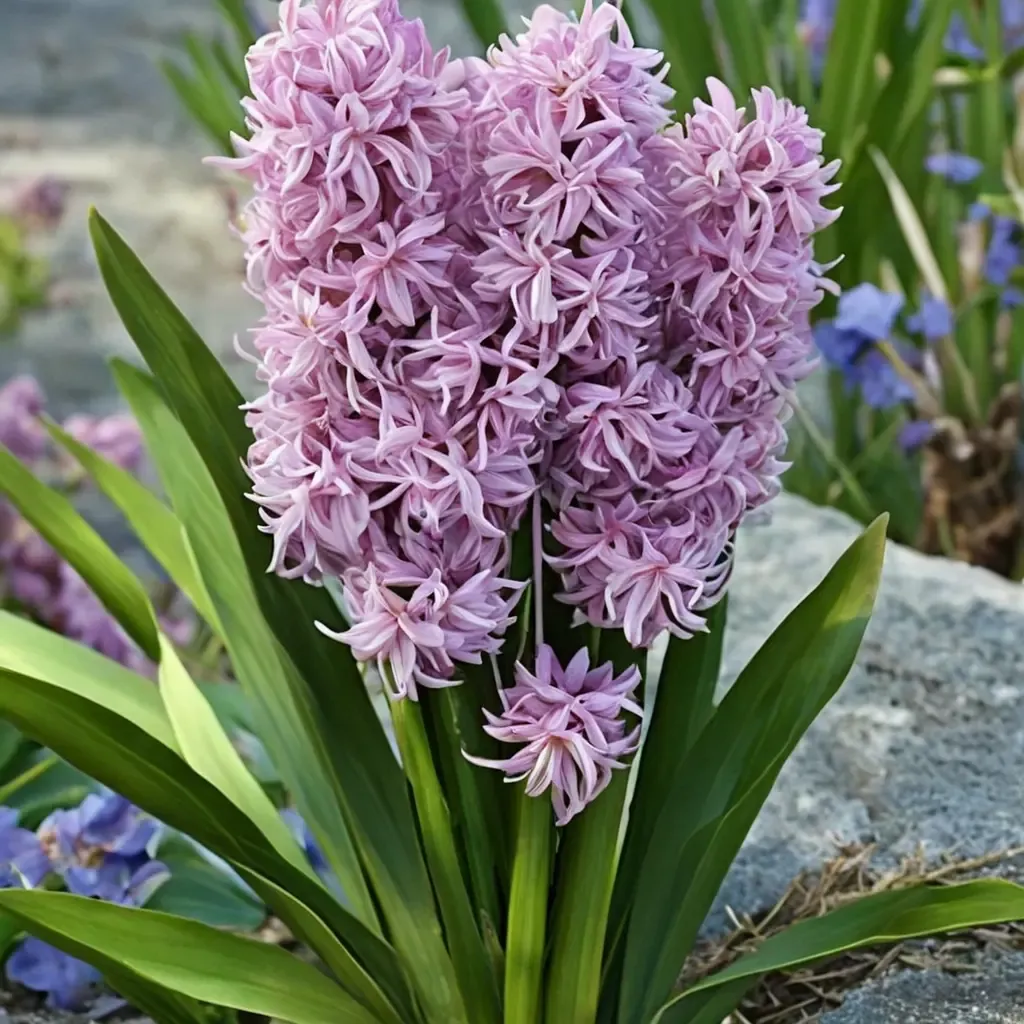
Splendid Cornelia Hyacinth
Hyacinthus orientalis 'Splendid Cornelia'
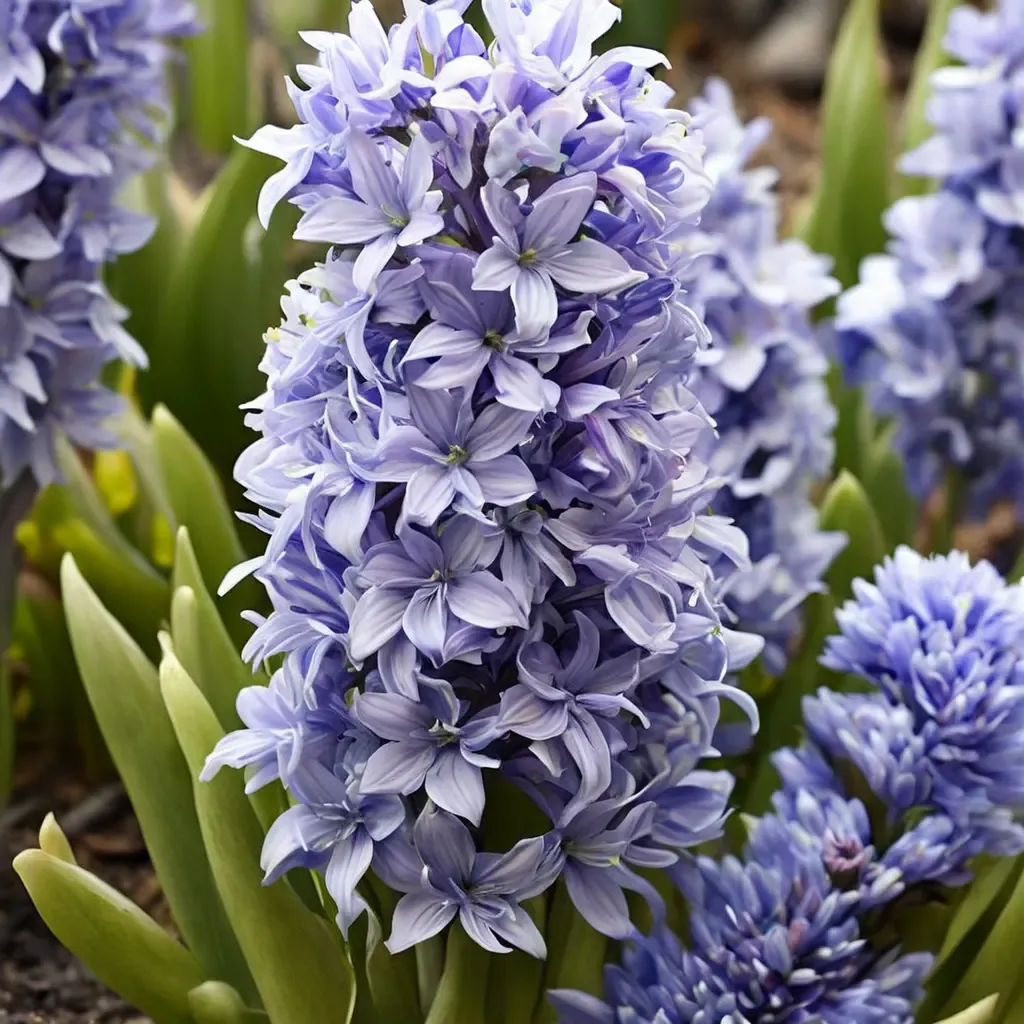
Delft Blue Hyacinth
Hyacinthus orientalis 'Delft Blue'
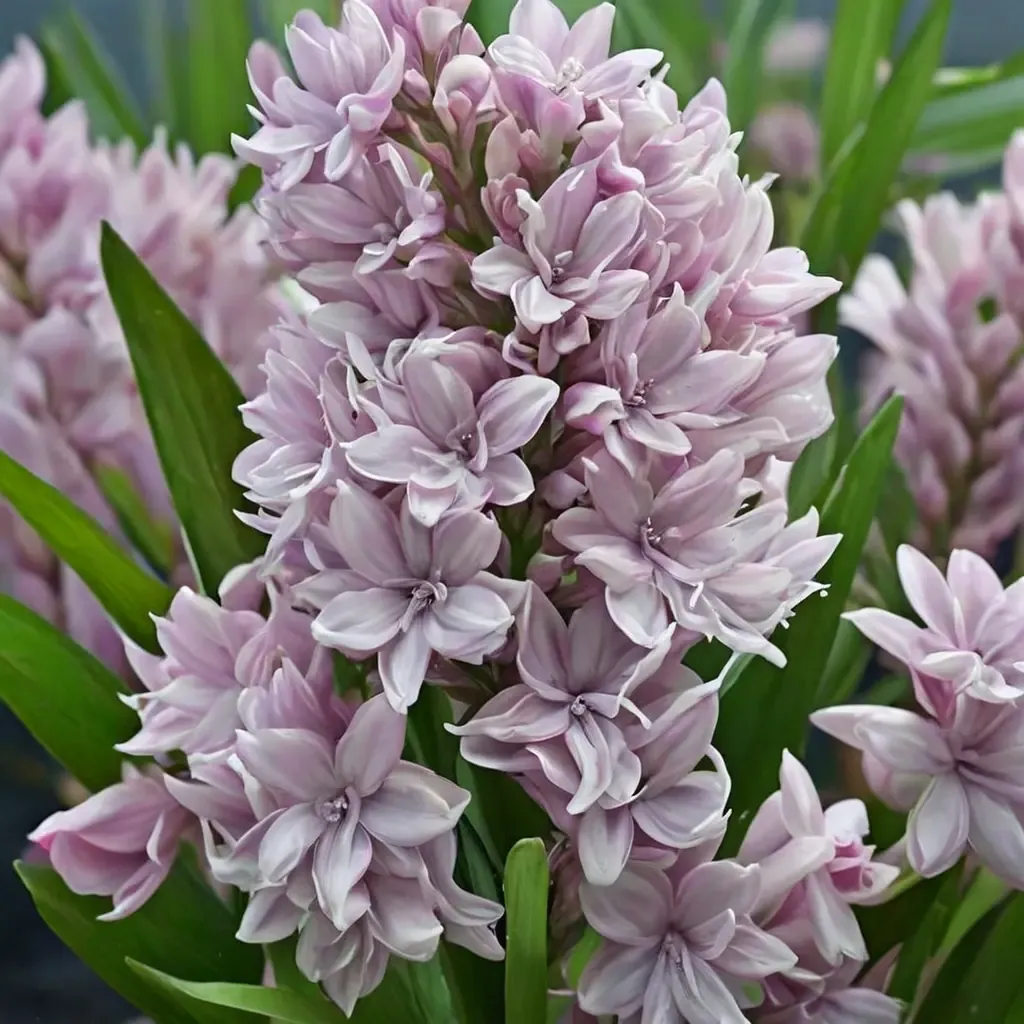
Top Hit Hyacinth
Hyacinthus orientalis 'Top Hit'
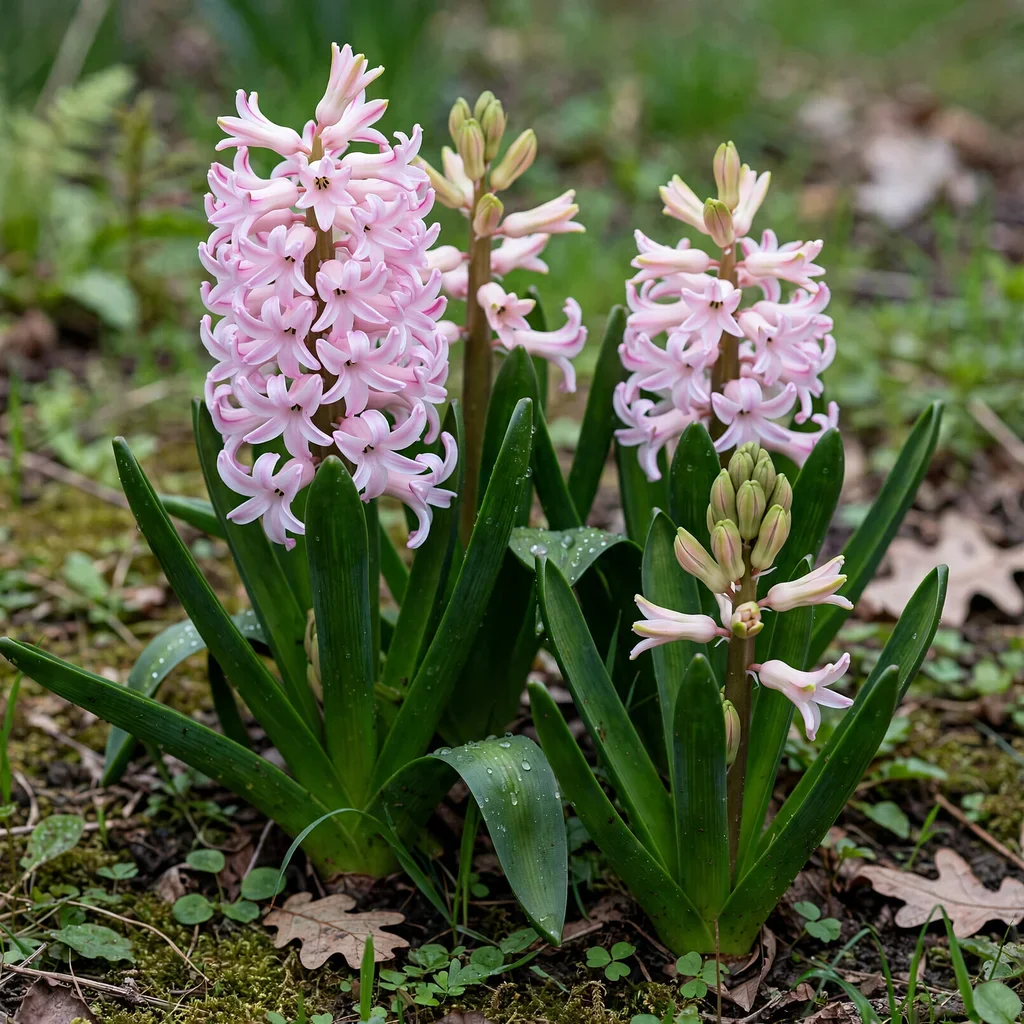
Pink Surprise Hyacinth
Hyacinthus orientalis 'Pink Surprise'
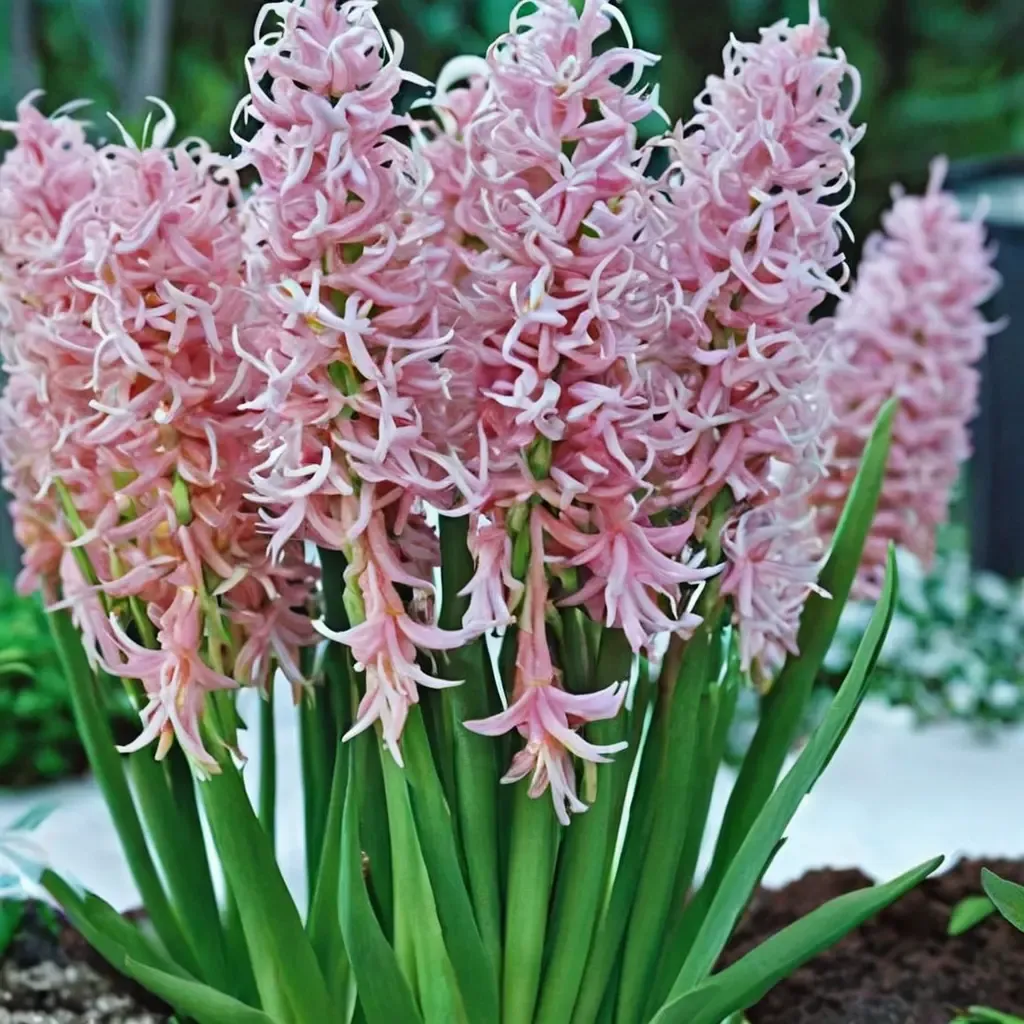
Pink Festival Hyacinth
Hyacinthus orientalis 'Pink Festival'
Keep exploring
Explore the genus
Hardy in your zone?
Grow Pink Pearl Hyacinth with confidence
See it in a design of your actual yard, get zone-matched care reminders, and track it season by season in your garden journal.