The Story
Plant Bio
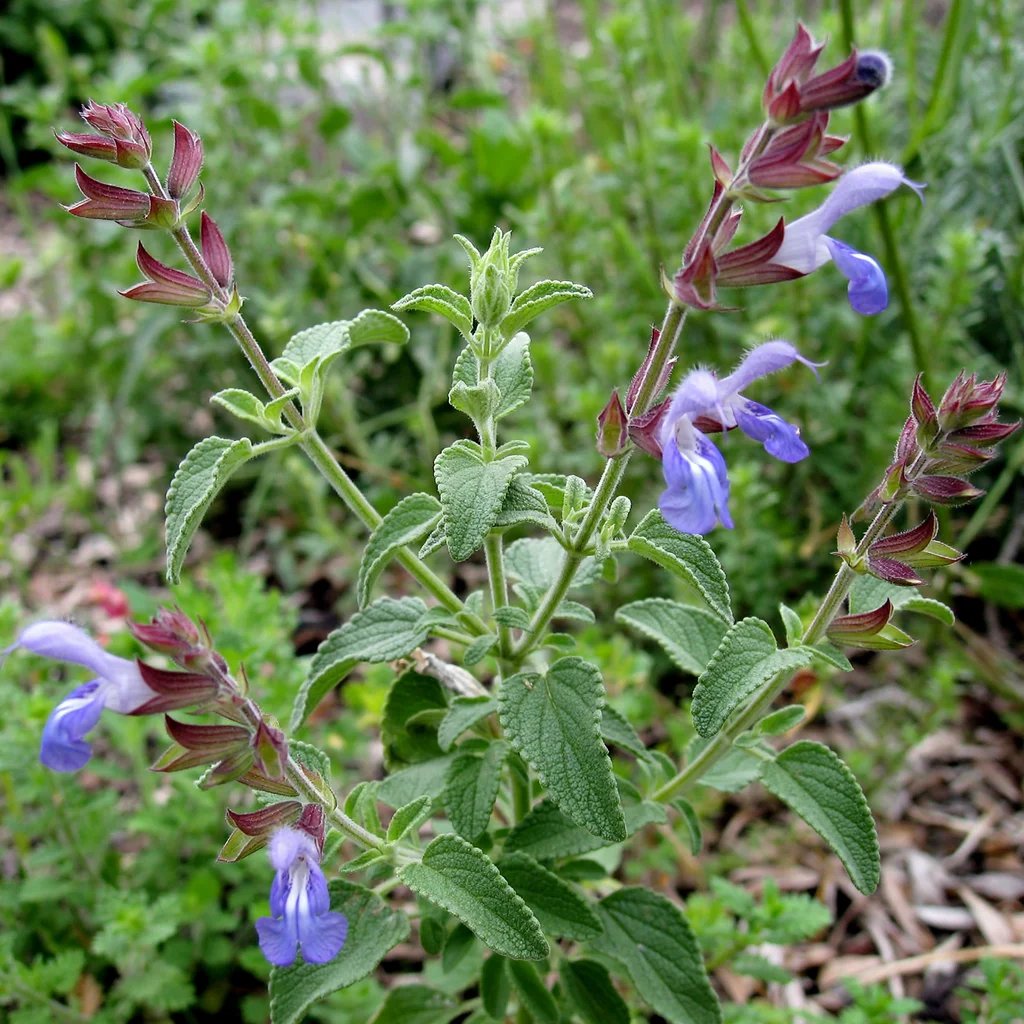
Salvia arrabidae is an upright, clump-forming herbaceous perennial to subshrub native to Brazil, characterized by square stems and opposite, finely toothed leaves that release an aromatic scent from glandular trichomes when crushed. The two-lipped, tubular flowers are arranged in pseudowhorls along terminal spike-like racemes, appearing from summer through fall.
This species is distinguished by its adaptation to well-draining, sandy or loamy soils and its tender to moderate frost tolerance, requiring protection from hard freezes in colder zones. Its tubular flower structure is highly attractive to hummingbirds and native bees, making it a valuable addition to wildlife-friendly gardens.
Uses & Benefits:
Essentials
At a Glance
Plant Type
Perennial
Height
60"
Width
40"
Light
Full Sun, Partial Sun
Zones
8, 9, 10
Water
Moderate
Humidity
Moderate
Lifespan
Perennial
Native To
Brazil
Toxicity
Non-toxic to pets
Bloom period
Summer – Fall
In flower about 6 months of the year
Planting
How to Grow
- Select a planting site with full sun to partial shade and highly draining, sandy or loamy soil with a neutral to slightly acidic pH.
- Space plants to accommodate a mature width of forty inches, ensuring excellent air circulation to prevent fungal issues in humid climates.
- Water moderately during establishment, then reduce frequency to allow the soil to dry between waterings, as waterlogged soil triggers root rot.
- Apply a thin layer of compost or a balanced slow-release fertilizer once in spring, avoiding high-nitrogen formulas that cause weak, floppy stems.
Pro Tip
Avoid pruning stems late in fall, as this exposes the hollow stems to winter moisture entry and risks freezing the crown.
Keep It Thriving
Care Guide
Do
- Prune the plant back hard annually in early spring after the threat of frost has passed to encourage fresh basal growth.
- Ensure excellent soil drainage by amending heavy soils with sand or organic matter before planting.
- Provide wide spacing between plants to maximize air circulation and reduce powdery mildew pressure.
Don't
- Do not cut back into old, leafless woody stems, as this limits the plant's ability to regenerate.
- Do not over-fertilize with high-nitrogen products, which results in leggy, weak growth.
- Do not plant in heavy, unamended clay soils that retain water and cause root rot.
Seasonal Care Calendar
| Task | Jan | Feb | Mar | Apr | May | Jun | Jul | Aug | Sep | Oct | Nov | Dec |
|---|---|---|---|---|---|---|---|---|---|---|---|---|
| Fertilize | ||||||||||||
| Pest Check | ||||||||||||
| Propagate | ||||||||||||
| Prune | ||||||||||||
| Winter Prep |
Watch Out For
Pests & Diseases
Common Pests
Common Diseases
In the Garden
Landscape Uses & Companions
Landscape Uses
Multiply
Propagation Methods
Good to Know
Common Questions
Wild Sage questions
What zones can Wild Sage grow in?
Wild Sage is hardy in USDA Zones 8–10. Inside that range it survives winter in the ground; outside it, grow it as an annual or a container plant you protect.
When does Wild Sage bloom?
Wild Sage typically blooms in summer through fall. Exact timing shifts a week or two with your zone — Sow's bloom calendar maps it to your garden.
Does Wild Sage need full sun?
Wild Sage does best in full sun to part shade. In hot climates, afternoon shade keeps blooms fresher longer.
Is Wild Sage drought tolerant?
Yes — once established (usually after the first full season), Wild Sage handles dry spells with minimal watering. Water deeply its first year to build the root system that makes that possible.
More Salvia to compare
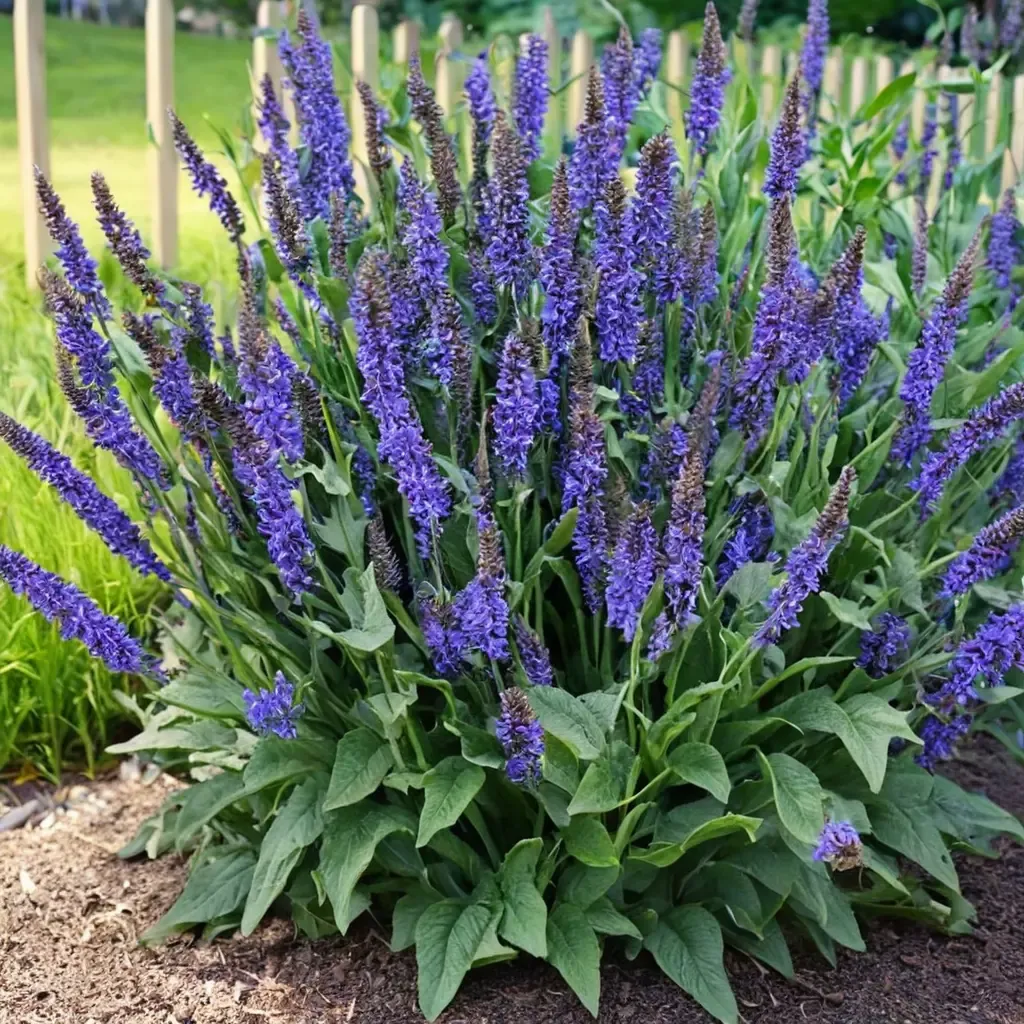
May Night Sage
Salvia nemorosa 'May Night'
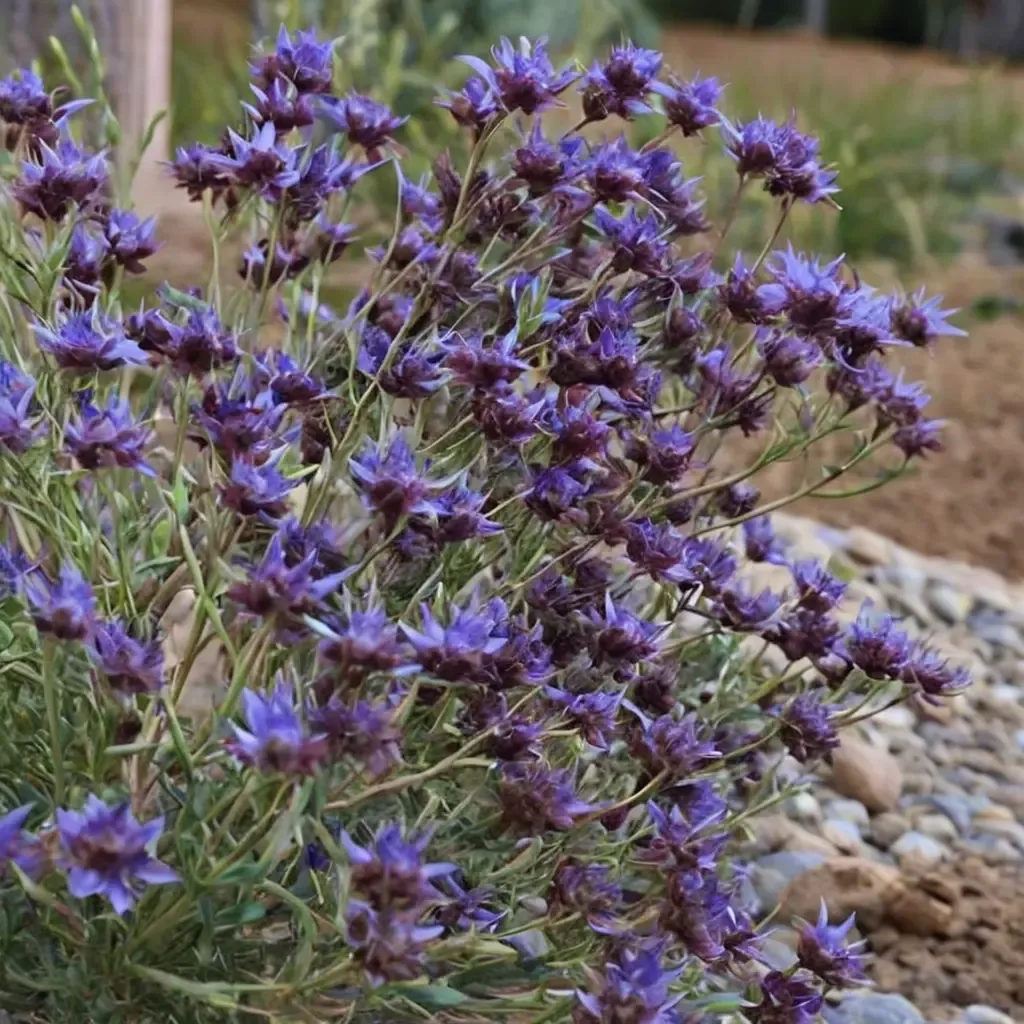
Celestial Blue Sage Wood Sage
Salvia nemorosa 'Celestial Blue'
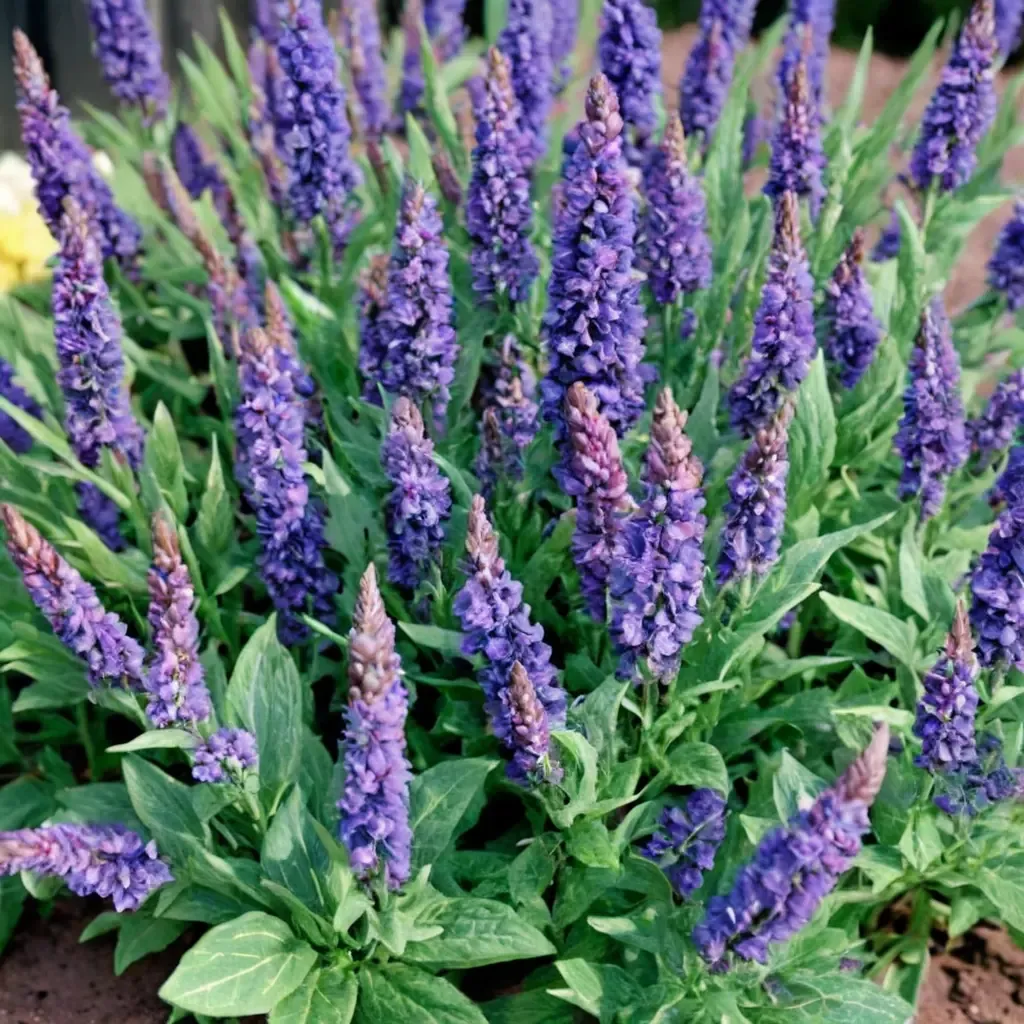
Marcus Woodland Sage
Salvia nemorosa 'Marcus'
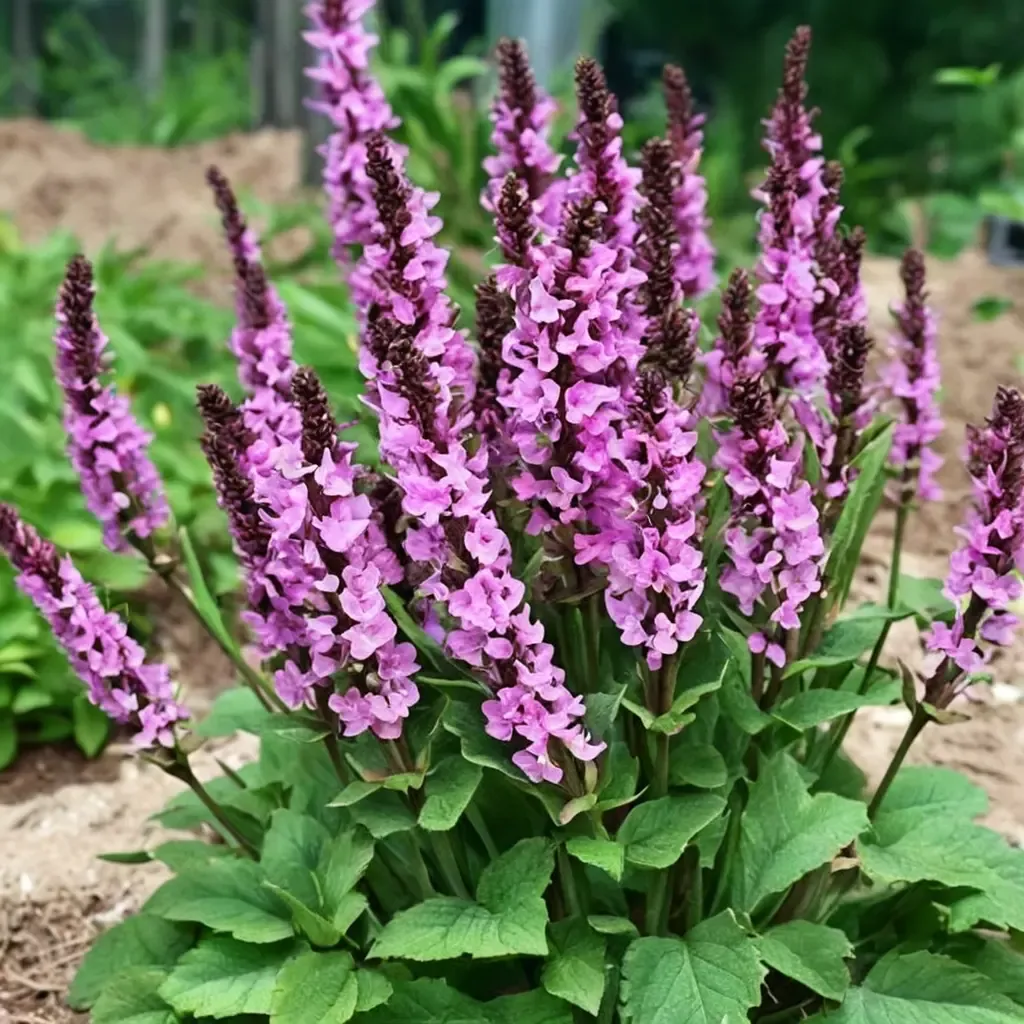
Rose Marvel Sage
Salvia nemorosa 'Rose Marvel'
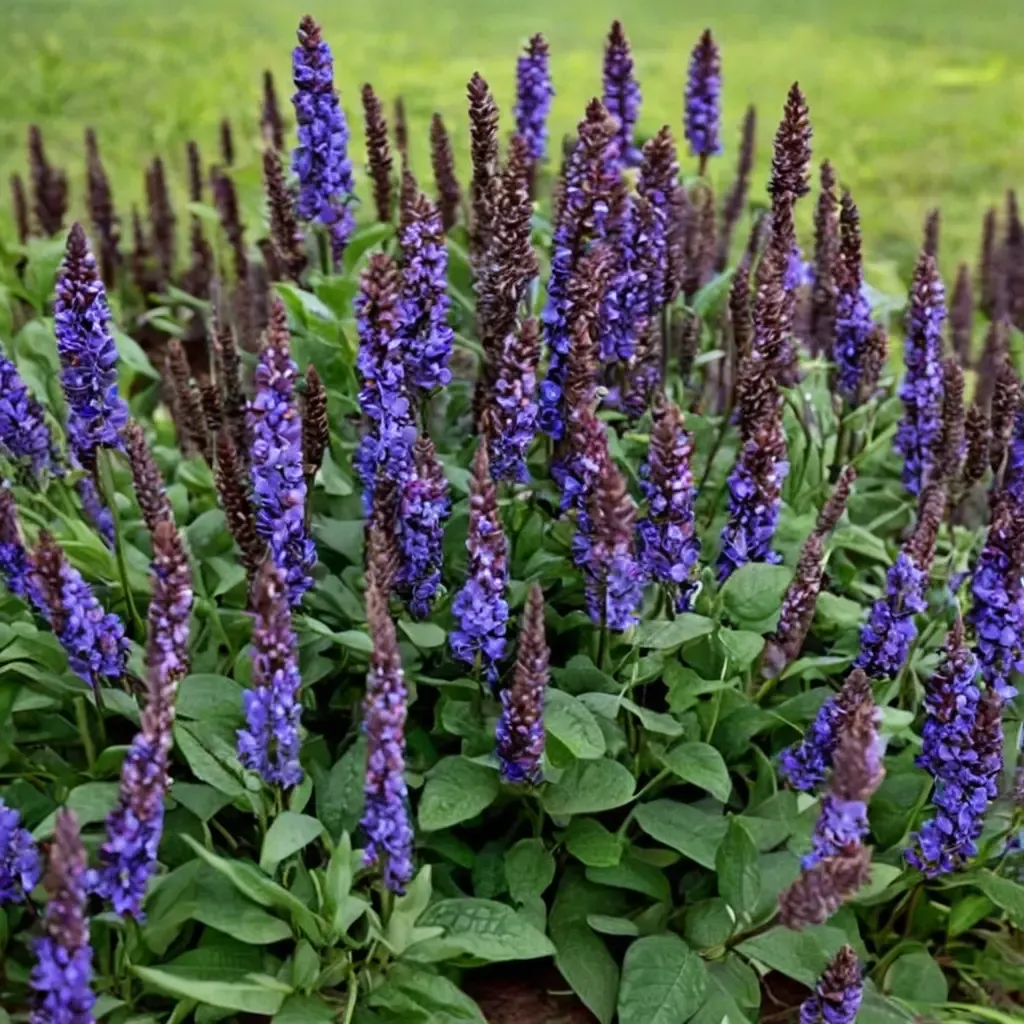
Bumbleblue Sage
Salvia nemorosa 'Bumbleblue'
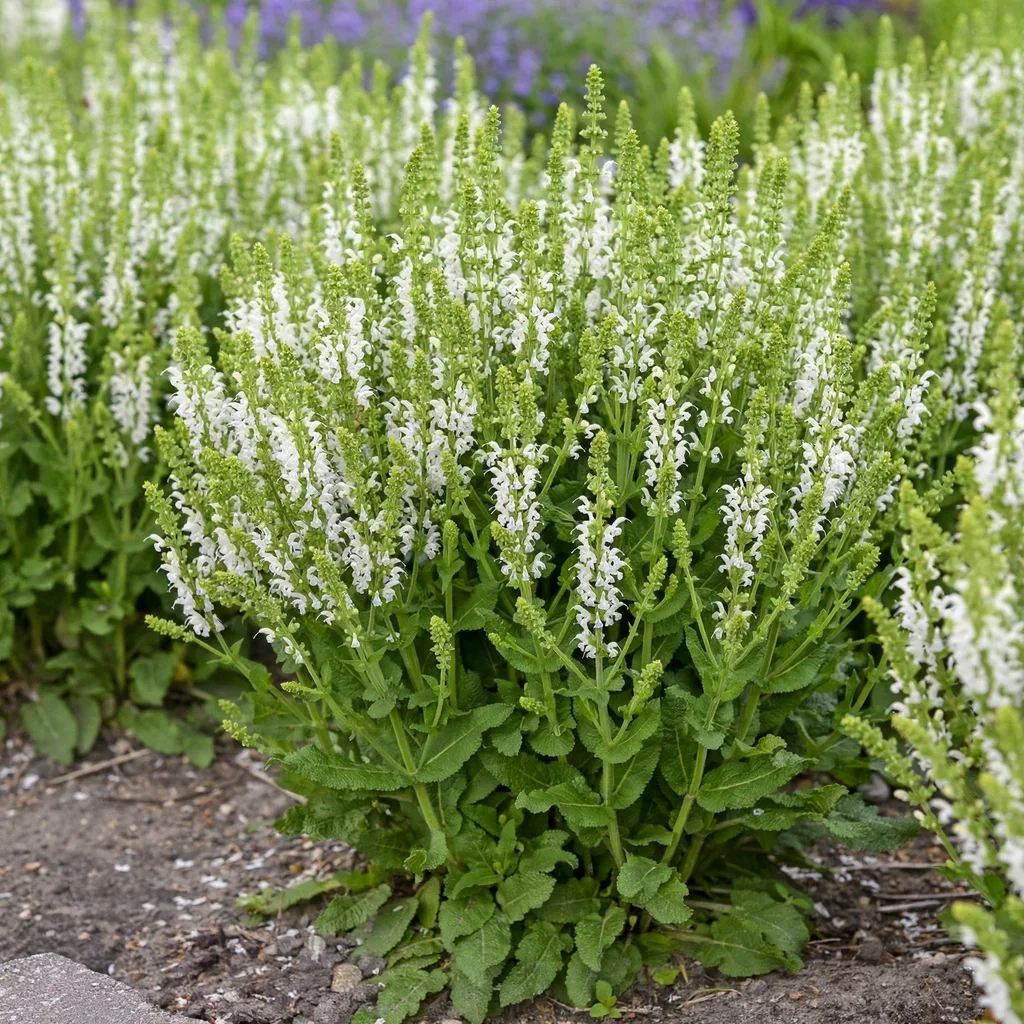
White Profusion Salvia
Salvia x hybrida 'White Profusion'
Keep exploring
Explore the genus
Hardy in your zone?
Grow Wild Sage with confidence
See it in a design of your actual yard, get zone-matched care reminders, and track it season by season in your garden journal.