The Story
Plant Bio
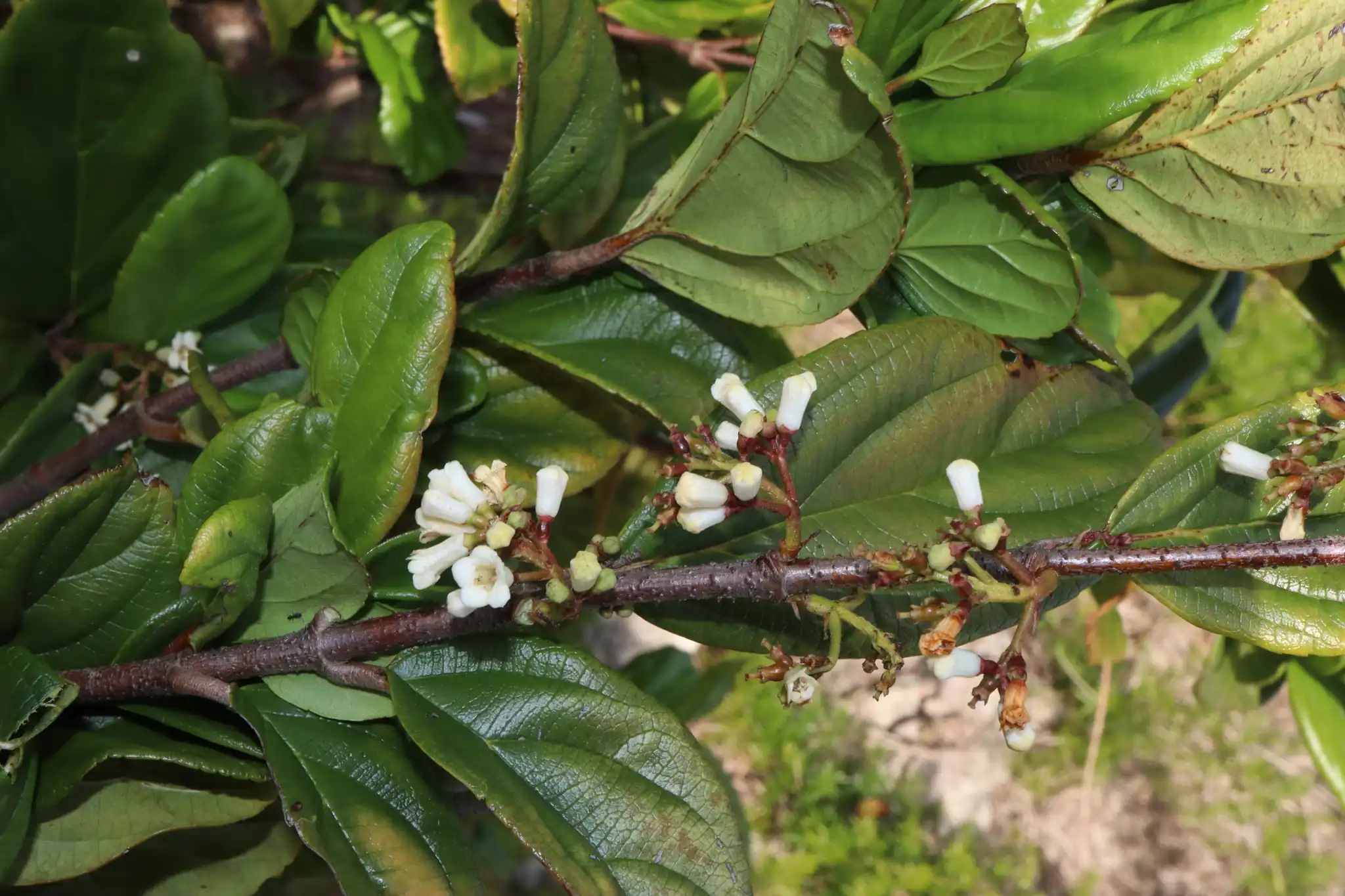
A dense, rounded, evergreen shrub with leathery, dark green, oval leaves. It produces small, tubular, fragrant white flowers in clusters, sometimes followed by small red berries that mature to black.
Valued for its toughness and tolerance of a wide range of conditions, including heat, humidity, and some salt spray, making it a workhorse for southern landscapes. Its foliage has a distinct, somewhat musky scent when crushed.
Uses & Benefits:
Essentials
At a Glance
Plant Type
Shrub
Height
96"
Width
96"
Light
Full Sun, Partial Sun, Shade
Zones
8, 9, 10
Water
Low to moderate
Humidity
High
Lifespan
Long-lived
Native To
Japan (Ryukyu Islands)
Toxicity
Mildly toxic if ingested
Bloom period
Late winter – Mid-spring
In flower about 3 months of the year
Planting
How to Grow
- Select a site in sun or shade with well-drained soil.
- Dig a planting hole twice the width of the root ball.
- Place the plant in the hole, ensuring it's at the same depth.
- Backfill with soil and water thoroughly to settle.
- Apply a 2-inch layer of mulch around the plant's base.
- Water regularly for the first few months until established.
Pro Tip
Prune after flowering to avoid removing the current season's flower buds and to maintain a dense shape.
Keep It Thriving
Care Guide
Do
- Prune after the spring bloom to shape and encourage dense growth.
- Water deeply during prolonged periods of drought once established.
- Plant in a location with good air circulation to minimize fungal issues.
Don't
- Do not plant in soggy, poorly drained locations.
- Avoid overhead watering, which can promote fungal leaf spots.
- Do not prune heavily in late fall or winter, as this removes flower buds.
Seasonal Care Calendar
| Task | Jan | Feb | Mar | Apr | May | Jun | Jul | Aug | Sep | Oct | Nov | Dec |
|---|---|---|---|---|---|---|---|---|---|---|---|---|
| Fertilize | ||||||||||||
| Prune |
Watch Out For
Pests & Diseases
Common Pests
Common Diseases
In the Garden
Landscape Uses & Companions
Landscape Uses
Multiply
Propagation Methods
Good to Know
Common Questions
Sandankwa Viburnum questions
What zones can Sandankwa Viburnum grow in?
Sandankwa Viburnum is hardy in USDA Zones 8–10. Inside that range it survives winter in the ground; outside it, grow it as an annual or a container plant you protect.
Is Sandankwa Viburnum deer resistant?
Not reliably. Deer may browse Sandankwa Viburnum, especially tender spring growth — plan on repellents or fencing where pressure is high.
When does Sandankwa Viburnum bloom?
Sandankwa Viburnum typically blooms in late winter through mid-spring. Exact timing shifts a week or two with your zone — Sow's bloom calendar maps it to your garden.
Does Sandankwa Viburnum need full sun?
Sandankwa Viburnum does best in full sun to part shade. In hot climates, afternoon shade keeps blooms fresher longer.
Is Sandankwa Viburnum drought tolerant?
Yes — once established (usually after the first full season), Sandankwa Viburnum handles dry spells with minimal watering. Water deeply its first year to build the root system that makes that possible.
More Viburnum to compare
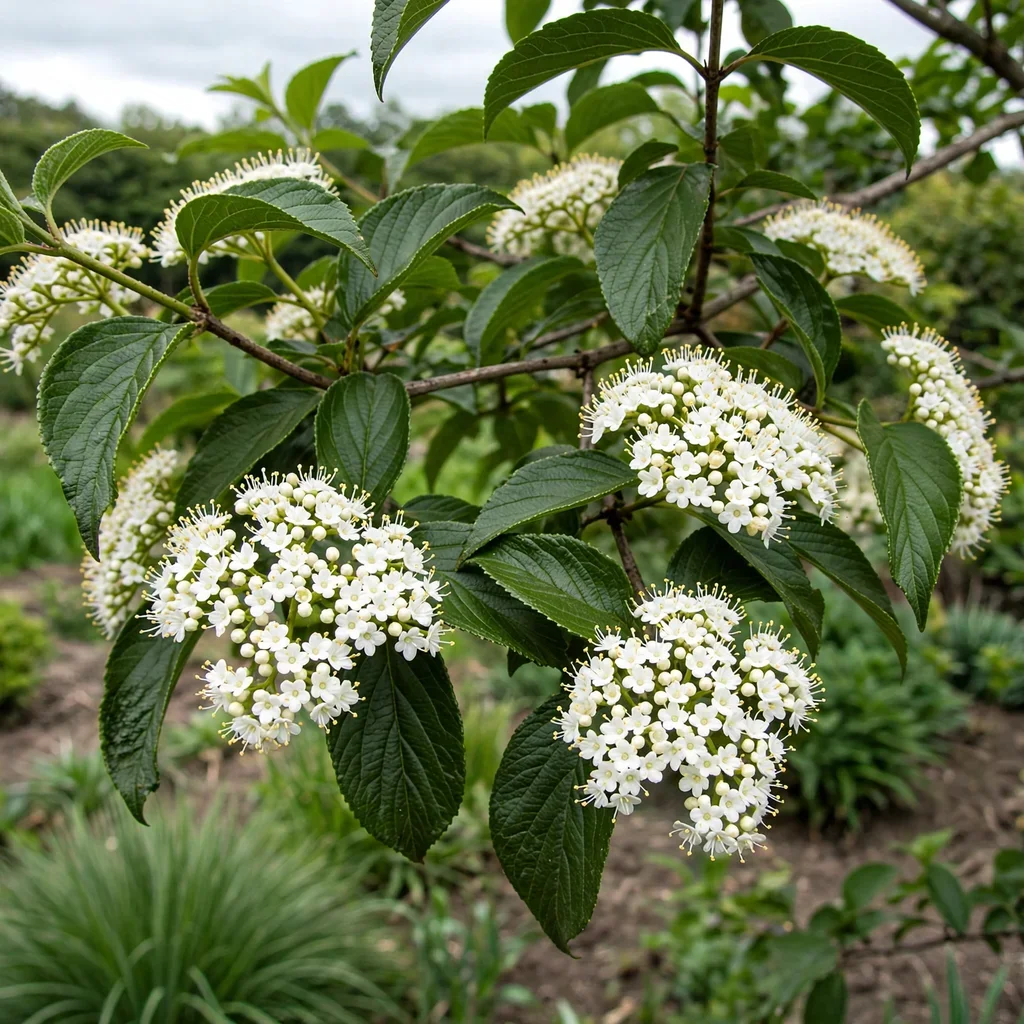
Nannyberry
Viburnum lentago
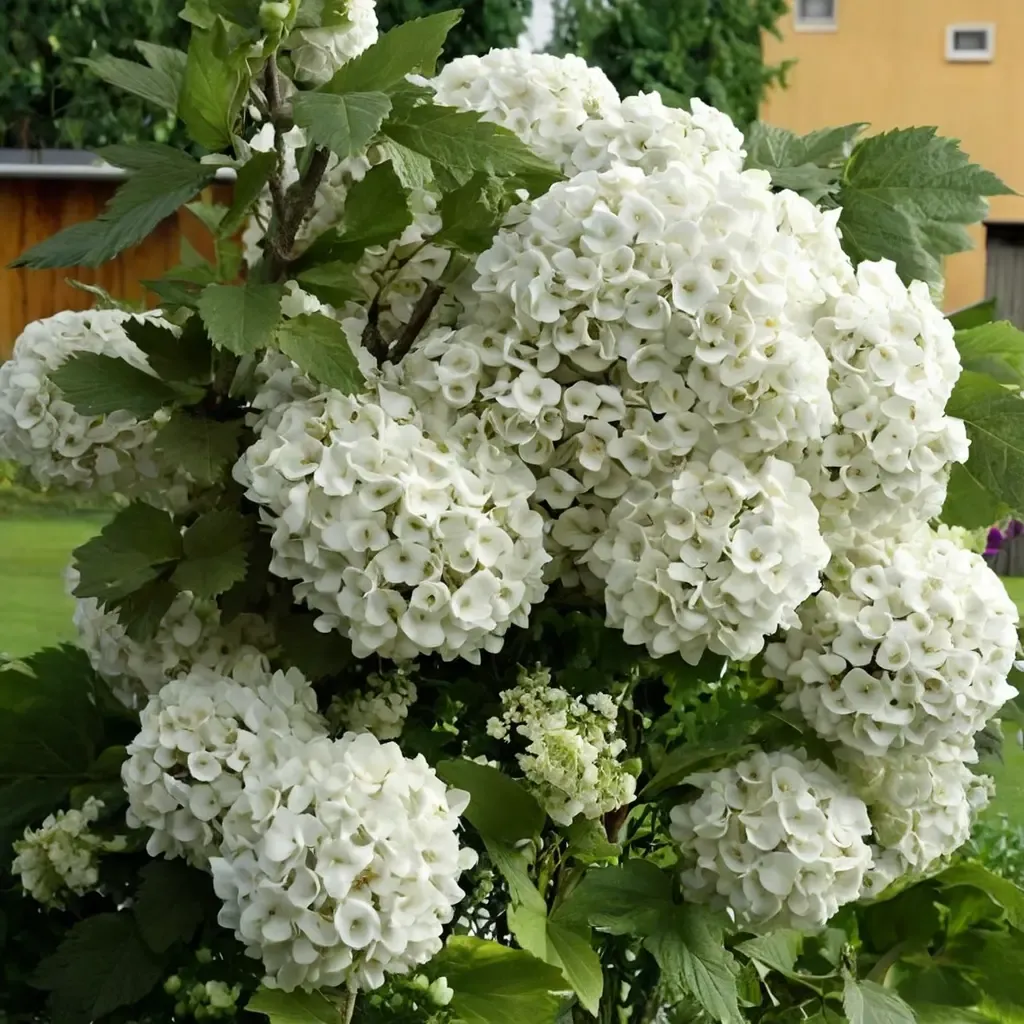
Snowball Viburnum
Viburnum opulus 'Sterile'
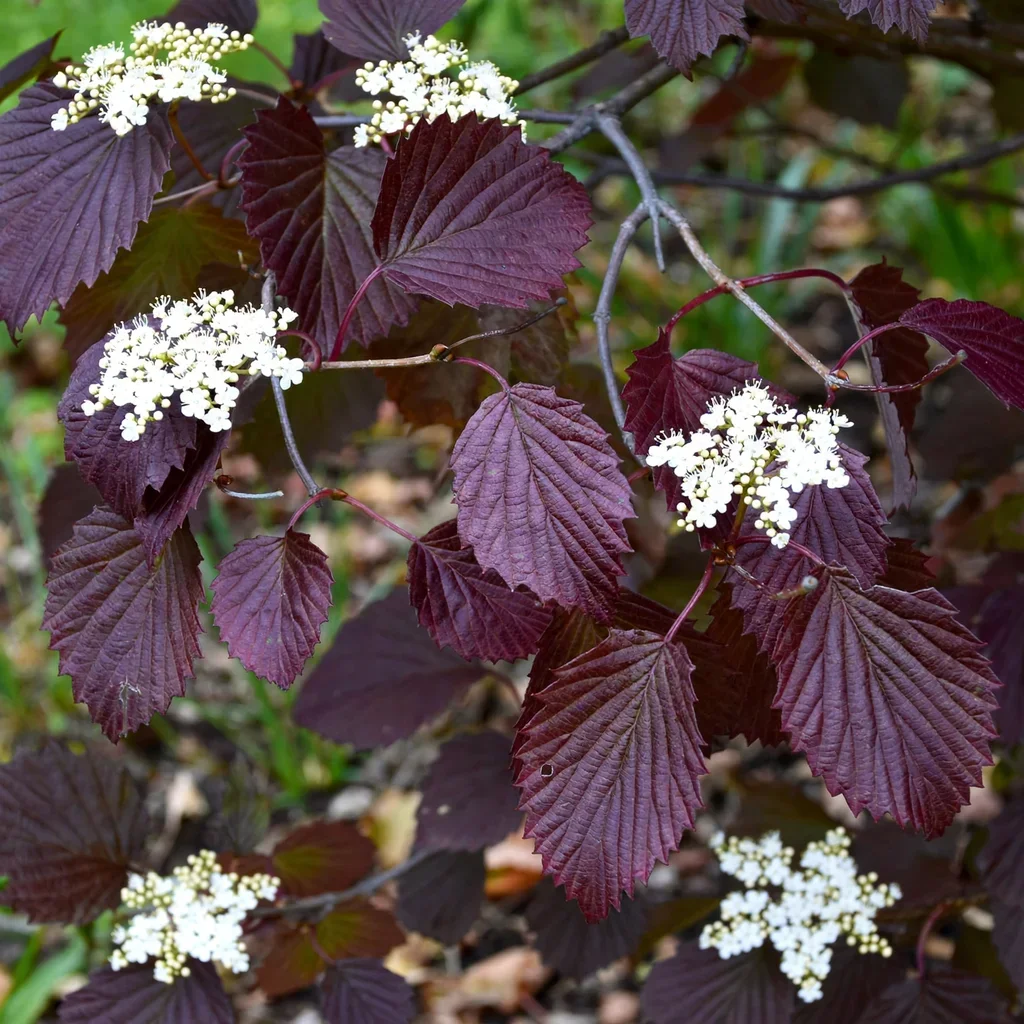
Autumn Jazz Arrowwood
Viburnum dentatum 'Autumn Jazz'
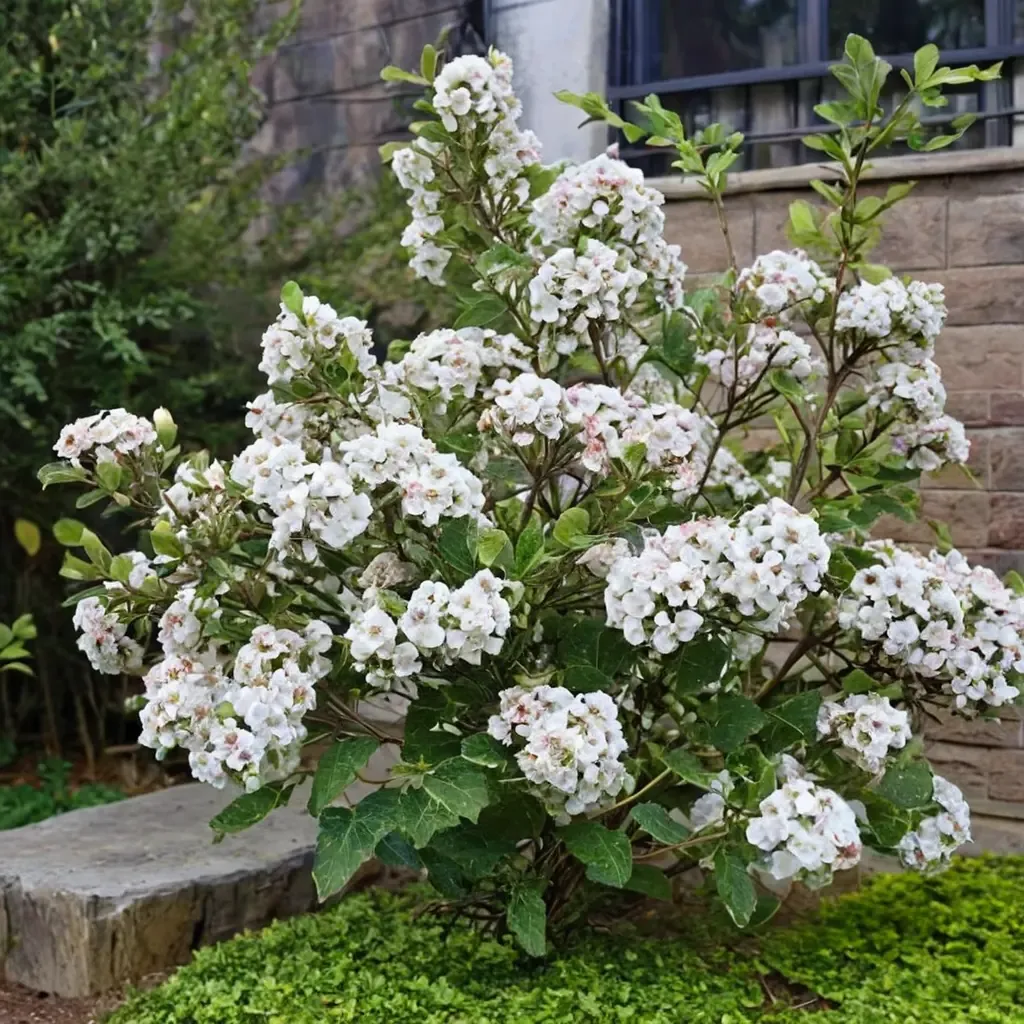
Korean spice viburnum
Viburnum carlesii
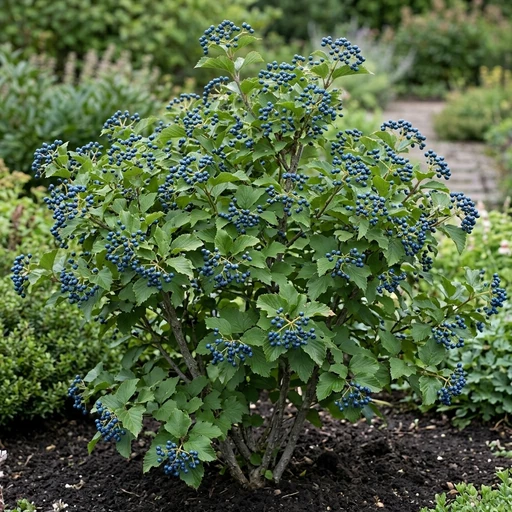
Blue Muffin Viburnum
Viburnum dentatum 'Christom'
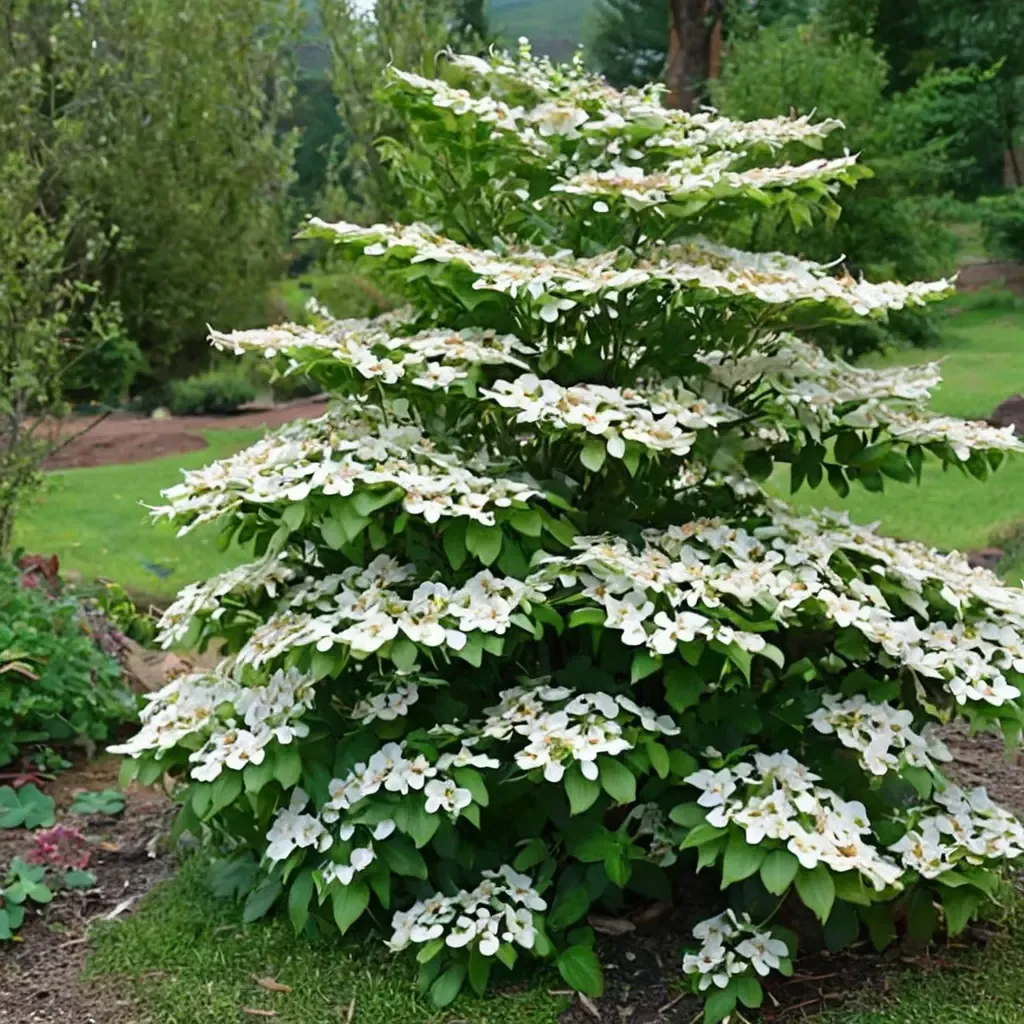
Mariesii Japanese Snowball
Viburnum plicatum 'Mariesii'
Keep exploring
Explore the genus
Hardy in your zone?
Grow Sandankwa Viburnum with confidence
See it in a design of your actual yard, get zone-matched care reminders, and track it season by season in your garden journal.