67 saves
Pittosporum
We track 12 varieties; the ones most used by real gardeners.
The 12 most-saved Pittosporum varieties
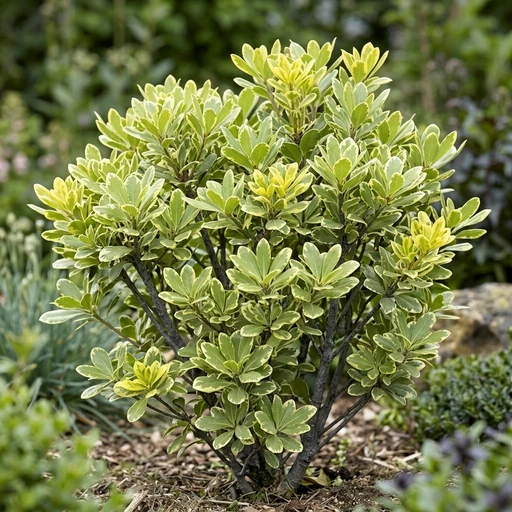
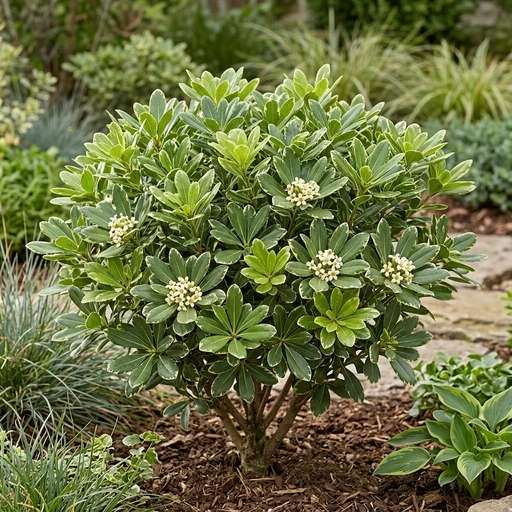
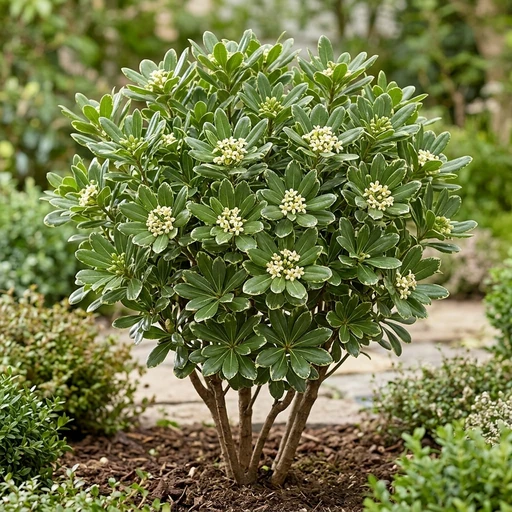
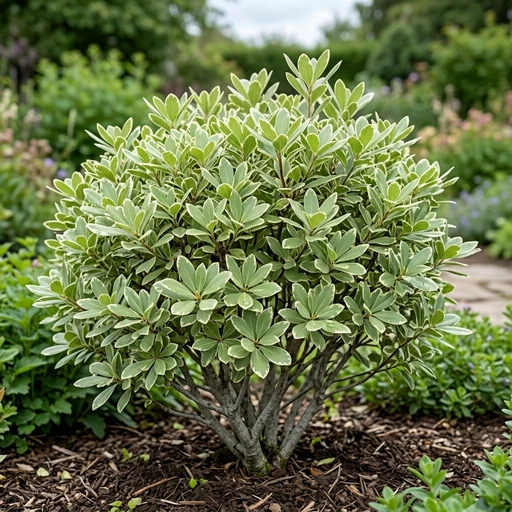
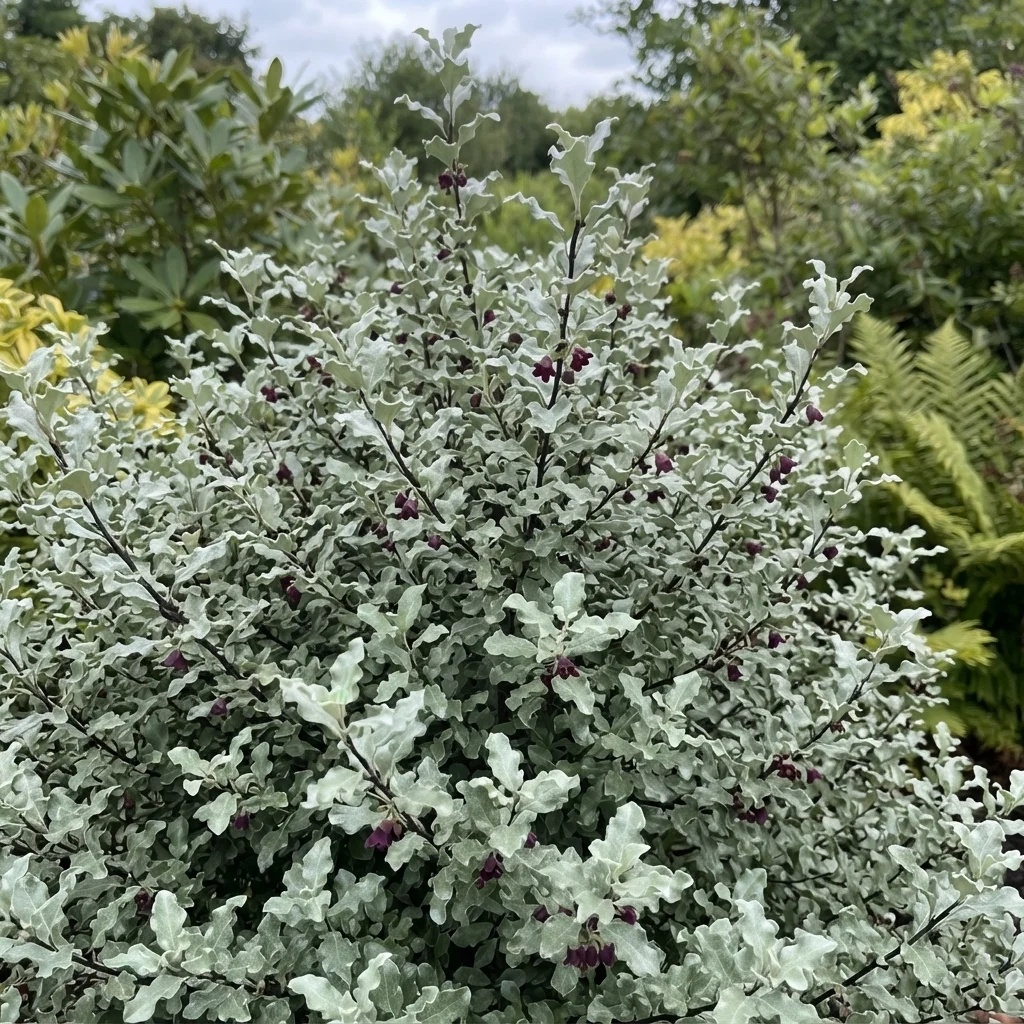
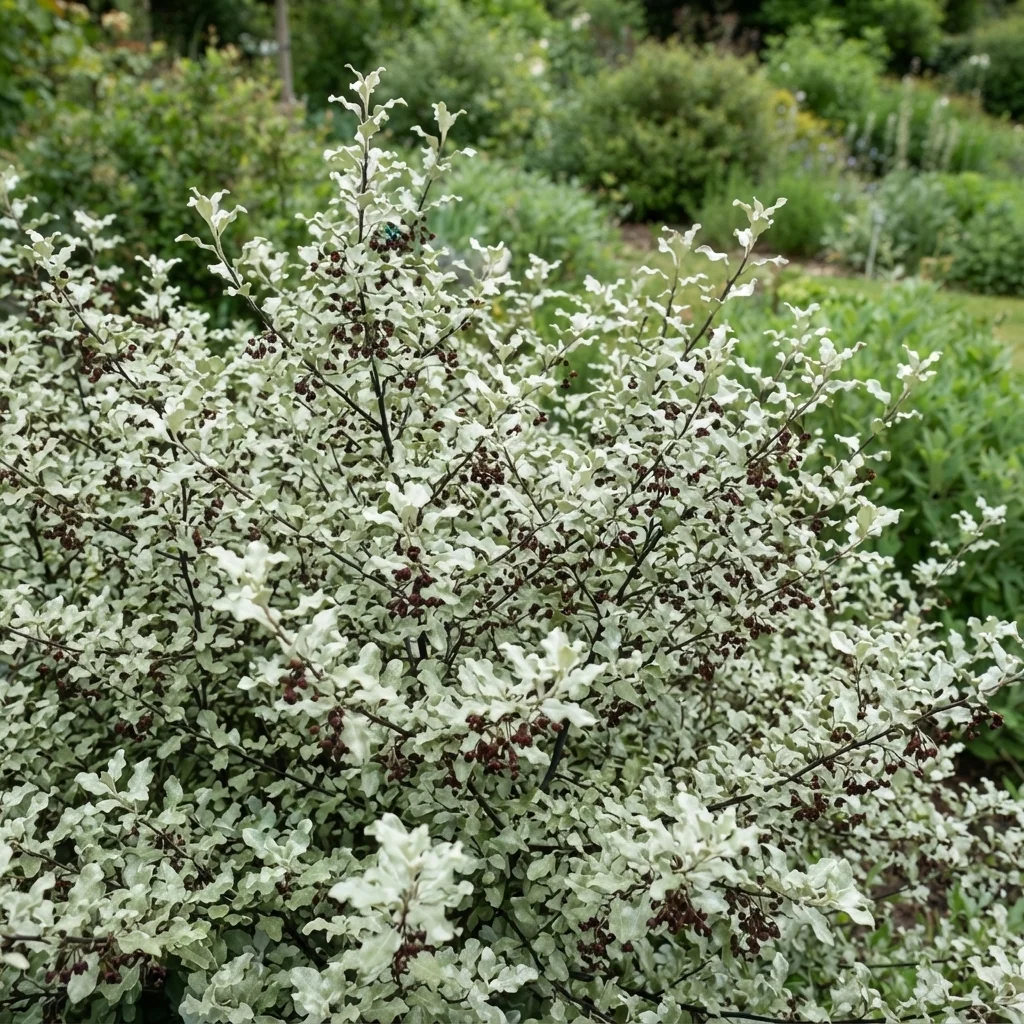
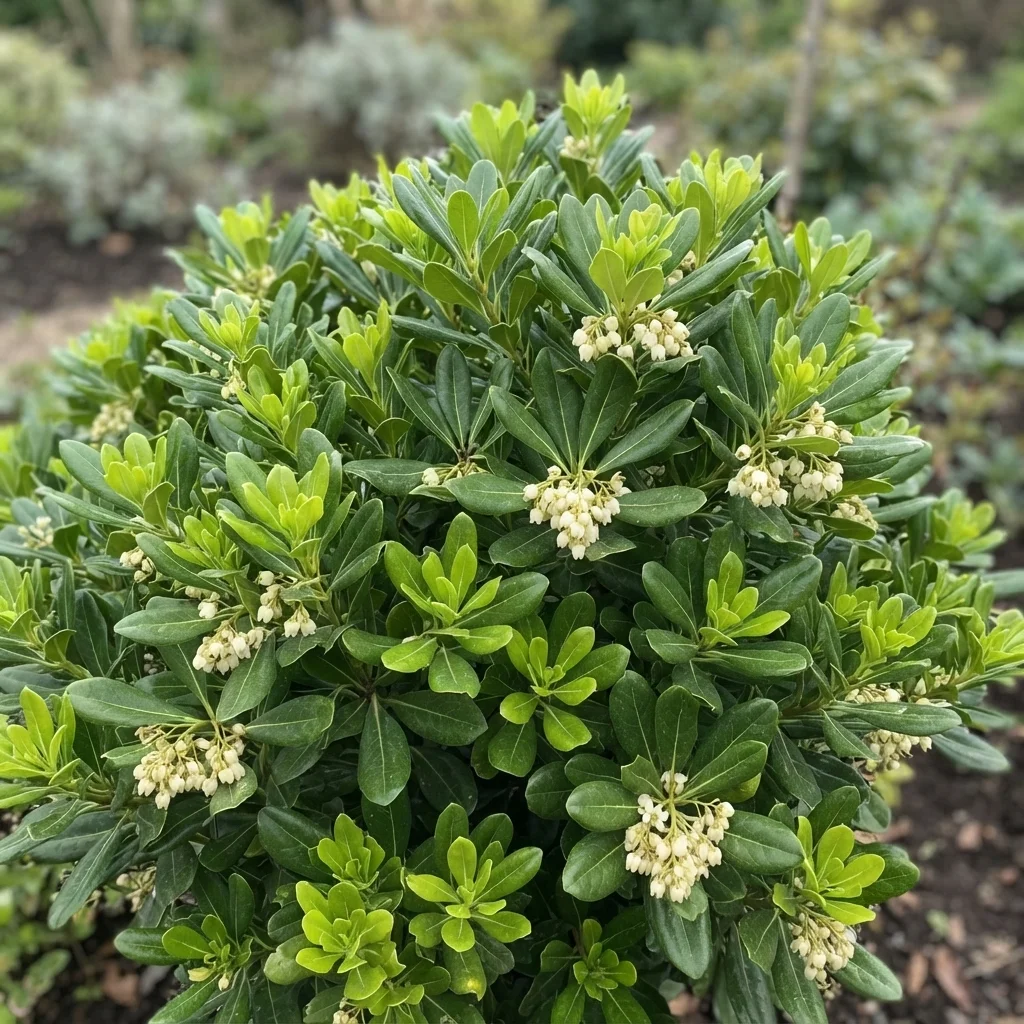
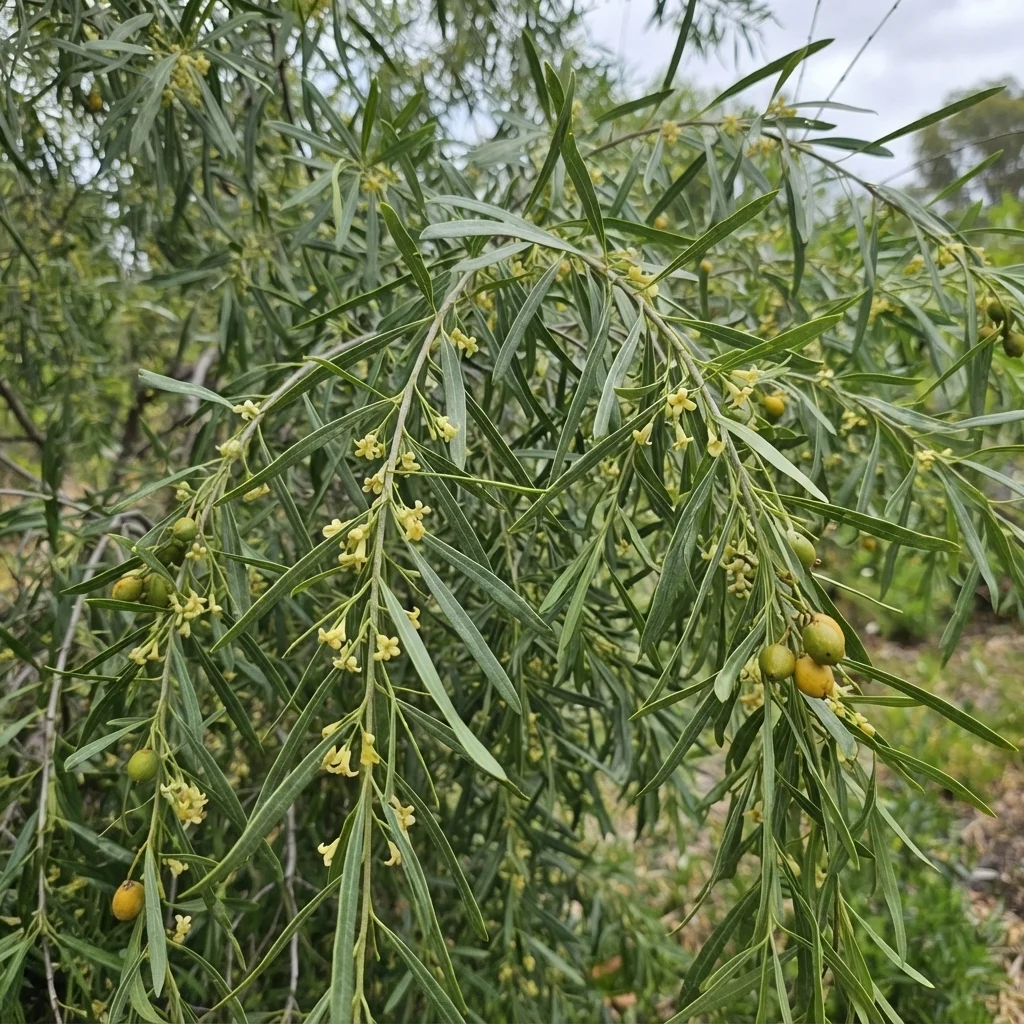
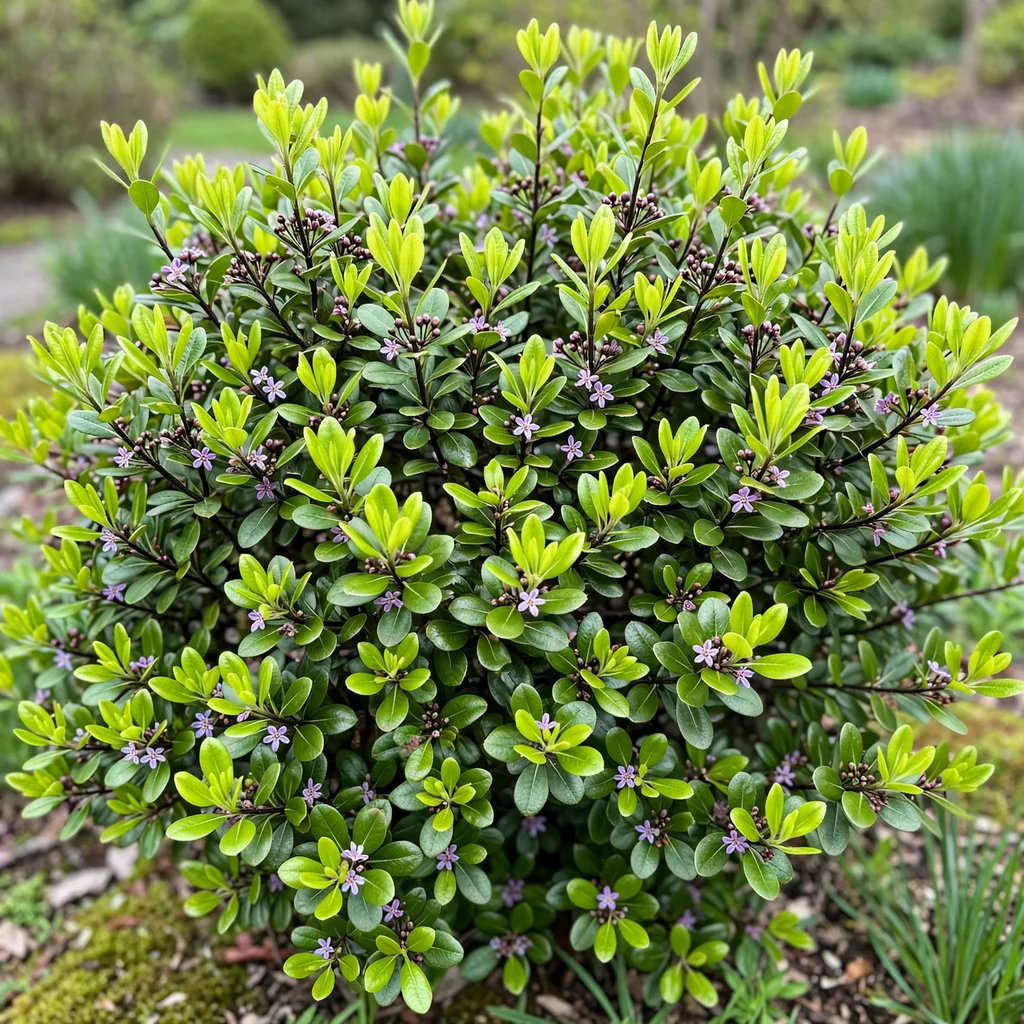
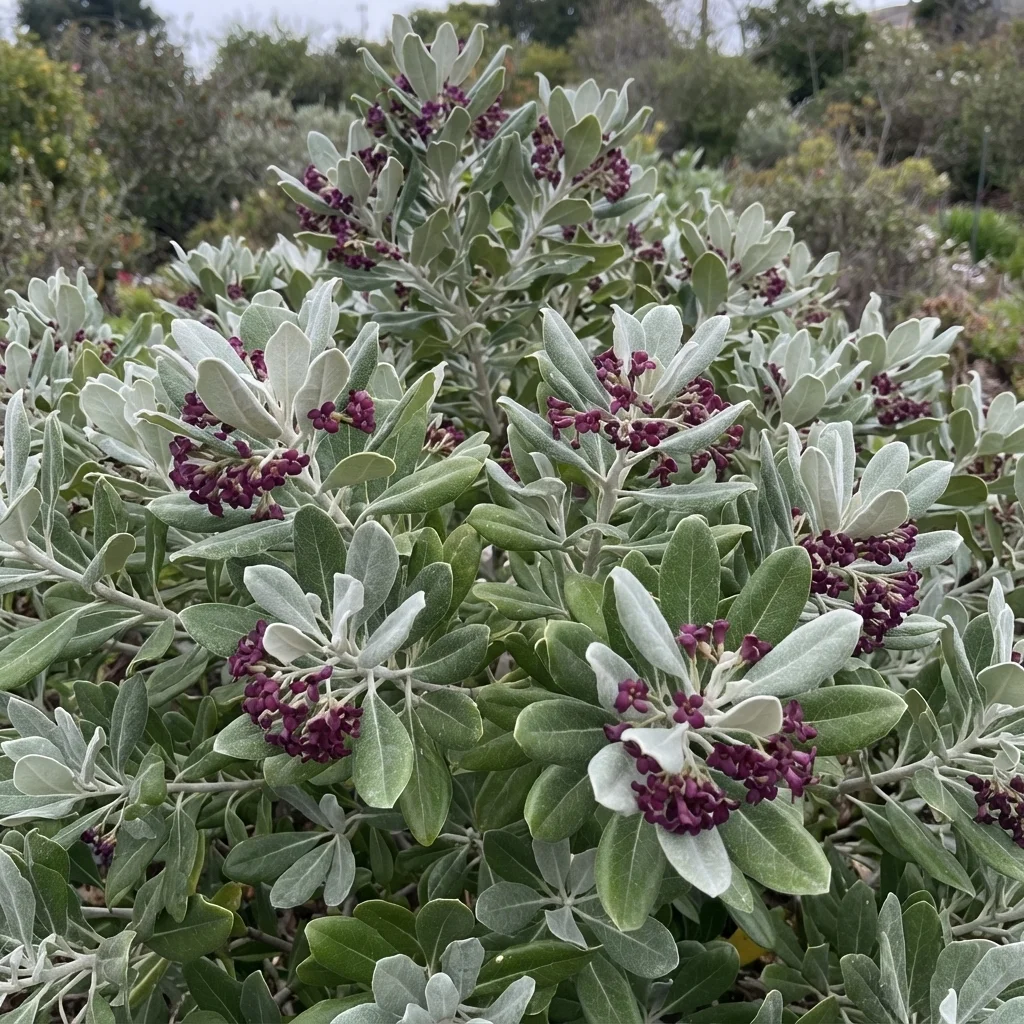
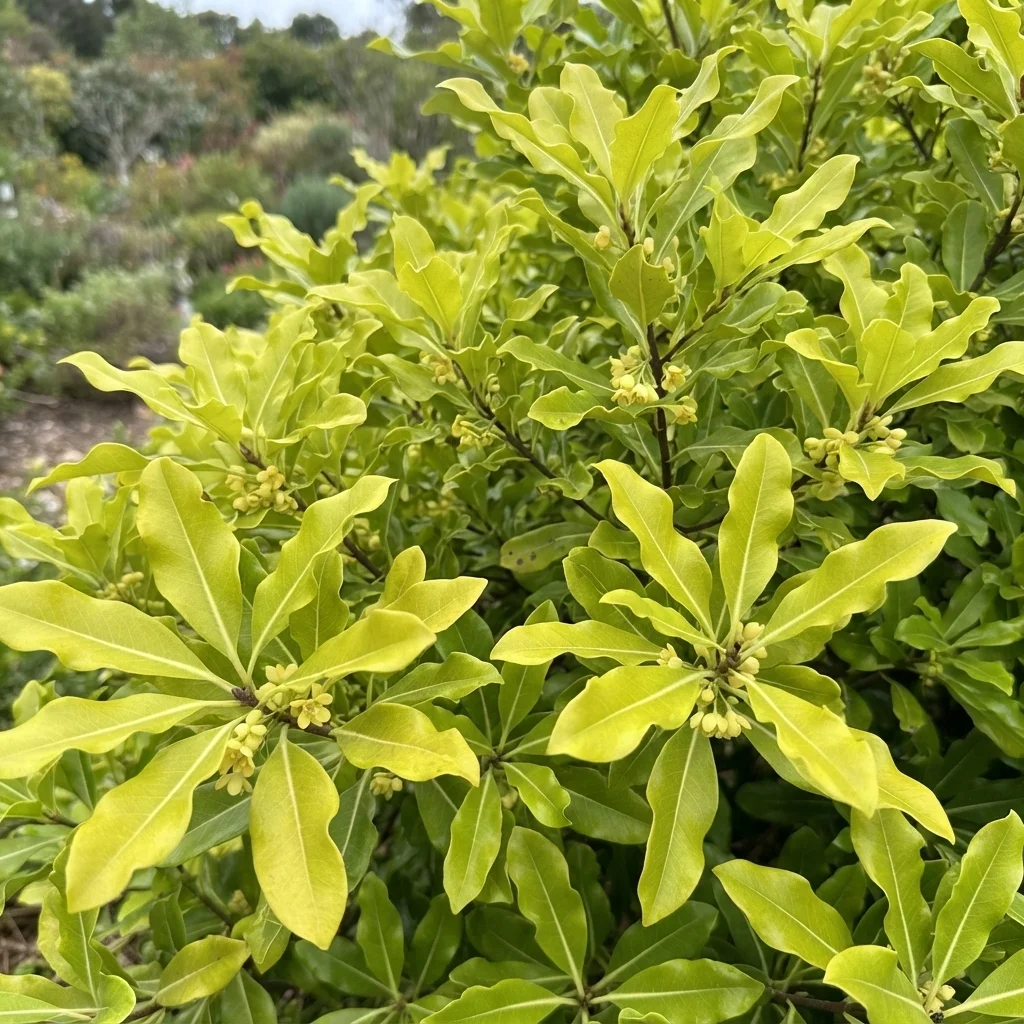
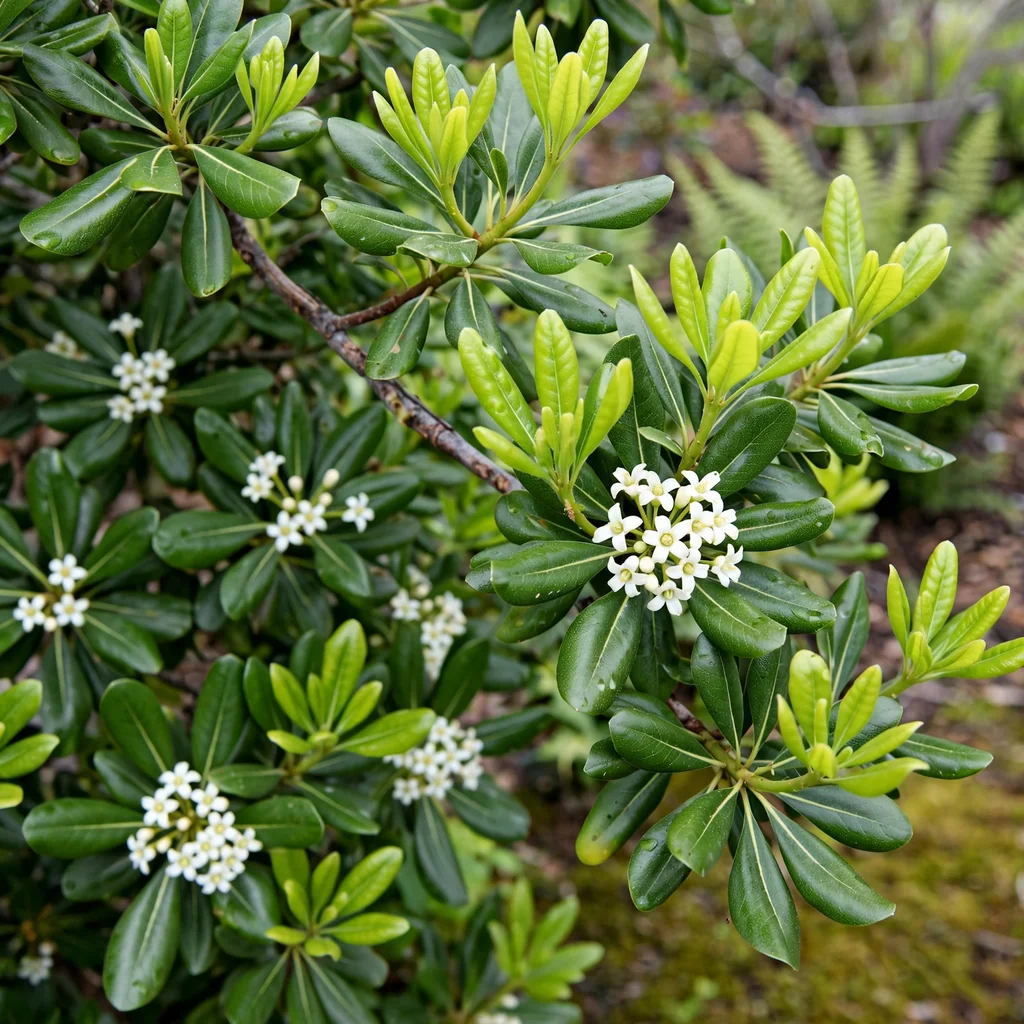
3 species of Pittosporum
Each one is a parent of the varieties above.
Track your Pittosporum in Sow
Save the Pittosporum you grow and get care reminders timed to your zone.
How to grow Pittosporum
Whats common across all Pittosporum varieties in our catalog — drawn from the care records of the 12 most-grown of them.
The Pittosporum year
- PruneJune and July100% of varieties
Requires very little pruning. Shape in late winter if needed.
- FertilizeMarch and April100% of varieties
Feed with a general-purpose slow-release fertilizer in early spring.
- Check for PestsMay–August75% of varieties
Inspect foliage for aphids, scale insects, and spider mites.
- MulchApril, May, October and November42% of varieties
Apply organic mulch around the base to conserve moisture and cool roots.
- PlantMarch, April, May, October and November33% of varieties
Plant anytime in fall or spring in well-drained soil.


Do
- Ensure the soil drains rapidly to prevent root rot.
- Provide good drainage.
- Water deeply but infrequently after it's established.
- Allow it to maintain its natural mounding shape.
- Use it in hot, dry, or coastal locations where other plants struggle.
Avoid
- Do not plant in poorly drained or boggy soils.
- Avoid shearing into a formal shape, which spoils its character.
- Don't overwater, as this can lead to root rot.
- Do not worry about deer; they tend to leave it alone.
What goes wrong with Pittosporum
| Problem | What you'll see | What to do |
|---|---|---|
| Aphids | Clusters of small insects on new growth, causing distortion. | A strong spray of water can dislodge them. Apply insecticidal soap or neem oil. |
| Scale insects | Small, waxy bumps on stems and leaf undersides, accompanied by yellowing leaves. | Apply horticultural oil during the dormant season or treat with systemic insecticides. |
| Spider mites | Fine webbing on branch tips and stippled, dusty-looking foliage. | Increase humidity around the foliage and spray with miticides or insecticidal soap. |
| Cottony Cushion Scale | White, fluted egg sacs on stems and leaves; sticky honeydew. | Encourage natural predators like vedalia beetles. Use horticultural oil. For heavy infestations, systemic insecticides may be needed. |
| Powdery mildew | White, powdery fungal growth on leaf surfaces, causing distortion. | Ensure adequate air circulation and apply a fungicide if infection is severe. |
| Leaf Spot | Brown or black spots on leaves, sometimes with a yellow halo. | Improve air circulation. Avoid overhead watering. Remove and discard infected leaves. Apply a copper-based fungicide if severe. |
| Phytophthora root rot | Wilting, yellowing foliage and dieback, especially in poorly drained soils. | Improve soil drainage and avoid overwatering; remove severely infected plants. |
Making more Pittosporum
Semi-hardwood cuttings
- Take 4-6 inch semi-hardwood cuttings in mid to late summer.
- Remove the lower leaves and dip the cut end in rooting hormone.
- Insert the cuttings into a well-draining propagation mix of perlite and peat.
- Keep the medium moist and place in a warm, humid environment with indirect light until roots form.
Semi-hardwood Cuttings
- Take 4-6 inch cuttings in summer from current season's growth.
- Remove lower leaves and dip the cut end in rooting hormone.
- Stick in a mix of sand and peat.
- Keep moist and humid; rooting can take several months.
Pittosporum questions
How many types of Pittosporum are there?
The Sow catalog tracks 12 distinct Pittosporum varieties. The most popular — ranked by 67 real gardeners — are shown first above.
What zones does Pittosporum grow in?
Across its varieties, Pittosporum covers USDA Zones 7–10. Individual varieties differ — each plant page lists its exact range, and Sow filters the catalog to your zone automatically.
When does Pittosporum bloom?
Most Pittosporum varieties bloom in late spring, spring, late winter. Staggering early, mid, and late varieties extends the genus's season in one bed.
Which Pittosporum should I choose?
Start from the most-saved varieties above — popularity across thousands of gardens is a strong signal of reliability — then filter by your zone and sun. In the Sow app you can preview any of them in a photo of your actual yard before you buy.