The Story
Plant Bio
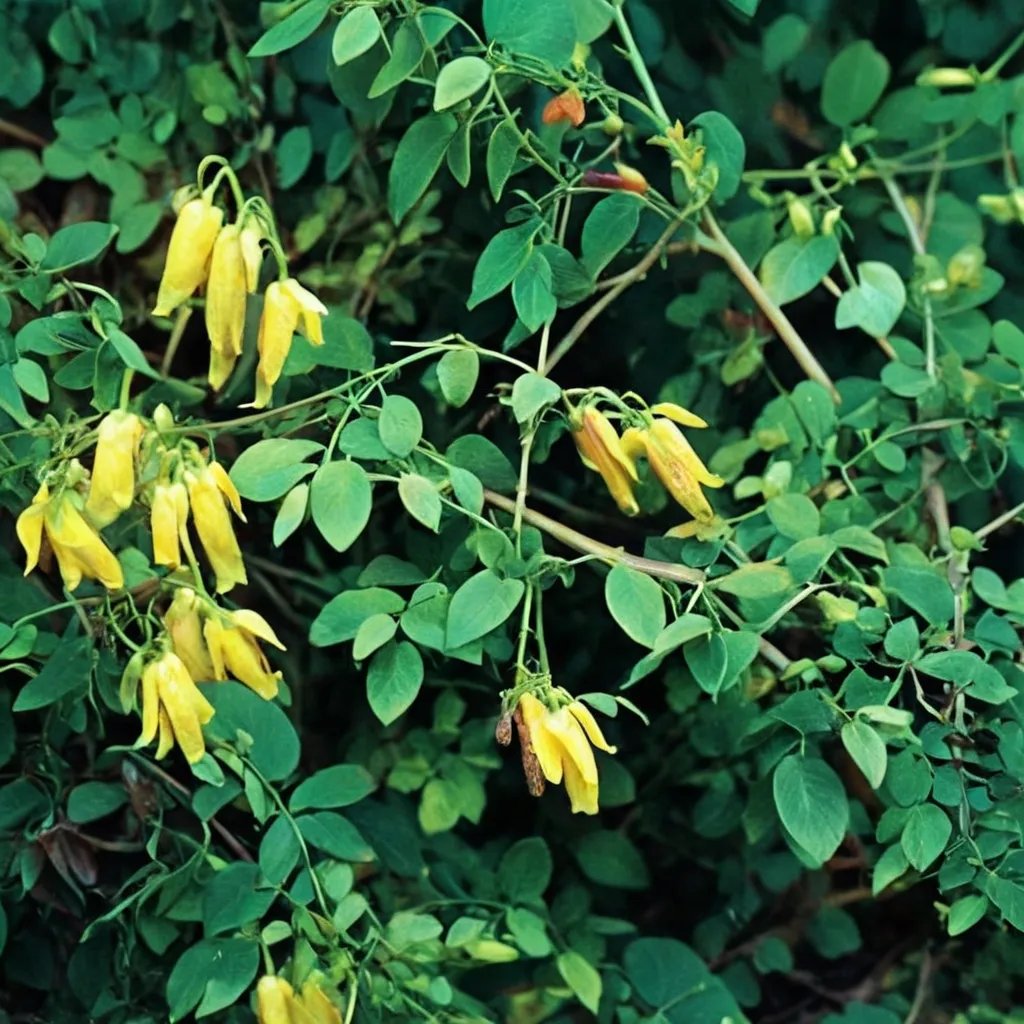
Dicentra scandens 'Athens Yellow' is a twining perennial vine featuring delicate, fern-like foliage and bright yellow, heart-shaped flowers that cascade elegantly during the growing season.
This cultivar is distinguished by its vibrant yellow flowers, offering a cheerful alternative to the traditional pink or white Dicentra, and it exhibits vigorous climbing ability.
Uses & Benefits:
Essentials
At a Glance
Plant Type
Perennial
Height
120"
Width
48"
Light
Partial Sun, Shade
Zones
6, 7, 8, 9
Water
Moderate
Humidity
Average
Lifespan
Perennial
Native To
Himalayas
Toxicity
Toxic if ingested, can cause skin irritation.
Bloom period
Late spring to fall – Late spring
In flower about 1 month of the year
Planting
How to Grow
- Tuck seeds into moist soil in early spring.
- Keep soil consistently moist during active growth.
- Provide support for vining habit as it grows.
- Place in partial shade for best flowering.
- Water regularly, especially in dry periods.
- Mulch to retain moisture and suppress weeds.
Pro Tip
Use a trellis or support for optimal display and growth.
Keep It Thriving
Care Guide
Do
- Water regularly to keep soil moist 💧
- Prune after flowering to promote bushier growth
- Mulch to conserve moisture and regulate soil temperature
- Feed with a balanced fertilizer in early spring
Don't
- Allow soil to dry out completely ❌
- Overfertilize which can lead to leggy growth
- Expose to full harsh sun which can scorch leaves
- Neglect support structures for vining habit
Seasonal Care Calendar
| Task | Jan | Feb | Mar | Apr | May | Jun | Jul | Aug | Sep | Oct | Nov | Dec |
|---|---|---|---|---|---|---|---|---|---|---|---|---|
| Fertilize | ||||||||||||
| Mulch | ||||||||||||
| Prune | ||||||||||||
| Stake |
Watch Out For
Pests & Diseases
Common Pests
Common Diseases
In the Garden
Landscape Uses & Companions
Landscape Uses
Multiply
Propagation Methods
Good to Know
Common Questions
Climbing Bleeding Heart questions
What zones can Climbing Bleeding Heart grow in?
Climbing Bleeding Heart is hardy in USDA Zones 6–9. Inside that range it survives winter in the ground; outside it, grow it as an annual or a container plant you protect.
Is Climbing Bleeding Heart deer resistant?
Not reliably. Deer may browse Climbing Bleeding Heart, especially tender spring growth — plan on repellents or fencing where pressure is high.
When does Climbing Bleeding Heart bloom?
Climbing Bleeding Heart typically blooms in late spring to fall through late spring. Exact timing shifts a week or two with your zone — Sow's bloom calendar maps it to your garden.
Does Climbing Bleeding Heart need full sun?
Climbing Bleeding Heart does best in part shade.
More Dicentra to compare
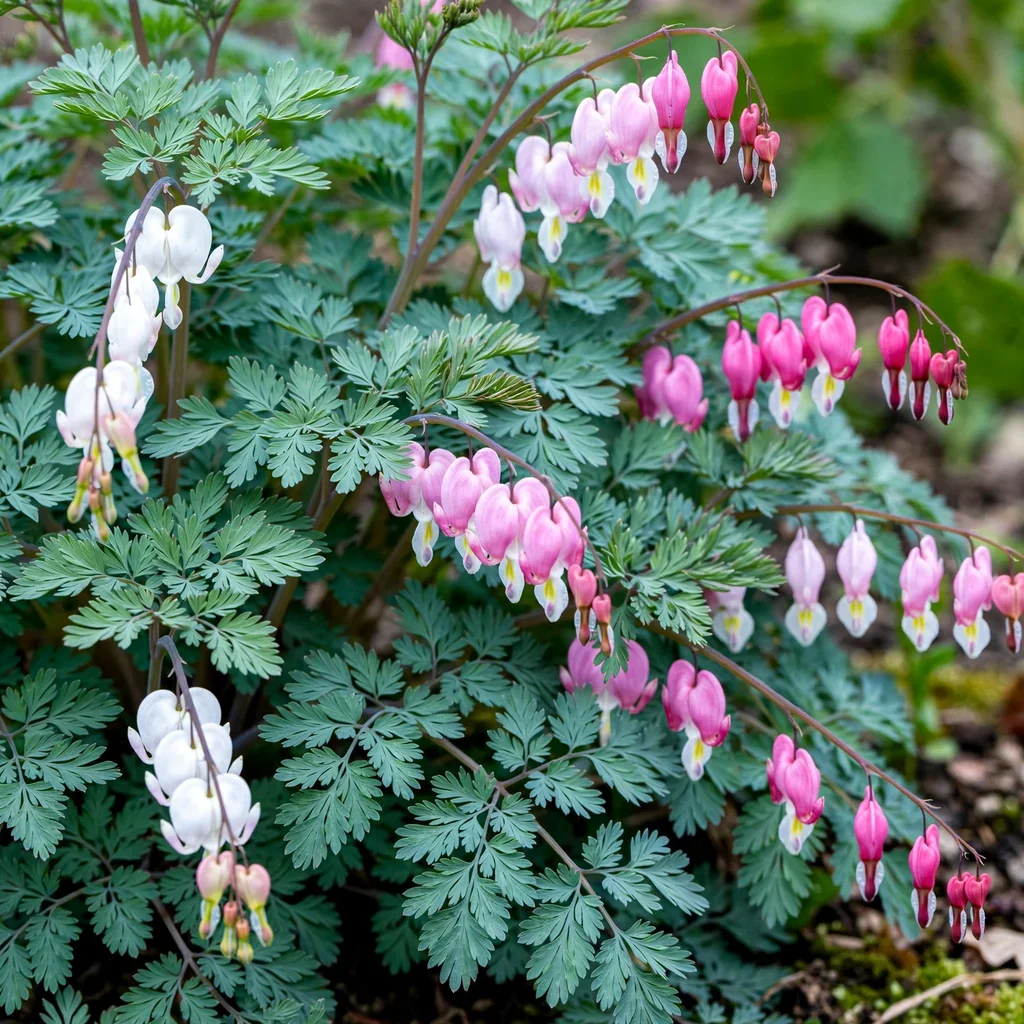
Fernleaf Bleeding Heart
Dicentra spectabilis 'Fernleaf Bleeding Heart Mix'
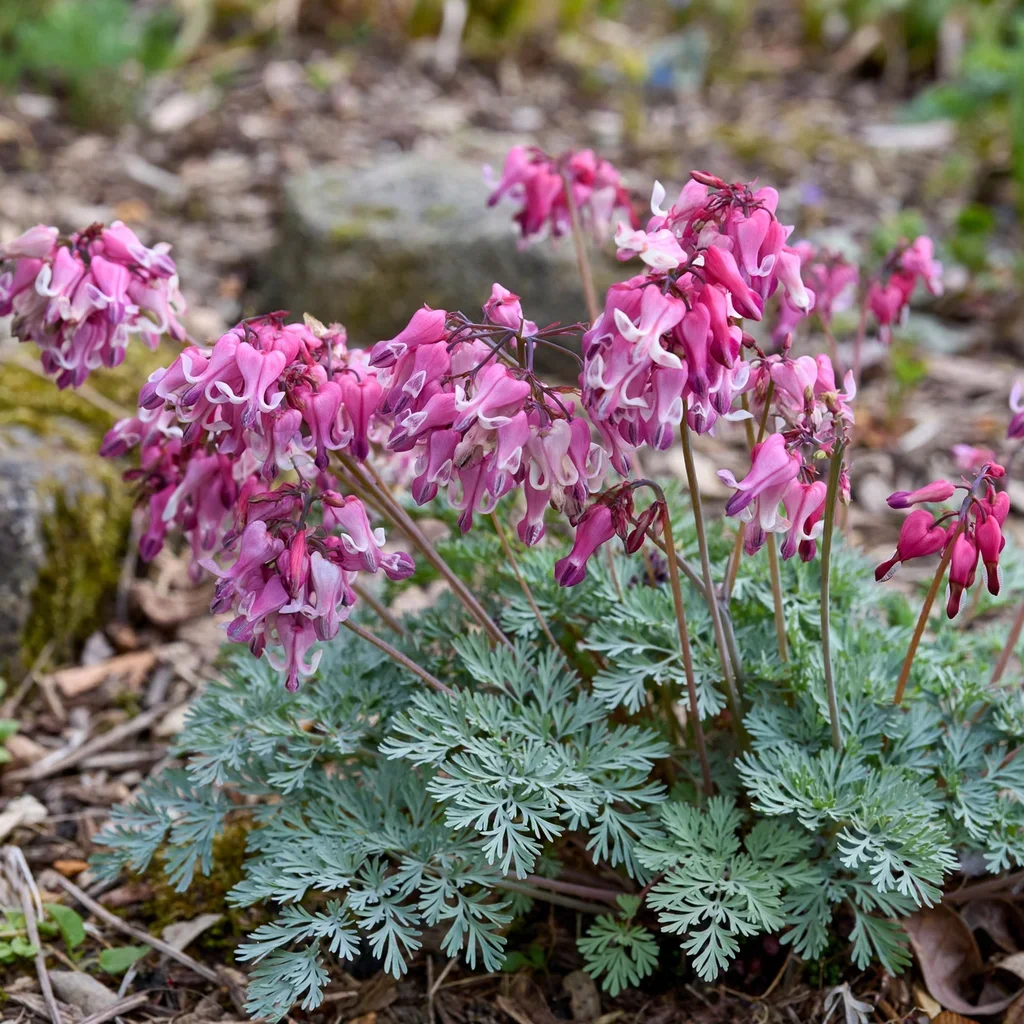
Fringed Bleeding Heart
Dicentra eximia 'Pink Diamonds'
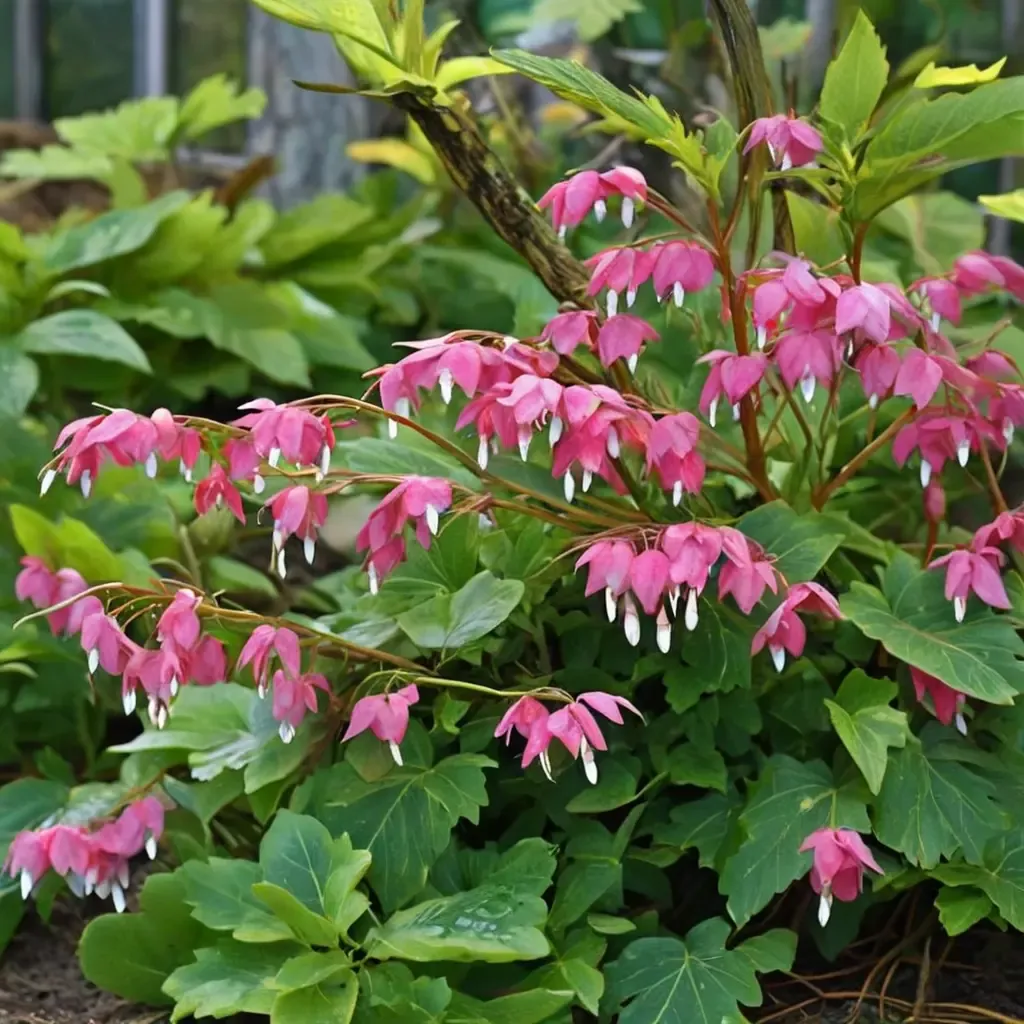
Old-Fashioned Bleeding Heart
Dicentra spectabilis 'Old Fashion Bleeding Heart'
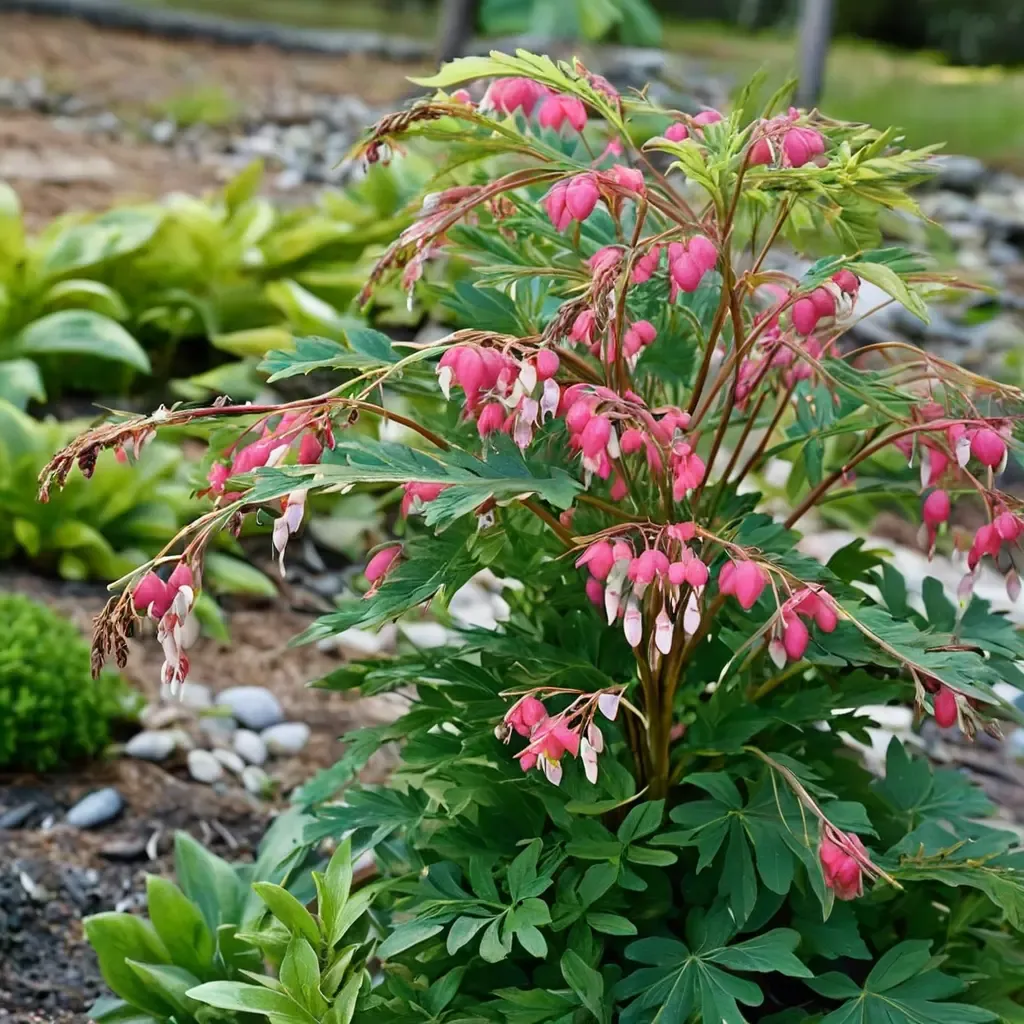
Bleeding Heart
Dicentra spectabilis
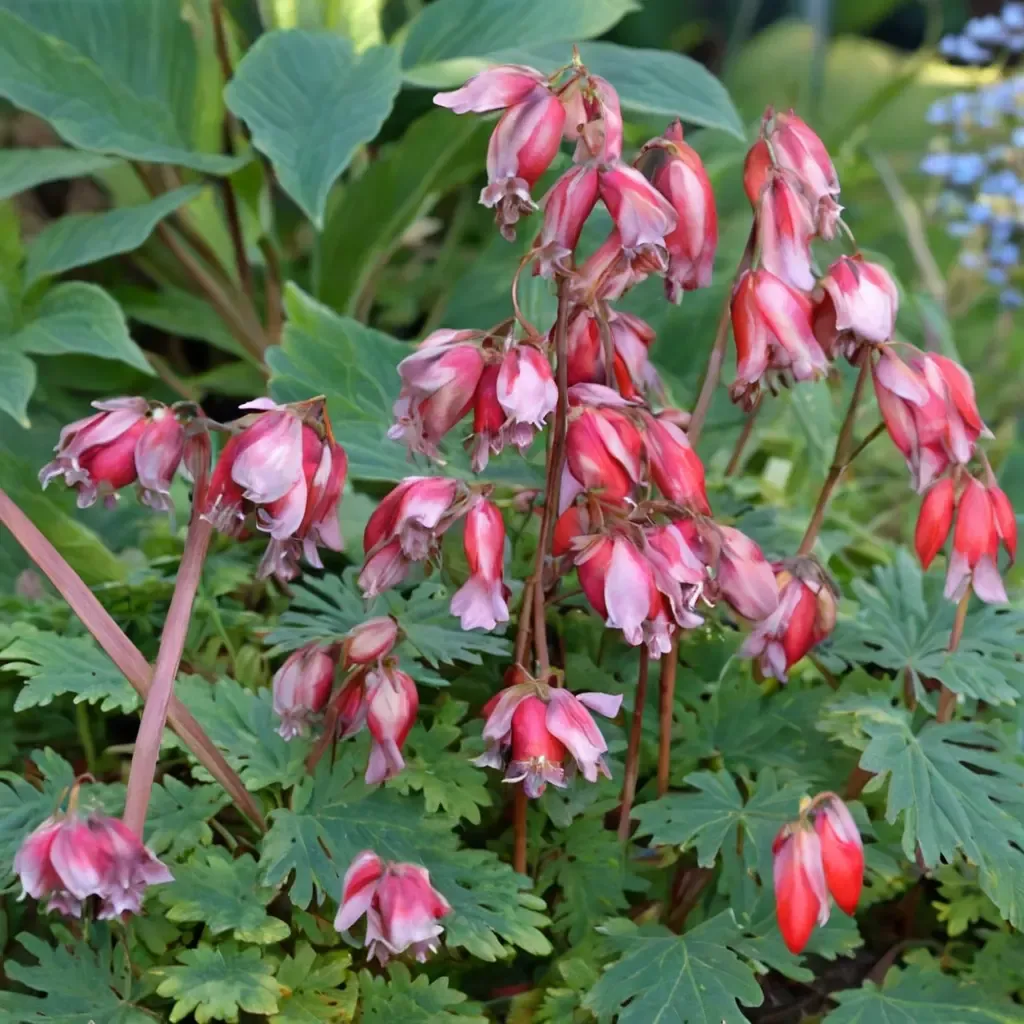
Luxuriant Bleeding Heart
Dicentra spectabilis 'Luxuriant'
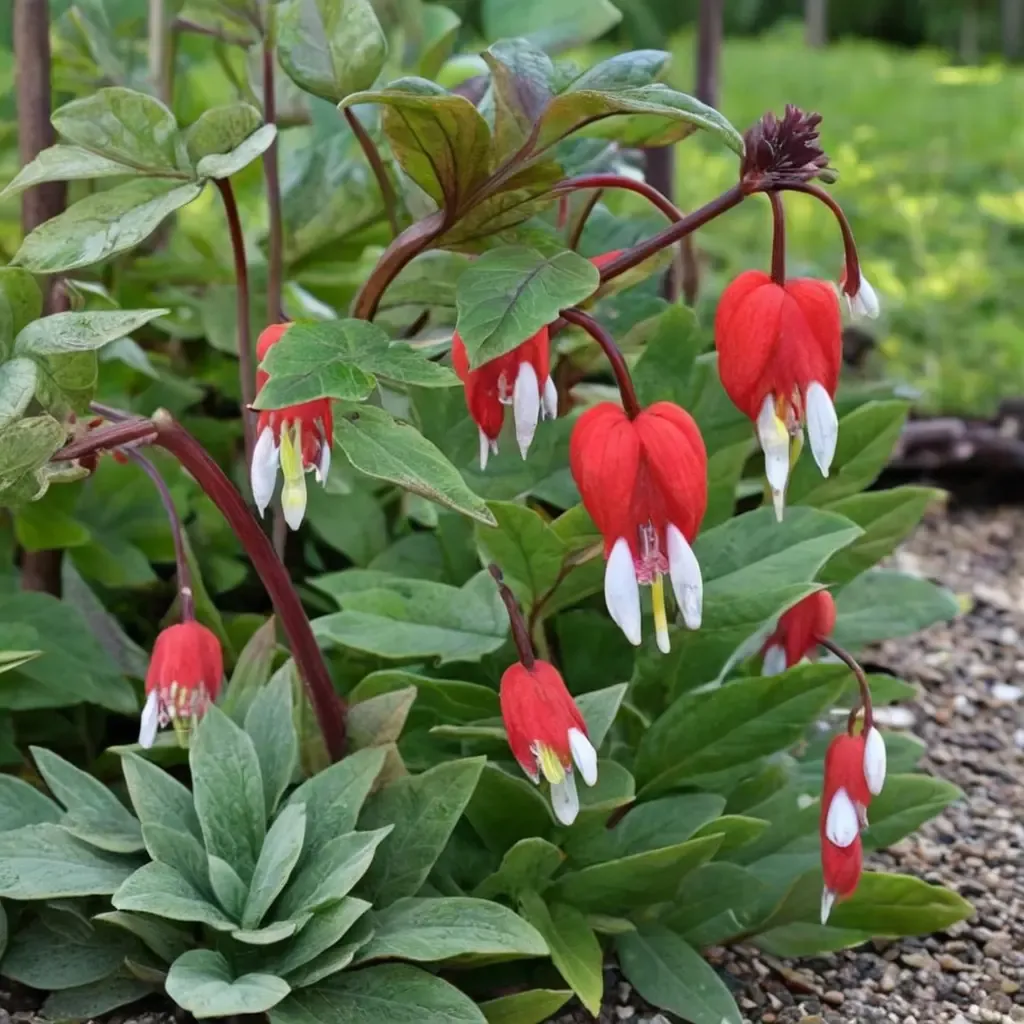
Valentine bleeding heart
Dicentra spectabilis 'VALENTINE'
Keep exploring
Explore the genus
Hardy in your zone?
Grow Climbing Bleeding Heart with confidence
See it in a design of your actual yard, get zone-matched care reminders, and track it season by season in your garden journal.