The Story
Plant Bio
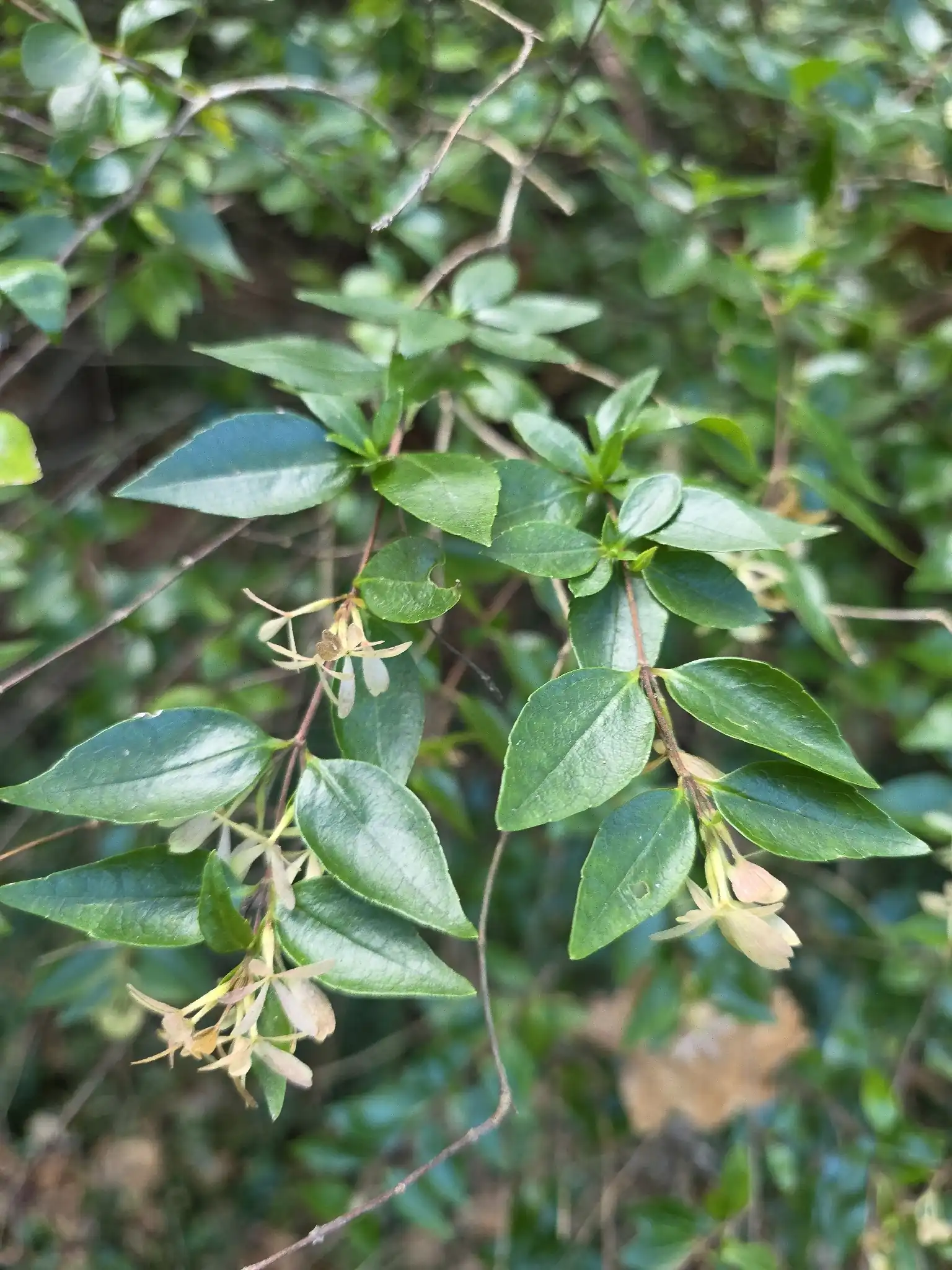
Abelia chinensis is a multi-stemmed, deciduous to semi-evergreen shrub with a dense, arching, and fine-textured growth habit. It produces terminal panicles of paired, fragrant, white to pale pink flowers from mid-summer through fall, backed by persistent reddish-mauve sepals that remain decorative after the petals drop.
This species is distinguished from its hybrid descendants by its highly refined, wispy form and new foliage that emerges with distinct maroon or reddish-bronze tints. The persistent bronze-red sepals provide late-season color well after the primary bloom cycle ends.
Uses & Benefits:
Essentials
At a Glance
Plant Type
Shrub
Height
94"
Width
59"
Light
Full Sun, Partial Sun
Zones
6, 7, 8, 9
Water
Medium
Humidity
High
Lifespan
Long-lived
Native To
China, Taiwan, Vietnam
Toxicity
Non-toxic
Bloom period
Summer – Fall
In flower about 6 months of the year
Planting
How to Grow
- Plant in a location that receives full sun to partial shade, prioritizing full sun to maximize flower production.
- Prepare the site with organically rich, well-drained soil, ensuring the planting area does not collect standing water.
- Water regularly after planting to establish a deep root system, transitioning to occasional watering once the shrub is established.
- Apply a balanced, slow-release fertilizer or a top-dressing of organic compost around the root zone once annually in early spring.
Pro Tip
Avoid shearing this shrub into rigid, formal shapes with hedge trimmers; severe shearing destroys the elegant, arching branches and removes the terminal buds where flowers form.
Keep It Thriving
Care Guide
Do
- Prune annually in late winter or early spring before new growth begins.
- Thin out up to one-third of the oldest, woody stems down to ground level to stimulate vigorous new flowering wood.
- Ensure the soil drains rapidly to prevent root rot pathogens.
Don't
- Do not shear the plant into tight, unnatural balls, which ruins its natural arching form.
- Do not plant in low-lying areas or heavy clay soils where water pools and saturates the roots.
- Do not prune late in the summer, as this removes the developing flower buds.
Seasonal Care Calendar
| Task | Jan | Feb | Mar | Apr | May | Jun | Jul | Aug | Sep | Oct | Nov | Dec |
|---|---|---|---|---|---|---|---|---|---|---|---|---|
| Fertilize | ||||||||||||
| Pest Check | ||||||||||||
| Propagate | ||||||||||||
| Prune |
Watch Out For
Pests & Diseases
Common Pests
Common Diseases
In the Garden
Landscape Uses & Companions
Landscape Uses
Companion Plants
Multiply
Propagation Methods
Good to Know
Common Questions
Chinese Abelia questions
What zones can Chinese Abelia grow in?
Chinese Abelia is hardy in USDA Zones 6–9. Inside that range it survives winter in the ground; outside it, grow it as an annual or a container plant you protect.
Is Chinese Abelia deer resistant?
Yes — Chinese Abelia is rated deer-resistant. Deer typically pass it over, though extreme hunger can override any plant's defenses.
When does Chinese Abelia bloom?
Chinese Abelia typically blooms in summer through fall. Exact timing shifts a week or two with your zone — Sow's bloom calendar maps it to your garden.
Does Chinese Abelia need full sun?
Chinese Abelia does best in full sun to part shade. In hot climates, afternoon shade keeps blooms fresher longer.
Is Chinese Abelia drought tolerant?
Yes — once established (usually after the first full season), Chinese Abelia handles dry spells with minimal watering. Water deeply its first year to build the root system that makes that possible.
More Abelia to compare
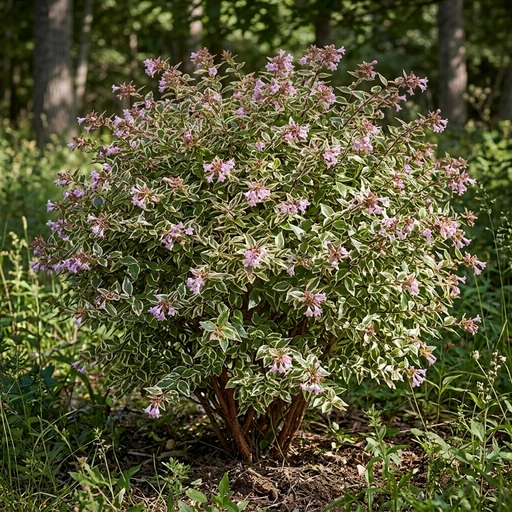
Tres Amigos Abelia
Abelia x grandiflora 'Mincautri'
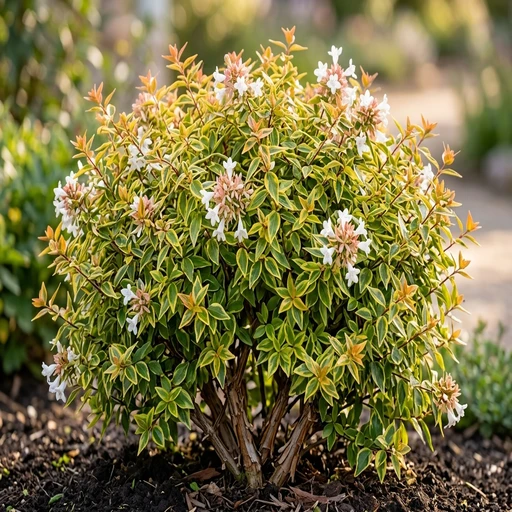
Kaleidoscope Abelia
Abelia x grandiflora 'Kaleidoscope'
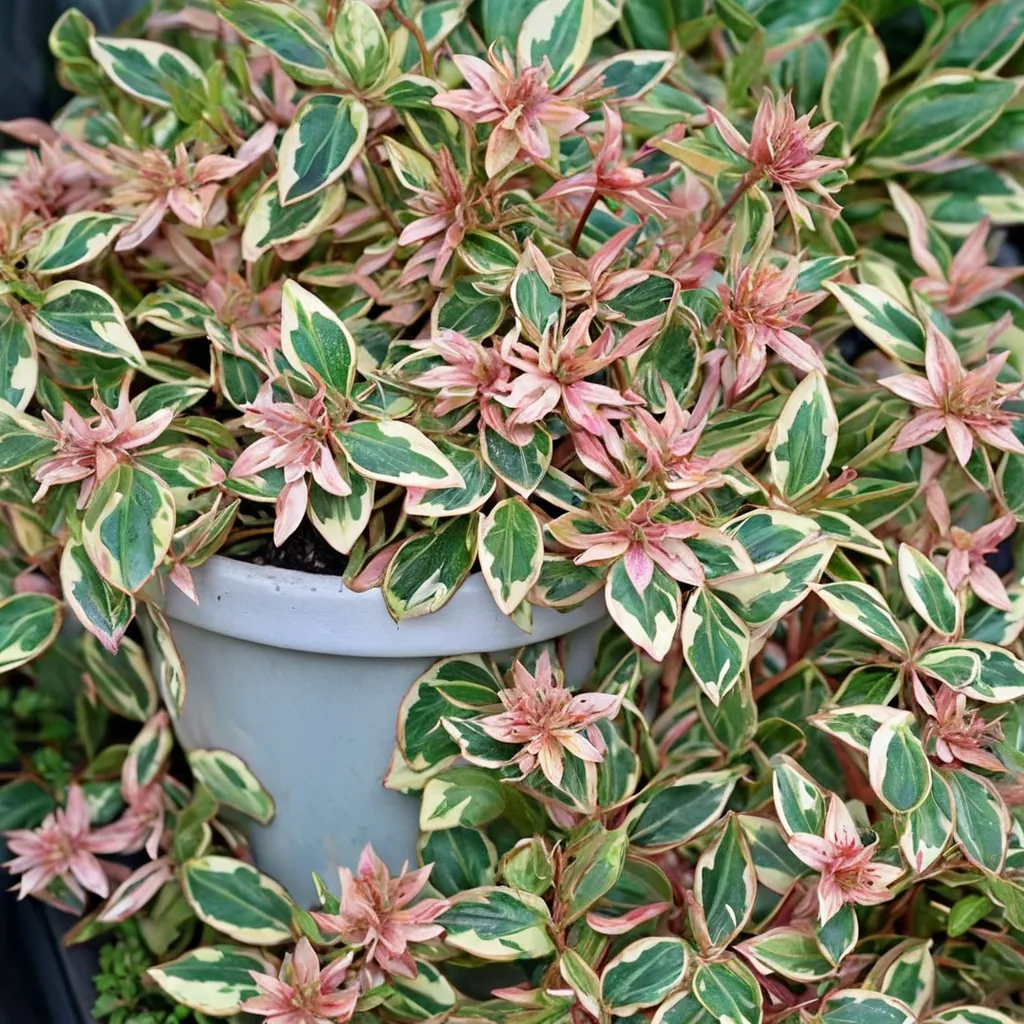
Abelia Tres Amigos
Abelia x grandiflora 'Tres Amigos'
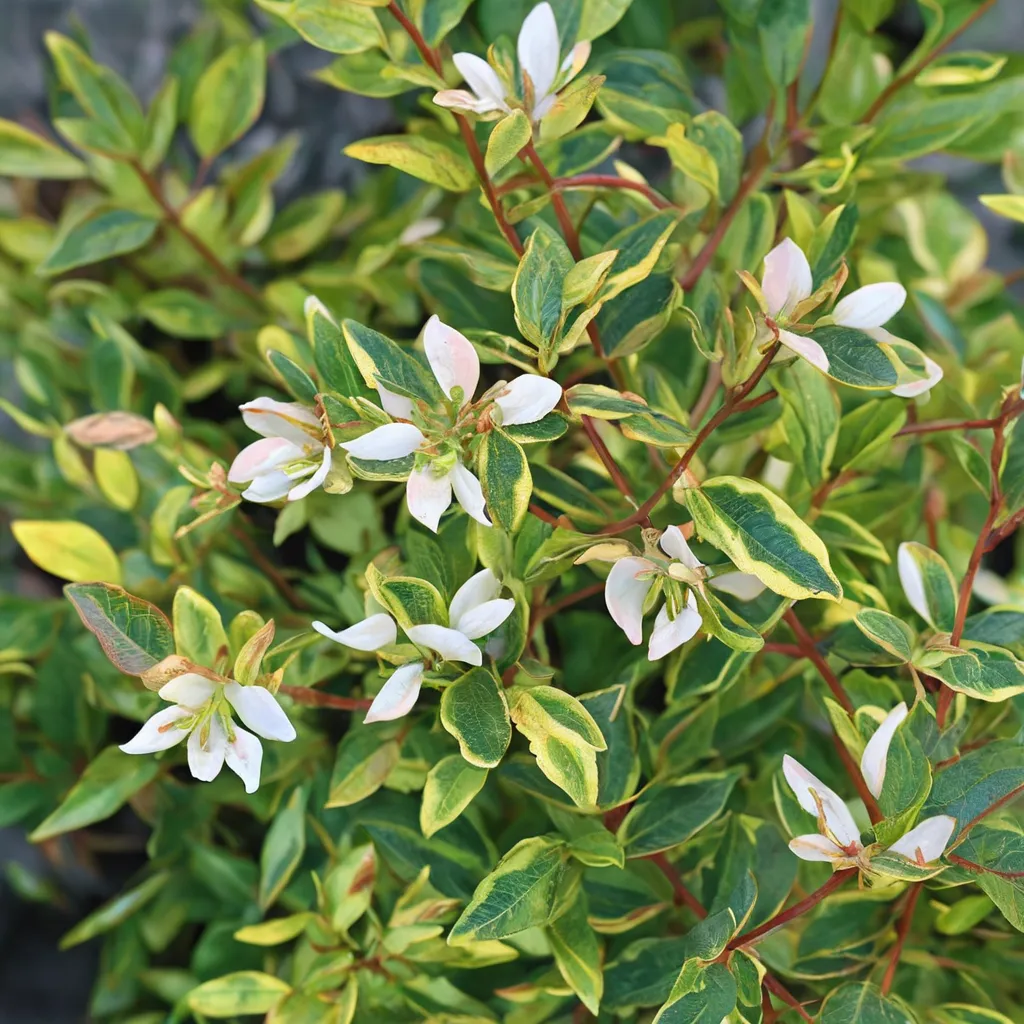
Brilliantina Glossy Abelia
Abelia x grandiflora 'Brilliantina'
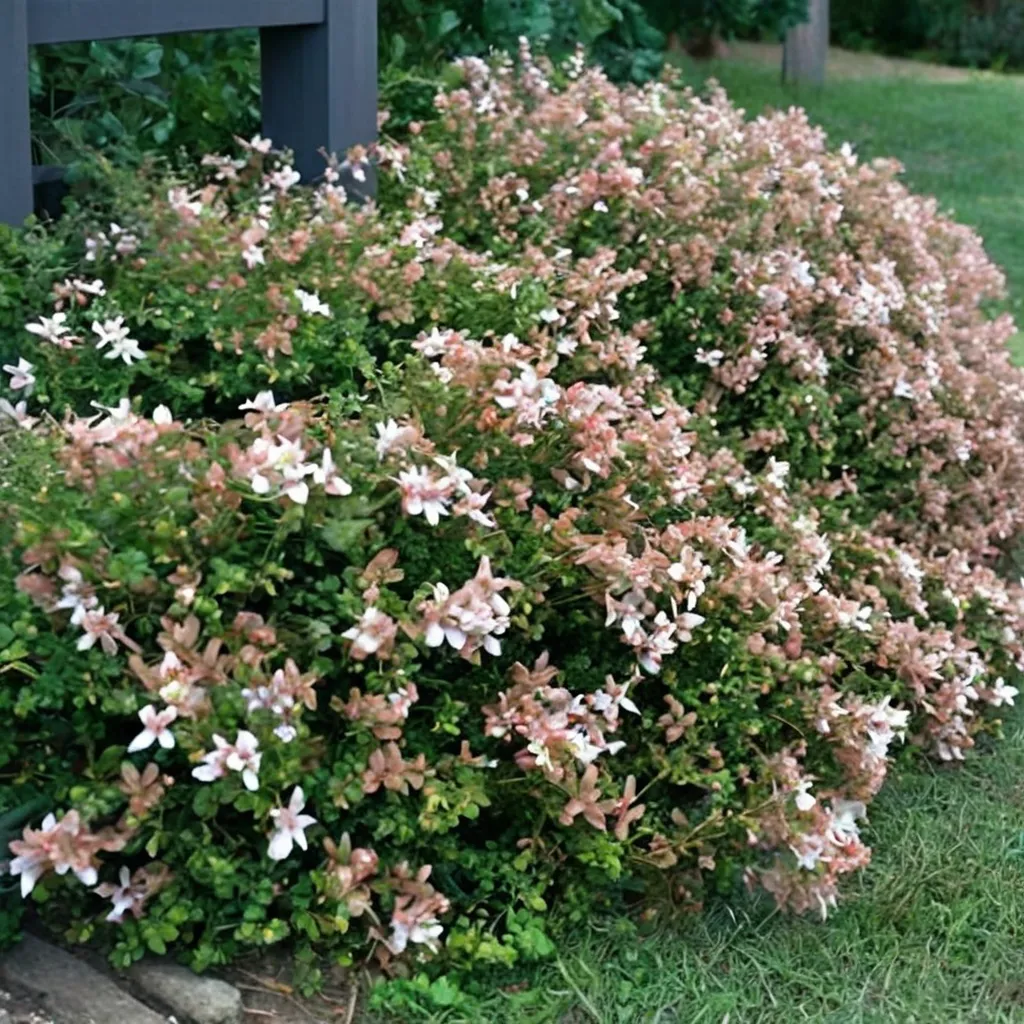
Abelia Rose Creek
Abelia x grandiflora 'Rose Creek'
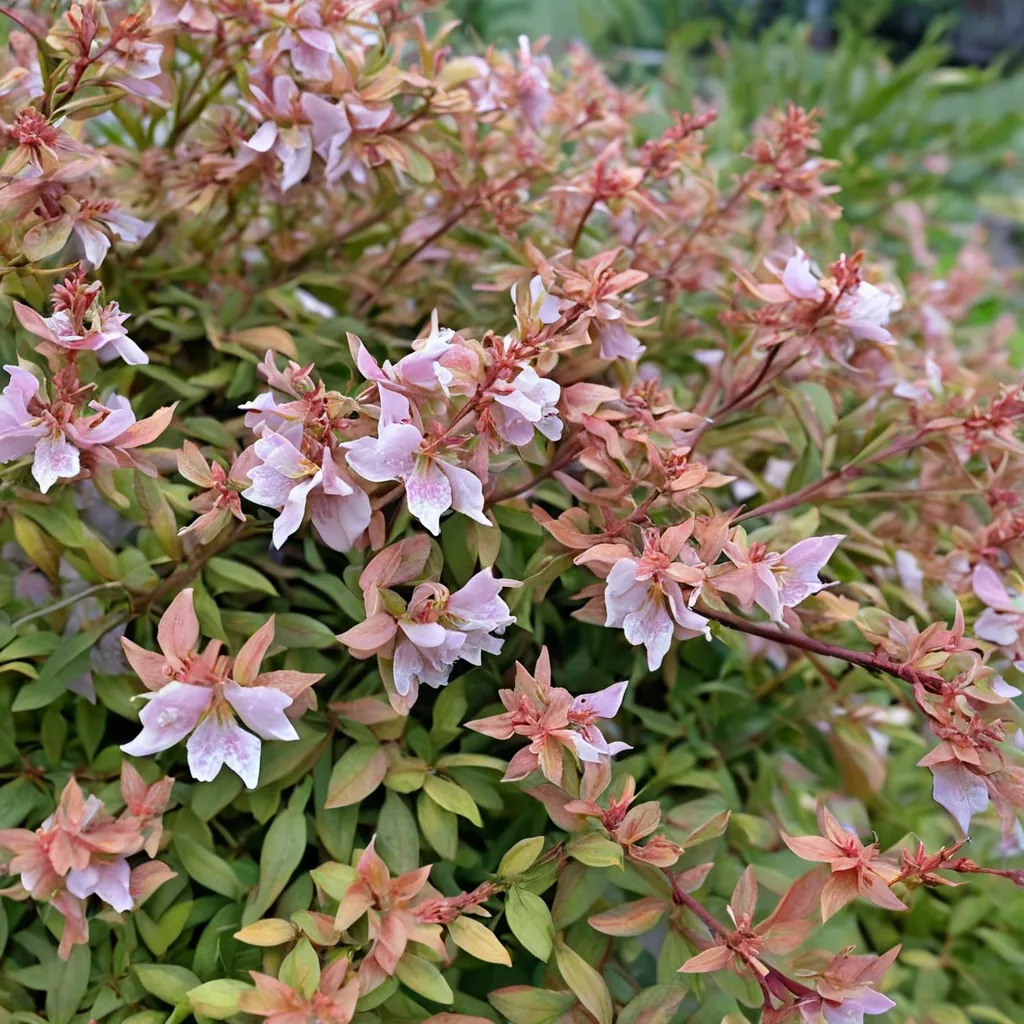
Glossy Abelia 'Poco Loco'
Abelia x grandiflora 'Poco Loco'
Keep exploring
Explore the genus
Hardy in your zone?
Grow Chinese Abelia with confidence
See it in a design of your actual yard, get zone-matched care reminders, and track it season by season in your garden journal.