Also known as Bush Honeysuckle · 402 saves
Diervilla
Diervilla, the genus most gardeners know as bush honeysuckle. We track 10 varieties; the ones most used by real gardeners.
The 10 most-saved Diervilla varieties
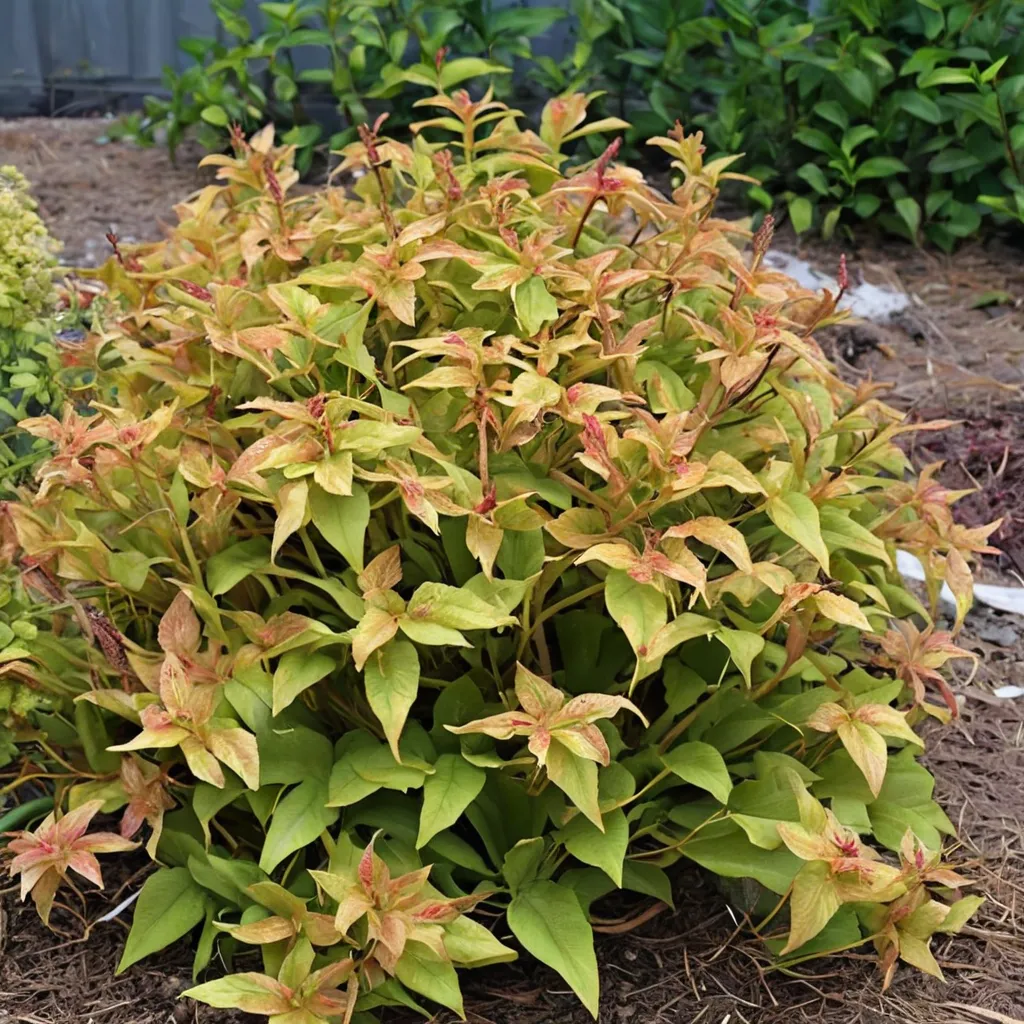
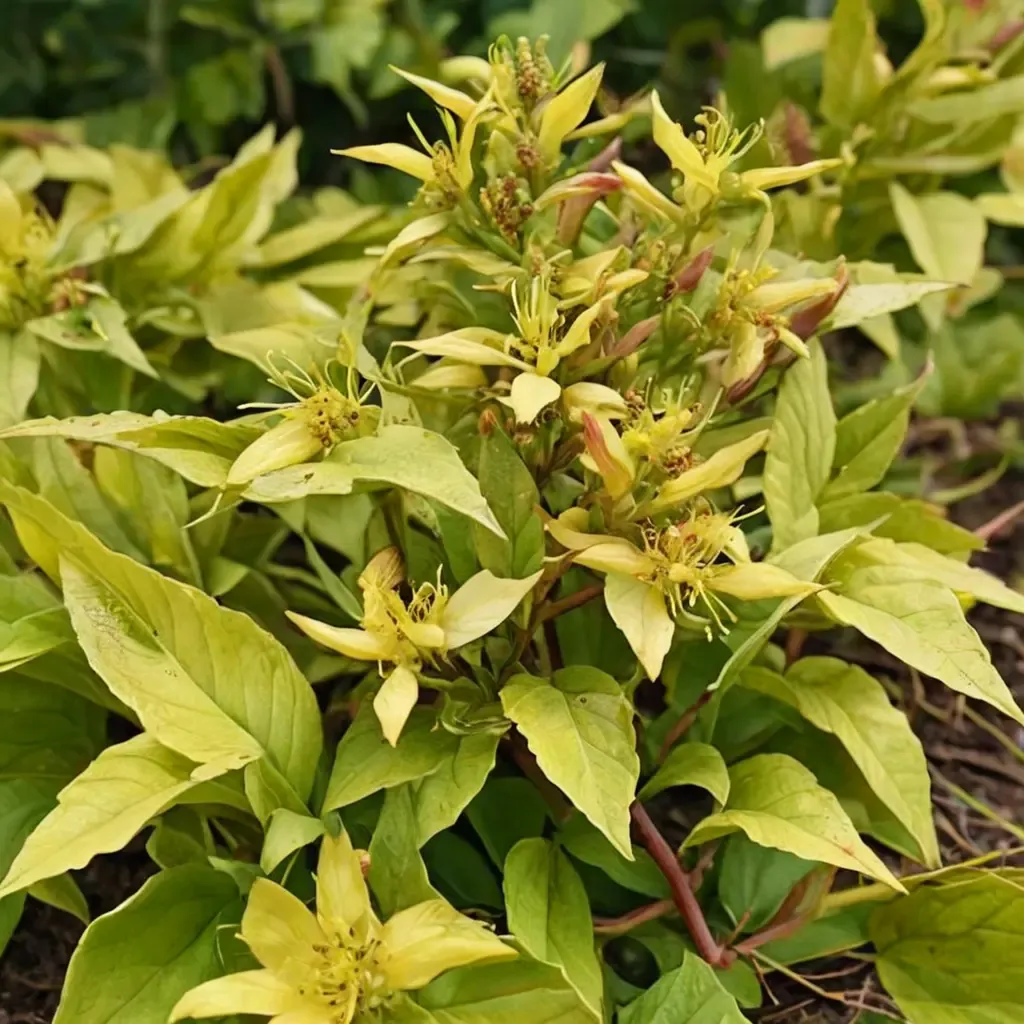
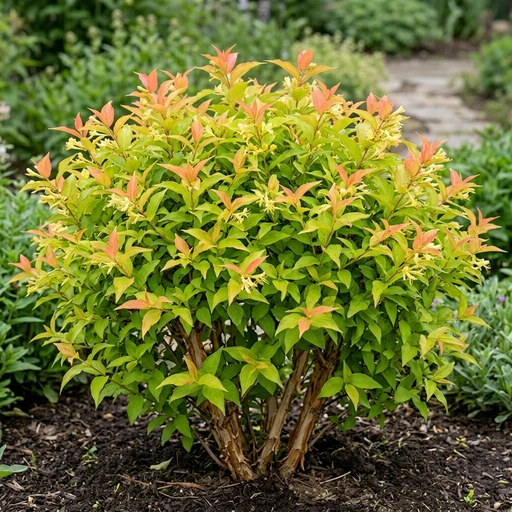
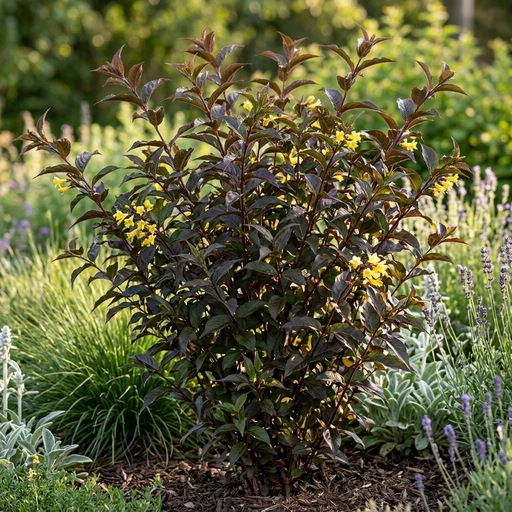
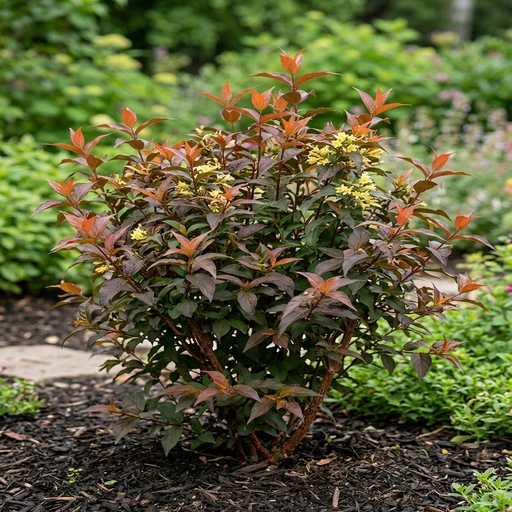
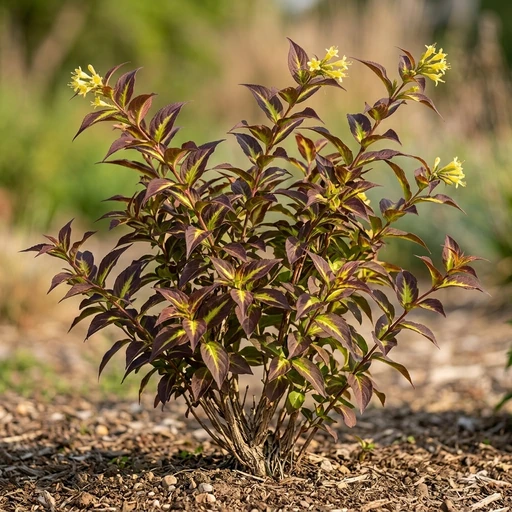
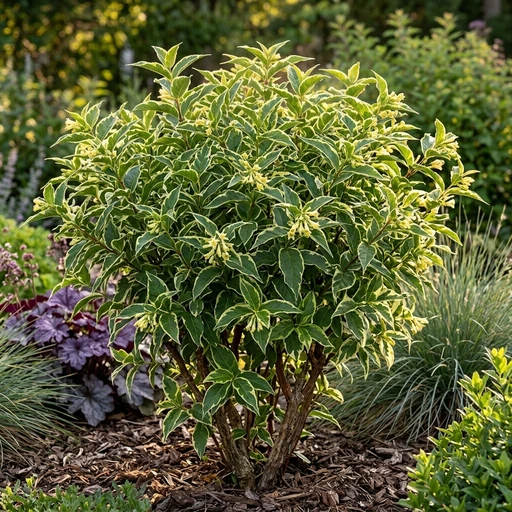
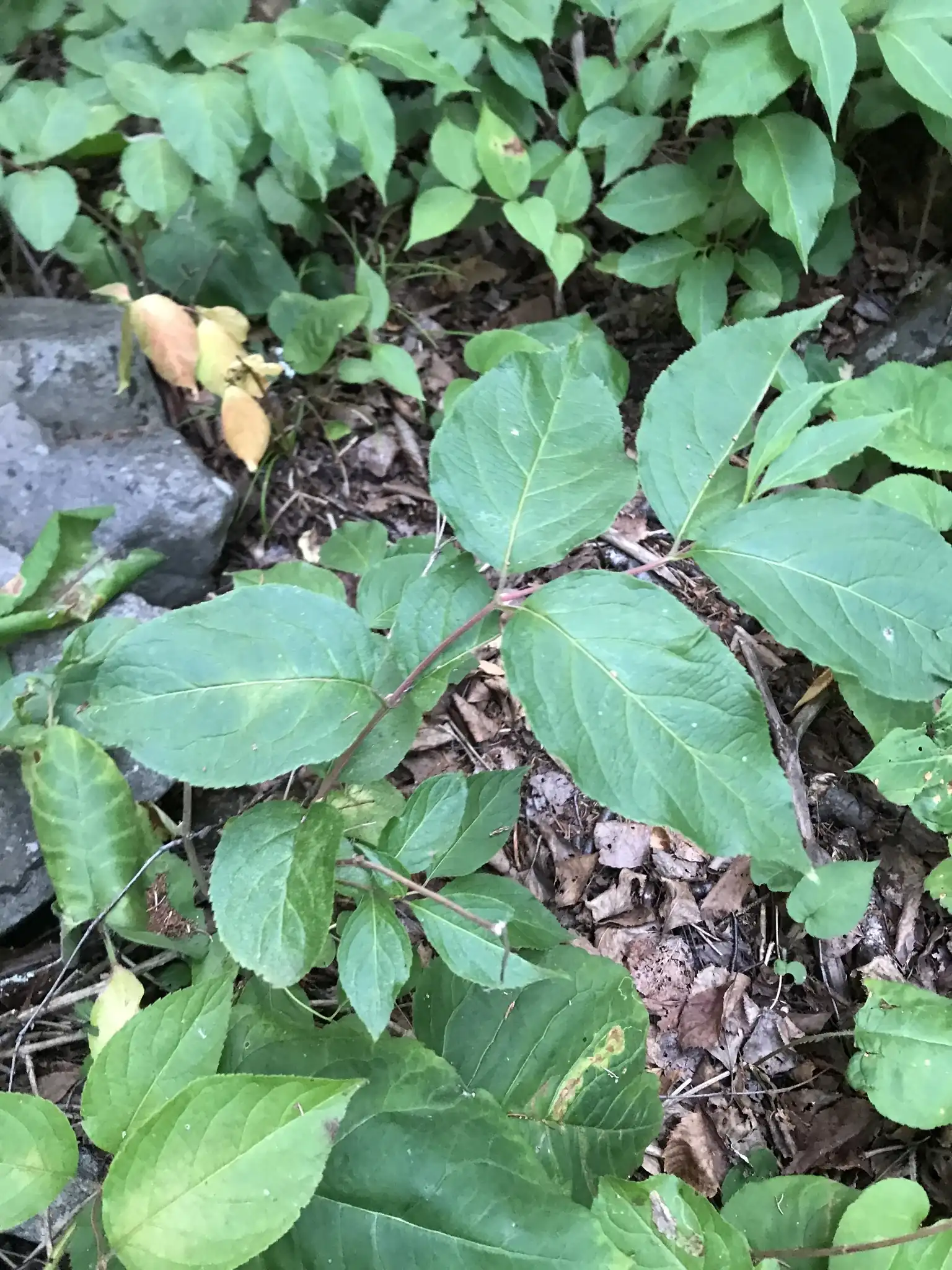
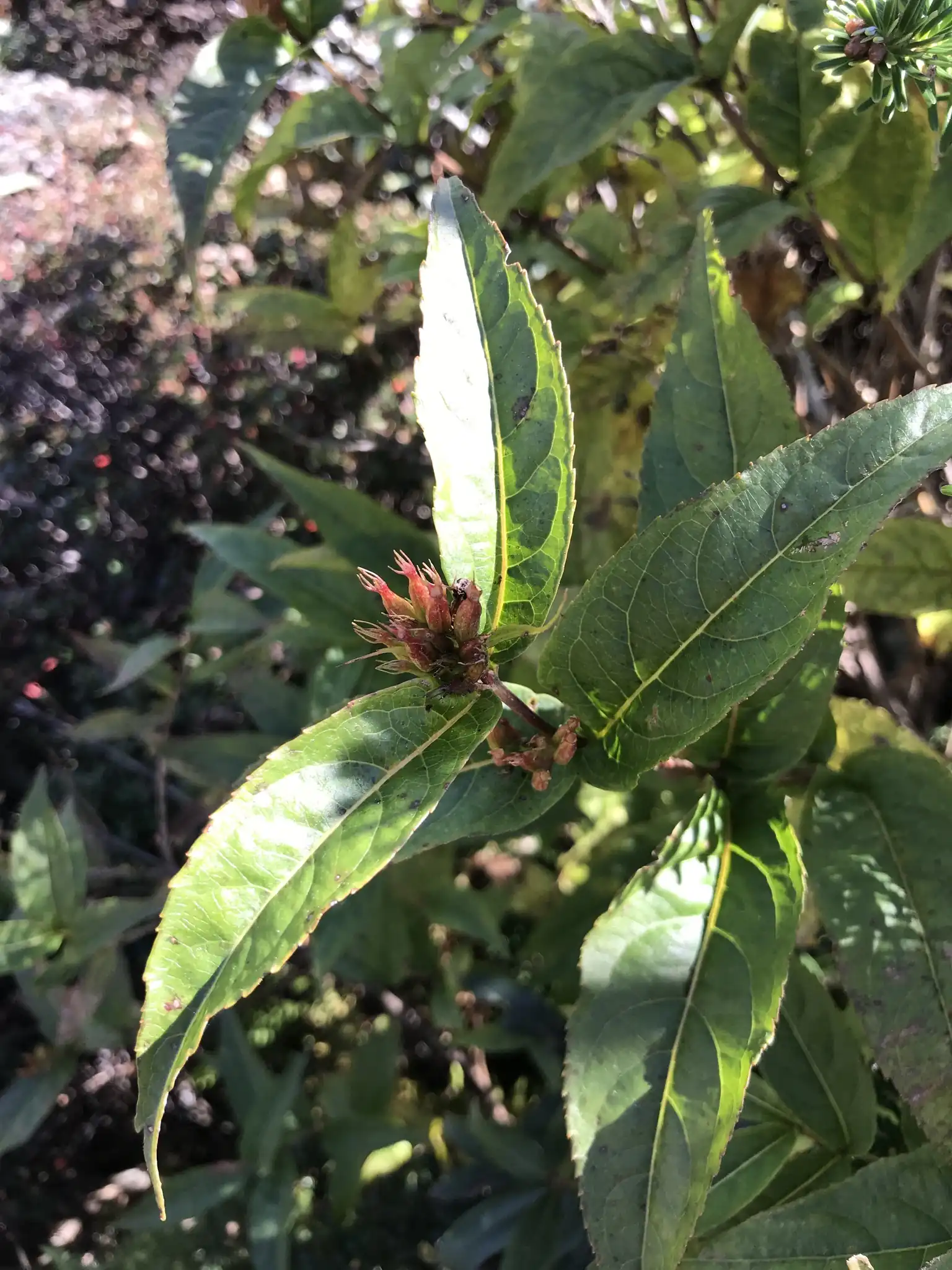
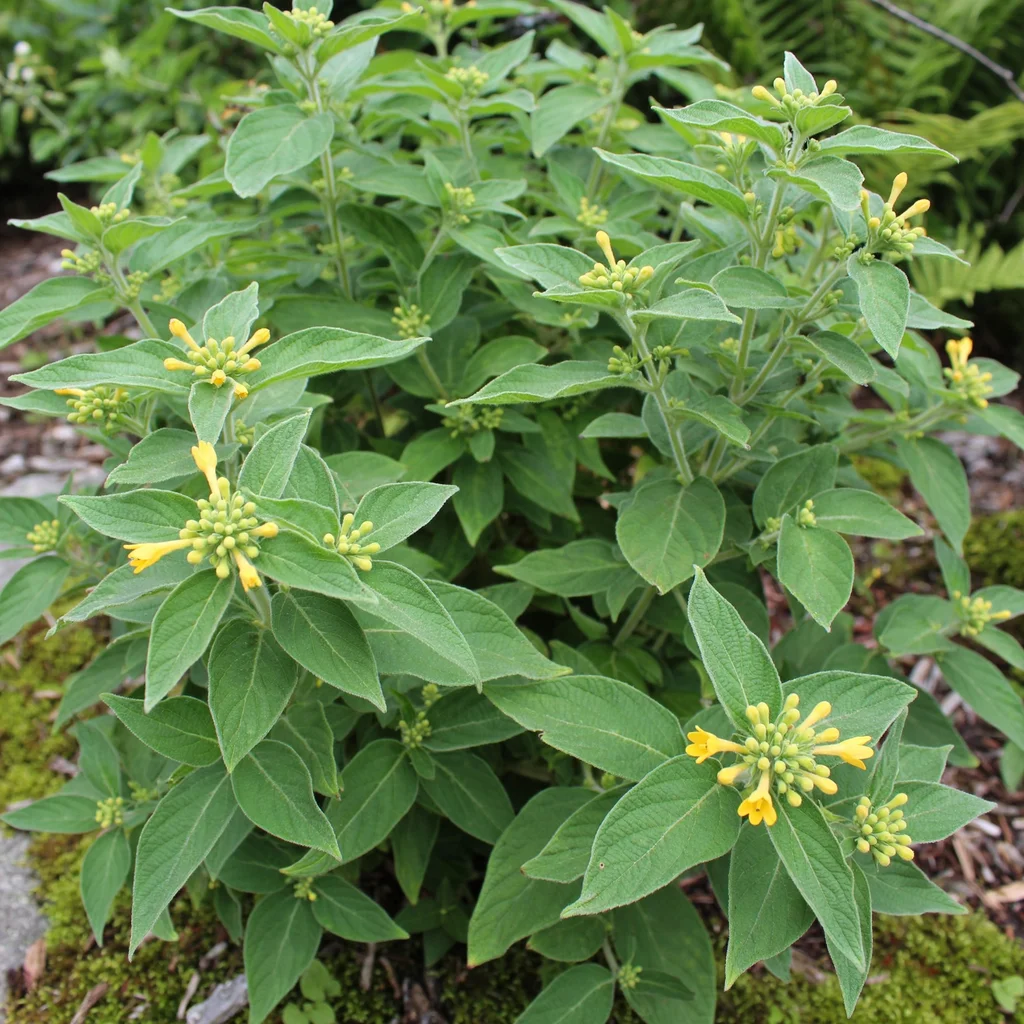
3 species of Diervilla
Each one is a parent of the varieties above.
Track your Diervilla in Sow
Save the Diervilla you grow and get care reminders timed to your zone.
How to grow Diervilla
Whats common across all Diervilla varieties in our catalog — drawn from the care records of the 10 most-grown of them.
The Diervilla year
- PruneMarch and April100% of varieties
Prune back by about one-third in late winter to encourage vigorous new growth.
- MulchMay60% of varieties
A light layer of mulch can help conserve moisture, but it's very drought tolerant.
- PlantApril, May, October and November50% of varieties
Plant in spring or fall in any average soil.
- PropagateJune and July30% of varieties
Propagate easily using softwood cuttings in early summer.


Do
- Plant in full sun for the darkest foliage.
- Prune in early spring to maintain shape and encourage new growth.
- Water occasionally during extreme drought, but it is very resilient.
- Use in mass plantings for a dramatic, low-maintenance groundcover effect.
- Water consistently during dry spells 🌱
Avoid
- Don't worry about deer or rabbits; they tend to leave it alone.
- Do not plant in waterlogged or constantly wet soil.
- Don't plant in constantly wet or boggy soil.
- Avoid over-fertilizing, which is unnecessary and can lead to weak growth.
What goes wrong with Diervilla
| Problem | What you'll see | What to do |
|---|---|---|
| Aphids | Clusters of small insects on new growth tips. | Usually not a serious problem. A strong spray of water can dislodge them. Insecticidal soap for heavier infestations. |
| Generally pest-free | No significant insect damage is typical | Monitor only; no routine treatment needed |
| Sap-feeding insects | Occasional light feeding or minor leaf distortion. | Rinse foliage with a strong jet of water or allow natural predatory insects to suppress populations. |
| Scale insects | Small bumps on stems and leaves | Use horticultural oil or insecticidal soap |
| Leaf Spot | Occasional spots on leaves, especially in very wet weather. | Generally not a concern. Ensure good air circulation. Remove heavily affected leaves if desired. |
| Powdery Mildew | White, powdery coating on leaves, especially in humid conditions with poor air flow. | Rarely needs treatment. Ensure good spacing for air circulation. Apply horticultural oil or a fungicide as a preventative. |
| Generally disease-free | No significant disease issues are typical | Maintain reasonable drainage and air circulation |
Making more Diervilla
Softwood Cuttings
- Take 4-6 inch cuttings of new growth in early summer.
- Remove the lower leaves and dip the cut end in rooting hormone.
- Insert into a moist, well-drained potting mix.
- Keep in a humid environment; roots should form in 4-6 weeks.
Division
- Dig up mature shrub in early spring.
- Separate root clumps with a sharp knife.
- Replant divisions immediately in prepared soil.
Diervilla questions
How many types of Diervilla are there?
The Sow catalog tracks 10 distinct Diervilla varieties. The most popular — ranked by 402 real gardeners — are shown first above.
What zones does Diervilla grow in?
Across its varieties, Diervilla covers USDA Zones 4–8. Individual varieties differ — each plant page lists its exact range, and Sow filters the catalog to your zone automatically.
When does Diervilla bloom?
Most Diervilla varieties bloom in mid-summer, early summer, early to midsummer. Staggering early, mid, and late varieties extends the genus's season in one bed.
Which Diervilla should I choose?
Start from the most-saved varieties above — popularity across thousands of gardens is a strong signal of reliability — then filter by your zone and sun. In the Sow app you can preview any of them in a photo of your actual yard before you buy.