2 named cultivars


The Story
Plant Bio
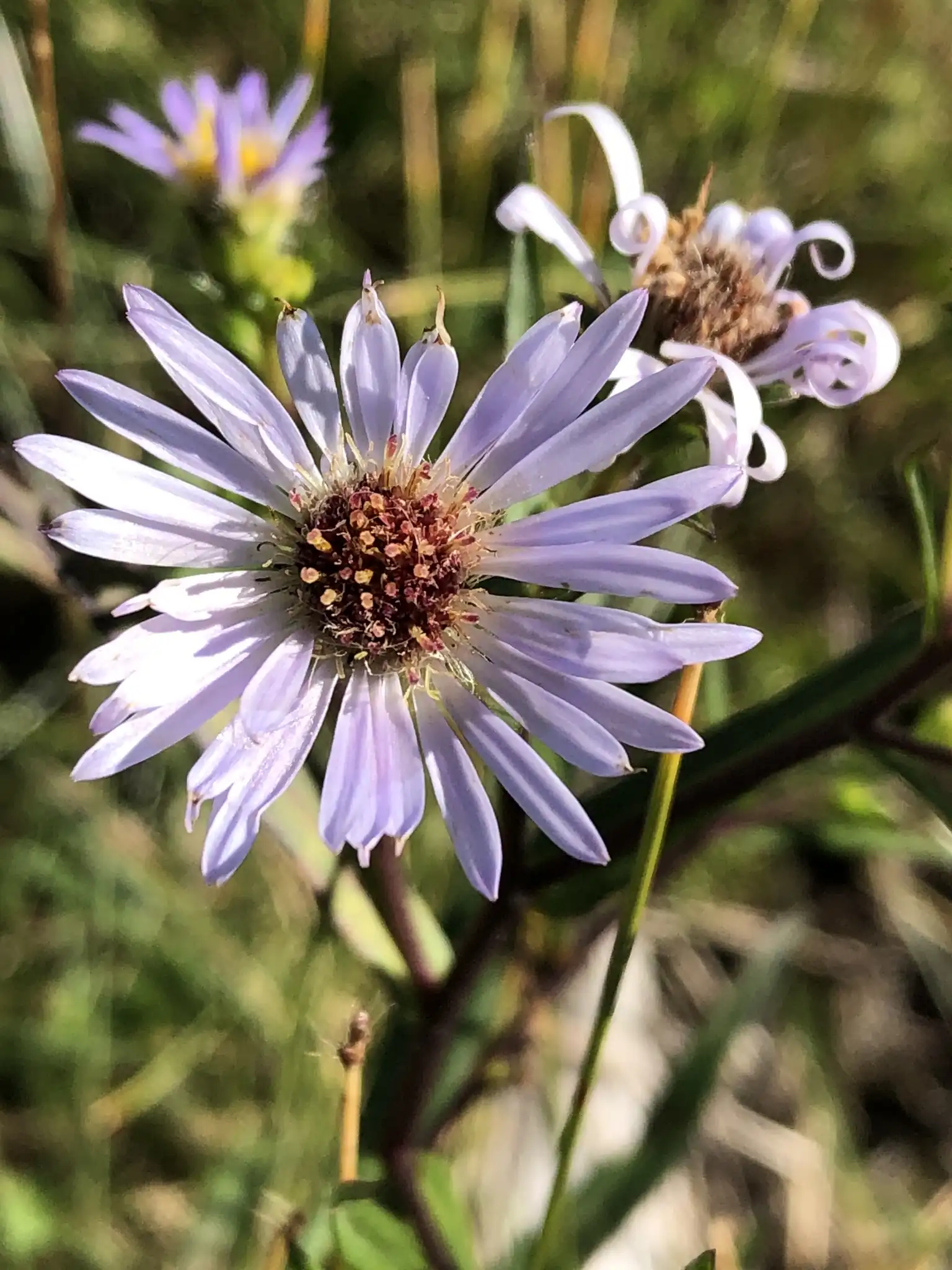
Symphyotrichum novi-belgii is a native perennial that forms bushy clumps of smooth, lance-shaped leaves, producing a profusion of daisy-like flowers with yellow centers in late summer and fall.
This species is a key parent for many garden aster cultivars and is valued for its late-season bloom, providing critical nectar for migrating monarchs and other pollinators.
Uses & Benefits:
Essentials
At a Glance
Plant Type
Perennial
Height
48"
Width
30"
Light
Full Sun
Zones
4, 5, 6, 7, 8
Water
Medium to wet
Lifespan
Perennial
Native To
Eastern North America
Toxicity
Non-toxic
Planting
How to Grow
- Select a site in full sun with moist, well-drained soil.
- Space plants 2-3 feet apart to ensure good air circulation.
- Plant at the same depth as in the nursery pot.
- Water well after planting.
- Pinch stems back in June to encourage branching and more flowers.
- Divide clumps every 2-3 years in spring to maintain vigor.
Pro Tip
Pinch back stems by half before mid-summer to promote a bushier habit and prevent flopping later in the season.
Keep It Thriving
Care Guide
Do
- Provide good air circulation to minimize powdery mildew.
- Water during dry spells to keep foliage healthy.
- Divide clumps when they become overcrowded.
- Provide full sun for the strongest stems and best flowering.
Don't
- Don't plant in deep shade, which causes weak stems and poor flowering.
- Avoid overhead watering, which can encourage fungal diseases.
- Don't let plants get too tall and leggy without pinching.
- Don't plant in very dry soil.
Seasonal Care Calendar
| Task | Jan | Feb | Mar | Apr | May | Jun | Jul | Aug | Sep | Oct | Nov | Dec |
|---|---|---|---|---|---|---|---|---|---|---|---|---|
| Divide | ||||||||||||
| Pest Check | ||||||||||||
| Pinch |
Watch Out For
Pests & Diseases
Common Pests
Common Diseases
In the Garden
Landscape Uses & Companions
Landscape Uses
Multiply
Propagation Methods
Good to Know
Common Questions
New York Aster questions
What zones can New York Aster grow in?
New York Aster is hardy in USDA Zones 4–8. Inside that range it survives winter in the ground; outside it, grow it as an annual or a container plant you protect.
Is New York Aster deer resistant?
Yes — New York Aster is rated deer-resistant. Deer typically pass it over, though extreme hunger can override any plant's defenses.
When does New York Aster bloom?
New York Aster typically blooms in late summer through mid-fall. Exact timing shifts a week or two with your zone — Sow's bloom calendar maps it to your garden.
Does New York Aster need full sun?
New York Aster does best in full sun (6+ hours).
More Symphyotrichum to compare
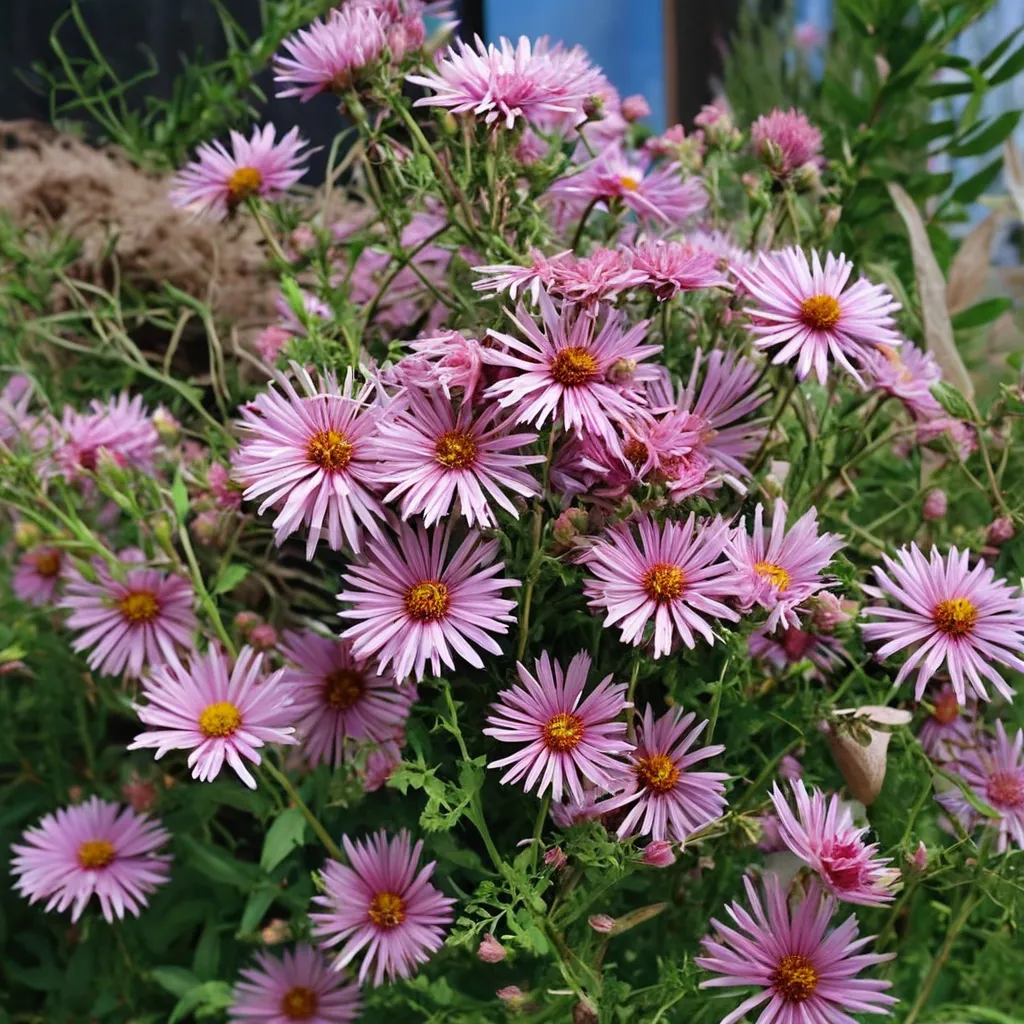
New England Aster Harringtons Pink
Symphyotrichum novae-angliae 'Harringtons Pink'
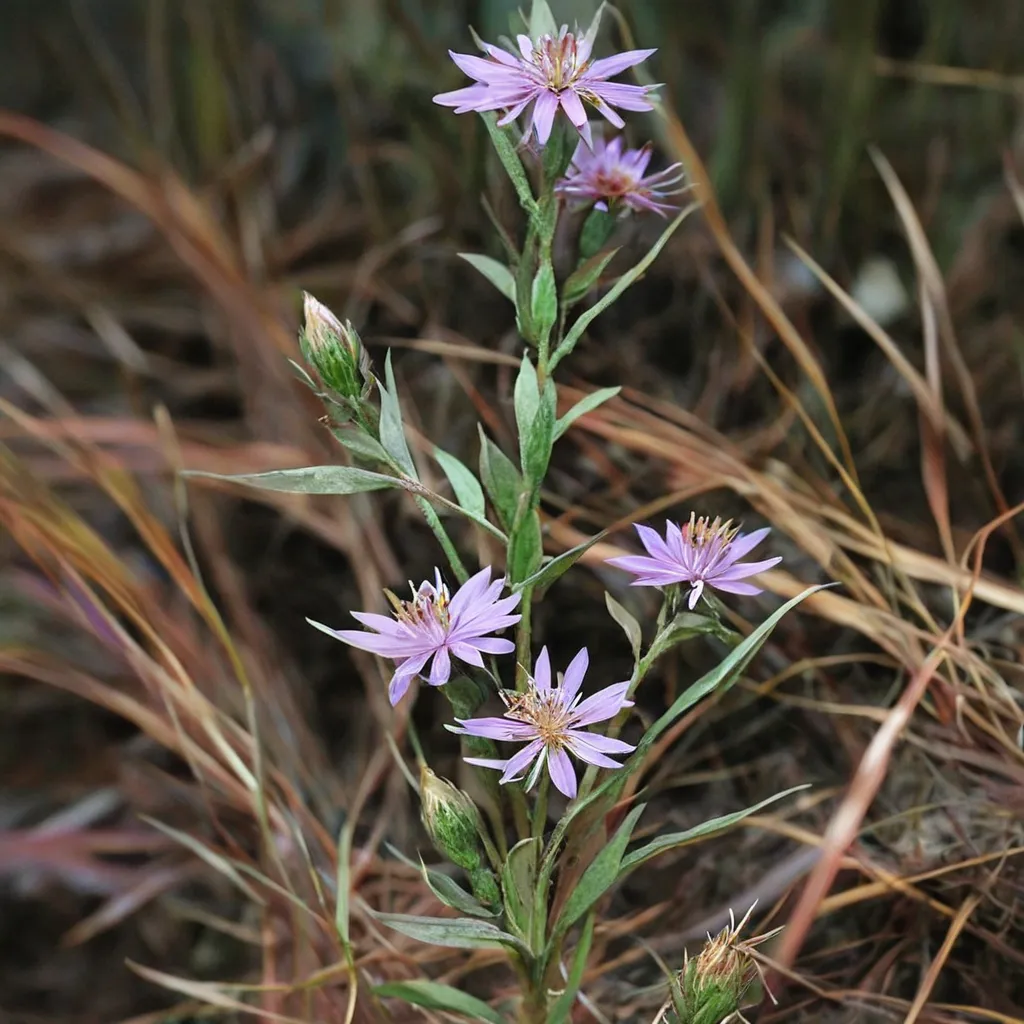
Eastern Silver Aster
Symphyotrichum concolor
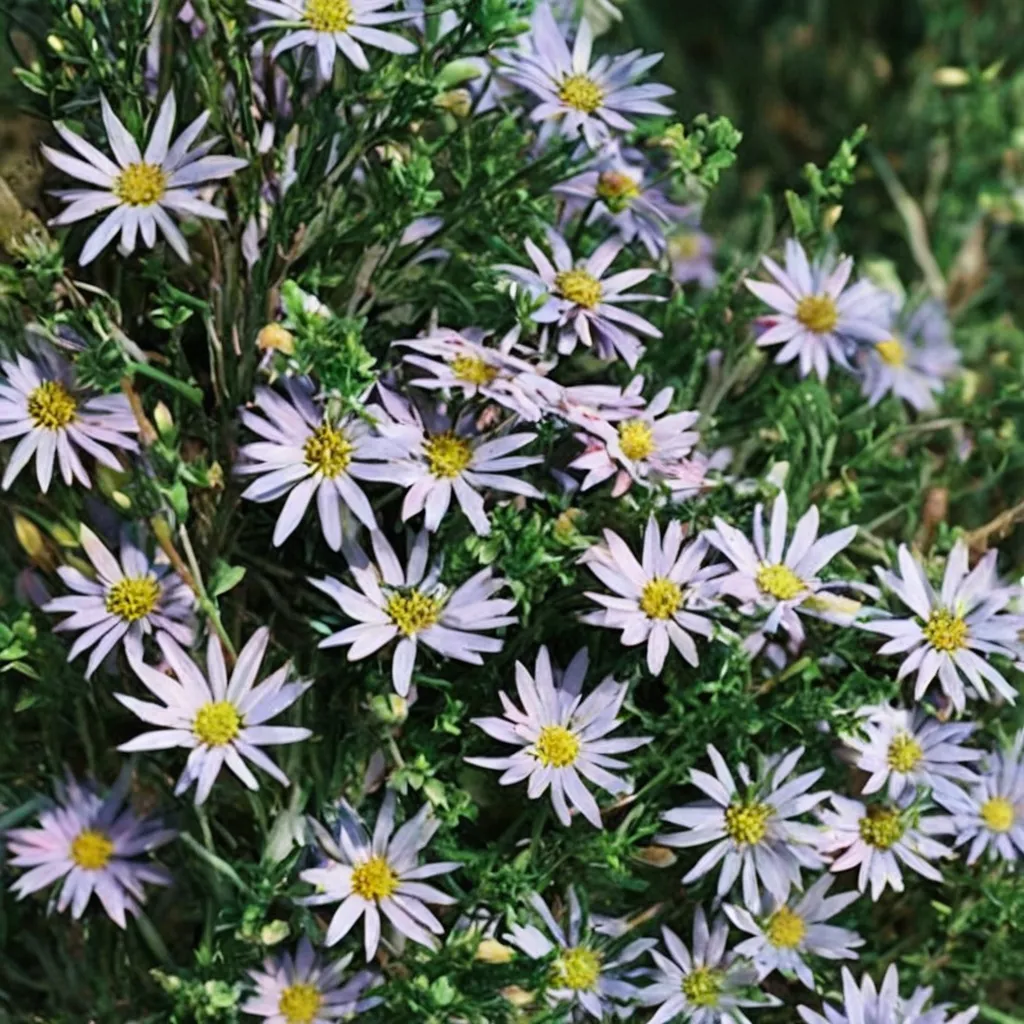
New Mexico Aster My Antonia
Symphyotrichum fendleri 'My Antonia'
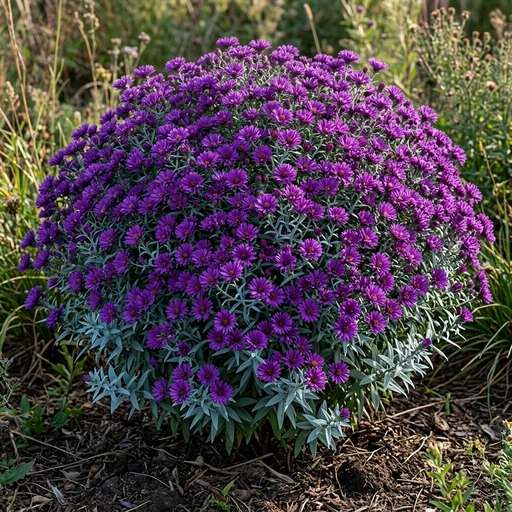
Purple Dome New England Aster
Symphyotrichum novae-angliae 'Purple Dome'
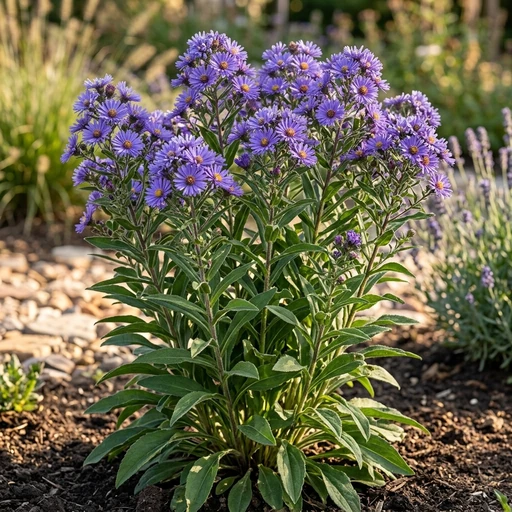
New England Aster
Symphyotrichum novae-angliae '05-196-10'
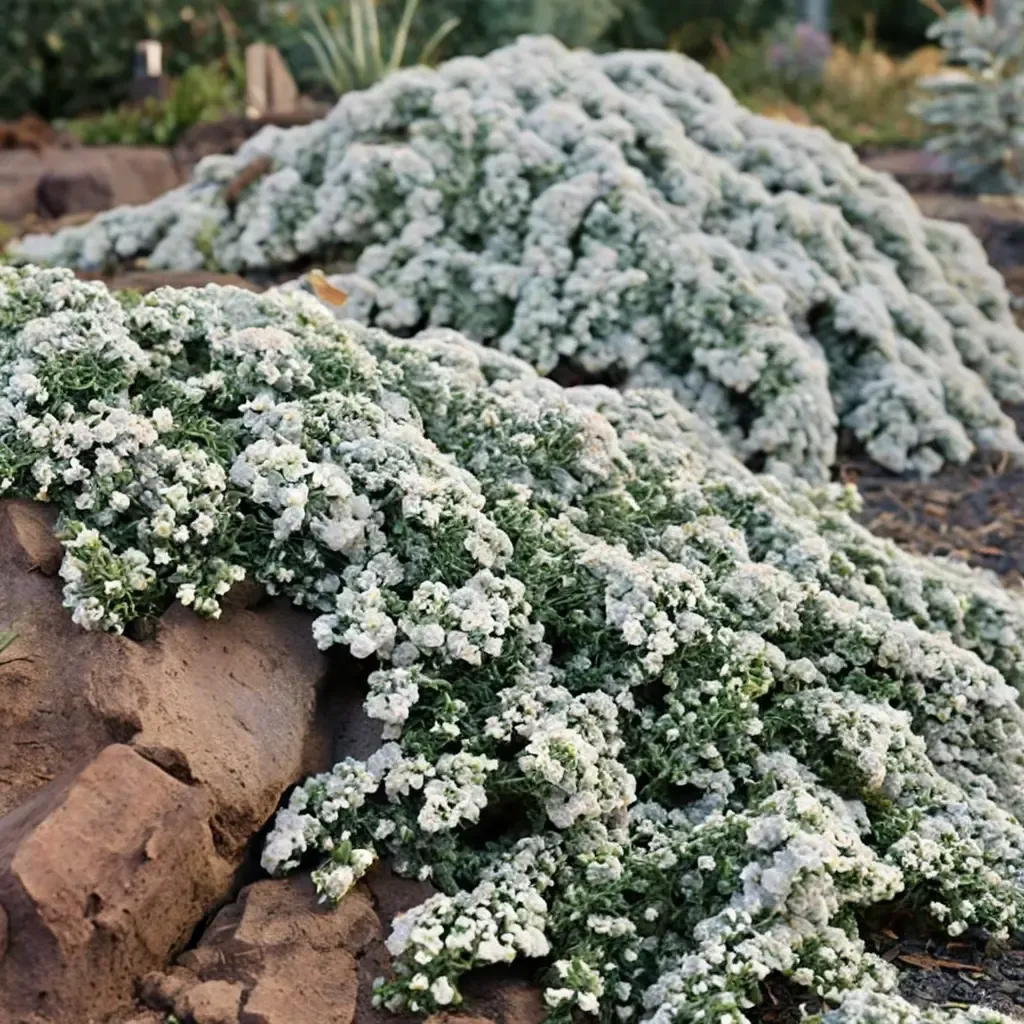
Snow Flurry Heath Aster
Symphyotrichum ericoides 'Snow Flurry'
Keep exploring
Explore the genus
Hardy in your zone?
Grow New York Aster with confidence
See it in a design of your actual yard, get zone-matched care reminders, and track it season by season in your garden journal.