The Story
Plant Bio
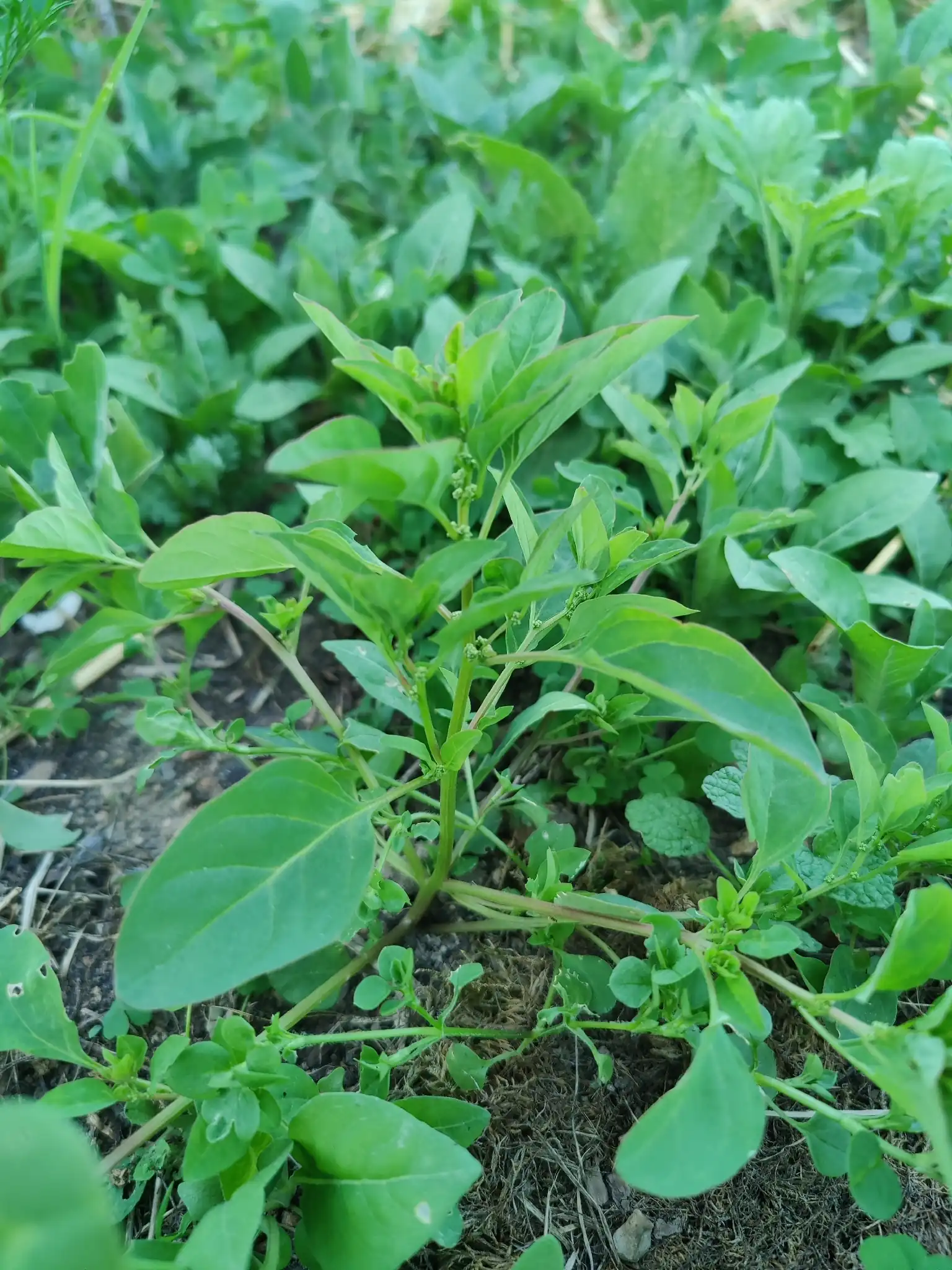
Lipandra polysperma, commonly known as manyseed goosefoot, is a sprawling to erect herbaceous annual characterized by distinct quadrangular stems that often flush bright red. It populates disturbed soils and garden beds across temperate Eurasia and parts of northeastern North America, producing inconspicuous greenish-red flower clusters from mid-summer into early fall.
This species is distinguished from similar goosefoots by its completely hairless, smooth-margined leaves and square stems. The plant produces an abundance of tiny seeds that serve as a food source for small ground-feeding birds.
Uses & Benefits:
Essentials
At a Glance
Plant Type
Annual
Height
40"
Width
20"
Light
Full Sun, Partial Sun
Zones
5, 6, 7, 8, 9
Water
Low to Moderate
Humidity
Unknown
Lifespan
Annual
Native To
Europe and Asia
Toxicity
Mildly toxic if ingested raw or in large quantities
Bloom period
Summer – Fall
In flower about 6 months of the year
Planting
How to Grow
- Sow seeds directly into well-drained, sandy or loamy soil after all danger of spring frost has passed.
- Select a site that receives full sun to partial shade, as this plant thrives in bright conditions.
- Water sparingly once seedlings emerge, allowing the soil to dry out between waterings to prevent root rot.
- Monitor the plants in late summer and remove seed heads manually if you wish to limit self-seeding.
Pro Tip
Hand-pull or cut back the stems before the flowers drop their abundant seeds to prevent this opportunistic annual from self-sowing aggressively in cultivated garden beds.
Keep It Thriving
Care Guide
Do
- Grow in lean, unfertilized soil to maintain a compact, manageable growth habit.
- Ensure the planting site has excellent drainage to avoid waterlogged conditions.
- Pull unwanted volunteer seedlings early in spring before they establish deep taproots.
Don't
- Do not apply nitrogen-rich fertilizers, which trigger excessive, weak vegetative growth.
- Avoid planting in low-lying areas of the garden where water tends to collect.
- Do not consume raw foliage in large quantities due to the presence of soluble oxalates.
Seasonal Care Calendar
| Task | Jan | Feb | Mar | Apr | May | Jun | Jul | Aug | Sep | Oct | Nov | Dec |
|---|---|---|---|---|---|---|---|---|---|---|---|---|
| Pest Check | ||||||||||||
| Plant | ||||||||||||
| Propagate | ||||||||||||
| Prune |
Watch Out For
Pests & Diseases
Common Pests
Common Diseases
In the Garden
Landscape Uses & Companions
Landscape Uses
Companion Plants
Multiply
Propagation Methods
Good to Know
Common Questions
Manyseed Goosefoot questions
What zones can Manyseed Goosefoot grow in?
Manyseed Goosefoot is hardy in USDA Zones 5–9. Inside that range it survives winter in the ground; outside it, grow it as an annual or a container plant you protect.
When does Manyseed Goosefoot bloom?
Manyseed Goosefoot typically blooms in summer through fall. Exact timing shifts a week or two with your zone — Sow's bloom calendar maps it to your garden.
Does Manyseed Goosefoot need full sun?
Manyseed Goosefoot does best in full sun to part shade. In hot climates, afternoon shade keeps blooms fresher longer.
Is Manyseed Goosefoot drought tolerant?
Yes — once established (usually after the first full season), Manyseed Goosefoot handles dry spells with minimal watering. Water deeply its first year to build the root system that makes that possible.
Keep exploring
Explore the genus
Hardy in your zone?
Grow Manyseed Goosefoot with confidence
See it in a design of your actual yard, get zone-matched care reminders, and track it season by season in your garden journal.