24 saves
Dichondra
We track 4 varieties; the ones most used by real gardeners.
The 4 most-saved Dichondra varieties
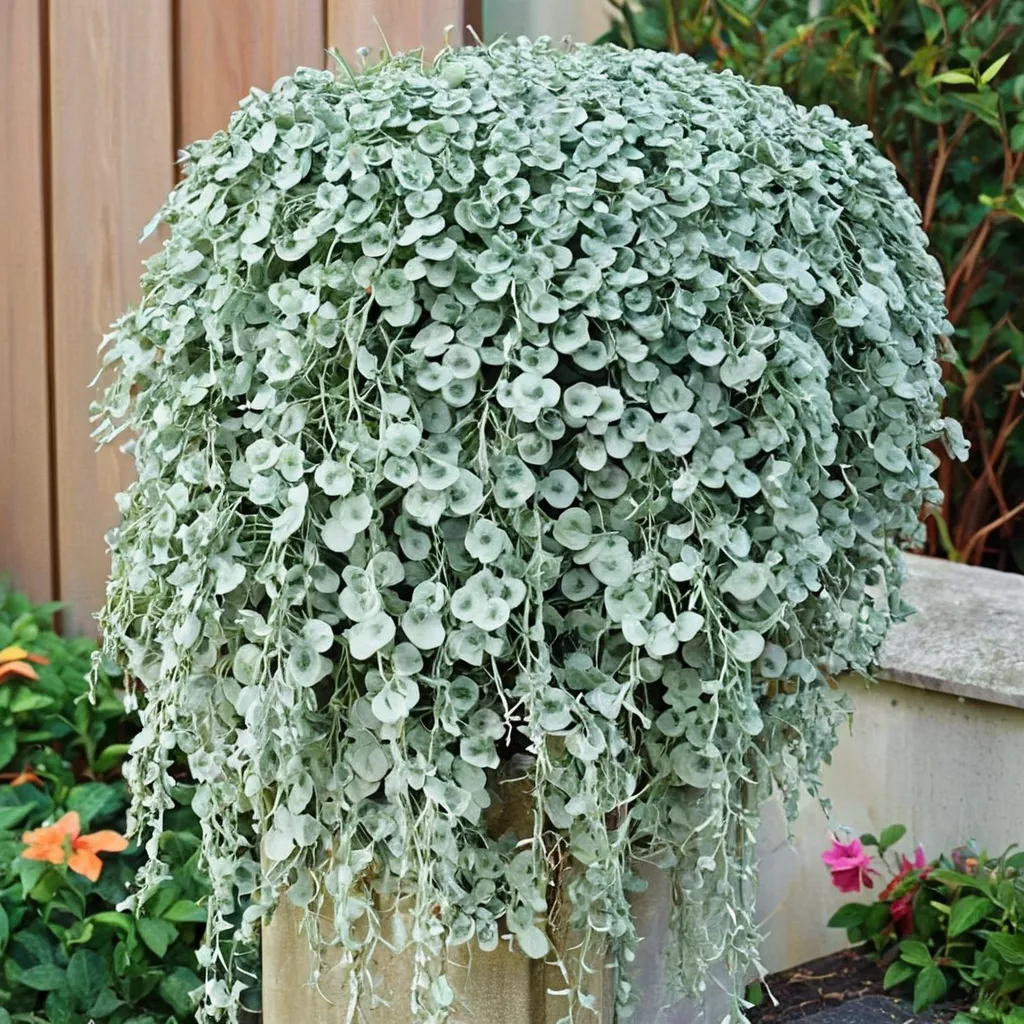

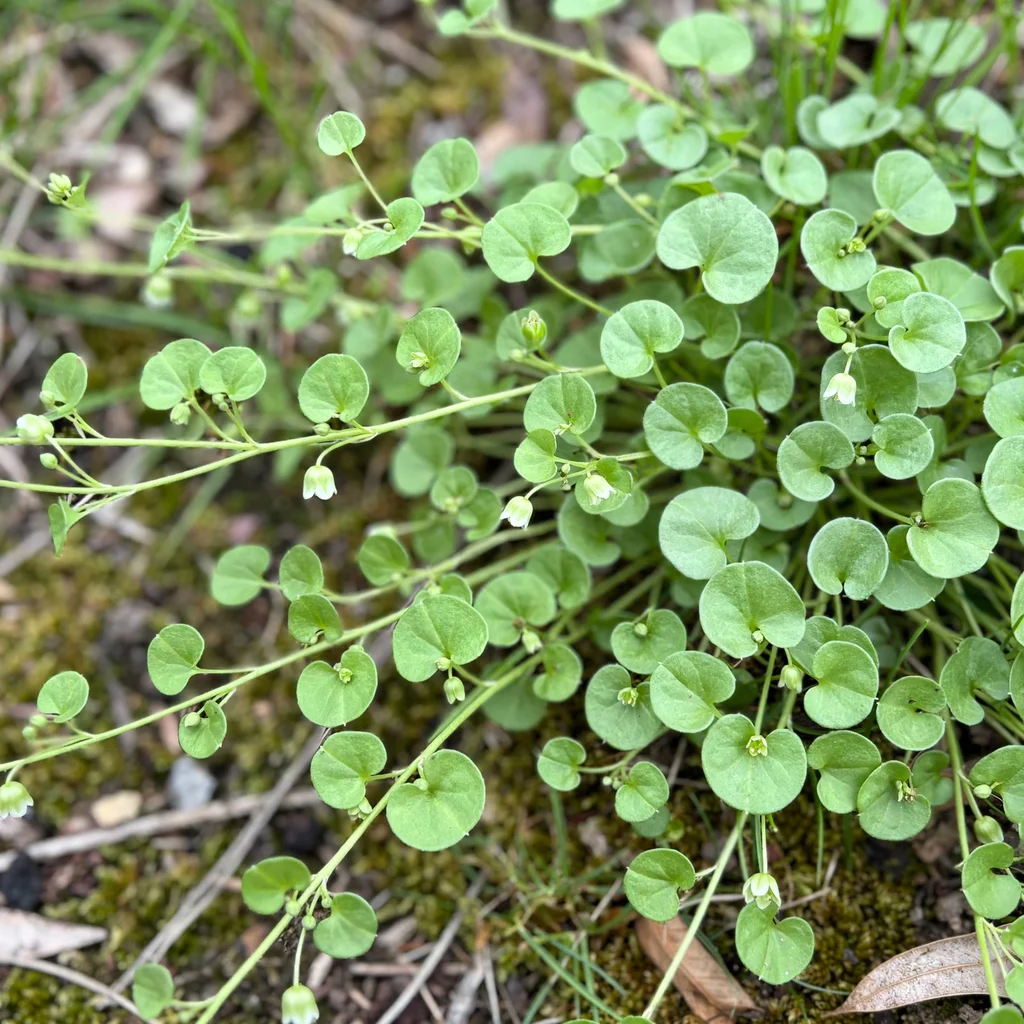

3 species of Dichondra
Each one is a parent of the varieties above.
Track your Dichondra in Sow
Save the Dichondra you grow and get care reminders timed to your zone.
How to grow Dichondra
Whats common across all Dichondra varieties in our catalog — drawn from the care records of the 4 most-grown of them.
The Dichondra year
- FertilizeMarch and April100% of varieties
Apply a light, balanced controlled-release fertilizer to support spring growth.
- PropagateMarch and April100% of varieties
Divide rooted stem nodes to establish new plantings in spring.
- PruneSeptember75% of varieties
Trim back runners encroaching on pathways or garden borders.
- Check for PestsJune and July75% of varieties
Monitor foliage for slugs, snails, and spider mites during warm weather.


Do
- Do plant in shaded or partially shaded areas to prevent the foliage from burning in hot afternoon sun.
- Do ensure the soil drains freely to prevent fatal fungal root and stem rots.
- Do trim back encroaching runners along pathways or borders to maintain clean edges.
- Keep the soil consistently moist to encourage rapid spreading and rooting at the nodes.
- Mow or edge the mat once or twice a season if containment is required.
Avoid
- Don't subject the plant to heavy foot traffic or constant soil compaction.
- Don't overwater or allow the soil to remain waterlogged, especially in heavy clay soils.
- Don't shear hard into old, leafless wood, as it lacks the viable nodes needed to regenerate.
- Do not plant in heavily compacted, bone-dry soil where stems cannot root.
What goes wrong with Dichondra
| Problem | What you'll see | What to do |
|---|---|---|
| Aphids | Suck plant juices from tender new growth, causing distorted leaves. | Wash off with a strong jet of water or apply insecticidal soap. |
| Spider mites | Cause stippling and fine webbing on foliage in hot, dry conditions. | Increase moisture levels or apply targeted miticides. |
| Cutworms | Chew through stems and damage the dense foliage mat. | Apply Bacillus thuringiensis (Bt) or appropriate turf insecticides. |
| Slugs and snails | Feed on the soft, succulent kidney-shaped leaves, leaving holes. | Scatter iron-phosphate baits around the planting area. |
| Root rot | Causes wilting, yellowing, and dieback due to waterlogged soils. | Improve soil drainage and reduce irrigation frequency. |
| Leaf spot | Fungal spotting on leaves in damp, humid conditions. | Clear leaf debris and avoid overhead evening watering. |
| Root Rot and Stem Rot | Yellowing, wilting, and sudden collapse of patches within the mat under water-logged conditions. | Improve soil drainage and reduce watering frequency. |
Making more Dichondra
Division
- Locate a healthy section of the mat where stems have rooted firmly at the nodes.
- Use a sharp trowel to slice out a small clump, ensuring roots remain attached to the stems.
- Replant the division immediately into moist, well-draining soil at the same depth.
- Water thoroughly and keep the soil consistently moist until the new division establishes.
Division of Rooted Nodes
- Locate a healthy section of a creeping stem that has rooted firmly at a node.
- Carefully sever the stem on both sides of the rooted node using clean shears.
- Dig up the rooted node, keeping the surrounding soil and roots intact.
- Replant the division immediately into moist, well-prepared soil at the same depth.
Dichondra questions
How many types of Dichondra are there?
The Sow catalog tracks 4 distinct Dichondra varieties. The most popular — ranked by 24 real gardeners — are shown first above.
What zones does Dichondra grow in?
Across its varieties, Dichondra covers USDA Zones 7–10. Individual varieties differ — each plant page lists its exact range, and Sow filters the catalog to your zone automatically.
When does Dichondra bloom?
Most Dichondra varieties bloom in late summer, spring. Staggering early, mid, and late varieties extends the genus's season in one bed.
Which Dichondra should I choose?
Start from the most-saved varieties above — popularity across thousands of gardens is a strong signal of reliability — then filter by your zone and sun. In the Sow app you can preview any of them in a photo of your actual yard before you buy.