
Species
 Olea europaeaOlive
1 other cultivar
The Story
Plant Bio
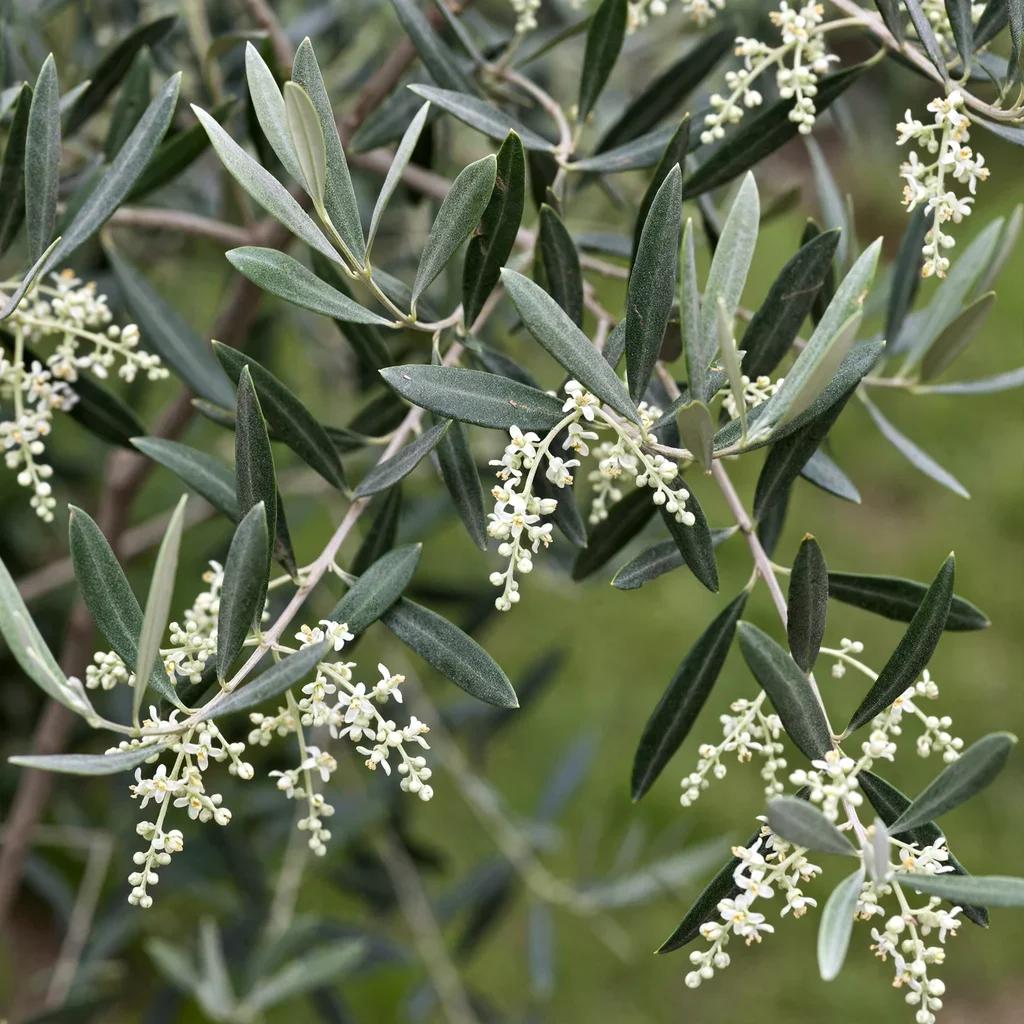
Olea europaea is a broadleaf evergreen tree native to the Mediterranean Basin, characterized by a spreading, rounded canopy and a gnarled, twisted trunk that develops with age. The leathery, lanceolate leaves are dark green above with distinct silvery-grey undersides, and the small, creamy-white flowers bloom in short axillary panicles during spring.
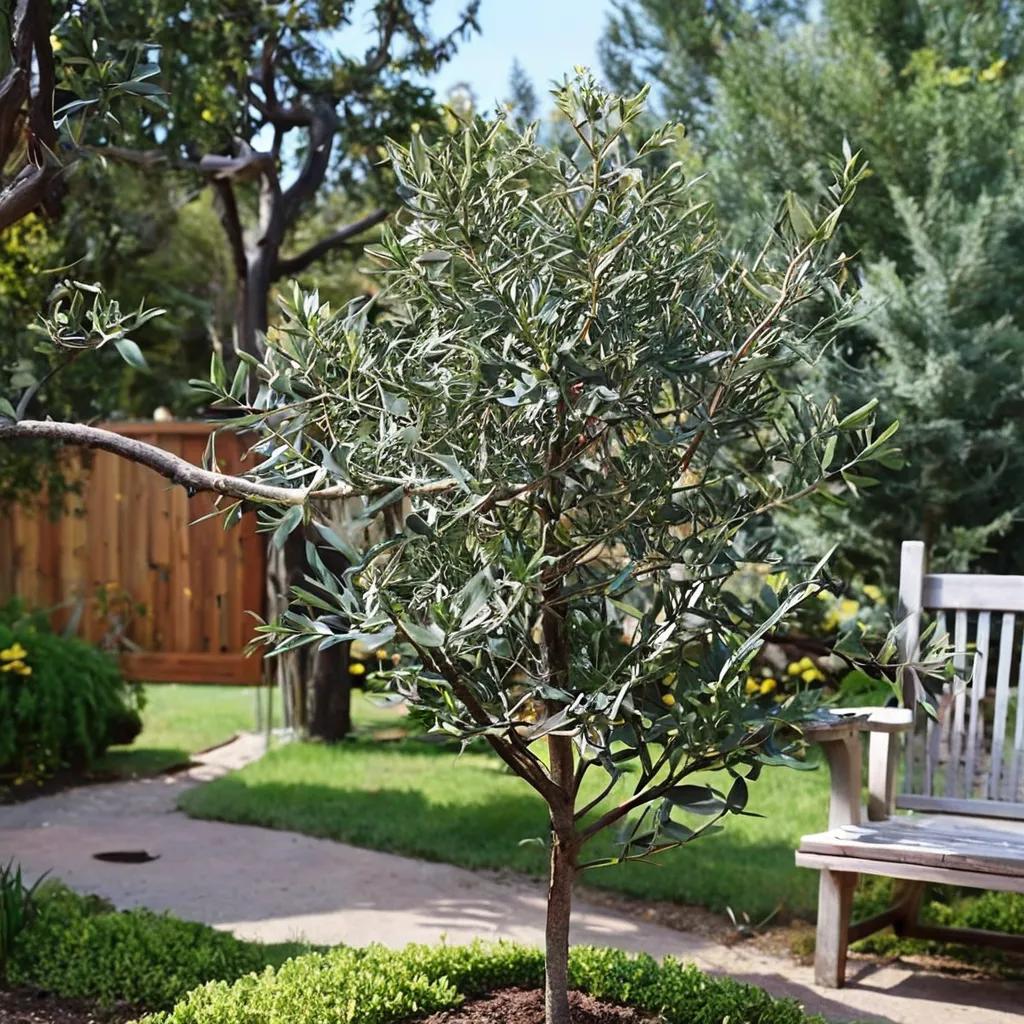
'Manzanillo' is a highly productive cultivar primarily grown for its large, fleshy green fruit used in olive oil and table olive production. This selection maintains a manageable, bushy habit that responds well to structural pruning, making it suitable for home orchards and Mediterranean-style gardens.
Uses & Benefits:
Essentials
At a Glance
Plant Type
Tree
Height
360"
Width
300"
Light
Full Sun
Zones
8, 9, 10
Water
Low
Humidity
Low to Moderate
Lifespan
Long-lived
Native To
Mediterranean Basin
Toxicity
Non-toxic
Bloom period
Spring – Early summer
In flower about 4 months of the year
Marketplace
Where to Buy
Shipping costs Year-round shipping Free shipping
Planting
How to Grow
- Select a planting site that receives at least six to eight hours of direct sunlight daily.
- Ensure the soil is loose, well-structured, and highly draining, avoiding heavy clay profiles.
- Dig a hole twice as wide as the root ball and plant at the same depth as the nursery container.
- Water deeply to establish the root system, then transition to minimal summer irrigation once the tree is established.
Pro Tip
Plant in exceptionally well-drained, loose soil and pair with a compatible pollinizer like 'Frantoio' or 'Mission' to dramatically increase fruit yields.
Keep It Thriving
Care Guide
Do
- Thin out the center of the canopy annually to improve light penetration and airflow.
- Clean up fallen overripe fruit in autumn to prevent pavement staining and slippery walking hazards.
- Apply a balanced, slow-release fertilizer or organic compost sparingly in early spring.
Don't
- Do not plant in heavy, poorly drained clay soils prone to waterlogging, which invites Phytophthora root rot.
- Do not prune aggressively into old, thick, leafless wood unless performing heavy rejuvenation pruning.
- Avoid heavy nitrogen applications late in the season, which stimulate weak, frost-tender growth.
Seasonal Care Calendar
| Task | Jan | Feb | Mar | Apr | May | Jun | Jul | Aug | Sep | Oct | Nov | Dec |
|---|---|---|---|---|---|---|---|---|---|---|---|---|
| Fertilize | ||||||||||||
| Harvest | ||||||||||||
| Pest Check | ||||||||||||
| Prune |
Watch Out For
Pests & Diseases
Common Pests
Common Diseases
In the Garden
Landscape Uses & Companions
Landscape Uses
Companion Plants
Multiply
Propagation Methods
Good to Know
Common Questions
Manzanillo Olive questions
What zones can Manzanillo Olive grow in?
Manzanillo Olive is hardy in USDA Zones 8–10. Inside that range it survives winter in the ground; outside it, grow it as an annual or a container plant you protect.
Is Manzanillo Olive deer resistant?
Not reliably. Deer may browse Manzanillo Olive, especially tender spring growth — plan on repellents or fencing where pressure is high.
When does Manzanillo Olive bloom?
Manzanillo Olive typically blooms in spring through early summer. Exact timing shifts a week or two with your zone — Sow's bloom calendar maps it to your garden.
Does Manzanillo Olive need full sun?
Manzanillo Olive does best in full sun (6+ hours).
Is Manzanillo Olive drought tolerant?
Yes — once established (usually after the first full season), Manzanillo Olive handles dry spells with minimal watering. Water deeply its first year to build the root system that makes that possible.
More Olea to compare
Keep exploring
Explore the genus
Hardy in your zone?
Grow Manzanillo Olive with confidence
See it in a design of your actual yard, get zone-matched care reminders, and track it season by season in your garden journal.