The Story
Plant Bio
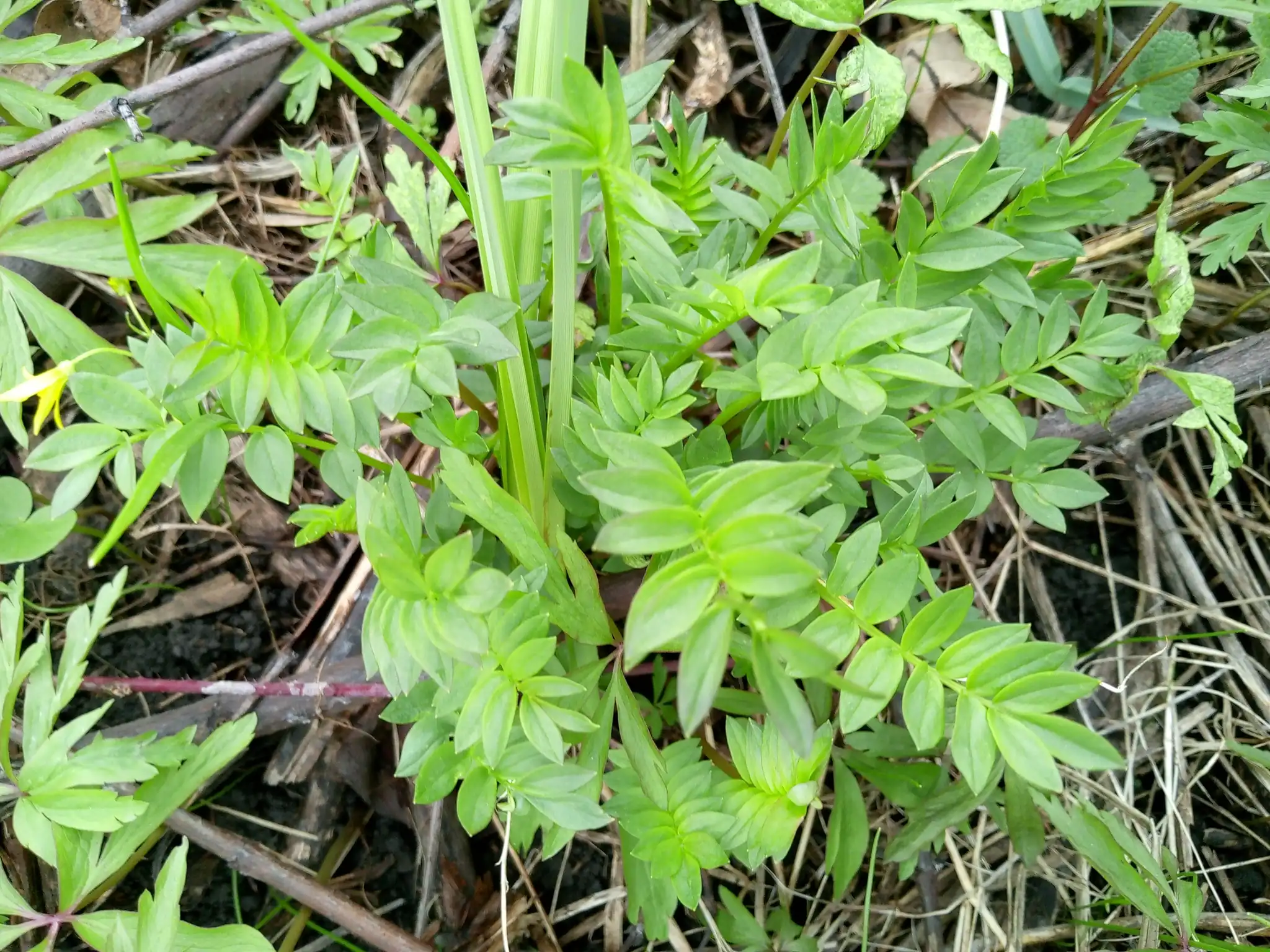
Polemonium caeruleum, commonly known as Jacob's ladder, is a clump-forming herbaceous perennial distinguished by its pinnately compound leaves arranged in a ladder-like configuration. In late spring, the plant produces loose, terminal clusters of sky-blue to violet-blue flowers with contrasting yellow stamens.
The species form maintains a neat, mounded foliage base of bright green leaflets that remains attractive throughout the growing season if kept consistently moist. Unlike some cultivars, the straight species reliably self-seeds in cool, shaded garden spots without losing its characteristic form.
Uses & Benefits:
Essentials
At a Glance
Plant Type
Perennial
Height
24"
Width
24"
Light
Partial Sun, Shade
Zones
4, 5, 6, 7, 8
Water
High
Humidity
Low
Lifespan
Perennial
Native To
Europe, Temperate Asia
Toxicity
Non-toxic
Bloom period
Late spring – Early summer
In flower about 2 months of the year
Planting
How to Grow
- Select a planting site in partial to full shade, ideally receiving morning sun and afternoon shade.
- Amend the soil with compost or leaf mold to create a rich, humus-dense, moisture-retentive medium.
- Dig a hole twice the width of the root ball, set the plant at soil level, and backfill gently.
- Water thoroughly and apply a two-inch layer of organic mulch to conserve soil moisture and keep roots cool.
Pro Tip
Cut the flowering stems and foliage back to the basal mound immediately after the spring bloom fades to prevent heavy self-seeding and stimulate a secondary flush of leaves and flowers in late summer.
Keep It Thriving
Care Guide
Do
- Keep the soil consistently moist, especially during dry summer spells.
- Apply a light layer of compost or balanced organic fertilizer in early spring.
- Divide established clumps every three to four years to maintain plant vigor.
Don't
- Do not allow the soil to dry out completely, which causes immediate leaf scorch and foliage decline.
- Do not plant in poorly drained areas where winter waterlogging occurs.
- Do not shear back into old, leafless woody stems at the base of the plant.
Seasonal Care Calendar
| Task | Jan | Feb | Mar | Apr | May | Jun | Jul | Aug | Sep | Oct | Nov | Dec |
|---|---|---|---|---|---|---|---|---|---|---|---|---|
| Divide | ||||||||||||
| Fertilize | ||||||||||||
| Mulch | ||||||||||||
| Prune |
Watch Out For
Pests & Diseases
Common Pests
Common Diseases
In the Garden
Landscape Uses & Companions
Landscape Uses
Companion Plants
Multiply
Propagation Methods
Good to Know
Common Questions
Jacob's Ladder questions
What zones can Jacob's Ladder grow in?
Jacob's Ladder is hardy in USDA Zones 4–8. Inside that range it survives winter in the ground; outside it, grow it as an annual or a container plant you protect.
Is Jacob's Ladder deer resistant?
Yes — Jacob's Ladder is rated deer-resistant. Deer typically pass it over, though extreme hunger can override any plant's defenses.
When does Jacob's Ladder bloom?
Jacob's Ladder typically blooms in late spring through early summer. Exact timing shifts a week or two with your zone — Sow's bloom calendar maps it to your garden.
Does Jacob's Ladder need full sun?
Jacob's Ladder does best in part shade.
More Polemonium to compare
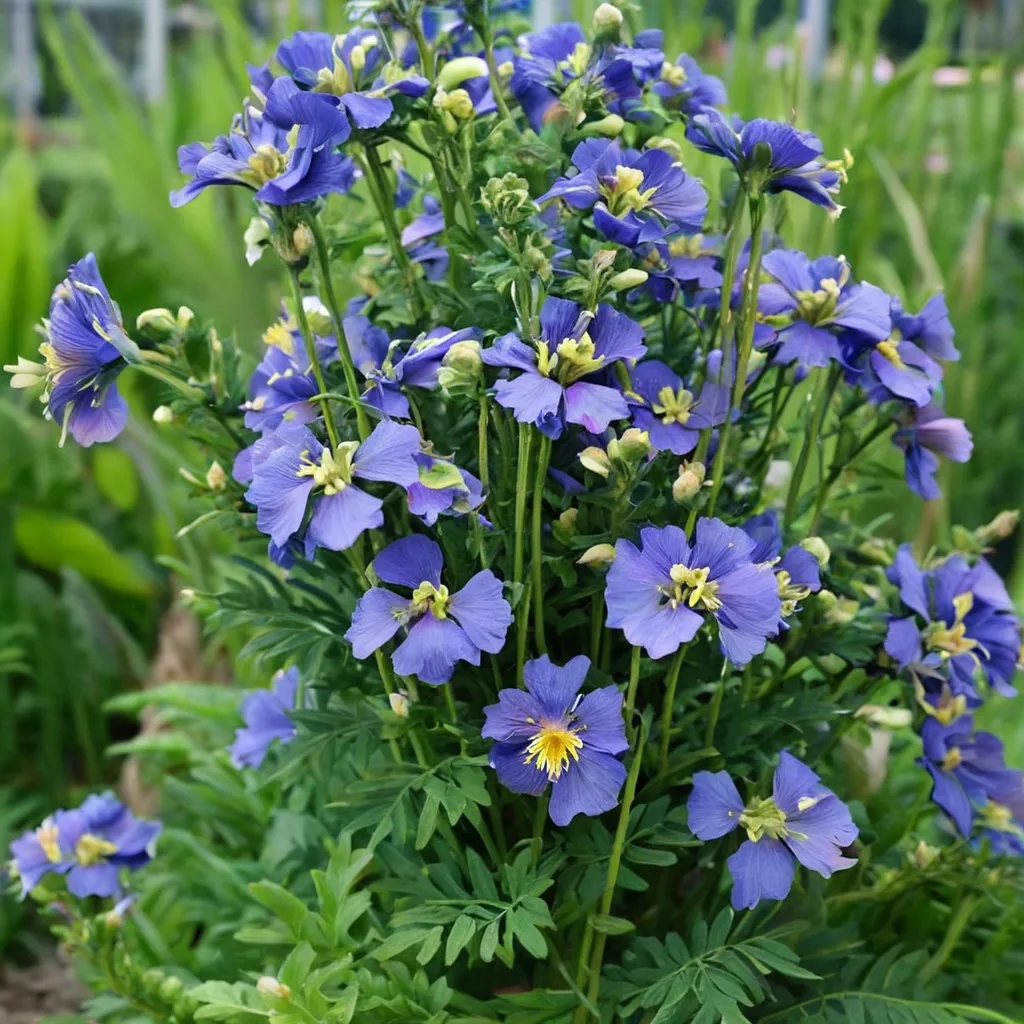
Heavenly Habit Jacob's Ladder
Polemonium boreale 'Heavenly Habit'
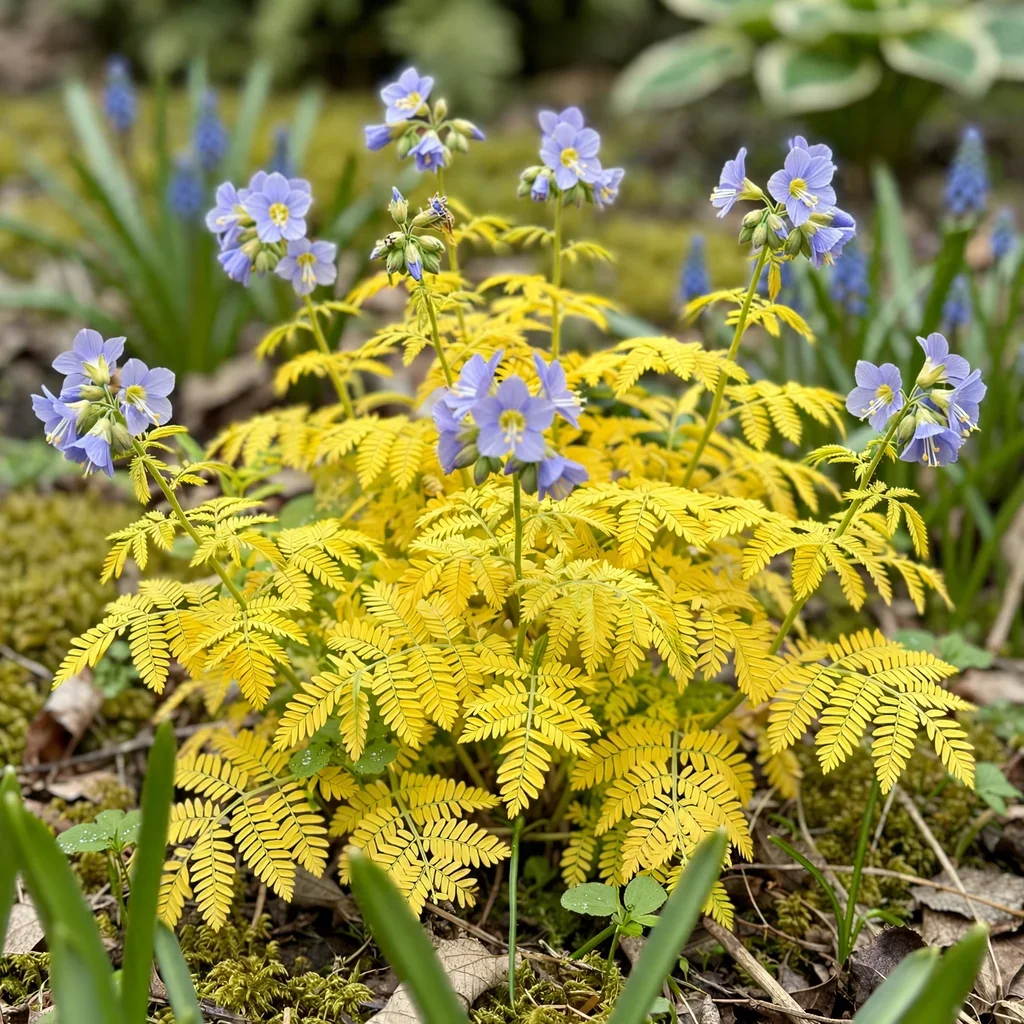
Jacob's Ladder Golden Feathers
Polemonium reptans 'Golden Feathers'
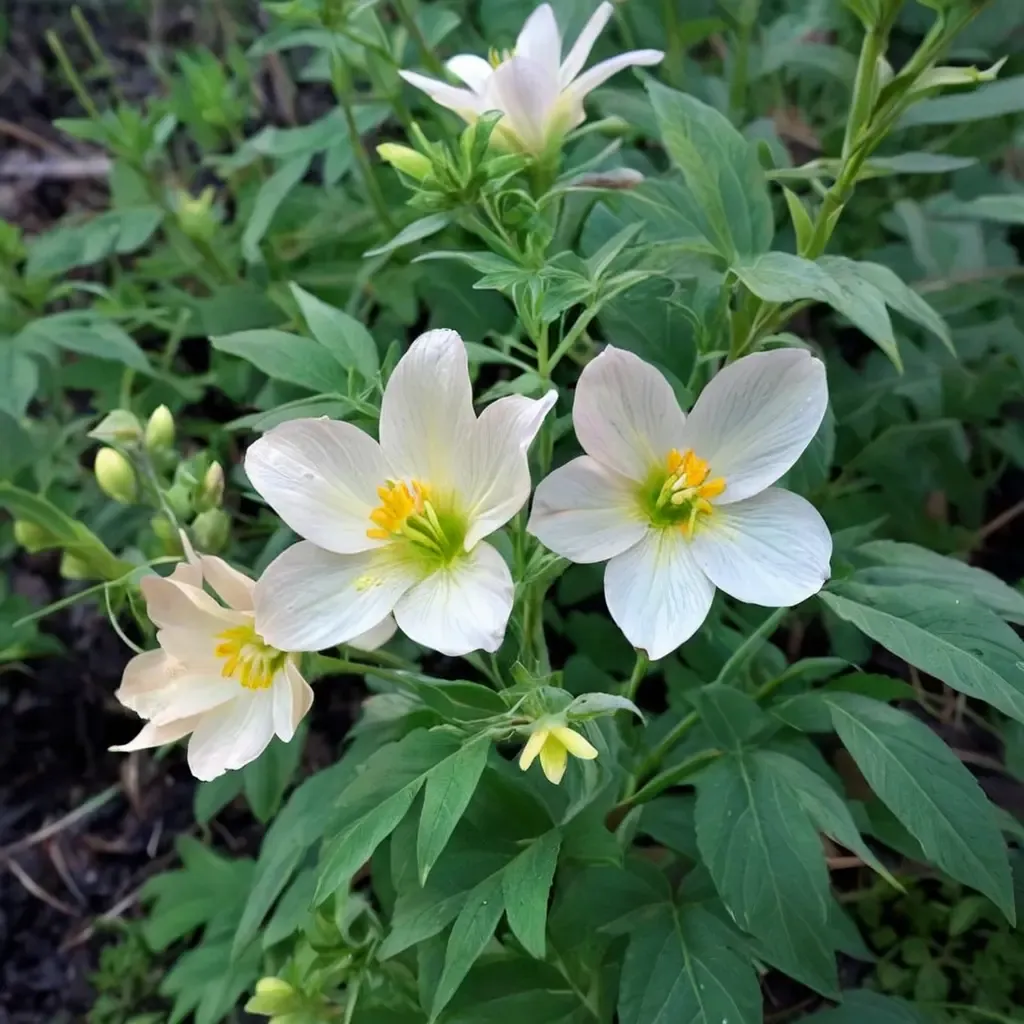
Royal Jacob's Ladder
Polemonium carneum
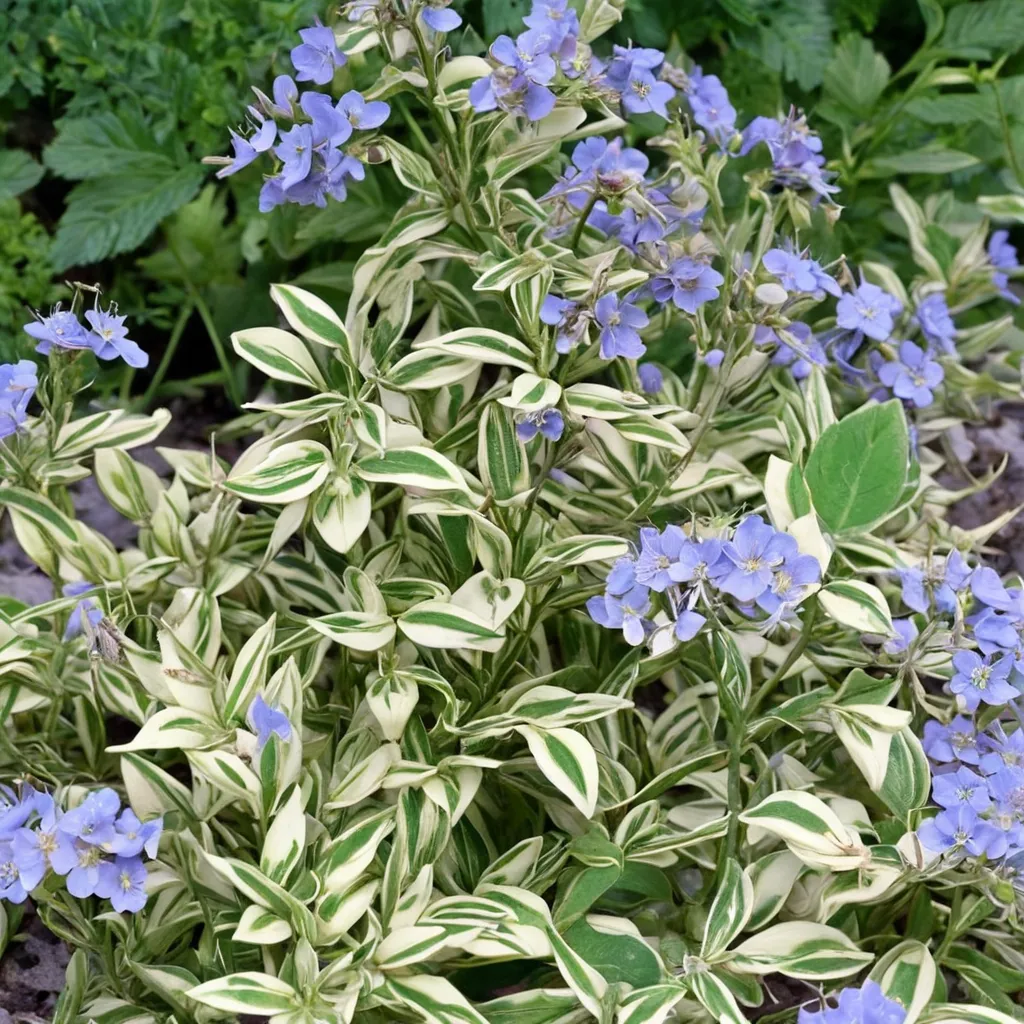
Jacob's Ladder Stairway to Heaven
Polemonium reptans 'Stairway to Heaven'
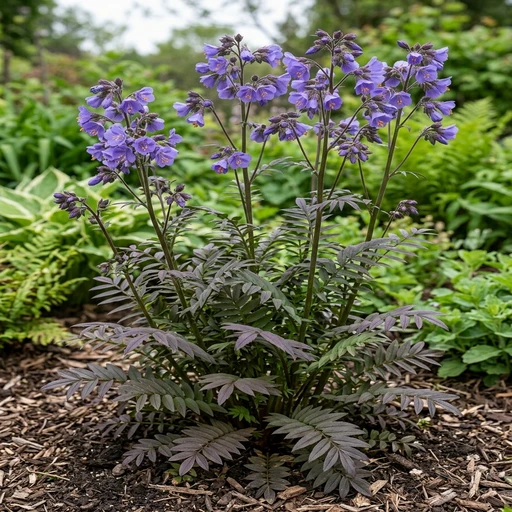
Heaven Scent Jacob's Ladder
Polemonium reptans 'Heaven Scent'
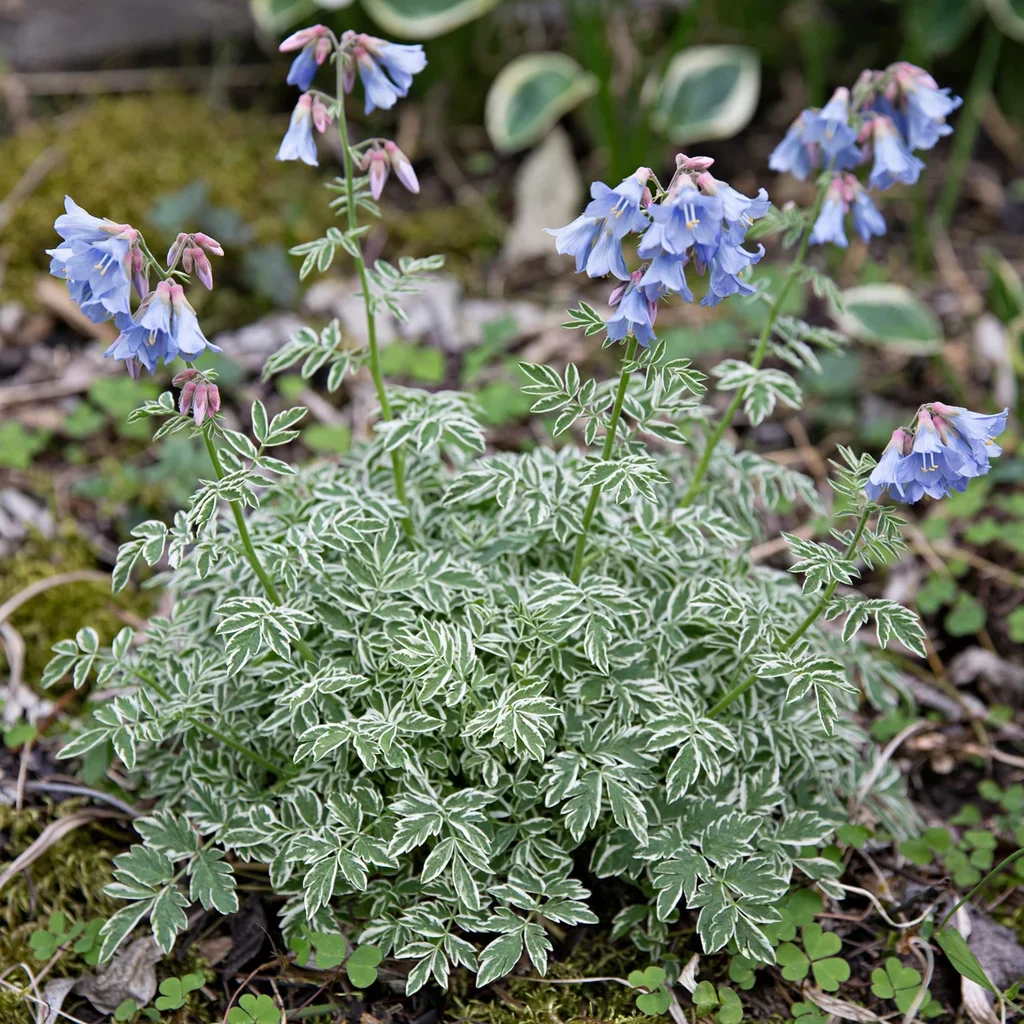
Jacob's Ladder Touch of Class
Polemonium reptans 'Touch of Class'
Keep exploring
Explore the genus
Hardy in your zone?
Grow Jacob's Ladder with confidence
See it in a design of your actual yard, get zone-matched care reminders, and track it season by season in your garden journal.