The Story
Plant Bio
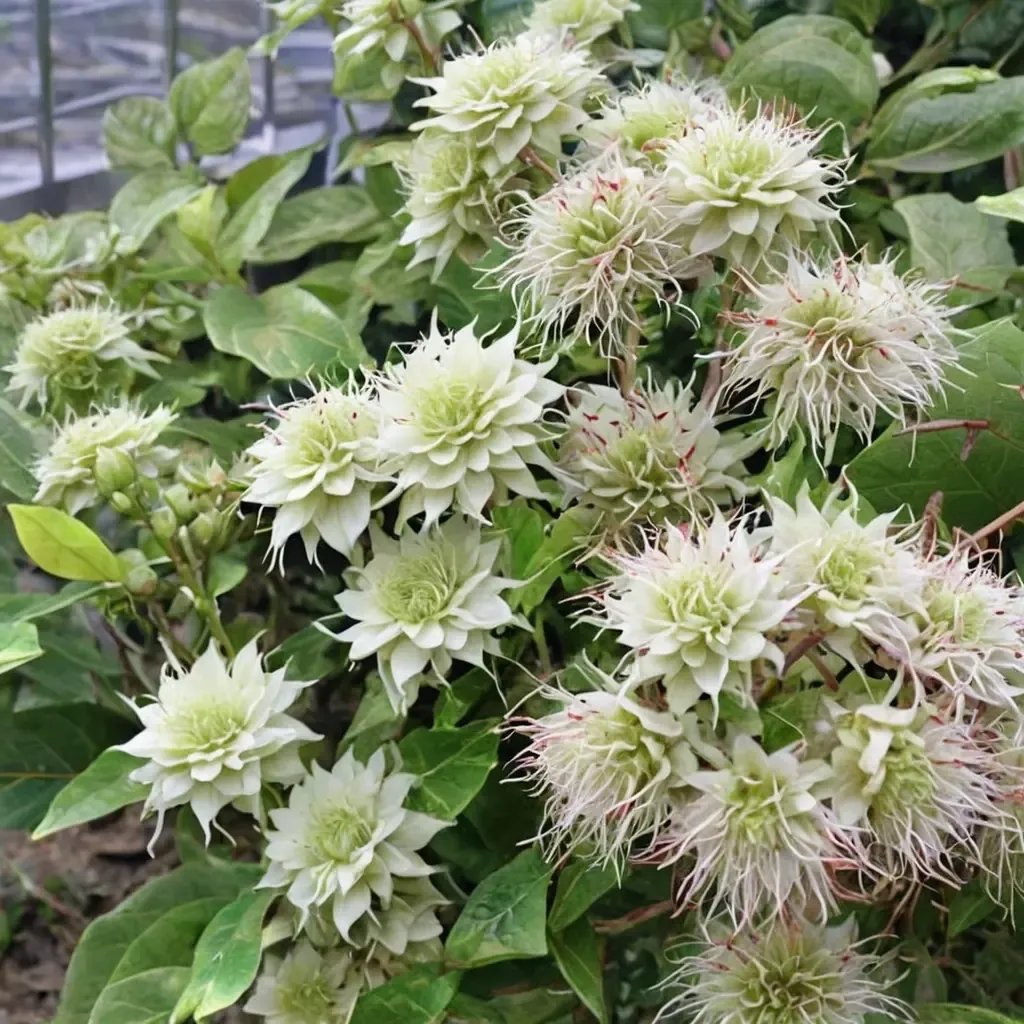
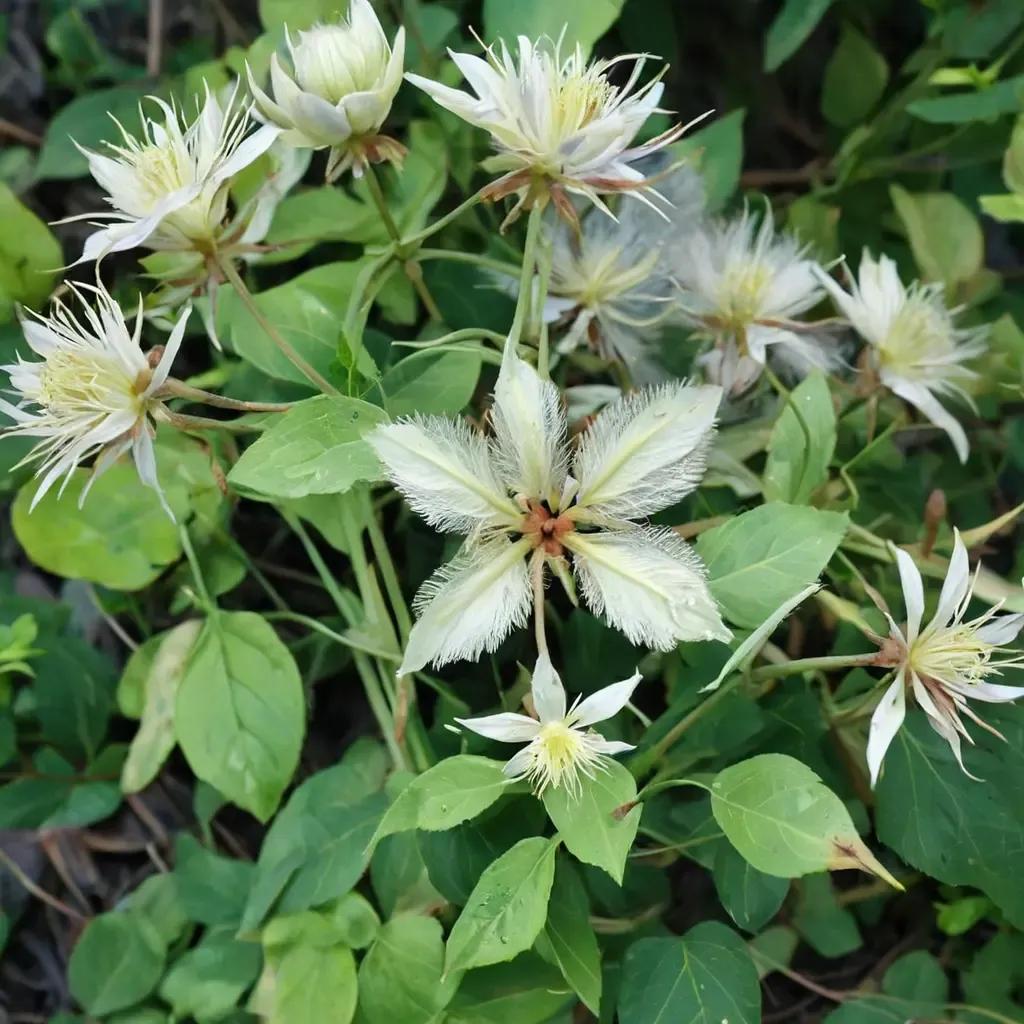
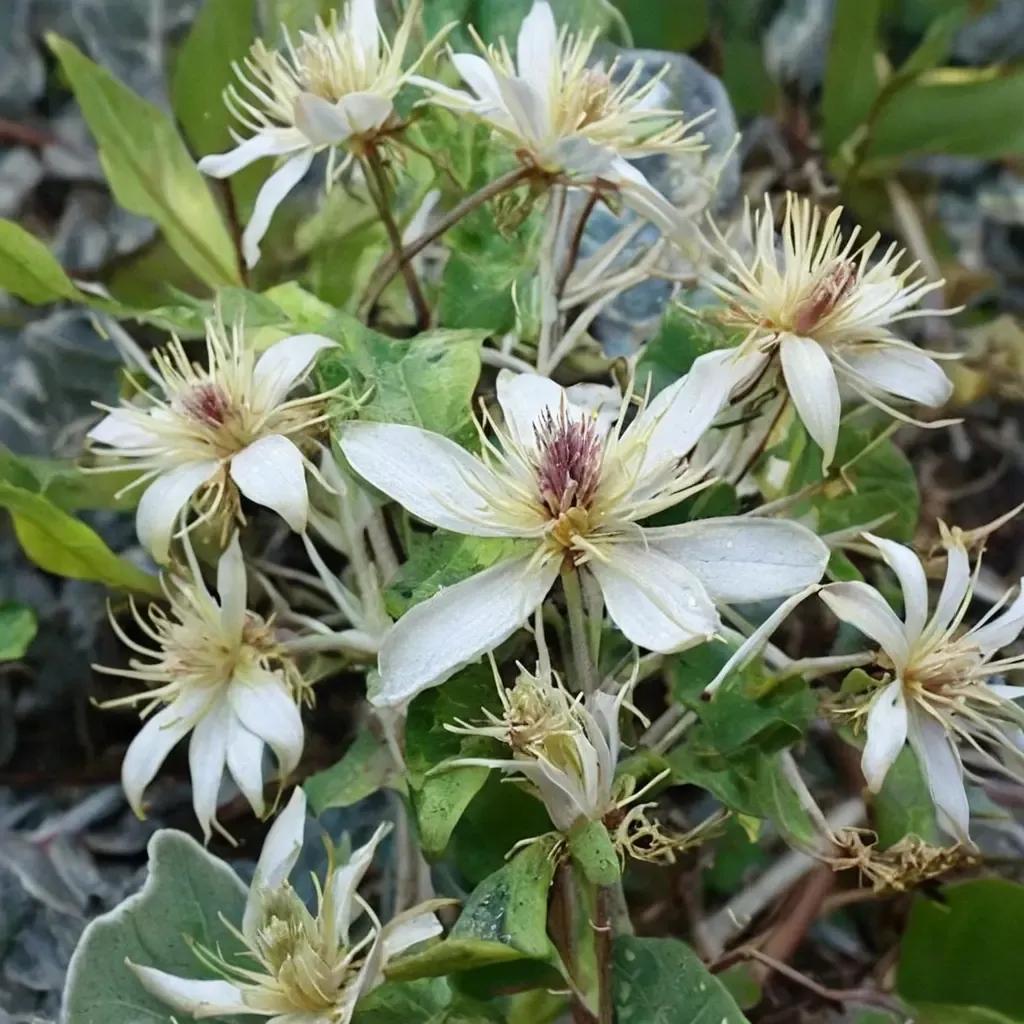
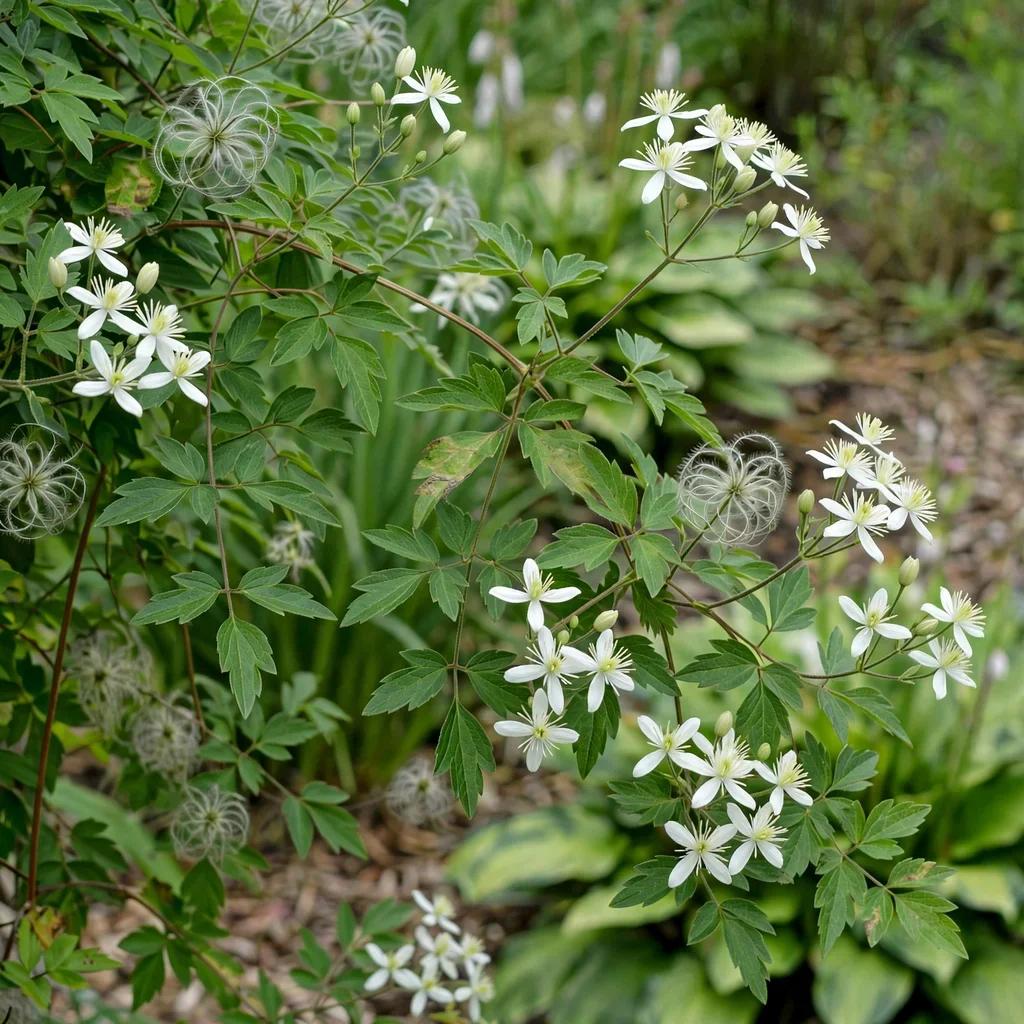
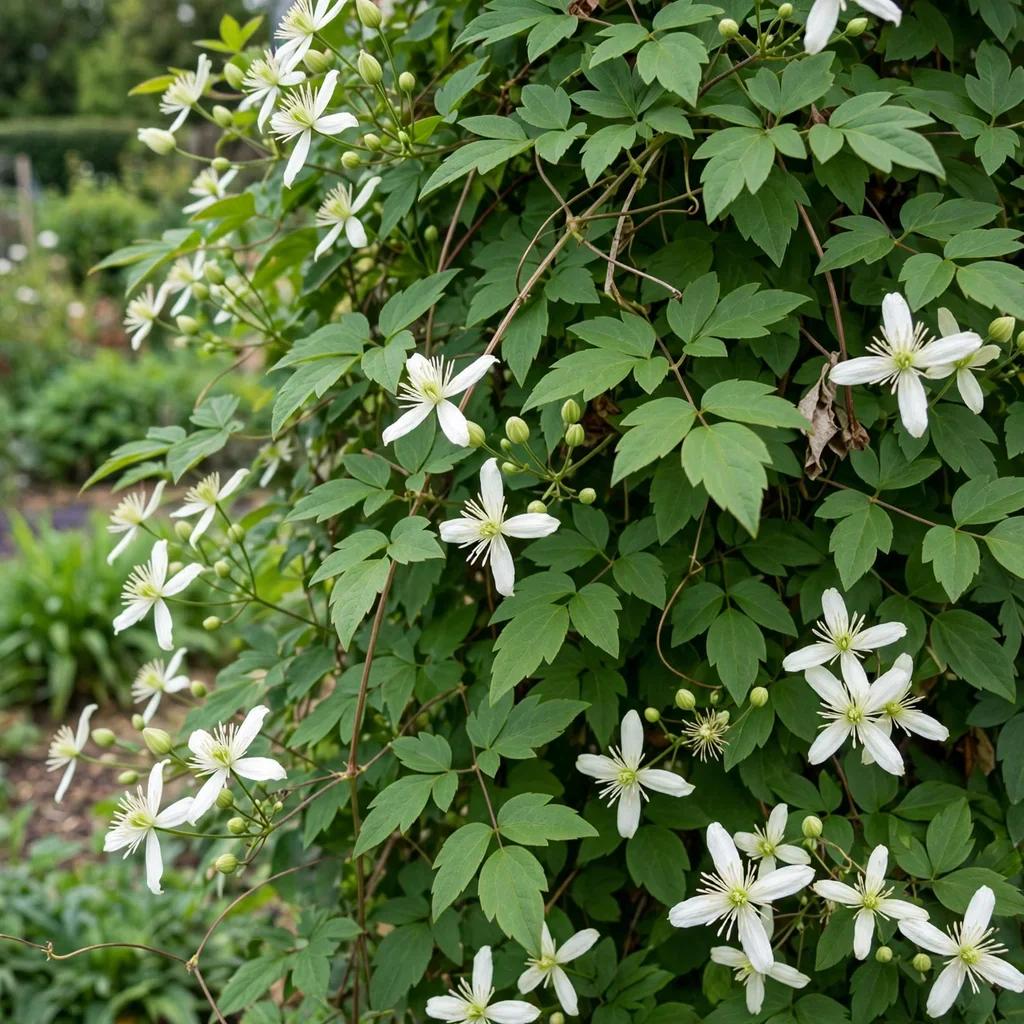
Clematis terniflora, or Sweet Autumn Clematis, is a vigorous, deciduous climbing vine that is covered in a profusion of fragrant, star-shaped, creamy white flowers in late summer and fall.
'Manju' is a prized cultivar featuring larger flowers than the species. It blooms on both old and new wood, resulting in an extended flowering season.
Uses & Benefits:
Essentials
At a Glance
Plant Type
Vine
Height
240"
Width
120"
Light
Full Sun, Partial Sun
Zones
5, 6, 7, 8, 9
Water
Moderate
Humidity
Average to high
Lifespan
Perennial
Native To
Japan, China
Toxicity
Toxic to humans and pets if ingested; can cause skin irritation.
Bloom period
Late Summer to Fall – Early summer
In flower about 11 months of the year
Planting
How to Grow
- Tuck sturdy trellises or fences for support, ensuring good airflow around the vines.
- Mist cuttings regularly to maintain high humidity and promote rooting.
- Plant in rich, well-drained soil with added organic matter for optimal growth.
- Water consistently during the first growing season to establish roots.
- Prune after flowering to control size and encourage new growth.
- Mulch around the base to retain moisture and suppress weeds.
Pro Tip
Train Clematis vitalba Manju early on a sturdy support for best display and health.
Keep It Thriving
Care Guide
Do
- Provide full sun for vibrant flowering.
- Keep soil moist but not waterlogged 🌱
- Prune annually to promote vigorous growth.
- Fertilize in early spring with balanced fertilizer.
- Support with a sturdy trellis or fence.
Don't
- Avoid letting soil dry out completely ❌
- Do not prune in late summer or fall, as it may reduce flowering ❌
- Do not plant in heavy, poorly-drained soil ❌
- Avoid excessive fertilization, which can promote leafy growth at expense of flowers ❌
Seasonal Care Calendar
| Task | Jan | Feb | Mar | Apr | May | Jun | Jul | Aug | Sep | Oct | Nov | Dec |
|---|---|---|---|---|---|---|---|---|---|---|---|---|
| Fertilize | ||||||||||||
| Pest Check | ||||||||||||
| Prune |
Watch Out For
Pests & Diseases
Common Pests
Common Diseases
In the Garden
Landscape Uses & Companions
Landscape Uses
Multiply
Propagation Methods
Good to Know
Common Questions
Manju Sweet Autumn Clematis questions
What zones can Manju Sweet Autumn Clematis grow in?
Manju Sweet Autumn Clematis is hardy in USDA Zones 5–9. Inside that range it survives winter in the ground; outside it, grow it as an annual or a container plant you protect.
Is Manju Sweet Autumn Clematis deer resistant?
Not reliably. Deer may browse Manju Sweet Autumn Clematis, especially tender spring growth — plan on repellents or fencing where pressure is high.
When does Manju Sweet Autumn Clematis bloom?
Manju Sweet Autumn Clematis typically blooms in late summer to fall through early summer. Exact timing shifts a week or two with your zone — Sow's bloom calendar maps it to your garden.
Does Manju Sweet Autumn Clematis need full sun?
Manju Sweet Autumn Clematis does best in full sun to part shade. In hot climates, afternoon shade keeps blooms fresher longer.
Is Manju Sweet Autumn Clematis drought tolerant?
Yes — once established (usually after the first full season), Manju Sweet Autumn Clematis handles dry spells with minimal watering. Water deeply its first year to build the root system that makes that possible.
More Clematis to compare
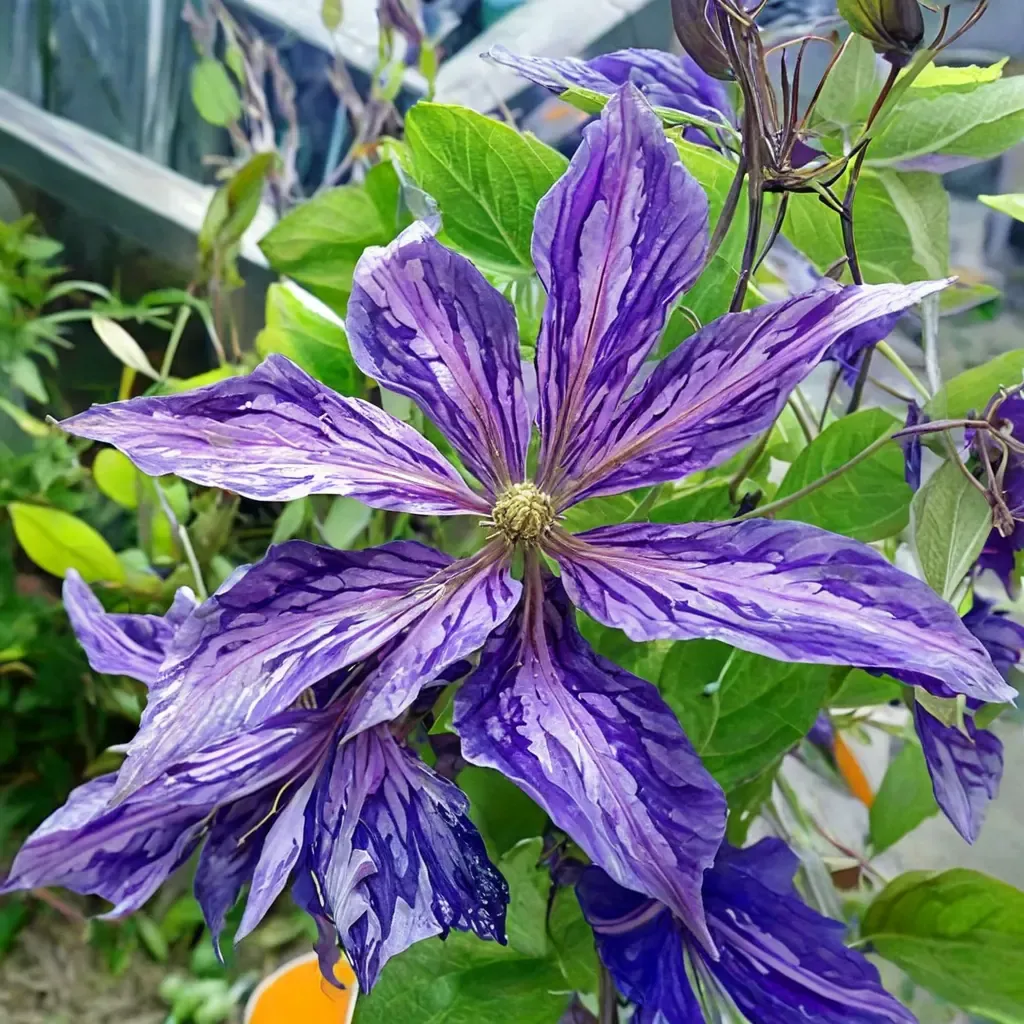
Tie Dye Clematis
Clematis viticella 'Tie Dye'
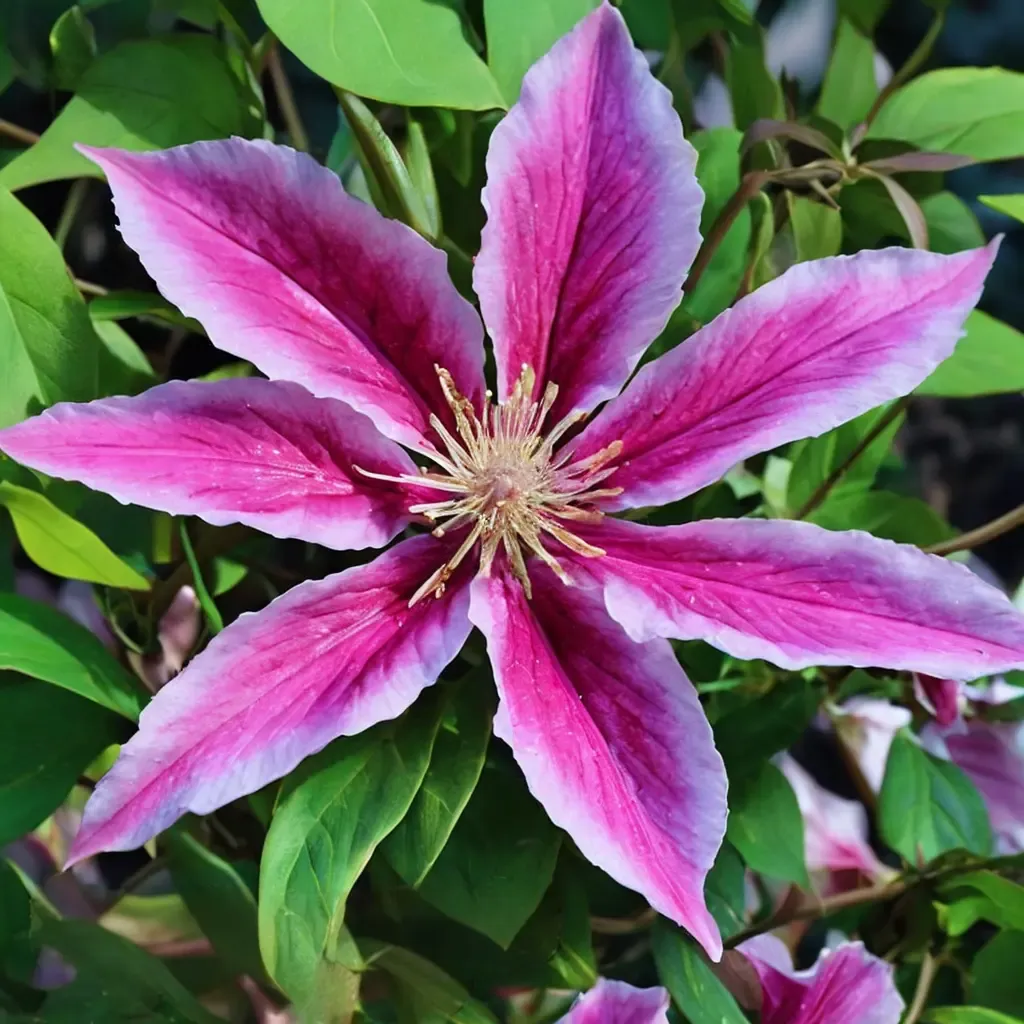
Dr. Ruppel Clematis
Clematis x jackmanii 'Dr Ruppel'
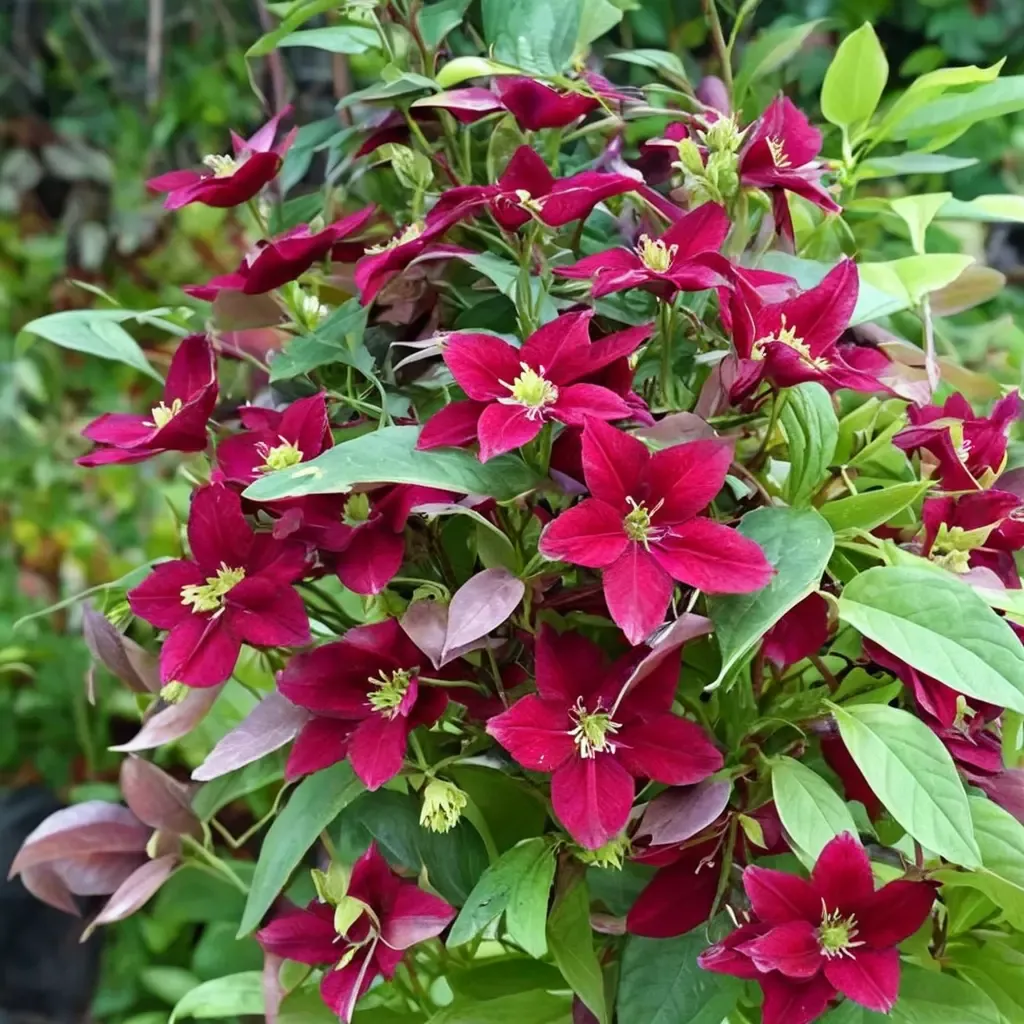
Burning Love Clematis
Clematis x cartmanii 'Burning Love'
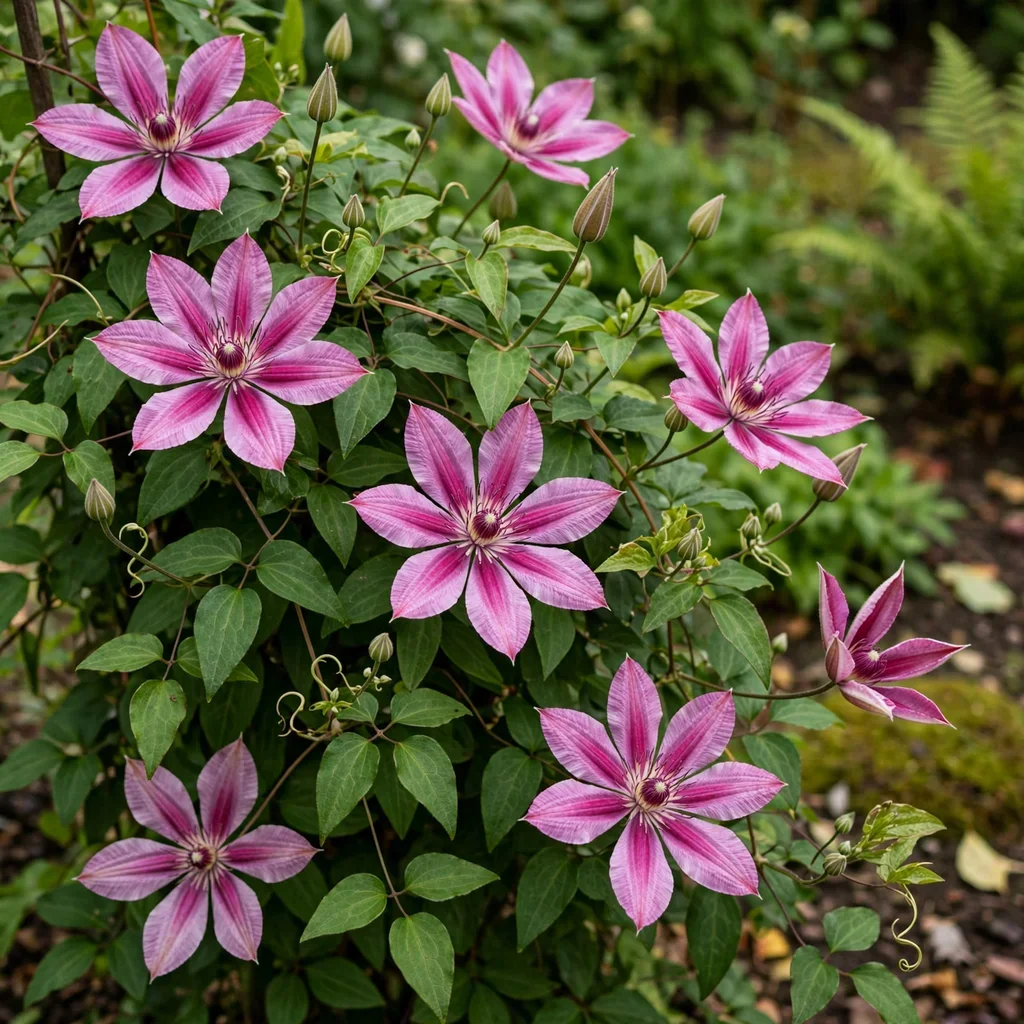
Yuan Clematis
Clematis viticella 'Yuan'
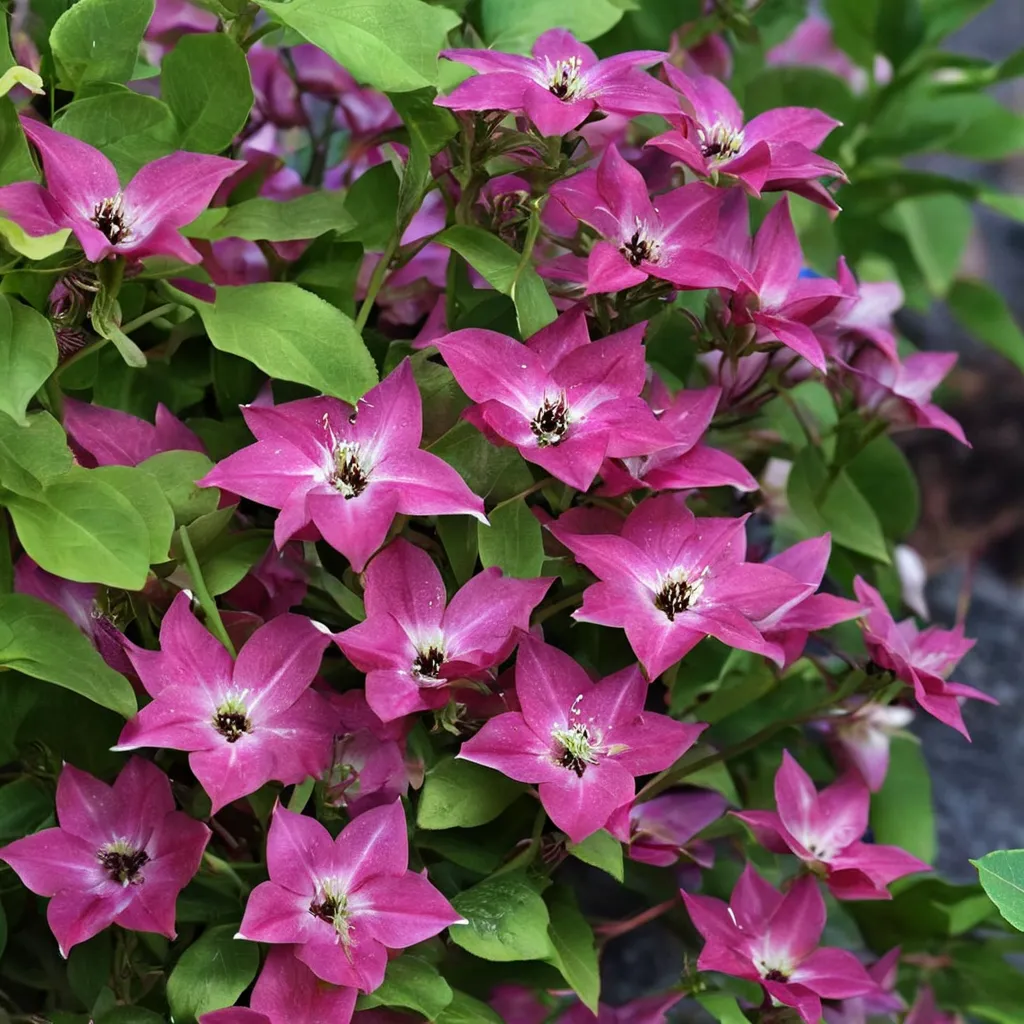
Viva Polonia Clematis
Clematis x hybrida 'Viva Polonia'
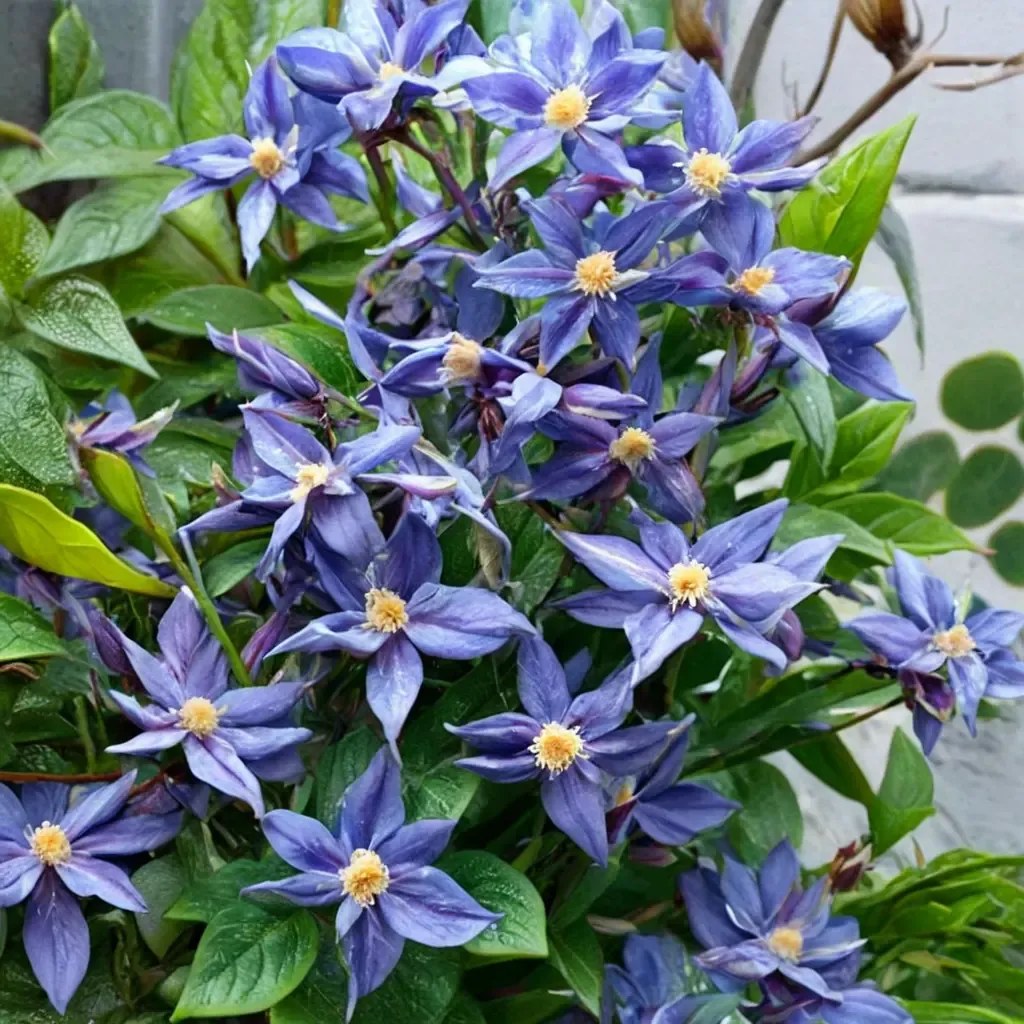
Tsukiko Clematis
Clematis x durandii 'Tsukiko'
Keep exploring
Explore the genus
Hardy in your zone?
Grow Manju Sweet Autumn Clematis with confidence
See it in a design of your actual yard, get zone-matched care reminders, and track it season by season in your garden journal.