


The Story
Plant Bio
European Hornbeam is a medium-sized, deciduous tree known for its dense, finely textured foliage, muscular-looking smooth gray bark, and tolerance of heavy pruning.
'Frans Fontaine' is a superior columnar cultivar that maintains its narrow, upright habit into maturity, unlike 'Fastigiata' which becomes broadly oval with age. This makes it ideal for formal screens, allees, or tight urban spaces.
Uses & Benefits:
Essentials
At a Glance
Plant Type
Tree
Height
420"
Width
180"
Light
Full Sun, Partial Sun
Zones
4, 5, 6, 7, 8
Water
Moderate
Humidity
Moderate
Lifespan
Over 100 years
Native To
Europe, Western Asia
Toxicity
Non-toxic
Bloom period
Mid-spring – Late spring
In flower about 2 months of the year
Marketplace
Where to Buy
Shipping costs Year-round shipping Free shipping
Planting
How to Grow
- Select a site with full sun to part shade and well-drained soil.
- Dig a hole two to three times wider than the root ball.
- Place the tree in the hole, ensuring the root flare is at soil level.
- Backfill with the excavated soil, breaking up any large clumps.
- Water thoroughly to eliminate air pockets and settle the soil.
- Apply a 2-3 inch layer of mulch, keeping it away from the trunk.
Pro Tip
Water consistently during the first few years to establish a deep root system, ensuring its long-term health and vigor.
Keep It Thriving
Care Guide
Do
- Water regularly, especially during establishment and dry periods.
- Prune as needed to maintain desired shape and remove dead wood.
- Mulch to conserve soil moisture and regulate temperature.
- Provide adequate space for its mature height, even though it is narrow.
Don't
- Do not plant in waterlogged or poorly drained soils.
- Avoid piling mulch against the trunk, which can cause rot.
- Don't allow the soil to completely dry out, especially when young.
- Refrain from major pruning in spring when the tree can 'bleed' sap.
Seasonal Care Calendar
| Task | Jan | Feb | Mar | Apr | May | Jun | Jul | Aug | Sep | Oct | Nov | Dec |
|---|---|---|---|---|---|---|---|---|---|---|---|---|
| Fertilize | ||||||||||||
| Mulch | ||||||||||||
| Plant | ||||||||||||
| Prune |
Watch Out For
Pests & Diseases
Common Pests
Common Diseases
In the Garden
Landscape Uses & Companions
Landscape Uses
Companion Plants
Multiply
Propagation Methods
Good to Know
Common Questions
Frans Fontaine Hornbeam questions
What zones can Frans Fontaine Hornbeam grow in?
Frans Fontaine Hornbeam is hardy in USDA Zones 4–8. Inside that range it survives winter in the ground; outside it, grow it as an annual or a container plant you protect.
Is Frans Fontaine Hornbeam deer resistant?
Yes — Frans Fontaine Hornbeam is rated deer-resistant. Deer typically pass it over, though extreme hunger can override any plant's defenses.
When does Frans Fontaine Hornbeam bloom?
Frans Fontaine Hornbeam typically blooms in mid-spring through late spring. Exact timing shifts a week or two with your zone — Sow's bloom calendar maps it to your garden.
Does Frans Fontaine Hornbeam need full sun?
Frans Fontaine Hornbeam does best in full sun to part shade. In hot climates, afternoon shade keeps blooms fresher longer.
More Carpinus to compare
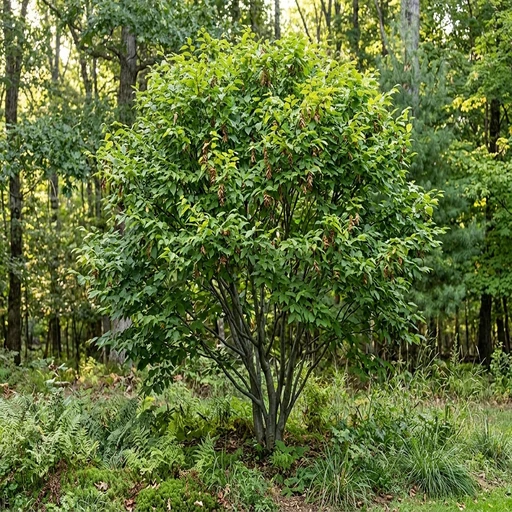
American Hornbeam
Carpinus caroliniana
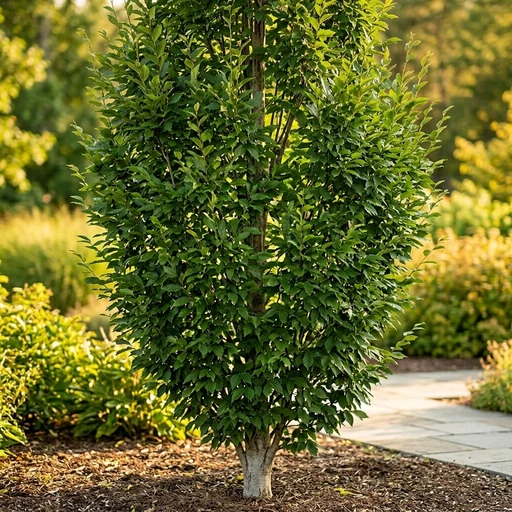
Rising Fire American Hornbeam
Carpinus caroliniana 'Rising Fire'
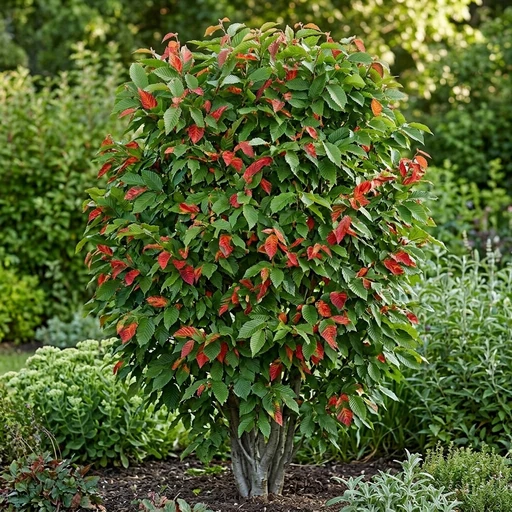
Native Flame American Hornbeam
Carpinus caroliniana 'Native Flame'
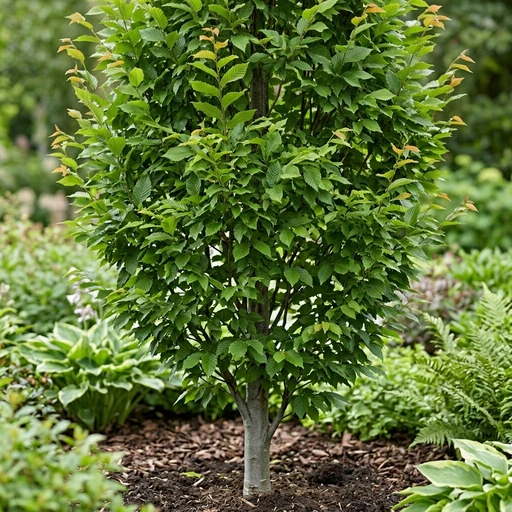
Firespire American Hornbeam
Carpinus caroliniana 'Firespire'
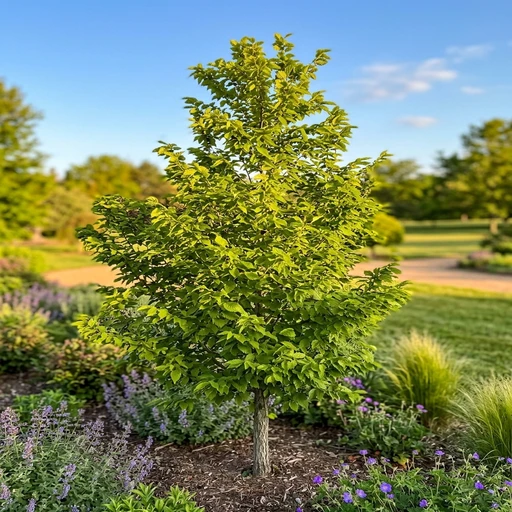
European Hornbeam
Carpinus betulus
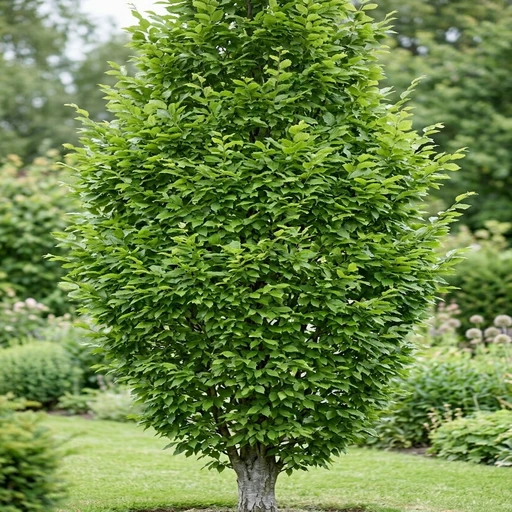
Pyramidal European Hornbeam
Carpinus betulus 'Fastigiata'
Keep exploring
Explore the genus
Hardy in your zone?
Grow Frans Fontaine Hornbeam with confidence
See it in a design of your actual yard, get zone-matched care reminders, and track it season by season in your garden journal.