Also known as Hornbeam · 225 saves
Carpinus
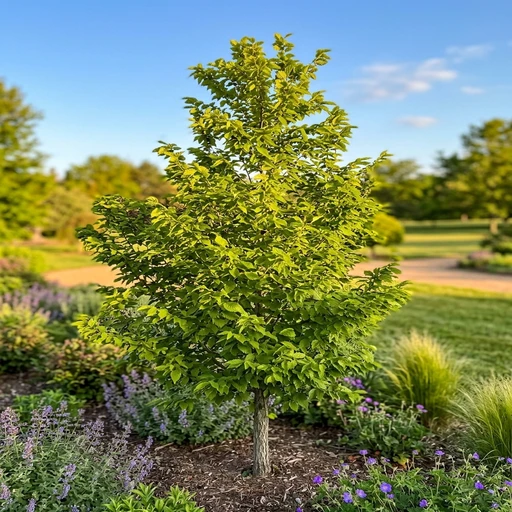
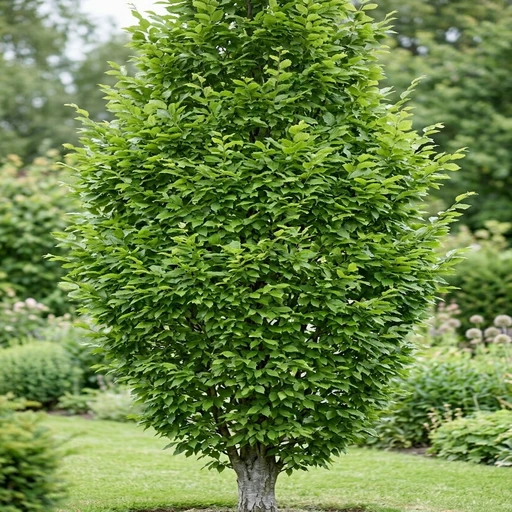
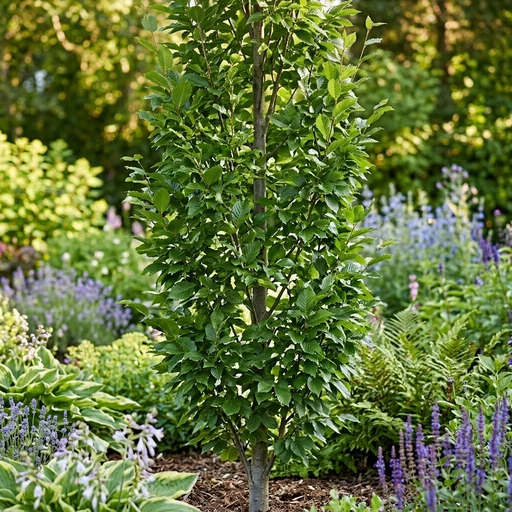
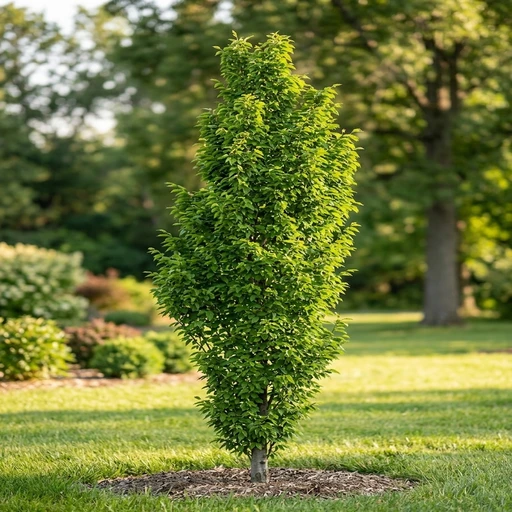
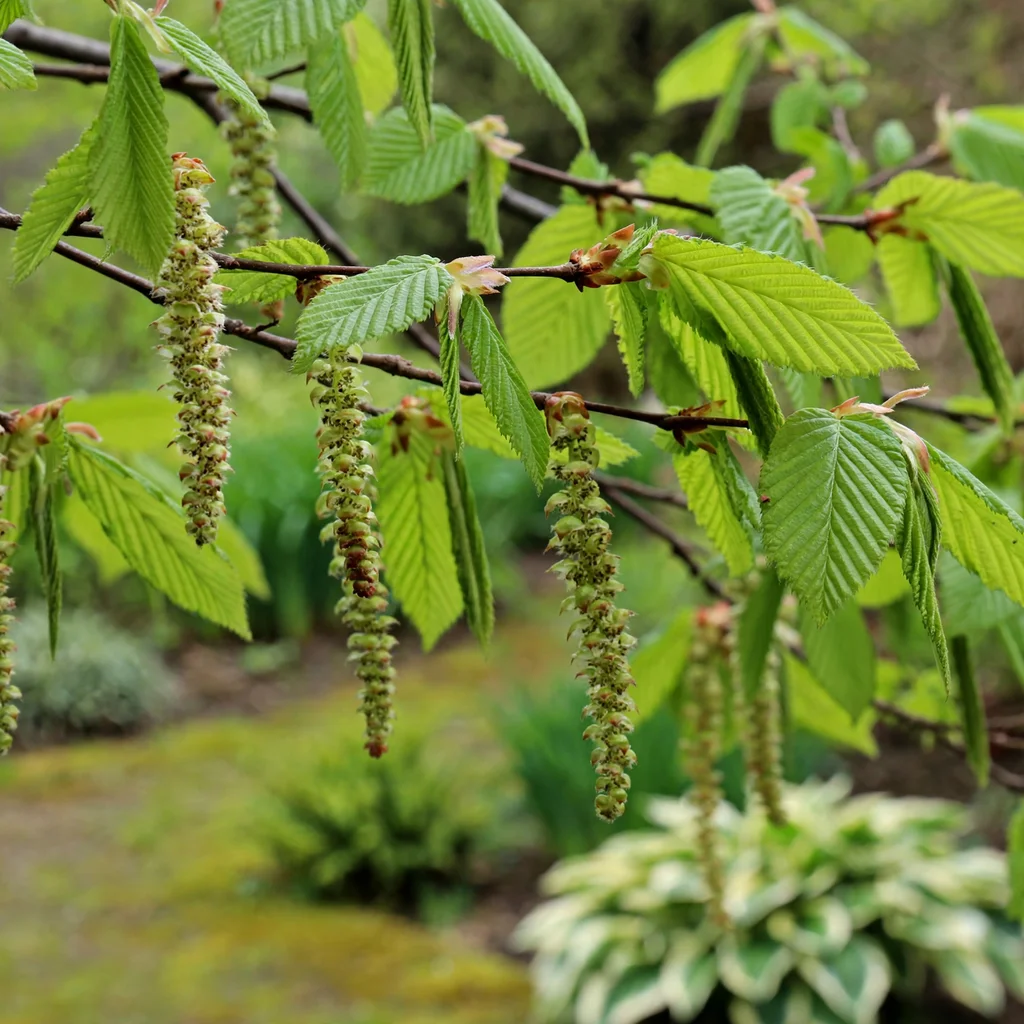
Carpinus, the genus most gardeners know as hornbeam. We track 10 varieties; the ones most used by real gardeners.
The 9 most-saved Carpinus varieties
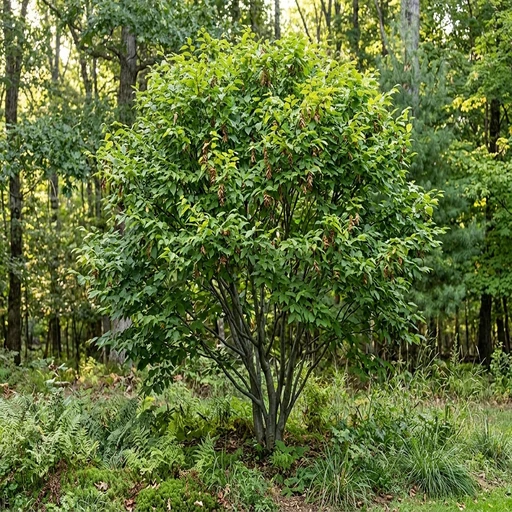
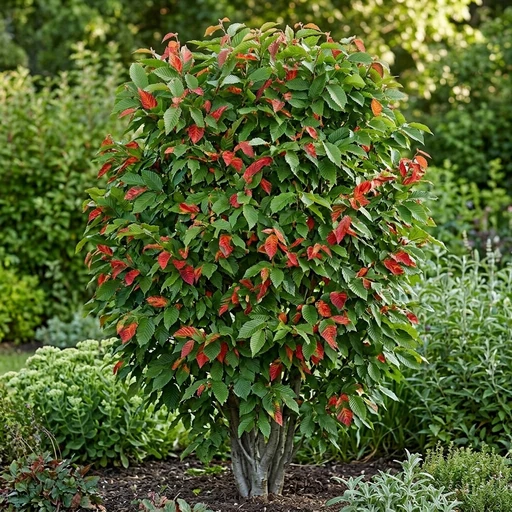
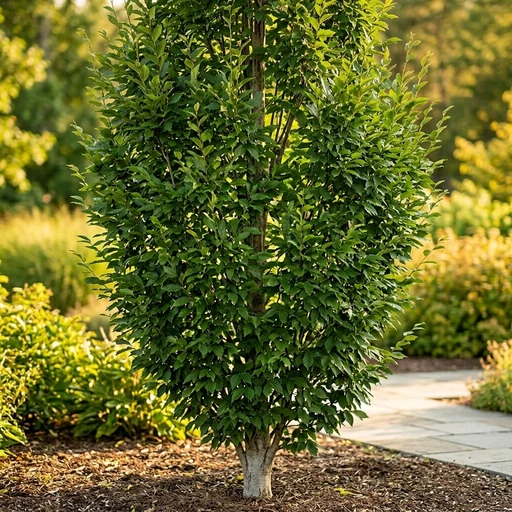
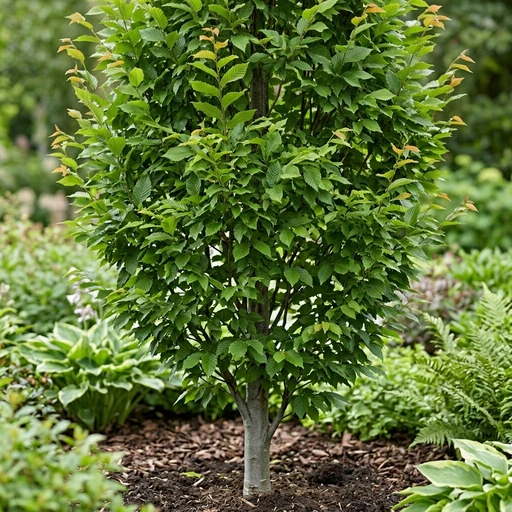
Browse all 10 Carpinus varieties →
Track your Carpinus in Sow
Save the Carpinus you grow and get care reminders timed to your zone.
How to grow Carpinus
Whats common across all Carpinus varieties in our catalog — drawn from the care records of the 10 most-grown of them.
The Carpinus year
- PruneFebruary, March and August100% of varieties
Prune in late winter to remove dead or crossing branches and maintain shape.
- MulchMay and November80% of varieties
Apply a 2-3 inch layer of mulch to conserve moisture and suppress weeds.
- PlantApril, May, October and November80% of varieties
Plant in spring or fall in a location with good drainage.
- FertilizeMarch and April40% of varieties
Apply a balanced, slow-release fertilizer in early spring if needed.
- Check for PestsJune and July30% of varieties
Check for minor pests like aphids, though problems are rare.


Do
- Water regularly during establishment and extended droughts.
- Allow the tree to develop its natural form with minimal pruning.
- Appreciate the smooth, muscle-like bark, especially in winter.
- Plant in slightly acidic soil for best performance.
- Maintain consistent soil moisture, especially when young.
Avoid
- Don't let the soil dry out completely for long periods.
- Avoid heavy fertilization; it's not necessary.
- Do not damage the thin bark with mowers or trimmers.
- Avoid planting in extremely dry or compacted soils.
What goes wrong with Carpinus
| Problem | What you'll see | What to do |
|---|---|---|
| Aphids | Clusters of small insects on new growth; sticky honeydew on leaves. | A strong spray of water can dislodge them. Use insecticidal soap for heavier infestations. |
| Japanese beetle | Skeletonized foliage with ragged leaf margins | Hand-pick beetles into soapy water or treat severe infestations with contact or systemic insecticides. |
| Spider mites | Fine stippling on leaves during hot dry periods | Increase ambient moisture and spray foliage with water or horticultural oil. |
| Two-lined Chestnut Borer | Dieback at the top of the tree, D-shaped exit holes on the trunk. | Keep tree healthy and unstressed. Systemic insecticides may be required for treatment. |
| Canker | Sunken, dead areas on branches or trunk. | Prune out infected branches well below the canker. Avoid wounding the tree. |
| Leaf Spot | Brown or black spots on leaves, sometimes causing minor defoliation. | Generally cosmetic. Rake up and destroy fallen leaves. Improve air circulation. |
| Powdery mildew | White powdery coating appearing on leaf surfaces | Ensure adequate air circulation through selective pruning and apply fungicide if severe. |
Making more Carpinus
Grafting
- Cultivars like 'Firespire' are typically grafted.
- Use dormant scion wood from the cultivar.
- Graft onto Carpinus caroliniana rootstock in late winter.
- Keep the graft union protected until healed.
Seed
- Collect seeds in late summer when nutlets turn brown.
- Requires a warm stratification for 60 days.
- Follow with a cold, moist stratification for 90-120 days.
- Sow seeds in spring; germination is often slow and erratic.
Carpinus questions
How many types of Carpinus are there?
The Sow catalog tracks 10 distinct Carpinus varieties. The most popular — ranked by 225 real gardeners — are shown first above.
What zones does Carpinus grow in?
Across its varieties, Carpinus covers USDA Zones 4–9. Individual varieties differ — each plant page lists its exact range, and Sow filters the catalog to your zone automatically.
When does Carpinus bloom?
Most Carpinus varieties bloom in mid-spring, spring. Staggering early, mid, and late varieties extends the genus's season in one bed.
Which Carpinus should I choose?
Start from the most-saved varieties above — popularity across thousands of gardens is a strong signal of reliability — then filter by your zone and sun. In the Sow app you can preview any of them in a photo of your actual yard before you buy.