



The Story
Plant Bio
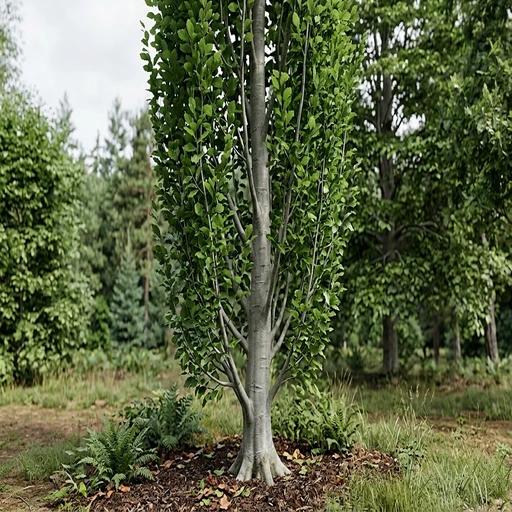
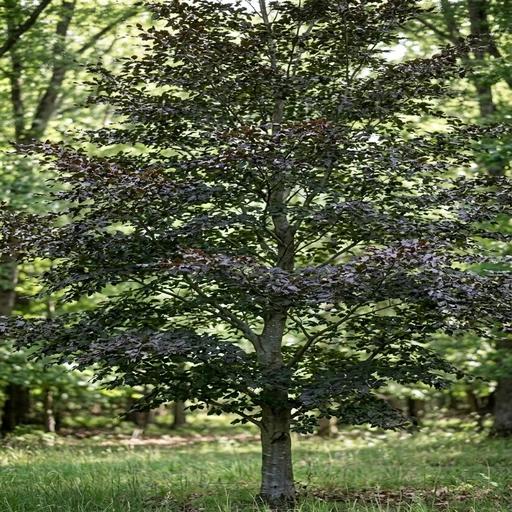
Fagus sylvatica, the European Beech, is a large, stately deciduous tree known for its smooth, silver-gray bark and dense canopy of glossy leaves.
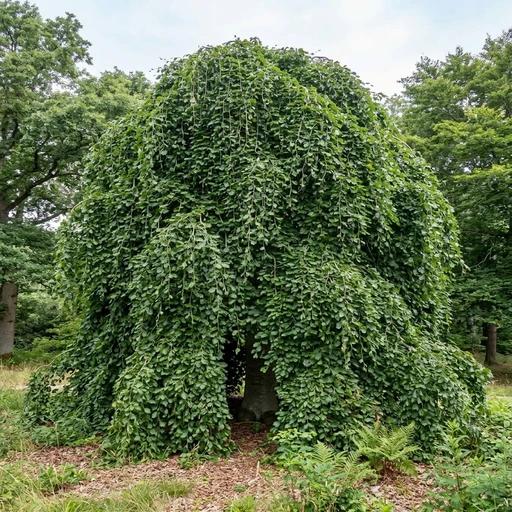
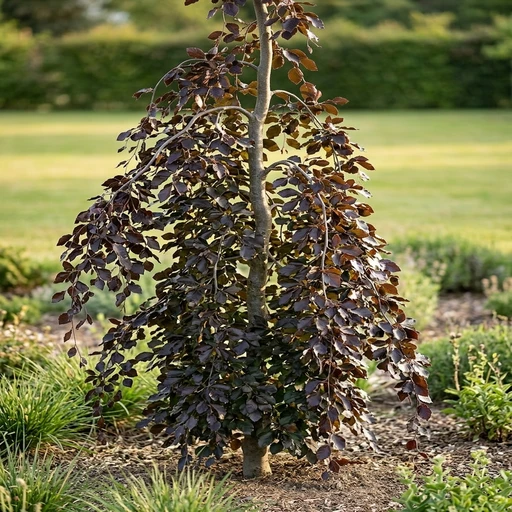
'Purpurea Pendula' is a dramatic weeping form with rich, deep purple leaves. It forms a cascading, mound-like shape, with its ultimate height determined by how high it is staked when young.
Uses & Benefits:
Essentials
At a Glance
Plant Type
Tree
Height
120"
Width
180"
Light
Full Sun, Partial Sun
Zones
4, 5, 6, 7
Water
Medium
Humidity
Average
Lifespan
Long-lived tree
Native To
Europe
Toxicity
Beechnuts are mildly toxic if eaten in large quantities.
Bloom period
Mid-spring – Late spring
In flower about 2 months of the year
Planting
How to Grow
- Choose a prominent location with well-drained soil and full sun.
- Dig a hole twice the width of the root ball.
- Set the tree in the hole with the root flare at soil level.
- If desired, install a sturdy stake to train for height.
- Backfill the hole and water thoroughly to settle the soil.
- Apply mulch to conserve moisture, keeping it away from the trunk.
Pro Tip
The final height is controlled by staking. Once the stake is removed, the tree will weep from that point.
Keep It Thriving
Care Guide
Do
- Provide consistent moisture, especially when young.
- Stake the leader to the desired height before allowing it to weep.
- Appreciate its unique, sculptural form.
Don't
- Do not plant in soggy, poorly drained soil.
- Avoid heavy pruning, which can ruin its natural form.
- Don't let the soil dry out in summer.
Seasonal Care Calendar
| Task | Jan | Feb | Mar | Apr | May | Jun | Jul | Aug | Sep | Oct | Nov | Dec |
|---|---|---|---|---|---|---|---|---|---|---|---|---|
| Plant | ||||||||||||
| Prune | ||||||||||||
| Stake |
Watch Out For
Pests & Diseases
Common Pests
Common Diseases
In the Garden
Landscape Uses & Companions
Landscape Uses
Companion Plants
Multiply
Propagation Methods
Good to Know
Common Questions
Purple Weeping European Beech questions
What zones can Purple Weeping European Beech grow in?
Purple Weeping European Beech is hardy in USDA Zones 4–7. Inside that range it survives winter in the ground; outside it, grow it as an annual or a container plant you protect.
Is Purple Weeping European Beech deer resistant?
Yes — Purple Weeping European Beech is rated deer-resistant. Deer typically pass it over, though extreme hunger can override any plant's defenses.
When does Purple Weeping European Beech bloom?
Purple Weeping European Beech typically blooms in mid-spring through late spring. Exact timing shifts a week or two with your zone — Sow's bloom calendar maps it to your garden.
Does Purple Weeping European Beech need full sun?
Purple Weeping European Beech does best in full sun to part shade. In hot climates, afternoon shade keeps blooms fresher longer.
More Fagus to compare
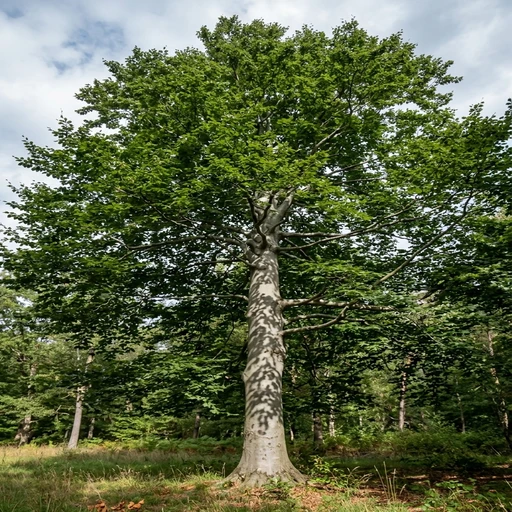
American Beech
Fagus grandifolia
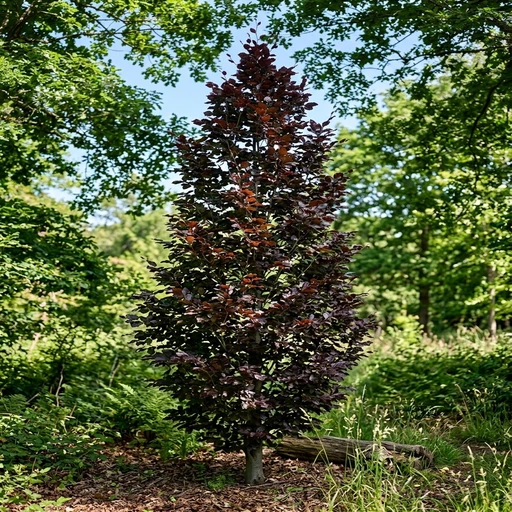
Red Obelisk Beech
Fagus sylvatica 'Red Obelisk'
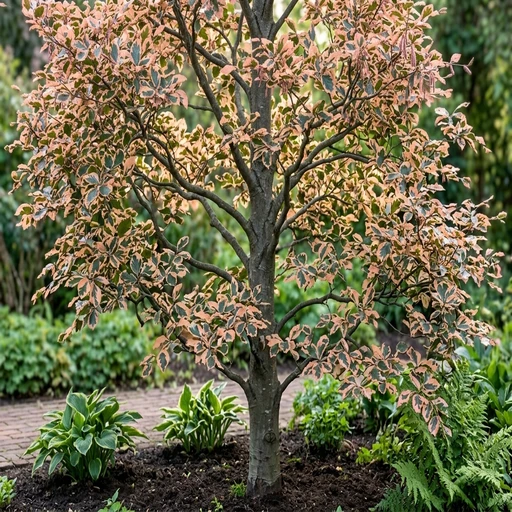
Tricolor Beech
Fagus sylvatica 'Tricolor'
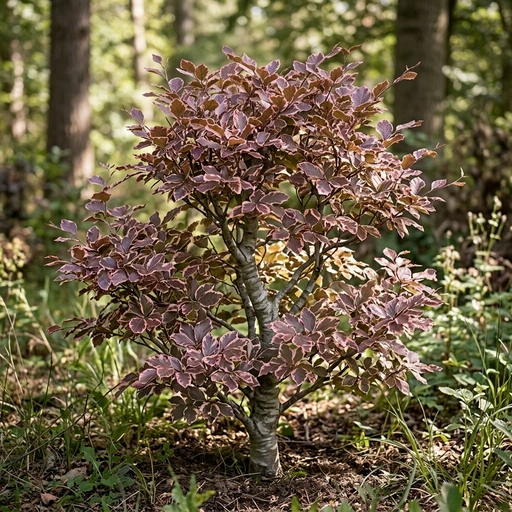
Tricolor European Beech
Fagus sylvatica 'Roseo-Marginata'
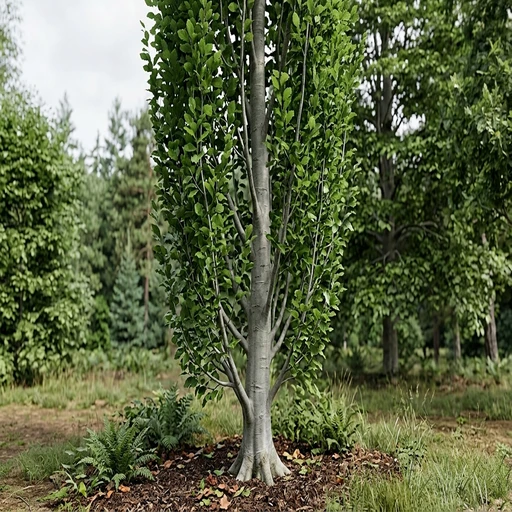
Dawyck Upright European Beech
Fagus sylvatica 'Dawyckii'
Purple Fountain Beech
Fagus sylvatica 'Purple Fountain'
Keep exploring
Explore the genus
Hardy in your zone?
Grow Purple Weeping European Beech with confidence
See it in a design of your actual yard, get zone-matched care reminders, and track it season by season in your garden journal.