Also known as Beech · 241 saves
Fagus
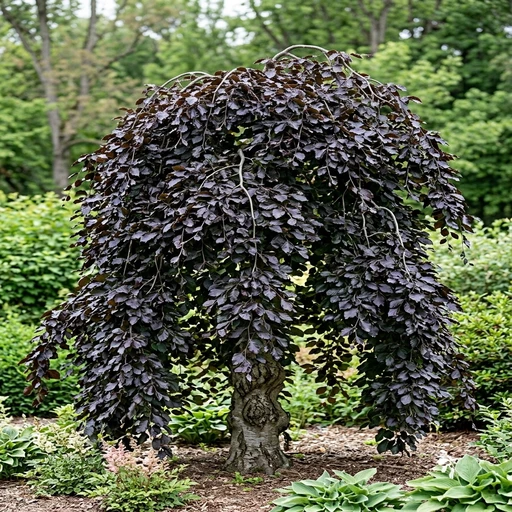
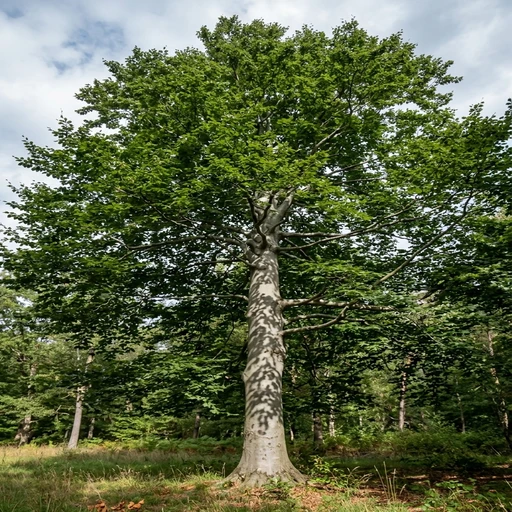
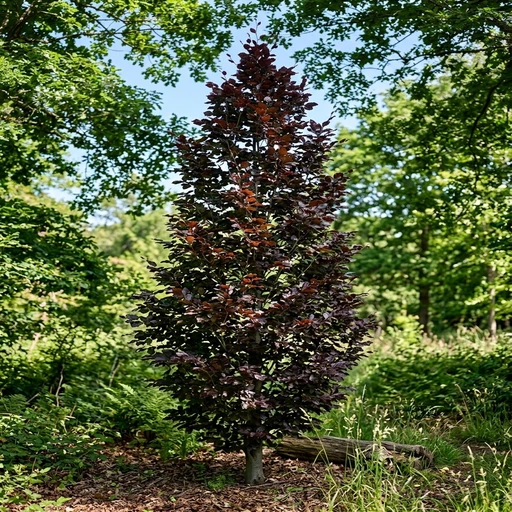
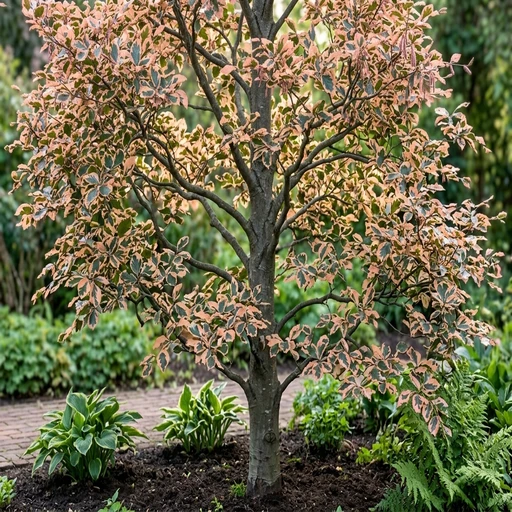
Fagus, the genus most gardeners know as beech. We track 11 varieties; the ones most used by real gardeners.
The 11 most-saved Fagus varieties
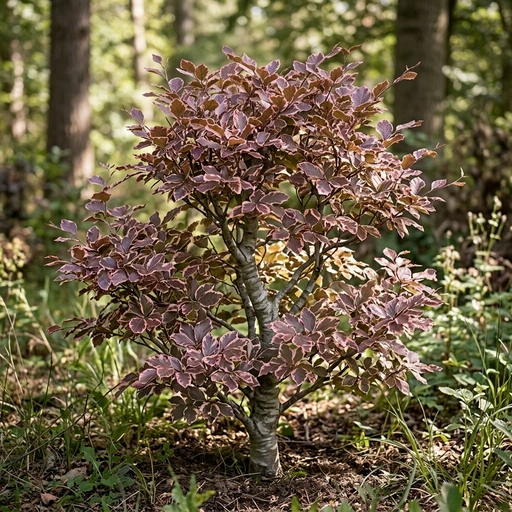
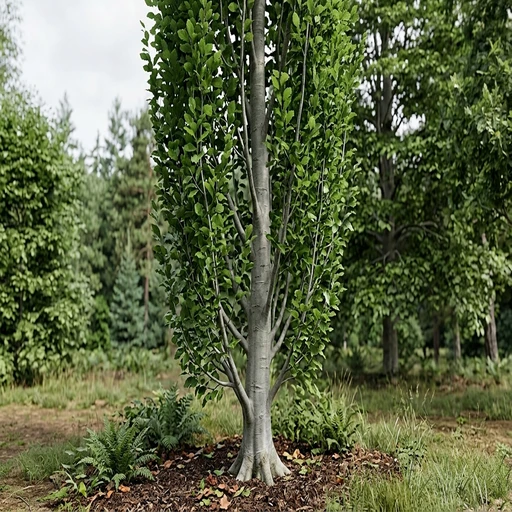
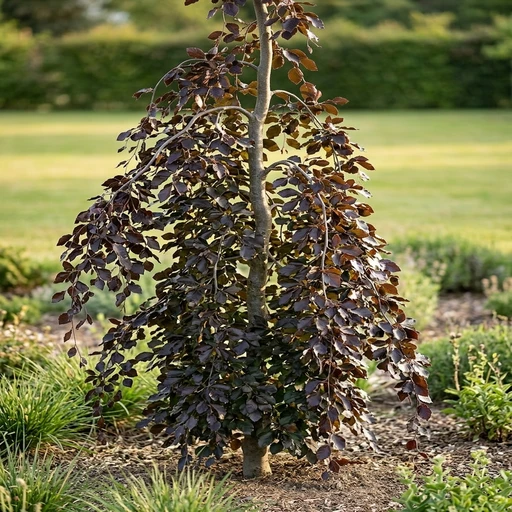
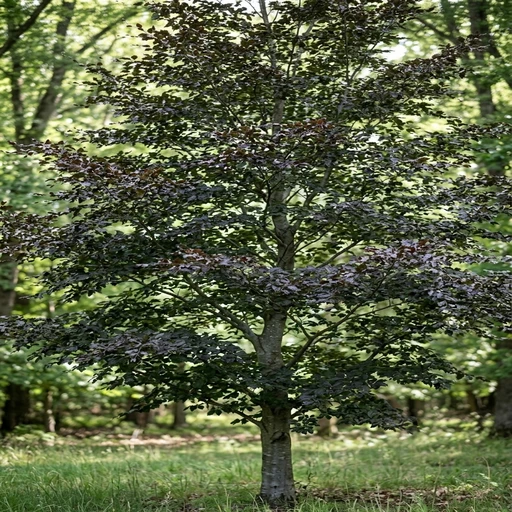
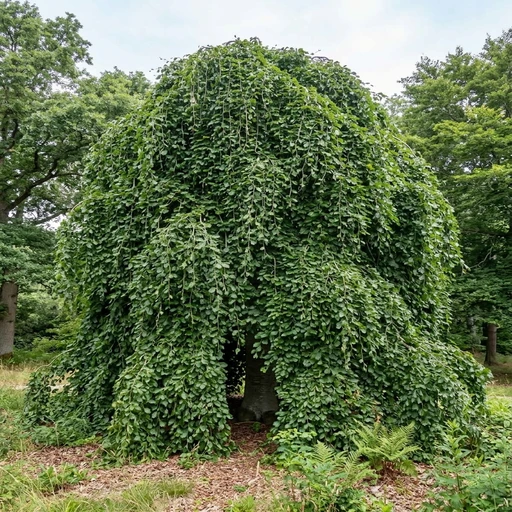
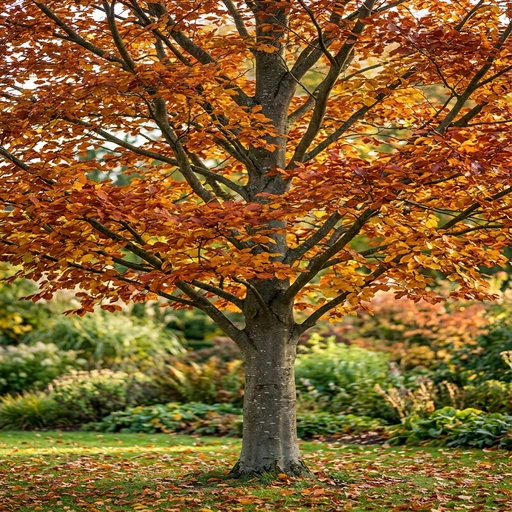
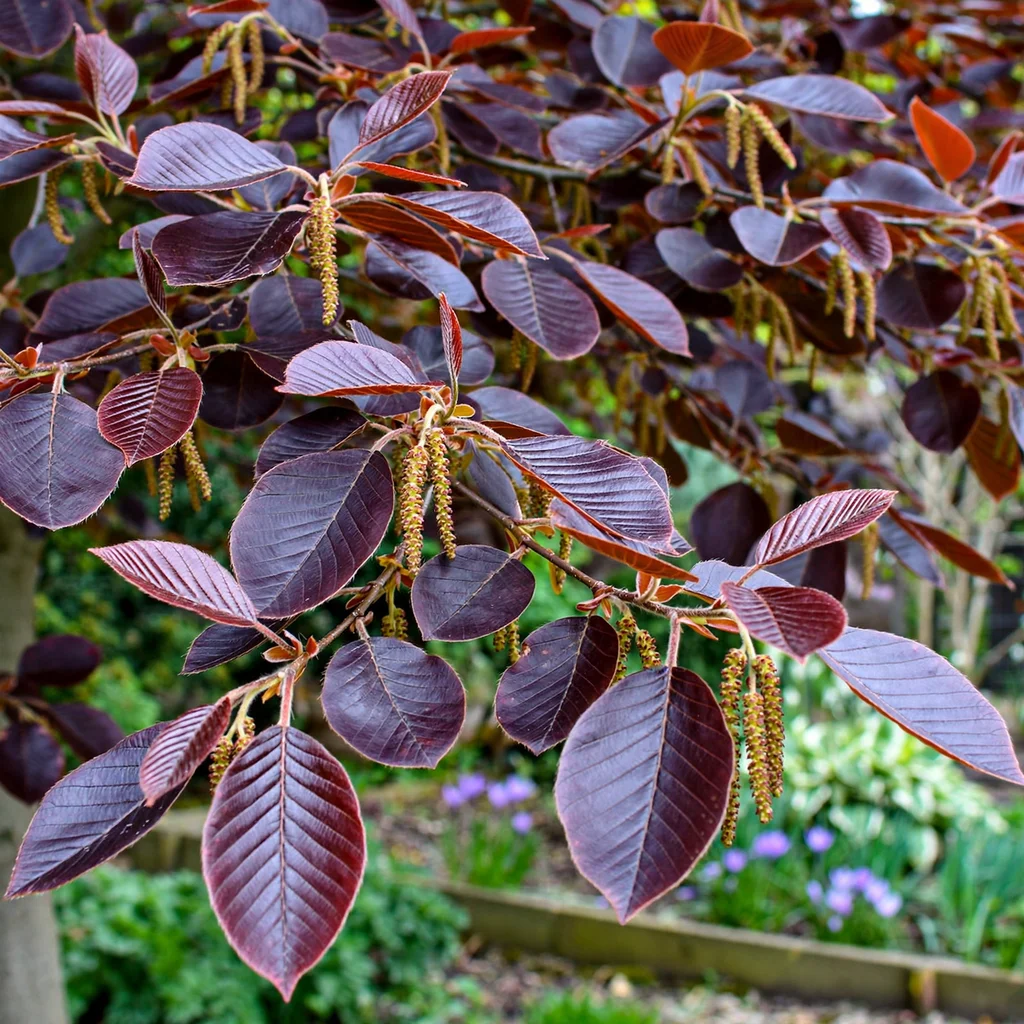
Track your Fagus in Sow
Save the Fagus you grow and get care reminders timed to your zone.
How to grow Fagus
Whats common across all Fagus varieties in our catalog — drawn from the care records of the 11 most-grown of them.
The Fagus year
- PruneFebruary and March100% of varieties
Prune dead or crossing branches in late winter to maintain structure.
- MulchMay and November91% of varieties
Apply a 2-3 inch layer of organic mulch around the base.
- PlantApril, May, October and November64% of varieties
Plant balled-and-burlapped trees in early spring or fall.
- Check for PestsMay–July36% of varieties
Inspect for beech scale and aphids on new growth.


Do
- Allow lower branches to remain for several years to build trunk caliper.
- Water regularly, especially during dry spells, as beech has shallow roots.
- Protect the thin bark from mechanical damage (e.g., mowers, string trimmers).
- Provide consistent moisture, as beech trees are not drought tolerant.
- Mulch the root zone to keep the shallow roots cool.
Avoid
- Do not fertilize unless a soil test indicates a deficiency.
- Avoid planting in hot, dry, exposed sites.
- Do not plant in heavy, waterlogged clay soil.
- Do not plant in poorly drained or compacted soil.
What goes wrong with Fagus
| Problem | What you'll see | What to do |
|---|---|---|
| Beech Scale | White, waxy dots on the bark, often leading to Beech Bark Disease. | Scrub off small infestations with a soft brush. Apply dormant oil in late winter. Systemic insecticides may be needed. |
| Aphids | Clusters of insects on new growth and undersides of leaves, causing leaf curl and sticky honeydew. | Encourage beneficial insects. Spray with insecticidal soap or neem oil. |
| Beech Aphid | White, woolly aphids on the undersides of leaves and branches; sticky honeydew. | Often controlled by natural predators. A strong spray of water can help. Use insecticidal soap or horticultural oil for heavy infestations. |
| Beech Blight Aphid | White, woolly aphids covering branches and twigs, dripping sticky honeydew. | Usually not harmful. A strong jet of water can dislodge them. Insecticidal soap can be used for severe cases. |
| Powdery Mildew | White, powdery coating on leaves, especially in humid conditions. | Ensure good air circulation. Apply horticultural oil or a fungicide containing potassium bicarbonate. |
| Beech Bark Disease | Cankers, oozing patches, and dieback, resulting from a scale-fungus complex. | No cure. Focus on prevention by controlling beech scale insects. Remove heavily infected trees. |
| Leaf Scorch | Browning and crisping of leaf margins, especially the lighter variegated parts. | This is a cultural issue, not a disease. Provide adequate water and protect from hot sun and drying winds. Mulching helps keep roots cool. |
Making more Fagus
Grafting
- Collect scion wood from 'Rohanii' in winter.
- Use a whip-and-tongue graft onto Fagus sylvatica rootstock.
- Wrap the union securely and seal with wax.
- Grow on in a protected environment for one year.
Seed
- Collect nuts in fall after they drop.
- Stratify in moist sand at 40F for 3-4 months.
- Sow in prepared beds in spring.
- Protect seedlings from rodents.
Fagus questions
How many types of Fagus are there?
The Sow catalog tracks 11 distinct Fagus varieties. The most popular — ranked by 241 real gardeners — are shown first above.
What zones does Fagus grow in?
Across its varieties, Fagus covers USDA Zones 4–9. Individual varieties differ — each plant page lists its exact range, and Sow filters the catalog to your zone automatically.
When does Fagus bloom?
Most Fagus varieties bloom in mid-spring, spring. Staggering early, mid, and late varieties extends the genus's season in one bed.
Which Fagus should I choose?
Start from the most-saved varieties above — popularity across thousands of gardens is a strong signal of reliability — then filter by your zone and sun. In the Sow app you can preview any of them in a photo of your actual yard before you buy.