
The Story
Plant Bio
Rubus hispidus is a low-growing, trailing perennial subshrub native to wet woodland margins and swamps across eastern North America. Its creeping, woody stems are covered in weak, backward-curving bristles rather than sharp thorns, forming loose, ground-hugging mats that root at the tips.
This species is distinguished by its semi-evergreen, trifoliate leaves that emerge bright green and shiny before maturing to a dark, dull green. In late spring and summer, it produces small white flowers in loose clusters, followed by sour, edible dark fruits that provide high ecological value for native birds.
Uses & Benefits:
Essentials
At a Glance
Plant Type
Groundcover
Height
10"
Width
100"
Light
Full Sun, Partial Sun, Shade
Zones
4, 5, 6, 7, 8
Water
High
Humidity
High
Lifespan
Perennial
Native To
North America
Toxicity
Non-toxic
Bloom period
Late spring – Summer
In flower about 4 months of the year
Planting
How to Grow
- Select a planting site with partial shade to dappled sunlight and consistently moist, acidic soil.
- Incorporate leaf mold or compost into the planting hole to mimic its natural wetland margin habitat.
- Space plants 3 to 4 feet apart to allow the trailing stems to spread and root at their tips.
- Maintain consistent moisture throughout the first growing season to establish the shallow root system.
Pro Tip
Avoid planting this species in dry upland soils or baking full sun; it requires consistently moist, organic-rich, acidic soil to prevent rapid desiccation and stem dieback.
Keep It Thriving
Care Guide
Do
- Keep the soil consistently moist or wet, especially when grown in sunnier positions.
- Leave dead, hollow stems standing at a height of 12 to 24 inches to provide nesting structures for native bees.
- Apply an annual top-dressing of leaf mold or compost to maintain soil organic matter.
Don't
- Don't allow the soil to dry out completely, as the plant has low drought tolerance and desiccates quickly.
- Don't apply heavy synthetic fertilizers, as this species thrives in low-nutrient, organic soils.
- Don't prune stems aggressively; only selectively remove dead floricanes to preserve nesting sites.
Seasonal Care Calendar
| Task | Jan | Feb | Mar | Apr | May | Jun | Jul | Aug | Sep | Oct | Nov | Dec |
|---|---|---|---|---|---|---|---|---|---|---|---|---|
| Mulch | ||||||||||||
| Pest Check | ||||||||||||
| Propagate | ||||||||||||
| Spring Cleanup |
Watch Out For
Pests & Diseases
Common Pests
Common Diseases
In the Garden
Landscape Uses & Companions
Landscape Uses
Companion Plants
Multiply
Propagation Methods
Good to Know
Common Questions
Bristly Dewberry questions
What zones can Bristly Dewberry grow in?
Bristly Dewberry is hardy in USDA Zones 4–8. Inside that range it survives winter in the ground; outside it, grow it as an annual or a container plant you protect.
Is Bristly Dewberry deer resistant?
Not reliably. Deer may browse Bristly Dewberry, especially tender spring growth — plan on repellents or fencing where pressure is high.
When does Bristly Dewberry bloom?
Bristly Dewberry typically blooms in late spring through summer. Exact timing shifts a week or two with your zone — Sow's bloom calendar maps it to your garden.
Does Bristly Dewberry need full sun?
Bristly Dewberry does best in full sun to part shade. In hot climates, afternoon shade keeps blooms fresher longer.
More Rubus to compare
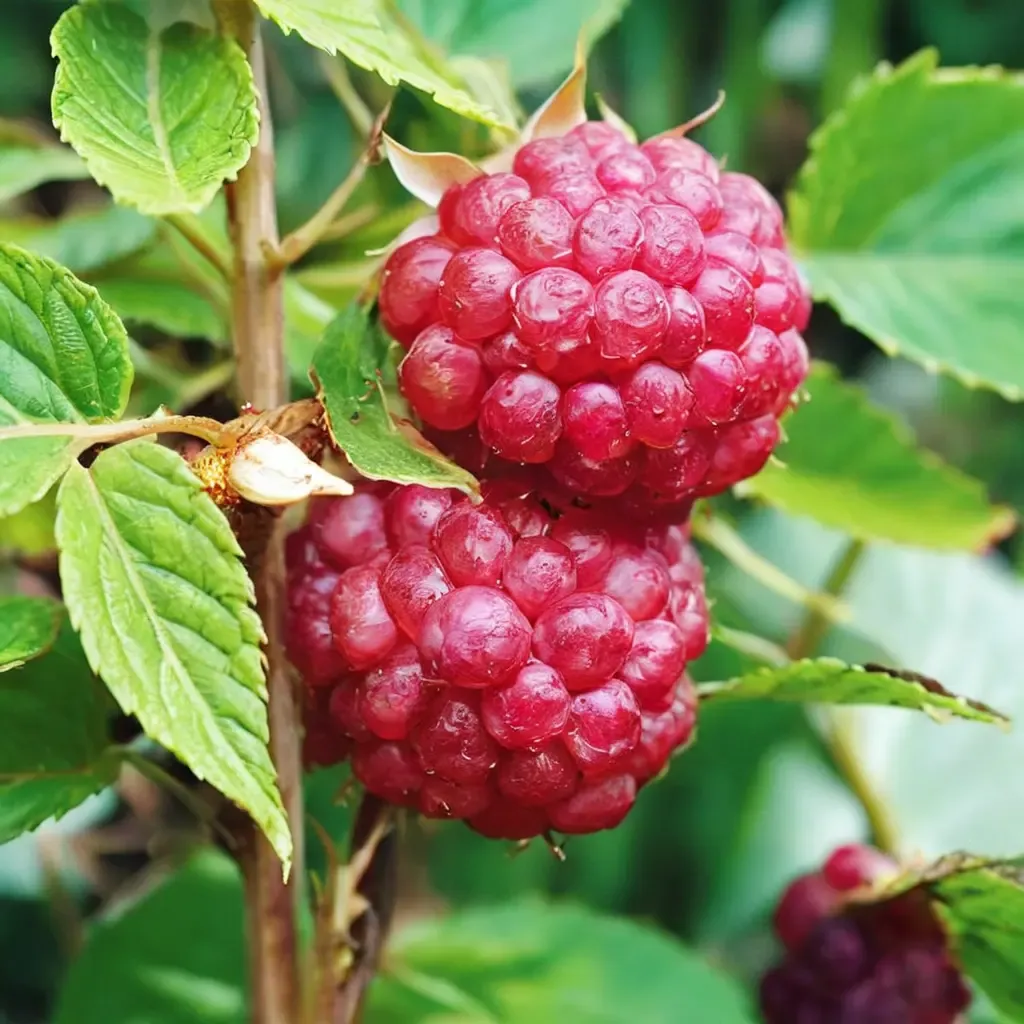
Mammoth Red Raspberry
Rubus idaeus 'Mammoth Red'
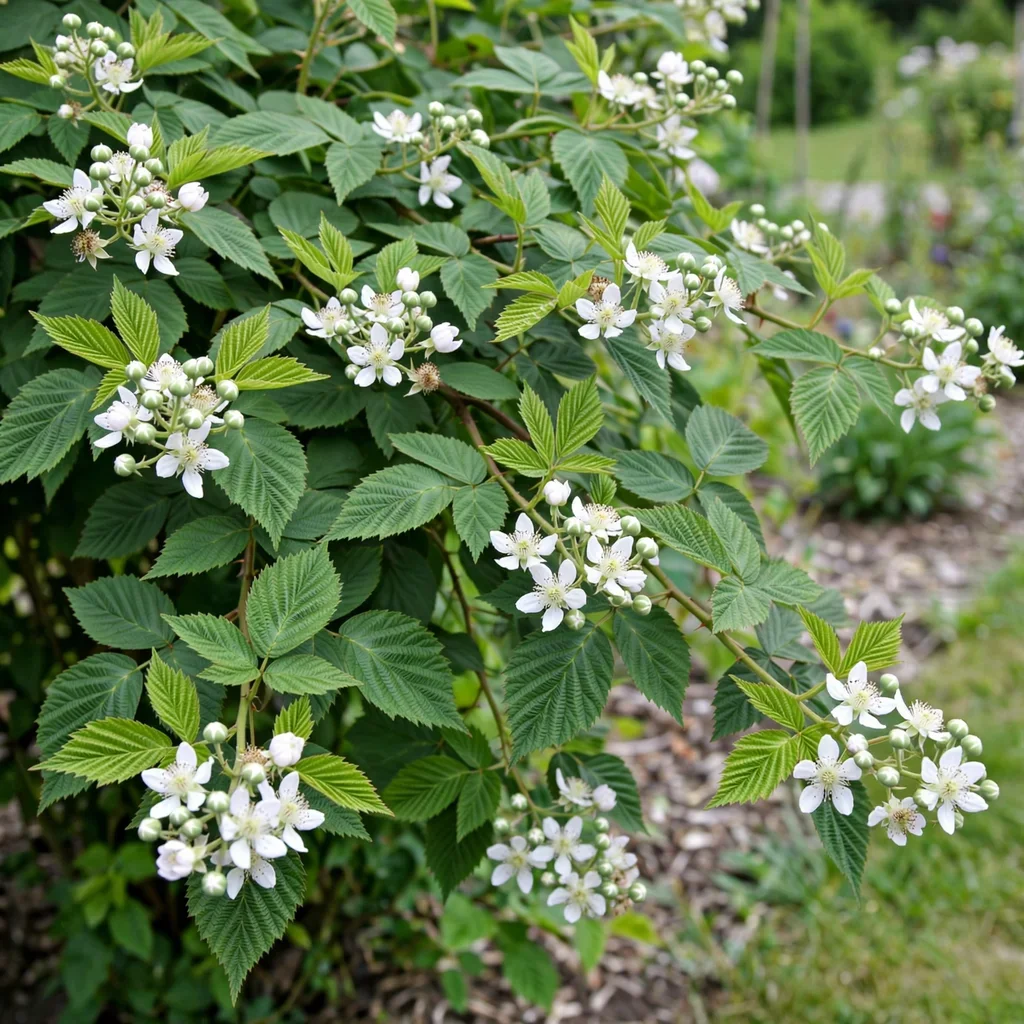
Triple Crown Blackberry
Rubus fruticosus 'Triple Crown'
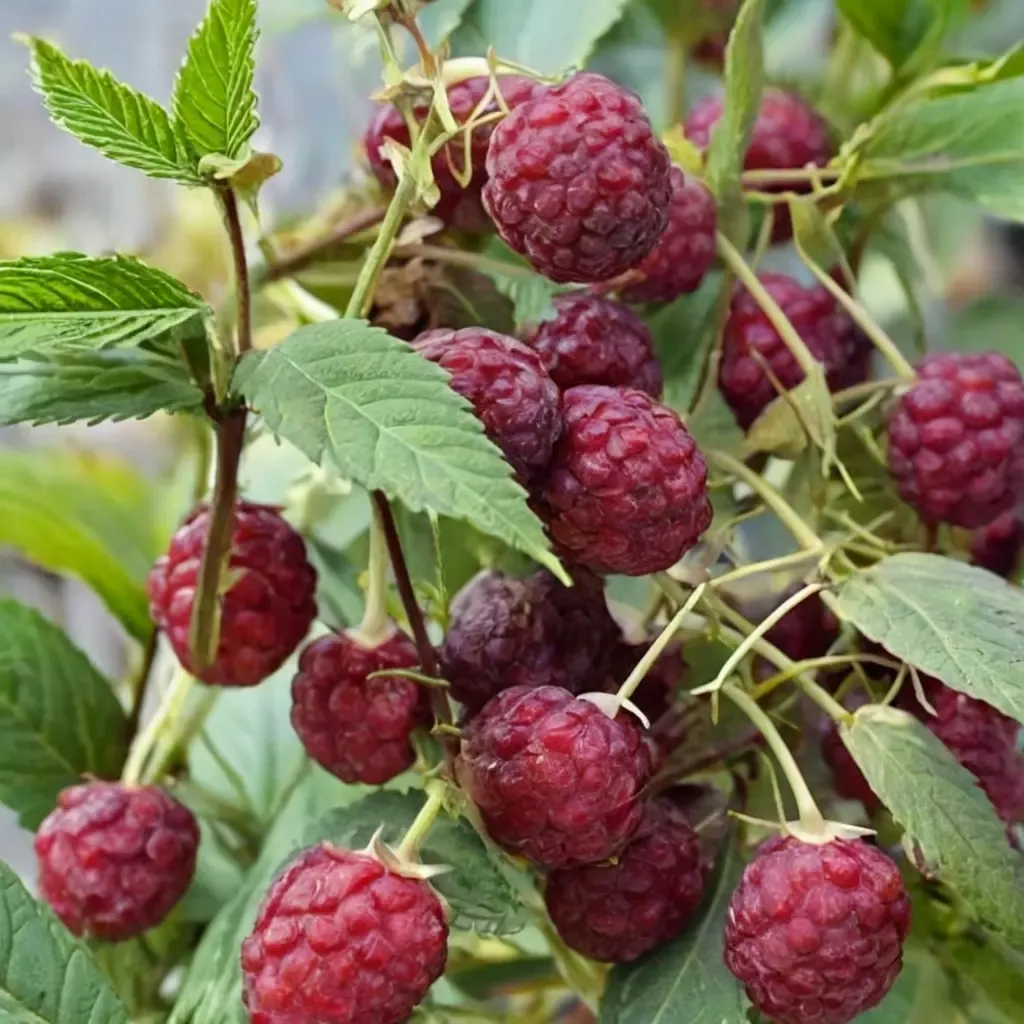
Crimson Night Raspberry
Rubus idaeus 'Crimson Night'
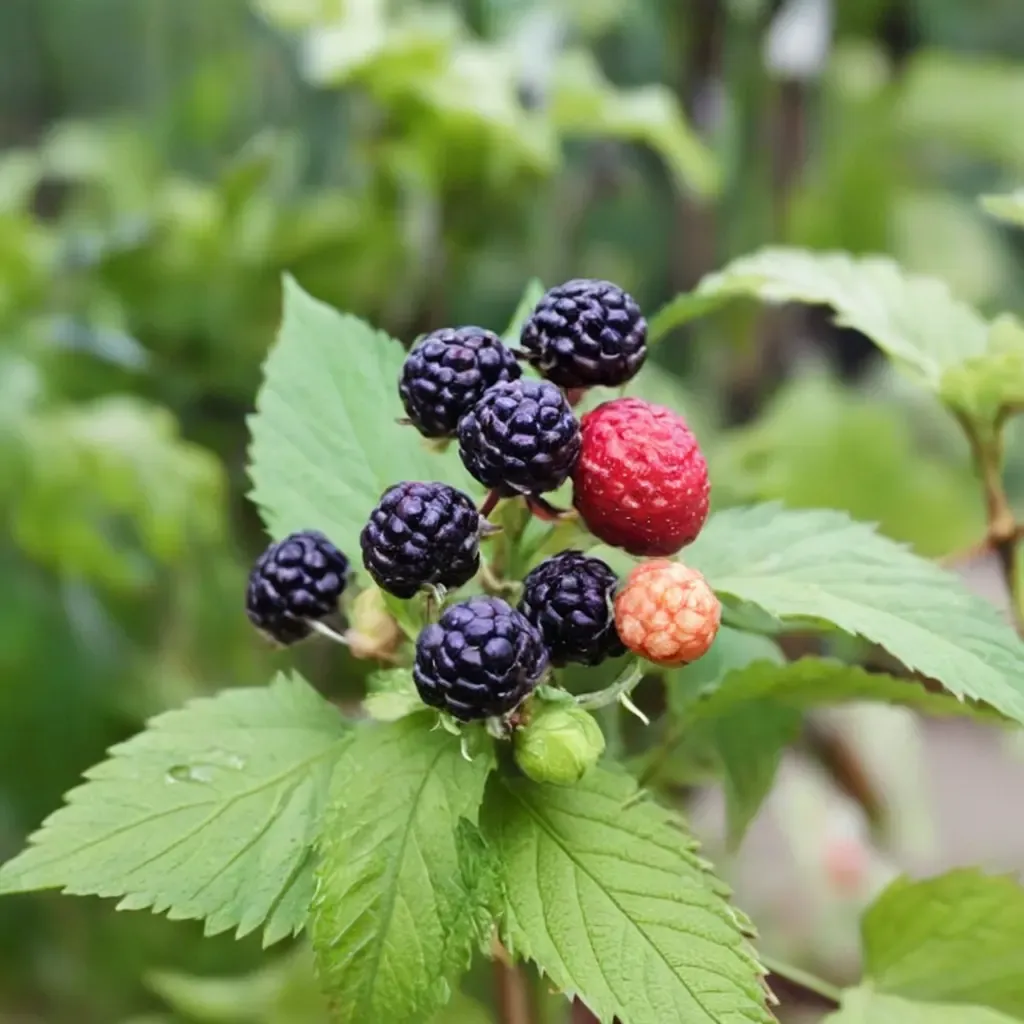
Jewel Black Raspberry
Rubus idaeus 'Jewel'
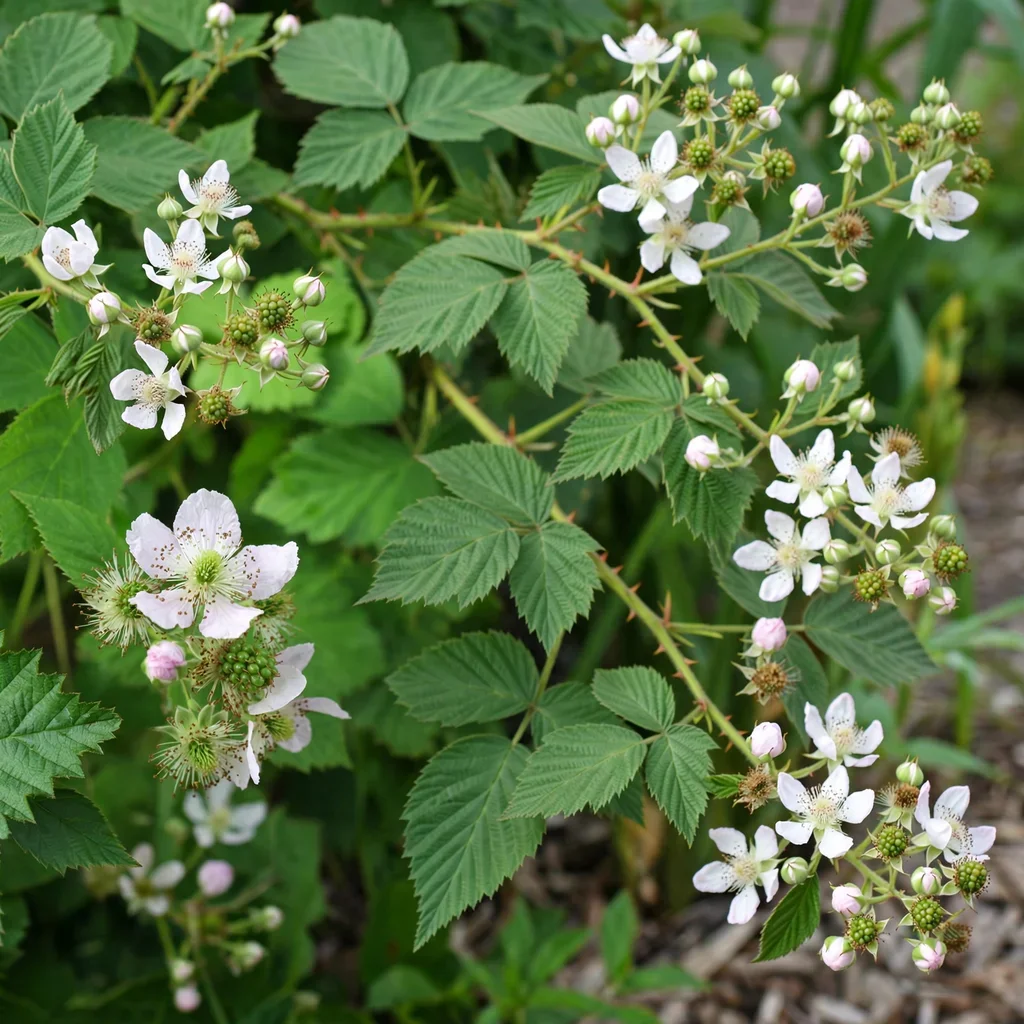
Apache Thornless Blackberry
Rubus fruticosus 'Apache Thornless'
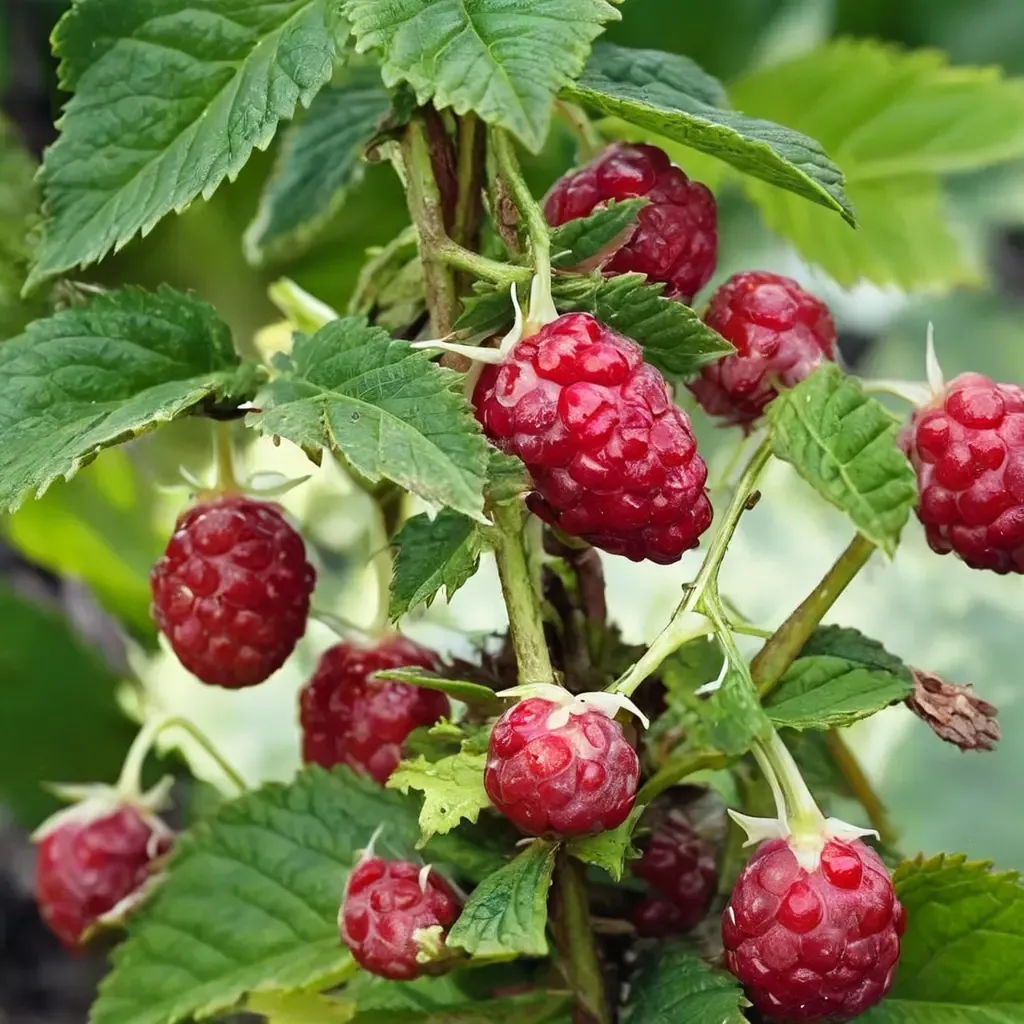
Canby raspberry
Rubus idaeus 'Canby'
Keep exploring
Explore the genus
Hardy in your zone?
Grow Bristly Dewberry with confidence
See it in a design of your actual yard, get zone-matched care reminders, and track it season by season in your garden journal.