The Story
Plant Bio
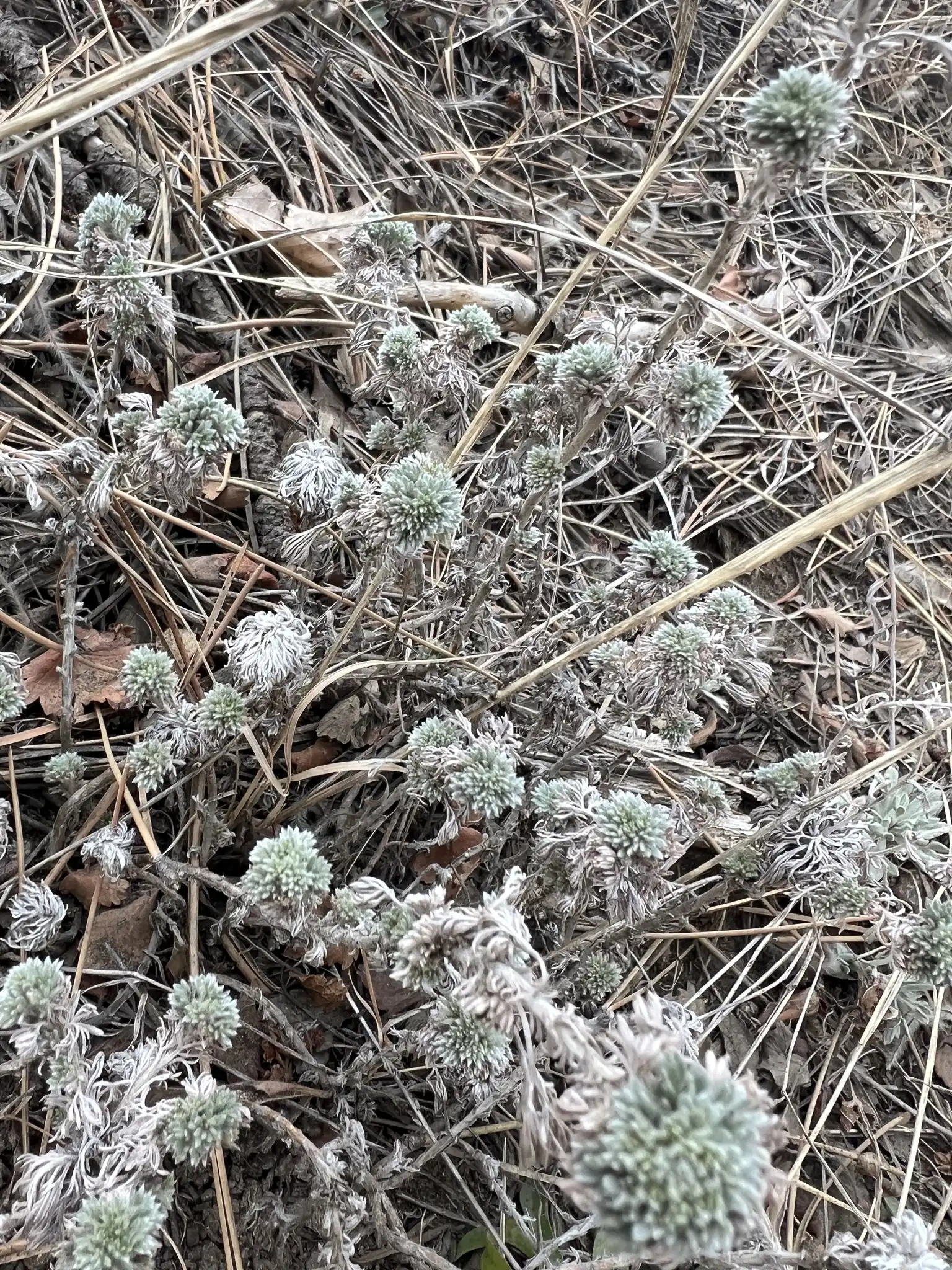
Artemisia frigida, known as fringed sagebrush, is a low-spreading, woody-based perennial native to dry prairies and rocky slopes across western North America and northern Eurasia. It forms a dense cushion of finely divided, lacy silver-gray foliage that releases a strong camphor aroma when crushed, producing small yellow flower heads on erect stems in summer.
Dense, silky foliage hairs reflect solar radiation and limit evapotranspiration in exposed, arid environments. A tough woody root crown allows established plants to survive extreme continental winter frost and extended drought without supplemental watering.
Uses & Benefits:
Essentials
At a Glance
Plant Type
Perennial
Height
18"
Width
18"
Light
Full Sun
Zones
4, 5, 6, 7, 8, 9
Water
Low
Humidity
Low
Lifespan
Perennial
Native To
North America, Eurasia
Toxicity
Toxic if ingested in large quantities
Bloom period
Summer – Early fall
In flower about 4 months of the year
Planting
How to Grow
- Plant in full sun in lean, gravelly, or sandy soil with rapid drainage.
- Water sparingly during the first month to establish root systems, then cease routine irrigation.
- Cut back spent flower stalks and dead stems in early spring before fresh growth emerges.
- Avoid organic mulches near the crown; use gravel or crushed stone to prevent moisture buildup.
Pro Tip
Shear spent flowering stalks back to the basal foliage mat in early spring; cutting back into bare, leafless woody stems lower down prevents secondary branching and kills affected branches.
Keep It Thriving
Care Guide
Do
- Provide maximum direct sunlight to maintain a tight, compact habit.
- Ensure soil drains sharply to prevent winter crown rot.
- Prune top growth in early spring just above live foliage buds.
Don't
- Do not fertilize or grow in rich soil, which causes tall, floppy growth and stem collapse.
- Do not cut back into old leafless wood.
- Do not apply heavy wood mulch around the plant base.
Seasonal Care Calendar
| Task | Jan | Feb | Mar | Apr | May | Jun | Jul | Aug | Sep | Oct | Nov | Dec |
|---|---|---|---|---|---|---|---|---|---|---|---|---|
| Pest Check | ||||||||||||
| Propagate | ||||||||||||
| Prune | ||||||||||||
| Spring Cleanup |
Watch Out For
Pests & Diseases
Common Pests
Common Diseases
In the Garden
Landscape Uses & Companions
Landscape Uses
Multiply
Propagation Methods
Good to Know
Common Questions
Fringed Sagebrush questions
What zones can Fringed Sagebrush grow in?
Fringed Sagebrush is hardy in USDA Zones 4–9. Inside that range it survives winter in the ground; outside it, grow it as an annual or a container plant you protect.
Is Fringed Sagebrush deer resistant?
Yes — Fringed Sagebrush is rated deer-resistant. Deer typically pass it over, though extreme hunger can override any plant's defenses.
When does Fringed Sagebrush bloom?
Fringed Sagebrush typically blooms in summer through early fall. Exact timing shifts a week or two with your zone — Sow's bloom calendar maps it to your garden.
Does Fringed Sagebrush need full sun?
Fringed Sagebrush does best in full sun (6+ hours).
Is Fringed Sagebrush drought tolerant?
Yes — once established (usually after the first full season), Fringed Sagebrush handles dry spells with minimal watering. Water deeply its first year to build the root system that makes that possible.
More Artemisia to compare
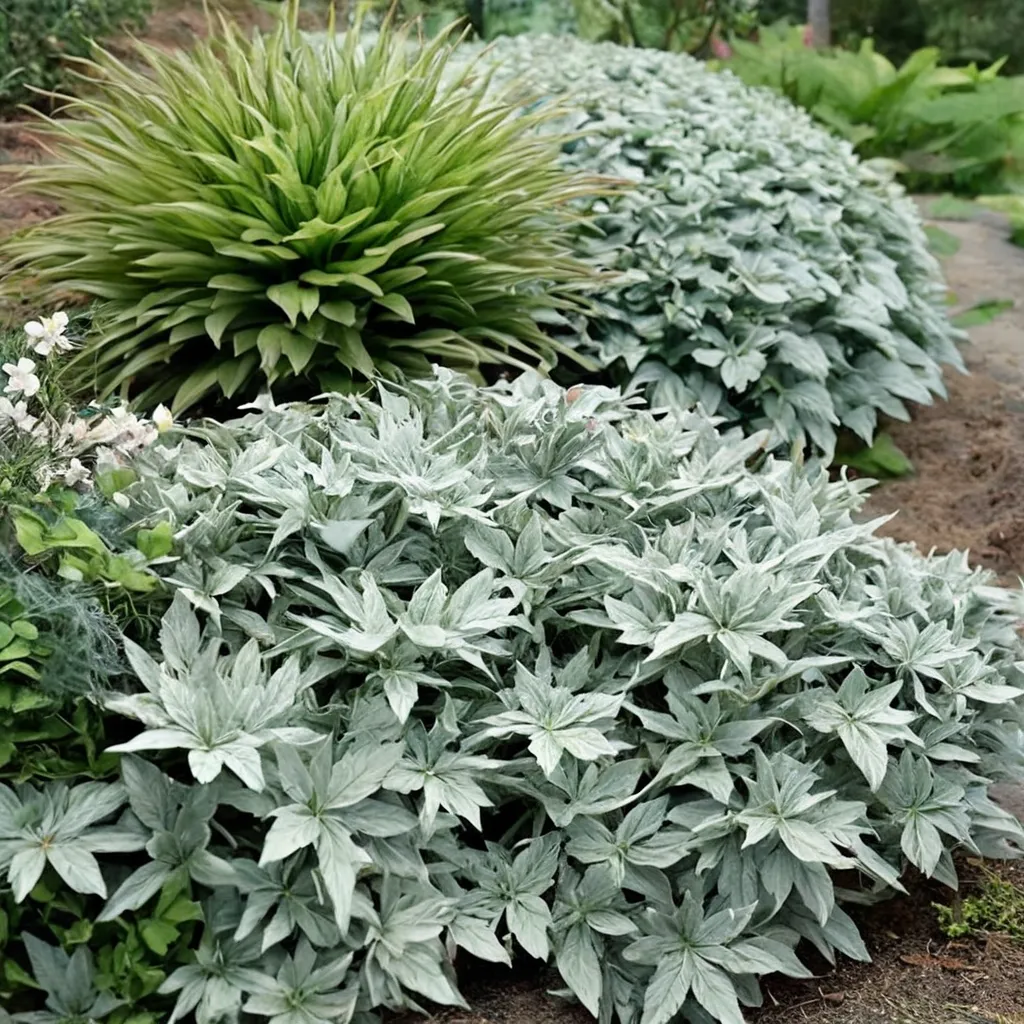
Artemisia Silver Lining
Artemisia x hybrida 'Silver Lining'
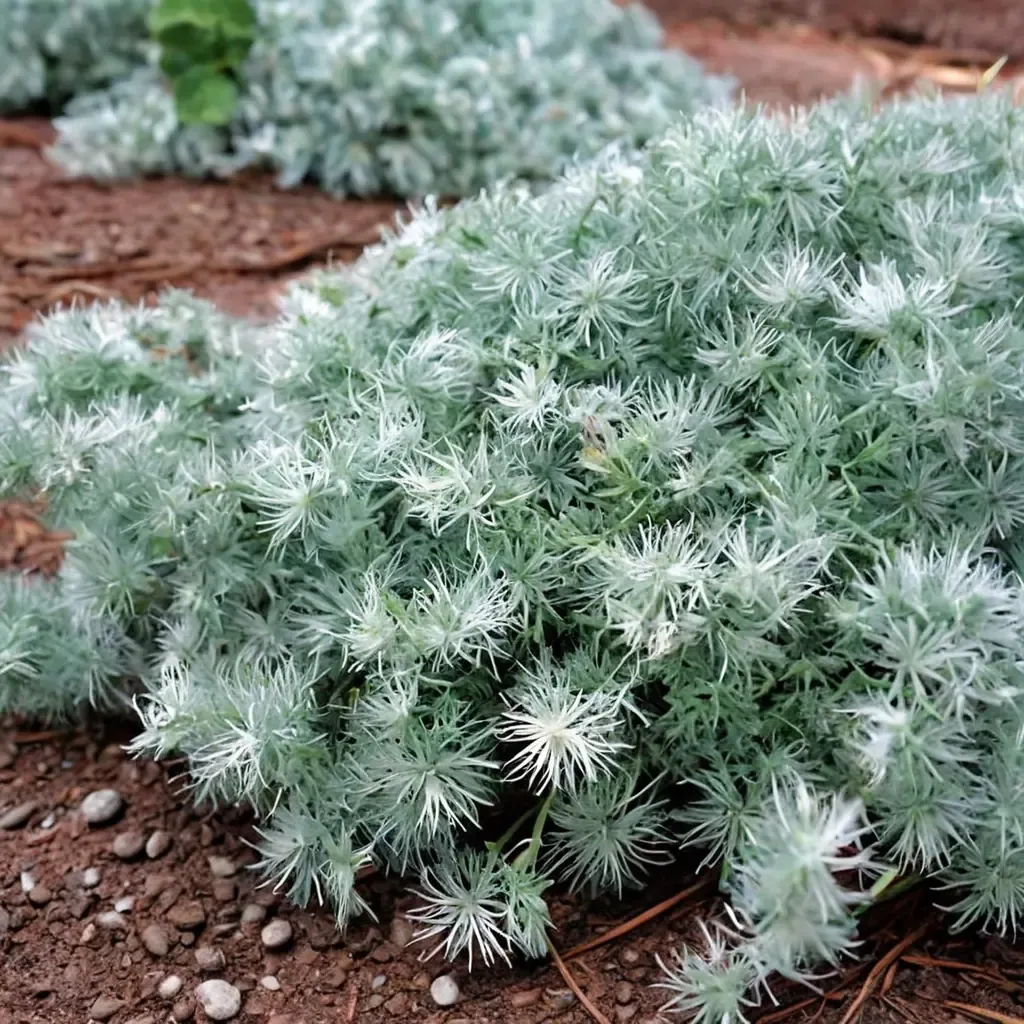
Silver Mound Wormwood
Artemisia schmidtiana 'Silver Mound'
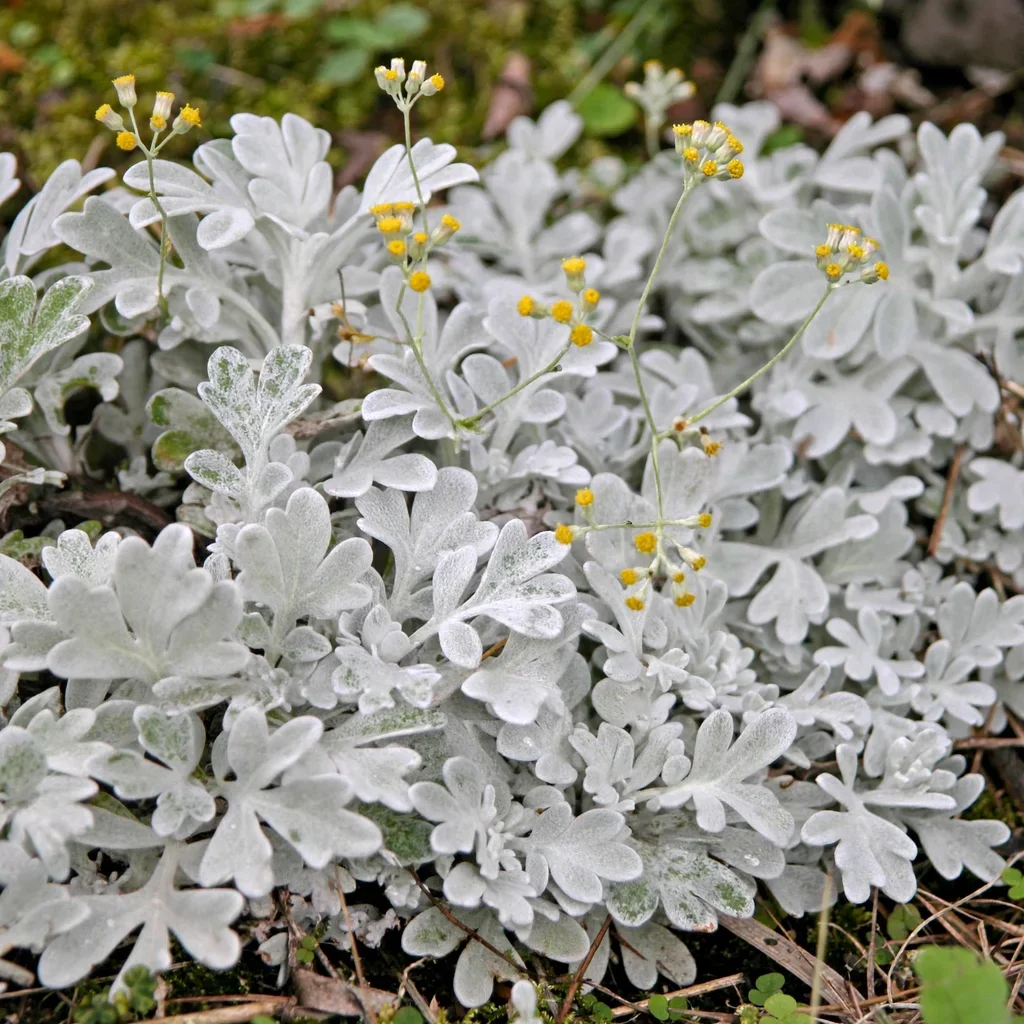
Beach Wormwood
Artemisia stelleriana 'Silver Brocade'
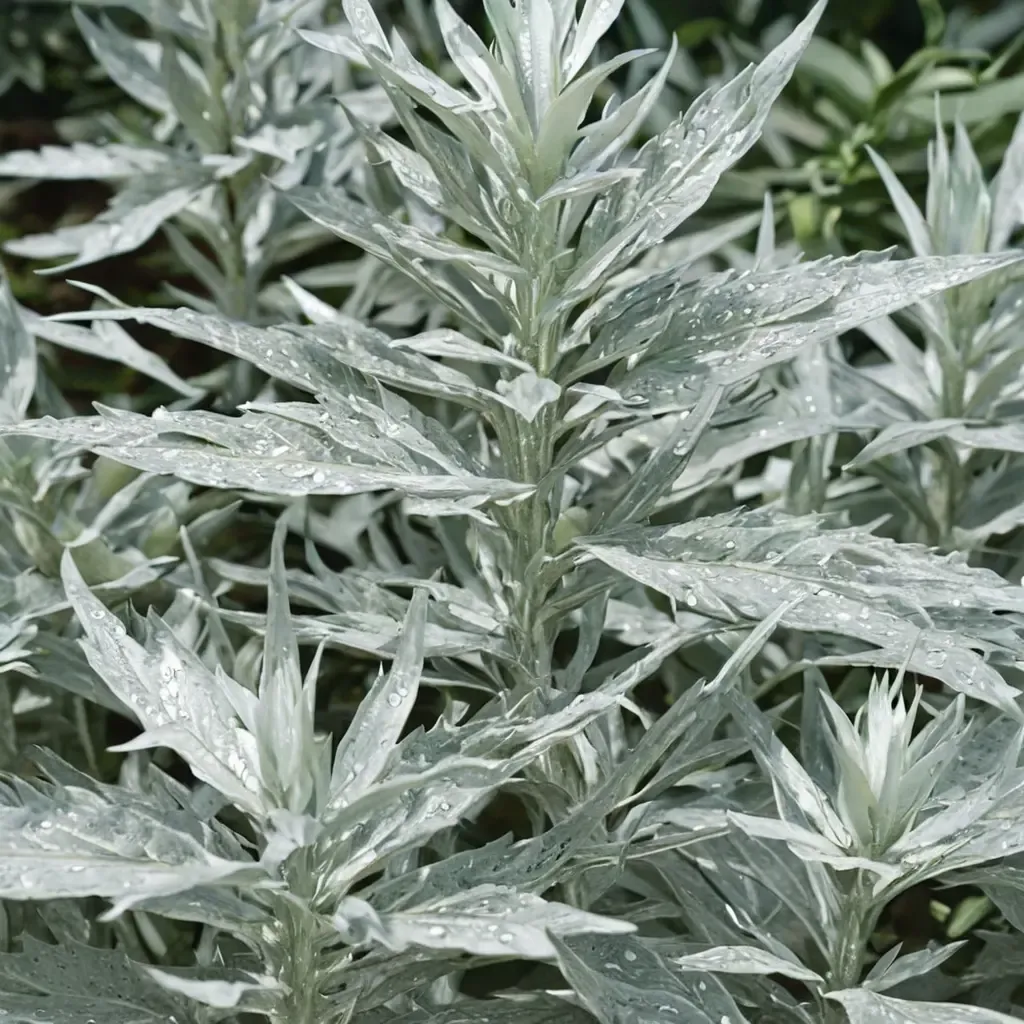
Silver King Artemisia
Artemisia ludoviciana 'Silver King'
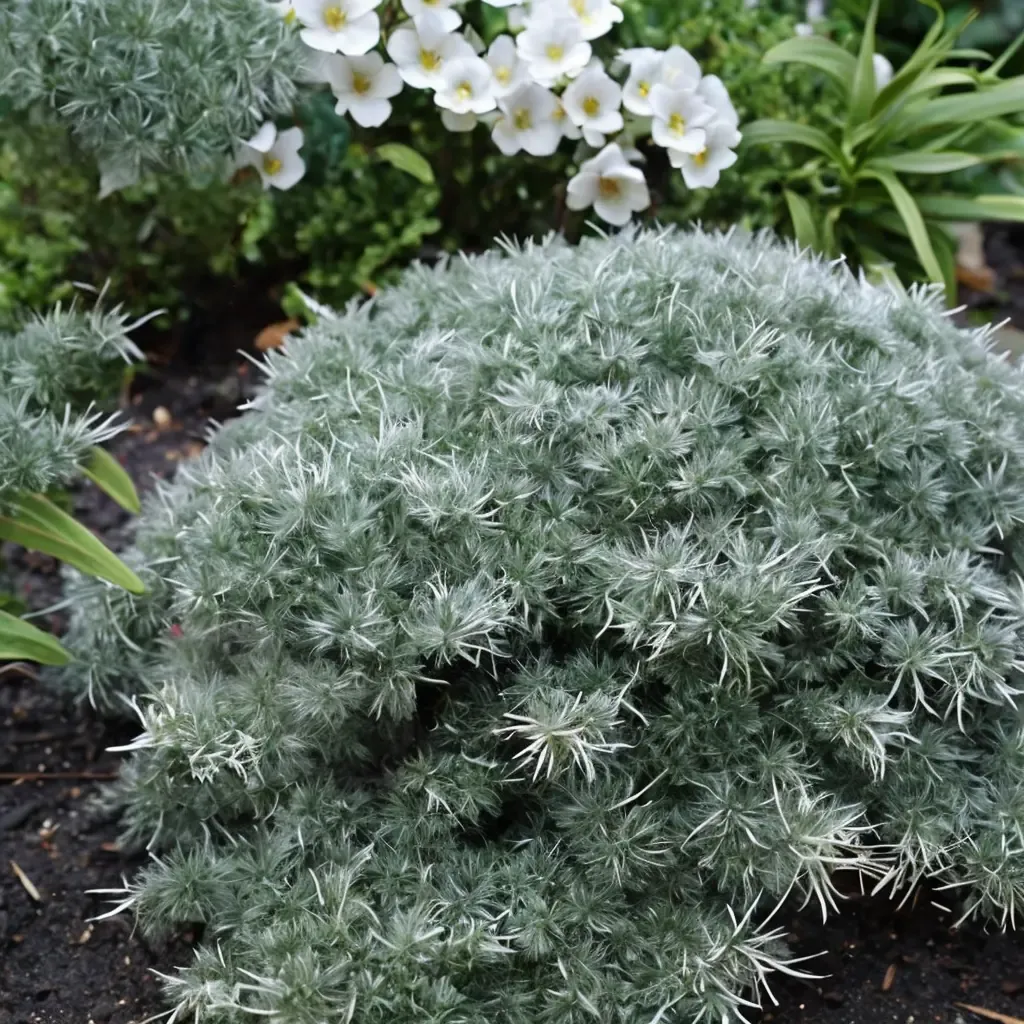
Silver Mound Artemisia
Artemisia schmidtiana 'Nana'
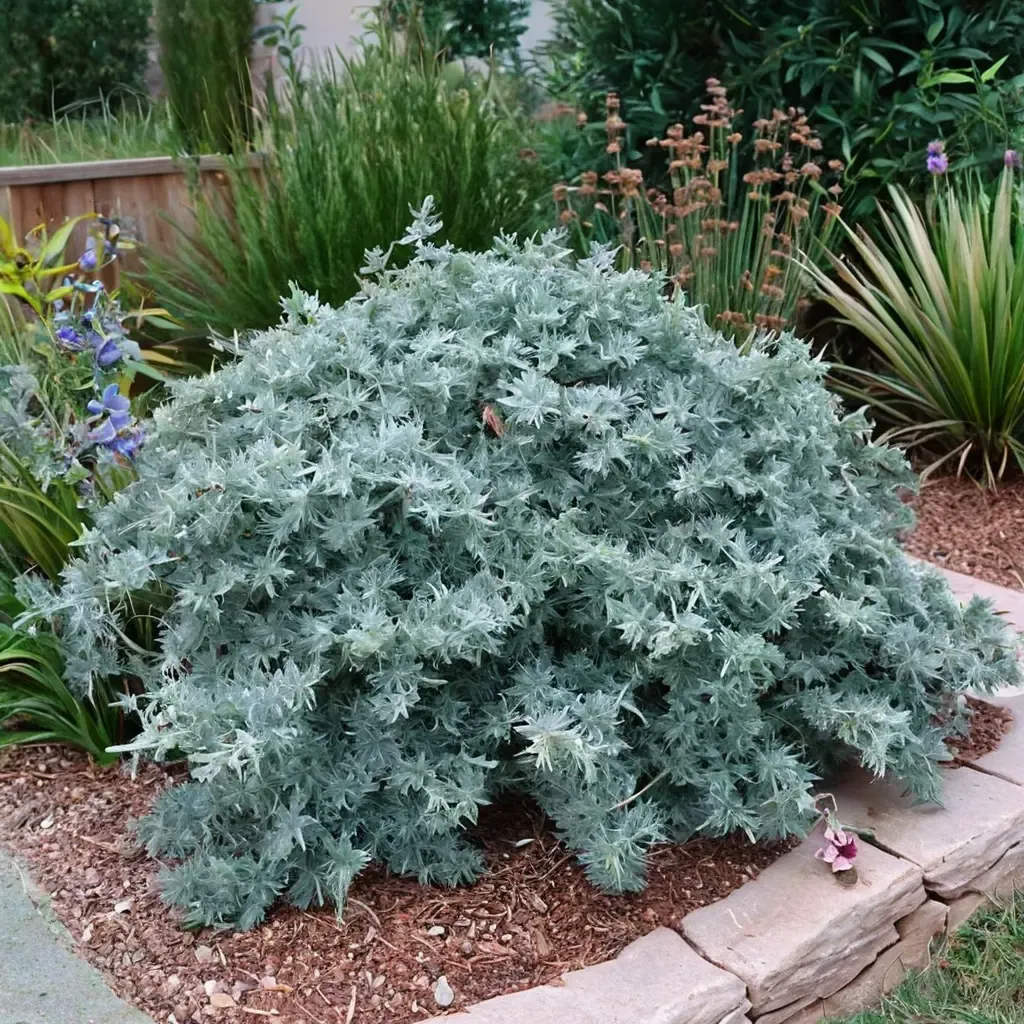
Powis Castle wormwood
Artemisia x hybrida 'Powis Castle'
Keep exploring
Explore the genus
Grow Fringed Sagebrush with confidence
See it in a design of your actual yard, get zone-matched care reminders, and track it season by season in your garden journal.