1 named cultivar
The Story
Plant Bio
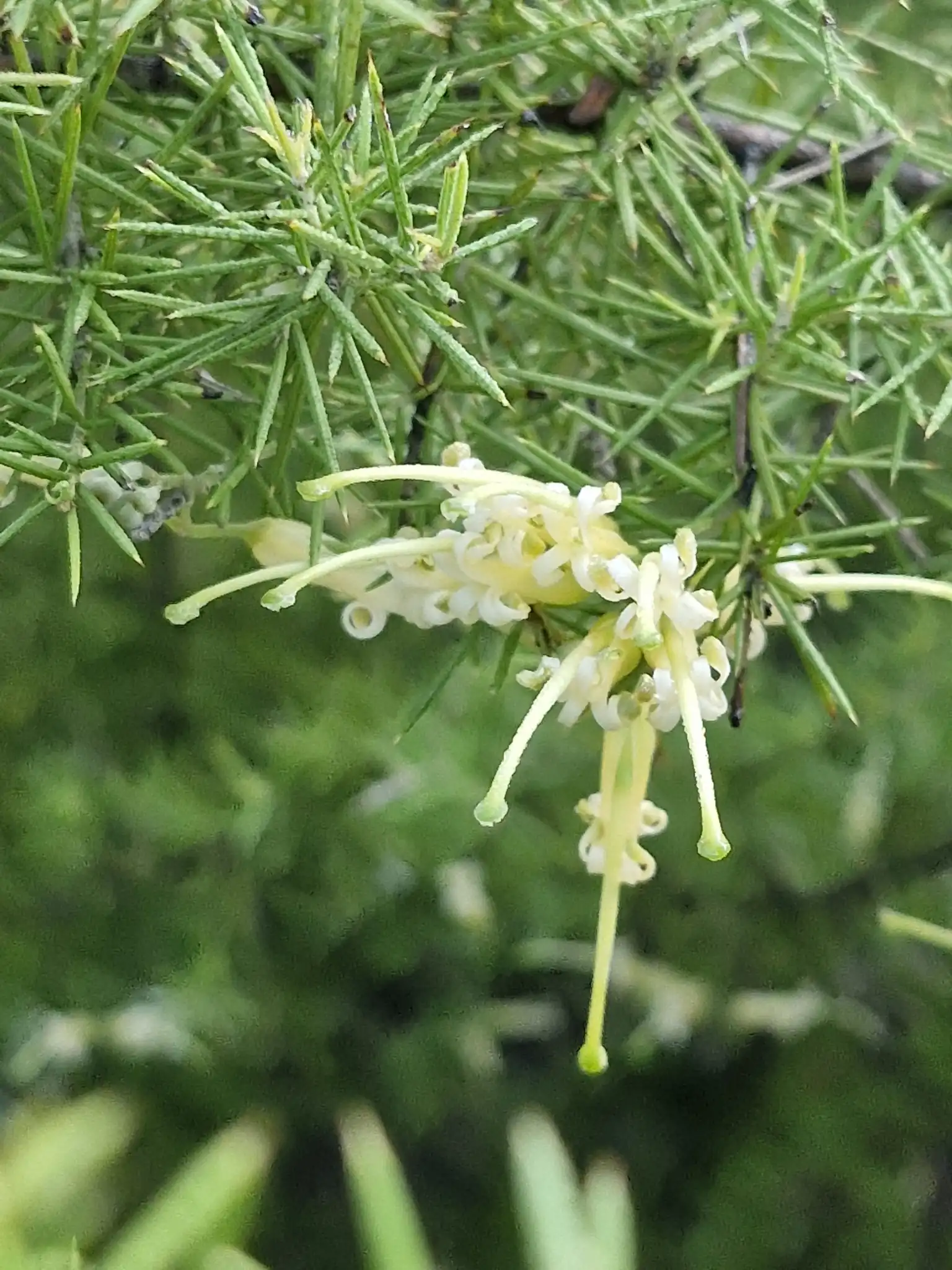
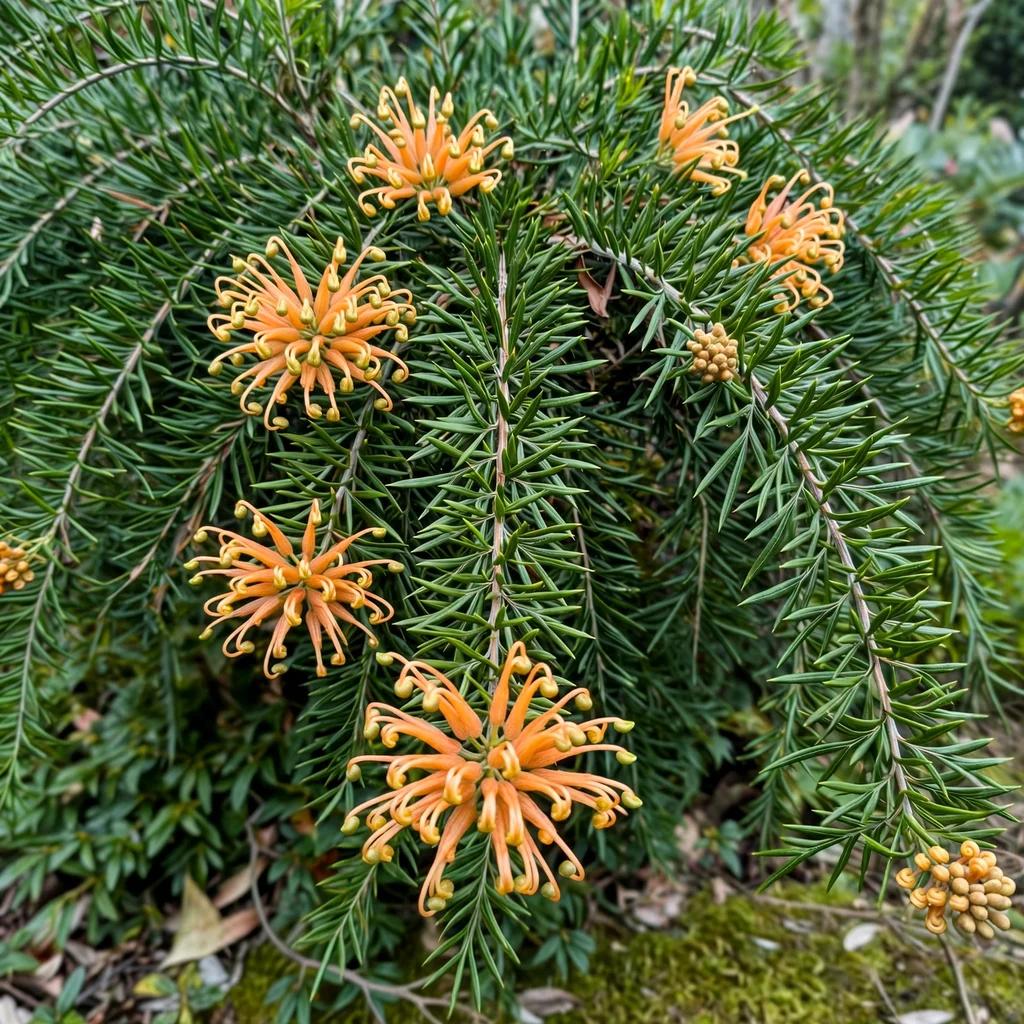
Grevillea juniperina, the juniper grevillea, is an evergreen Australian shrub with a dense, spreading habit and stiff, needle-like leaves that terminate in sharp, prickly points. The distinctive spider-like flower clusters lack true petals, displaying prominent, colorful styles in shades of red, orange, or yellow from winter through spring.
This species is highly sensitive to phosphorus, requiring specialized low-phosphorus fertilizers to prevent toxic nutrient buildup in the roots. The rigid, pungent foliage acts as a natural deterrent against browsing deer and rabbits while providing protective nesting cover for small birds.
Uses & Benefits:
Essentials
At a Glance
Plant Type
Shrub
Height
60"
Width
96"
Light
Full Sun, Partial Sun
Zones
8, 9, 10
Water
Low
Humidity
Low to moderate
Lifespan
Moderate
Native To
Australia
Toxicity
Skin irritant
Planting
How to Grow
- Select a planting site with exceptional drainage, such as a raised bed, sandy slope, or gritty container mix.
- Position the plant in full sun to maximize flowering and maintain a tight, compact growth habit.
- Water sparingly once established, allowing the soil to dry out completely between watering sessions.
- Apply only specialized low-phosphorus native fertilizers, as standard garden fertilizers will cause phosphorus toxicity.
Pro Tip
Tip-prune the stems immediately after the main spring flowering to maintain a dense habit; cutting back hard into old, leafless wood will kill the branches.
Keep It Thriving
Care Guide
Do
- Provide excellent soil drainage to prevent root rot.
- Use low-phosphorus fertilizers formulated specifically for Proteaceae.
- Tip-prune regularly after flowering to encourage dense growth.
Don't
- Do not overwater or allow the roots to sit in soggy, waterlogged soil.
- Do not prune hard into old, bare wood as it will not regenerate.
- Do not use standard all-purpose fertilizers containing high phosphorus.
Seasonal Care Calendar
| Task | Jan | Feb | Mar | Apr | May | Jun | Jul | Aug | Sep | Oct | Nov | Dec |
|---|---|---|---|---|---|---|---|---|---|---|---|---|
| Fertilize | ||||||||||||
| Pest Check | ||||||||||||
| Prune | ||||||||||||
| Winter Prep |
Watch Out For
Pests & Diseases
Common Pests
Common Diseases
In the Garden
Landscape Uses & Companions
Landscape Uses
Companion Plants
Multiply
Propagation Methods
Good to Know
Common Questions
Juniper Grevillea questions
What zones can Juniper Grevillea grow in?
Juniper Grevillea is hardy in USDA Zones 8–10. Inside that range it survives winter in the ground; outside it, grow it as an annual or a container plant you protect.
Is Juniper Grevillea deer resistant?
Yes — Juniper Grevillea is rated deer-resistant. Deer typically pass it over, though extreme hunger can override any plant's defenses.
When does Juniper Grevillea bloom?
Juniper Grevillea typically blooms in winter through spring. Exact timing shifts a week or two with your zone — Sow's bloom calendar maps it to your garden.
Does Juniper Grevillea need full sun?
Juniper Grevillea does best in full sun to part shade. In hot climates, afternoon shade keeps blooms fresher longer.
Is Juniper Grevillea drought tolerant?
Yes — once established (usually after the first full season), Juniper Grevillea handles dry spells with minimal watering. Water deeply its first year to build the root system that makes that possible.
More Grevillea to compare
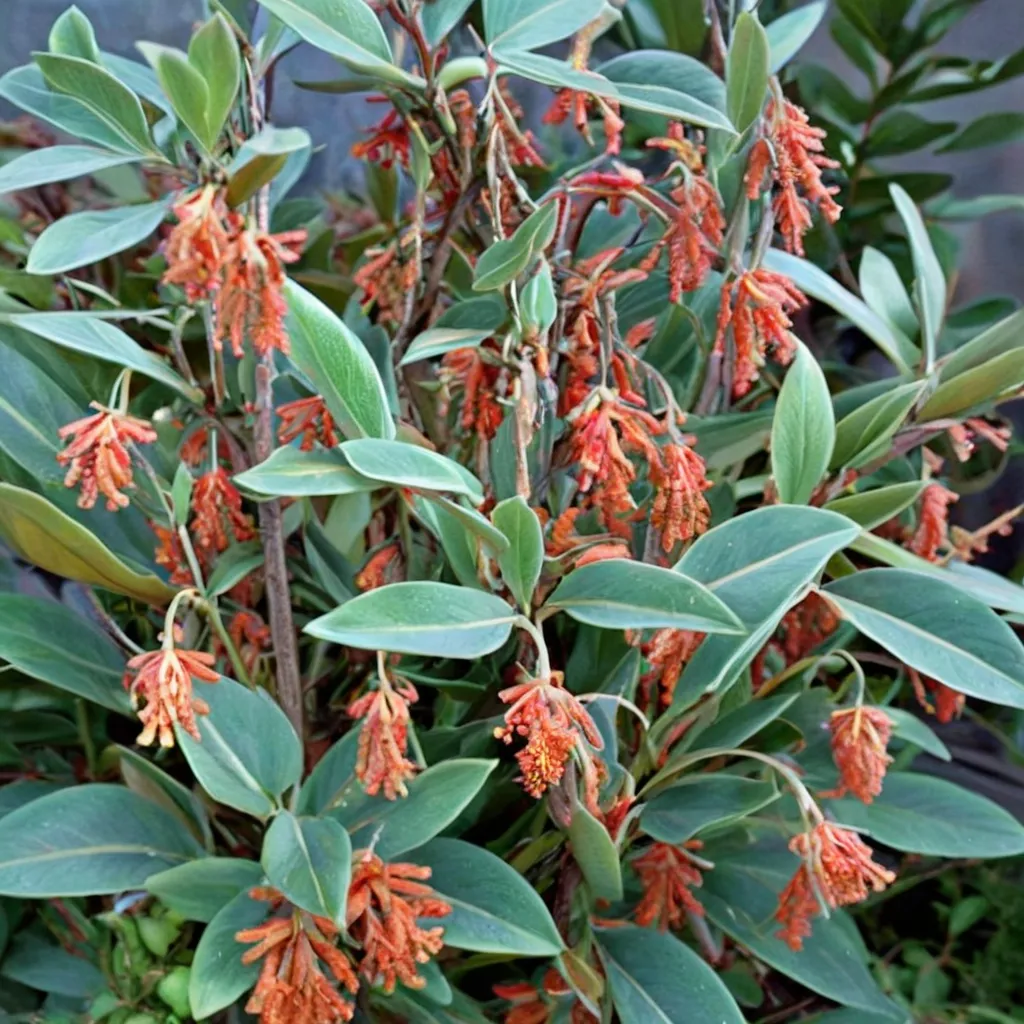
Murray Queen Grevillea
Grevillea victoriae 'Murray Queen'
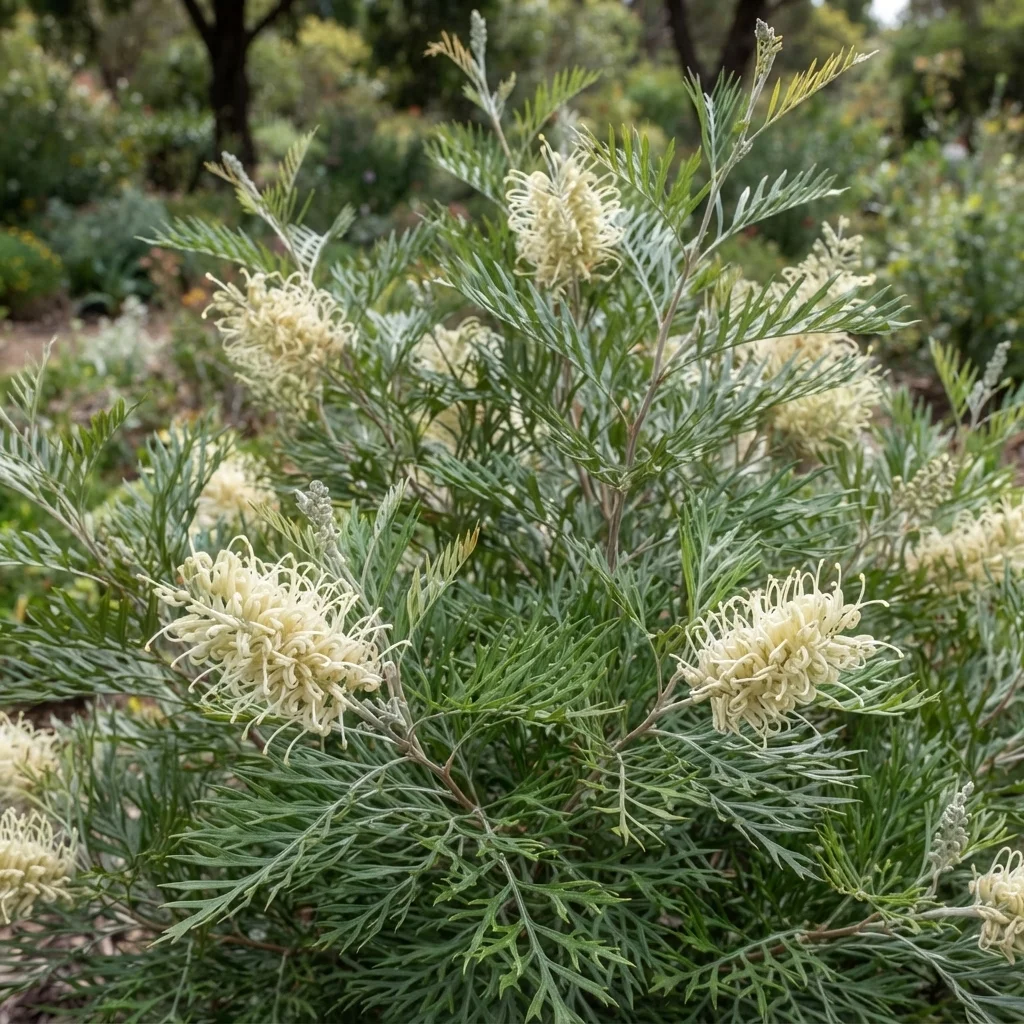
Moonlight Grevillea
Grevillea x hybrida 'Moonlight'
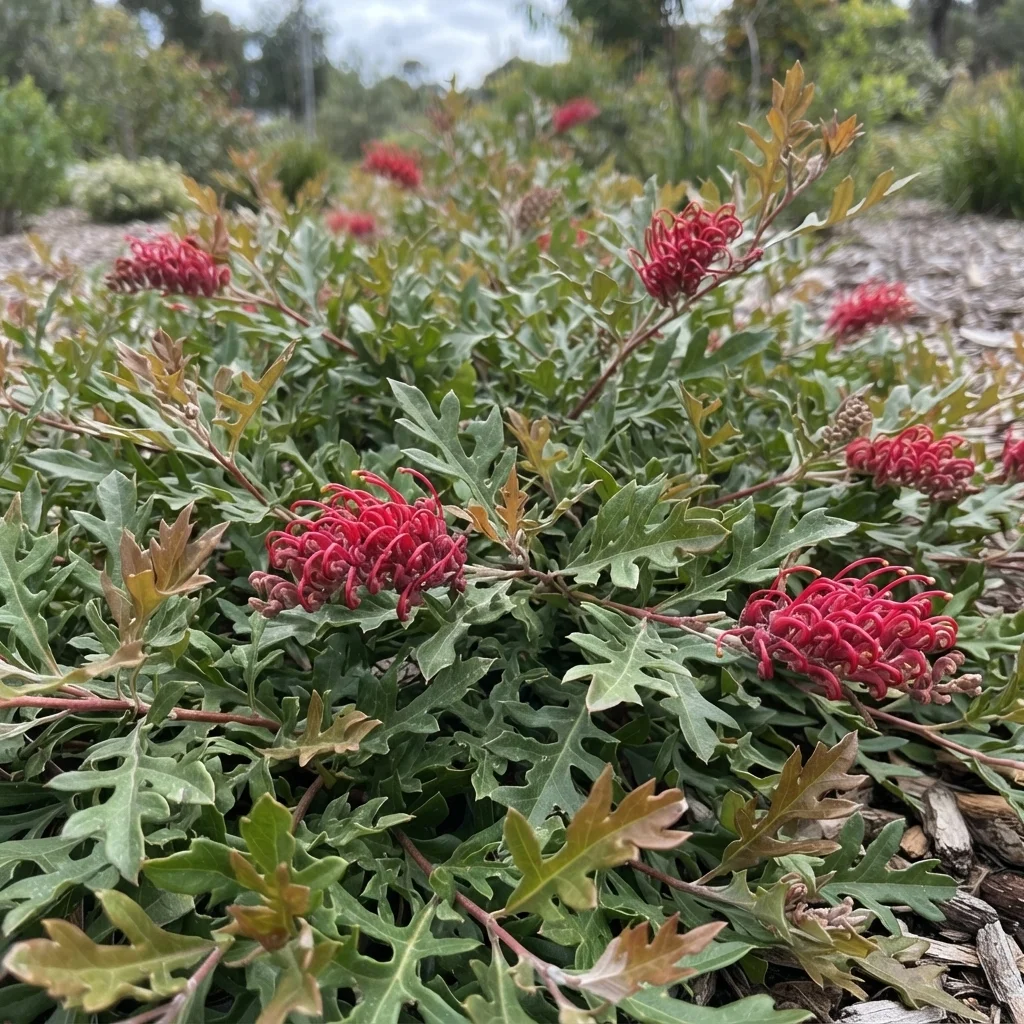
Prostrate Grevillea
Grevillea × gaudichaudii 'Gaudi Chaudi'
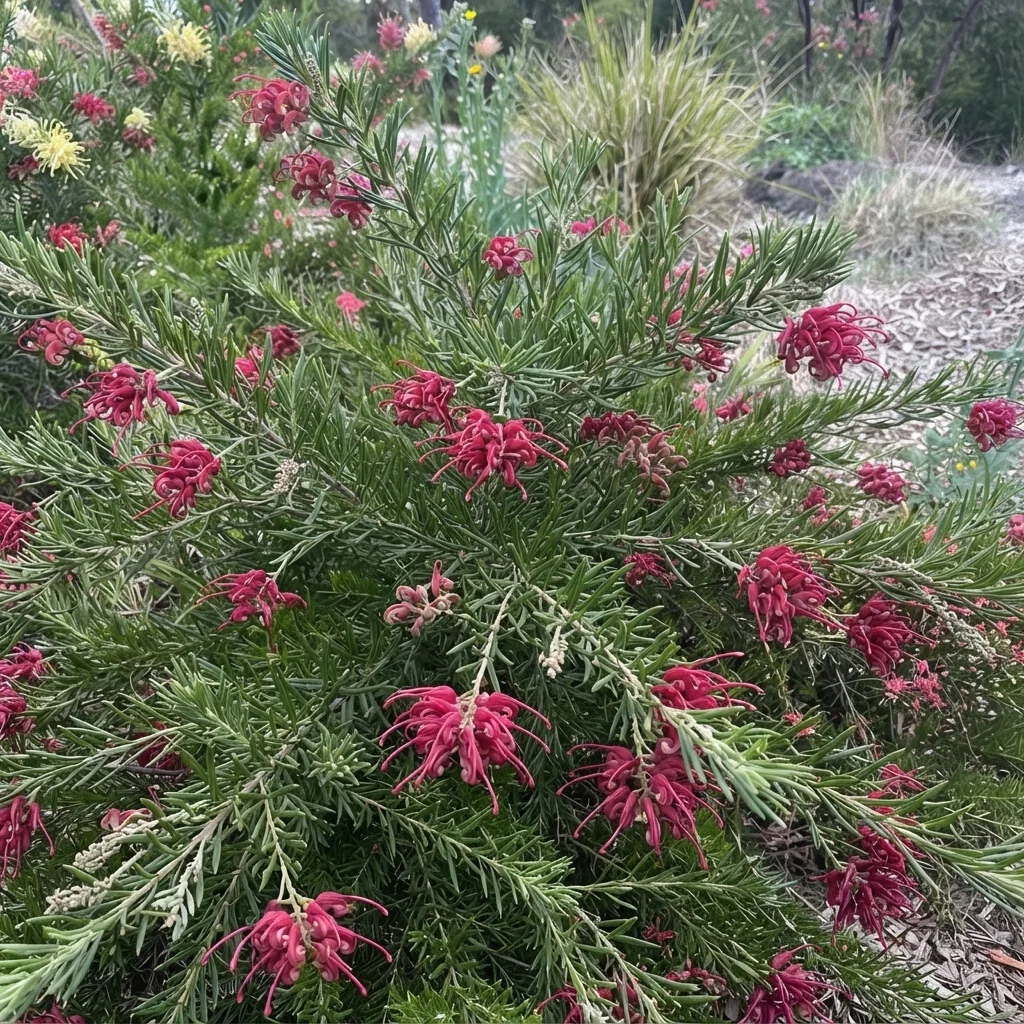
Rosemary Grevillea
Grevillea rosmarinifolia
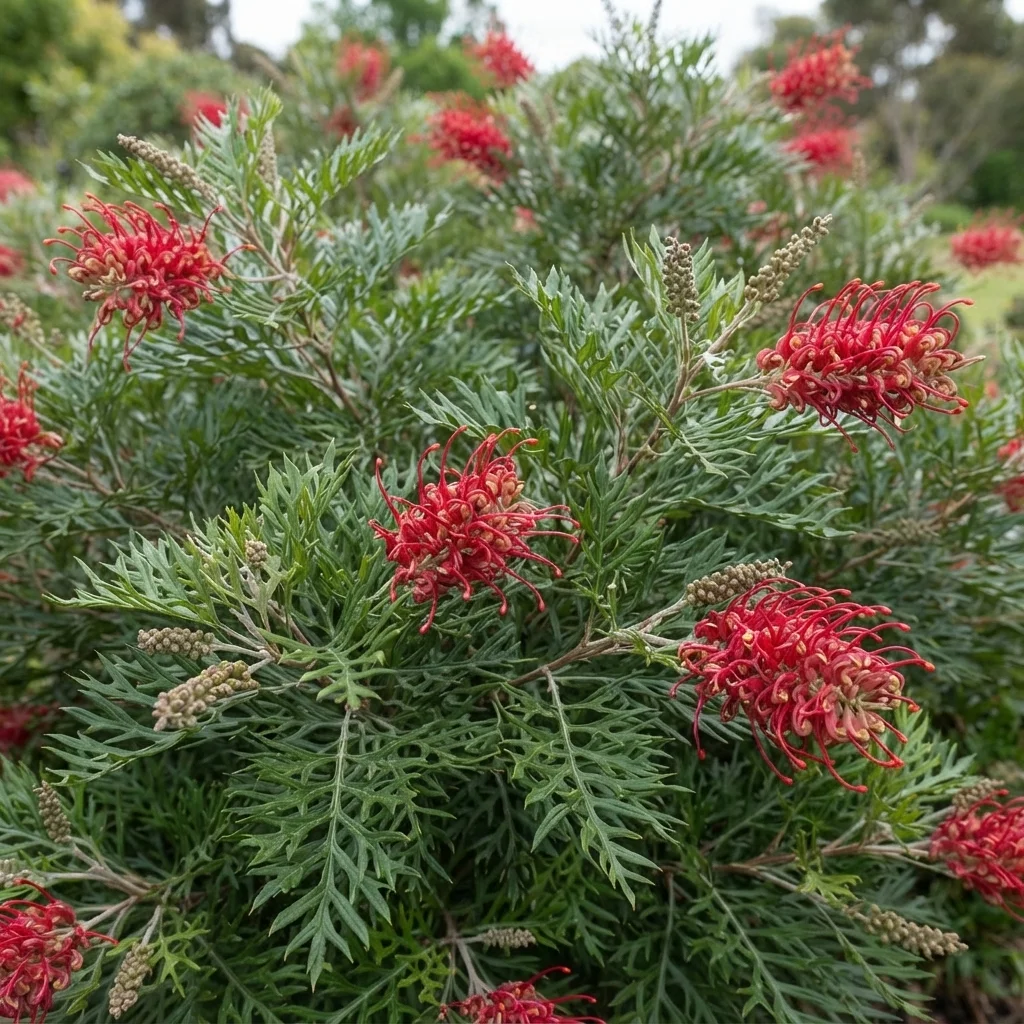
Robyn Gordon Grevillea
Grevillea x hybrida 'Robyn Gordon'
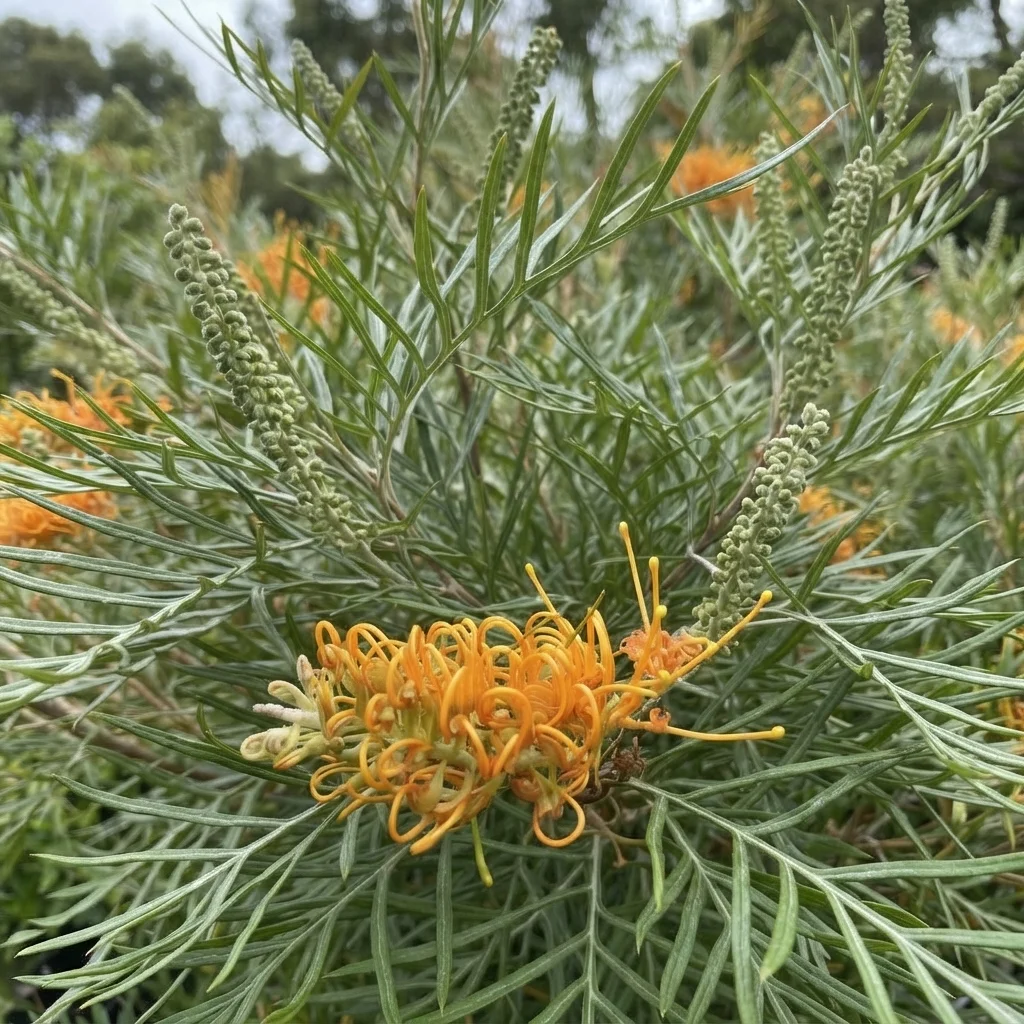
Honey Gem Grevillea
Grevillea x hybrida 'Honey Gem'
Keep exploring
Explore the genus
Hardy in your zone?
Grow Juniper Grevillea with confidence
See it in a design of your actual yard, get zone-matched care reminders, and track it season by season in your garden journal.