The Story
Plant Bio
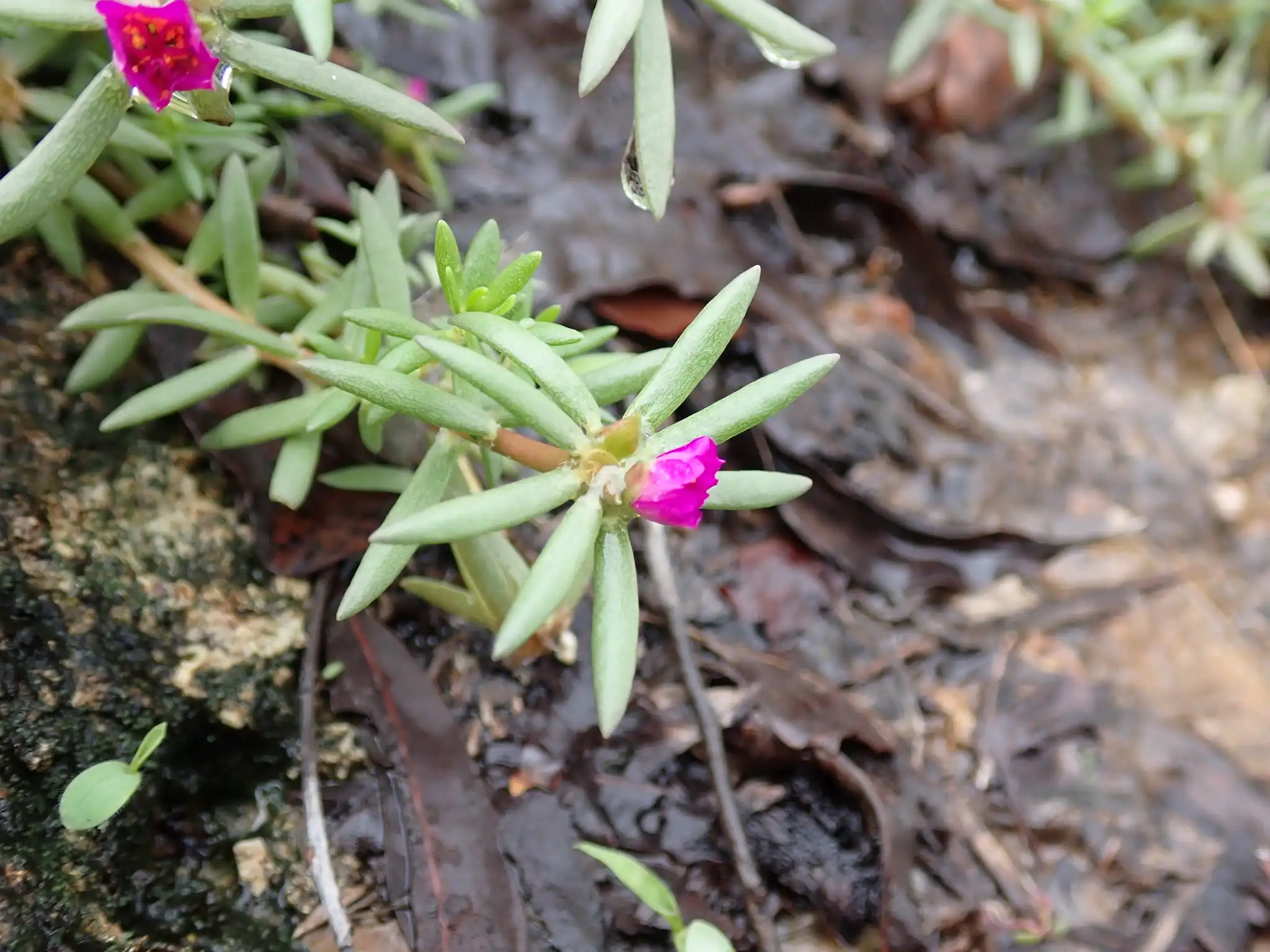
Portulaca pilosa is a low-growing, prostrate to sprawling succulent annual or short-lived perennial native to the warmer regions of the Americas. The frequently branching stems form dense mats of linear, fleshy green to reddish leaves distinguished by prominent tufts of long white hairs at the nodes.
This species is characterized by terminal clusters of small, cup-shaped flowers in shades of pink, magenta, or crimson that open only under bright, direct sunlight. The dense, woolly white hairs surrounding the leaf axils and flower heads provide a striking visual contrast against the succulent foliage.
Uses & Benefits:
Essentials
At a Glance
Plant Type
Cactus Succulent
Height
10"
Width
18"
Light
Full Sun
Zones
4, 5, 6, 7, 8, 9, 10
Water
Low
Humidity
Tolerant
Lifespan
Annual or short-lived perennial
Native To
The Americas
Toxicity
Toxic to pets and livestock (oxalates); skin irritant
Bloom period
Summer – Autumn
In flower about 6 months of the year
Planting
How to Grow
- Select a planting site that receives full, unobstructed sunlight throughout the day.
- Prepare a lean, mineral-rich soil bed composed of sand, gravel, or crushed limestone, avoiding any organic compost or heavy loam.
- Space plants six to twelve inches apart to allow the sprawling stems to form a dense, weed-suppressing mat.
- Water sparingly immediately after planting to settle the soil, then withhold irrigation until the substrate dries out completely.
Pro Tip
Plant in poor, gravelly, or sandy mineral soils with exceptional drainage, as excess moisture or rich organic loam triggers fatal stem and root rot.
Keep It Thriving
Care Guide
Do
- Grow in the poorest, sharpest-draining mineral soils available.
- Provide full, direct sun to ensure the flowers open fully.
- Wear gloves when handling to avoid skin irritation from the dense axillary hairs.
Don't
- Do not overwater or allow standing water to collect around the root zone.
- Do not apply heavy fertilizers, which cause weak, leggy growth and reduce flowering.
- Do not plant in shaded areas where stems will stretch and fail to thrive.
Seasonal Care Calendar
| Task | Jan | Feb | Mar | Apr | May | Jun | Jul | Aug | Sep | Oct | Nov | Dec |
|---|---|---|---|---|---|---|---|---|---|---|---|---|
| Pest Check | ||||||||||||
| Plant | ||||||||||||
| Propagate | ||||||||||||
| Prune | ||||||||||||
| Winter Prep |
Watch Out For
Pests & Diseases
Common Pests
Common Diseases
In the Garden
Landscape Uses & Companions
Landscape Uses
Companion Plants
Multiply
Propagation Methods
Good to Know
Common Questions
Kiss-me-quick questions
What zones can Kiss-me-quick grow in?
Kiss-me-quick is hardy in USDA Zones 4–10. Inside that range it survives winter in the ground; outside it, grow it as an annual or a container plant you protect.
Is Kiss-me-quick deer resistant?
Not reliably. Deer may browse Kiss-me-quick, especially tender spring growth — plan on repellents or fencing where pressure is high.
When does Kiss-me-quick bloom?
Kiss-me-quick typically blooms in summer through autumn. Exact timing shifts a week or two with your zone — Sow's bloom calendar maps it to your garden.
Does Kiss-me-quick need full sun?
Kiss-me-quick does best in full sun (6+ hours).
Is Kiss-me-quick drought tolerant?
Yes — once established (usually after the first full season), Kiss-me-quick handles dry spells with minimal watering. Water deeply its first year to build the root system that makes that possible.
More Portulaca to compare
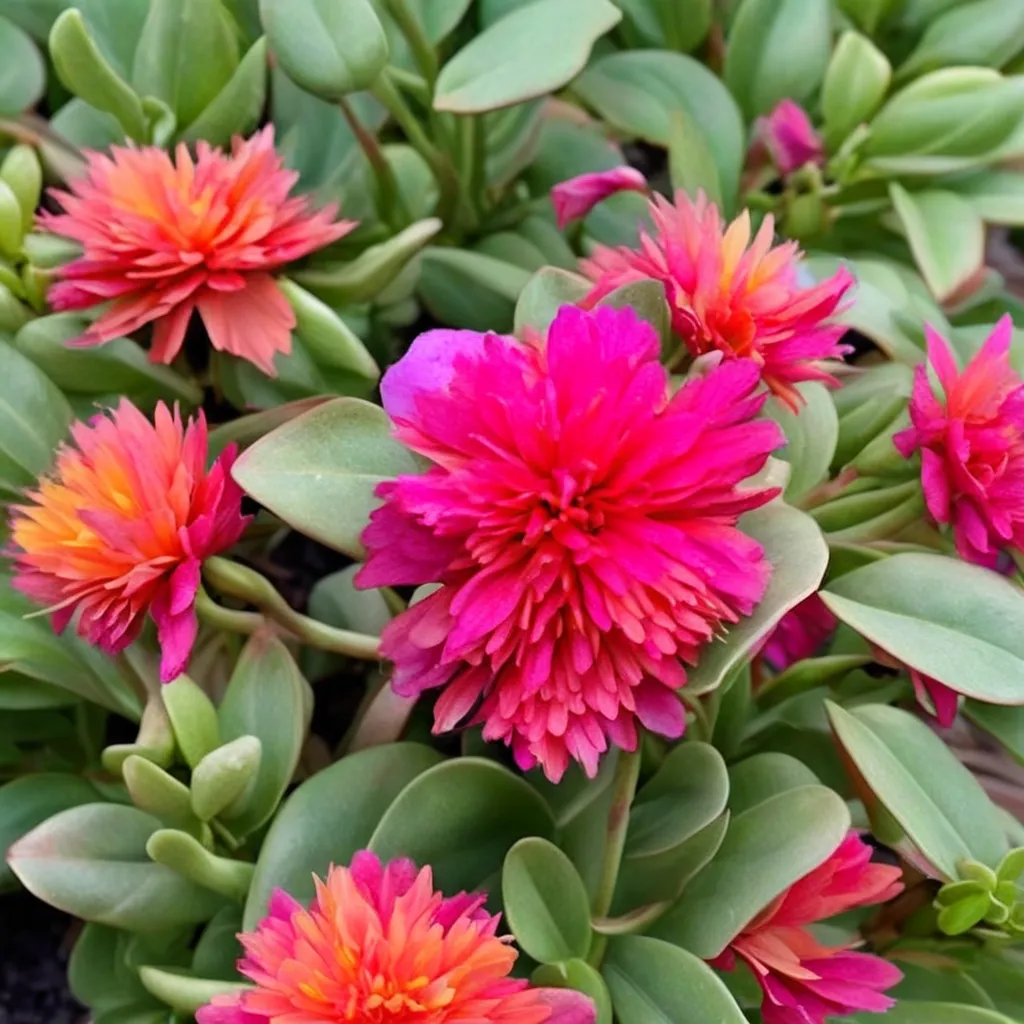
Portulaca Double Magenta
Portulaca oleracea 'ColorBlast Double Magenta'
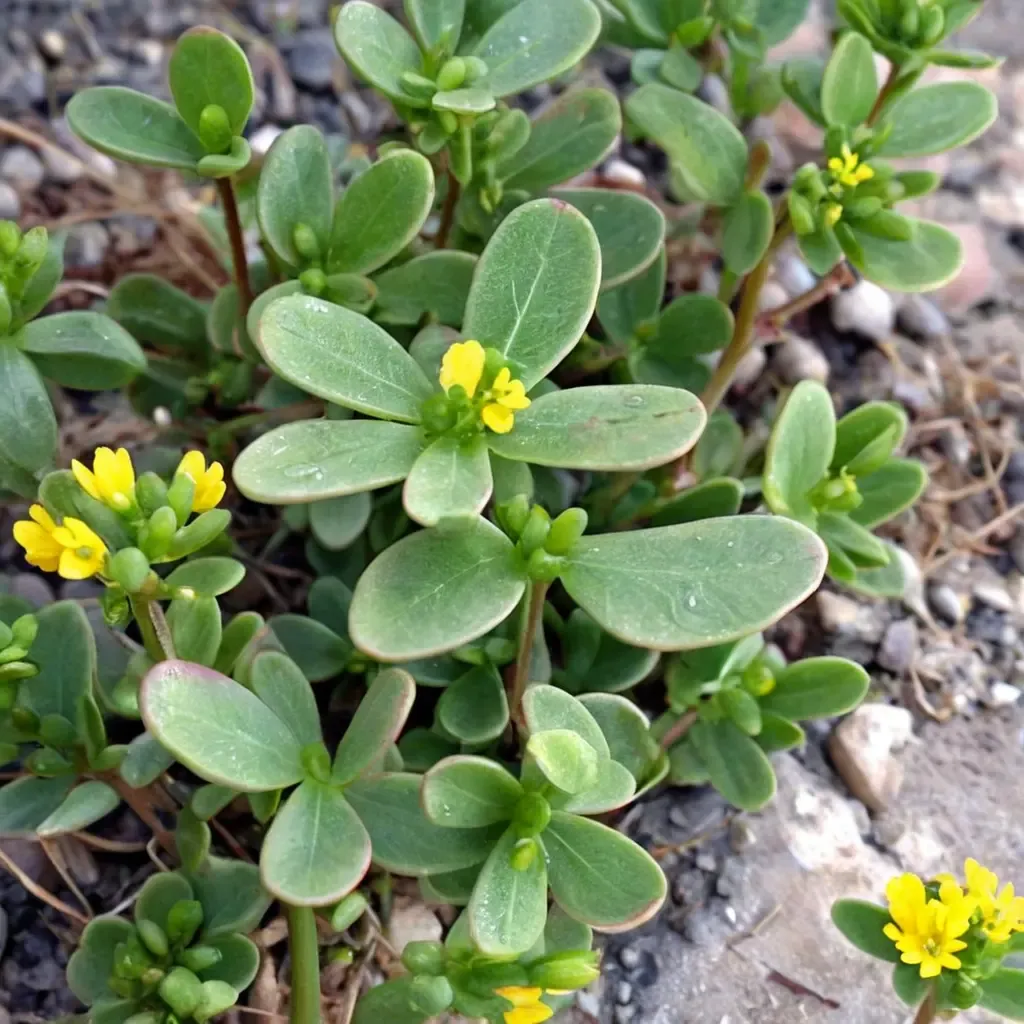
Common Purslane
Portulaca oleracea
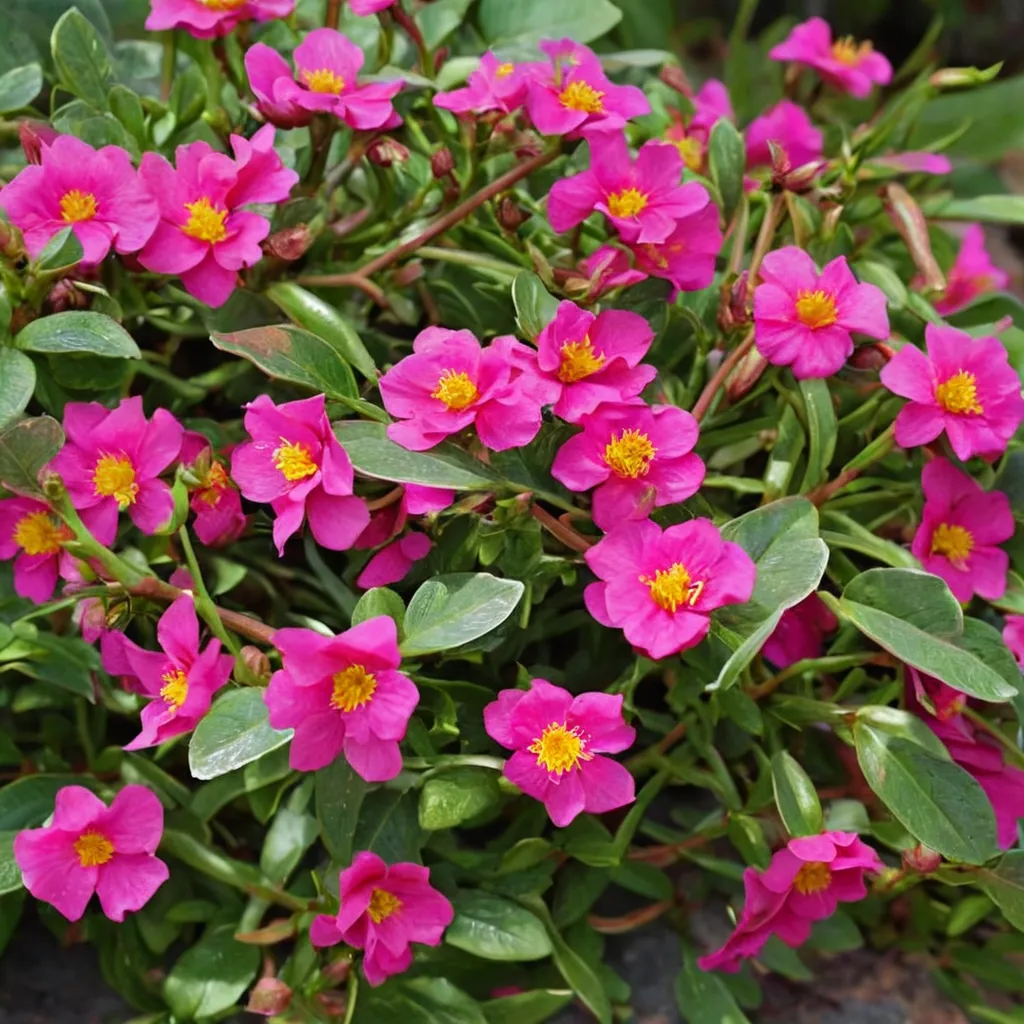
Mojave Fuchsia Purslane
Portulaca umbraticola 'Mojave Fuchsia'
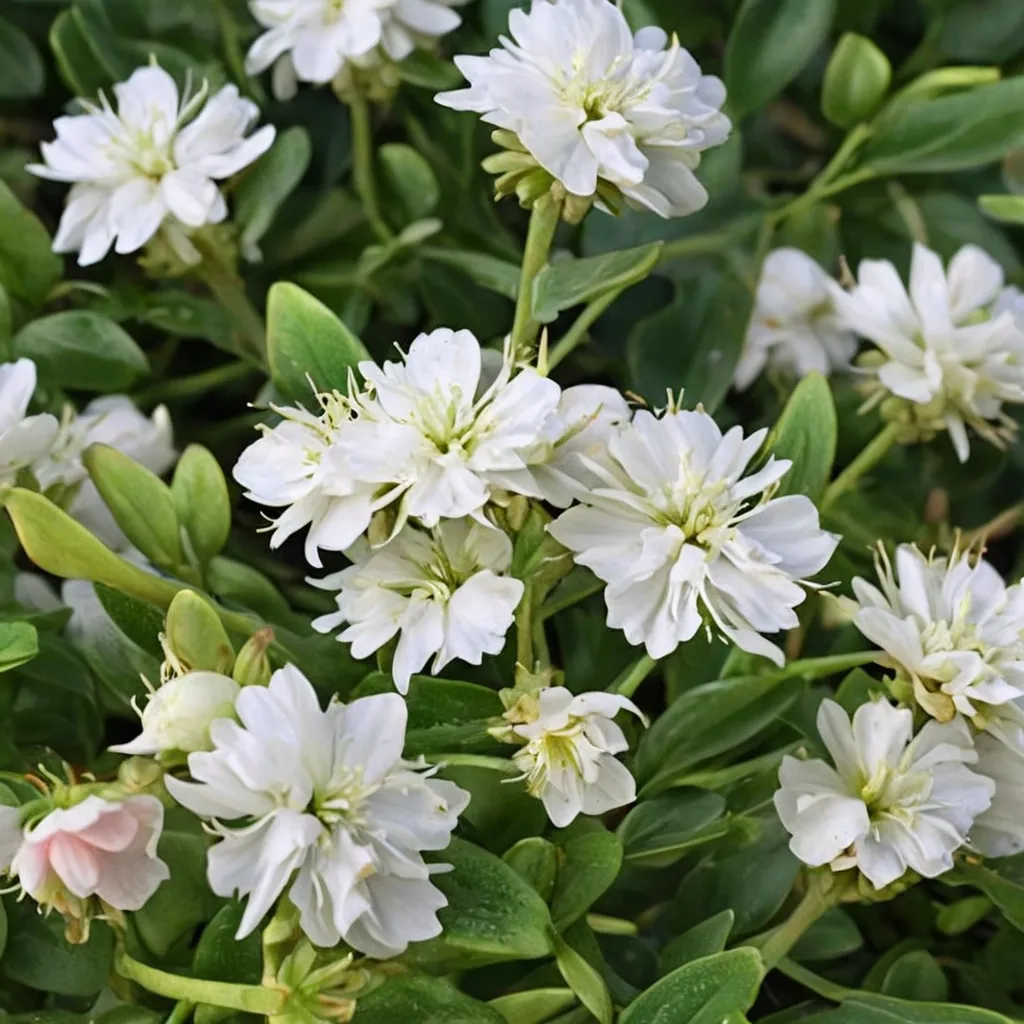
Portulaca Double Coconut
Portulaca oleracea 'ColorBlast Double Coconut'
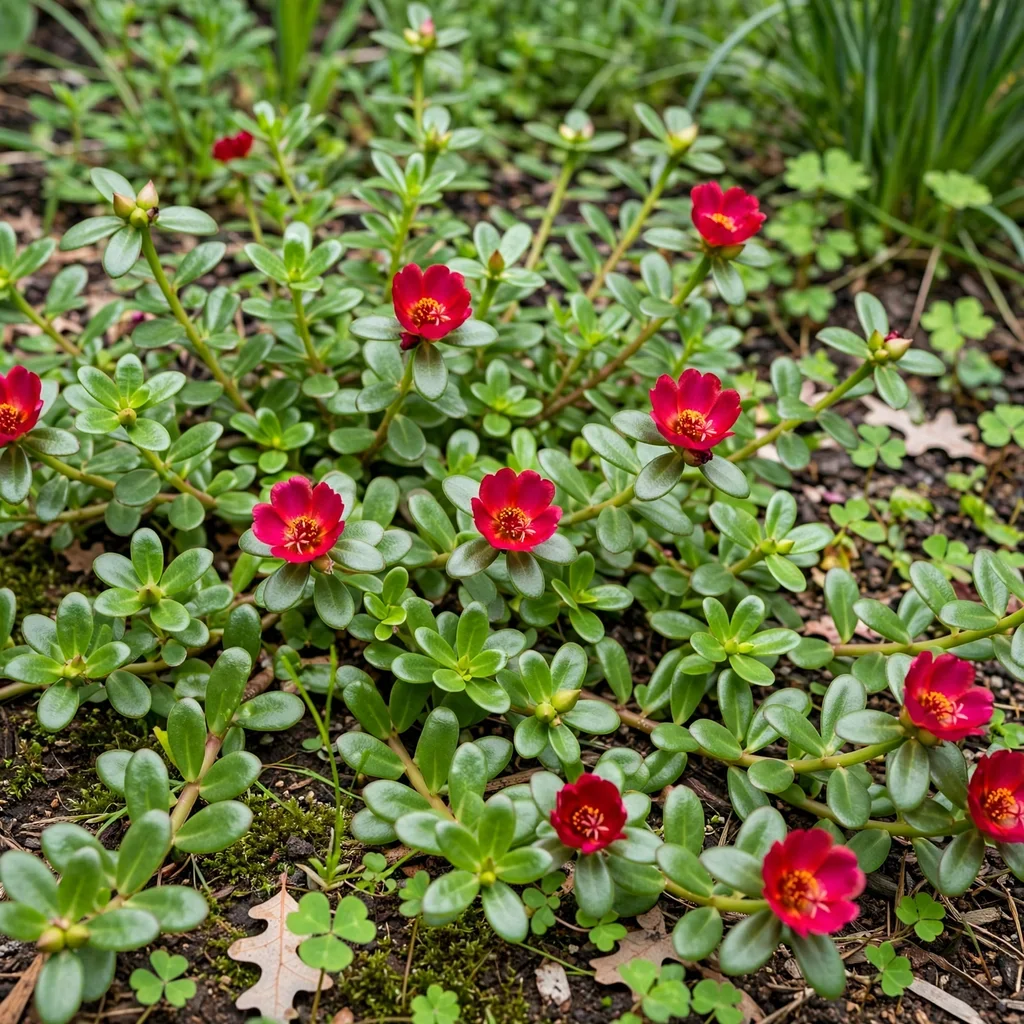
Mojave Red Purslane
Portulaca umbraticola 'Mojave Red'
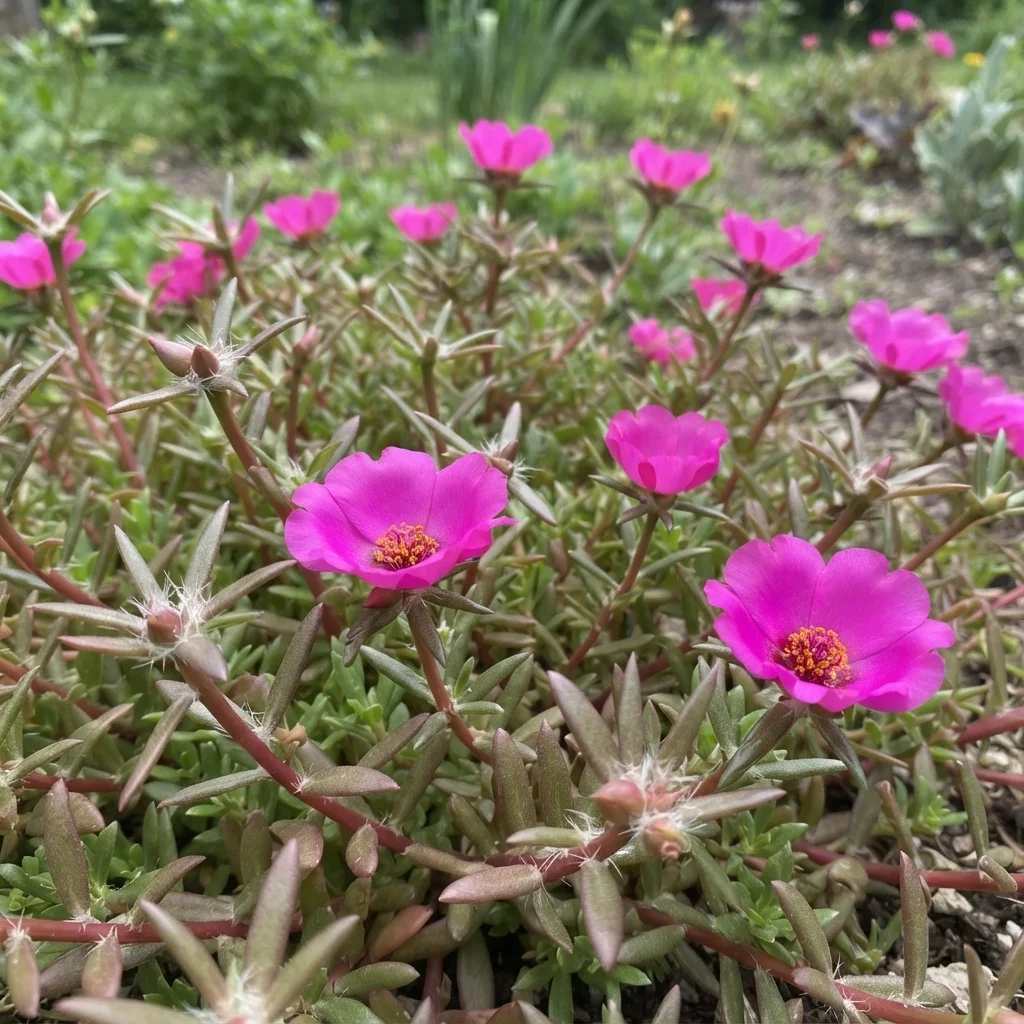
Rose Moss
Portulaca grandiflora
Keep exploring
Explore the genus
Grow Kiss-me-quick with confidence
See it in a design of your actual yard, get zone-matched care reminders, and track it season by season in your garden journal.