The Story
Plant Bio
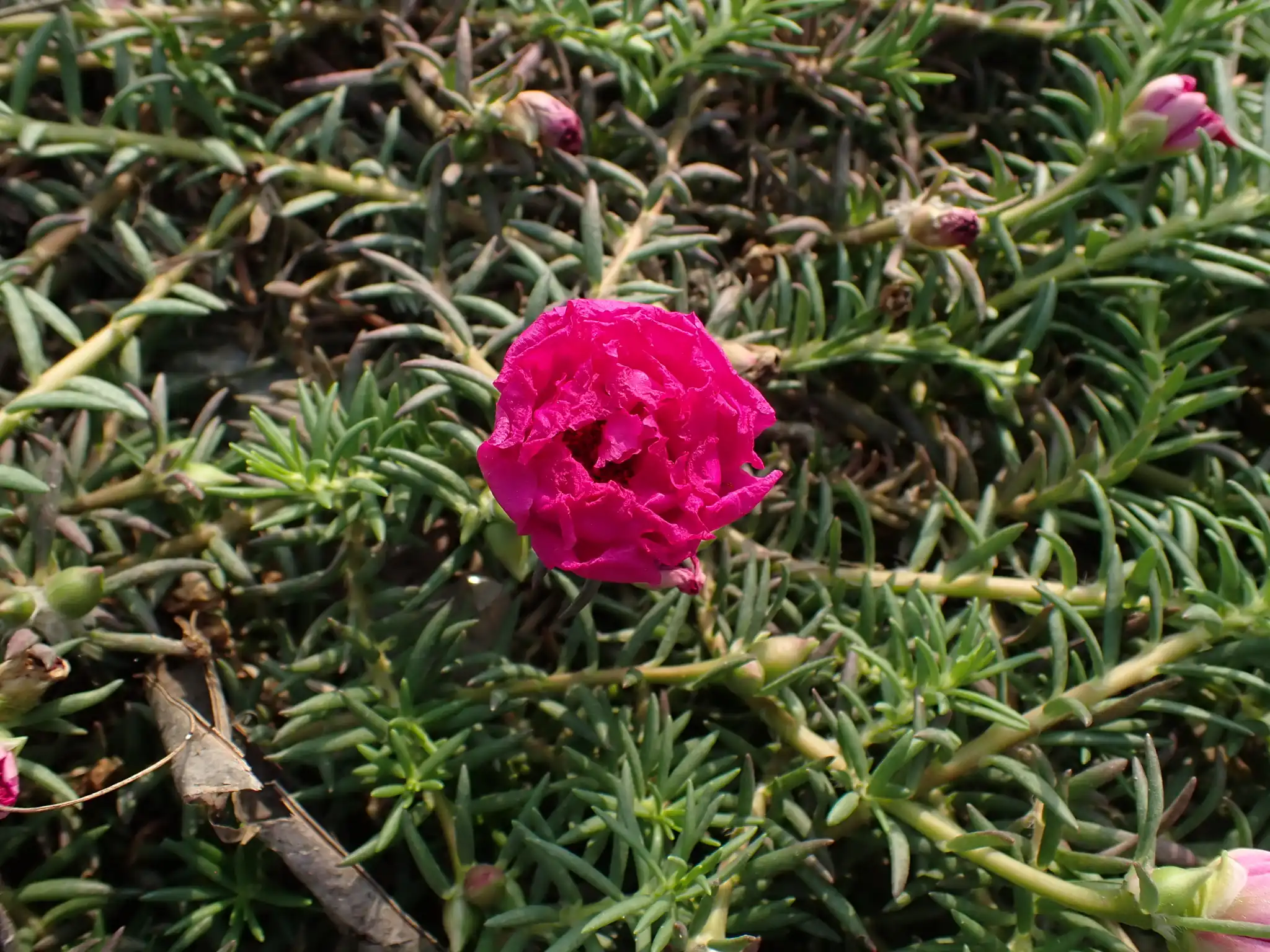
Portulaca grandiflora, commonly known as rose moss, is a low-growing, succulent annual with a sprawling, multi-branched habit and fleshy, needle-like leaves. The cup-shaped flowers open only in bright sunshine, closing on cloudy days and at night to reveal brilliant jewel-toned petals surrounding numerous yellow stamens.
This species features reddish to burgundy stems with conspicuous white, hair-like bristles at the leaf nodes. The thick, moisture-storing foliage frequently develops a bronze or reddish tinge when exposed to intense, full sun.
Uses & Benefits:
Essentials
At a Glance
Plant Type
Annual
Height
9"
Width
12"
Light
Full Sun
Zones
4, 5, 6, 7, 8, 9, 10
Water
Low
Humidity
High tolerance
Lifespan
Annual (Perennial in zones 9-11)
Native To
South America
Toxicity
Non-toxic
Bloom period
Summer – Fall
In flower about 6 months of the year
Planting
How to Grow
- Select a planting site that receives at least six to eight hours of direct, unfiltered sunlight daily.
- Amend heavy soil with coarse sand or gravel to ensure rapid, exceptional drainage.
- Sow seeds directly after the last frost, or transplant nursery plugs without disturbing the delicate root systems.
- Water sparingly during establishment, then rely on natural rainfall except during prolonged, severe droughts.
Pro Tip
Plant in poor, sandy, or gravelly soil with exceptional drainage; planting in rich, heavy clay or overwatering will cause the fleshy stems to rot instantly.
Keep It Thriving
Care Guide
Do
- Plant in the sunniest spot available to ensure the flowers open fully.
- Use highly porous, sandy, or rocky soil mixes.
- Allow the soil to dry out completely between waterings.
Don't
- Do not plant in heavy clay or poorly drained soils.
- Do not apply high-nitrogen fertilizers, which stimulate excess foliage at the expense of blooms.
- Do not water late in the day, as wet foliage overnight encourages stem rot.
Seasonal Care Calendar
| Task | Jan | Feb | Mar | Apr | May | Jun | Jul | Aug | Sep | Oct | Nov | Dec |
|---|---|---|---|---|---|---|---|---|---|---|---|---|
| Deadhead | ||||||||||||
| Fertilize | ||||||||||||
| Pest Check | ||||||||||||
| Plant |
Watch Out For
Pests & Diseases
Common Pests
Common Diseases
In the Garden
Landscape Uses & Companions
Landscape Uses
Companion Plants
Multiply
Propagation Methods
Good to Know
Common Questions
Rose Moss questions
What zones can Rose Moss grow in?
Rose Moss is hardy in USDA Zones 4–10. Inside that range it survives winter in the ground; outside it, grow it as an annual or a container plant you protect.
Is Rose Moss deer resistant?
Yes — Rose Moss is rated deer-resistant. Deer typically pass it over, though extreme hunger can override any plant's defenses.
When does Rose Moss bloom?
Rose Moss typically blooms in summer through fall. Exact timing shifts a week or two with your zone — Sow's bloom calendar maps it to your garden.
Does Rose Moss need full sun?
Rose Moss does best in full sun (6+ hours).
Is Rose Moss drought tolerant?
Yes — once established (usually after the first full season), Rose Moss handles dry spells with minimal watering. Water deeply its first year to build the root system that makes that possible.
More Portulaca to compare
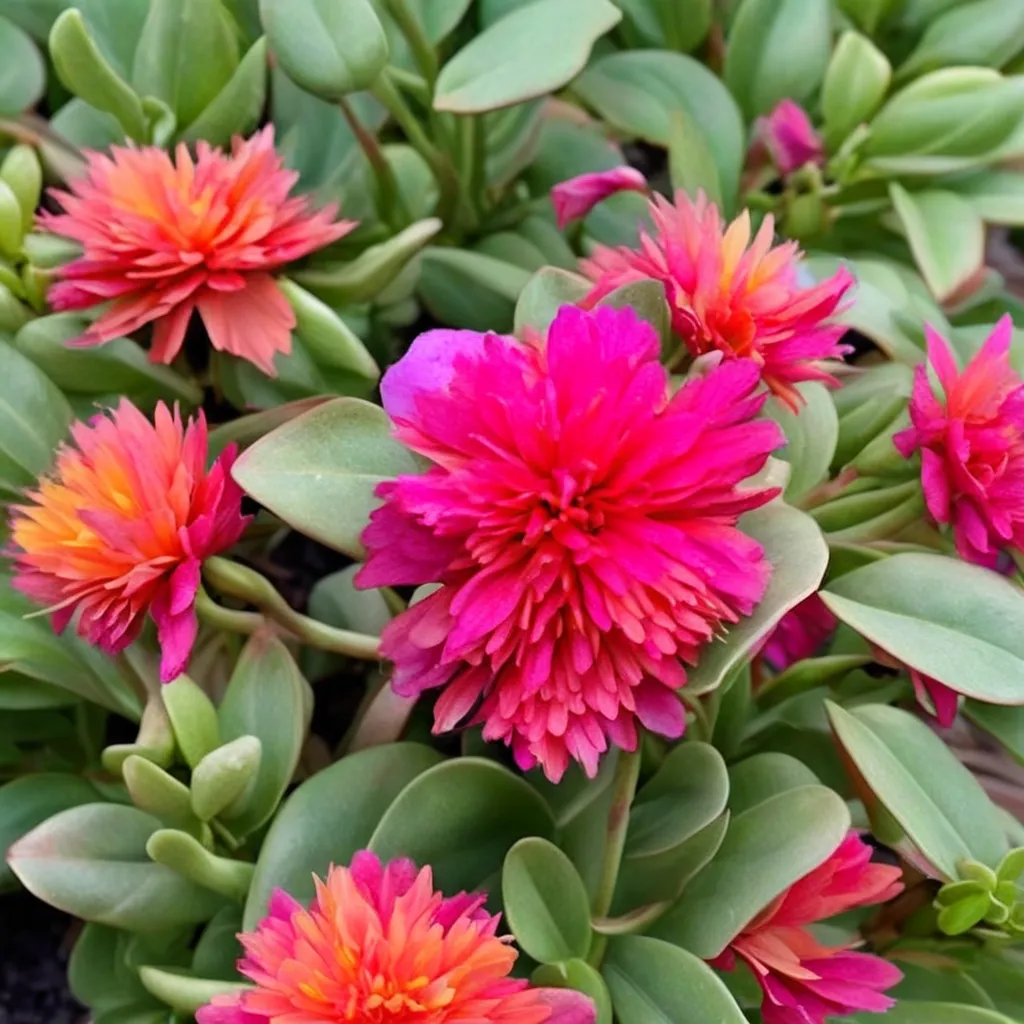
Portulaca Double Magenta
Portulaca oleracea 'ColorBlast Double Magenta'
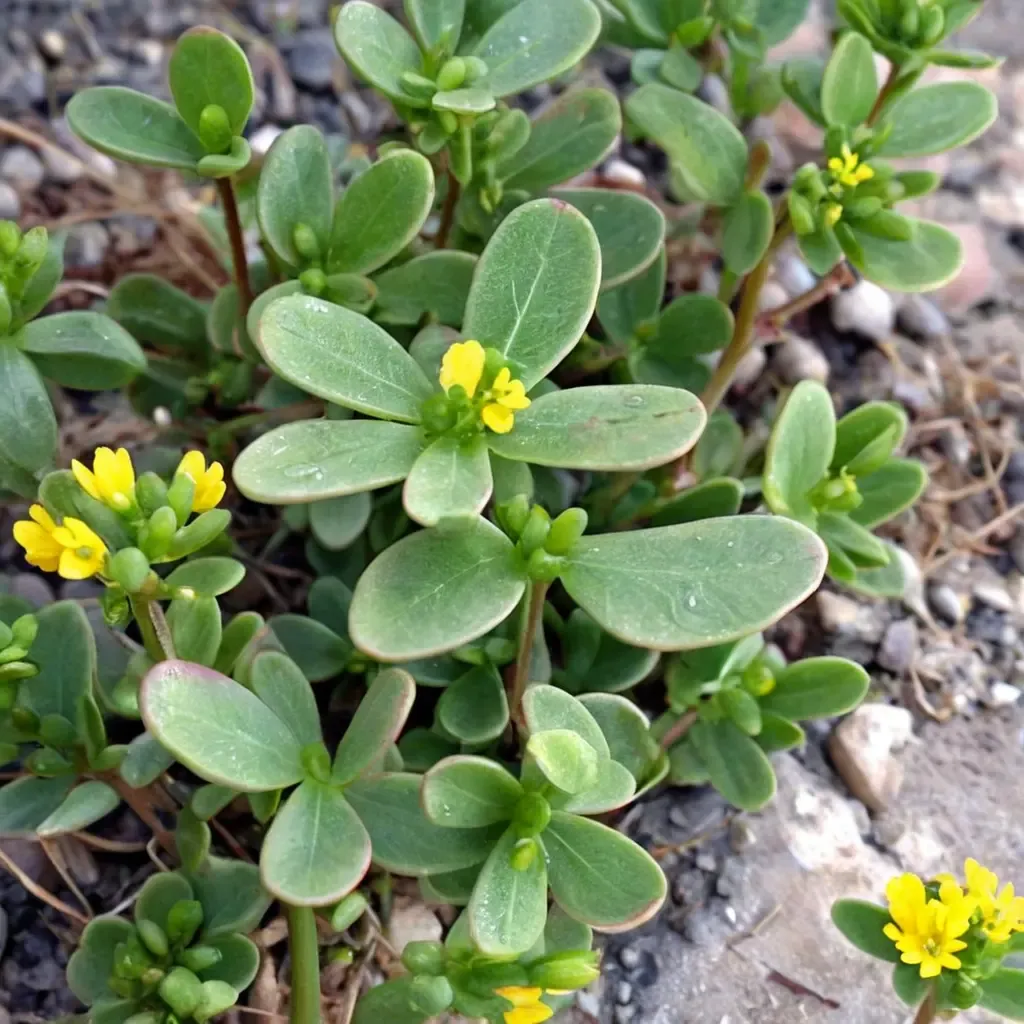
Common Purslane
Portulaca oleracea
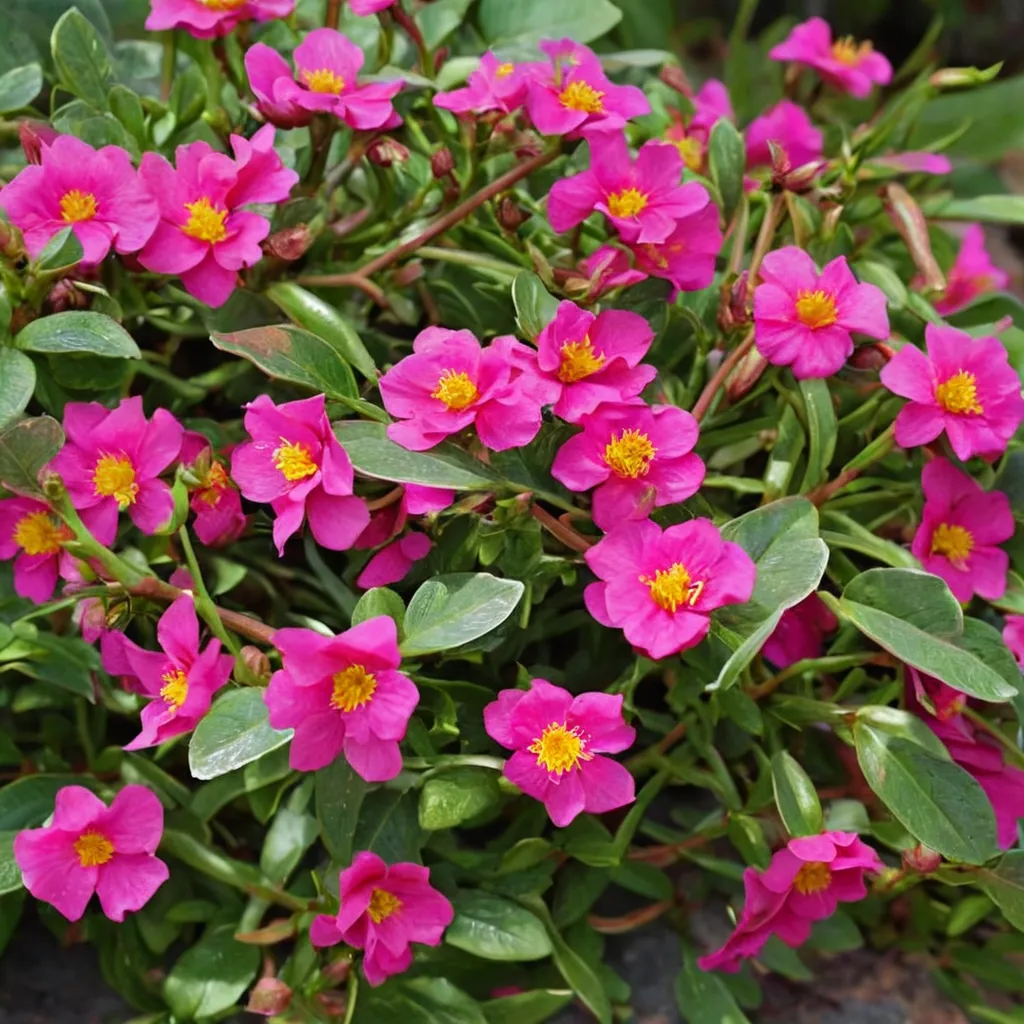
Mojave Fuchsia Purslane
Portulaca umbraticola 'Mojave Fuchsia'
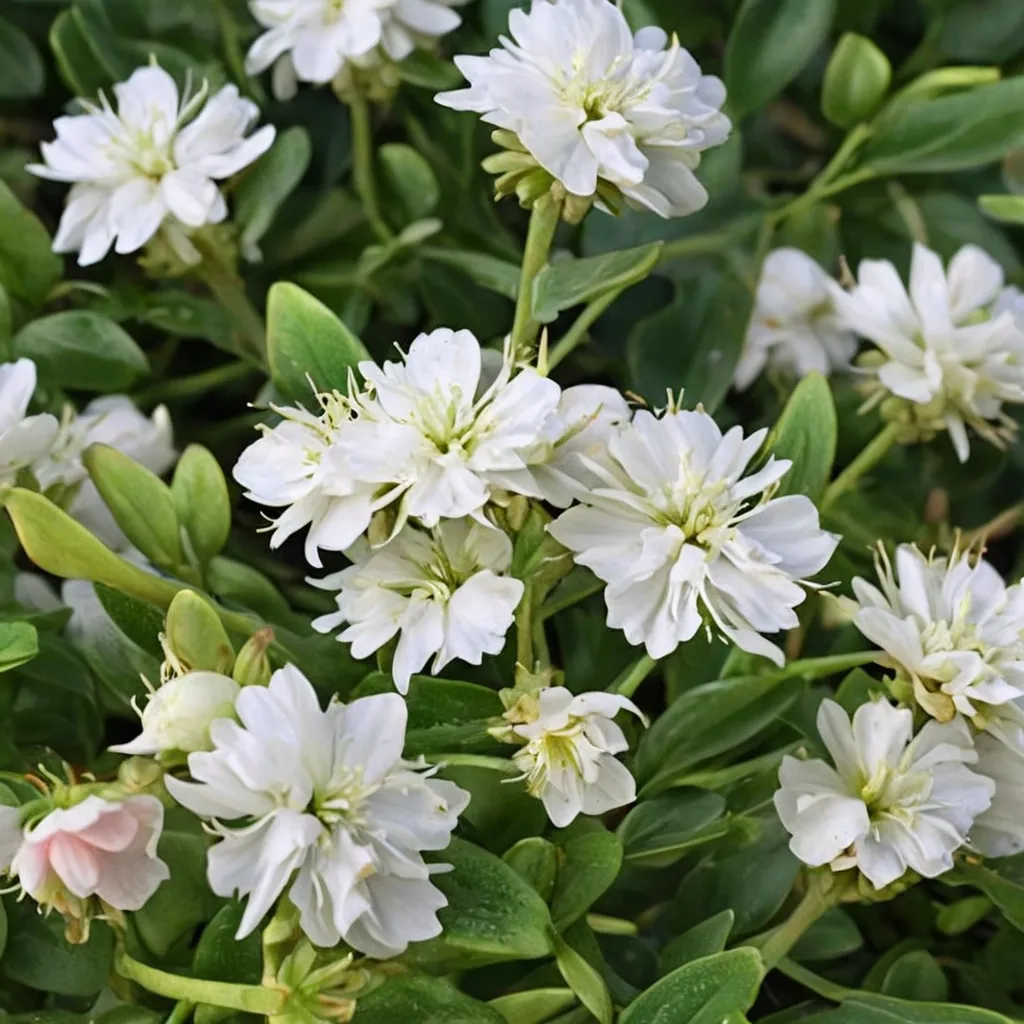
Portulaca Double Coconut
Portulaca oleracea 'ColorBlast Double Coconut'
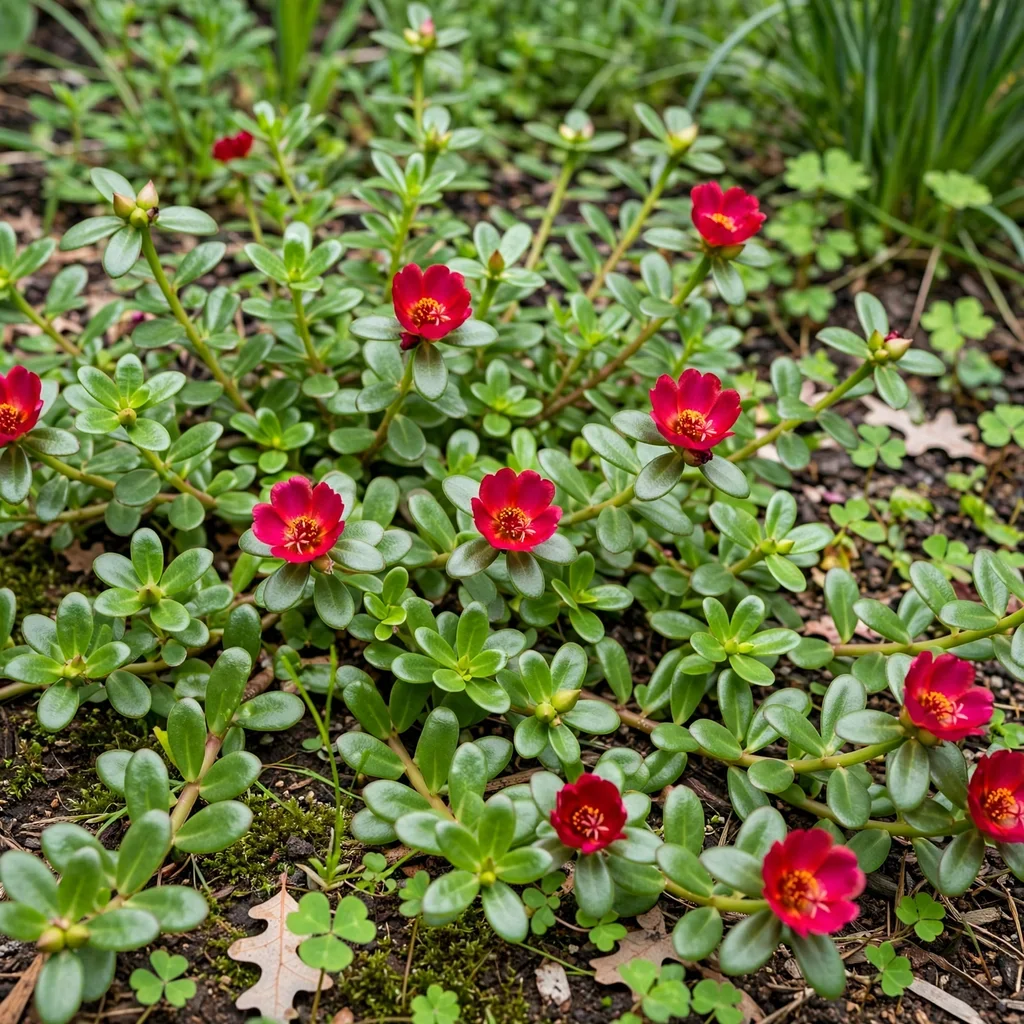
Mojave Red Purslane
Portulaca umbraticola 'Mojave Red'
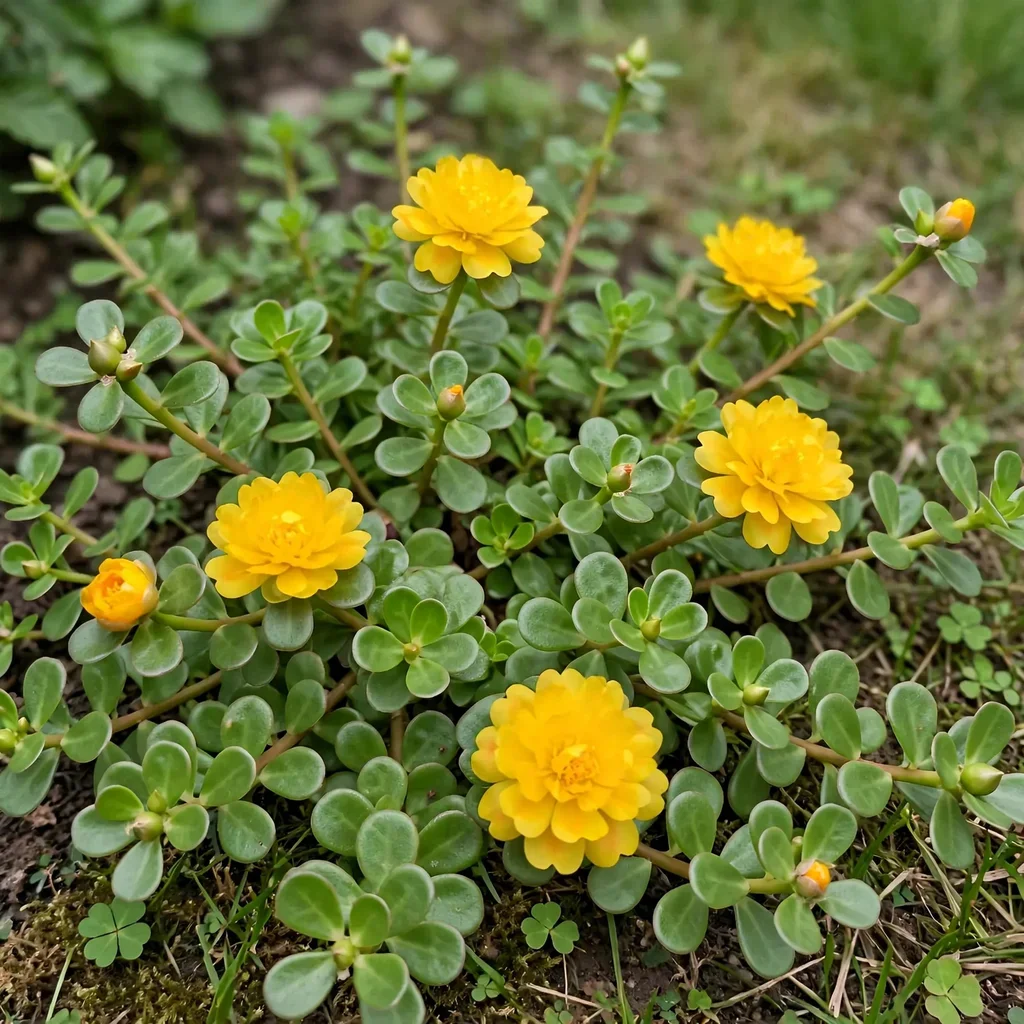
Portulaca Double Yellow
Portulaca oleracea 'ColorBlast Double Yellow'
Keep exploring
Explore the genus
Grow Rose Moss with confidence
See it in a design of your actual yard, get zone-matched care reminders, and track it season by season in your garden journal.