

The Story
Plant Bio
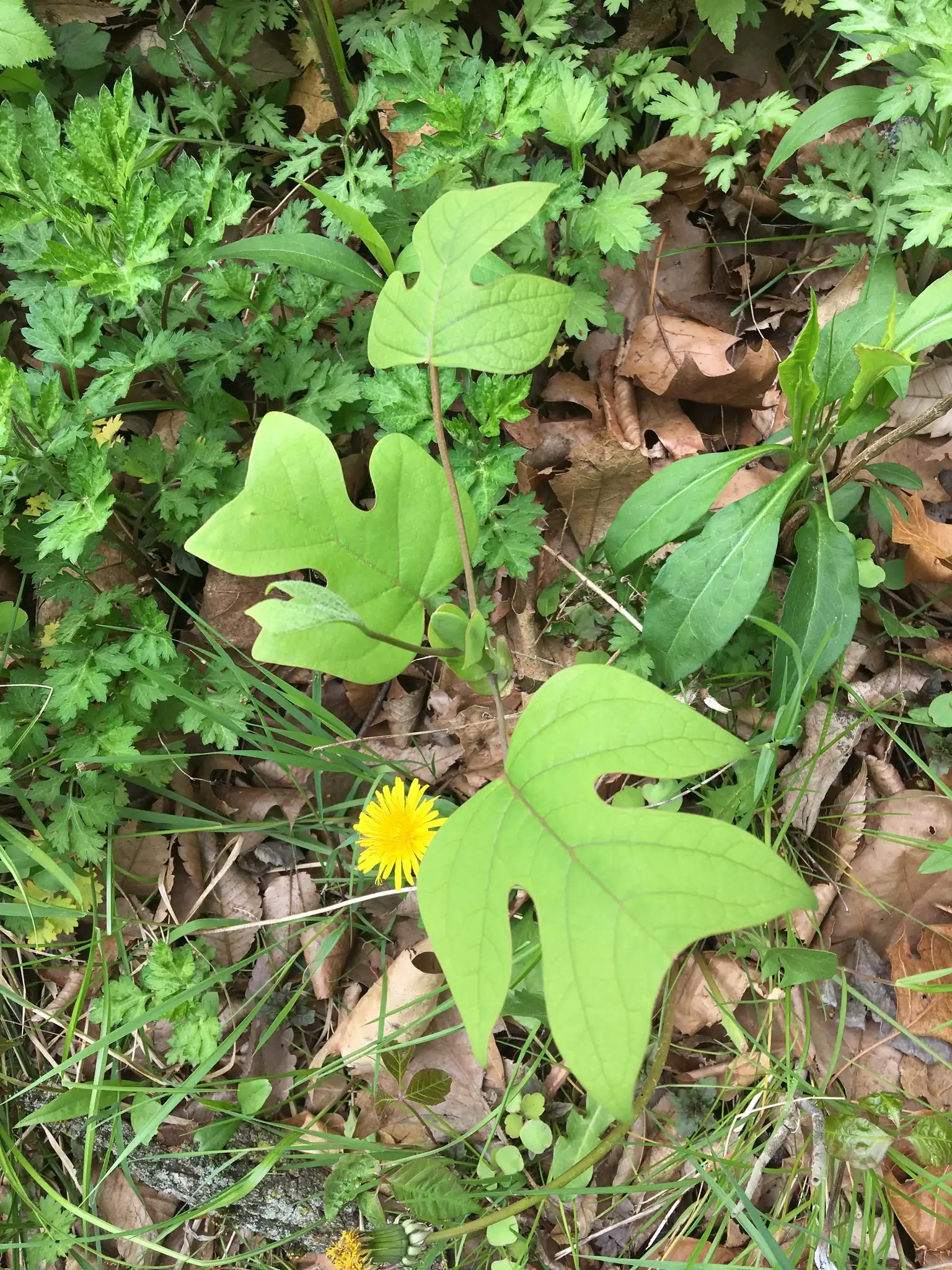
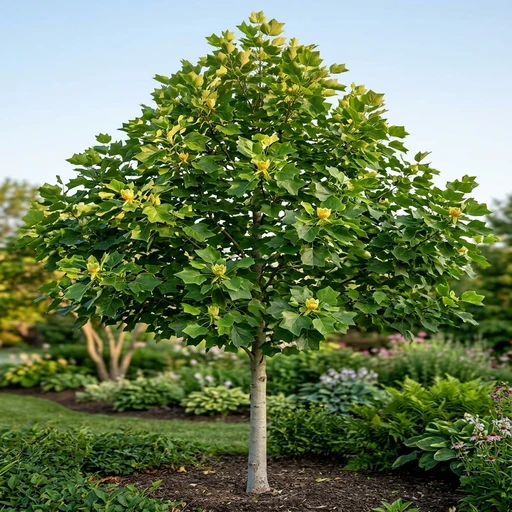
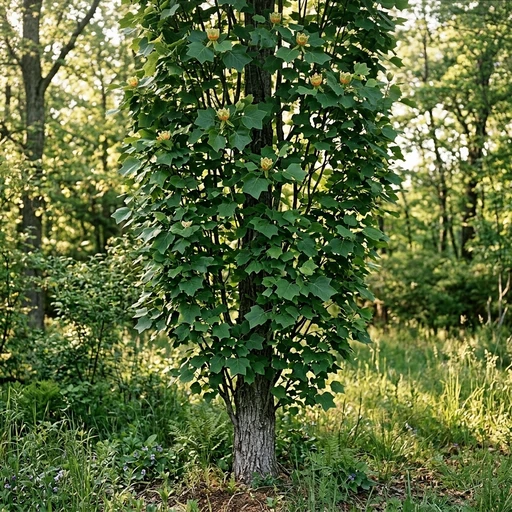
Liriodendron tulipifera is a large, fast-growing deciduous tree, one of the tallest native hardwoods of eastern North America. It is prized for its straight trunk, unique four-lobed leaves, and beautiful tulip-shaped flowers.
The species is notable for its distinctive leaves that flutter in the breeze and its attractive greenish-yellow flowers with an orange band at the base. Its brilliant golden-yellow fall color makes it a standout specimen tree.
Uses & Benefits:
Essentials
At a Glance
Plant Type
Tree
Height
960"
Width
480"
Light
Full Sun, Partial Sun
Zones
4, 5, 6, 7, 8, 9
Water
Medium to wet
Humidity
Moderate to high
Lifespan
80-150 years
Native To
Eastern North America
Toxicity
Mildly toxic to horses if ingested
Marketplace
Where to Buy
Shipping costs Year-round shipping Free shipping
Planting
How to Grow
- Choose a location with full sun and deep, moist, well-drained soil.
- Dig a hole two to three times wider than the root ball.
- Place the tree in the hole, ensuring the root flare is at ground level.
- Backfill with the original soil, gently firming it around the roots.
- Water thoroughly after planting to settle the soil.
- Apply a 2-3 inch layer of mulch, keeping it away from the trunk.
Pro Tip
Provide ample space for its large mature size and avoid planting in dry or compacted soils to prevent stress.
Keep It Thriving
Care Guide
Do
- Water regularly during the first few years to establish a deep root system.
- Provide ample space for its large size and extensive roots.
- Prune to develop a strong structure when the tree is young.
- Monitor for aphids, which can be common on this species.
Don't
- Don't plant in overly dry, compacted, or alkaline soils.
- Avoid heavy pruning on mature trees.
- Don't plant near sidewalks or foundations where its large roots can cause damage.
- Avoid wounding the thin bark, which is easily damaged.
Seasonal Care Calendar
| Task | Jan | Feb | Mar | Apr | May | Jun | Jul | Aug | Sep | Oct | Nov | Dec |
|---|---|---|---|---|---|---|---|---|---|---|---|---|
| Pest Check | ||||||||||||
| Plant | ||||||||||||
| Prune |
Watch Out For
Pests & Diseases
Common Pests
Common Diseases
In the Garden
Landscape Uses & Companions
Landscape Uses
Multiply
Propagation Methods
Good to Know
Common Questions
Tulip Poplar questions
What zones can Tulip Poplar grow in?
Tulip Poplar is hardy in USDA Zones 4–9. Inside that range it survives winter in the ground; outside it, grow it as an annual or a container plant you protect.
Is Tulip Poplar deer resistant?
Yes — Tulip Poplar is rated deer-resistant. Deer typically pass it over, though extreme hunger can override any plant's defenses.
When does Tulip Poplar bloom?
Tulip Poplar typically blooms in late spring through early summer. Exact timing shifts a week or two with your zone — Sow's bloom calendar maps it to your garden.
Does Tulip Poplar need full sun?
Tulip Poplar does best in full sun to part shade. In hot climates, afternoon shade keeps blooms fresher longer.
More Liriodendron to compare
Keep exploring
Explore the genus
Grow Tulip Poplar with confidence
See it in a design of your actual yard, get zone-matched care reminders, and track it season by season in your garden journal.