Also known as Tulip Tree · 168 saves
Liriodendron
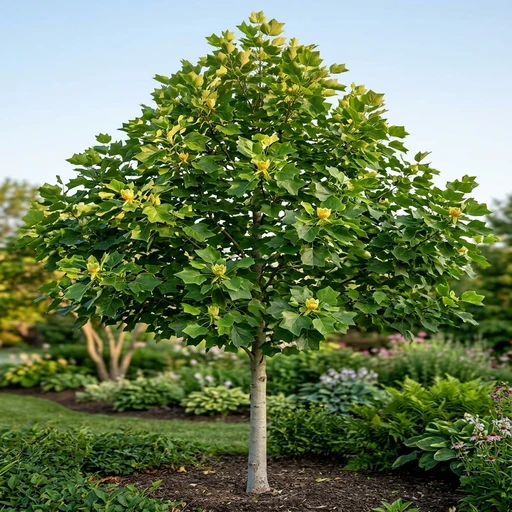
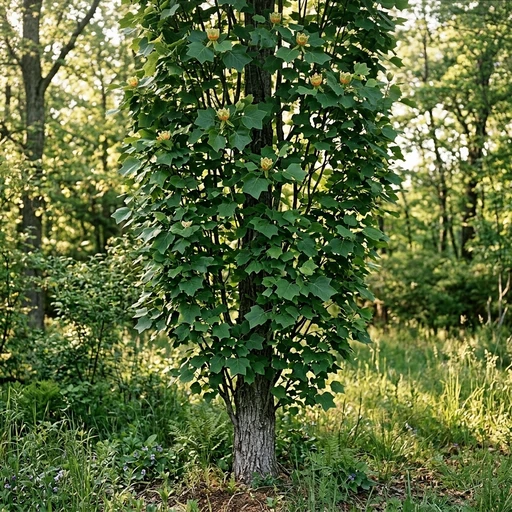
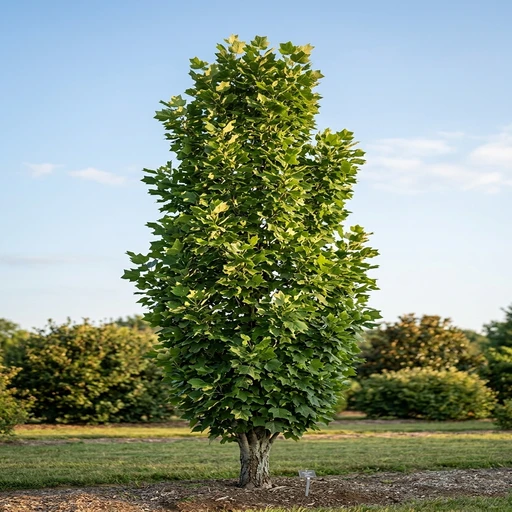
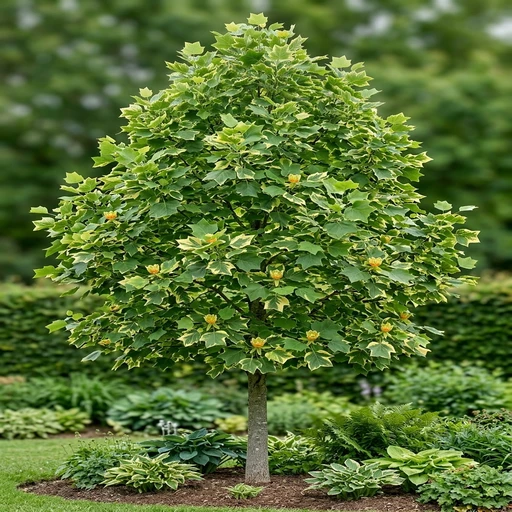
Liriodendron, the genus most gardeners know as tulip tree. We track 4 varieties; the ones most used by real gardeners.
The 4 most-saved Liriodendron varieties
Track your Liriodendron in Sow
Save the Liriodendron you grow and get care reminders timed to your zone.
How to grow Liriodendron
Whats common across all Liriodendron varieties in our catalog — drawn from the care records of the 4 most-grown of them.
The Liriodendron year
- PruneFebruary and March100% of varieties
Prune in late winter to remove dead, damaged, or crossing branches.
- PlantMarch, April, October and November75% of varieties
Plant balled-and-burlapped or container-grown trees in spring or fall.
- Check for PestsJune–August75% of varieties
Check for tulip tree scale or aphids, which can cause sticky honeydew.
- MulchMay50% of varieties
Apply a thick layer of mulch to retain soil moisture, which this tree loves.


Do
- Water deeply and regularly, especially during establishment and drought.
- Maintain a large, mulch-covered root zone to protect shallow roots.
- Prune for a single central leader when young to ensure good structure.
- Water deeply once a week during dry periods, especially when young.
- Allow plenty of vertical space for it to reach its mature height.
Avoid
- Avoid planting in windy, exposed sites as the wood can be brittle.
- Don't plant in dry, compacted, or alkaline soils.
- Avoid planting near sidewalks or driveways where roots can cause damage.
- Don't over-fertilize, as this can lead to weak, rapid growth.
What goes wrong with Liriodendron
| Problem | What you'll see | What to do |
|---|---|---|
| Tulip Tree Scale | Gray, crusty bumps on twigs and branches, causing branch dieback. | Apply dormant horticultural oil in late winter. Use a systemic insecticide for heavy infestations. |
| Tulip Tree Aphids | Sticky honeydew dripping from leaves, often leading to sooty mold. | Release ladybugs or lacewings. Spray with insecticidal soap or use systemic insecticides like imidacloprid for severe cases. |
| Tulip Tree Aphid | Large colonies on leaf undersides produce copious sticky honeydew, leading to sooty mold. | Often controlled by natural predators; spray with horticultural oil or insecticidal soap; systemic insecticides for severe cases. |
| Verticillium Wilt | Sudden wilting, yellowing, and dieback of one or more branches. | Prune out infected branches. Improve soil drainage and avoid high-nitrogen fertilizers. There is no chemical cure. |
| Powdery Mildew | White, powdery patches on leaves, especially in late summer. | Ensure good air circulation. Apply horticultural oil or a fungicide containing potassium bicarbonate. Chemical fungicides can also be used. |
Making more Liriodendron
Softwood Cuttings
- Take 6-inch cuttings from new growth in late spring.
- Dip the cut end in rooting hormone.
- Stick in a mix of perlite and peat.
- Keep moist and humid; roots form in 8-10 weeks.
Seed
- Collect seeds in fall and stratify for 60-90 days.
- Sow seeds in a protected cold frame or seedbed.
- Germination is often slow and erratic.
- Cultivars will not come true from seed.
Liriodendron questions
How many types of Liriodendron are there?
The Sow catalog tracks 4 distinct Liriodendron varieties. The most popular — ranked by 168 real gardeners — are shown first above.
What zones does Liriodendron grow in?
Across its varieties, Liriodendron covers USDA Zones 4–9. Individual varieties differ — each plant page lists its exact range, and Sow filters the catalog to your zone automatically.
When does Liriodendron bloom?
Most Liriodendron varieties bloom in late spring. Staggering early, mid, and late varieties extends the genus's season in one bed.
Which Liriodendron should I choose?
Start from the most-saved varieties above — popularity across thousands of gardens is a strong signal of reliability — then filter by your zone and sun. In the Sow app you can preview any of them in a photo of your actual yard before you buy.