The Story
Plant Bio
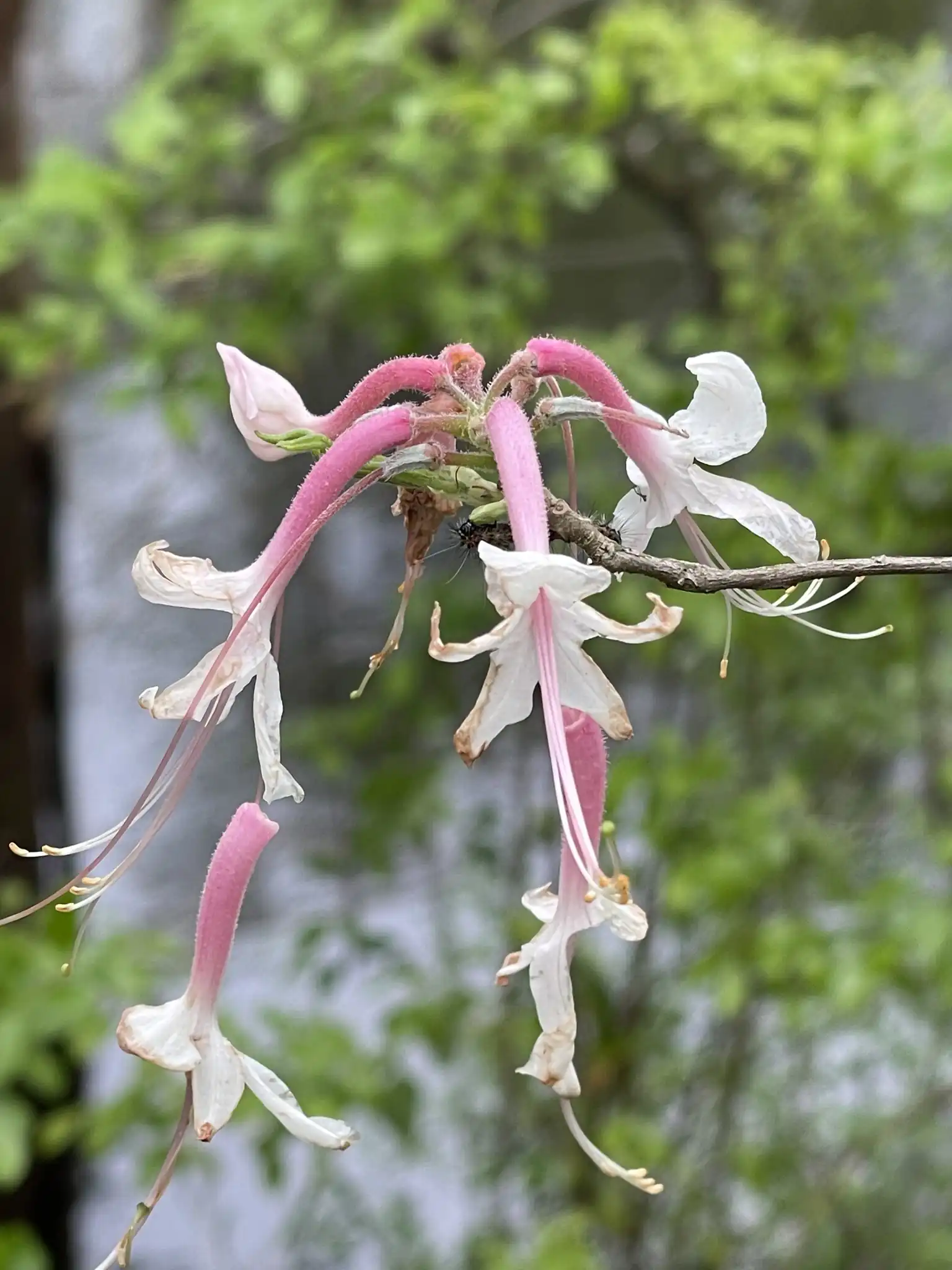
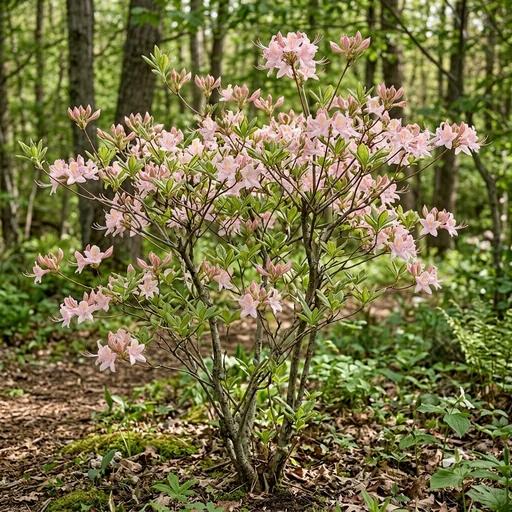
Rhododendron canescens, also known as the Piedmont or Southern Pinxter Azalea, is a large, suckering deciduous shrub native to the southeastern U.S. It bursts into bloom in early spring with fragrant, trumpet-shaped flowers, often before the leaves appear.
This species is one of the earliest and most fragrant native azaleas to bloom, heralding the arrival of spring in its native habitat. Flower color is variable, ranging from pure white to shades of pale and deep pink, often on the same plant.
Uses & Benefits:
Essentials
At a Glance
Plant Type
Shrub
Height
120"
Width
120"
Light
Partial Sun, Shade
Zones
5, 6, 7, 8, 9
Water
Medium to wet
Humidity
Prefers moderate to high
Lifespan
50+ years
Native To
Southeastern United States
Toxicity
All parts of the plant are highly toxic if ingested.
Planting
How to Grow
- Select a site with dappled sunlight, like that under tall pine trees.
- Work organic matter like compost into the soil to improve its structure.
- Dig a shallow, wide planting hole.
- Set the plant so the top of the root ball is above the surrounding soil.
- Backfill with amended soil and water deeply.
- Apply a 2-3 inch layer of mulch, keeping it away from the stems.
Pro Tip
For a stunning naturalistic effect, plant in a large group and allow the shrubs to sucker and form a dense thicket.
Keep It Thriving
Care Guide
Do
- Provide consistently moist, acidic soil.
- Plant in a location with good air circulation.
- Allow space for its natural suckering habit.
- Protect from hot afternoon sun.
Don't
- Do not plant in heavy, alkaline, or dry soils.
- Avoid deep cultivation around its shallow roots.
- Don't prune after June, or you will cut off next year's flowers.
- Never let the plant dry out completely, especially when young.
Seasonal Care Calendar
| Task | Jan | Feb | Mar | Apr | May | Jun | Jul | Aug | Sep | Oct | Nov | Dec |
|---|---|---|---|---|---|---|---|---|---|---|---|---|
| Mulch | ||||||||||||
| Plant | ||||||||||||
| Prune |
Watch Out For
Pests & Diseases
Common Pests
Common Diseases
In the Garden
Landscape Uses & Companions
Landscape Uses
Multiply
Propagation Methods
Good to Know
Common Questions
Piedmont Azalea questions
What zones can Piedmont Azalea grow in?
Piedmont Azalea is hardy in USDA Zones 5–9. Inside that range it survives winter in the ground; outside it, grow it as an annual or a container plant you protect.
Is Piedmont Azalea deer resistant?
Not reliably. Deer may browse Piedmont Azalea, especially tender spring growth — plan on repellents or fencing where pressure is high.
When does Piedmont Azalea bloom?
Piedmont Azalea typically blooms in early spring through mid-spring. Exact timing shifts a week or two with your zone — Sow's bloom calendar maps it to your garden.
Does Piedmont Azalea need full sun?
Piedmont Azalea does best in part shade.
More Rhododendron to compare
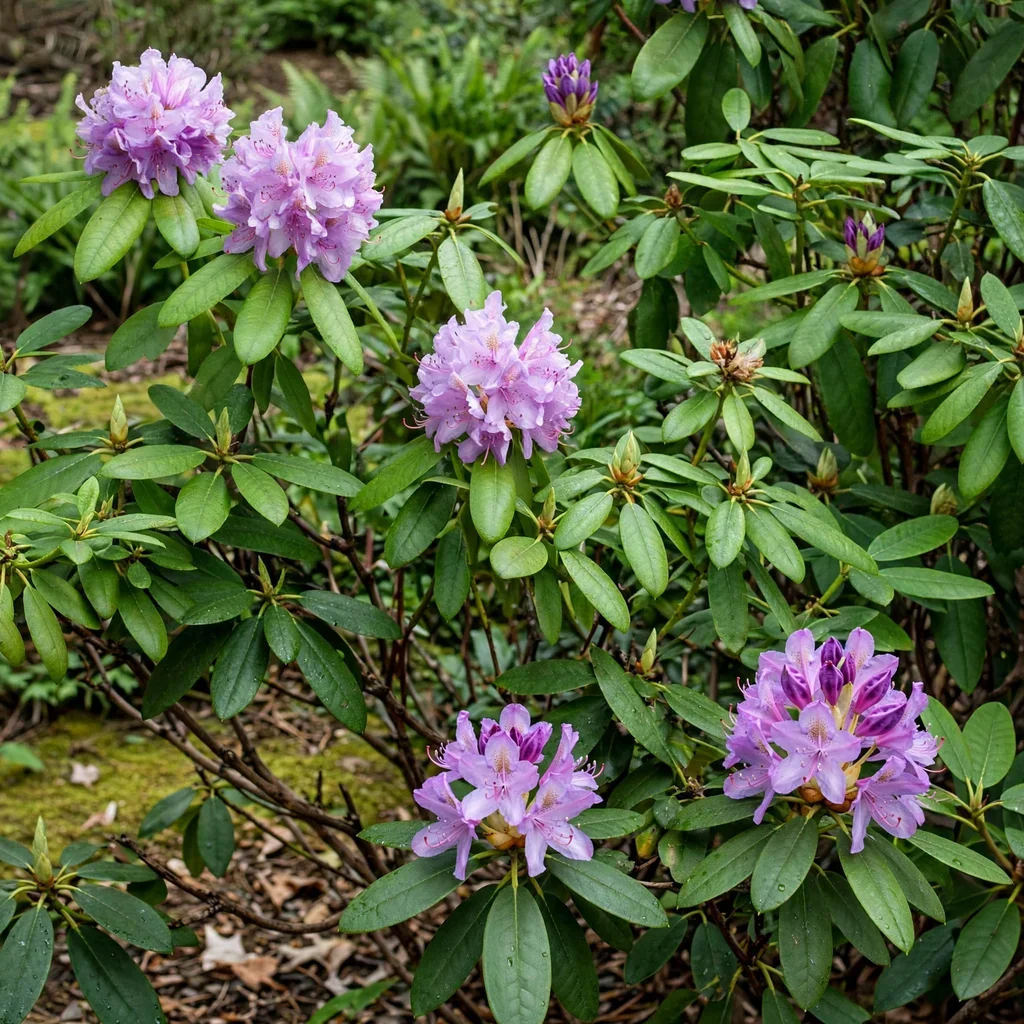
Catawba Rhododendron
Rhododendron catawbiense
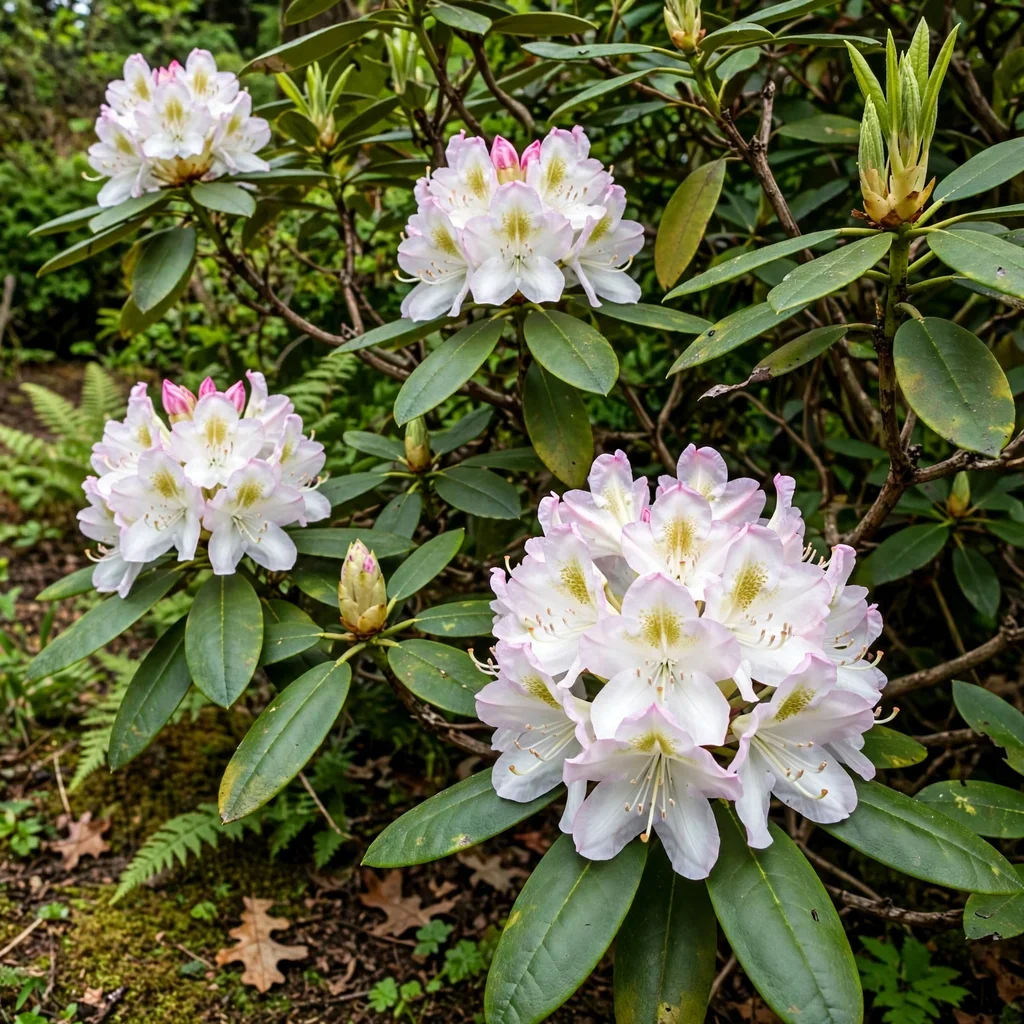
Great Laurel Rhododendron
Rhododendron maximum
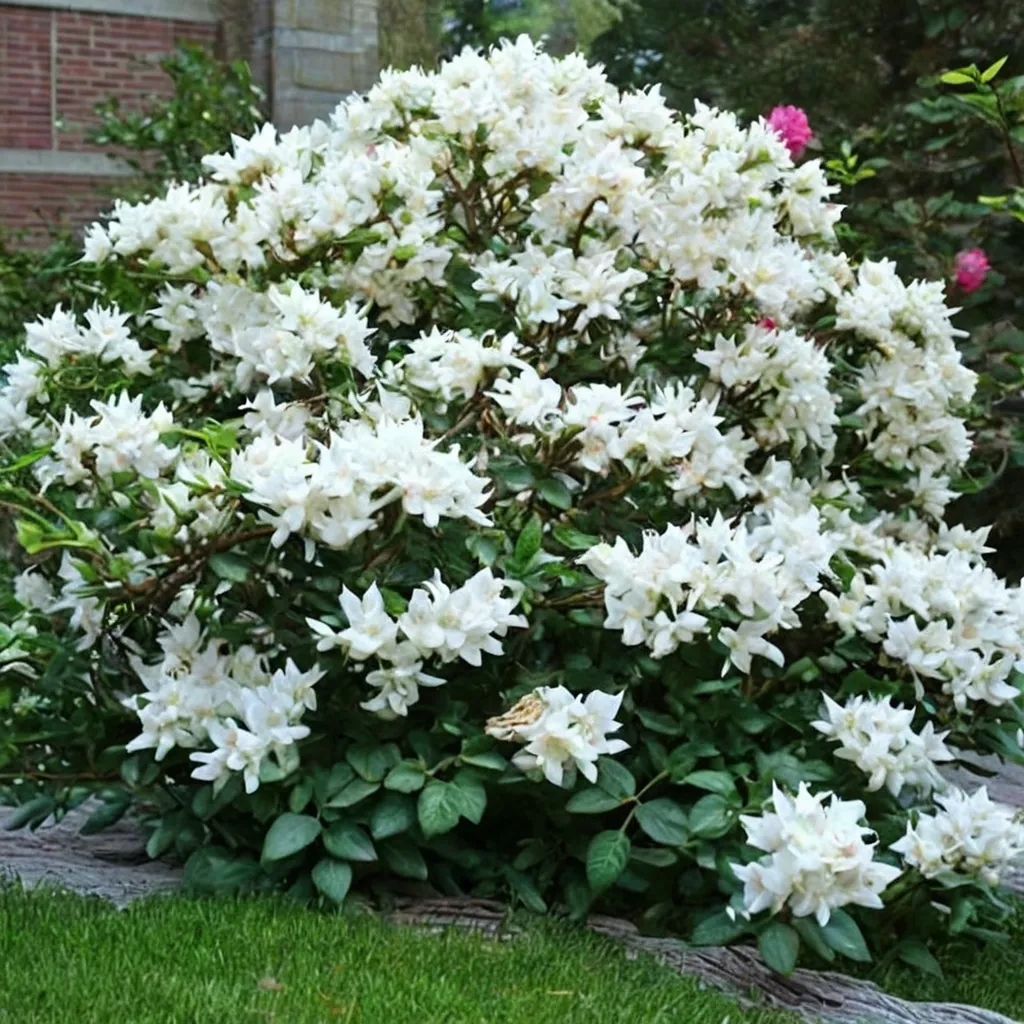
Double White Rhododendron
Rhododendron x hybrida 'Double White'
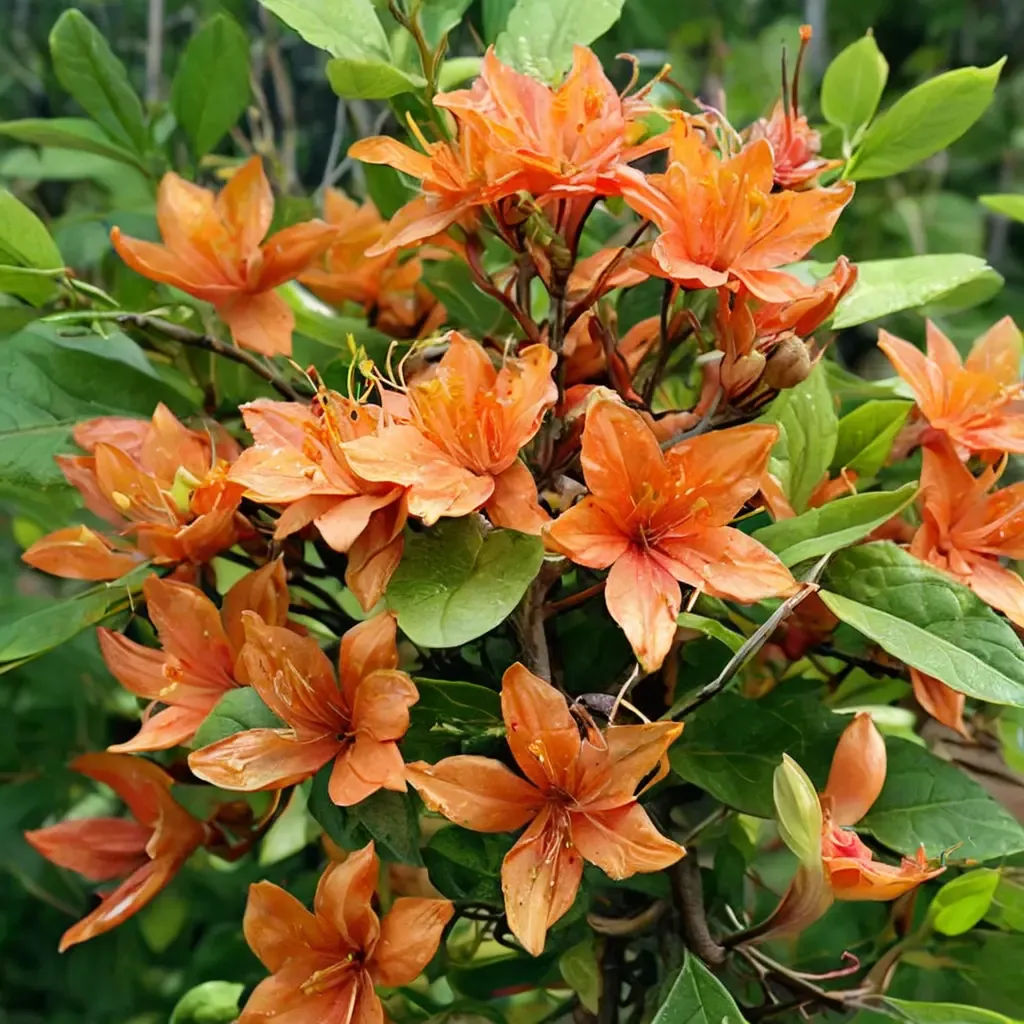
Flame Azalea
Rhododendron calendulaceum
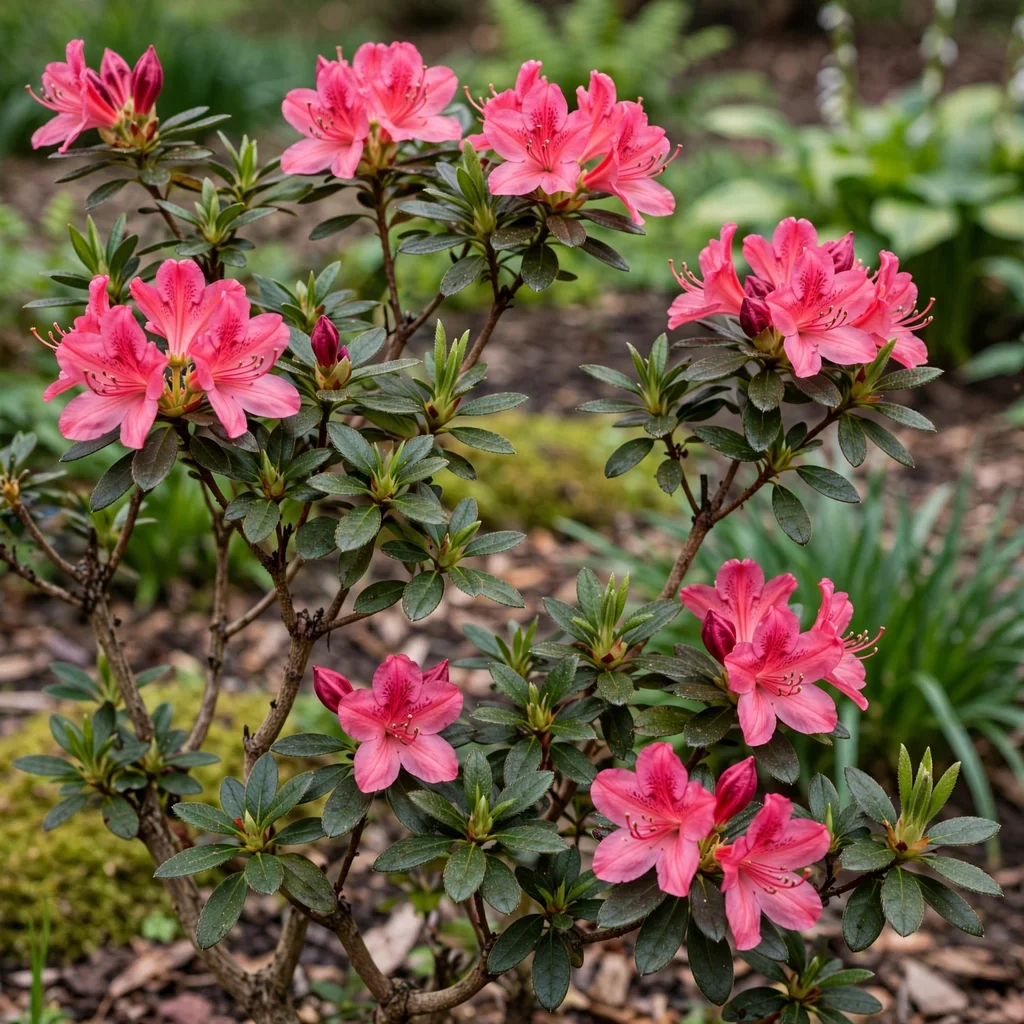
Bone Hardy Azalea
Rhododendron x hybrida 'Bone Hardy Azalea Sampler'
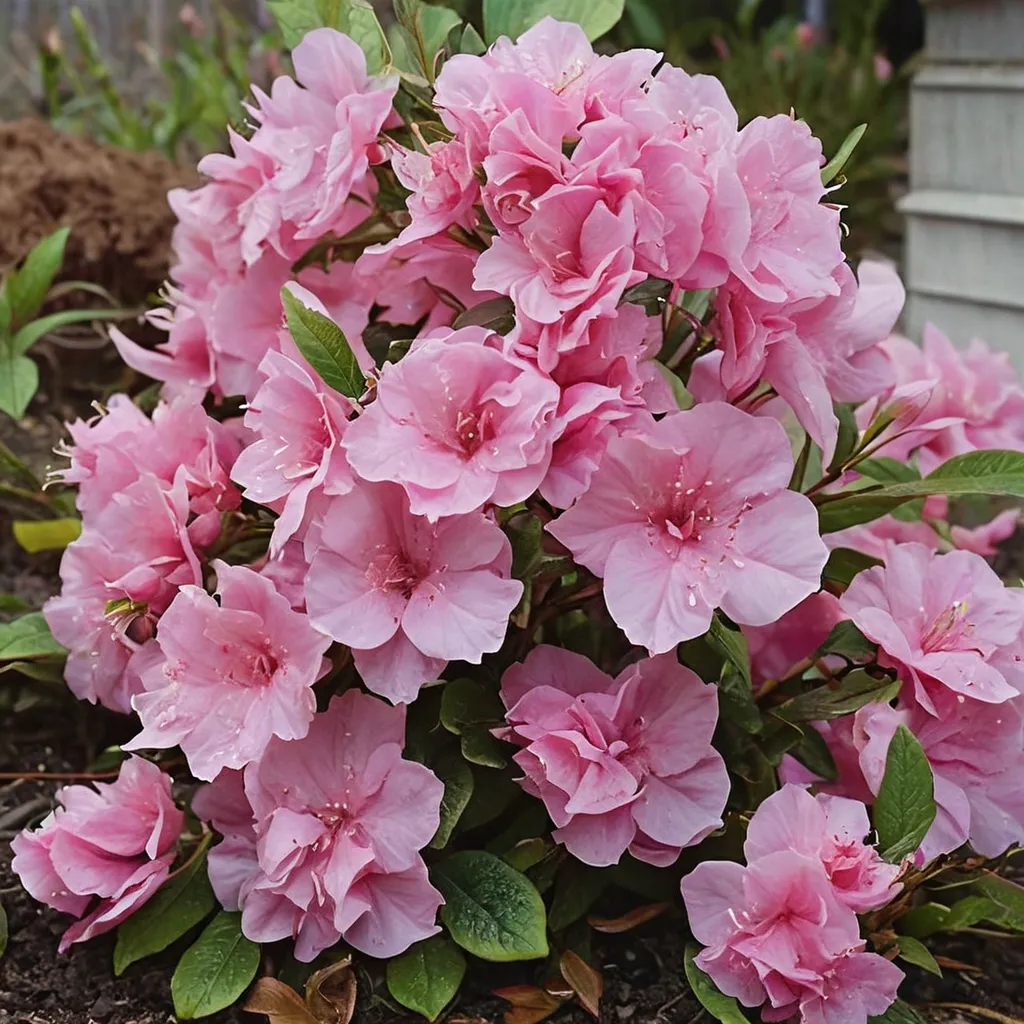
Rhododendron x hybrida Double Pink
Rhododendron x hybrida 'Double Pink'
Keep exploring
Explore the genus
Hardy in your zone?
Grow Piedmont Azalea with confidence
See it in a design of your actual yard, get zone-matched care reminders, and track it season by season in your garden journal.