
The Story
Plant Bio
Rosa lucieae, commonly known as the memorial rose, is a prostrate, trailing deciduous to semi-evergreen shrub native to eastern Asia that spreads via long, rooting stoloniferous stems. The glossy, dark green pinnate foliage emerges bright green in spring, providing a dense backdrop for flat-topped clusters of white flowers with prominent yellow stamens in summer.
This species is highly valued for its exceptional salt tolerance, allowing it to naturalize easily on coastal banks and sandy slopes. Following the summer bloom, the plant produces persistent red hips that serve as a food source for local birds and small mammals.
Uses & Benefits:
Essentials
At a Glance
Plant Type
Groundcover
Height
24"
Width
180"
Light
Full Sun, Partial Sun
Zones
5, 6, 7, 8
Water
Moderate to high once established
Humidity
Moderate
Lifespan
Perennial
Native To
Asia
Toxicity
Hairs inside hips can irritate if ingested raw
Bloom period
Summer
In flower about 3 months of the year
Planting
How to Grow
- Select a planting site in full sun to partial shade with well-draining sandy or loamy soil.
- Dig a hole twice the width of the root ball and set the plant at the same depth as its nursery container.
- Water thoroughly after planting to settle the soil, and maintain consistent moisture until the root system is established.
- Apply a light layer of organic compost around the base in spring if soil fertility is low, avoiding heavy chemical fertilizers.
Pro Tip
Avoid the common mistake of pruning this species hard like a hybrid tea rose; severe winter cutting destroys its natural trailing habit and drastically reduces the summer flower display.
Keep It Thriving
Care Guide
Do
- Trim back wayward trailing stems immediately after summer flowering to maintain the desired shape.
- Clear away fallen leaf debris around the base of the plant to prevent fungal diseases.
- Protect young plants from deer and rabbits using physical barriers or fencing.
Don't
- Do not cut the plant back to stubby canes in winter, as this ruins its natural arching form.
- Do not plant in heavy, poorly draining soils where waterlogged conditions can trigger root rot.
- Do not prune heavily into old, leafless wood, which recovers slowly.
Seasonal Care Calendar
| Task | Jan | Feb | Mar | Apr | May | Jun | Jul | Aug | Sep | Oct | Nov | Dec |
|---|---|---|---|---|---|---|---|---|---|---|---|---|
| Fertilize | ||||||||||||
| Pest Check | ||||||||||||
| Prune | ||||||||||||
| Spring Cleanup |
Watch Out For
Pests & Diseases
Common Pests
Common Diseases
In the Garden
Landscape Uses & Companions
Landscape Uses
Multiply
Propagation Methods
Good to Know
Common Questions
Memorial Rose questions
What zones can Memorial Rose grow in?
Memorial Rose is hardy in USDA Zones 5–8. Inside that range it survives winter in the ground; outside it, grow it as an annual or a container plant you protect.
Is Memorial Rose deer resistant?
Not reliably. Deer may browse Memorial Rose, especially tender spring growth — plan on repellents or fencing where pressure is high.
When does Memorial Rose bloom?
Memorial Rose typically blooms in summer through summer. Exact timing shifts a week or two with your zone — Sow's bloom calendar maps it to your garden.
Does Memorial Rose need full sun?
Memorial Rose does best in full sun to part shade. In hot climates, afternoon shade keeps blooms fresher longer.
Is Memorial Rose drought tolerant?
Yes — once established (usually after the first full season), Memorial Rose handles dry spells with minimal watering. Water deeply its first year to build the root system that makes that possible.
More Rosa to compare
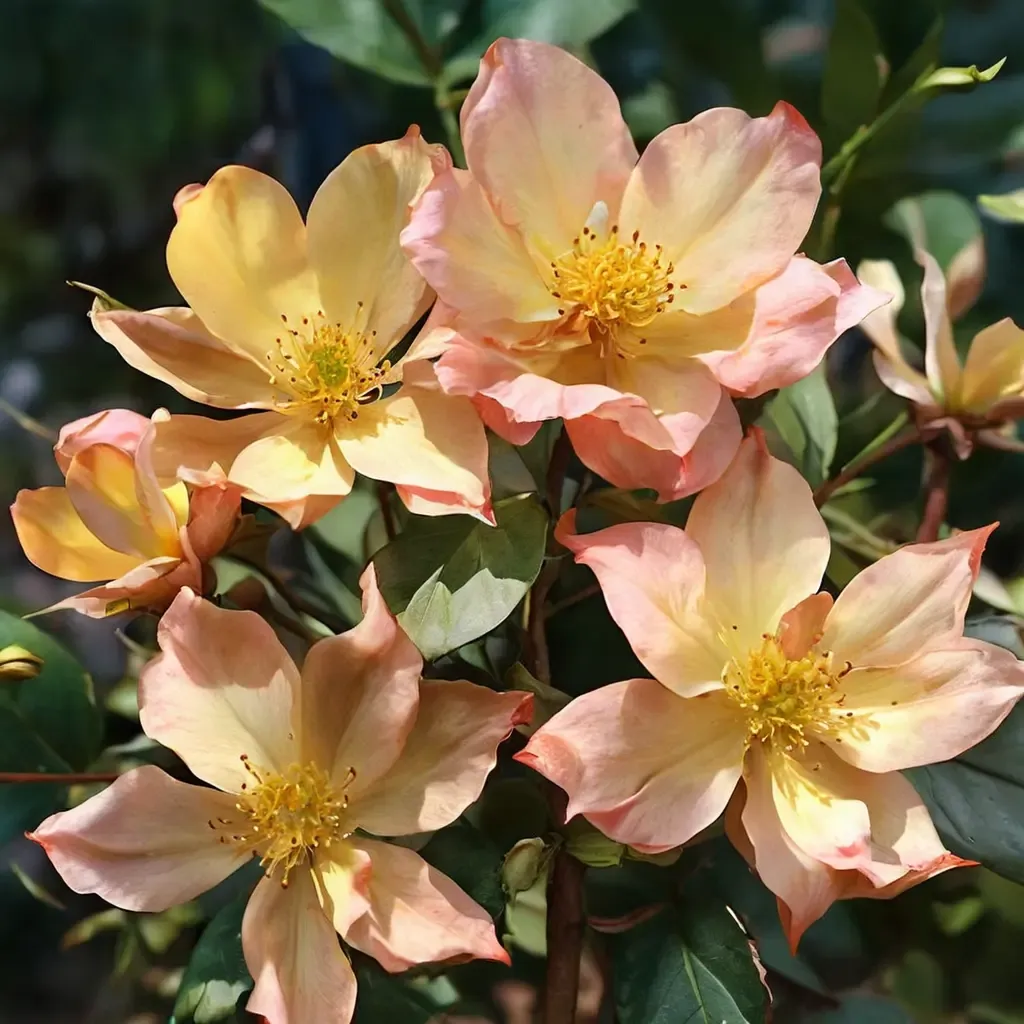
Flutterbye Rose
Rosa x hybrida 'Flutterbye'
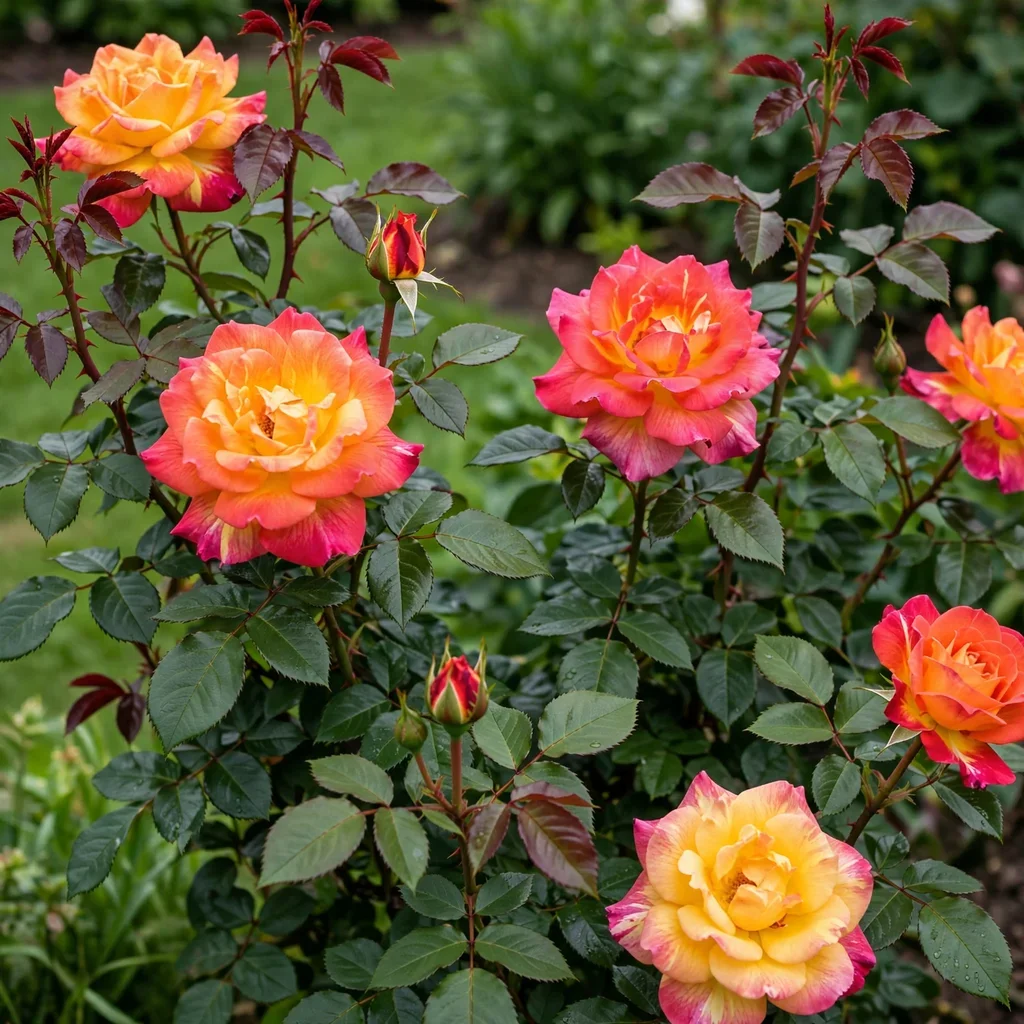
Joseph's Coat Rose
Rosa x hybrida 'Joseph's Coat'
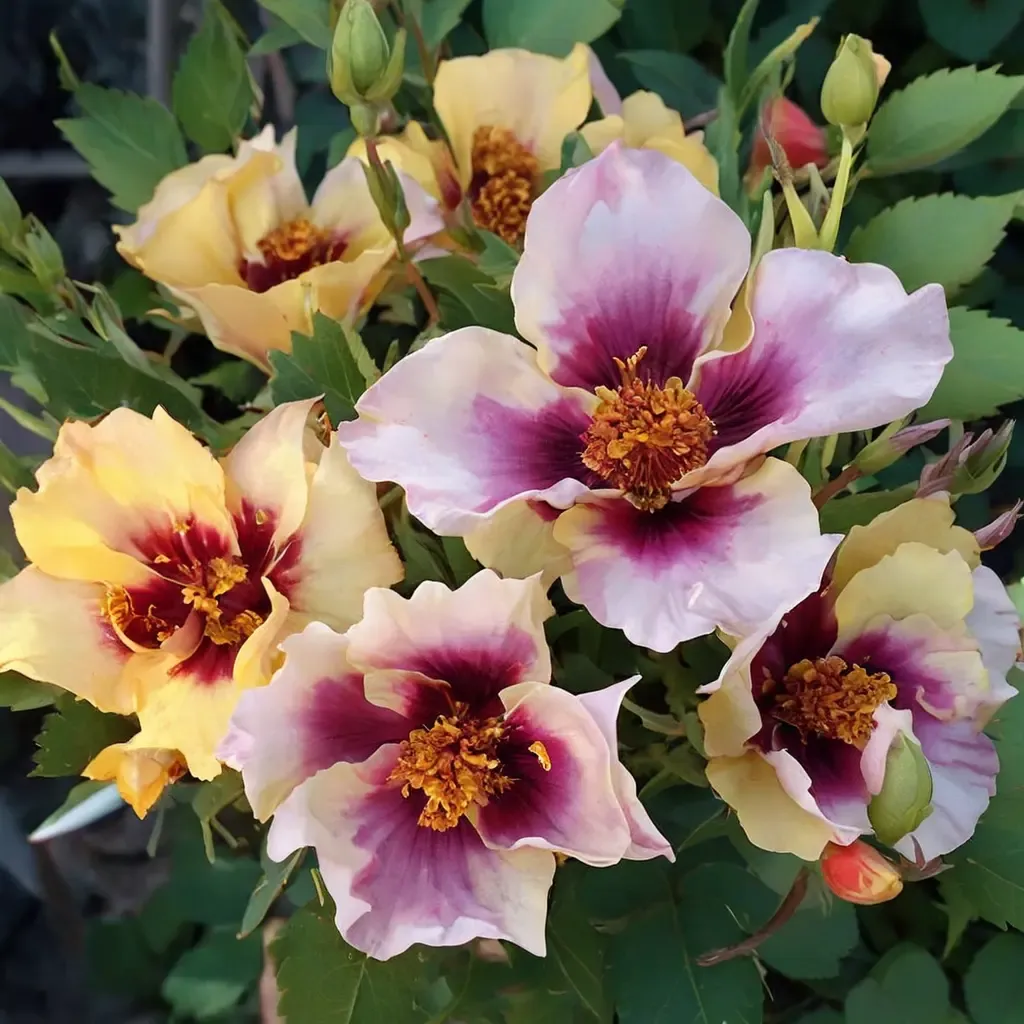
In Your Eyes Rose
Rosa x hybrida 'In Your Eyes'
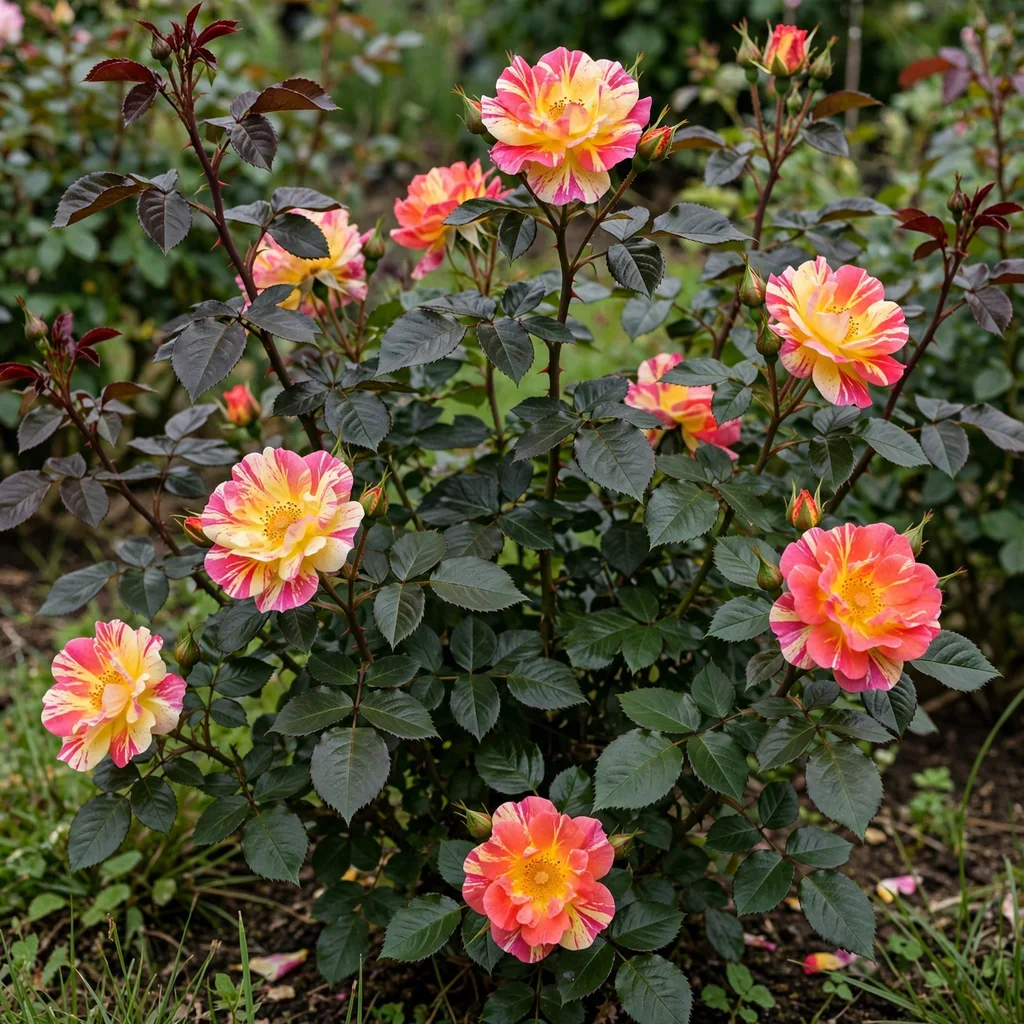
Rainbow Rose
Rosa x hybrida 'Rainbow'
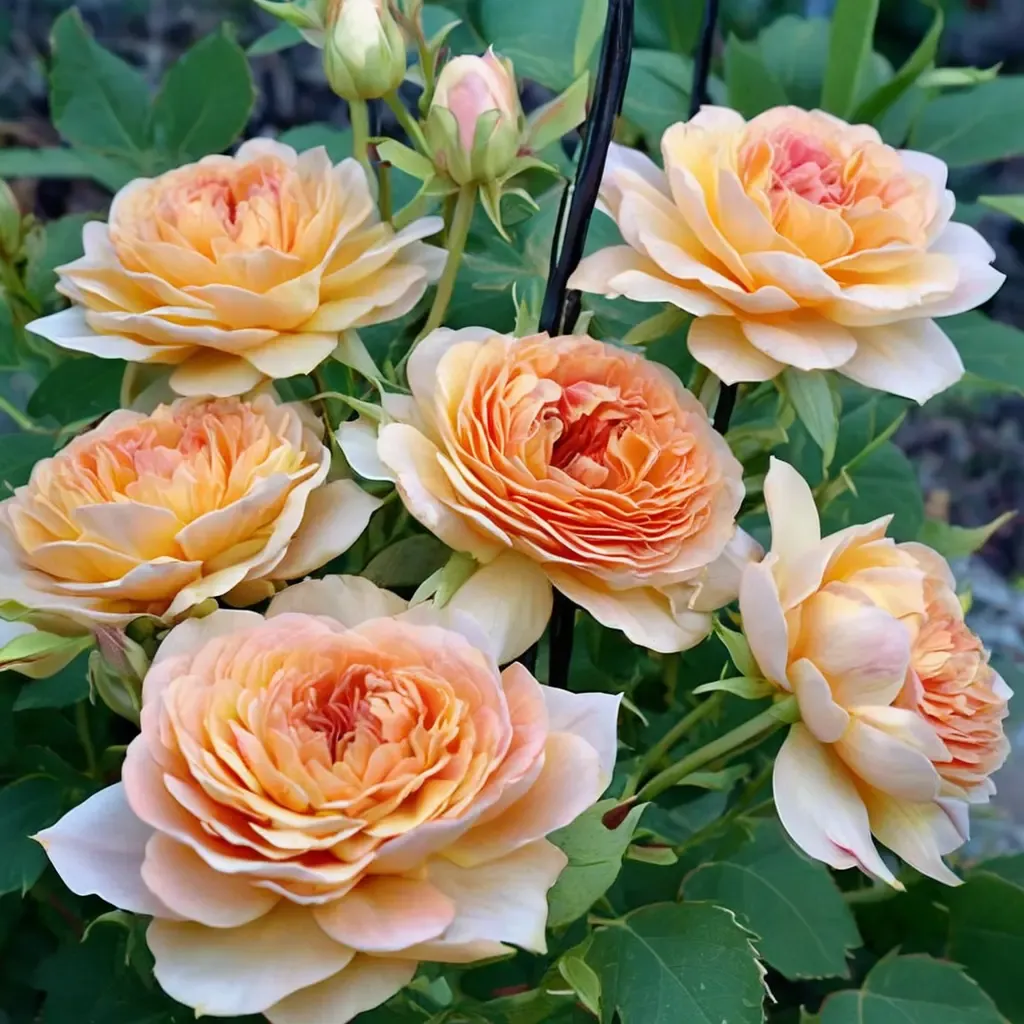
Fun in the Sun Rose
Rosa x hybrida 'Fun in the Sun'
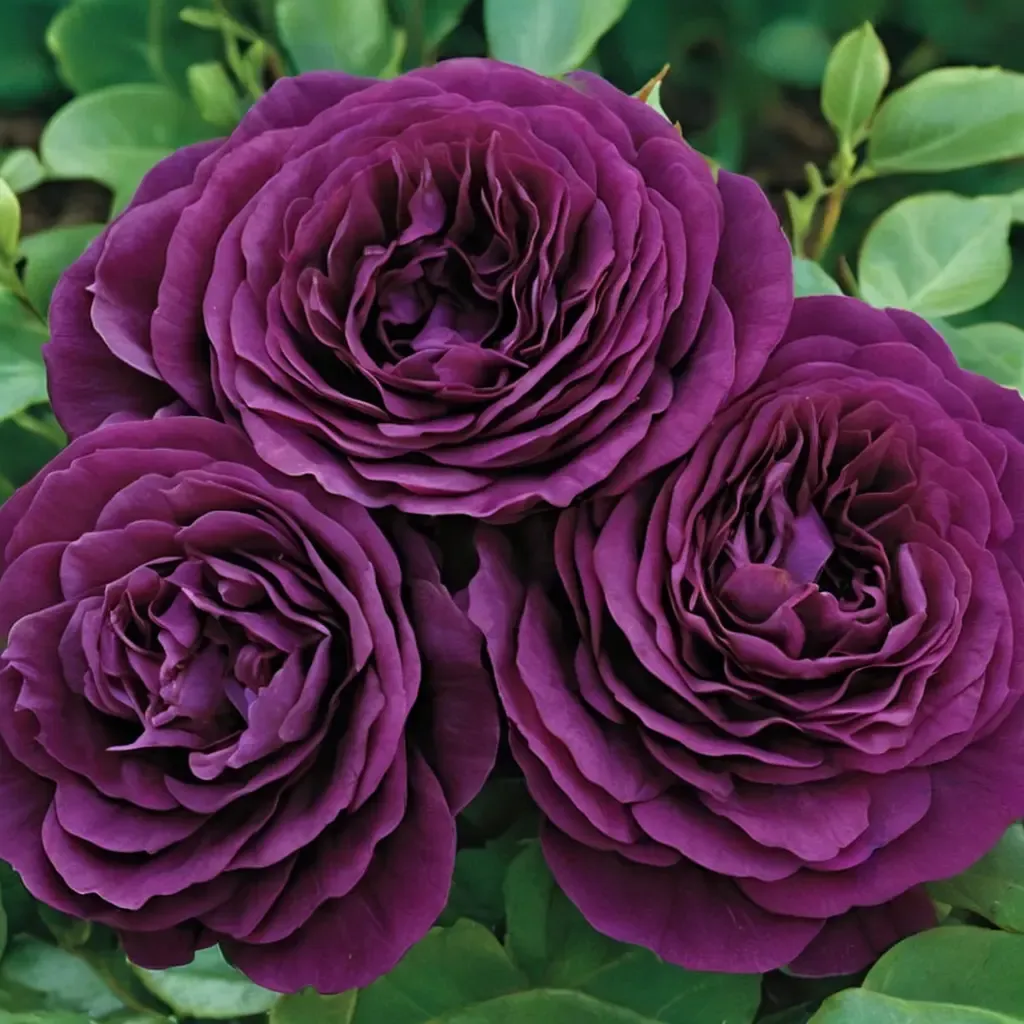
Twilight Zone Rose
Rosa x hybrida 'Twilight Zone'
Keep exploring
Explore the genus
Hardy in your zone?
Grow Memorial Rose with confidence
See it in a design of your actual yard, get zone-matched care reminders, and track it season by season in your garden journal.