

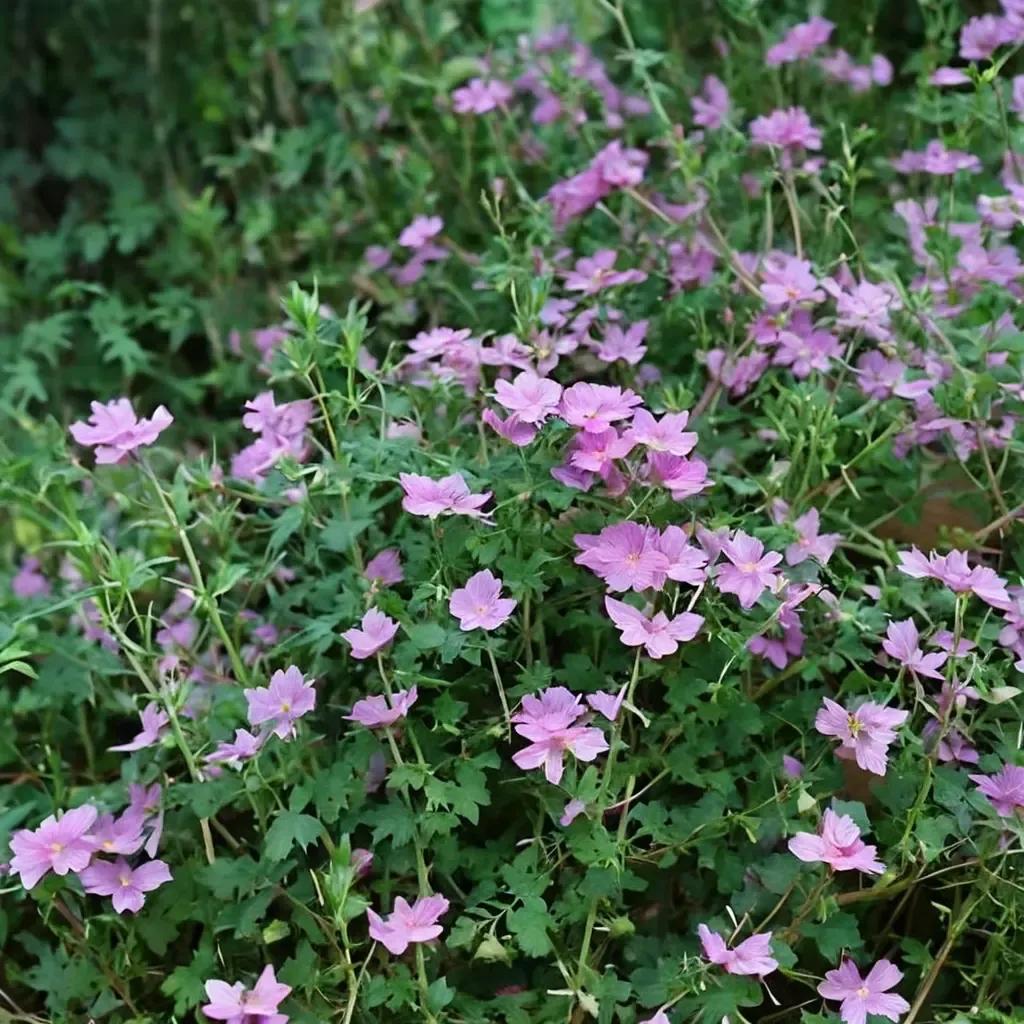
The Story
Plant Bio
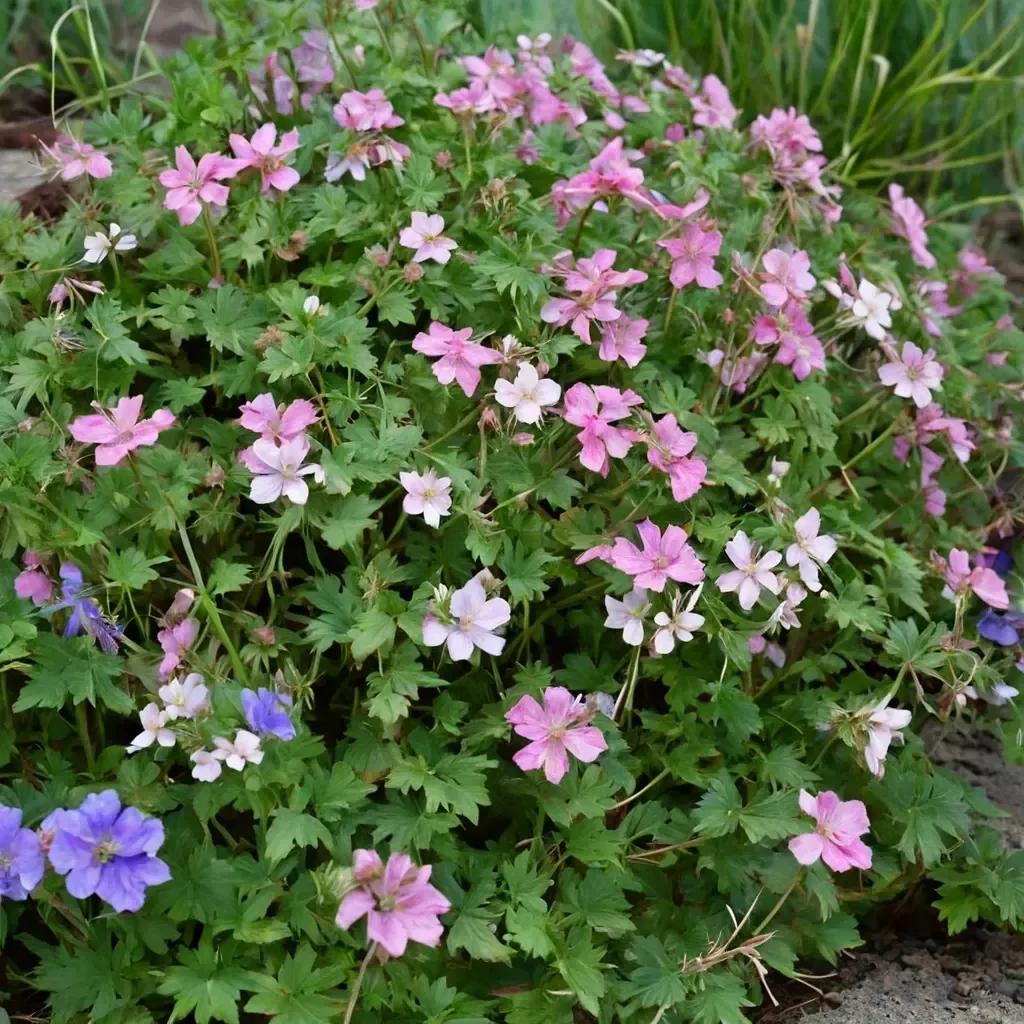
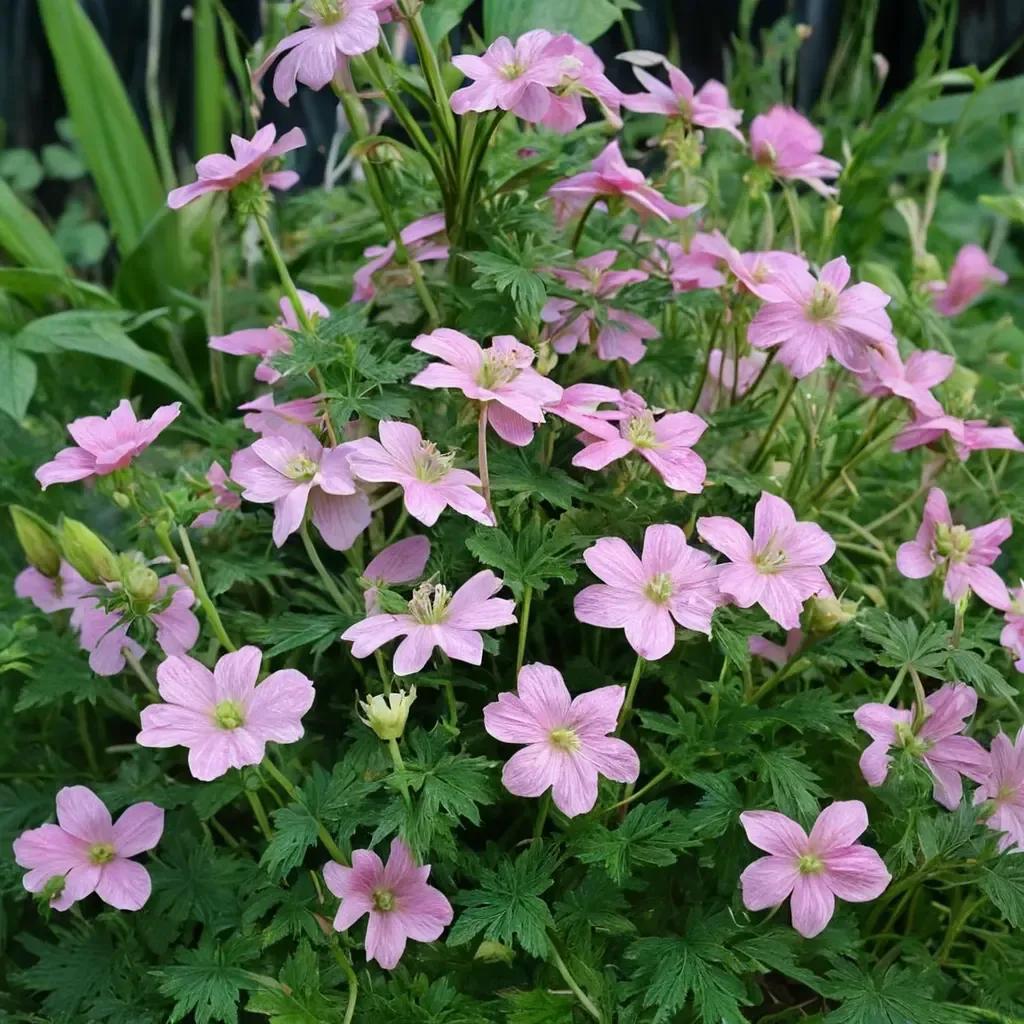
A world-famous hardy geranium celebrated for its exceptionally long bloom time and vigorous, spreading habit. It forms a tidy mound of deeply cut, marbled green foliage.
Rozanne produces an astonishing profusion of 2.5-inch, saucer-shaped, violet-blue flowers with distinctive white eyes, blooming continuously from late spring until the first hard frost, making it one of the longest-blooming perennials available.
Uses & Benefits:
Essentials
At a Glance
Plant Type
Perennial
Height
20"
Width
30"
Light
Full Sun, Partial Sun
Zones
5, 6, 7, 8
Water
Moderate
Humidity
Prefers good air circulation
Lifespan
10+ years
Native To
Garden origin
Toxicity
Non-toxic
Bloom period
Late spring – Mid-fall
In flower about 6 months of the year
Planting
How to Grow
- Choose a spot with full sun or light afternoon shade.
- Prepare well-drained soil, adding compost to improve its structure.
- Dig a hole as deep and twice as wide as the plant's container.
- Set the plant in the hole so the crown is level with the soil surface.
- Fill in the hole, firm the soil gently, and water thoroughly.
- Space plants about 24-30 inches apart to allow for spreading.
Pro Tip
In mid-summer, if the plant looks leggy, shear it back by half. It will quickly regrow fresh foliage and flowers.
Keep It Thriving
Care Guide
Do
- Provide consistent moisture, especially in full sun and hot weather.
- Allow it to sprawl and weave through neighboring plants.
- Give it a mid-season haircut if it starts to look tired.
- Enjoy the non-stop flowers from spring to frost.
Don't
- Do not plant in heavy, waterlogged clay soil.
- Avoid deep shade, which will reduce flowering.
- Don't worry about deadheading individual flowers; it's not necessary.
- Do not let it dry out completely for extended periods.
Seasonal Care Calendar
| Task | Jan | Feb | Mar | Apr | May | Jun | Jul | Aug | Sep | Oct | Nov | Dec |
|---|---|---|---|---|---|---|---|---|---|---|---|---|
| Deadhead | ||||||||||||
| Mulch | ||||||||||||
| Plant | ||||||||||||
| Spring Cleanup |
Watch Out For
Pests & Diseases
Common Pests
Common Diseases
In the Garden
Landscape Uses & Companions
Landscape Uses
Multiply
Propagation Methods
Good to Know
Common Questions
Rozanne Cranesbill questions
What zones can Rozanne Cranesbill grow in?
Rozanne Cranesbill is hardy in USDA Zones 5–8. Inside that range it survives winter in the ground; outside it, grow it as an annual or a container plant you protect.
Is Rozanne Cranesbill deer resistant?
Yes — Rozanne Cranesbill is rated deer-resistant. Deer typically pass it over, though extreme hunger can override any plant's defenses.
When does Rozanne Cranesbill bloom?
Rozanne Cranesbill typically blooms in late spring through mid-fall. Exact timing shifts a week or two with your zone — Sow's bloom calendar maps it to your garden.
Does Rozanne Cranesbill need full sun?
Rozanne Cranesbill does best in full sun to part shade. In hot climates, afternoon shade keeps blooms fresher longer.
More Geranium to compare
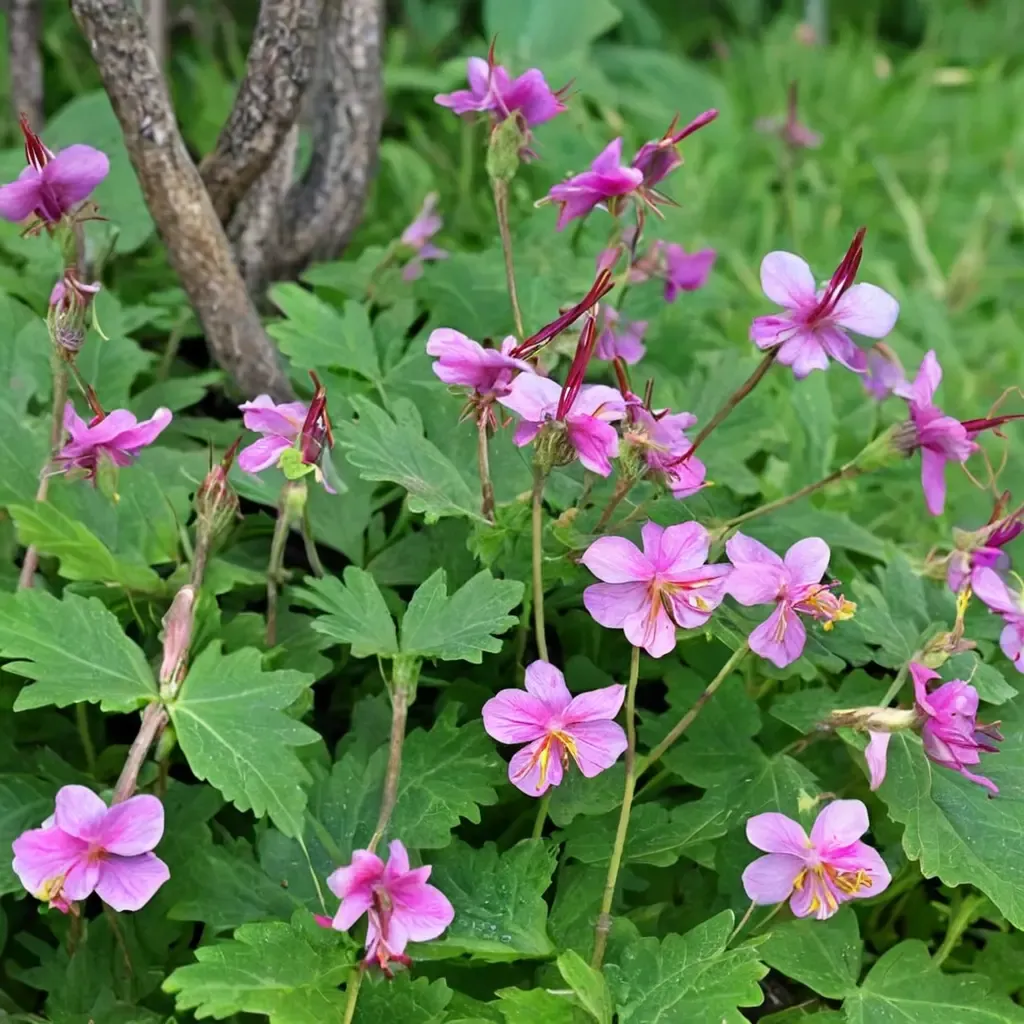
Bigroot Geranium
Geranium macrorrhizum
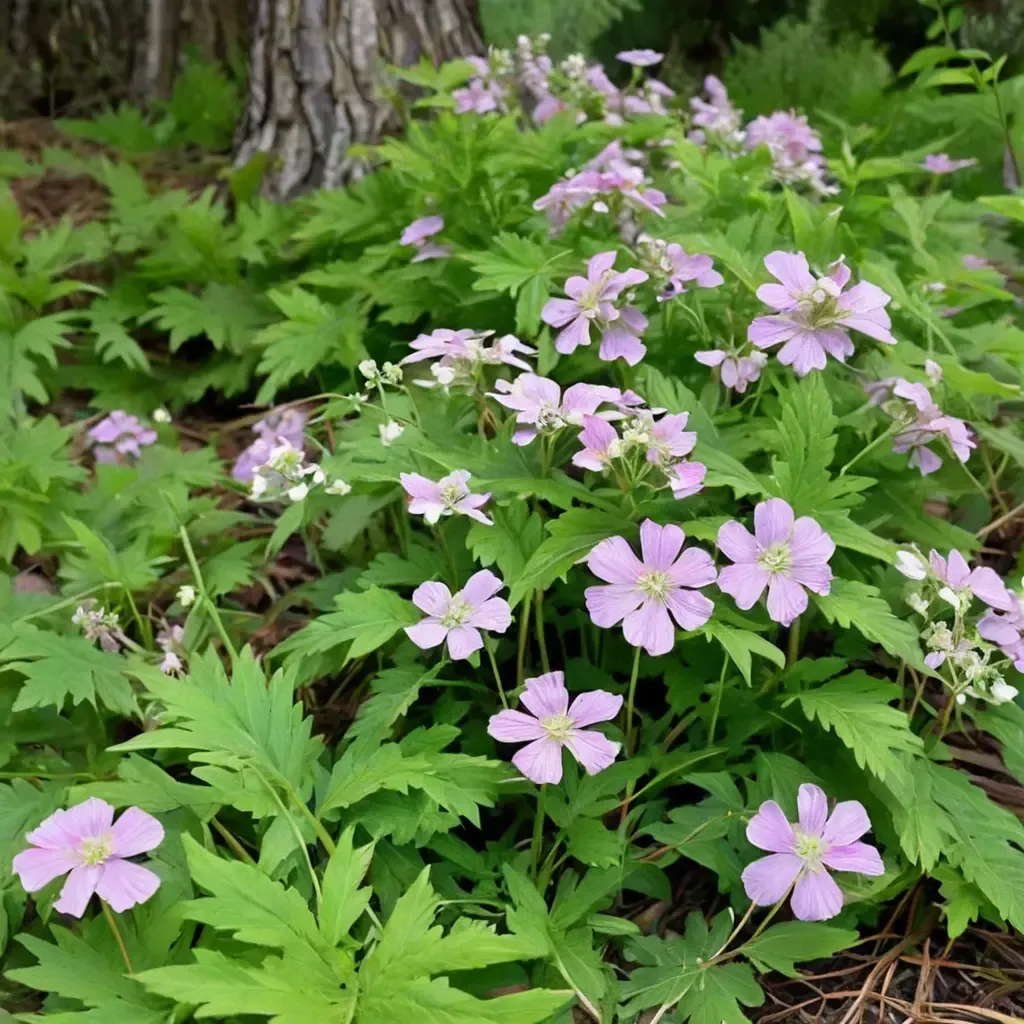
Wild Geranium
Geranium maculatum
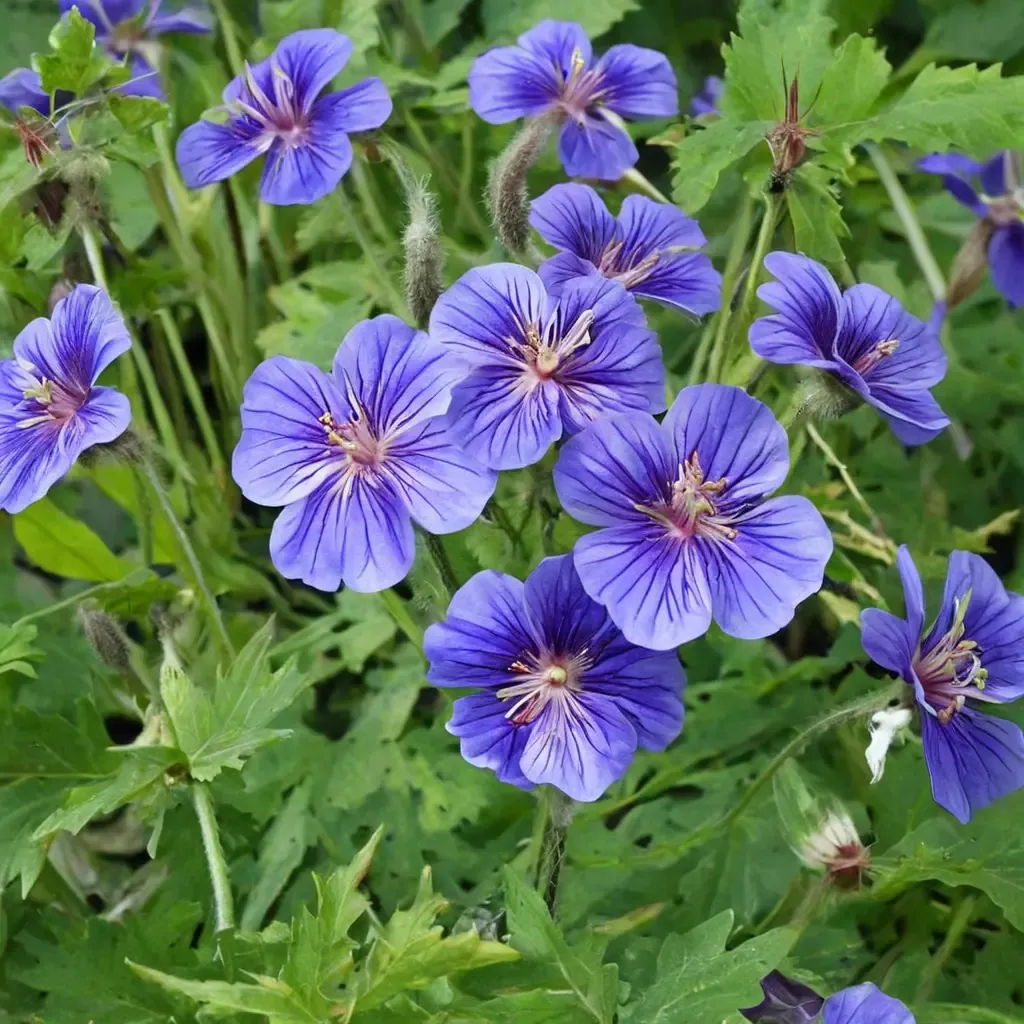
Cranesbill 'Rozanne'
Geranium x magnificum 'Rozanne'
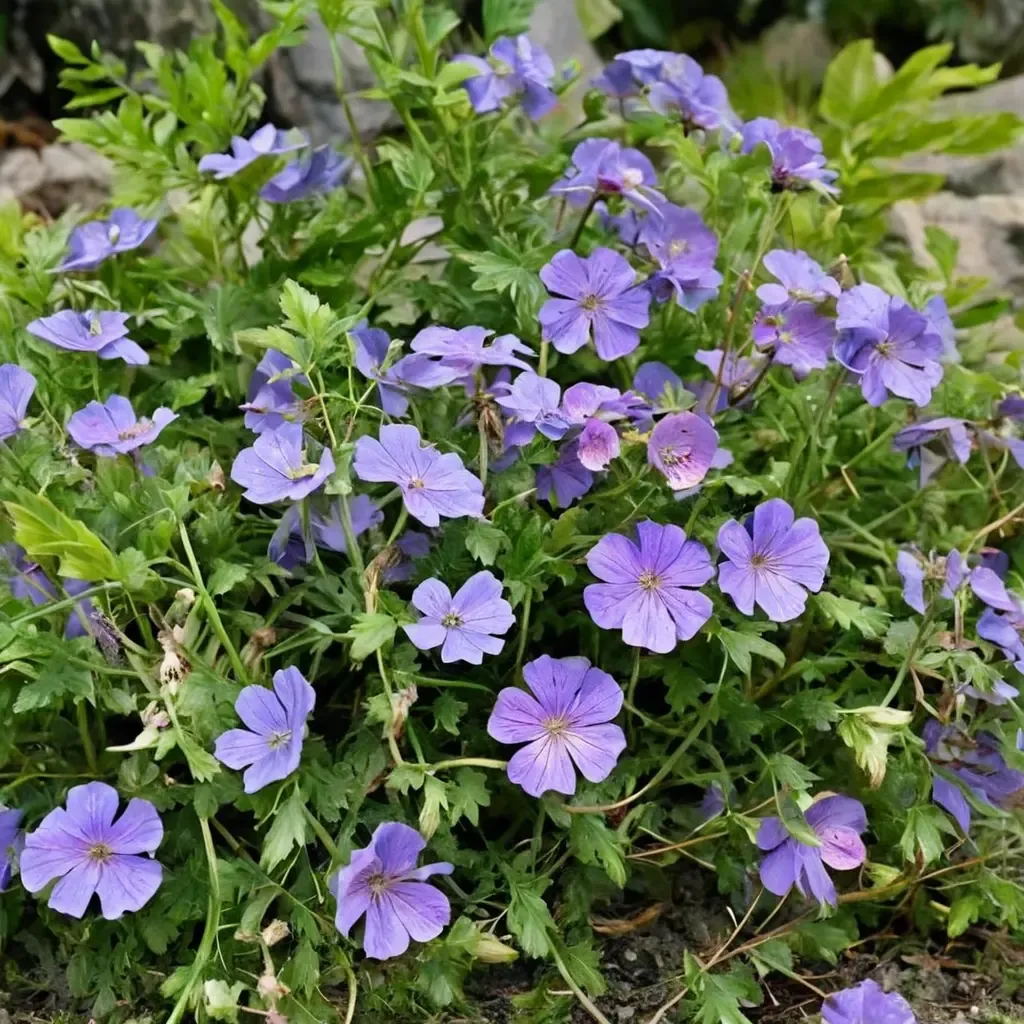
Azure Rush Geranium
Geranium incanum 'Azure Rush'
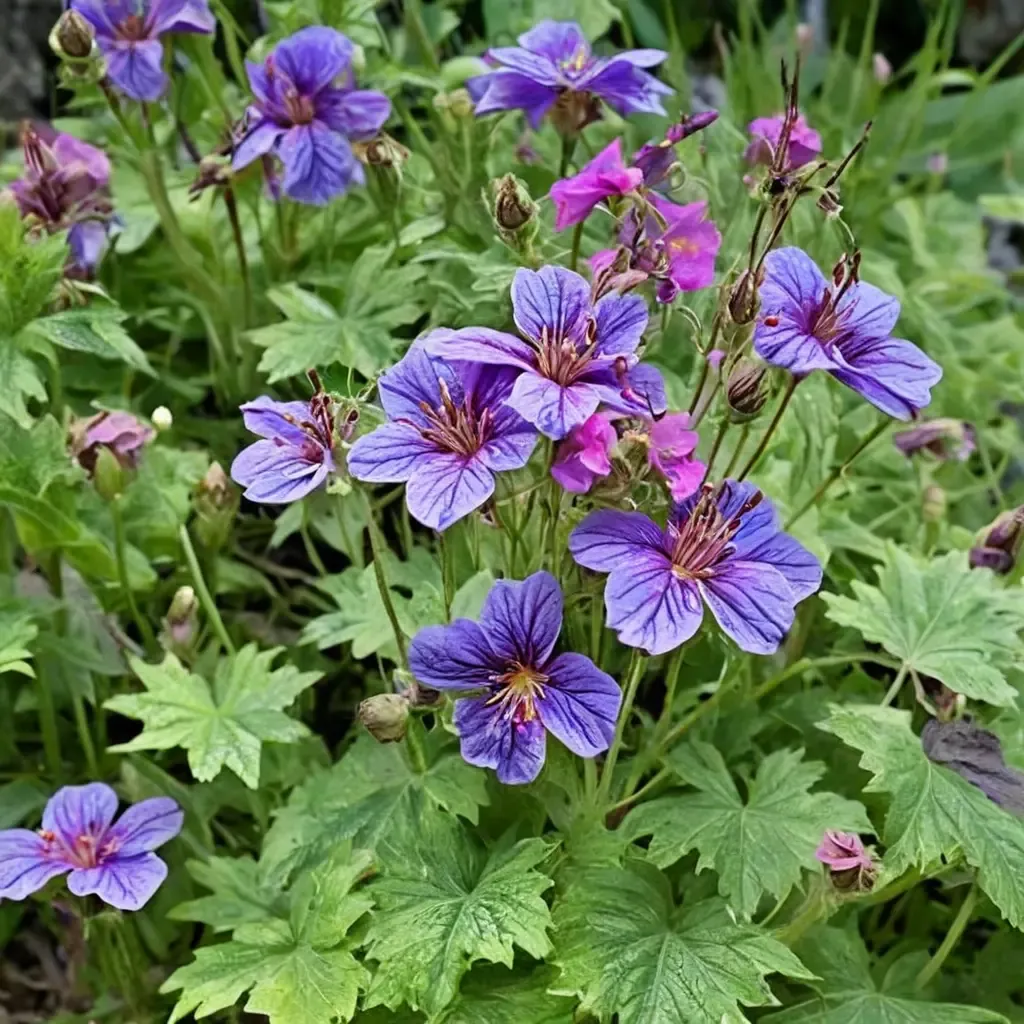
Showy Cranesbill
Geranium x magnificum 'Bevan's Variety'
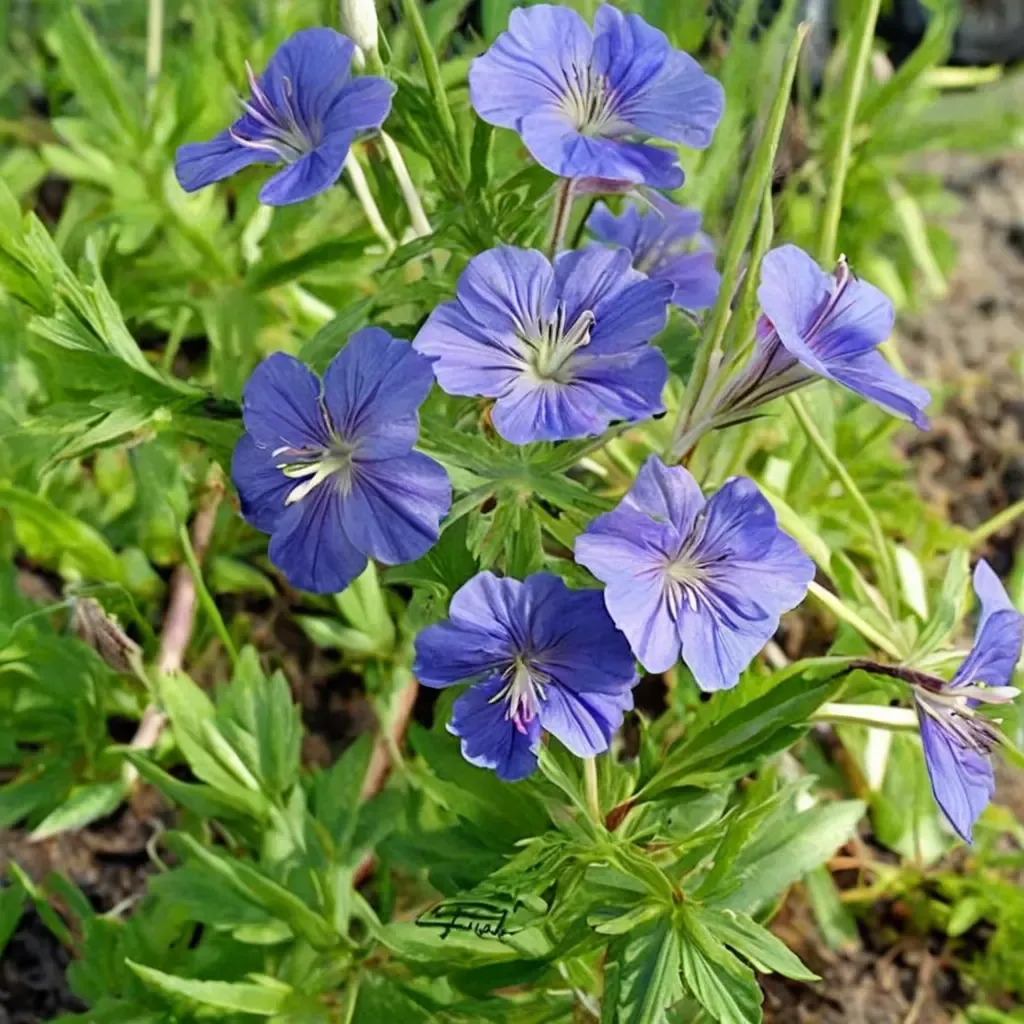
Cranesbill 'Orion'
Geranium maculatum 'Orion'
Keep exploring
Explore the genus
Hardy in your zone?
Grow Rozanne Cranesbill with confidence
See it in a design of your actual yard, get zone-matched care reminders, and track it season by season in your garden journal.