The Story
Plant Bio
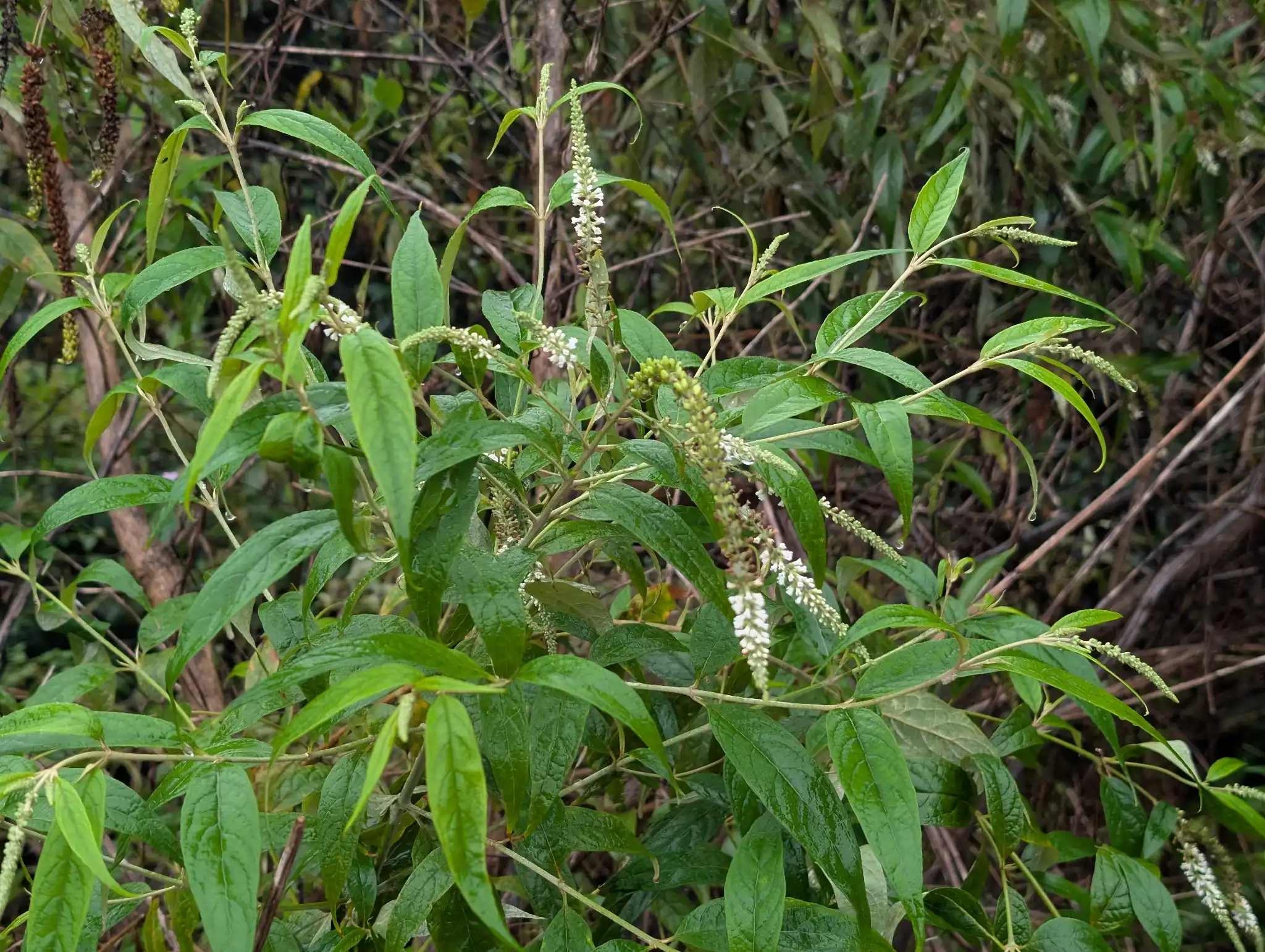
Buddleja asiatica, the Asiatic butterfly bush, is a fast-growing evergreen shrub with arching branches and a spreading habit. The lanceolate leaves feature a greyish-green upper surface and a densely woolly, white-tomentose underside that is particularly prominent on new growth.
Unlike many other members of the genus, this species produces terminal, elongated panicles of small, highly fragrant white-to-cream flowers. The plant is native to the Indian subcontinent, Southeast Asia, and southern China, where it colonizes open forests and disturbed grasslands.
Uses & Benefits:
Essentials
At a Glance
Plant Type
Shrub
Height
118"
Width
118"
Light
Full Sun, Partial Sun
Zones
9, 10
Water
Moderate
Humidity
Moderate to High
Lifespan
Perennial
Native To
Indian subcontinent, Southeast Asia, southern China
Toxicity
Unknown
Bloom period
Spring – Fall
In flower about 9 months of the year
Planting
How to Grow
- Select a planting site with full sun to partial shade and excellent drainage.
- Dig a hole twice the width of the root ball and set the plant at its original container depth.
- Water deeply at the base to settle the soil, maintaining moderate moisture until established.
- Apply a balanced, slow-release fertilizer annually in early spring.
Pro Tip
Avoid high-phosphorus fertilizers, which can damage the root system and severely limit flower production.
Keep It Thriving
Care Guide
Do
- Prune lightly after the flowering cycle to maintain a compact, bushy shape.
- Ensure the soil drains rapidly to prevent root rot.
- Monitor the undersides of leaves for spider mites during hot, dry weather.
Don't
- Do not overwater or plant in heavy, poorly drained clay soils.
- Do not apply high-phosphorus fertilizers.
- Do not prune heavily into old, woody stems unless rejuvenating an overgrown specimen in late winter.
Seasonal Care Calendar
| Task | Jan | Feb | Mar | Apr | May | Jun | Jul | Aug | Sep | Oct | Nov | Dec |
|---|---|---|---|---|---|---|---|---|---|---|---|---|
| Fertilize | ||||||||||||
| Pest Check | ||||||||||||
| Prune | ||||||||||||
| Winter Prep |
Watch Out For
Pests & Diseases
Common Pests
Common Diseases
In the Garden
Landscape Uses & Companions
Landscape Uses
Multiply
Propagation Methods
Good to Know
Common Questions
Asiatic Butterfly Bush questions
What zones can Asiatic Butterfly Bush grow in?
Asiatic Butterfly Bush is hardy in USDA Zones 9–10. Inside that range it survives winter in the ground; outside it, grow it as an annual or a container plant you protect.
When does Asiatic Butterfly Bush bloom?
Asiatic Butterfly Bush typically blooms in spring through fall. Exact timing shifts a week or two with your zone — Sow's bloom calendar maps it to your garden.
Does Asiatic Butterfly Bush need full sun?
Asiatic Butterfly Bush does best in full sun to part shade. In hot climates, afternoon shade keeps blooms fresher longer.
Is Asiatic Butterfly Bush drought tolerant?
Yes — once established (usually after the first full season), Asiatic Butterfly Bush handles dry spells with minimal watering. Water deeply its first year to build the root system that makes that possible.
More Buddleja to compare
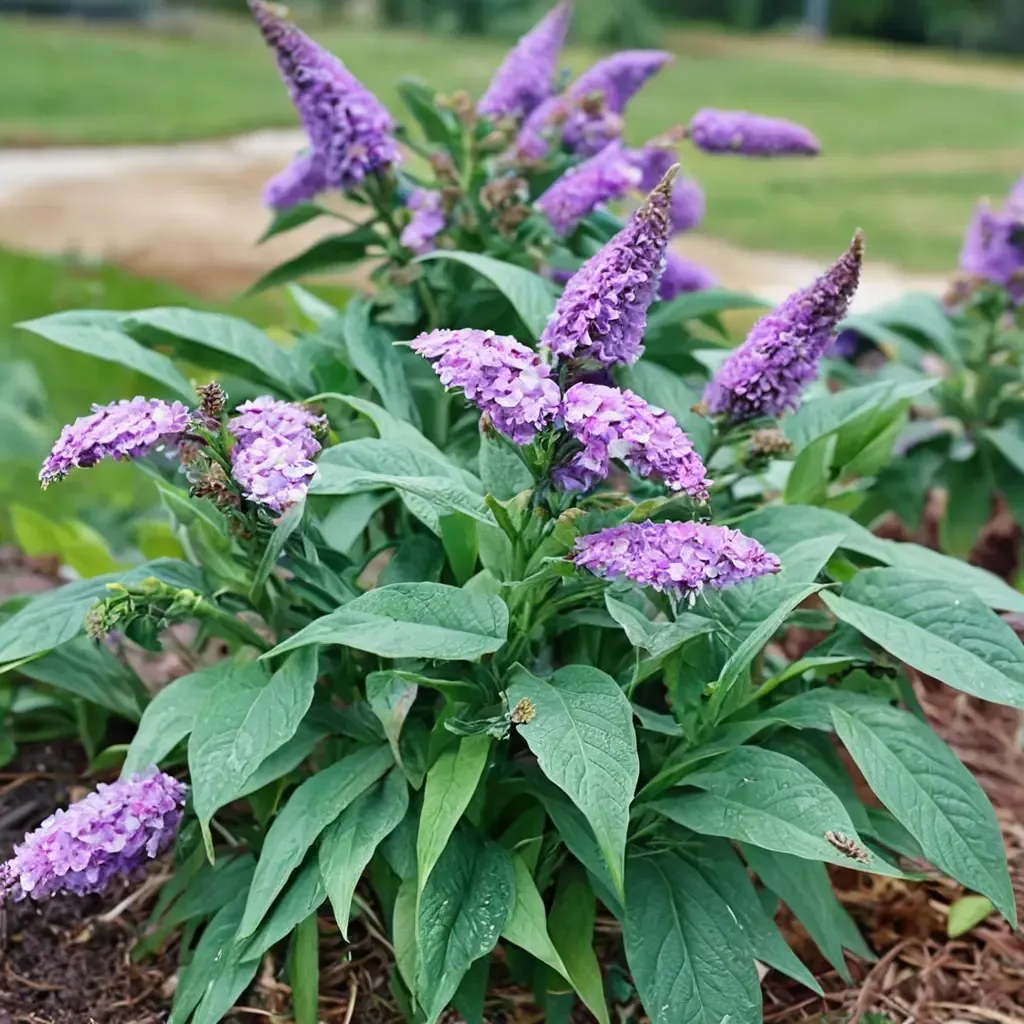
Pugster Amethyst Butterfly Bush
Buddleja davidii 'Pugster Amethyst'
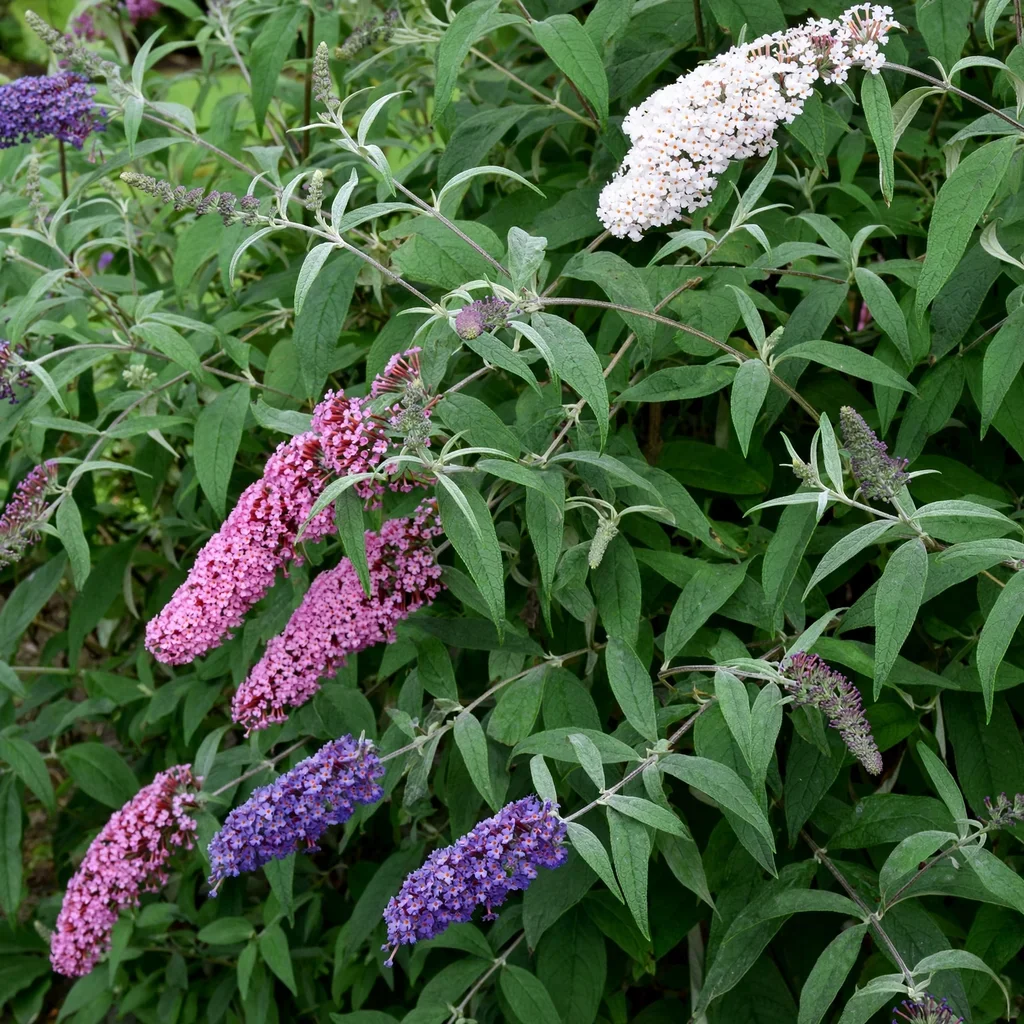
Trio Butterfly Bush
Buddleja davidii 'Trio'
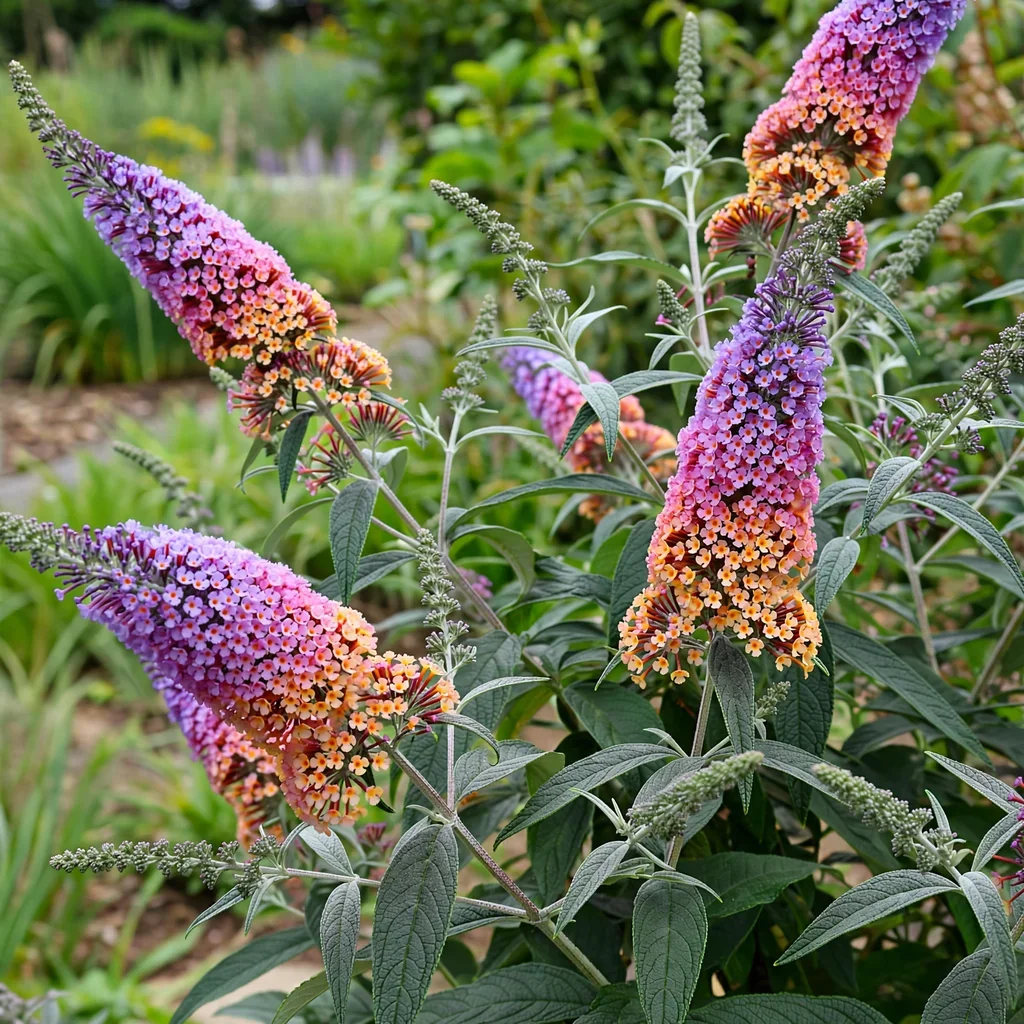
Bicolor Butterfly Bush
Buddleja davidii 'Bicolor'
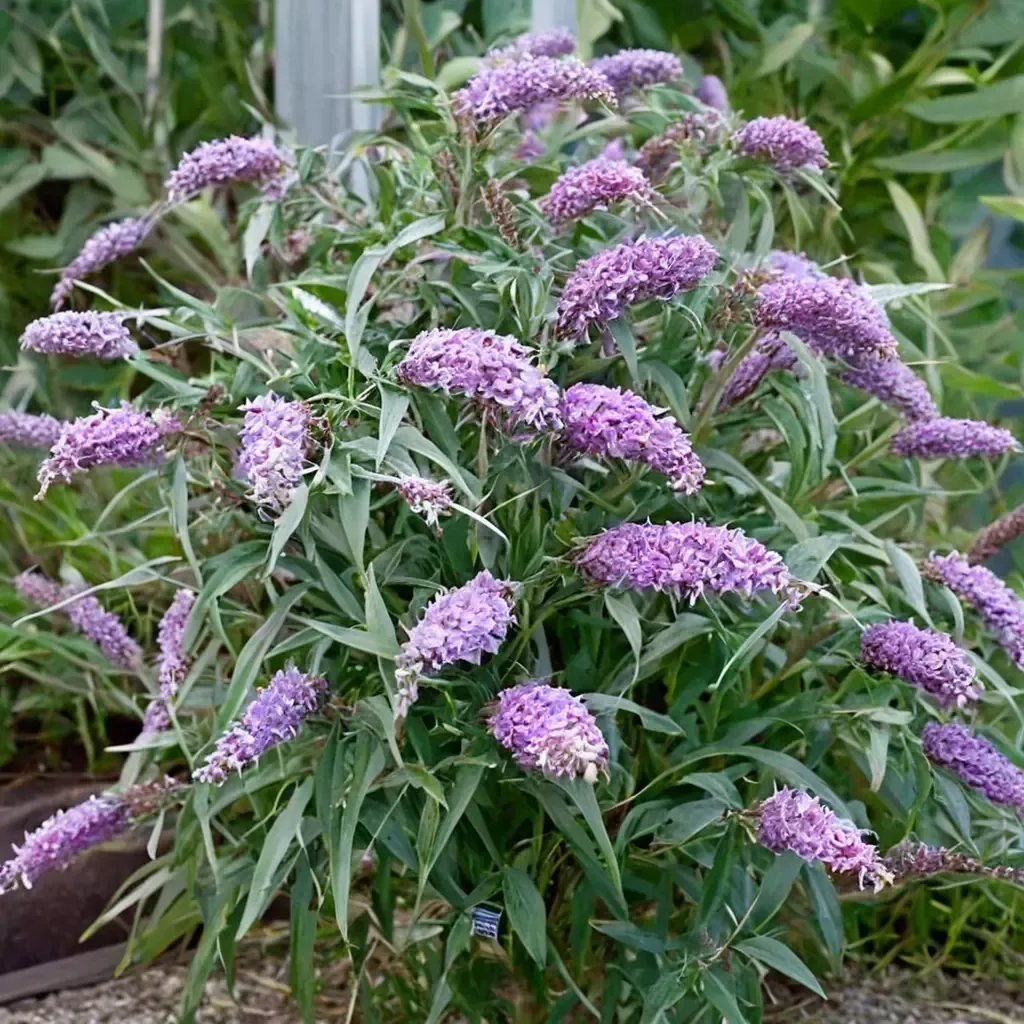
Butterfly Bush
Buddleja davidii
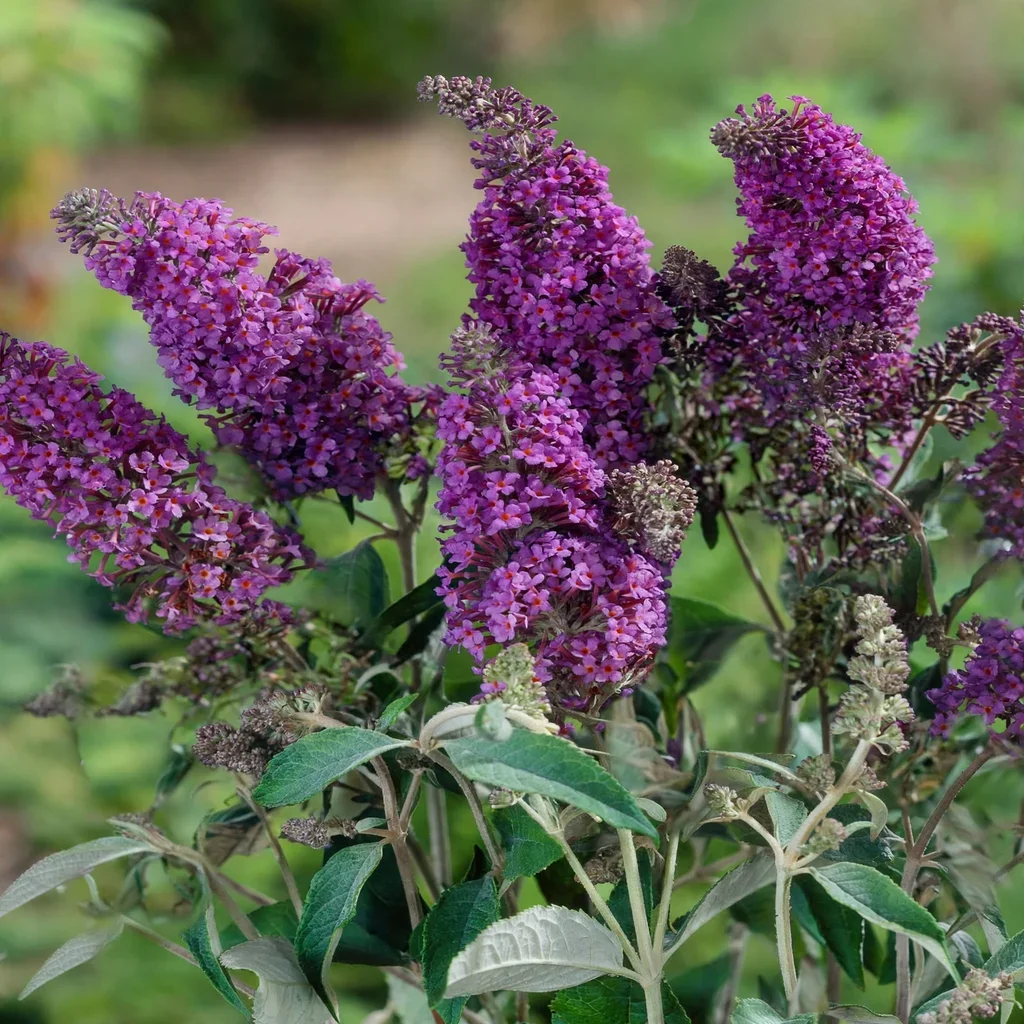
Butterfly Bush Purple Prince
Buddleja davidii 'Purple Prince'
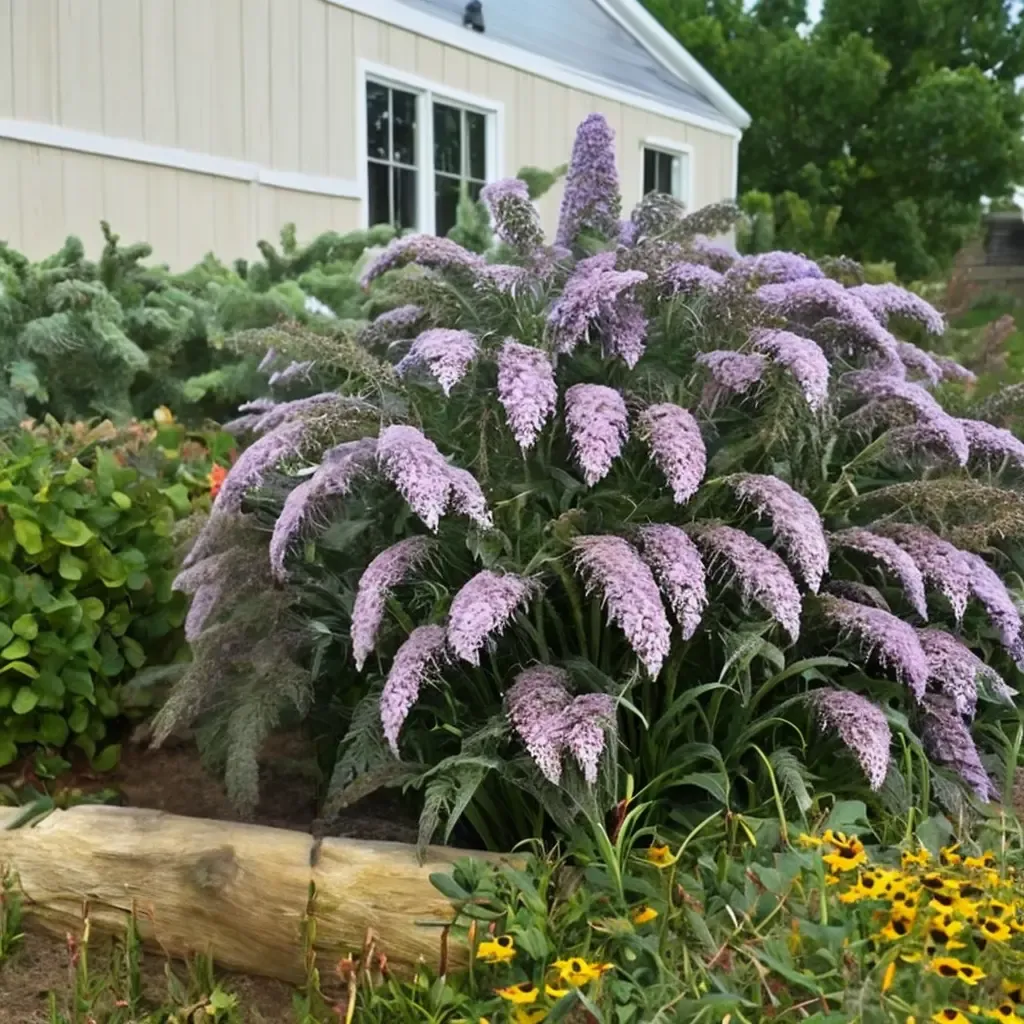
Grand Cascade Butterfly Bush
Buddleja davidii 'Grand Cascade'
Keep exploring
Explore the genus
Hardy in your zone?
Grow Asiatic Butterfly Bush with confidence
See it in a design of your actual yard, get zone-matched care reminders, and track it season by season in your garden journal.