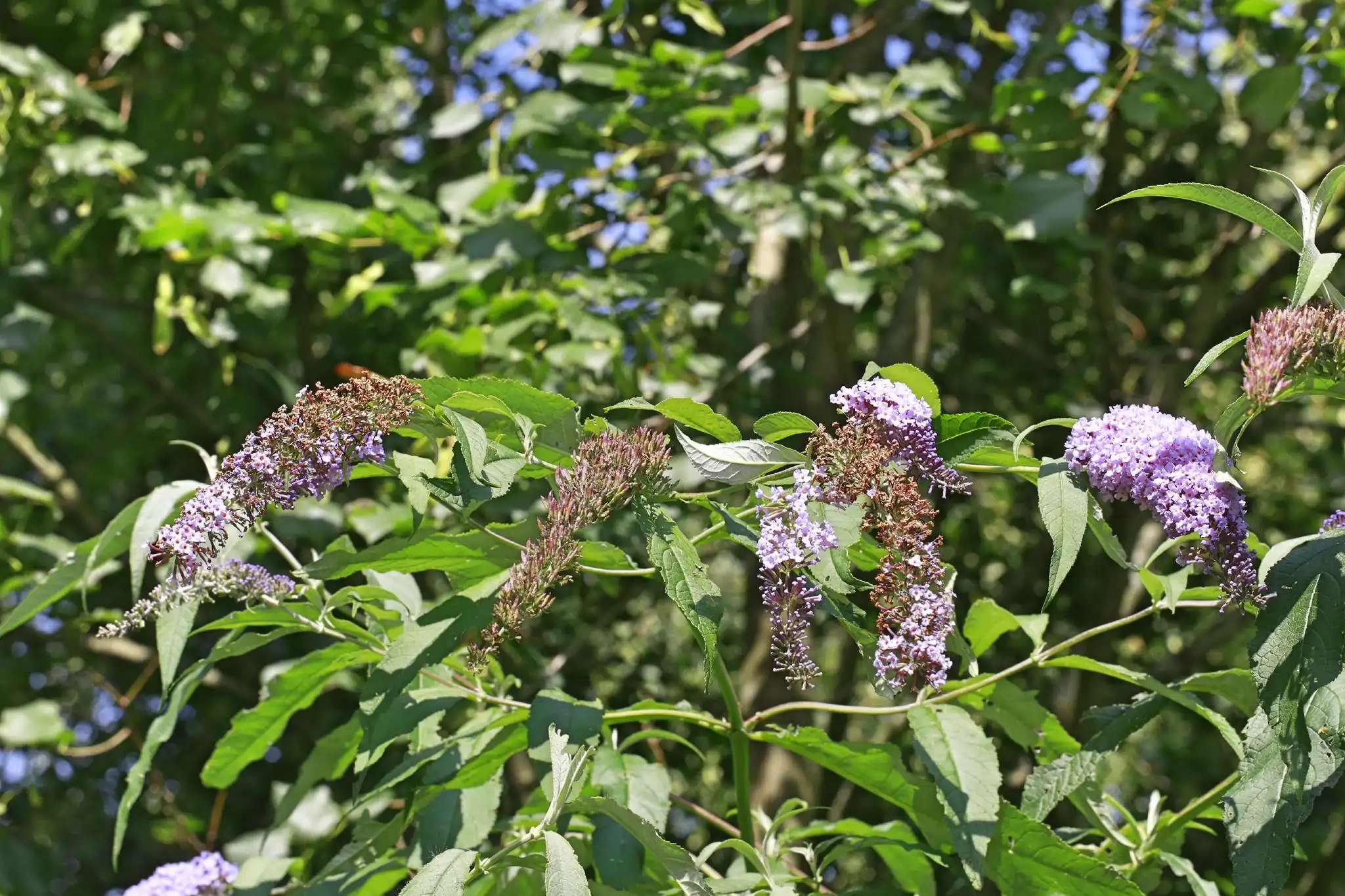
59 named cultivars
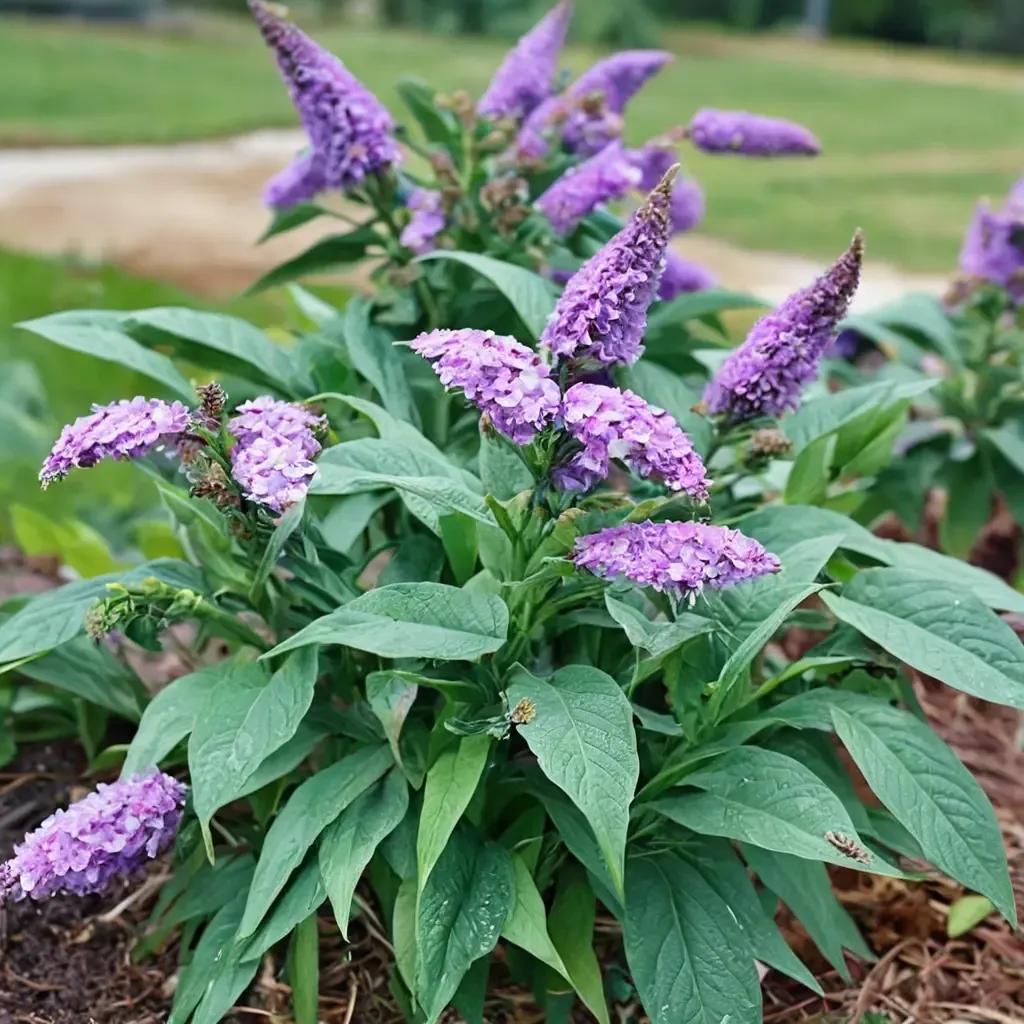 ‘Pugster Amethyst’Pugster Amethyst Butterfly Bush
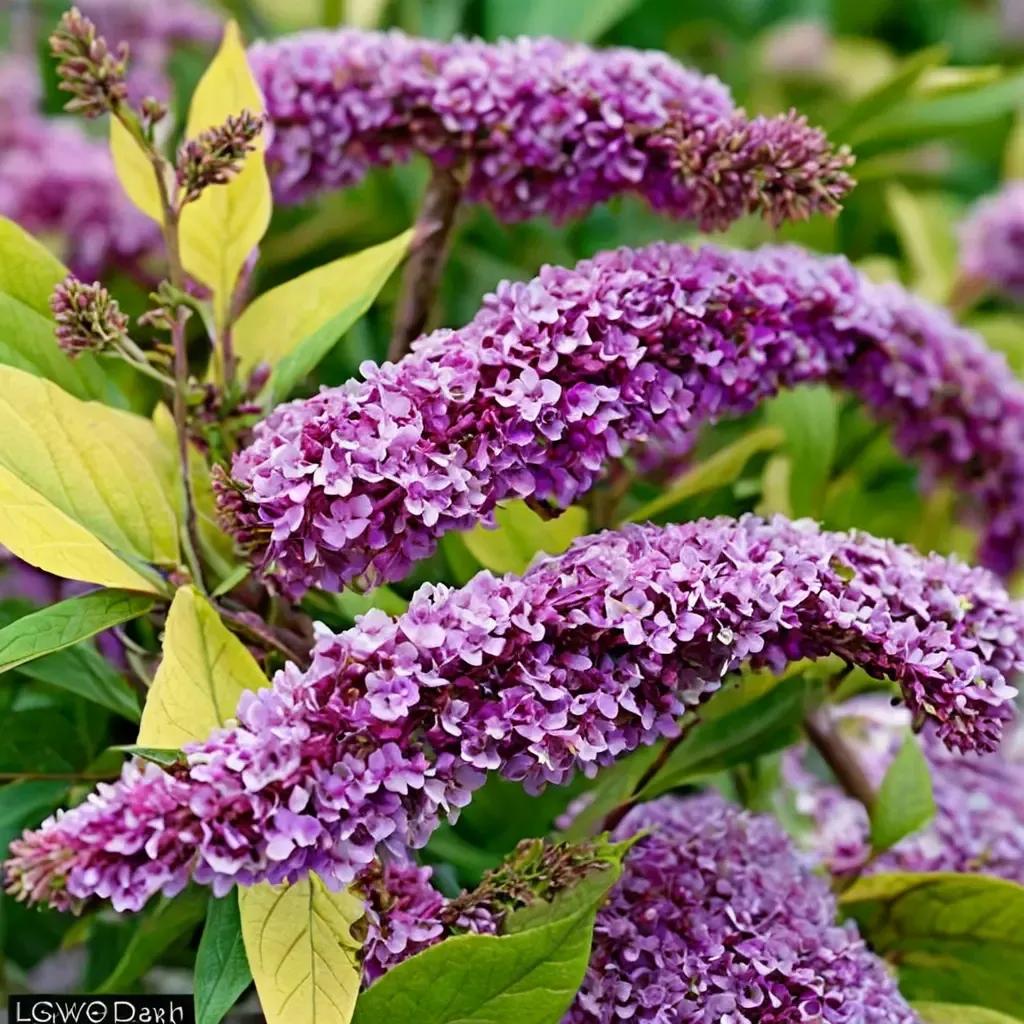 ‘Trio’Trio Butterfly Bush
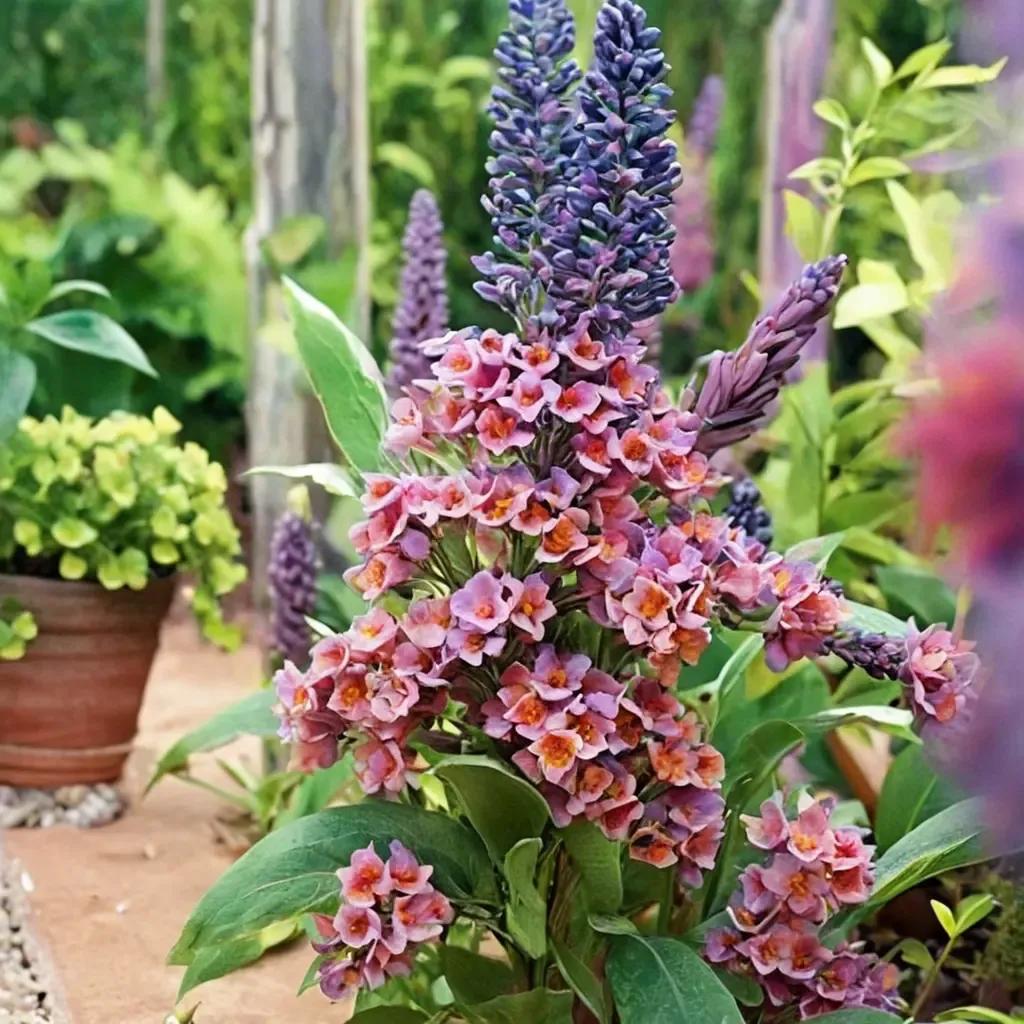 ‘Bicolor’Bicolor Butterfly Bush
 ‘Purple Prince’Butterfly Bush Purple Prince
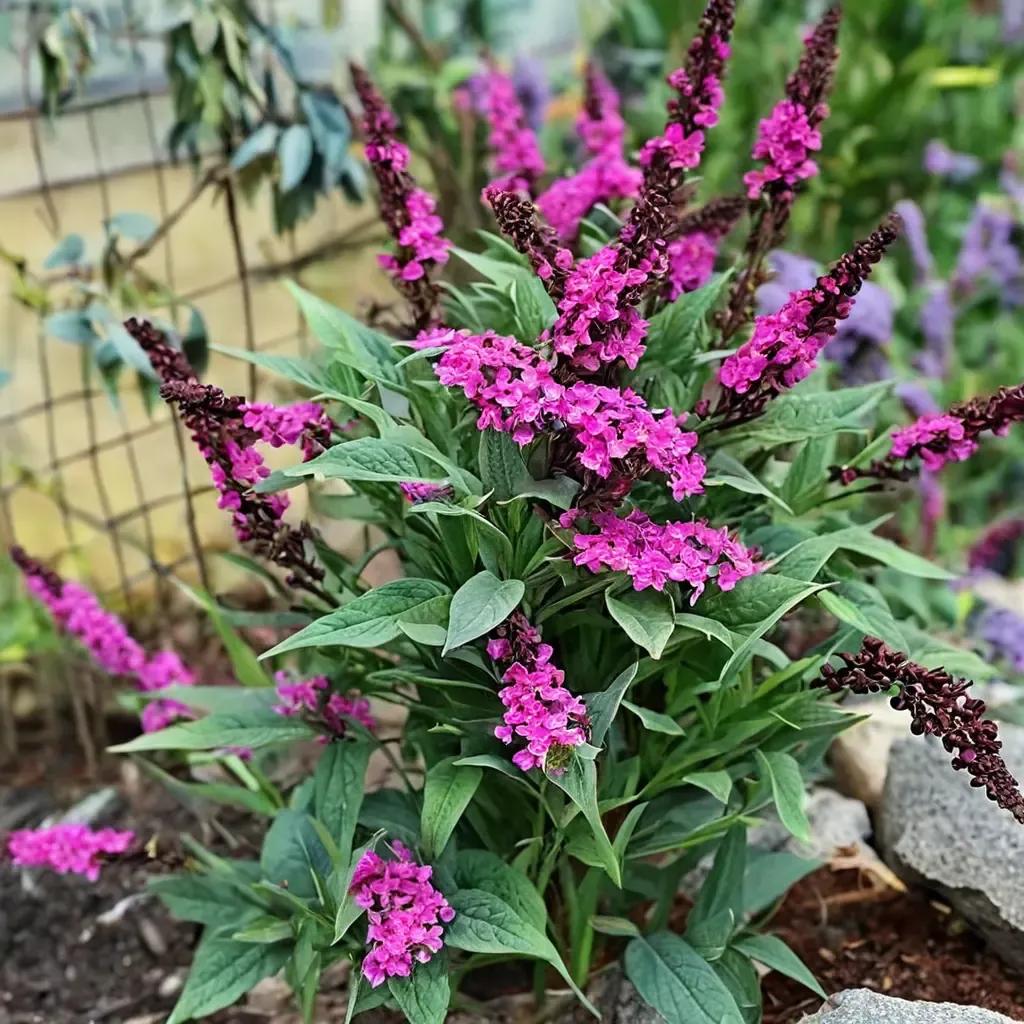 ‘Hot Raspberry’Hot Raspberry Butterfly Bush
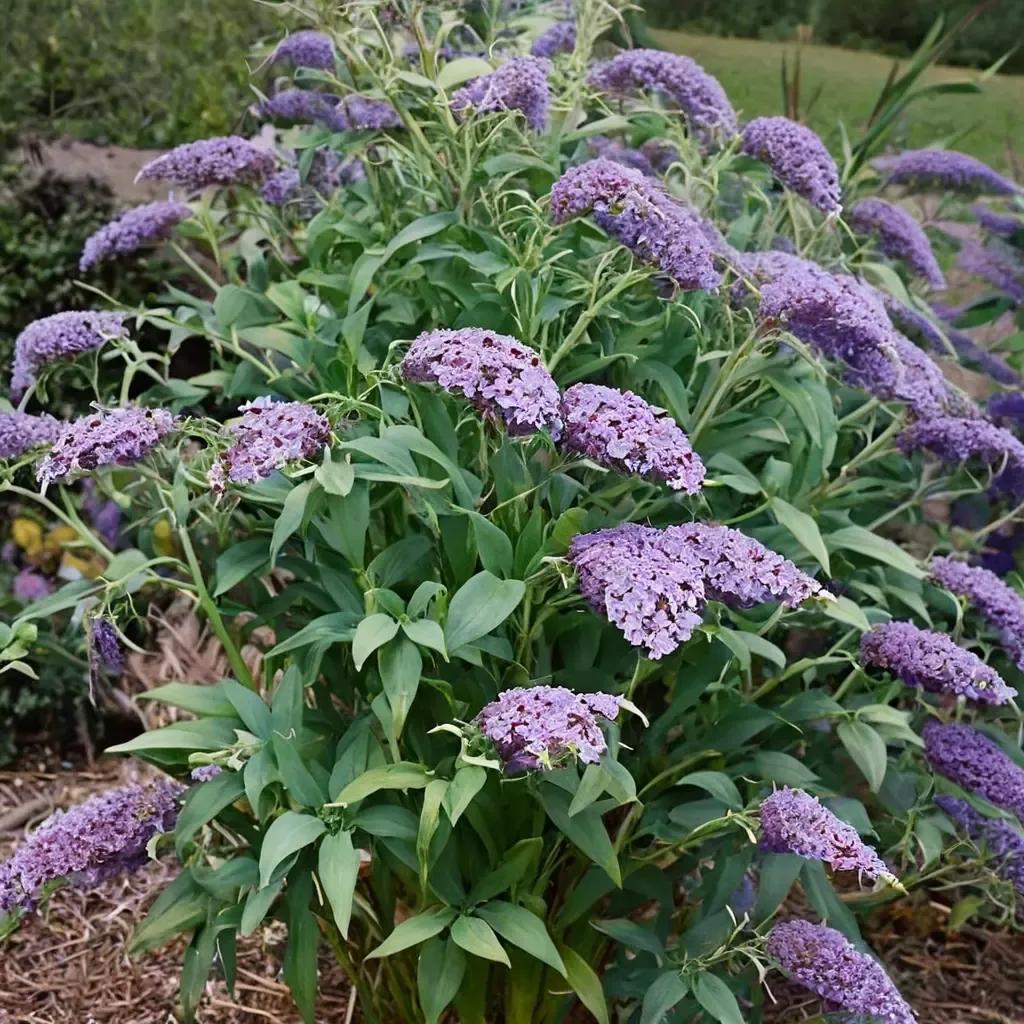 ‘Butterfly Haven’Butterfly Haven Butterfly Bush
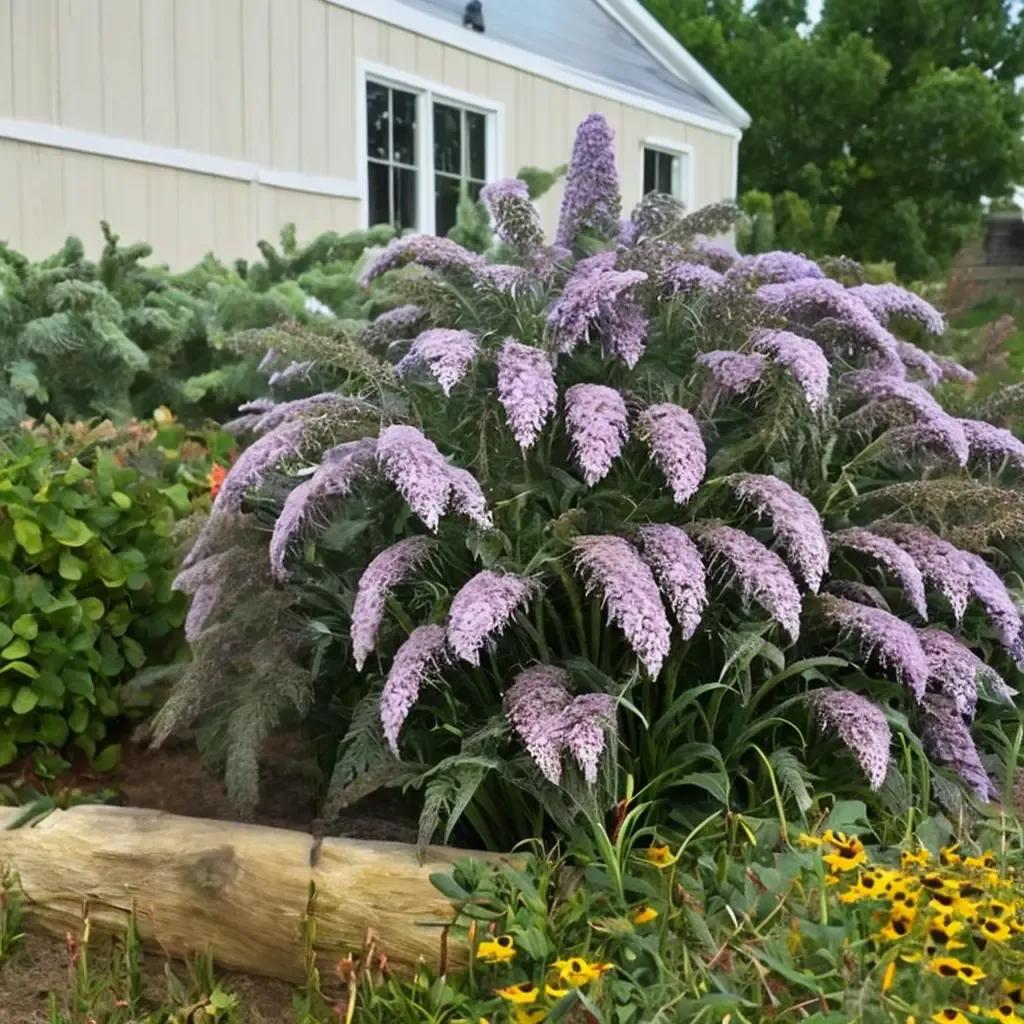 ‘Grand Cascade’Grand Cascade Butterfly Bush
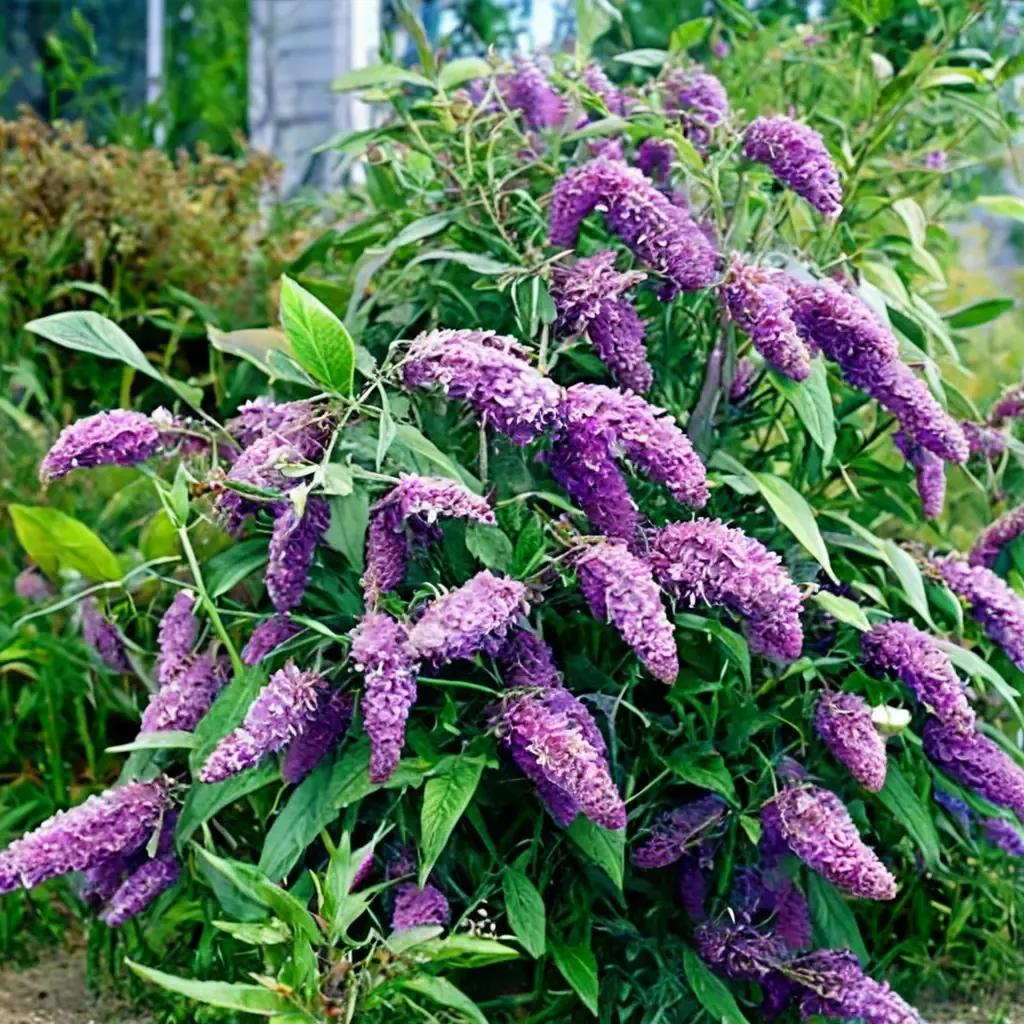 ‘Deluxe’Deluxe Butterfly Bush
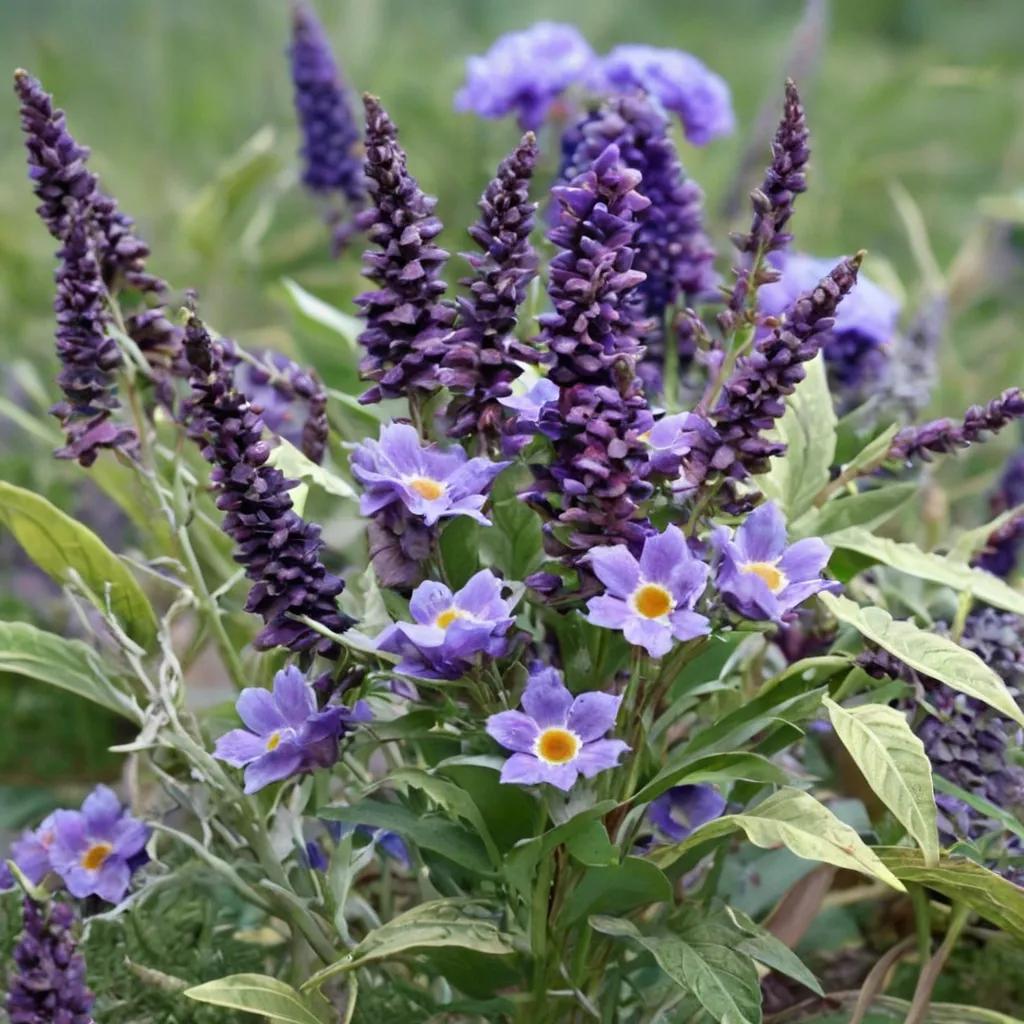 ‘Empire Blue’Butterfly Bush Empire Blue
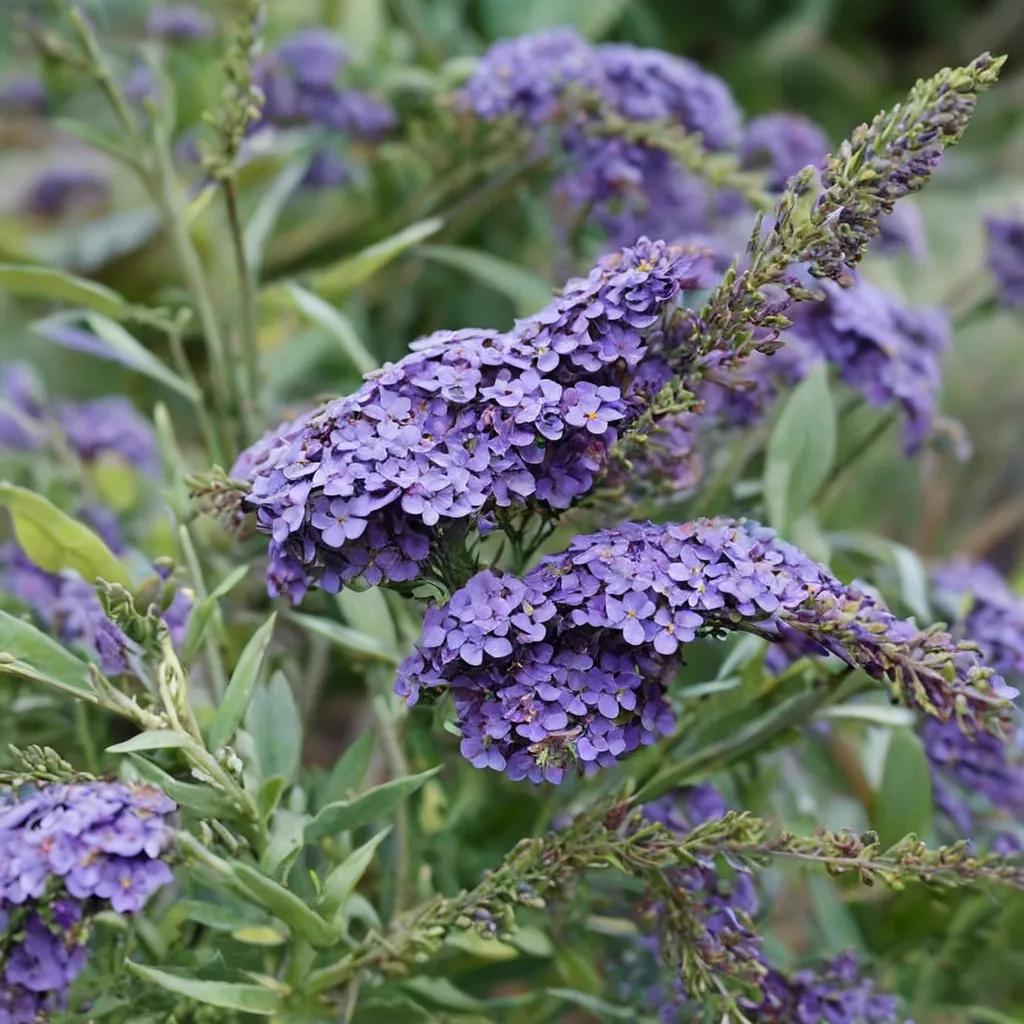 ‘Sky Blue’Butterfly Bush Sky Blue
 ‘Miss Molly’Miss Molly Butterfly Bush
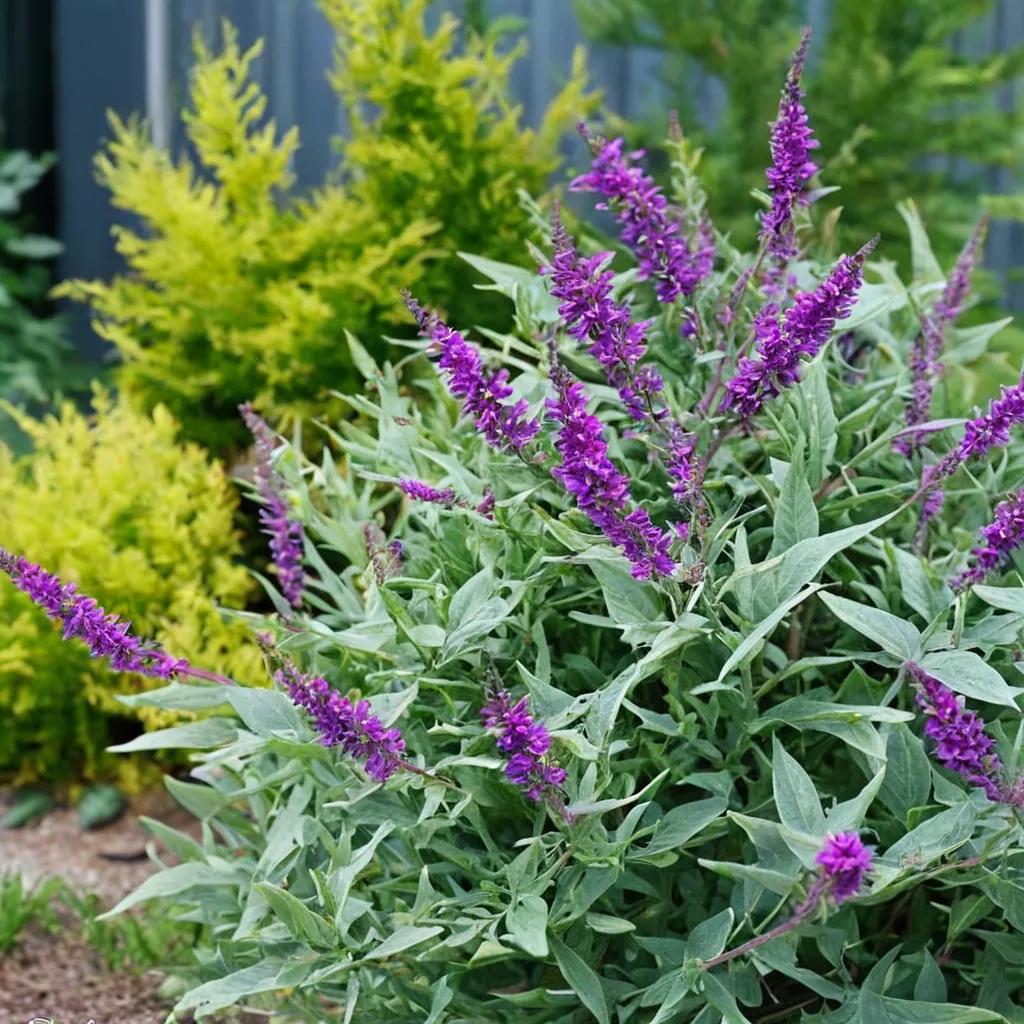 ‘Miss Violet’Miss Violet Butterfly Bush
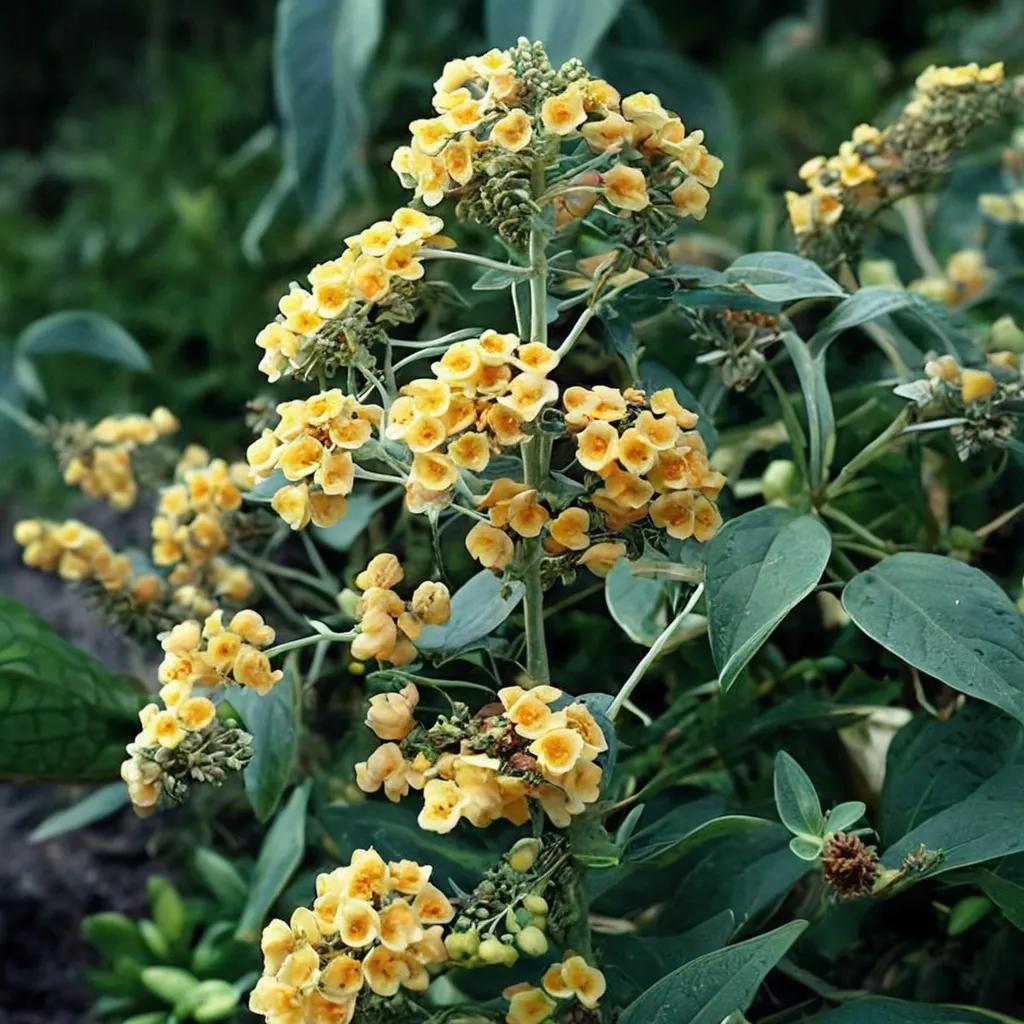 ‘Honeycomb’Butterfly Bush Honeycomb
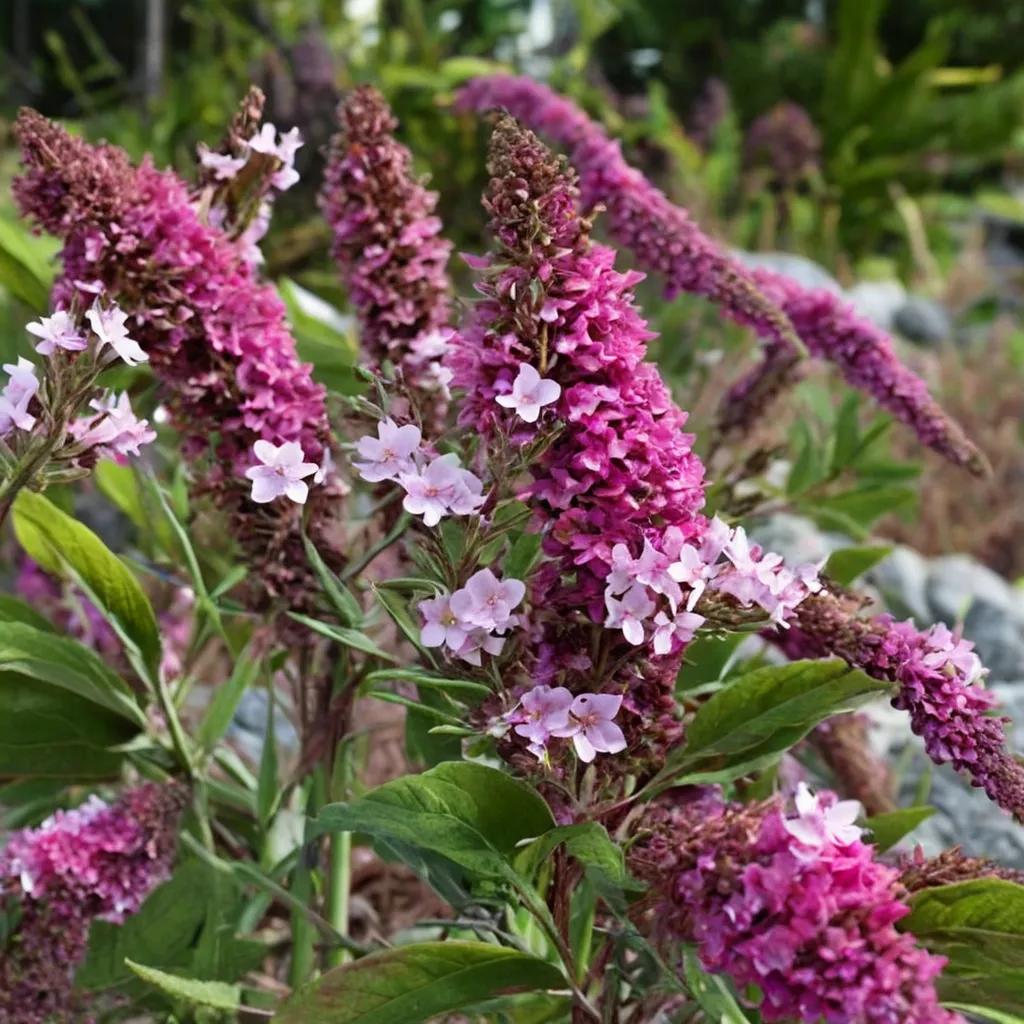 ‘Charming Pink’Pink Butterfly Bush
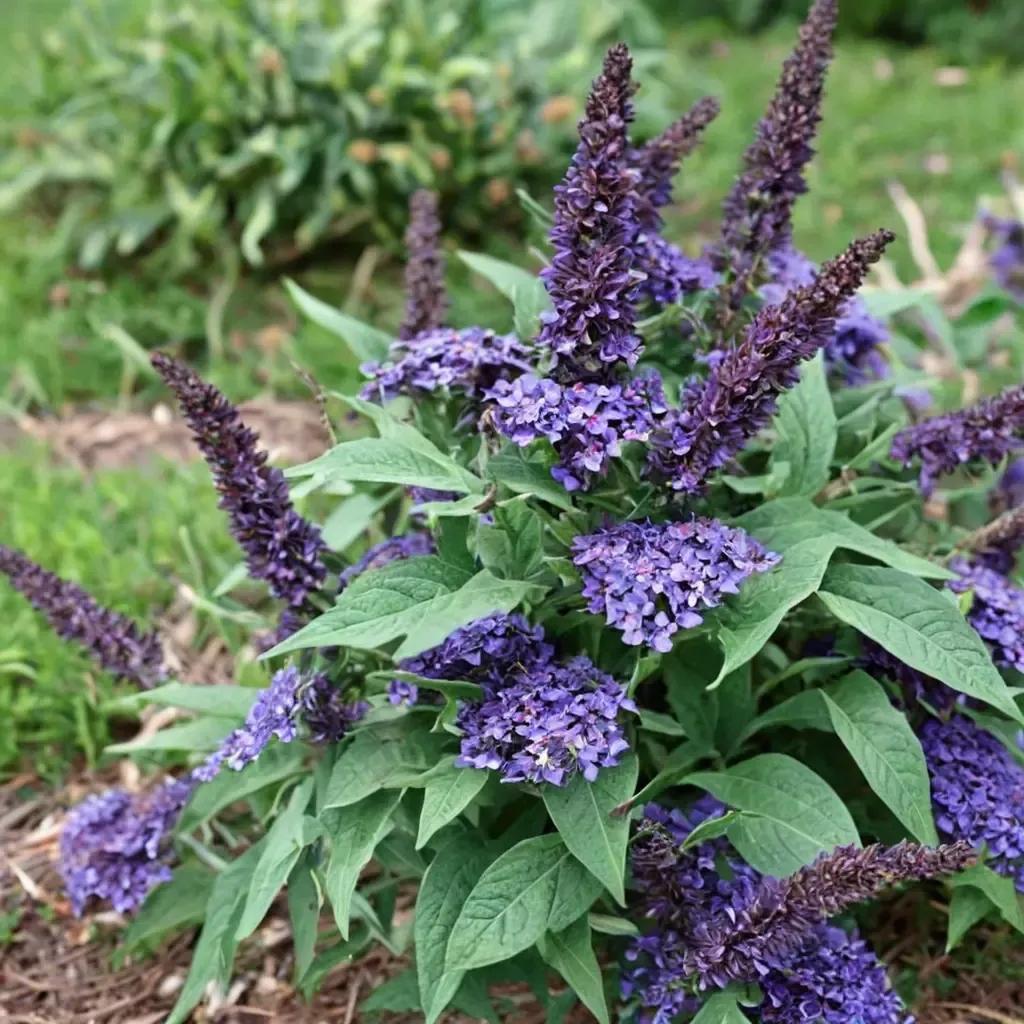 ‘Pugster Blue’Pugster Blue Butterfly Bush
 ‘White Profusion’White Profusion Butterfly Bush
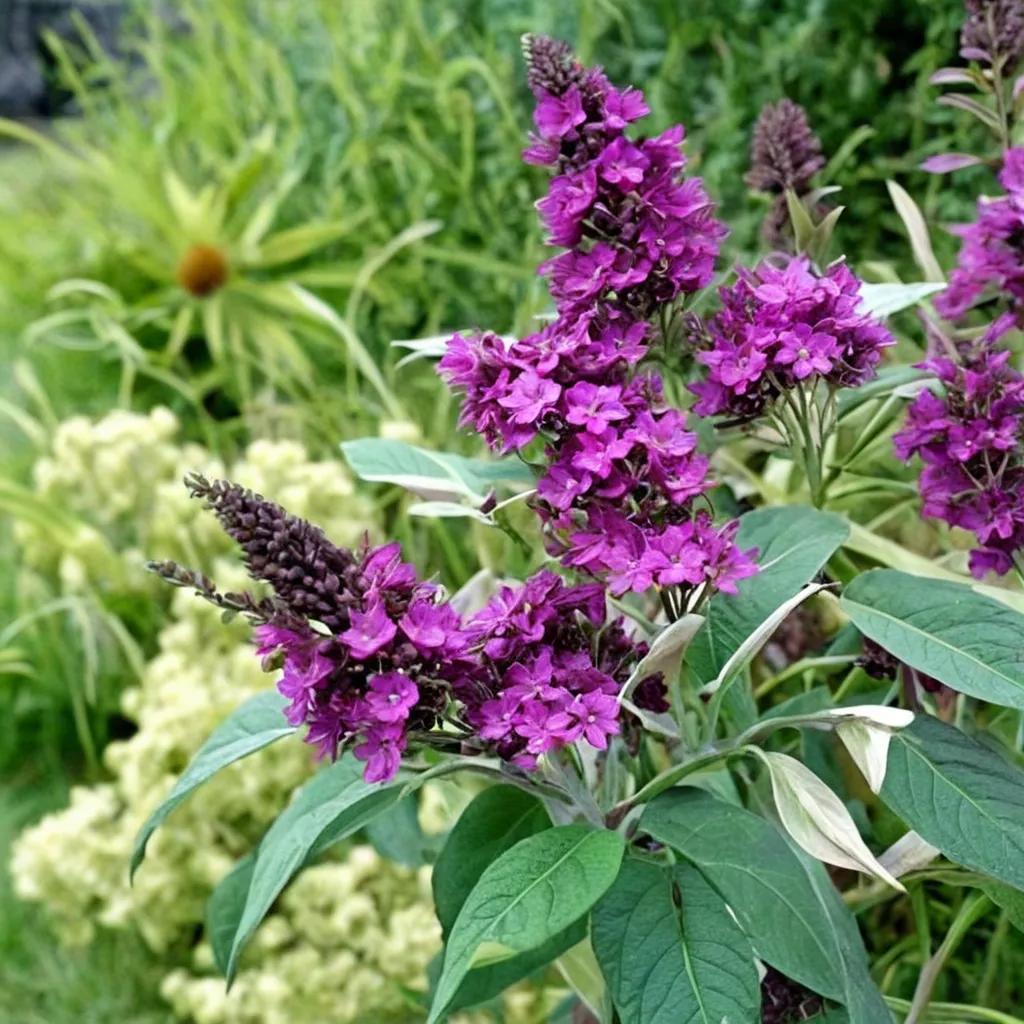 ‘Potters Purple’Butterfly Bush Potters Purple
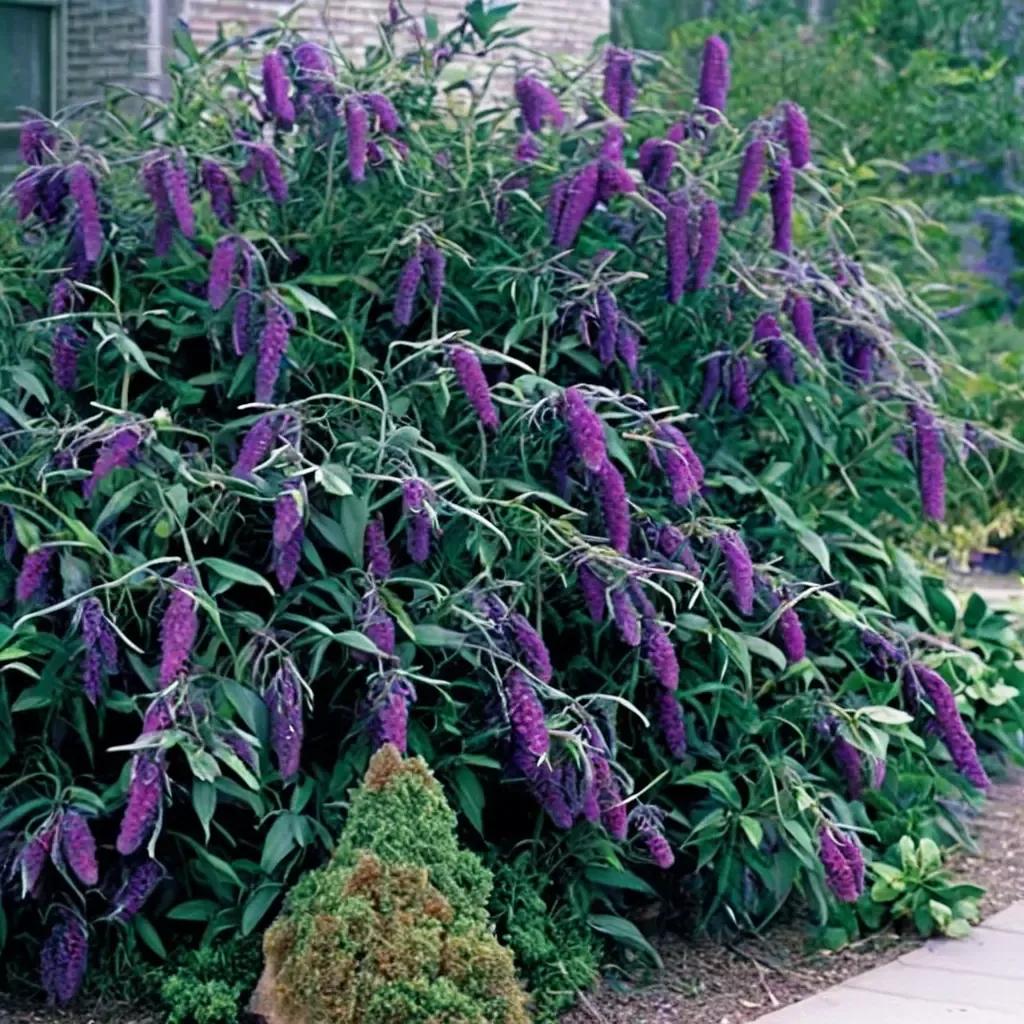 ‘Black Knight’Black Knight Butterfly Bush
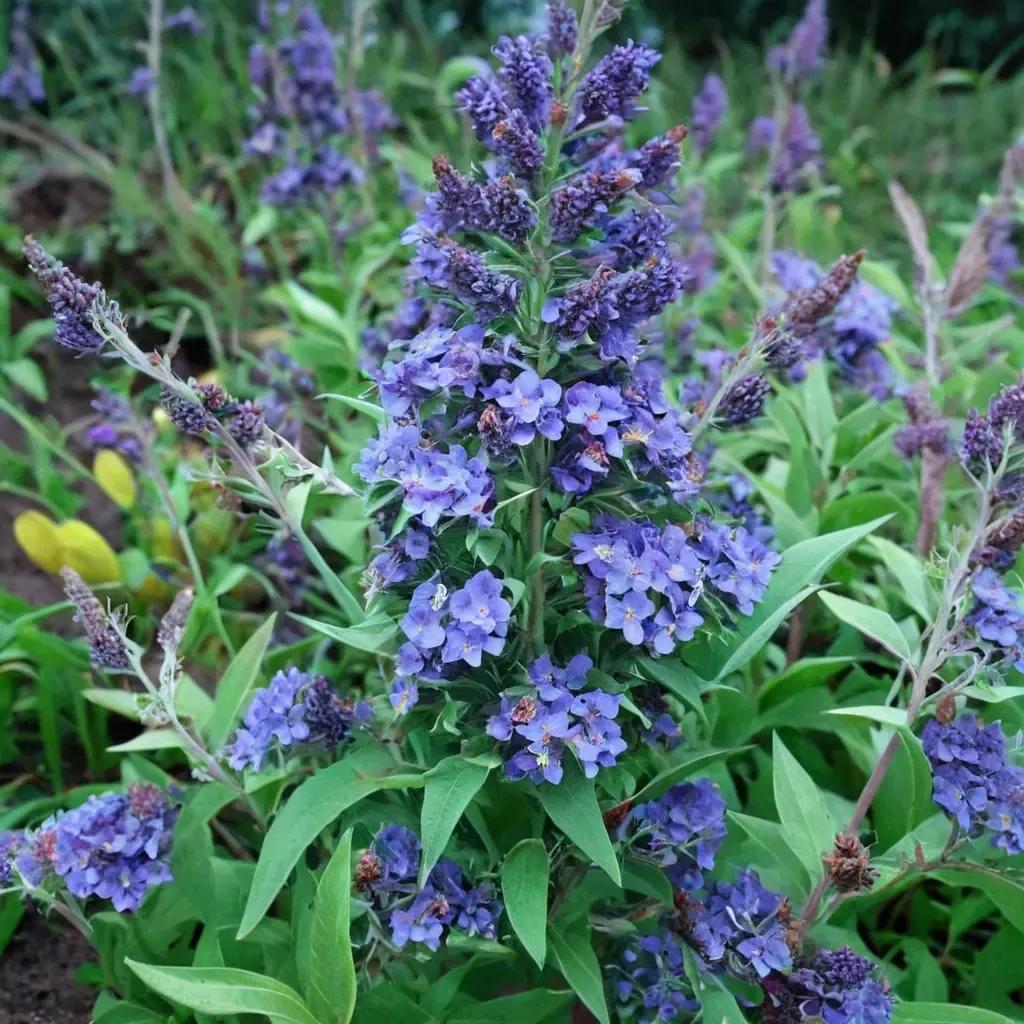 ‘Ellen's Blue’Ellen's Blue Butterfly Bush
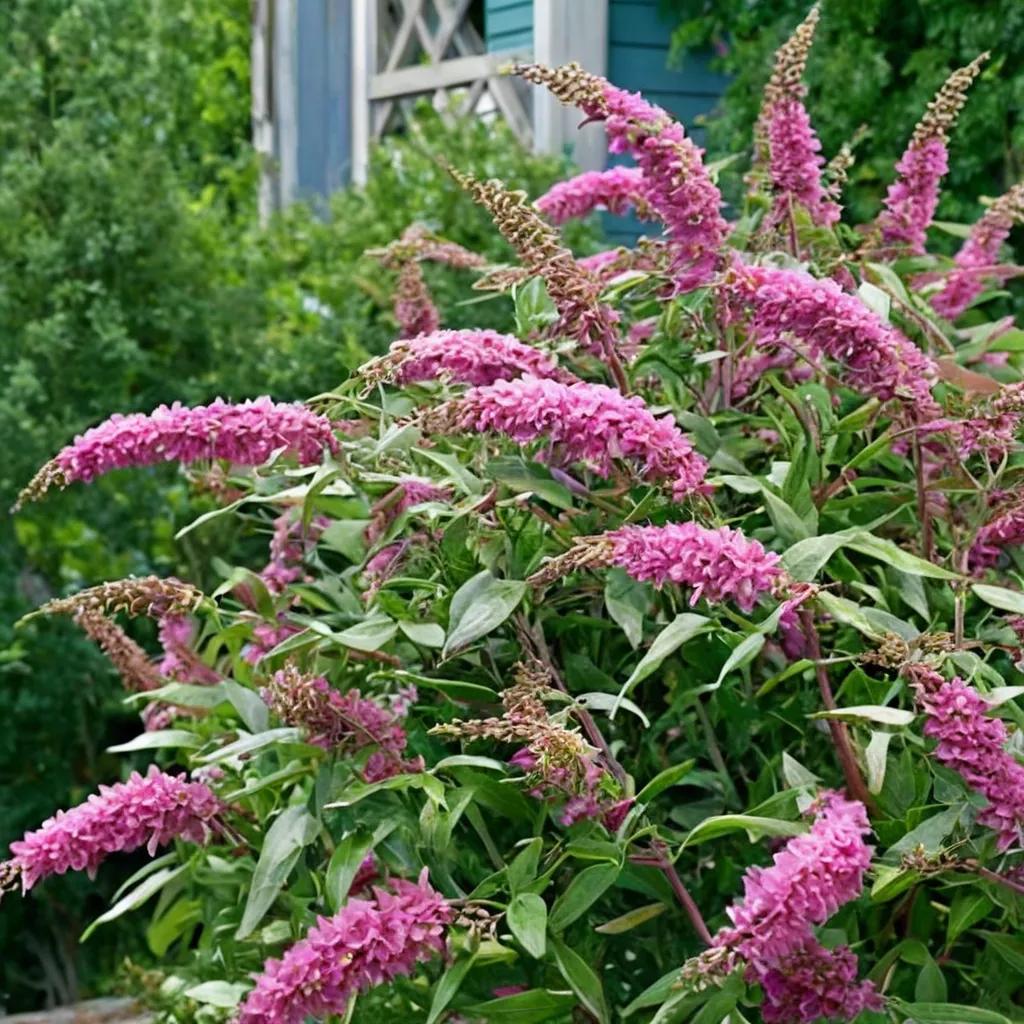 ‘Pink Delight’Pink Delight Butterfly Bush
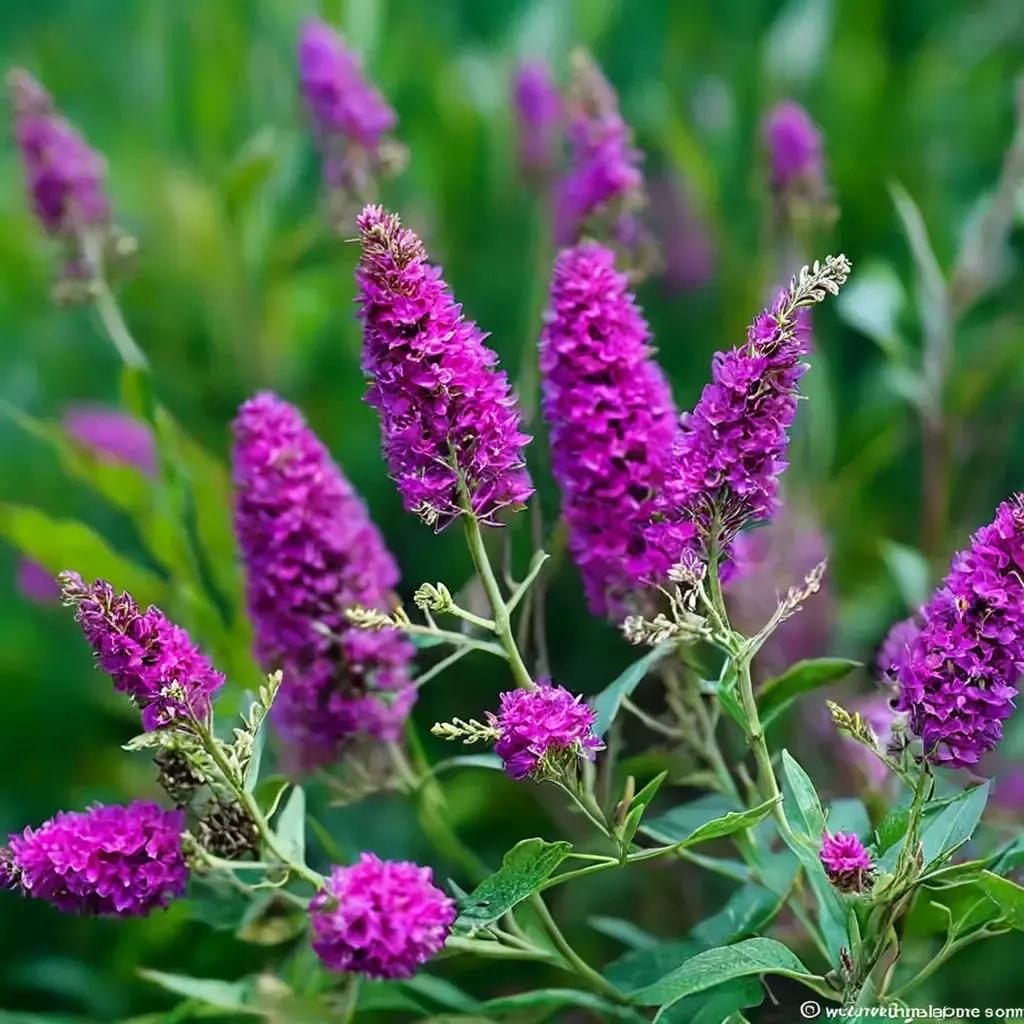 ‘Color Crush’Color Crush Butterfly Bush
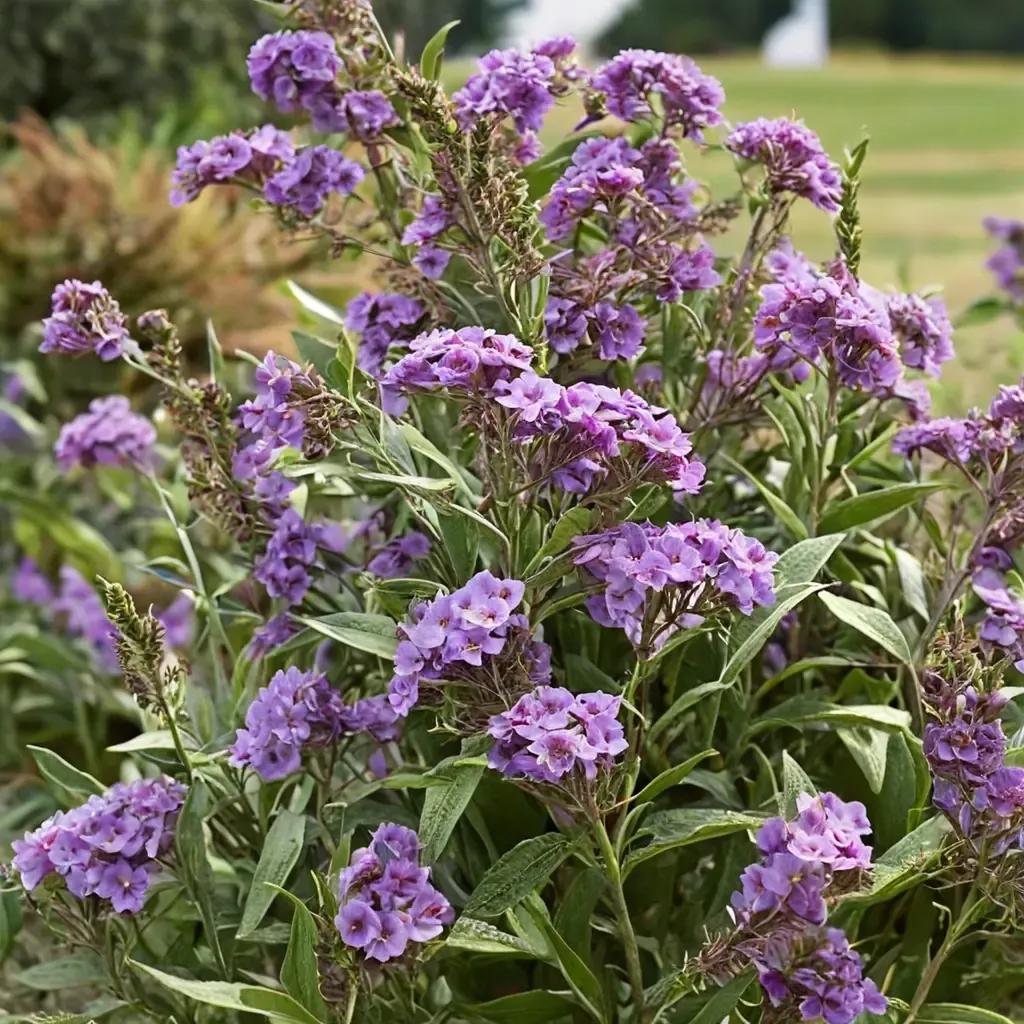 ‘Le Petit’Le Petit Butterfly Bush
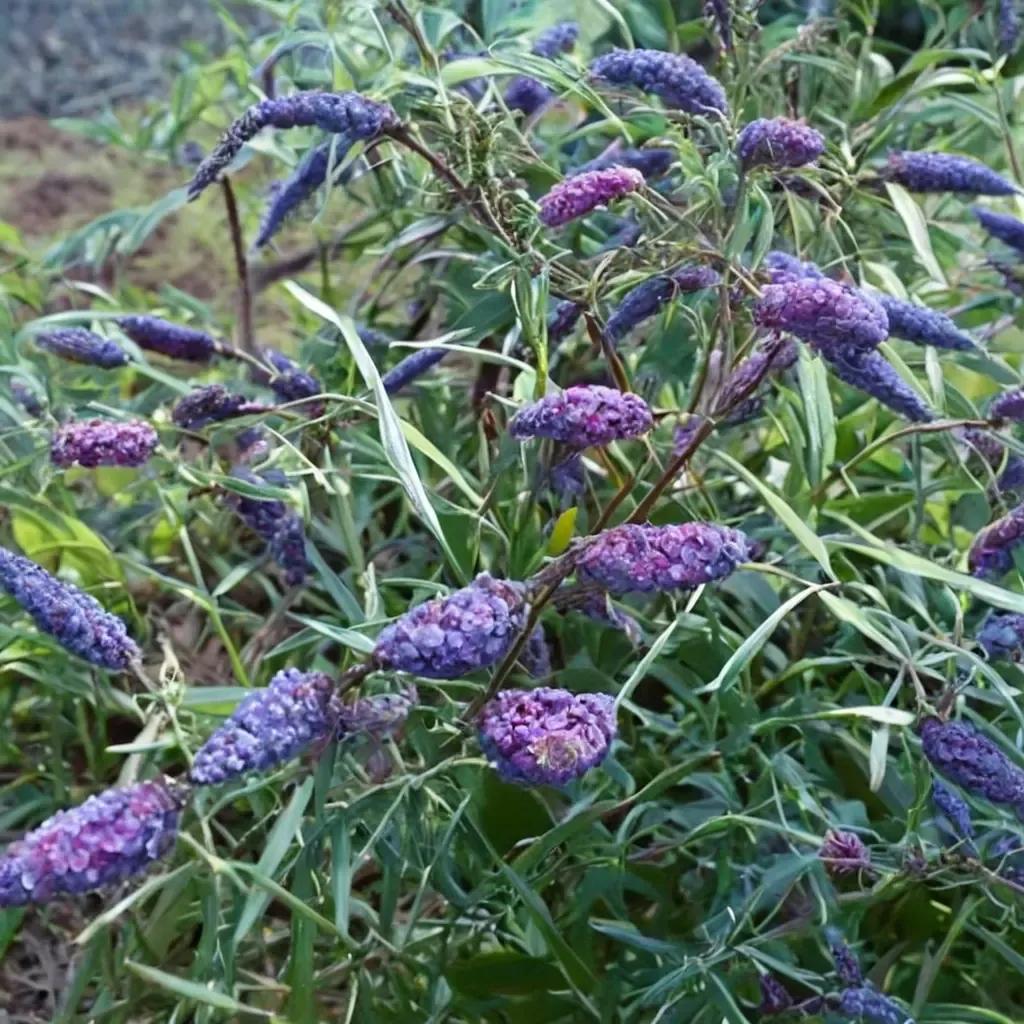 ‘-in-’-in- Butterfly Bush
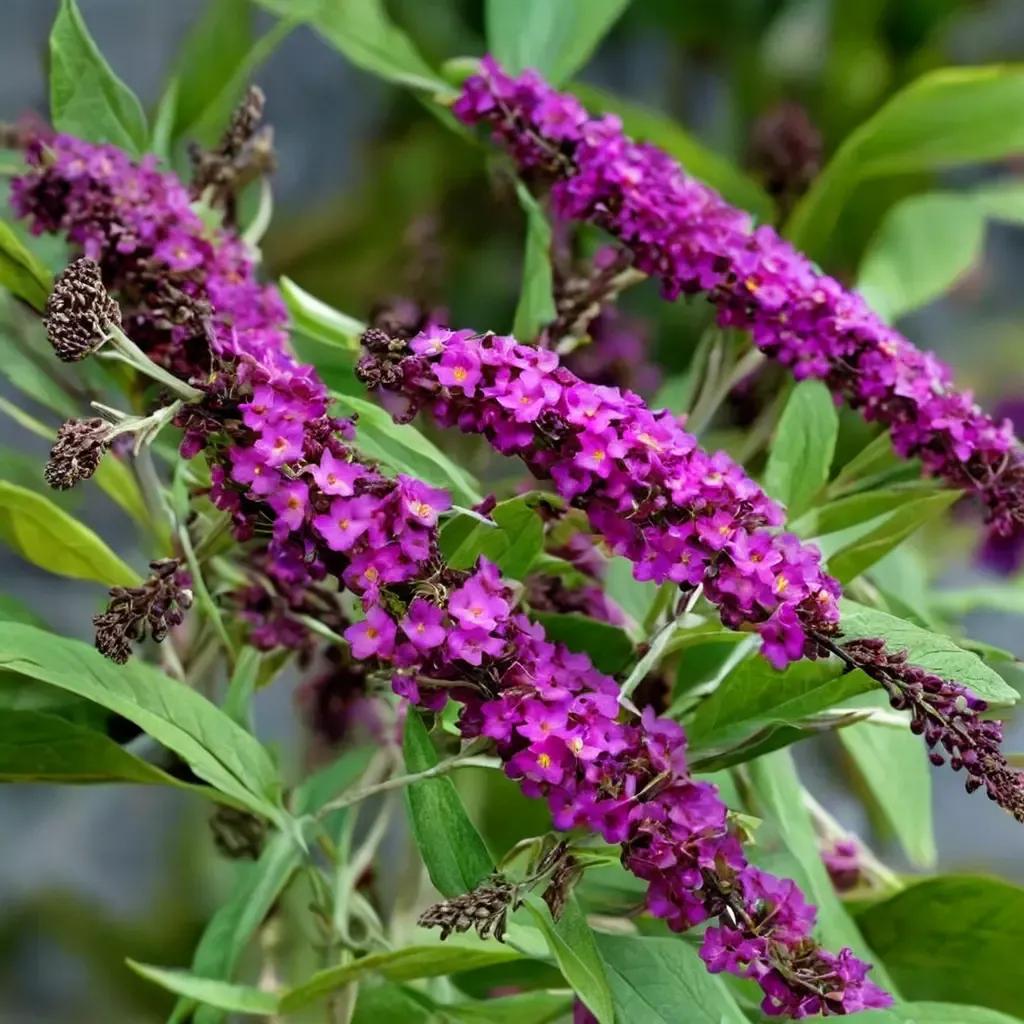 ‘Magenta Darling’Magenta Darling Butterfly Bush
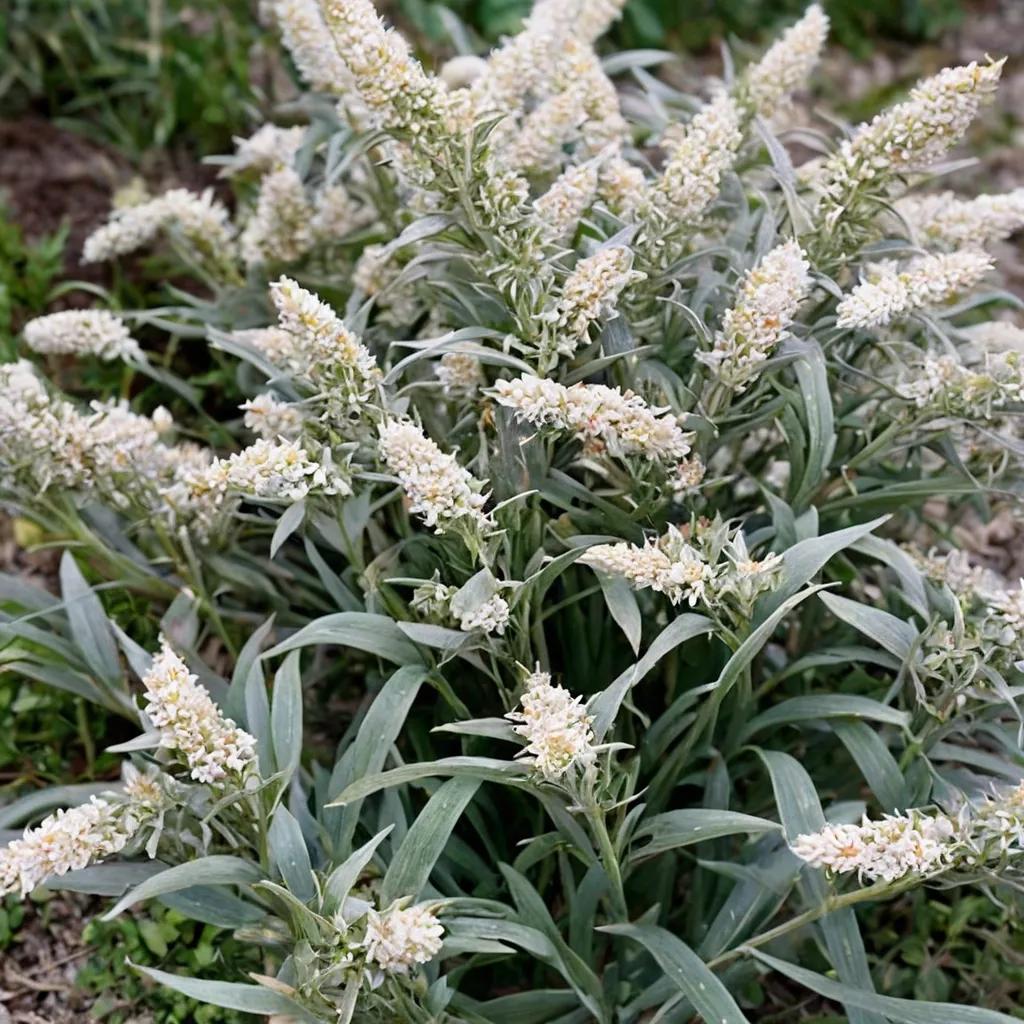 ‘White Ball’White Ball Butterfly Bush
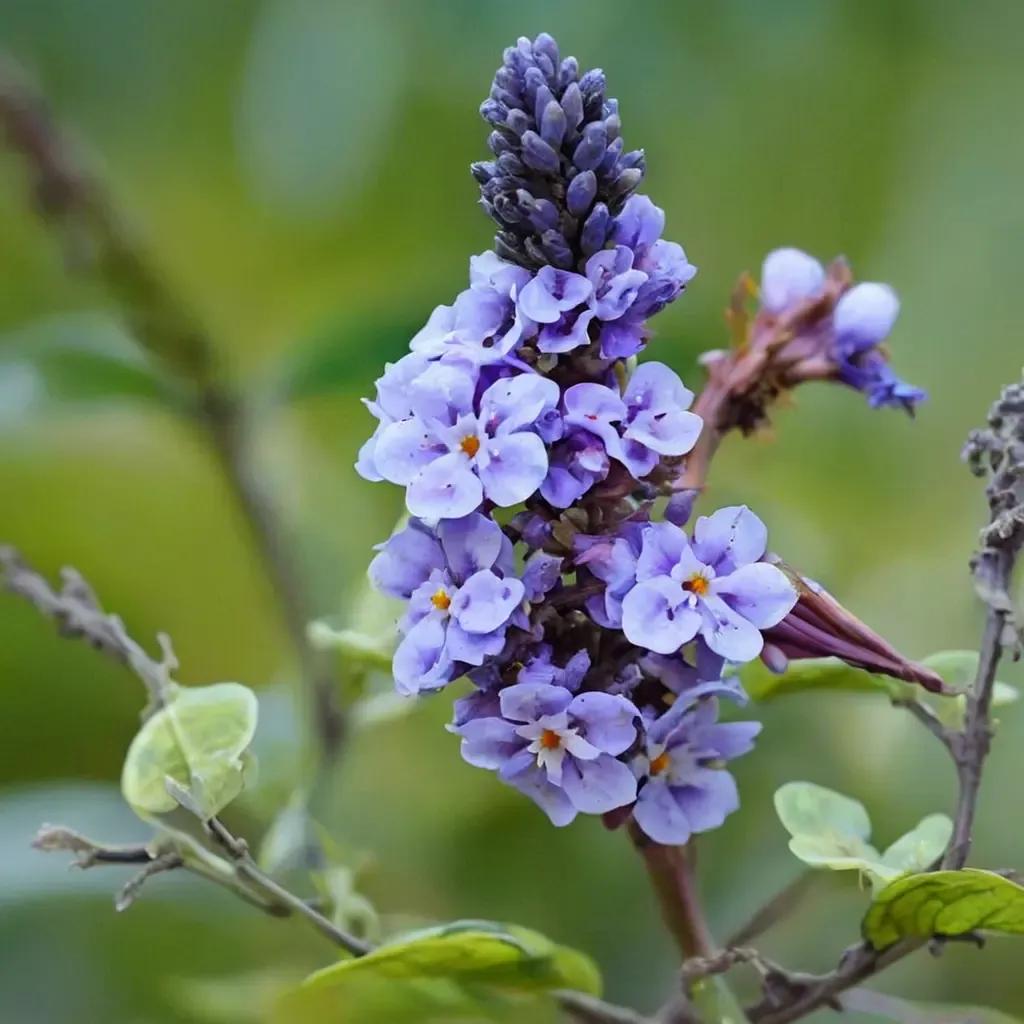 ‘Blue Ribbon’Blue Ribbon Butterfly Bush
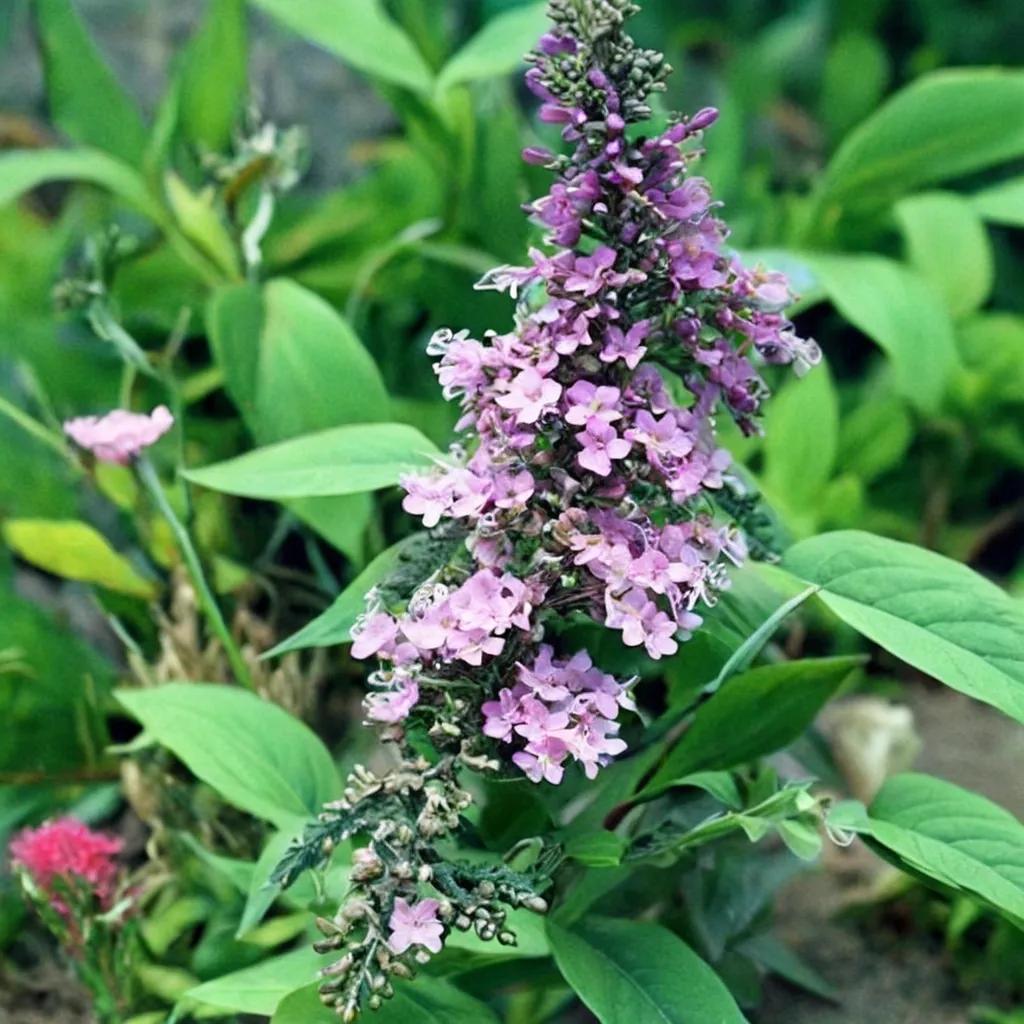 ‘Bonnie’Bonnie Butterfly Bush
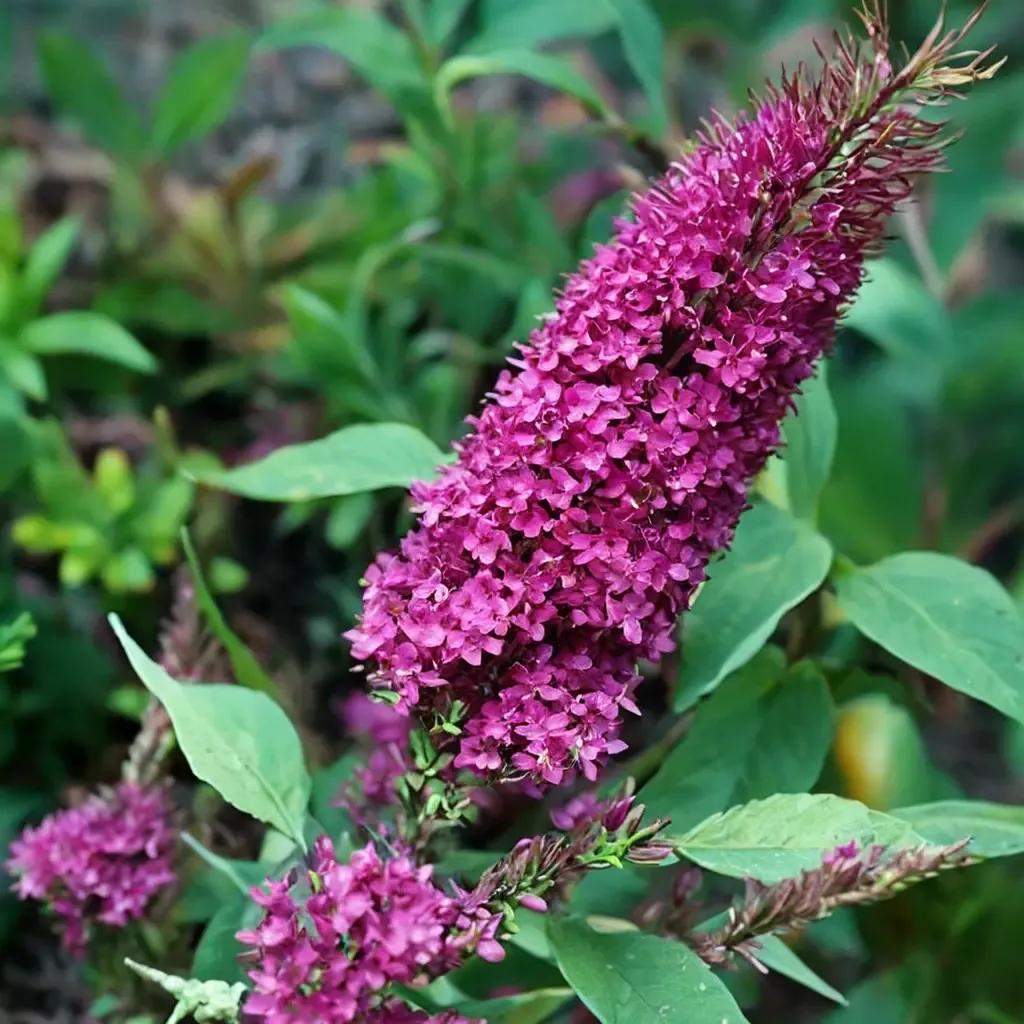 ‘Attraction’Attraction Butterfly Bush
 ‘Pink Cascade’Pink Cascade Butterfly Bush
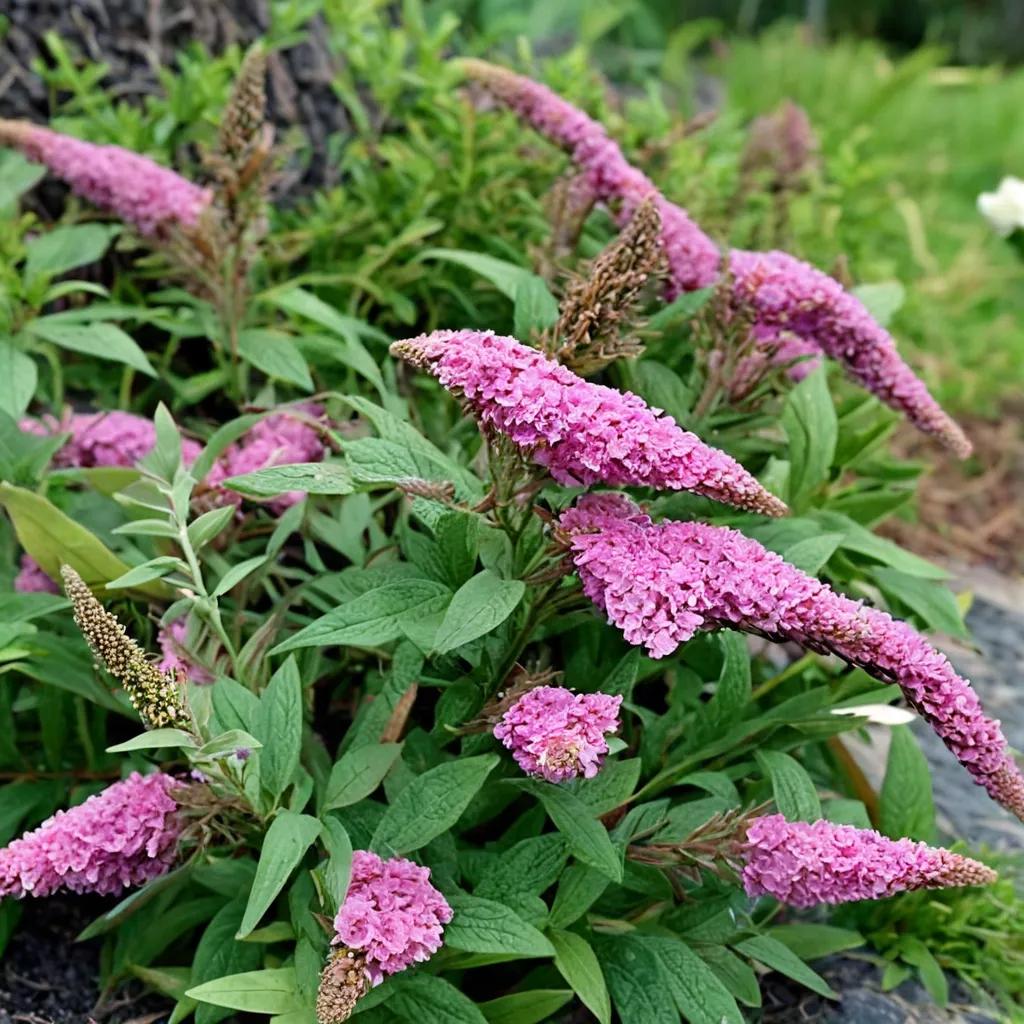 ‘Pugster Pinker’Pugster Pinker Butterfly Bush
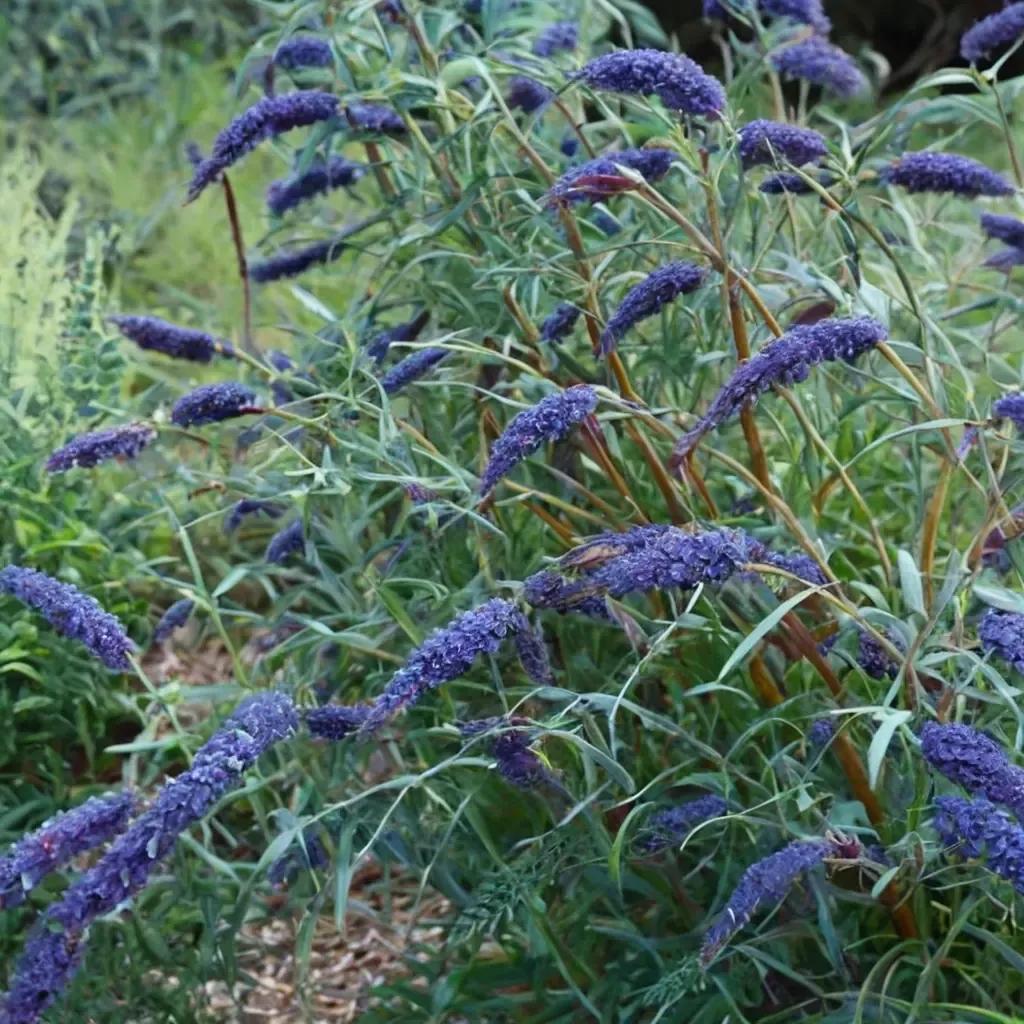 ‘Nanho Blue’Nanho Blue Butterfly Bush
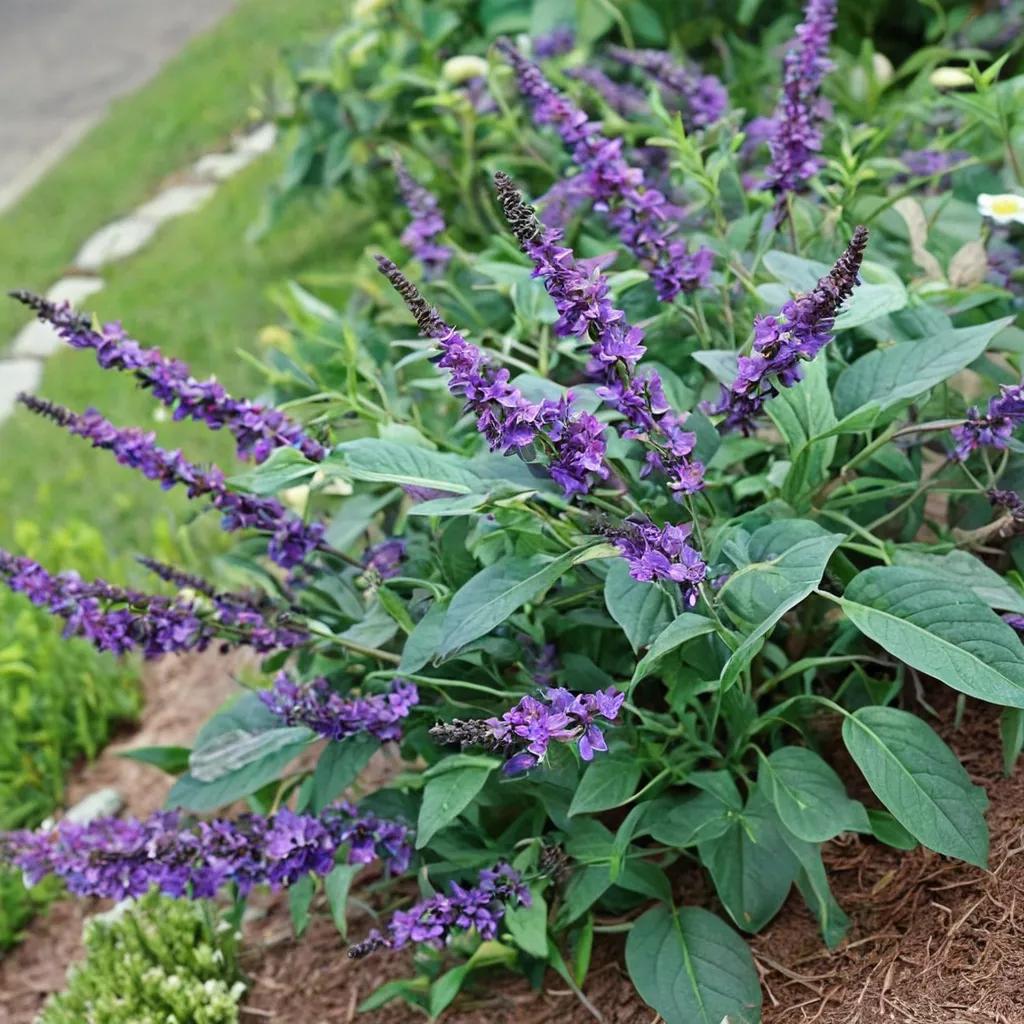 ‘Blue Chip Jr’Blue Chip Jr Butterfly Bush
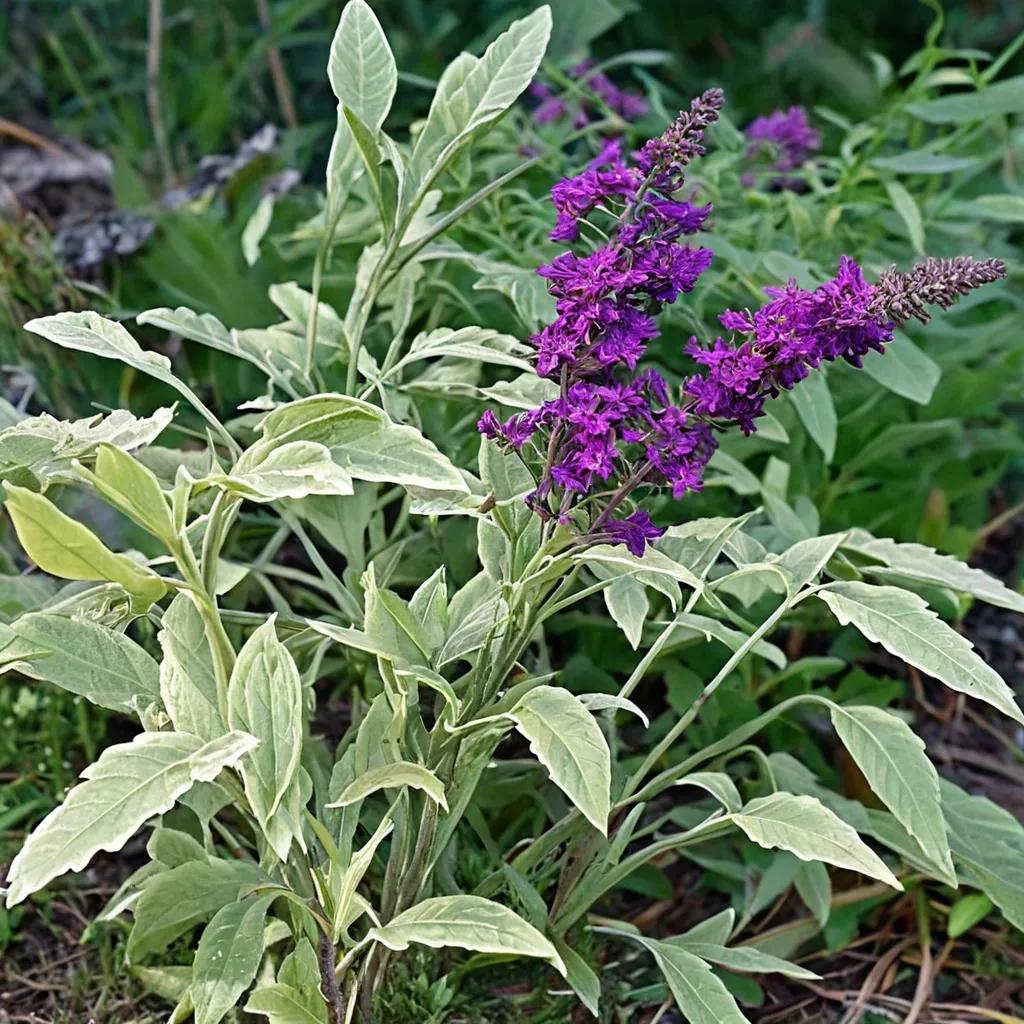 ‘Harlequin’Butterfly Bush Harlequin
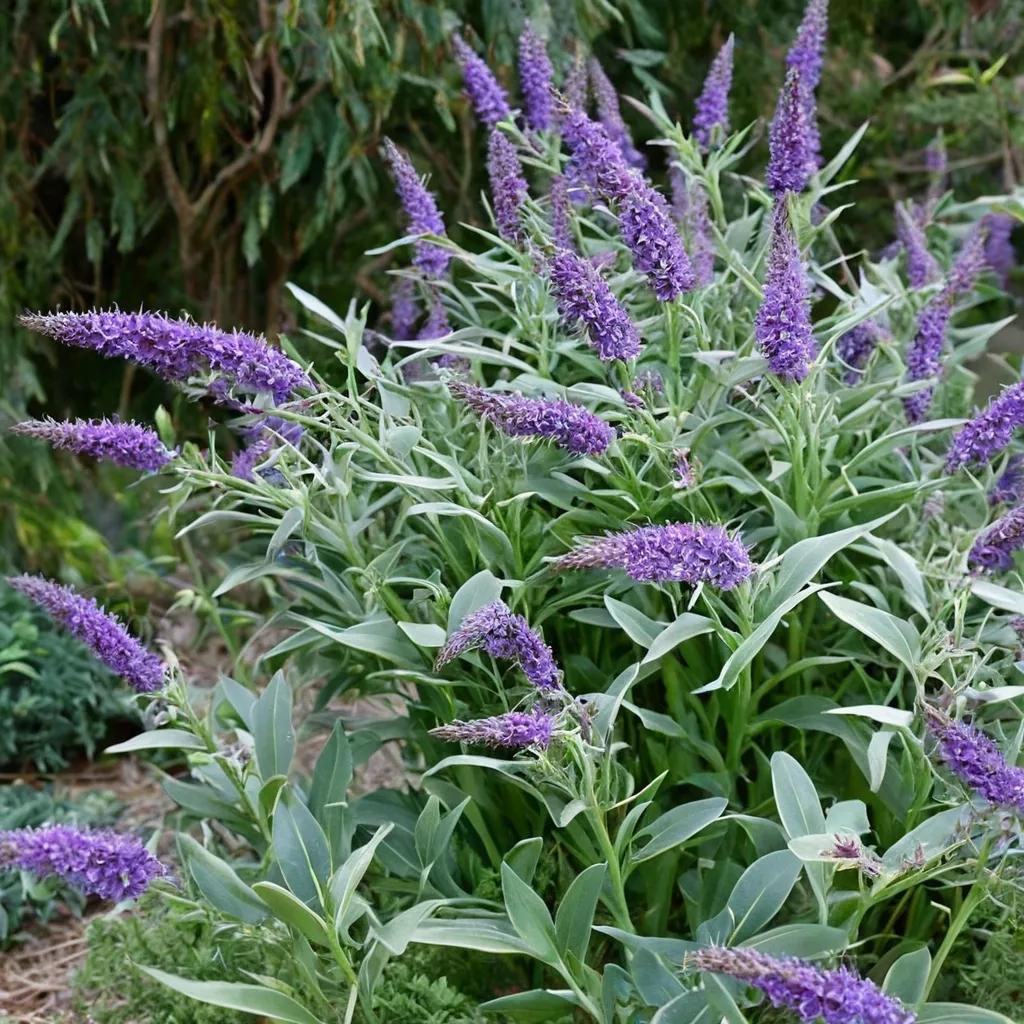 ‘Lochinch’Lochinch Butterfly Bush
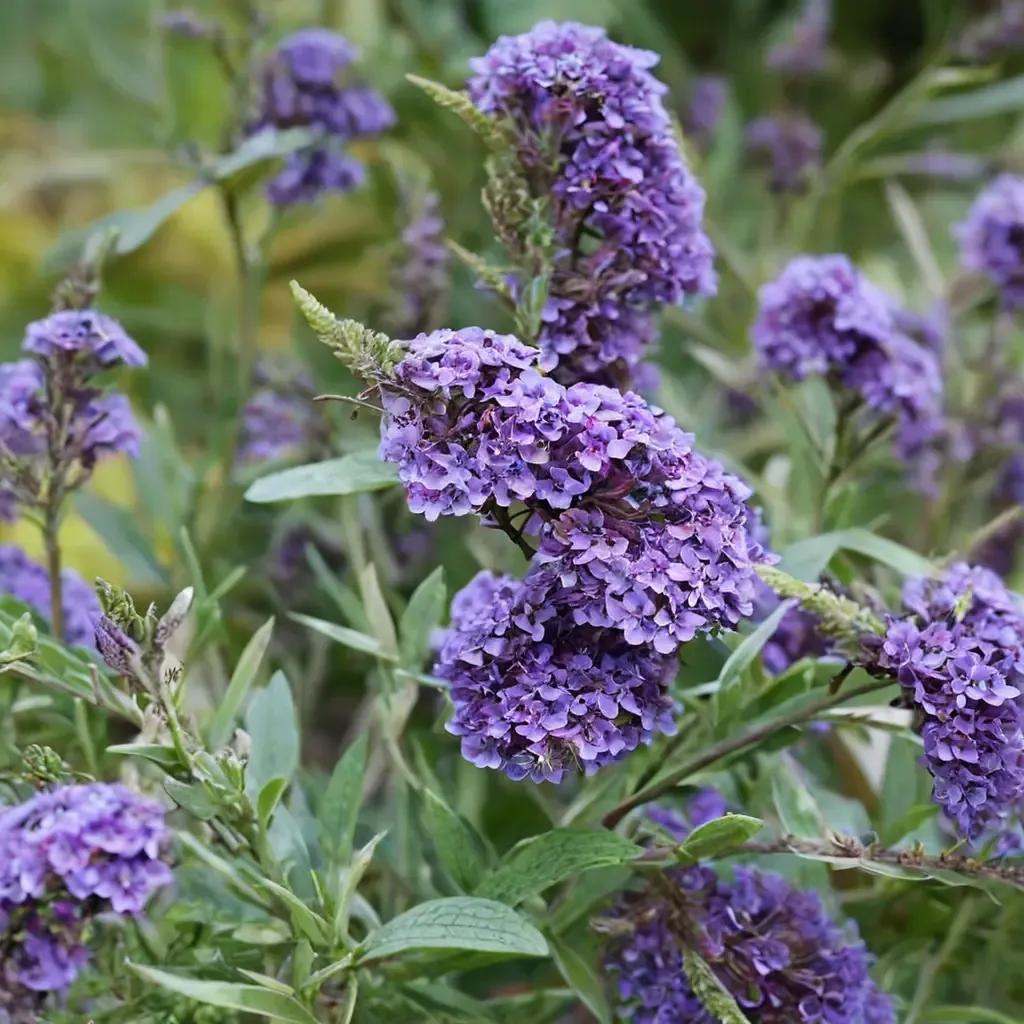 ‘Buzz Sky Blue’Buzz Sky Blue Butterfly Bush
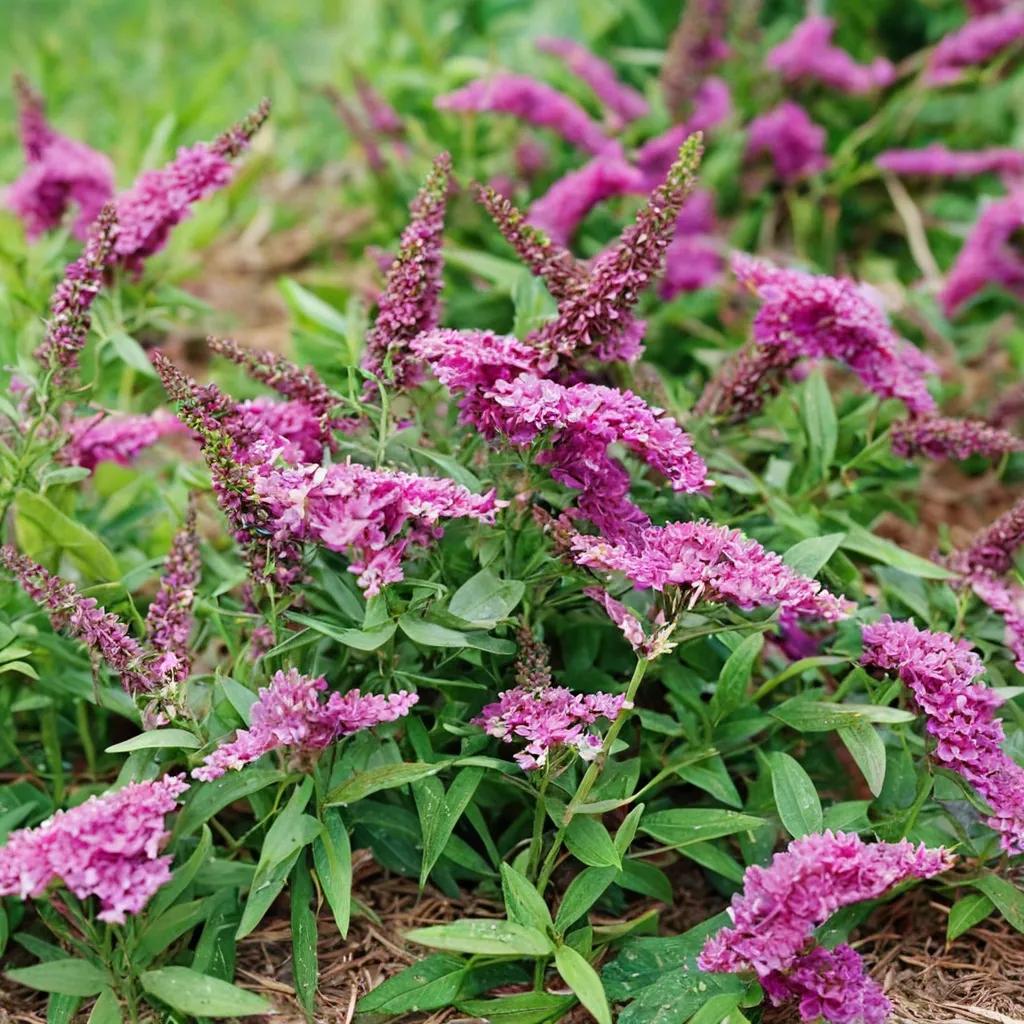 ‘Ruby Chip’Ruby Chip Butterfly Bush
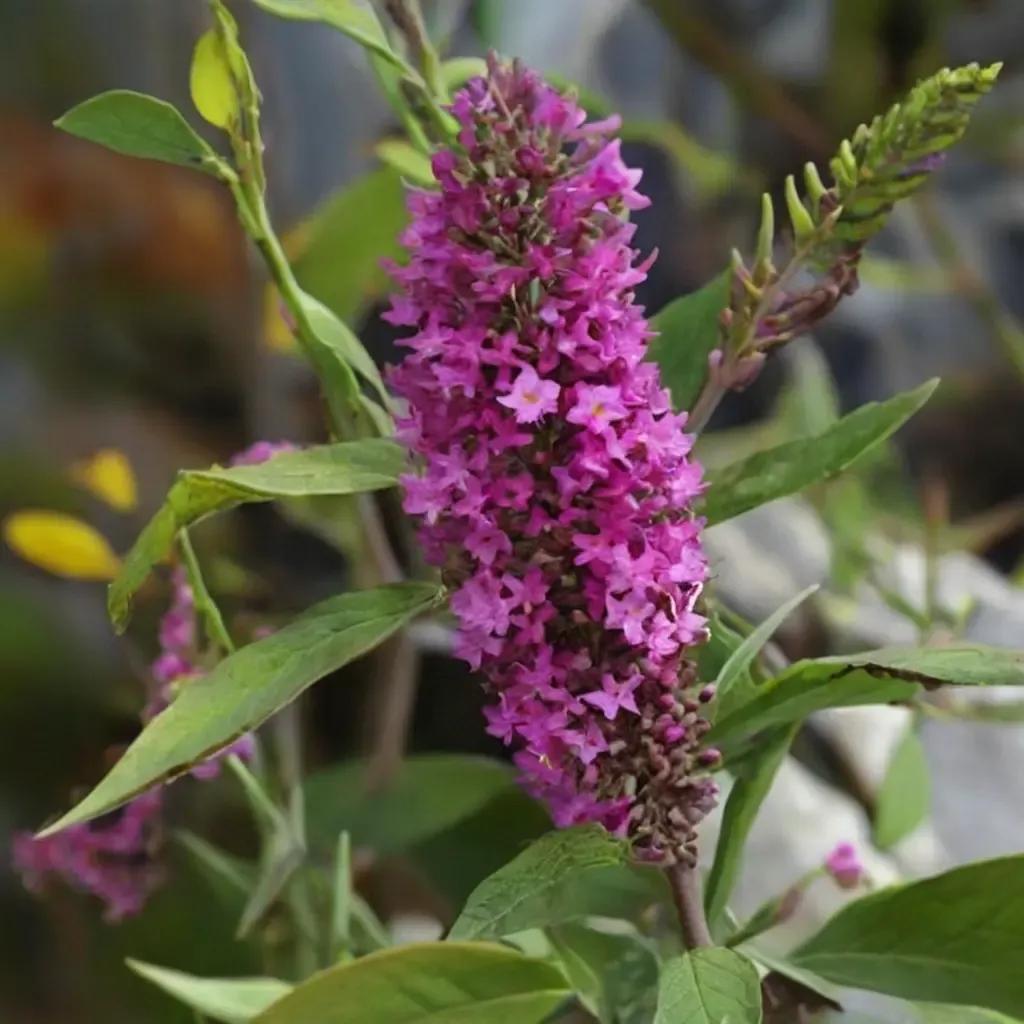 ‘Buzz Magenta Improved’Buzz Magenta Improved Butterfly Bush
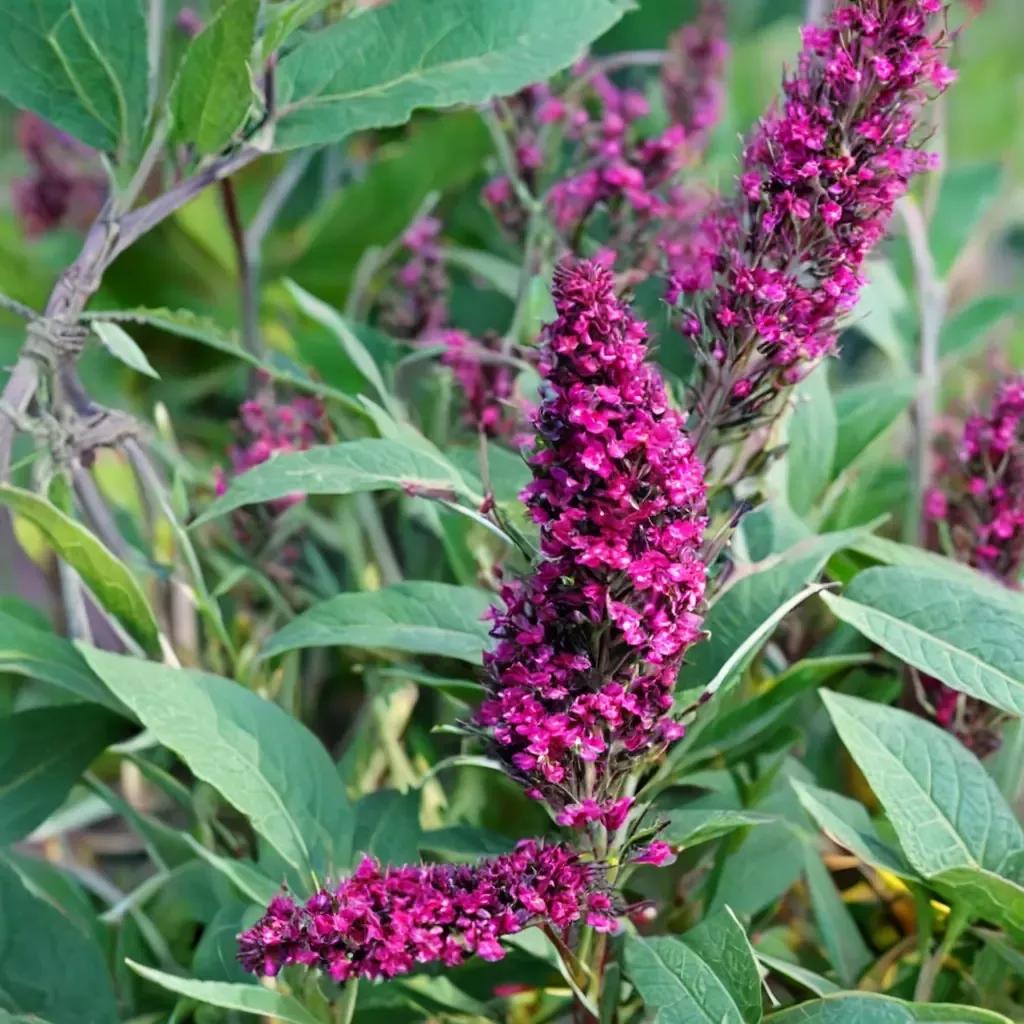 ‘Buzz Velvet’Buzz Velvet Butterfly Bush
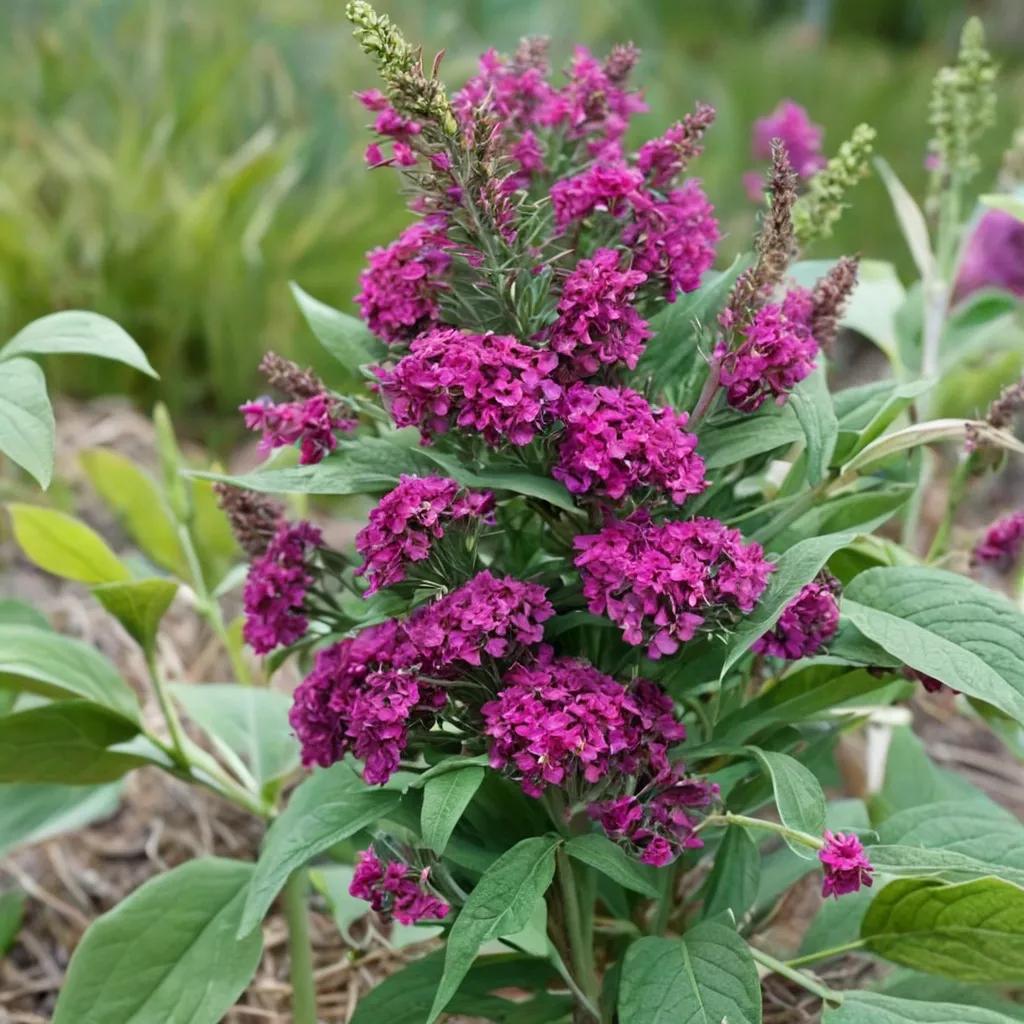 ‘Miss Ruby’Miss Ruby Butterfly Bush
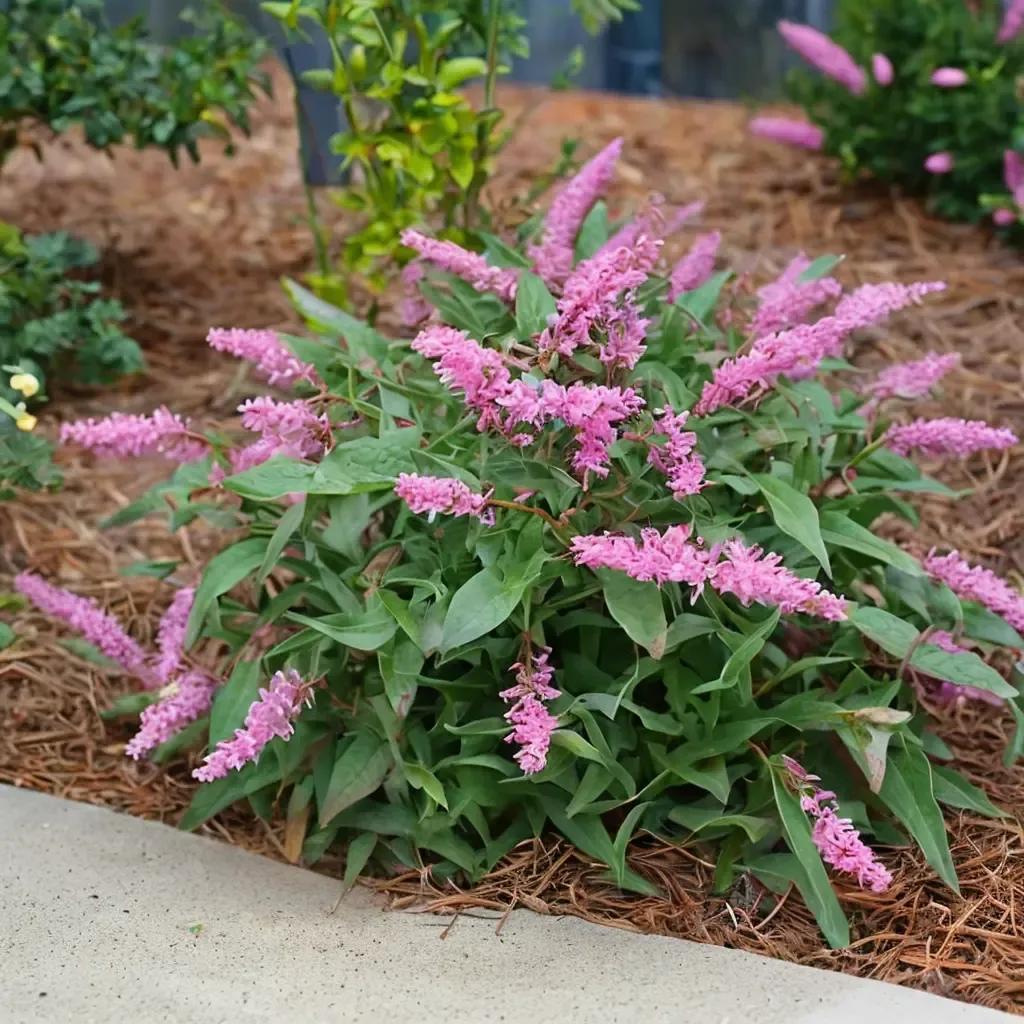 ‘Lo Behold Pink Micro Chip’Lo & Behold Pink Micro Chip Butterfly Bush
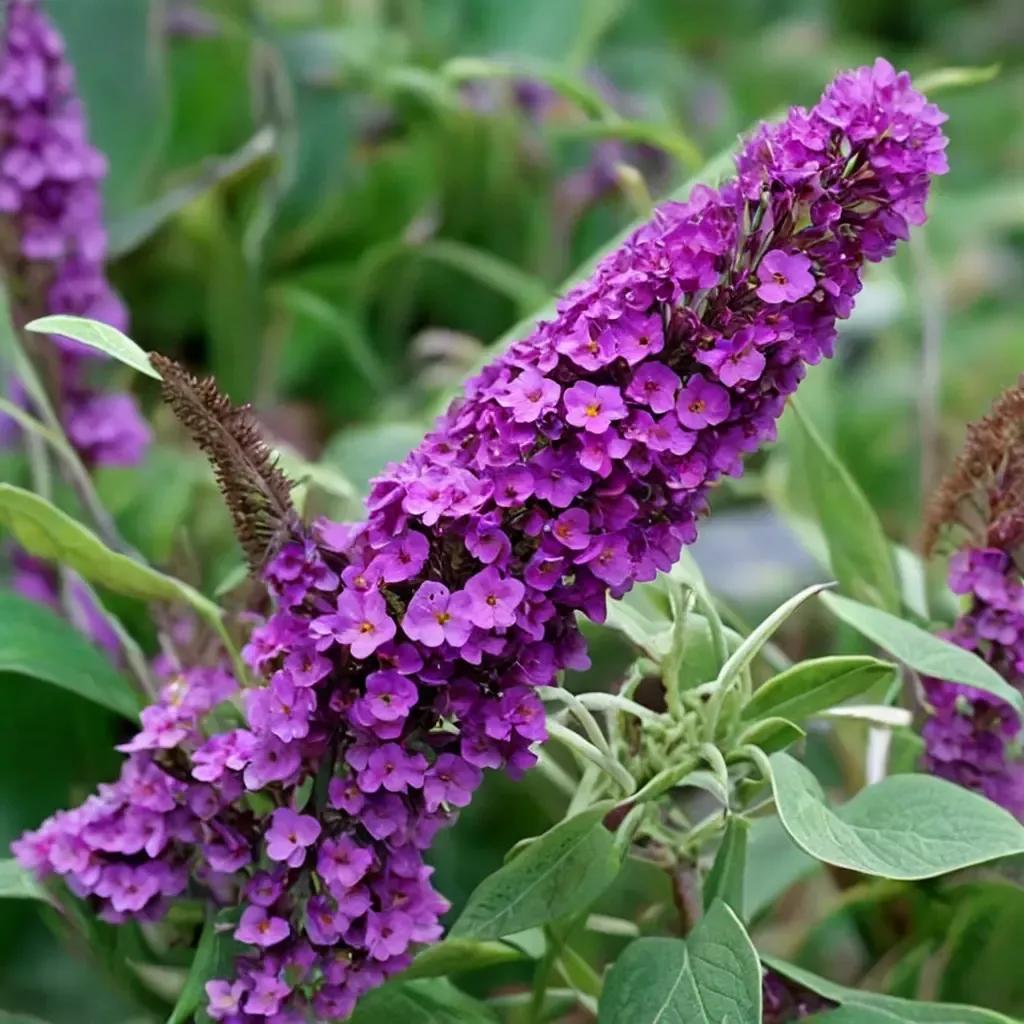 ‘Buzz Purple’Buzz Purple Butterfly Bush
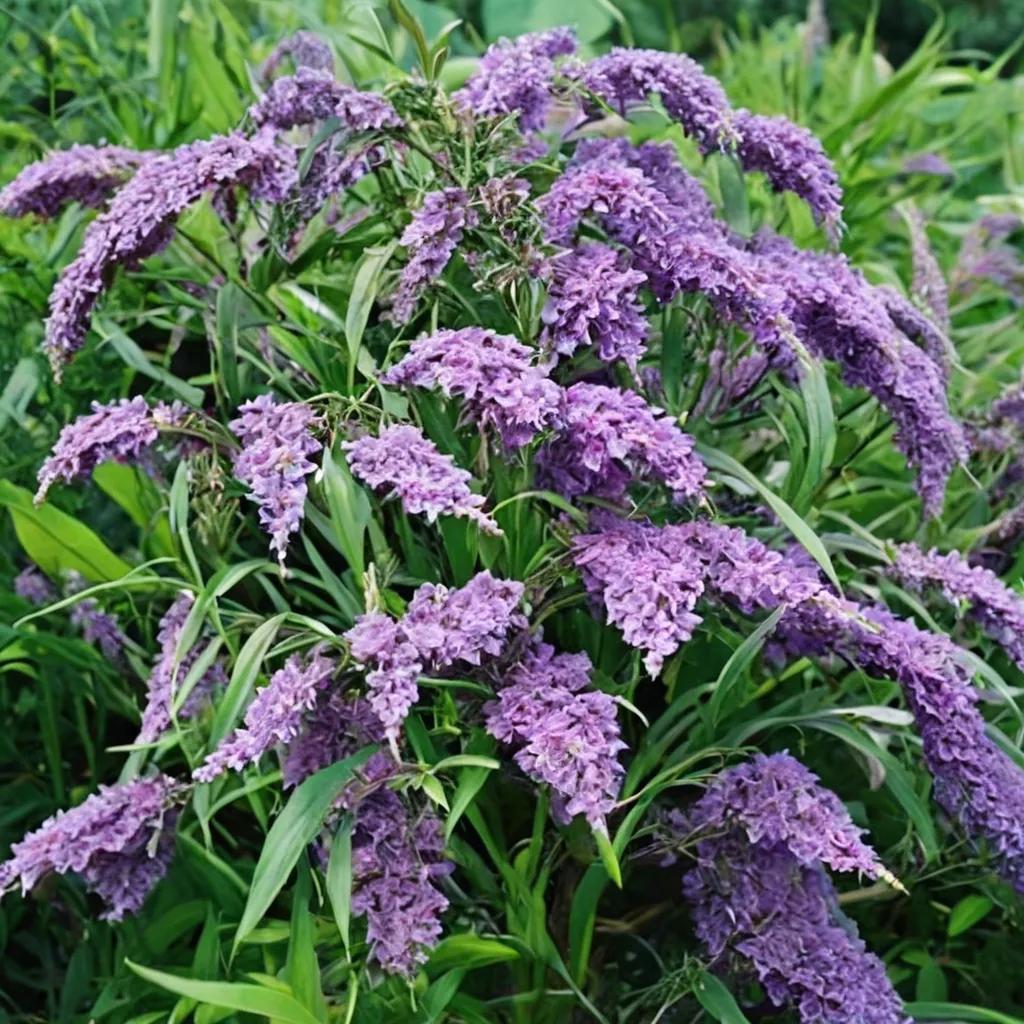 ‘Dartmoor’Butterfly Bush Dartmoor
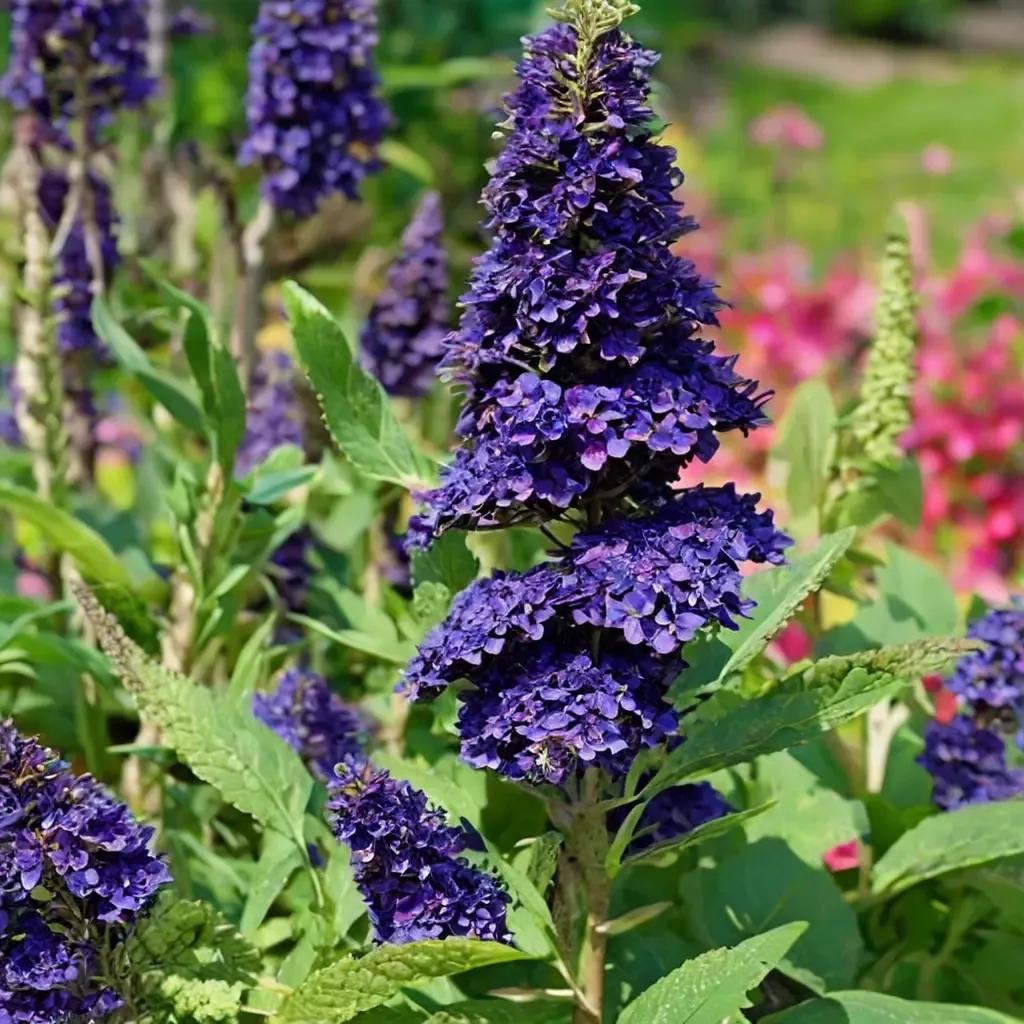 ‘Buzz Midnight’Buzz Midnight Butterfly Bush
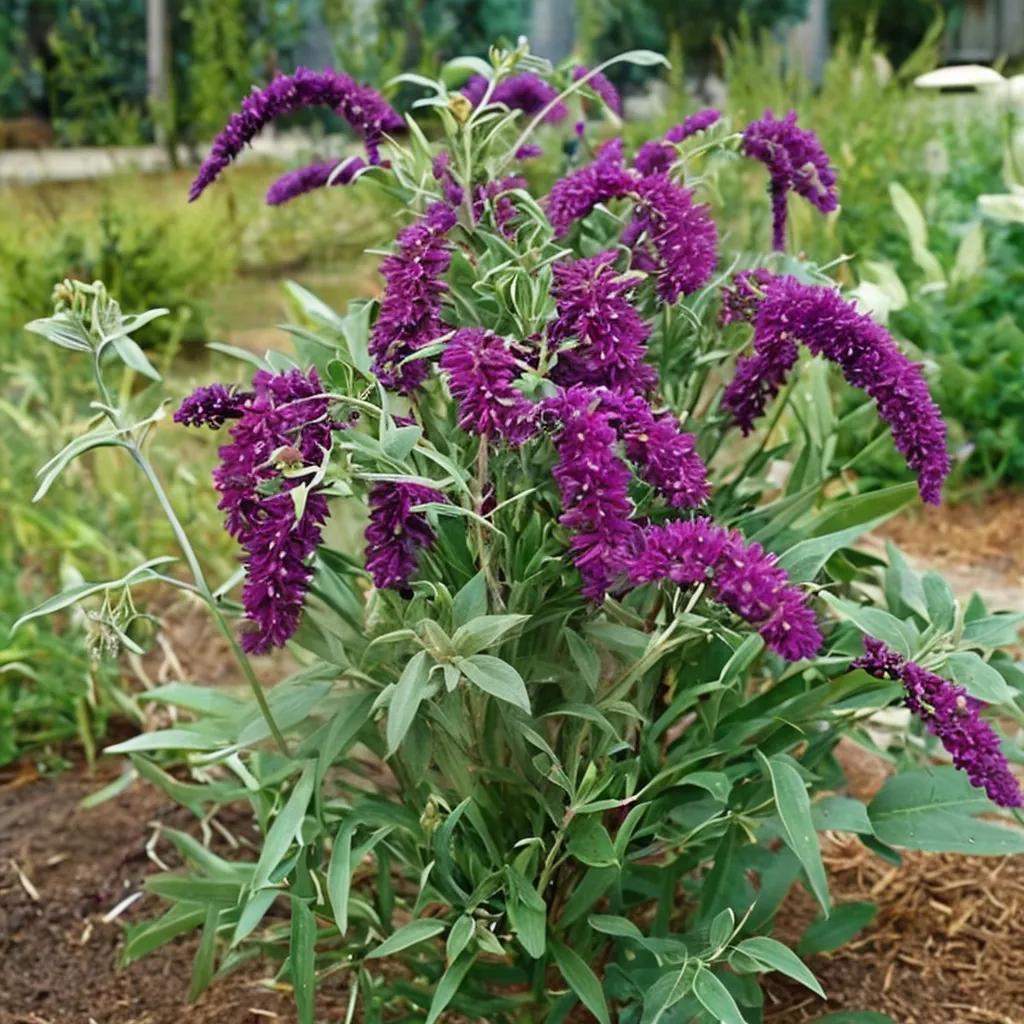 ‘Nanho Purple’Nanho Purple Butterfly Bush
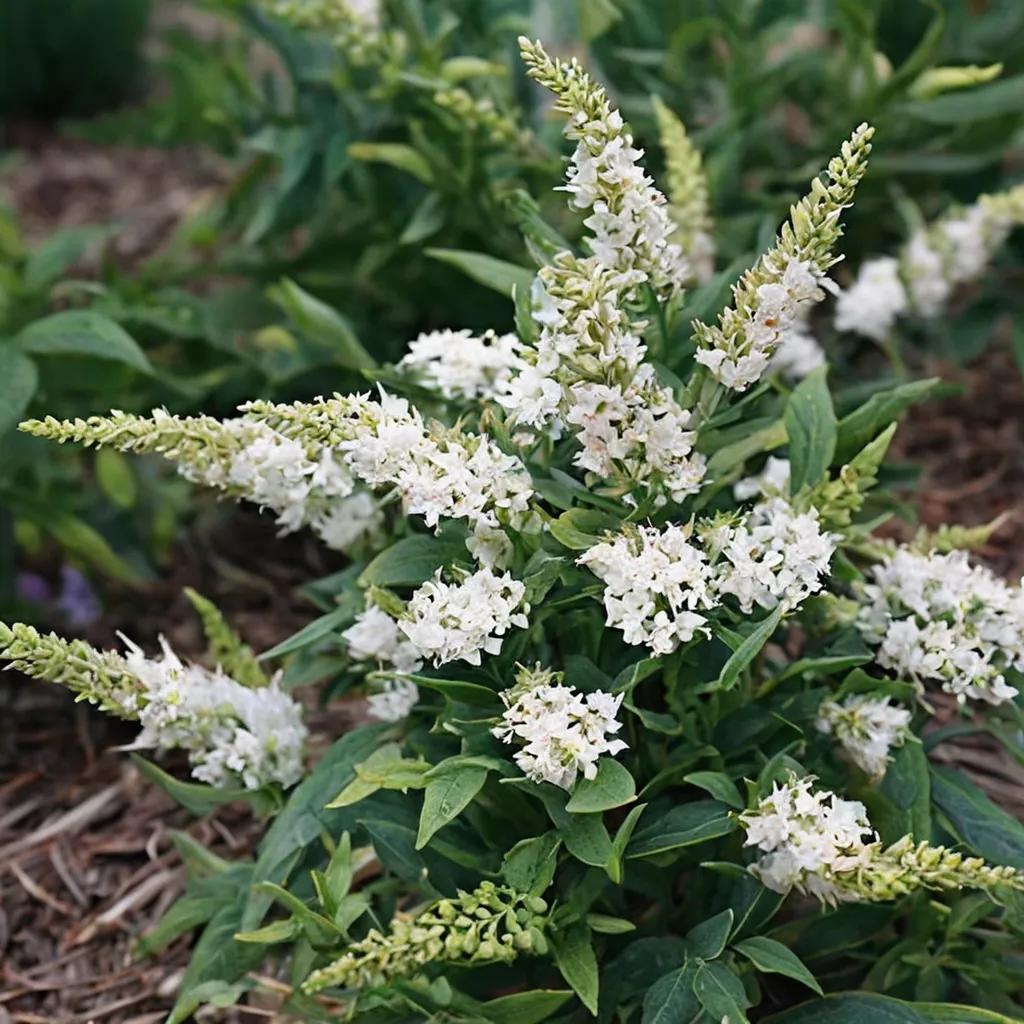 ‘Pugster White’Pugster White Butterfly Bush
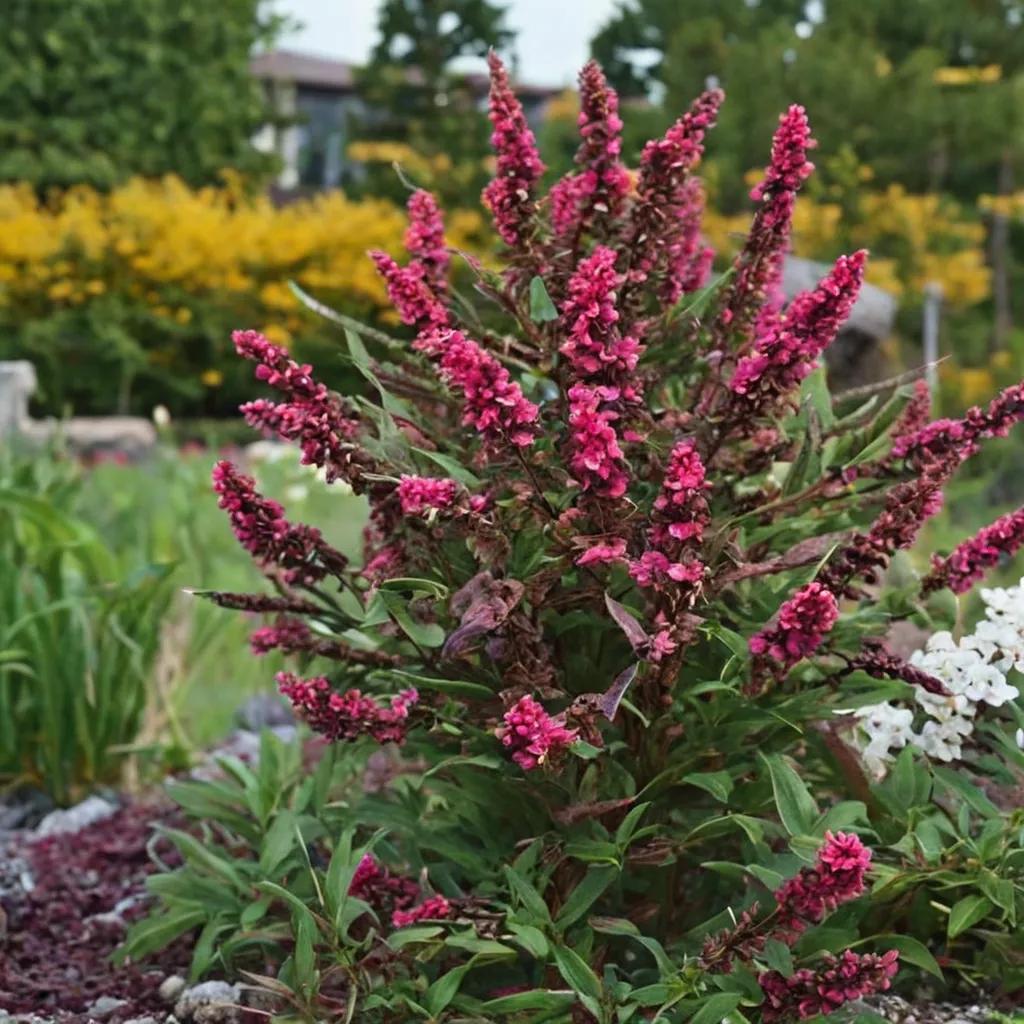 ‘Prince Charming’Butterfly Bush Prince Charming
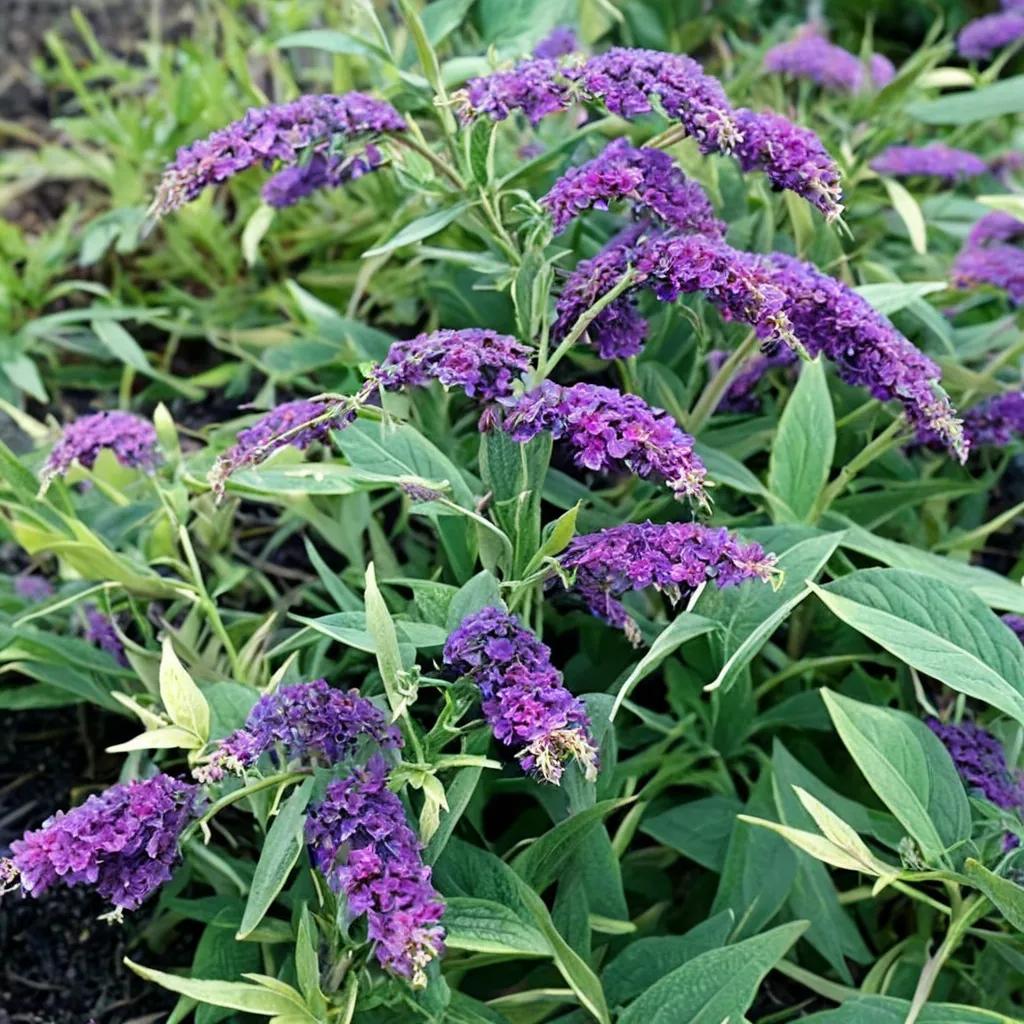 ‘Purple Haze’Butterfly Bush Purple Haze
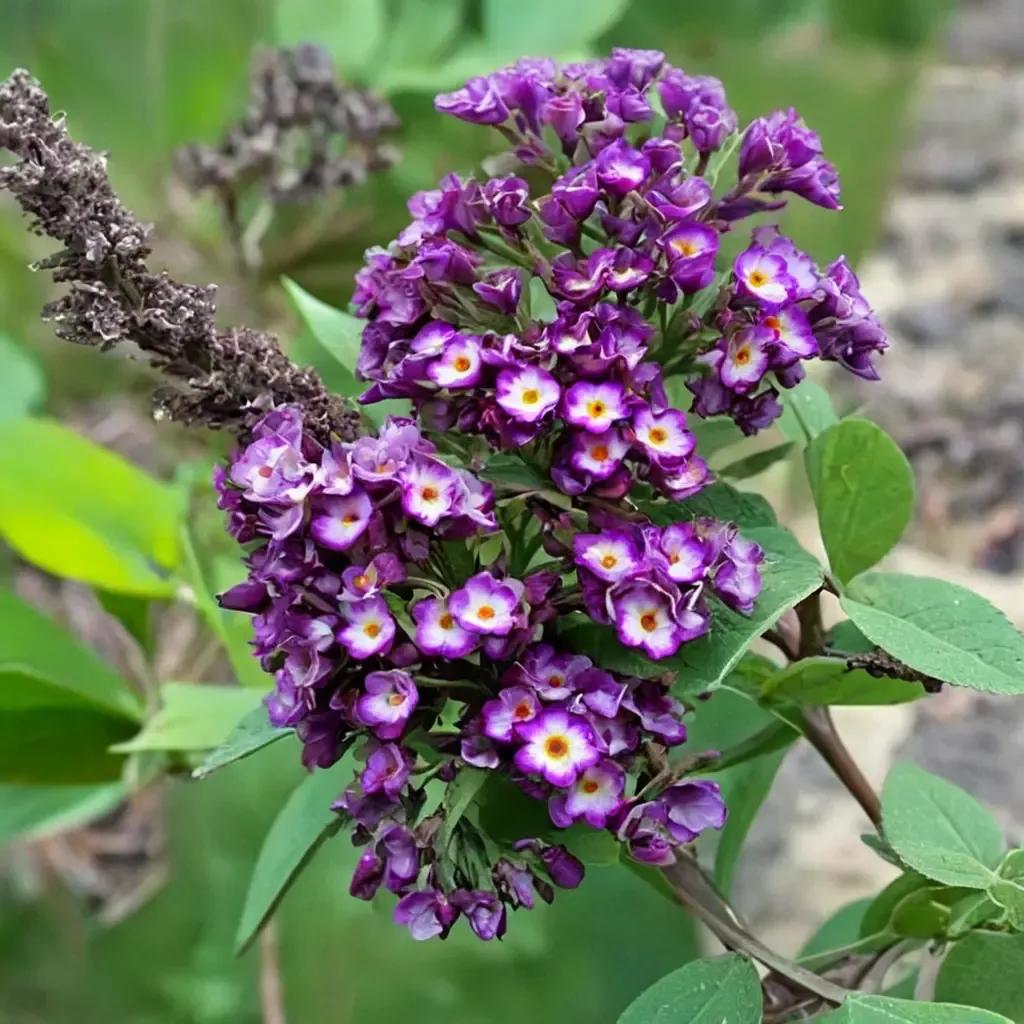 ‘Polka Dot’Polka Dot Butterfly Bush
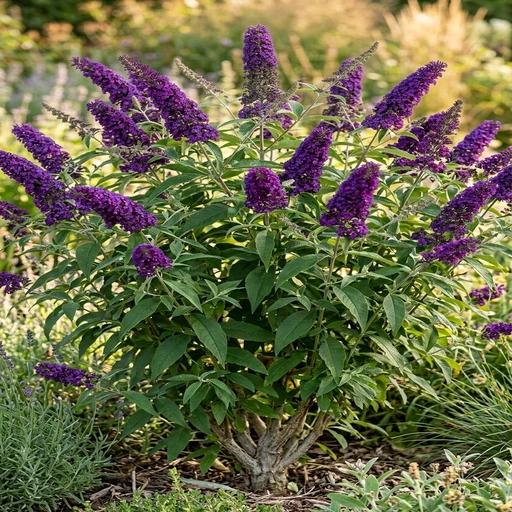 ‘Groovy Grape’Groovy Grape Butterfly Bush
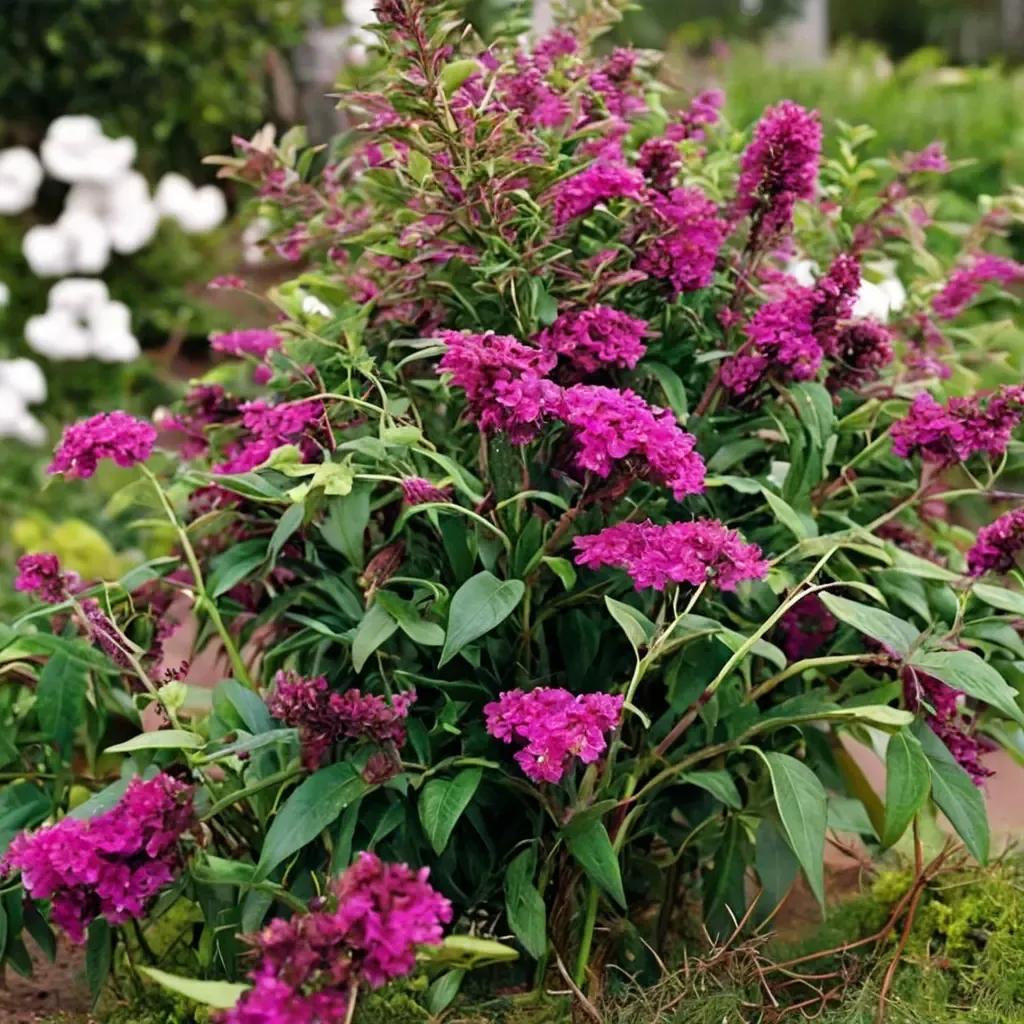 ‘Royal Red’Royal Red Butterfly Bush
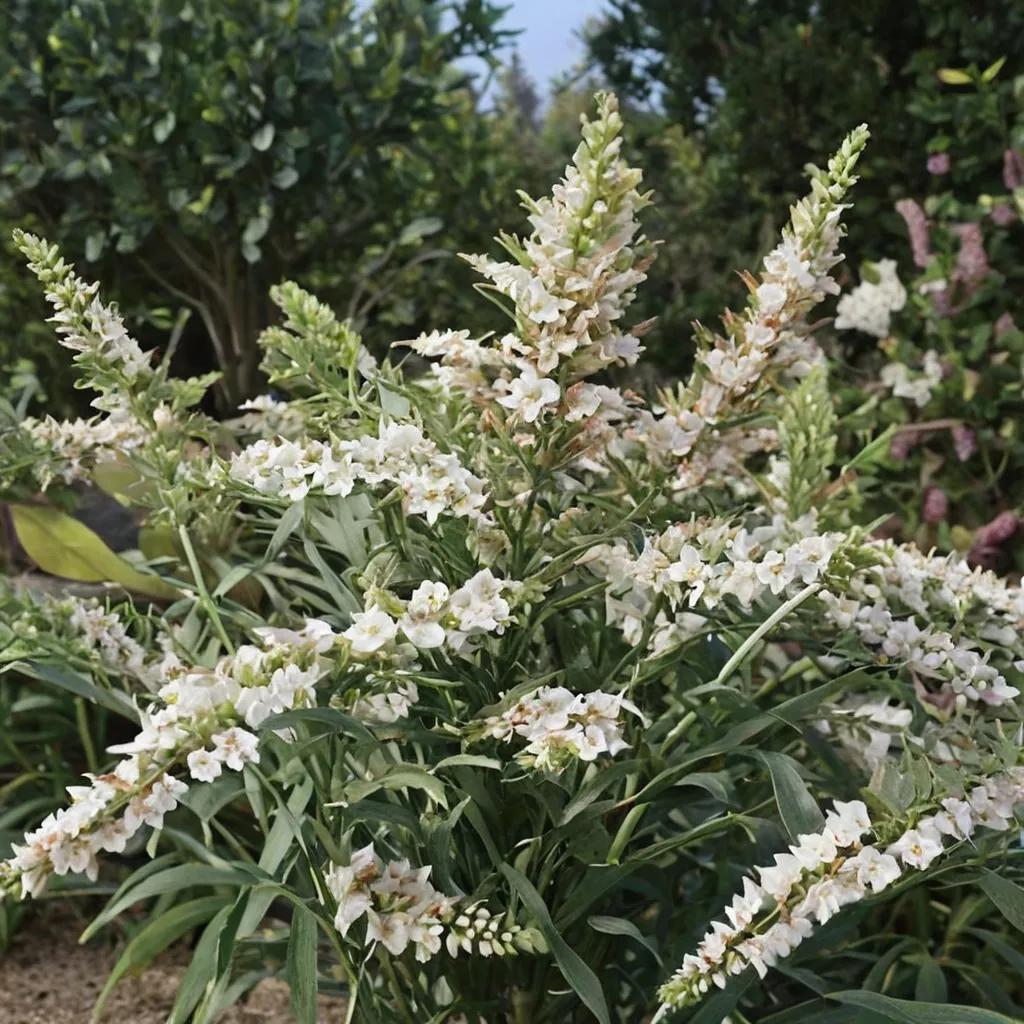 ‘White Bouquet’White Butterfly Bush
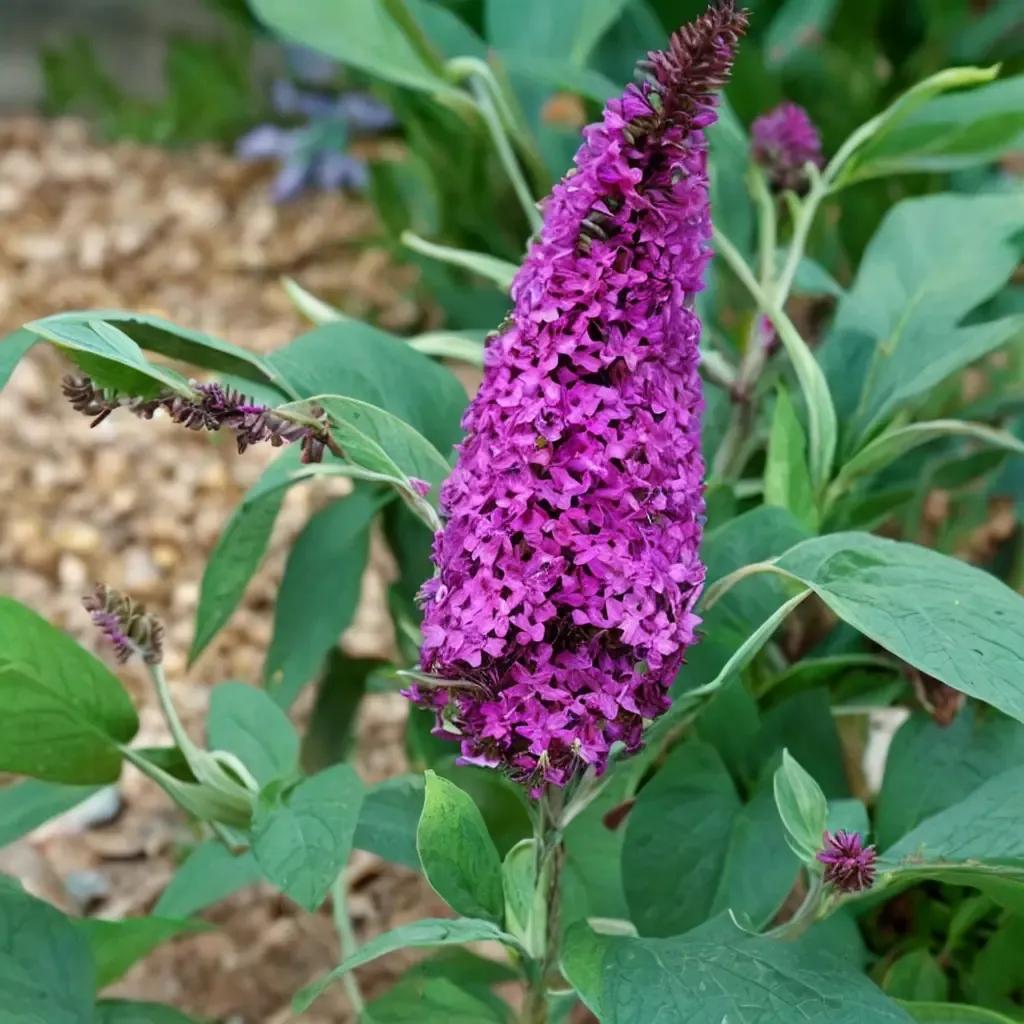 ‘Buzz Magenta’Buzz Magenta Butterfly Bush
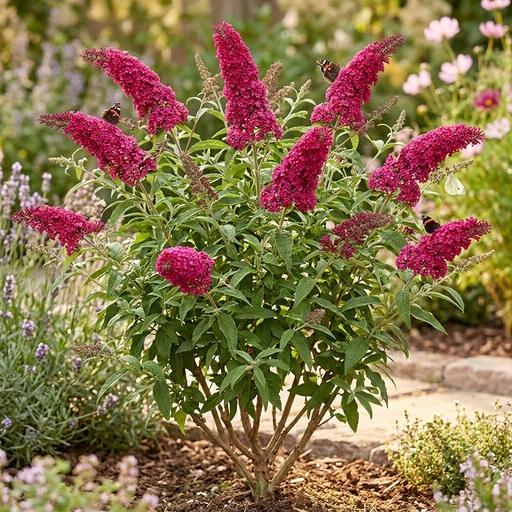 ‘Buzz Hot Raspberry’Buzz Hot Raspberry Butterfly Bush
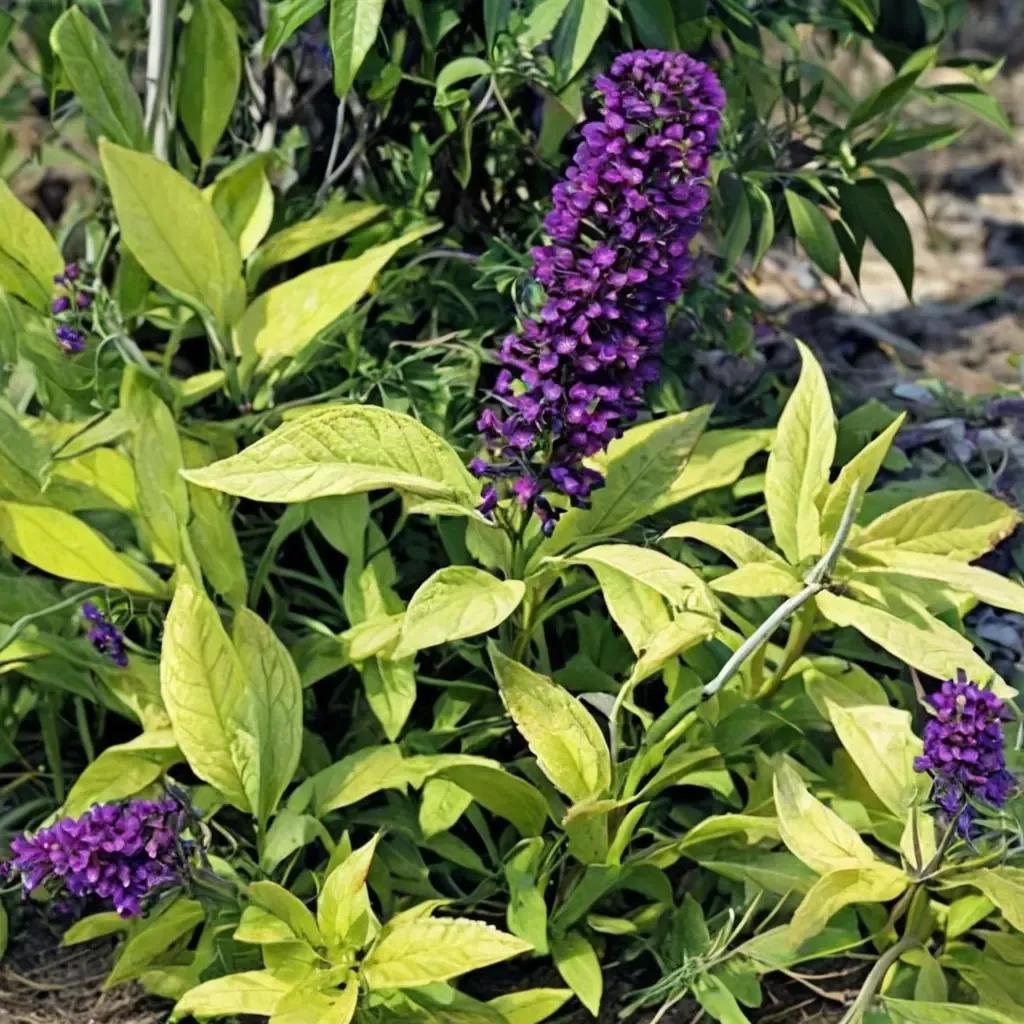 ‘Evil Ways’Evil Ways Butterfly Bush
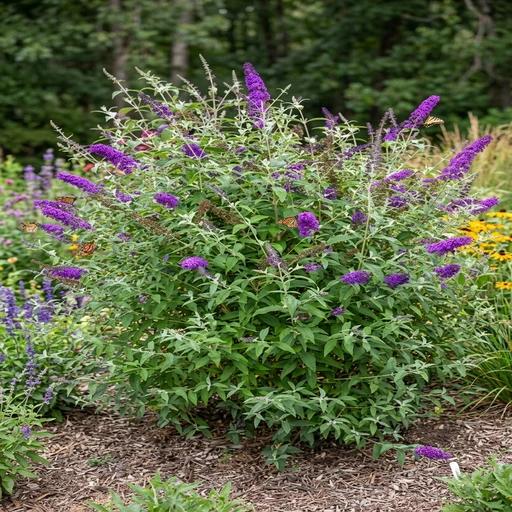 ‘Psychedelic Sky’Psychedelic Sky Butterfly Bush
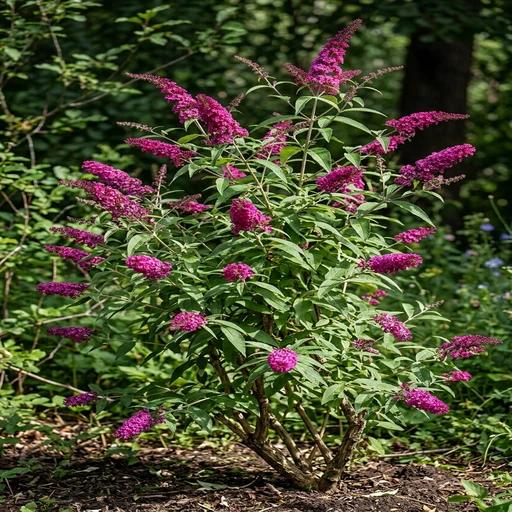 ‘Funky Fuchsia’Funky Fuchsia Butterfly Bush
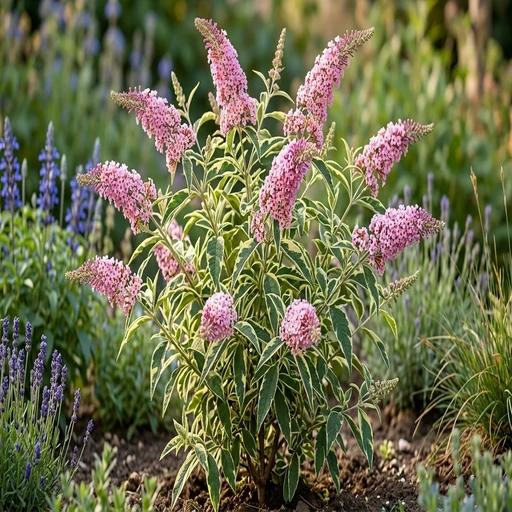 ‘Dapper Pink’Dapper Pink Buddleia
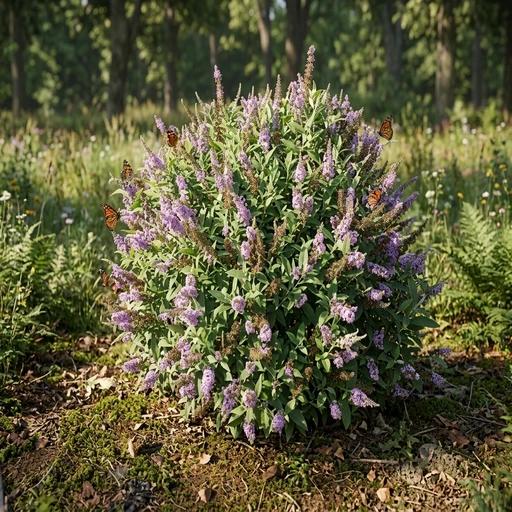 ‘Buddaplav’Dapper Lavender Butterfly Bush
 ‘Dapconwhi’Dapconwhi Butterfly Bush
The Story
Plant Bio
Buddleia davidii, or butterfly bush, is a fast, arching deciduous shrub from China and Japan, reaching six to twelve feet where it is left unpruned. Long tapering panicles of small lilac to purple flowers, each with an orange throat, open from June through September and carry a honeyed scent. The narrow grey-green leaves are pale and felted underneath.
It self-seeds freely and is listed as a noxious weed in Oregon and a problem plant in several other states, spreading into riverbanks and cleared ground. Plant a seedless or low-fertility cultivar where that applies, and deadhead spent panicles before they set seed. Doing so also keeps the shrub flowering harder into autumn.
Uses & Benefits:
Essentials
At a Glance
Plant Type
Shrub
Height
108"
Width
96"
Light
Full Sun
Zones
5, 6, 7, 8, 9
Water
Medium
Humidity
Average
Lifespan
Perennial
Native To
China and Japan
Toxicity
Low toxicity; can cause stomach upset if ingested.
Marketplace
Where to Buy
Shipping costs Year-round shipping Free shipping
Planting
How to Grow
- Plant in spring in full sun and free-draining soil.
- Space at least six feet apart; this shrub fills its allowance quickly.
- Water through the first summer, then only in drought.
- Cut the whole plant back hard to a low framework each spring.
- Deadhead spent flower spikes through summer to limit seeding.
- Leave the top growth over winter in cold areas as frost protection.
Pro Tip
It flowers on new wood, so a hard spring cutback costs no bloom and buys a denser, better-proportioned shrub.
Keep It Thriving
Care Guide
Do
- Give it full sun for the heaviest flowering ☀️
- Prune hard in early spring before growth starts ✂️
- Deadhead spent spikes to limit self-seeding 🌸
- Plant it where butterflies and hummingbirds can find it 🦋
Don't
- Let seed heads ripen and scatter near open ground ❌
- Plant it in wet or poorly drained soil ❌
- Skip the spring prune and accept a leggy, bare-based shrub ❌
Seasonal Care Calendar
| Task | Jan | Feb | Mar | Apr | May | Jun | Jul | Aug | Sep | Oct | Nov | Dec |
|---|---|---|---|---|---|---|---|---|---|---|---|---|
| Deadhead | ||||||||||||
| Prune |
Watch Out For
Pests & Diseases
Common Pests
Common Diseases
In the Garden
Landscape Uses & Companions
Landscape Uses
Companion Plants
Multiply
Propagation Methods
Good to Know
Common Questions
Butterfly Bush questions
What zones can Butterfly Bush grow in?
Butterfly Bush is hardy in USDA Zones 5–9. Inside that range it survives winter in the ground; outside it, grow it as an annual or a container plant you protect.
Is Butterfly Bush deer resistant?
Yes — Butterfly Bush is rated deer-resistant. Deer typically pass it over, though extreme hunger can override any plant's defenses.
When does Butterfly Bush bloom?
Butterfly Bush typically blooms in early summer to early fall through late summer. Exact timing shifts a week or two with your zone — Sow's bloom calendar maps it to your garden.
Does Butterfly Bush need full sun?
Butterfly Bush does best in full sun (6+ hours).
Is Butterfly Bush drought tolerant?
Yes — once established (usually after the first full season), Butterfly Bush handles dry spells with minimal watering. Water deeply its first year to build the root system that makes that possible.
More Buddleja to compare
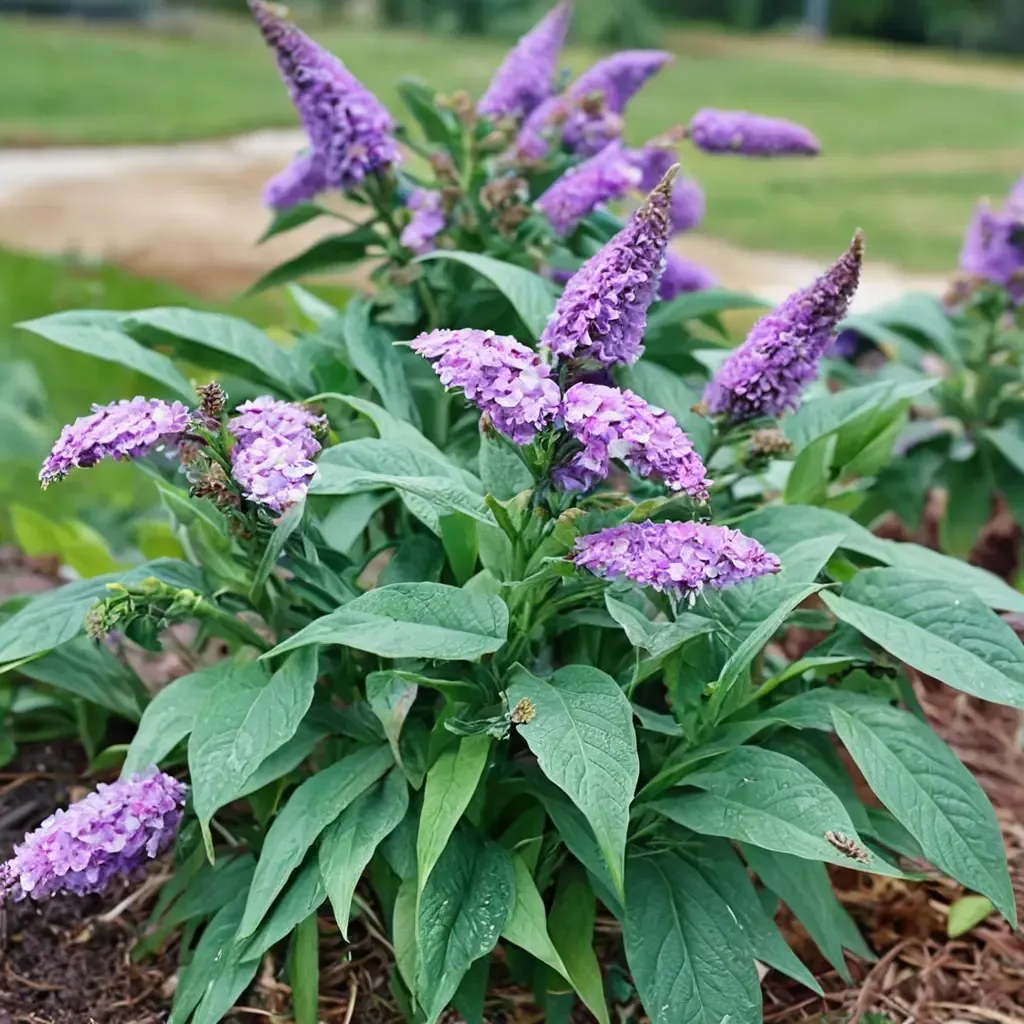
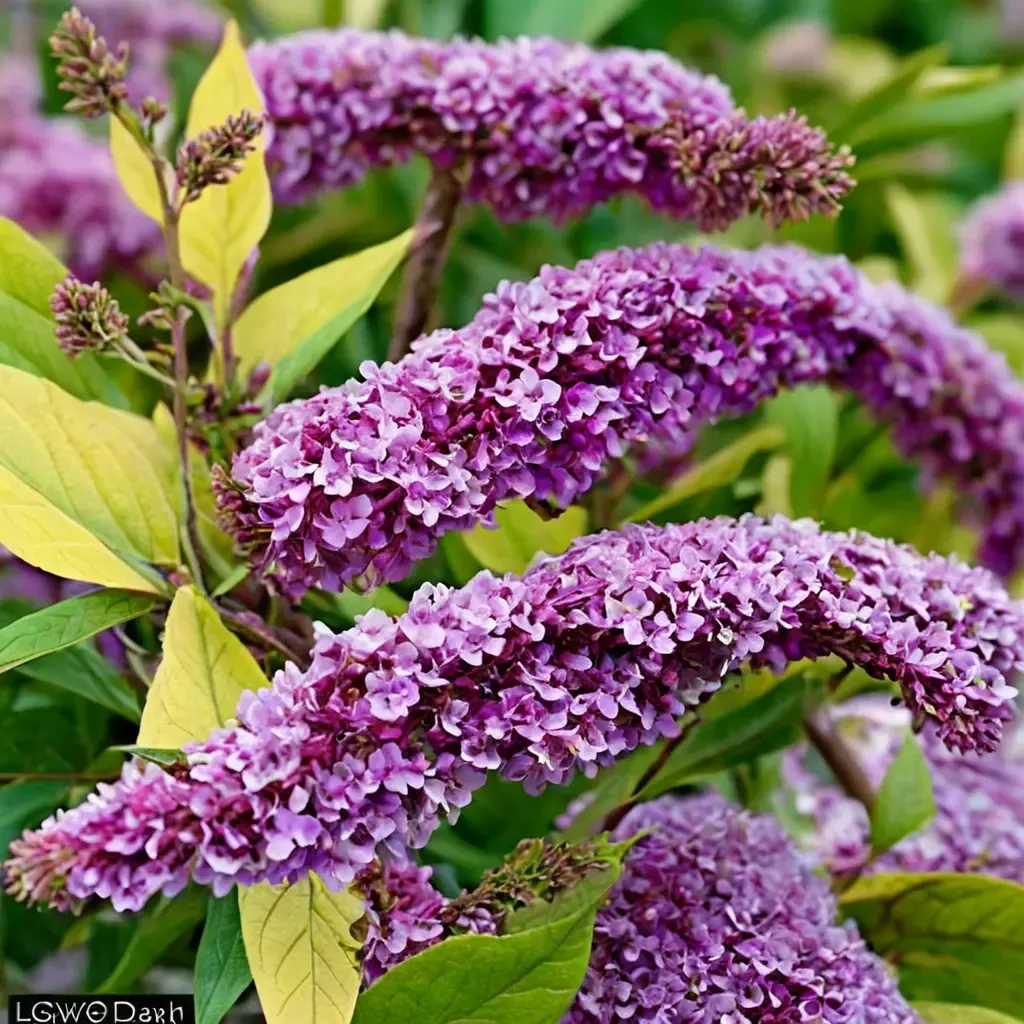
Pugster Amethyst Butterfly Bush
Buddleja davidii 'Pugster Amethyst'
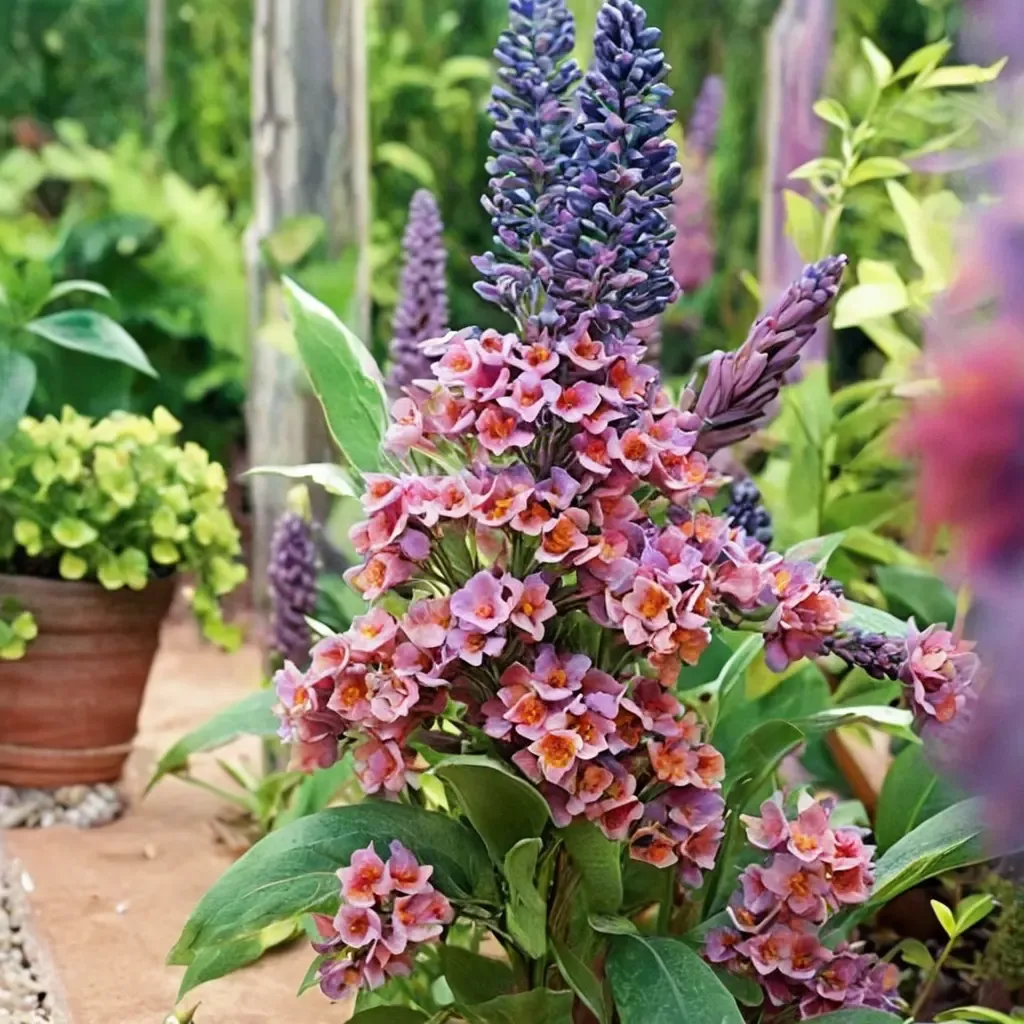
Trio Butterfly Bush
Buddleja davidii 'Trio'
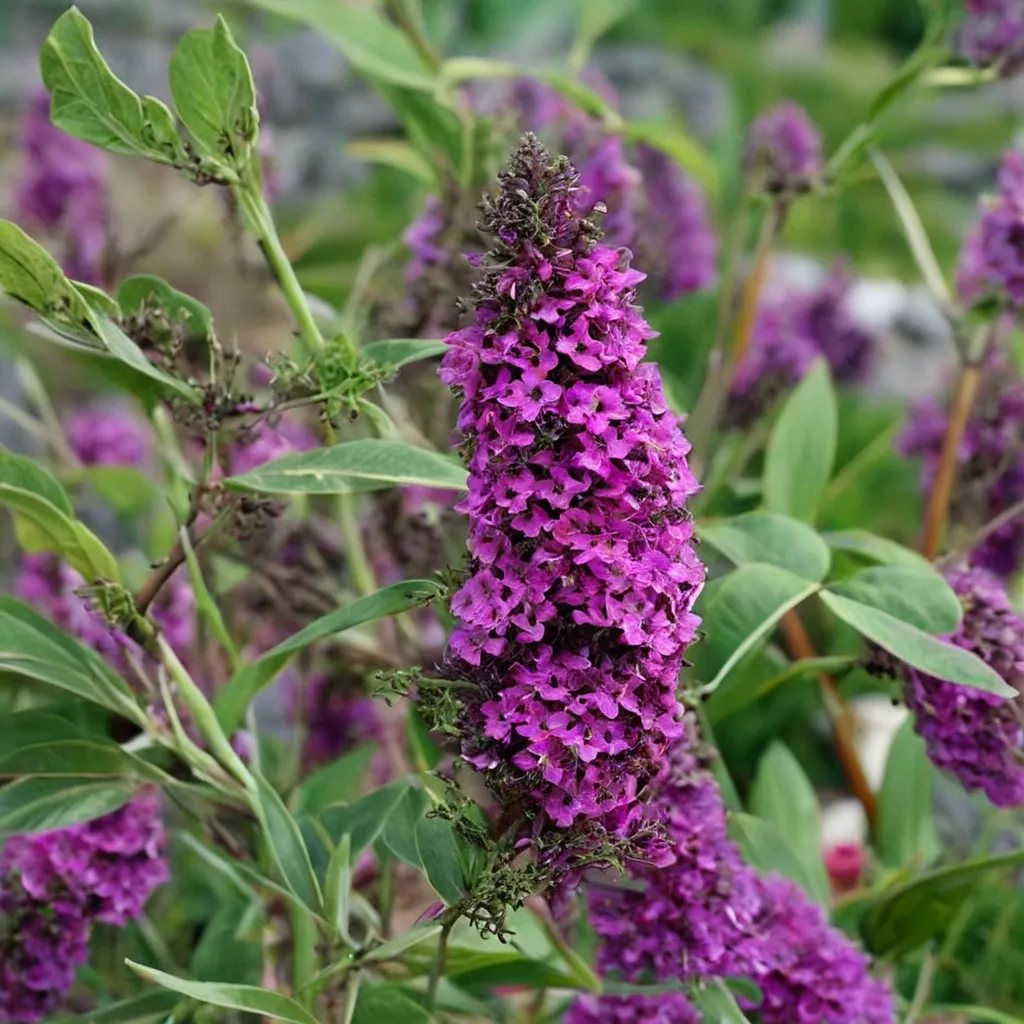
Bicolor Butterfly Bush
Buddleja davidii 'Bicolor'
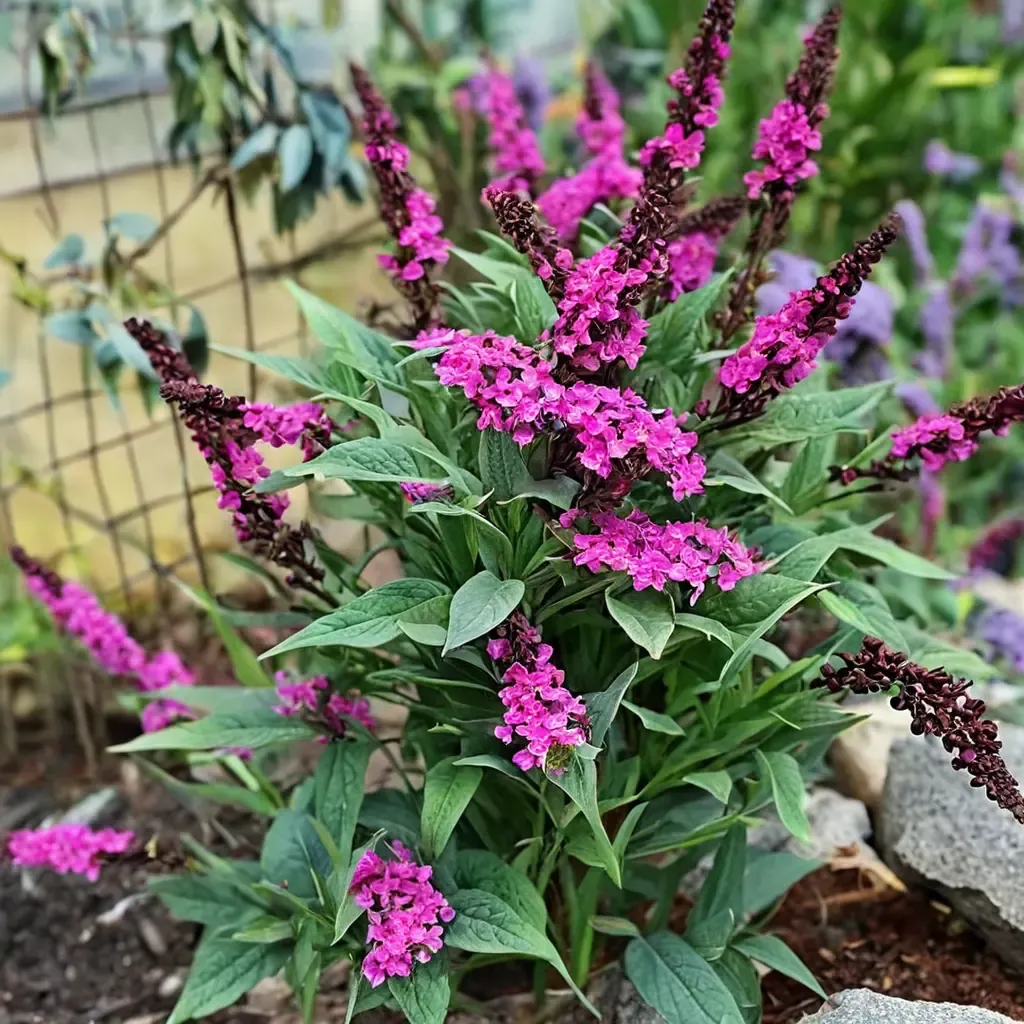
Butterfly Bush Purple Prince
Buddleja davidii 'Purple Prince'
Hot Raspberry Butterfly Bush
Buddleja davidii 'Hot Raspberry'
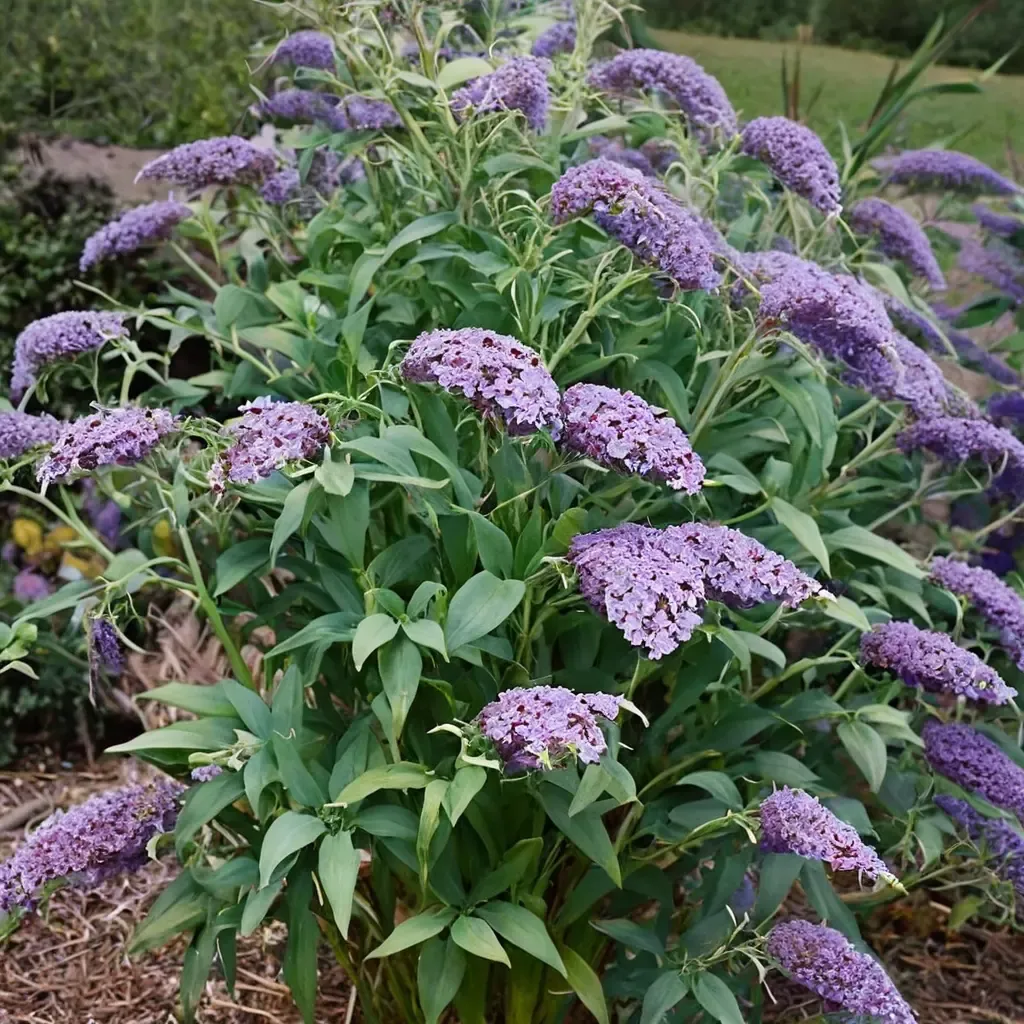
Butterfly Haven Butterfly Bush
Buddleja davidii 'Butterfly Haven'
Keep exploring
Explore the genus
Hardy in your zone?
Grow Butterfly Bush with confidence
See it in a design of your actual yard, get zone-matched care reminders, and track it season by season in your garden journal.