
The Story
Plant Bio
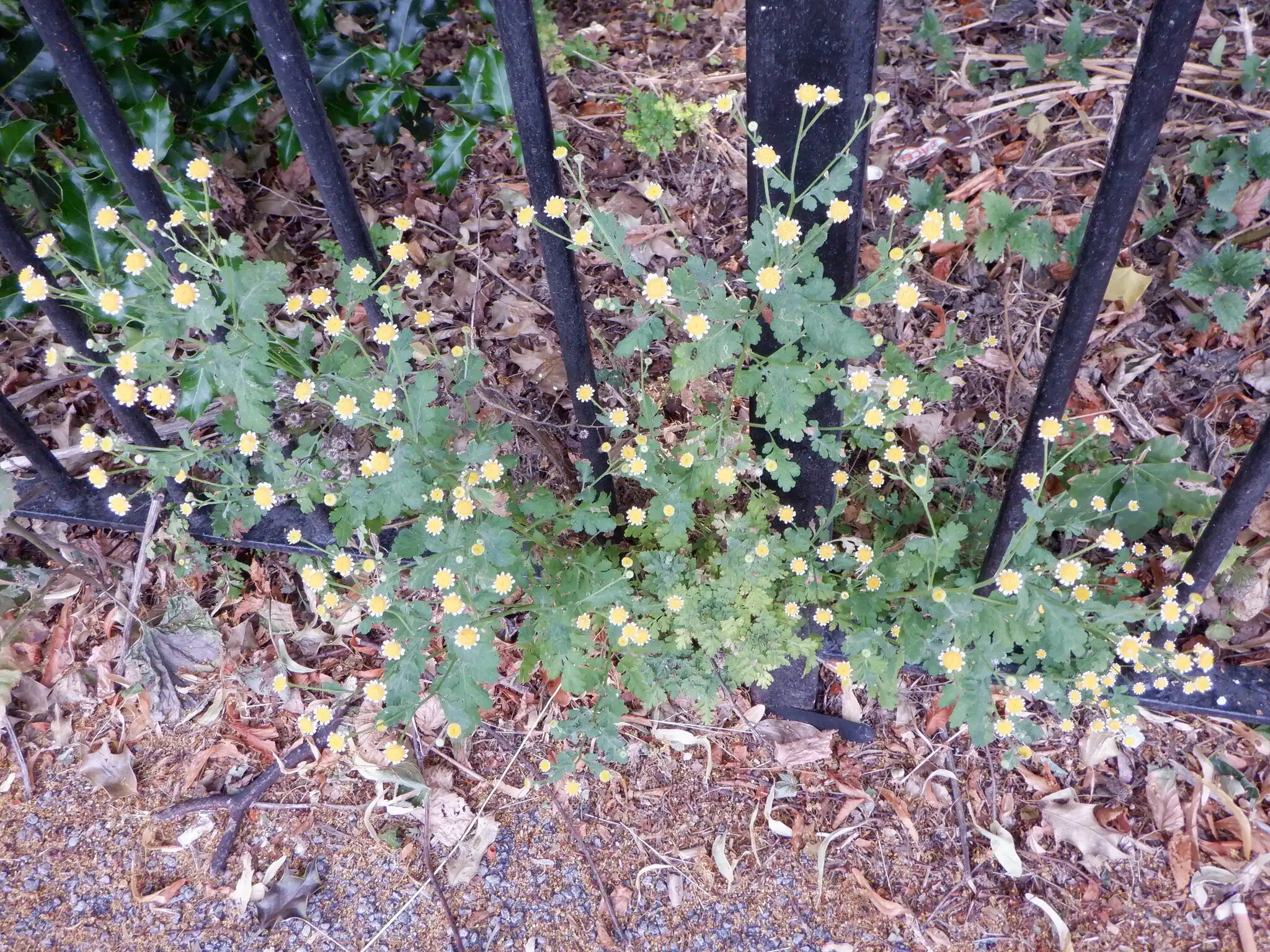
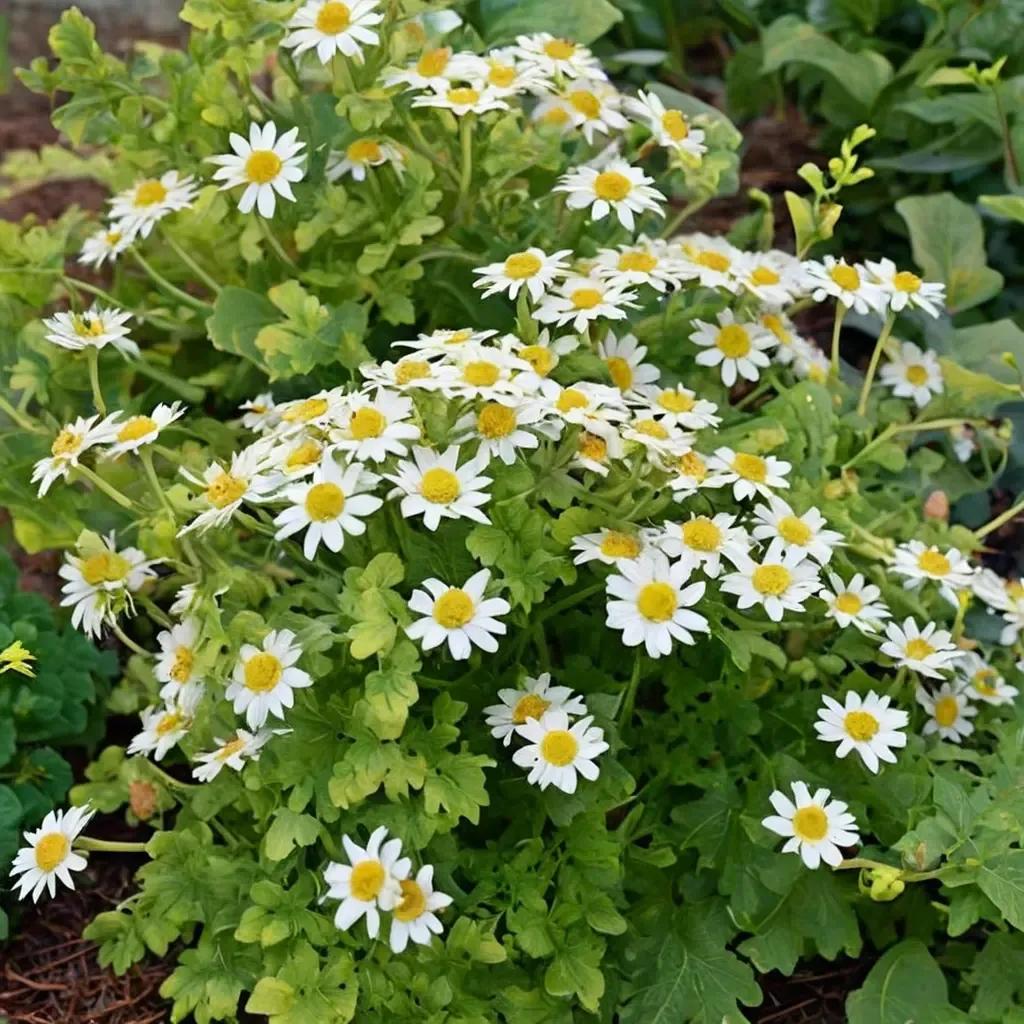
Tanacetum parthenium, commonly known as feverfew, is a perennial herb known for its medicinal properties and daisy-like flowers.
Feverfew's leaves have a sharp, bitter, chrysanthemum-like smell when crushed, and the plant has been grown in herb gardens for centuries. It is short-lived but seeds itself freely, so a planting persists through seedlings, which are easy to pull where they are not wanted.
Uses & Benefits:
Essentials
At a Glance
Plant Type
Perennial
Height
24"
Width
18"
Light
Full Sun, Partial Sun
Zones
5, 6, 7, 8
Water
Moderate
Humidity
Average
Lifespan
Perennial
Native To
Mediterranean region
Toxicity
Toxic to livestock if ingested
Planting
How to Grow
- Tuck seeds into well-drained soil in early spring.
- Water regularly to keep soil moist but not soggy.
- Mist cuttings with water to encourage rooting.
- Thin seedlings to prevent overcrowding after emergence.
- Feed with a balanced fertilizer every 4–6 weeks during growing season.
- Prune back in late fall to maintain shape and health.
Pro Tip
Ensure good air circulation to prevent fungal issues and promote healthy growth.
Keep It Thriving
Care Guide
Do
- Provide full sun for optimal growth 🌞
- Water consistently during dry spells 💧
- Prune dead or damaged stems to encourage bushiness ✂️
- Apply organic compost annually for nutrients 🌱
- Mulch around plants to retain moisture
Don't
- Avoid overwatering to prevent root rot ❌
- Don’t fertilize in late fall ❌
- Refrain from overcrowding plants to ensure airflow
- Never ignore pest signs or disease symptoms
Seasonal Care Calendar
| Task | Jan | Feb | Mar | Apr | May | Jun | Jul | Aug | Sep | Oct | Nov | Dec |
|---|---|---|---|---|---|---|---|---|---|---|---|---|
| Deadhead | ||||||||||||
| Divide | ||||||||||||
| Prune |
Watch Out For
Pests & Diseases
Common Pests
Common Diseases
In the Garden
Landscape Uses & Companions
Landscape Uses
Multiply
Propagation Methods
Good to Know
Common Questions
Feverfew questions
What zones can Feverfew grow in?
Feverfew is hardy in USDA Zones 5–8: in that range it survives winter in the ground. Colder than Zone 5, grow it in a container you can move to shelter for the winter, or as an annual. Warmer than Zone 8, winter isn't the problem: it prefers colder winters, and summer heat can shorten its life.
Is Feverfew deer resistant?
Yes — Feverfew is rated deer-resistant. Deer typically pass it over, though extreme hunger can override any plant's defenses.
When does Feverfew bloom?
Feverfew typically blooms in mid- to late summer. Exact timing shifts a week or two with your zone — Sow's bloom calendar maps it to your garden.
Does Feverfew need full sun?
Feverfew does best in full sun to part shade. In hot climates, afternoon shade keeps blooms fresher longer.
Is Feverfew drought tolerant?
Yes — once established (usually after the first full season), Feverfew handles dry spells with minimal watering. Water deeply its first year to build the root system that makes that possible.
More Tanacetum to compare
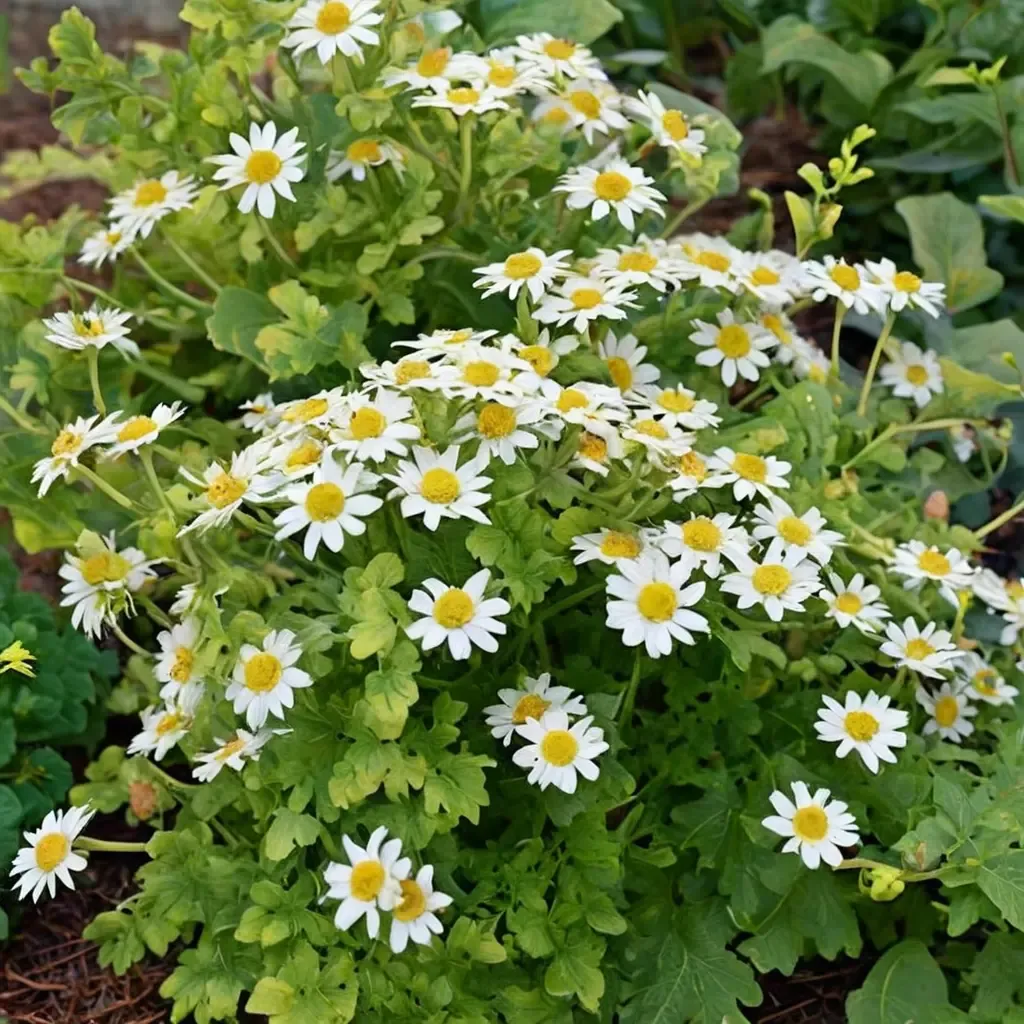
Golden Feverfew
Tanacetum parthenium 'Aureum'
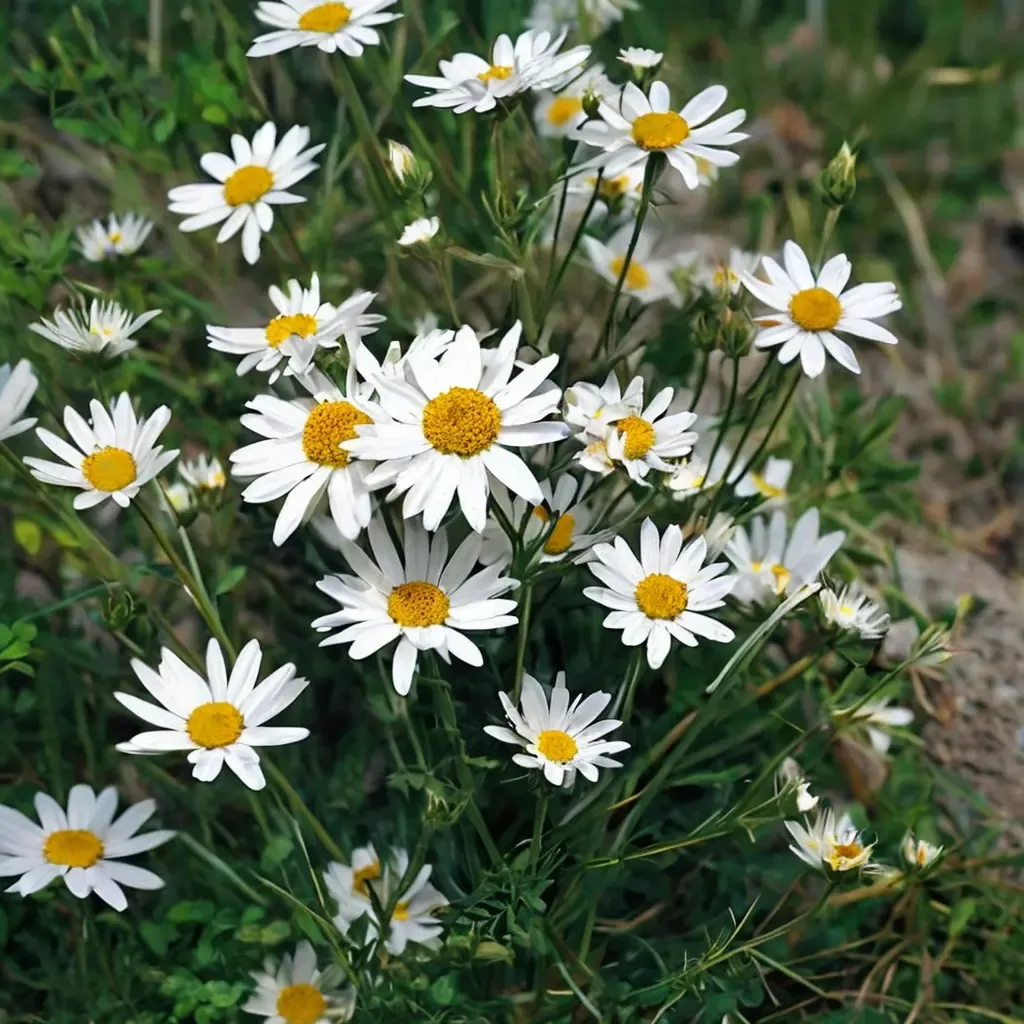
Scentless Feverfew
Tanacetum corymbosum
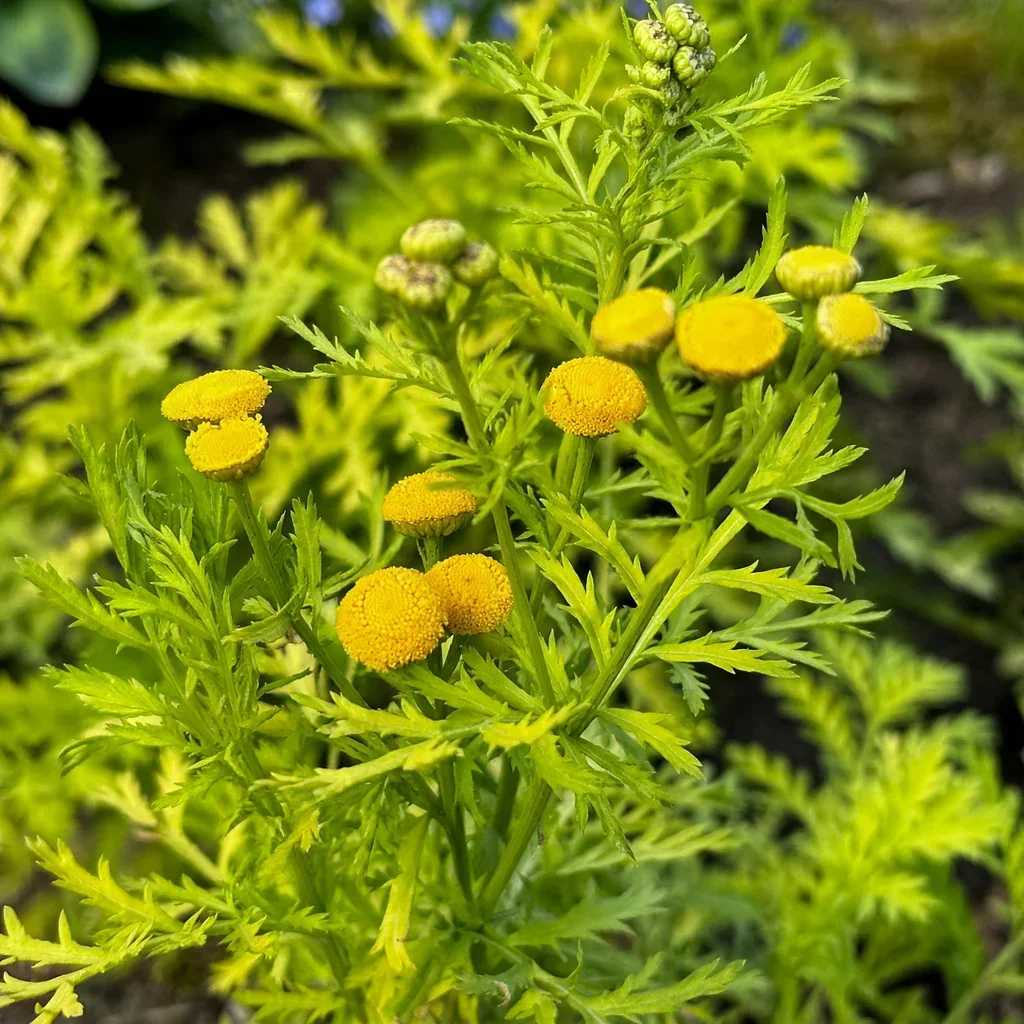
Golden Tansy
Tanacetum vulgare 'Isla Gold'
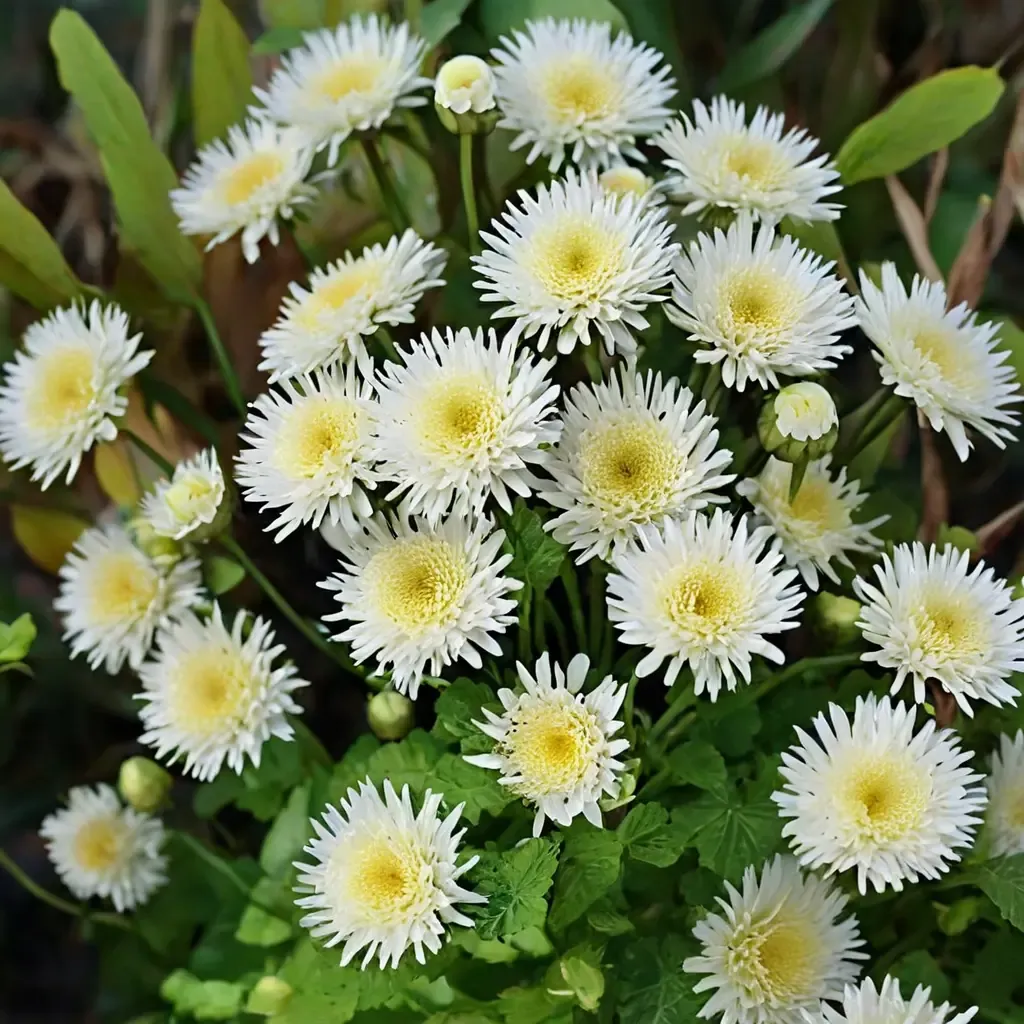
Selma Star Feverfew
Tanacetum parthenium 'Selma Star'
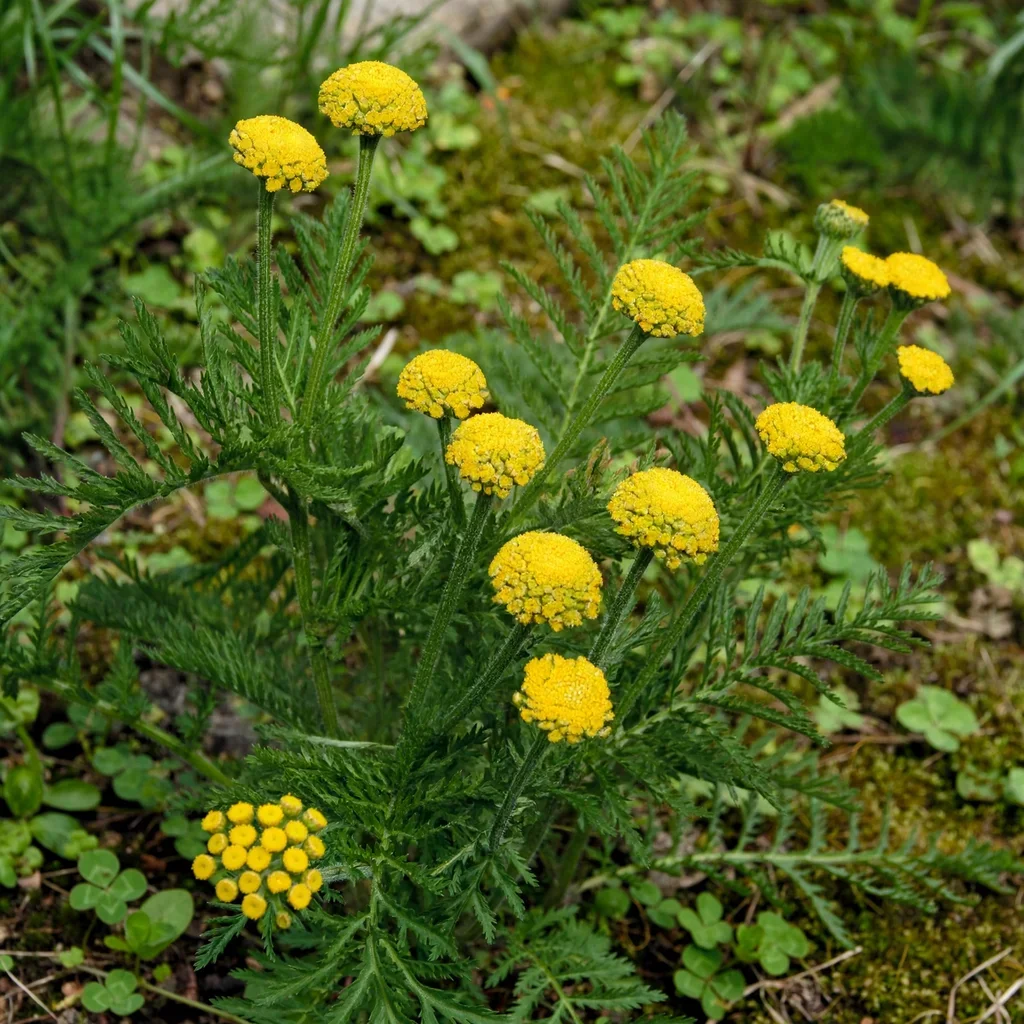
Huron tansy
Tanacetum huronense

Silver Tansy
Tanacetum niveum
Keep exploring
Explore the genus
Hardy in your zone?
Grow Feverfew with confidence
See it in a design of your actual yard, get zone-matched care reminders, and track it season by season in your garden journal.