Also known as Tansy · 284 saves
Tanacetum
Tanacetum, the genus most gardeners know as tansy. We track 9 varieties; the ones most used by real gardeners.
The 9 most-saved Tanacetum varieties
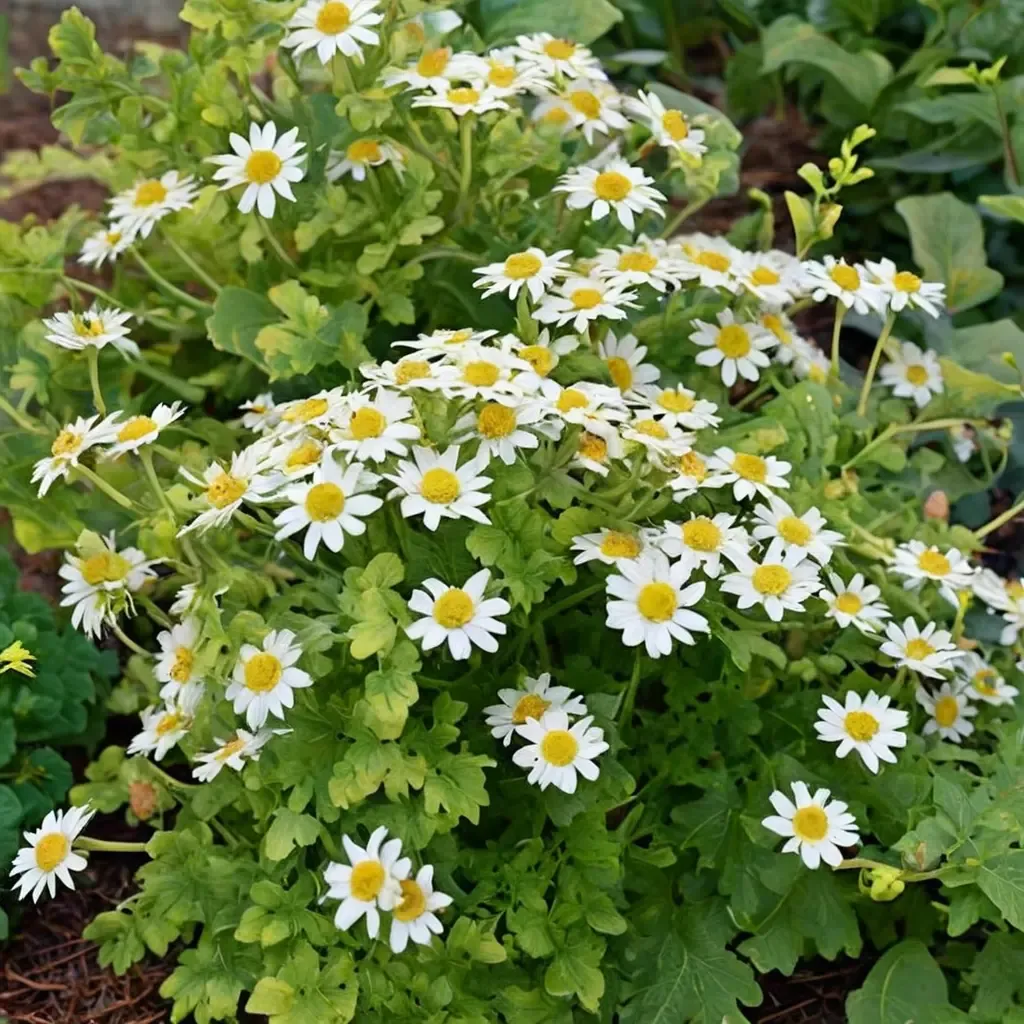
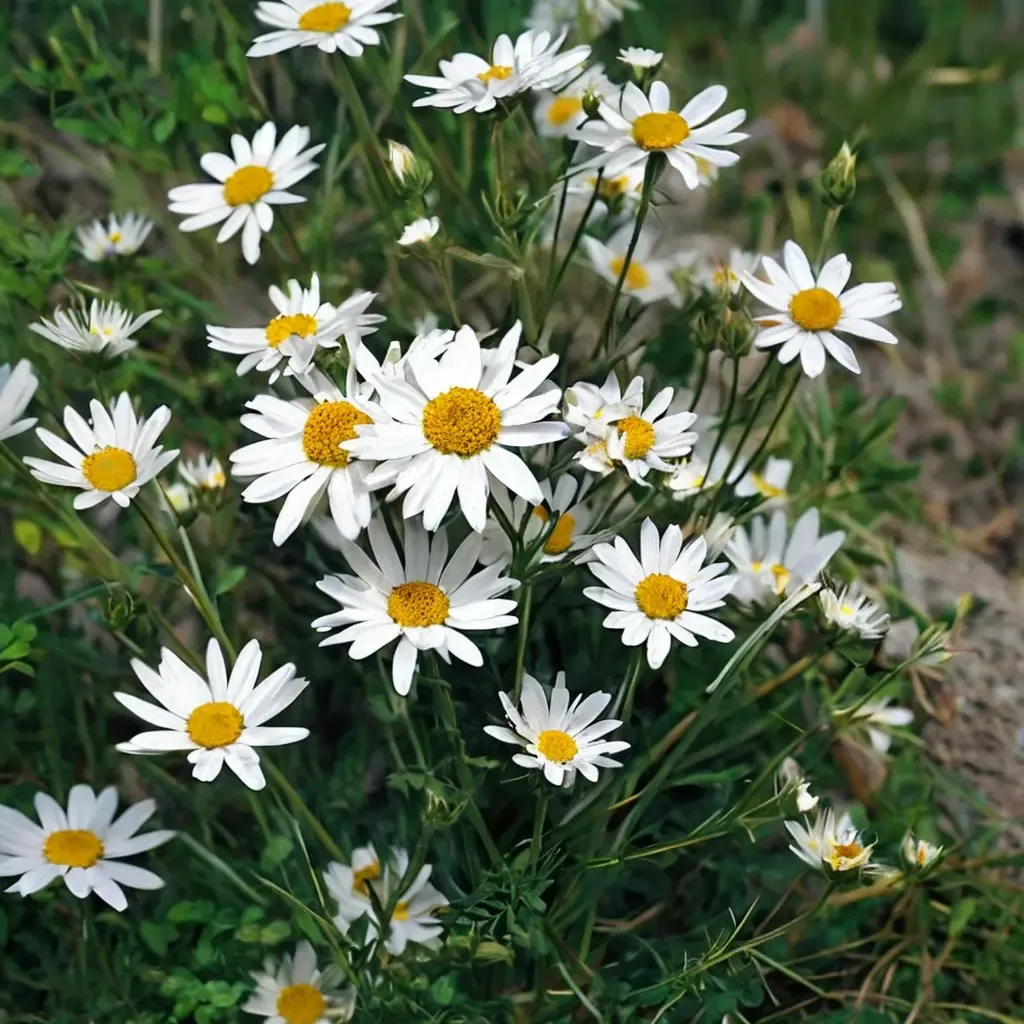
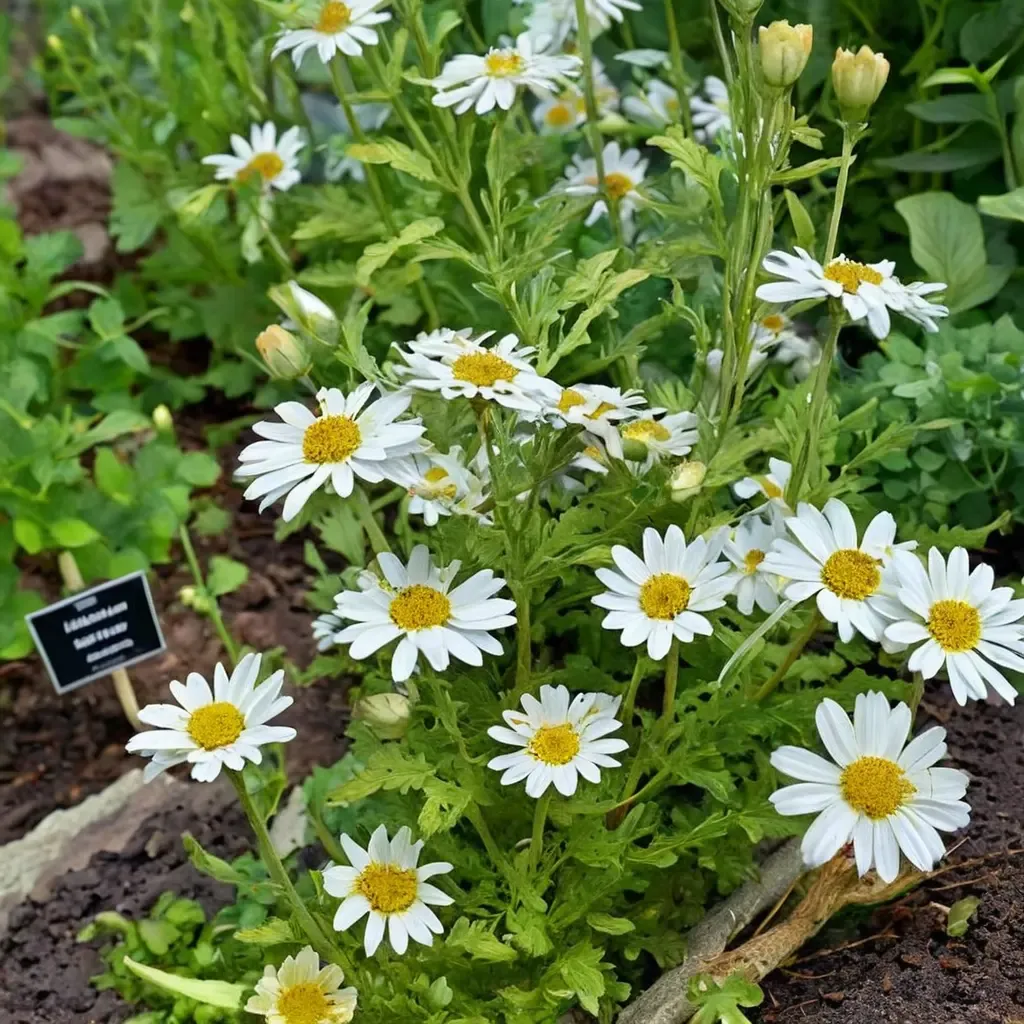
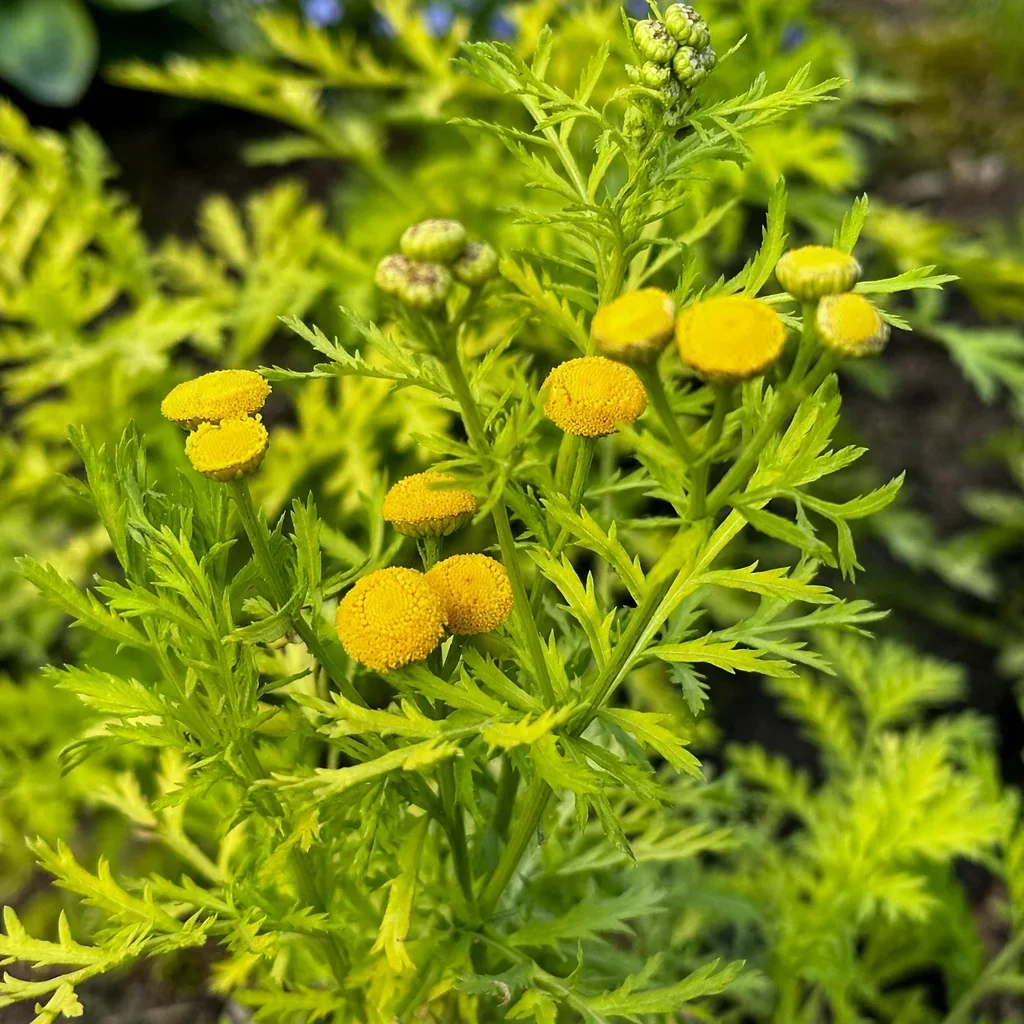
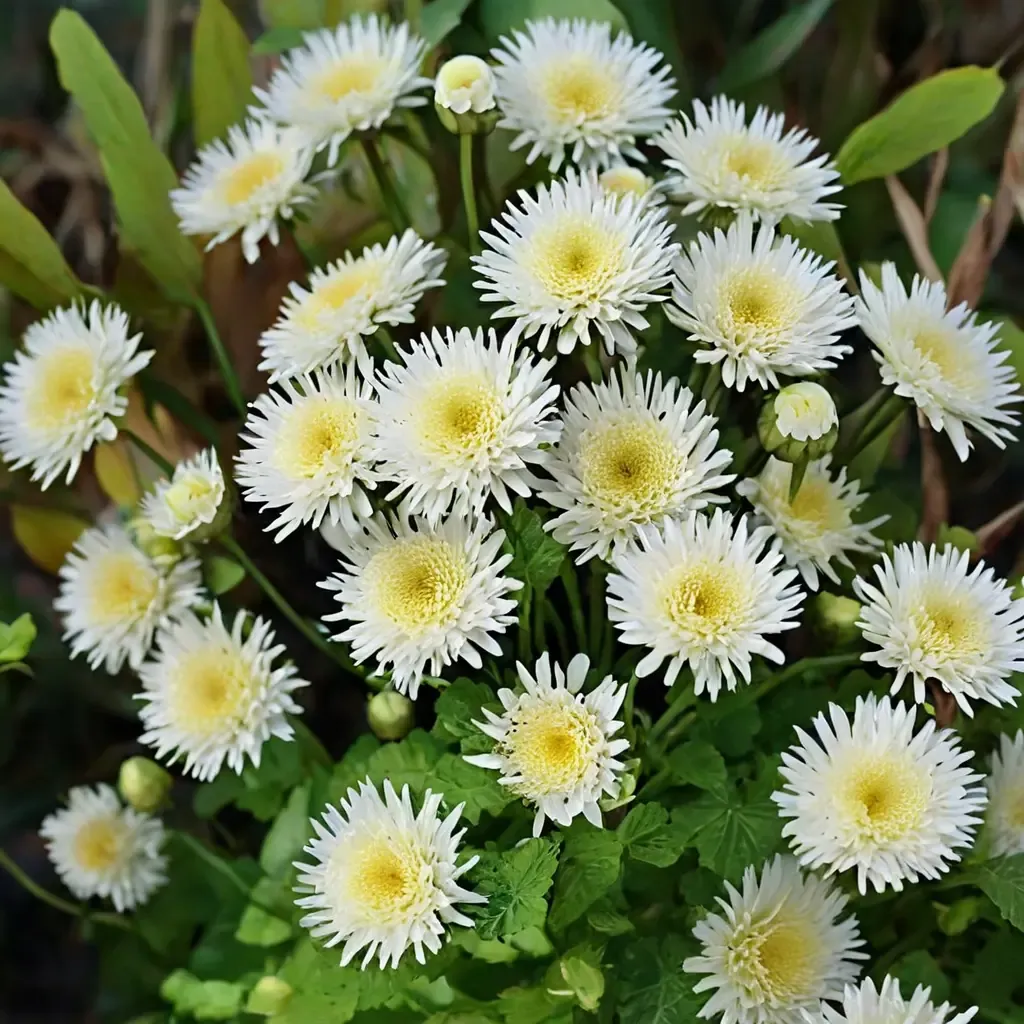

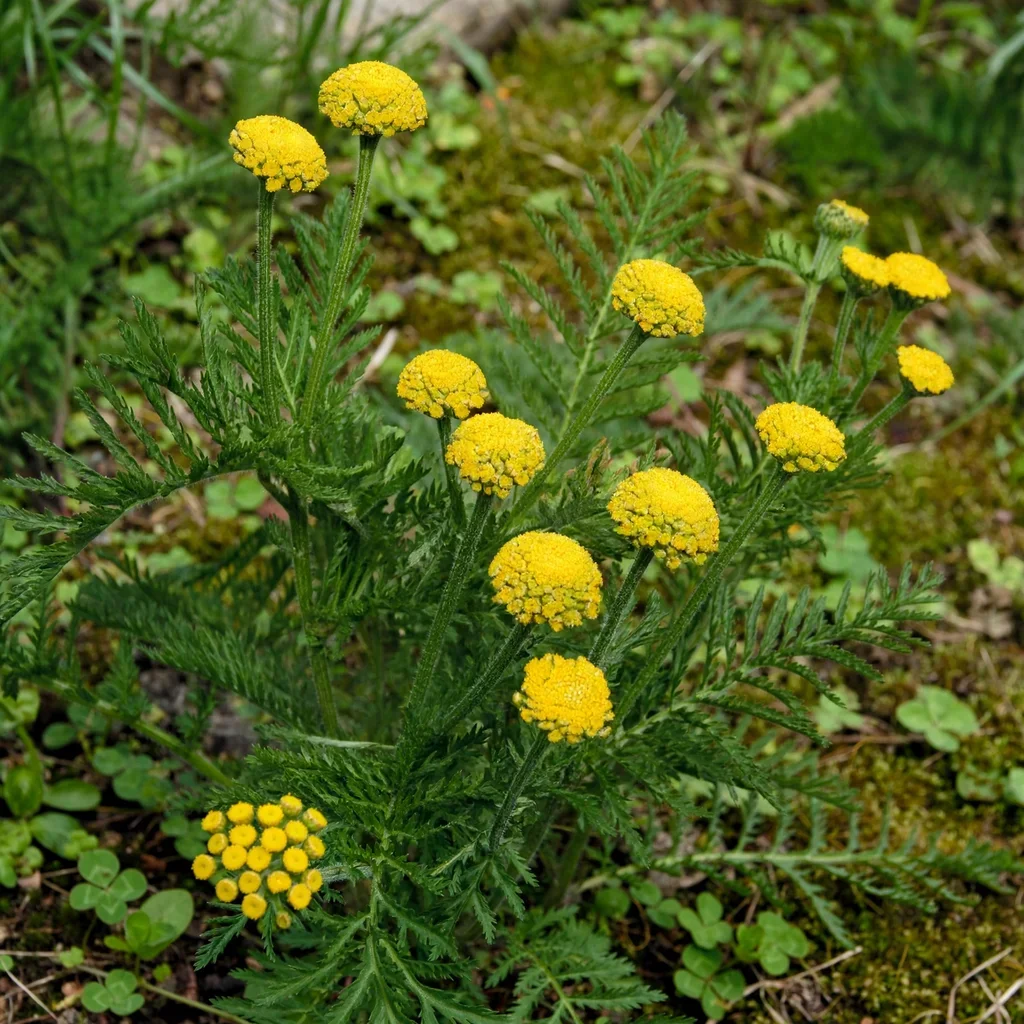
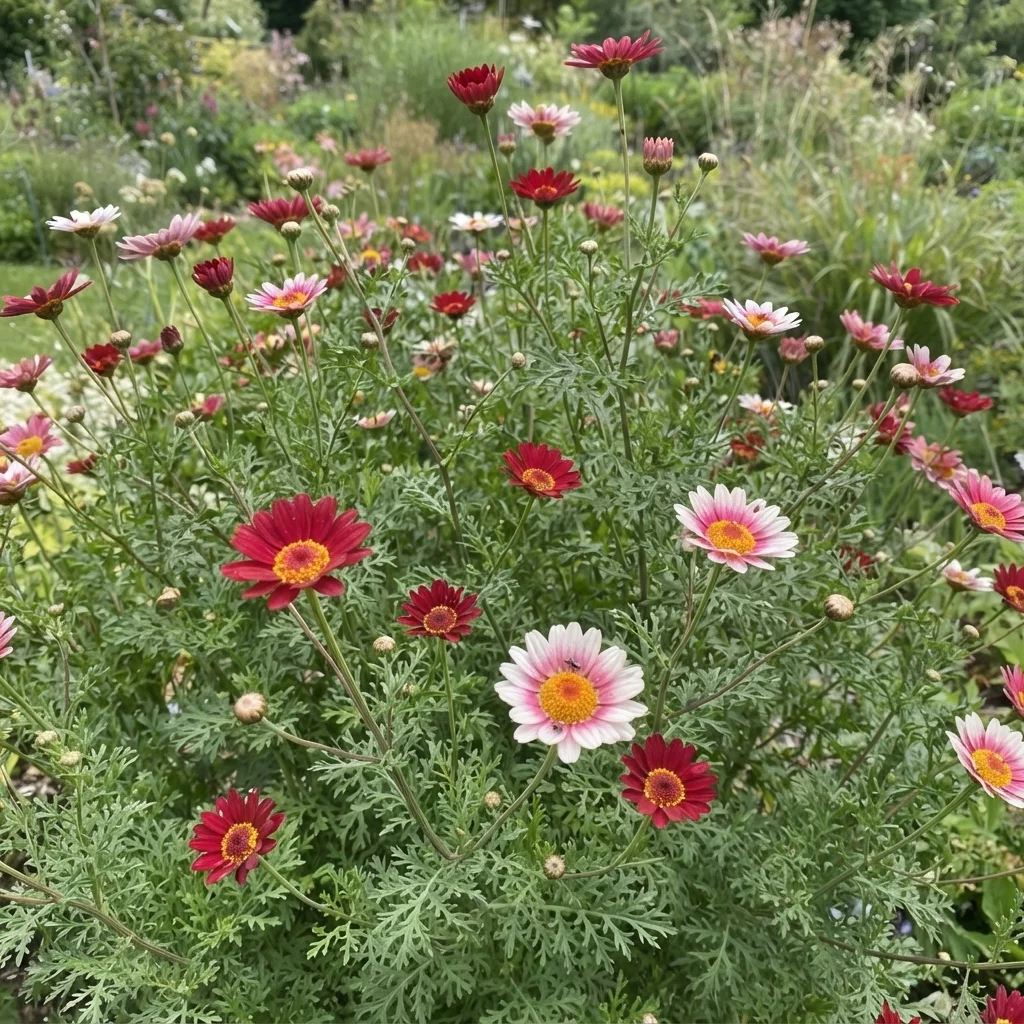
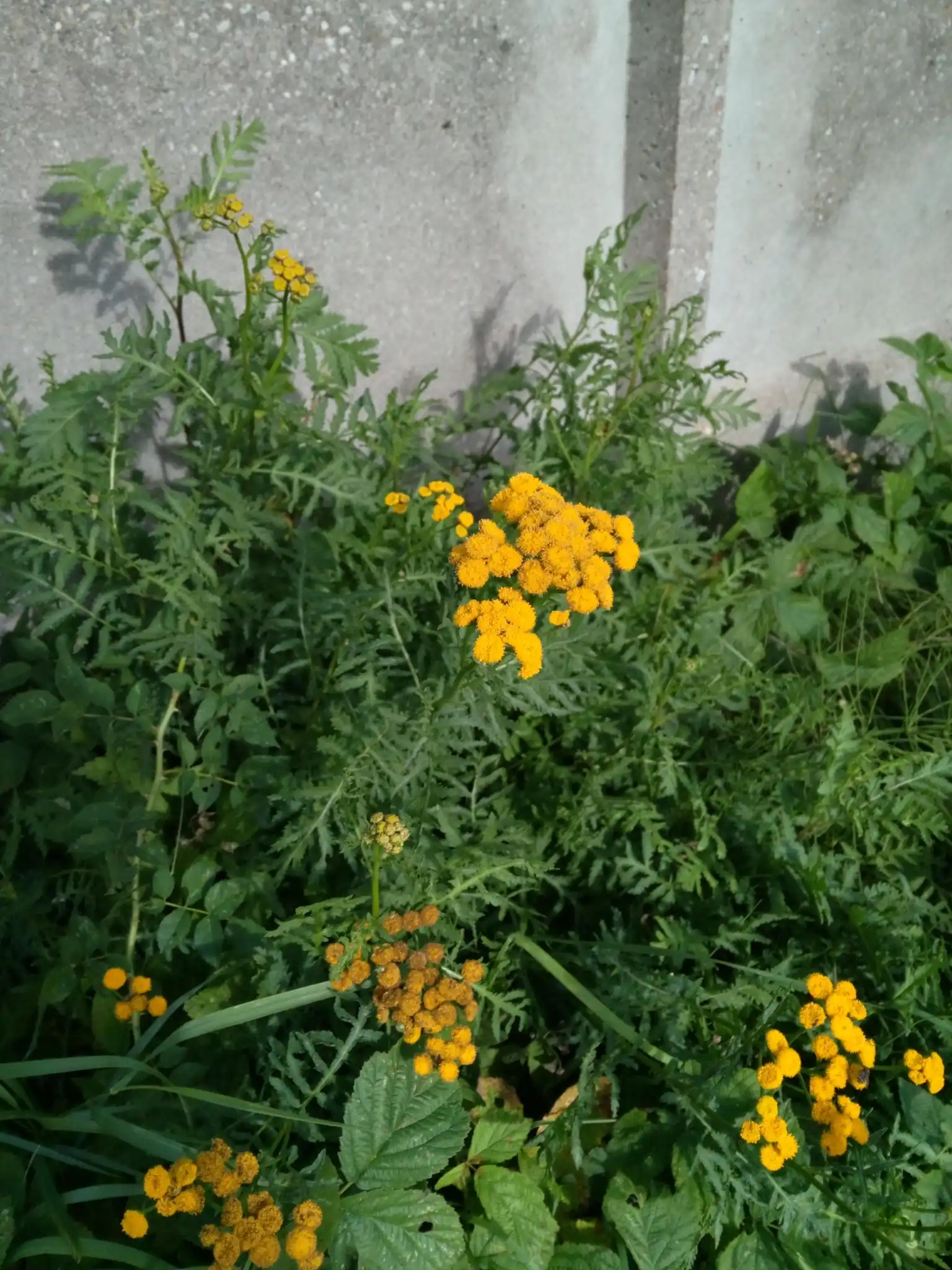
5 species of Tanacetum
Each one is a parent of the varieties above.
Track your Tanacetum in Sow
Save the Tanacetum you grow and get care reminders timed to your zone.
How to grow Tanacetum
Whats common across all Tanacetum varieties in our catalog — drawn from the care records of the 9 most-grown of them.
The Tanacetum year
- DeadheadJuly–September89% of varieties
Remove spent flowers to keep the plant tidy
- DivideApril67% of varieties
Divide large, crowded clumps every 3-4 years to refresh vigor
- Spring CleanupMarch and April44% of varieties
Cut back old, dead stems to the ground before new growth emerges
- PruneAugust44% of varieties
Shear back by half after first bloom flush to promote fresh foliage and rebloom.


Do
- Water regularly during dry spells 🌱
- Prune dead or damaged foliage to promote healthy growth
- Apply mulch annually to conserve moisture
- Ensure the plant receives at least 6 hours of direct sunlight daily 🌞
- Water deeply during dry spells to keep soil evenly moist
Avoid
- Avoid overwatering to prevent root rot ❌
- Do not fertilize late in the season to prevent weak new growth
- Refrain from neglecting pest monitoring
- Do not plant in heavy clay soil without amendments
What goes wrong with Tanacetum
| Problem | What you'll see | What to do |
|---|---|---|
| Aphids | Sticky residue and curled leaves | Spray with insecticidal soap or neem oil |
| Spider Mites | Fine webbing and speckled leaves | Use horticultural oil or miticides |
| Spider mites | Fine webbing on leaves and yellow stippling, especially during hot, dry weather. | Blast the foliage with a strong stream of water or apply insecticidal soap to the undersides of the leaves. |
| Generally pest-free | No significant insect damage is typical | Monitor only; NCSU rates it resistant to deer, drought and erosion |
| Powdery Mildew | White powder on leaves | Improve air circulation and apply fungicide |
| Powdery mildew | White powdery coating on leaves | Improve air circulation and apply sulfur fungicide |
| Root rot | Wilting, yellowing foliage and collapsing stems despite moist soil, with mushy, blackened roots. | Improve soil drainage immediately, reduce watering, and discard severely infected plants. |
Making more Tanacetum
Seed
- Tuck seeds into moist soil in early spring.
- Keep soil consistently moist for 2 weeks.
- Thin seedlings to prevent overcrowding.
Cuttings
- Take 4-inch softwood cuttings in late spring.
- Dip cuttings in rooting hormone.
- Plant in moist soil and keep in indirect sunlight for 6 weeks.
Tanacetum questions
How many types of Tanacetum are there?
The Sow catalog tracks 9 distinct Tanacetum varieties. The most popular — ranked by 284 real gardeners — are shown first above.
What zones does Tanacetum grow in?
Across its varieties, Tanacetum covers USDA Zones 4–9. Individual varieties differ — each plant page lists its exact range, and Sow filters the catalog to your zone automatically.
When does Tanacetum bloom?
Most Tanacetum varieties bloom in early summer, mid-summer, early to mid-summer. Staggering early, mid, and late varieties extends the genus's season in one bed.
Which Tanacetum should I choose?
Start from the most-saved varieties above — popularity across thousands of gardens is a strong signal of reliability — then filter by your zone and sun. In the Sow app you can preview any of them in a photo of your actual yard before you buy.