The Story
Plant Bio
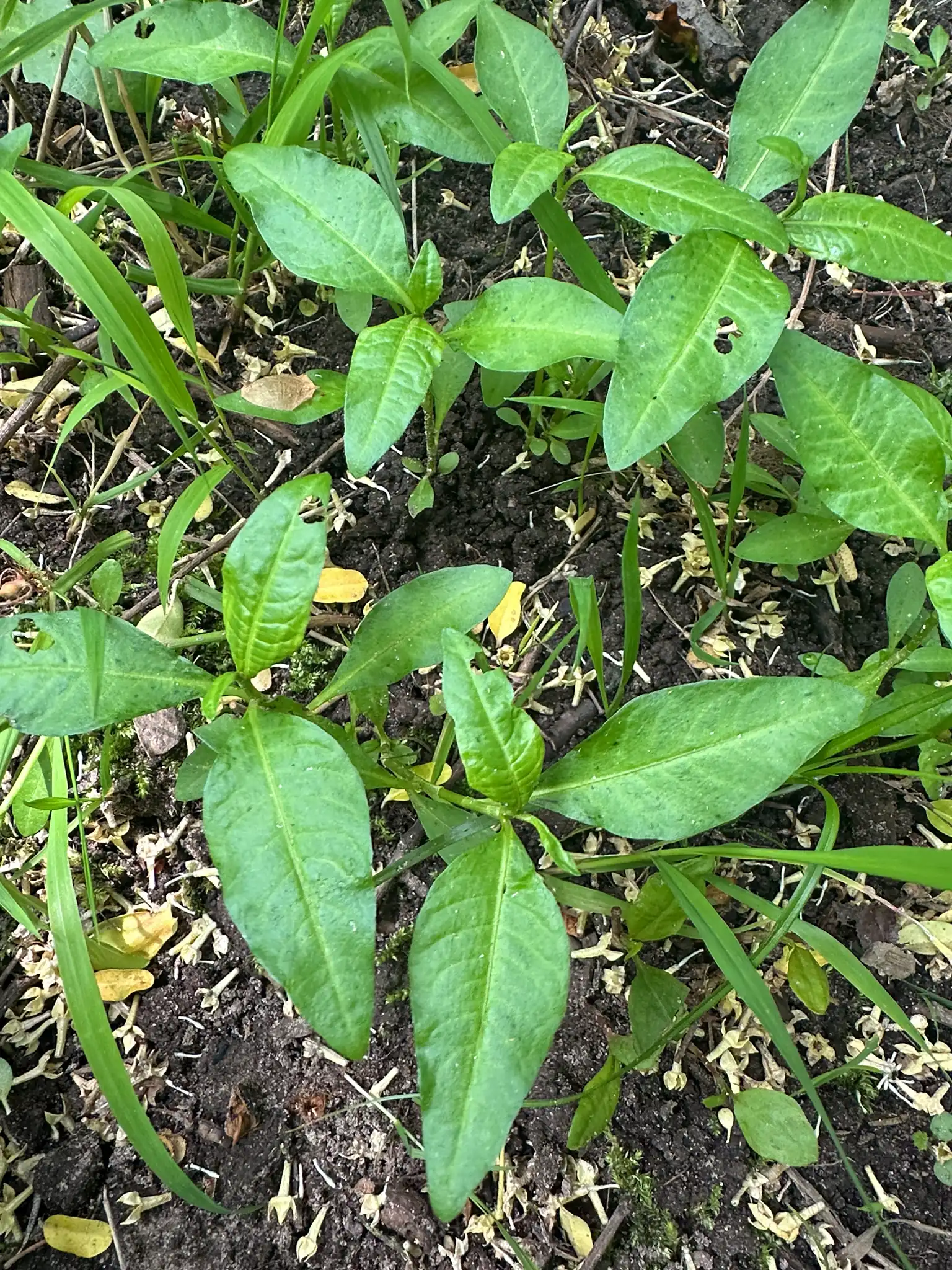
Persicaria pensylvanica is an upright to sprawling summer annual herb native to moist, disturbed habitats and wetlands across North America. The plant features lanceolate leaves on branching stems with characteristic swollen nodes.
This species produces dense, upright terminal spikes of tightly packed pink, rose, or white flowers on glandular stalks. It is distinguished from similar smartweeds by its lack of a prominent bristle fringe at the summit of the sheathing stipules.
Uses & Benefits:
Essentials
At a Glance
Plant Type
Annual
Height
48"
Width
24"
Light
Full Sun, Partial Sun
Zones
4, 5, 6, 7, 8
Water
High
Humidity
High
Lifespan
Annual
Native To
North America
Toxicity
Skin Irritant
Bloom period
Summer – Autumn
In flower about 6 months of the year
Planting
How to Grow
- Sow seeds directly onto moist, disturbed soil in full sun to partial shade during spring.
- Maintain consistent soil moisture, as seedlings thrive in damp floodplains, clay, or silt.
- Allow the plants to flower and set seed naturally through summer and fall to ensure next year's crop.
- Monitor the area in subsequent springs to manage self-sown seedlings and prevent unwanted spreading.
Pro Tip
To distinguish this species from the invasive lady's-thumb, check the sheathing stipule at the leaf node; this native species lacks a fringe of long bristles and features glandular hairs on the flower stalks.
Keep It Thriving
Care Guide
Do
- Sow seeds in consistently moist, rich soils or wetland margins.
- Provide full sun to partial shade to maximize flower spike production.
- Allow the annual plants to die back naturally after a hard freeze.
Don't
- Do not apply supplemental fertilizers, as the plant thrives in unamended soils.
- Do not allow the soil to dry out completely during prolonged dry spells.
- Do not handle the sap without gloves if you have sensitive skin, as it can cause minor irritation.
Seasonal Care Calendar
| Task | Jan | Feb | Mar | Apr | May | Jun | Jul | Aug | Sep | Oct | Nov | Dec |
|---|---|---|---|---|---|---|---|---|---|---|---|---|
| Pest Check | ||||||||||||
| Plant | ||||||||||||
| Propagate | ||||||||||||
| Spring Cleanup |
Watch Out For
Pests & Diseases
Common Pests
Common Diseases
In the Garden
Landscape Uses & Companions
Landscape Uses
Companion Plants
Multiply
Propagation Methods
Good to Know
Common Questions
Pennsylvania Smartweed questions
What zones can Pennsylvania Smartweed grow in?
Pennsylvania Smartweed is hardy in USDA Zones 4–8. Inside that range it survives winter in the ground; outside it, grow it as an annual or a container plant you protect.
When does Pennsylvania Smartweed bloom?
Pennsylvania Smartweed typically blooms in summer through autumn. Exact timing shifts a week or two with your zone — Sow's bloom calendar maps it to your garden.
Does Pennsylvania Smartweed need full sun?
Pennsylvania Smartweed does best in full sun to part shade. In hot climates, afternoon shade keeps blooms fresher longer.
More Persicaria to compare
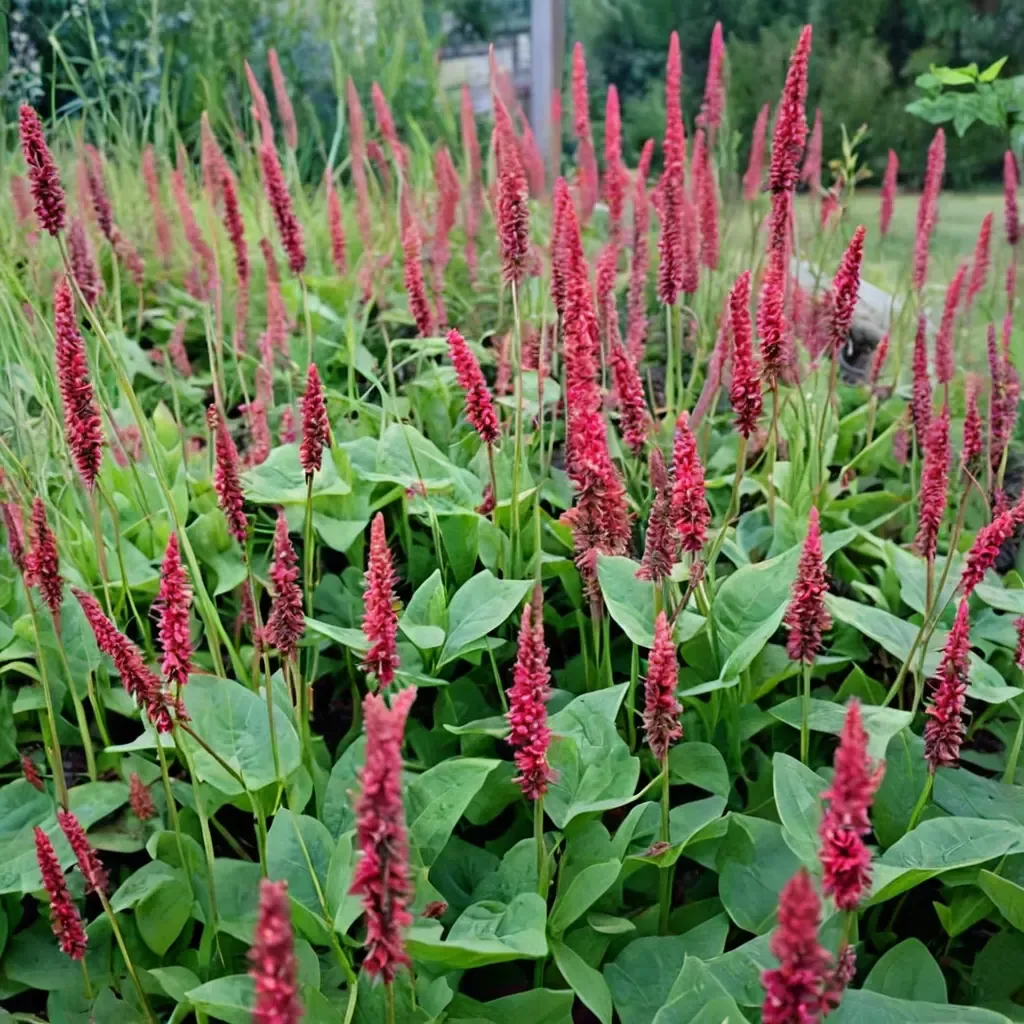
Mountain Fleece Chinese Fleeceflower
Persicaria amplexicaulis
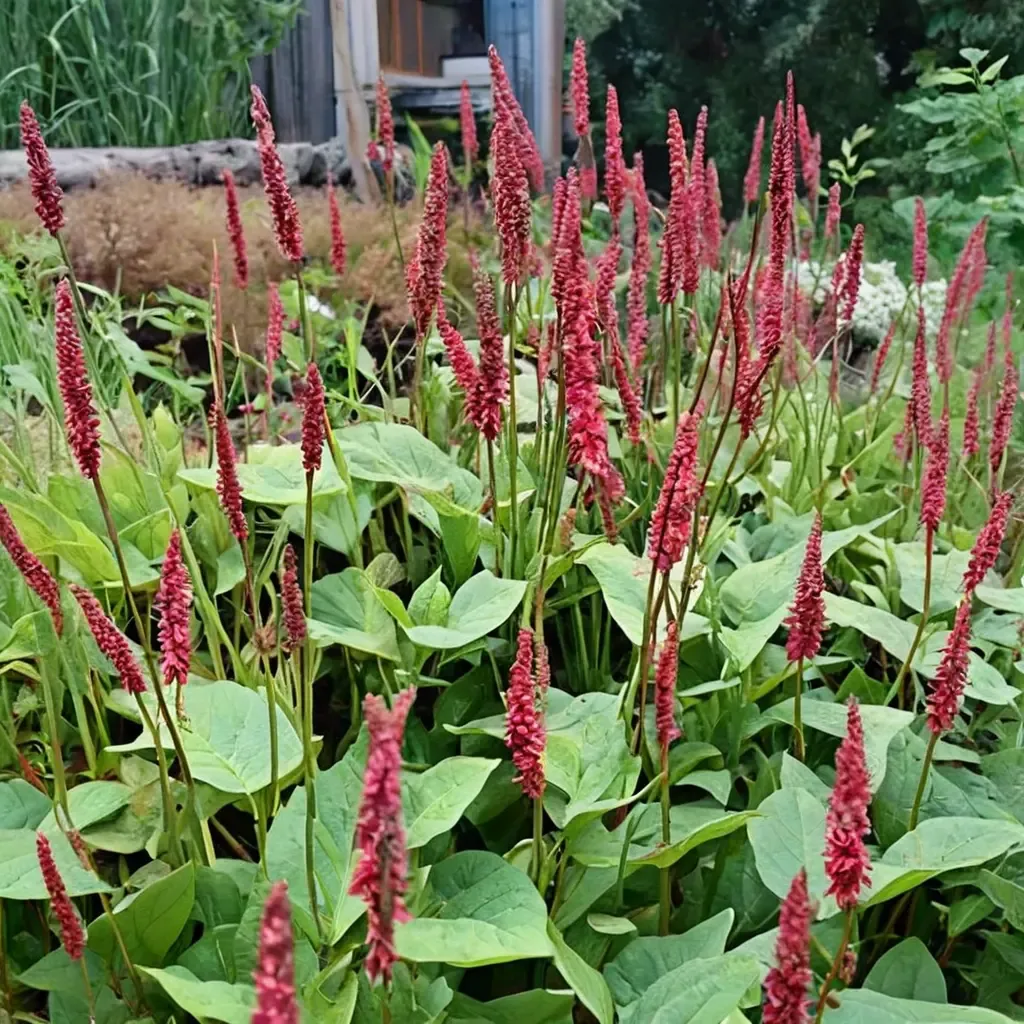
Mountain Fleece 'Firetail'
Persicaria amplexicaulis 'Firetail'
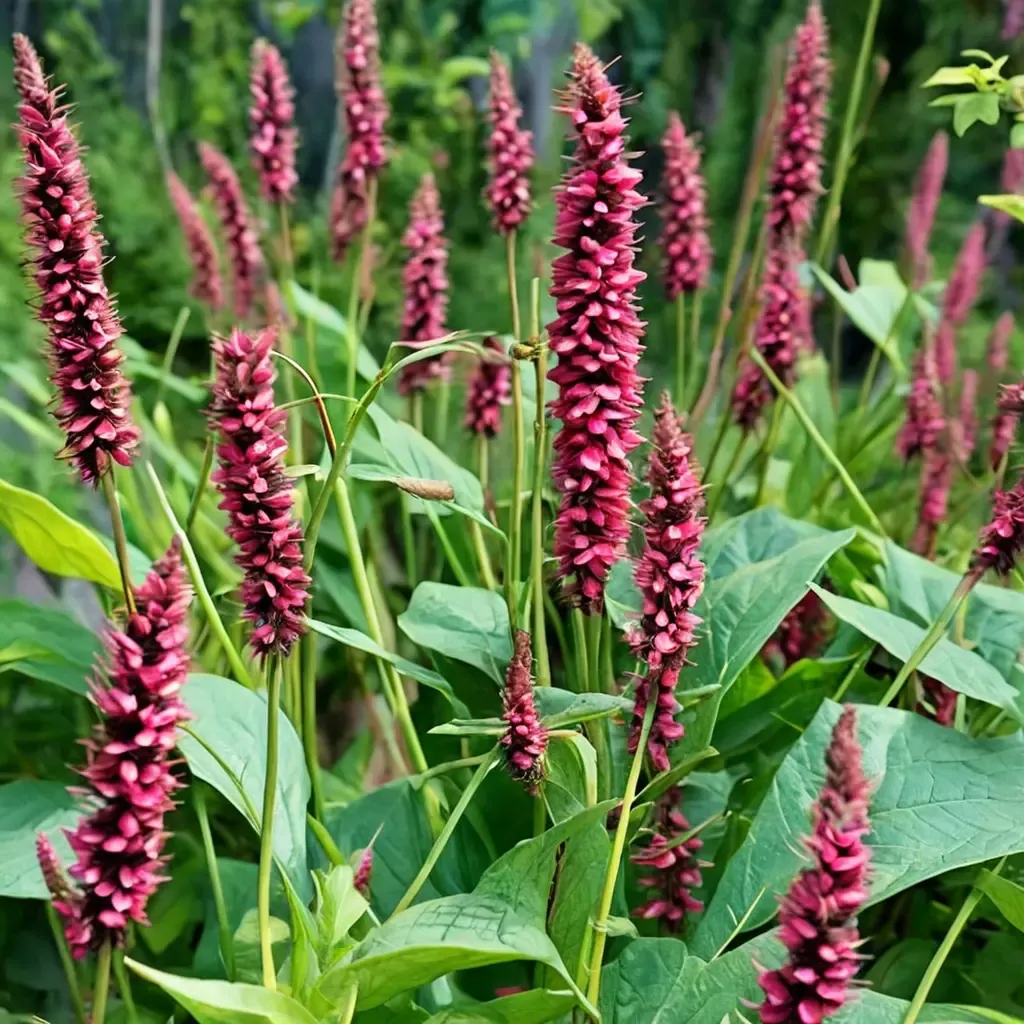
Taurus Mountain Fleece
Persicaria amplexicaulis 'Taurus'
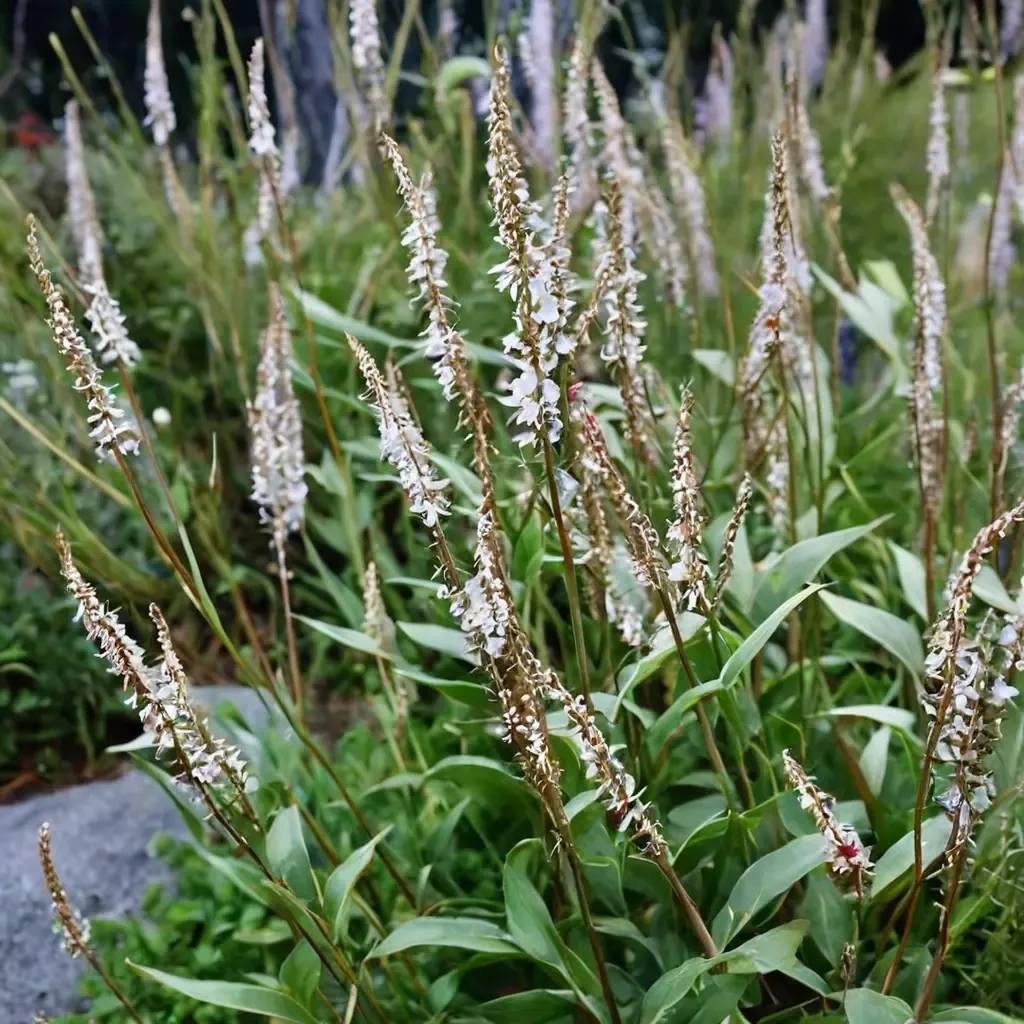
White Mountain Knotweed
Persicaria amplexicaulis 'Alba'
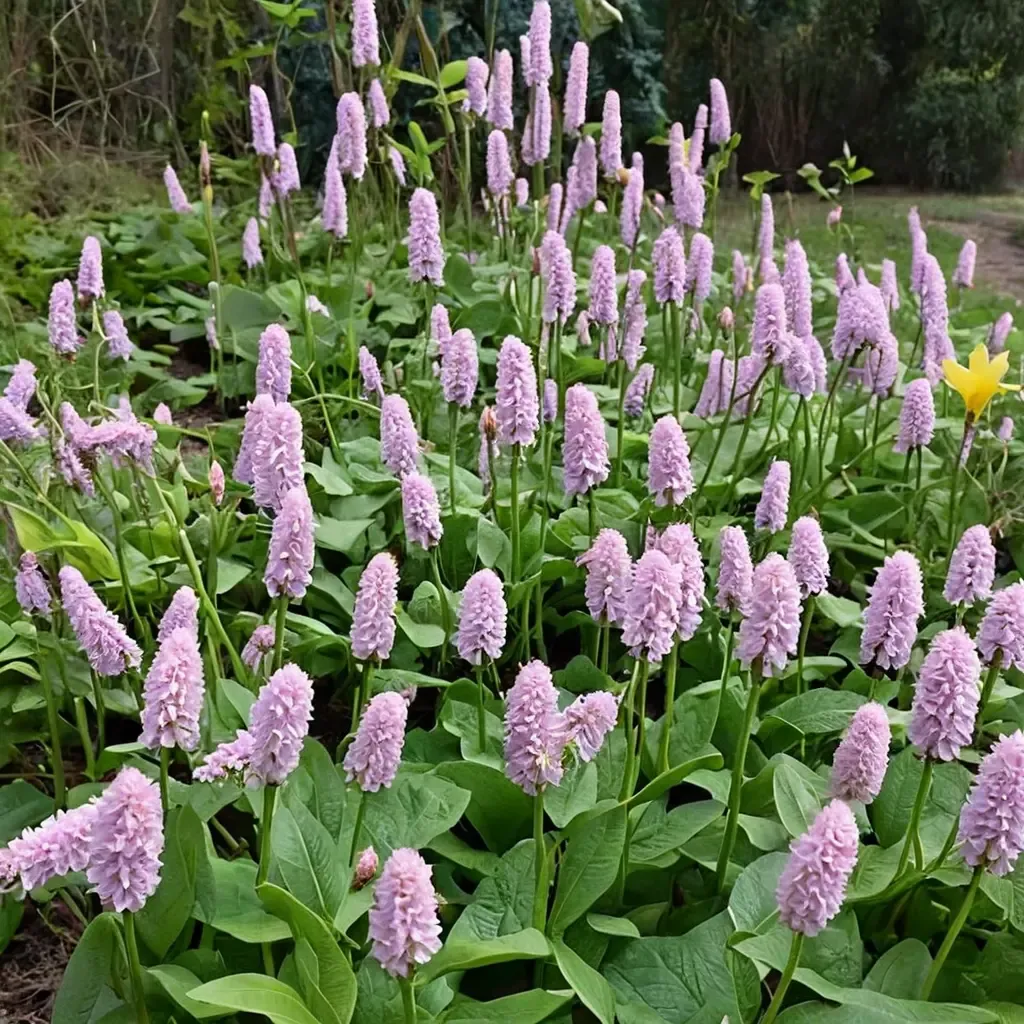
Superba bistort
Persicaria bistorta 'Superba'
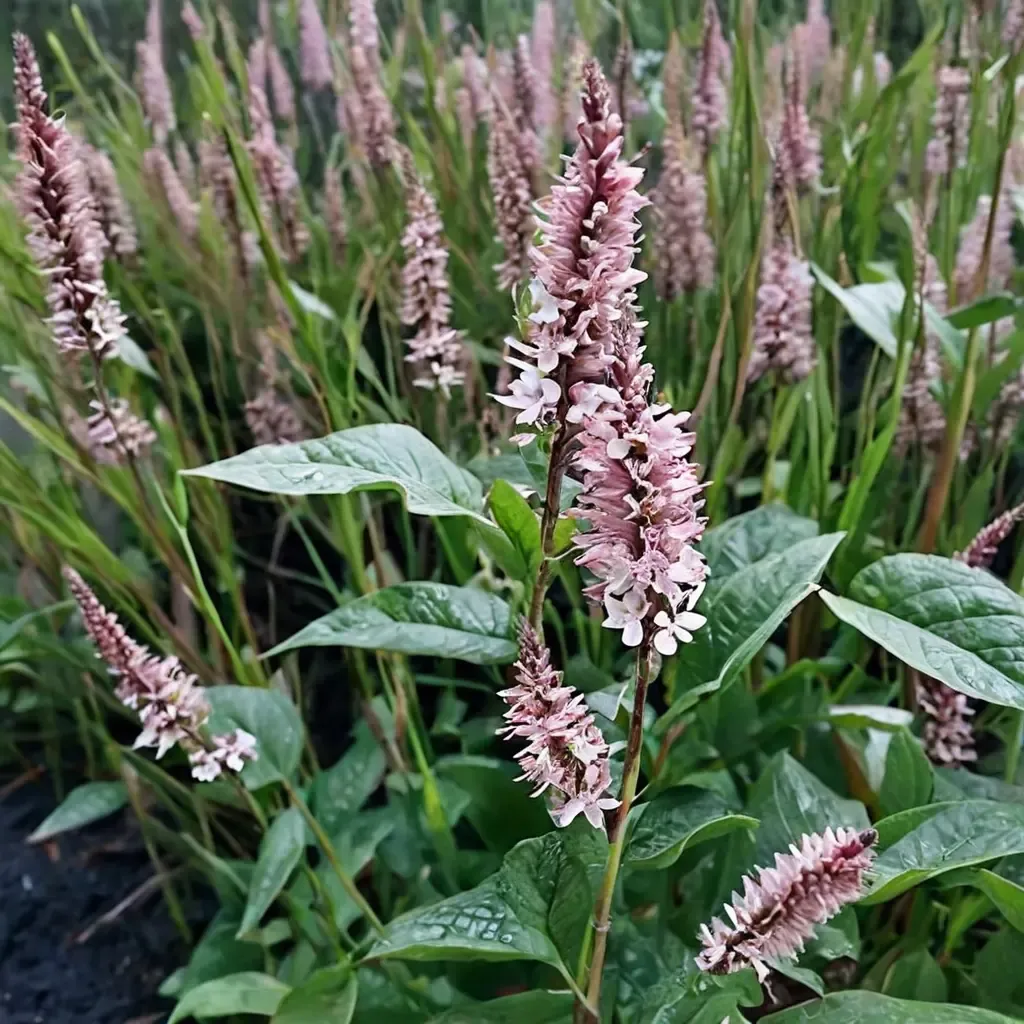
Rosea Mountain Fleece
Persicaria amplexicaulis 'Rosea'
Keep exploring
Explore the genus
Hardy in your zone?
Grow Pennsylvania Smartweed with confidence
See it in a design of your actual yard, get zone-matched care reminders, and track it season by season in your garden journal.