The Story
Plant Bio
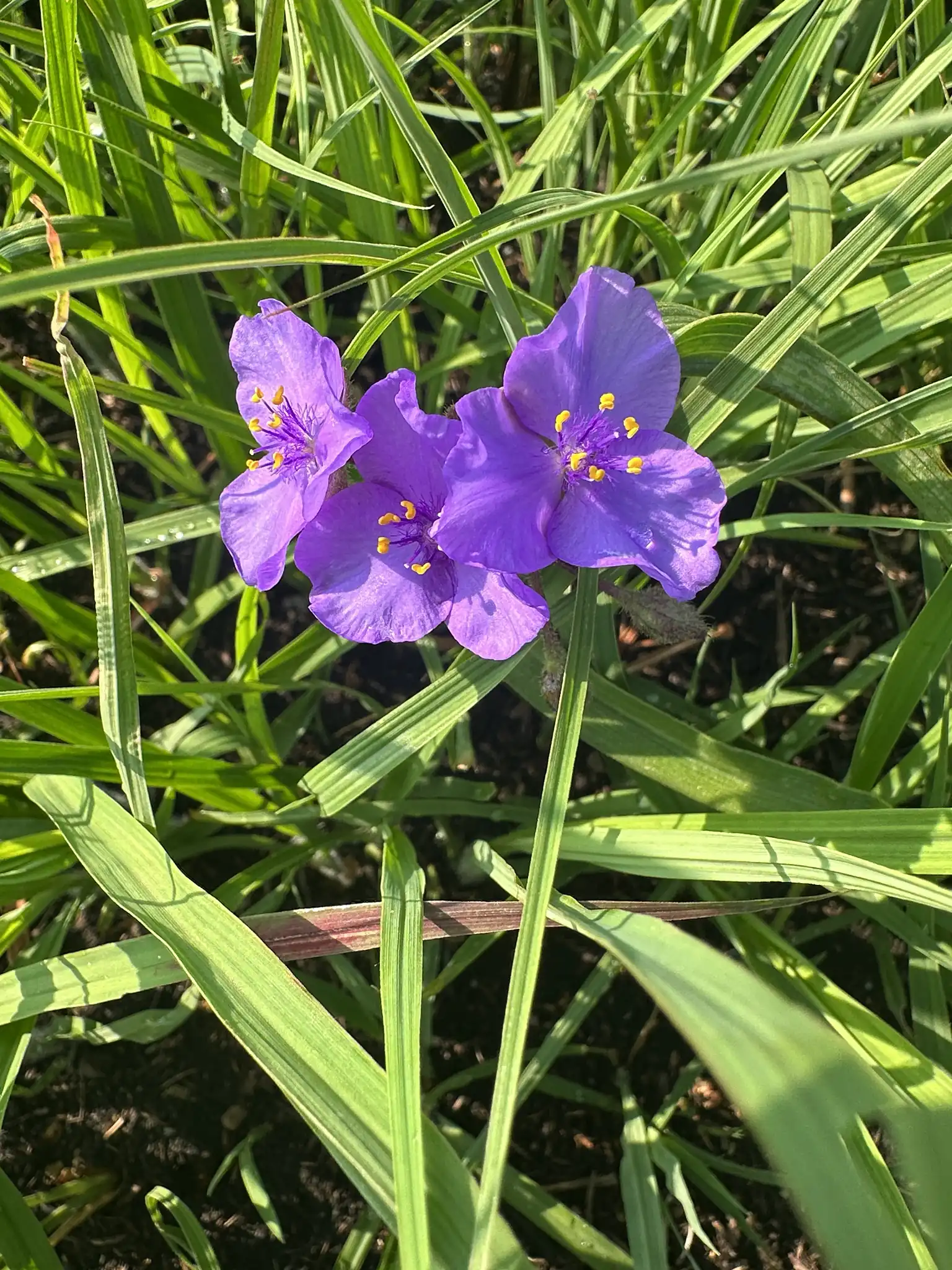
Tradescantia bracteata is a clump-forming herbaceous perennial native to the central and northern Great Plains and Mississippi Valley. It features arching, grass-like dark green leaves with central grooves and terminal clusters of three-petaled flowers accented by bright yellow stamens.
Distinguished from other spiderworts by its prominent leaf-like floral bracts and lower, more compact habit, this species rarely exceeds eighteen inches in height. Individual flowers open for only one morning, but successional buds sustain a flowering display from late spring into summer.
Uses & Benefits:
Essentials
At a Glance
Plant Type
Perennial
Height
18"
Width
24"
Light
Full Sun, Partial Sun
Zones
4, 5, 6, 7, 8
Water
Low to Medium
Humidity
Moderate
Lifespan
Perennial
Native To
Central North America
Toxicity
Non-toxic; sap may irritate skin
Bloom period
Late spring – Early summer
In flower about 2 months of the year
Planting
How to Grow
- Select a site in full sun to partial shade with dry to medium, well-drained soil.
- Space plants 12 to 24 inches apart to allow room for the mounding clump to expand.
- Water thoroughly at planting and supply occasional water until roots establish.
- Shear foliage back to basal growth in midsummer after the main flowering flush ends.
Pro Tip
Plant in lean, well-drained soil in full sun and cut stems back to the ground immediately after the primary bloom to prevent flopping and encourage fresh fall foliage.
Keep It Thriving
Care Guide
Do
- Grow in lean or gritty soil to maintain strong, upright stems.
- Cut back sprawling stems post-flowering to induce clean fresh leaves.
- Divide overcrowded clumps every three to four years in early spring.
Don't
- Do not apply high-nitrogen fertilizers, which cause stems to become weak and flop.
- Do not plant in soggy or poorly drained sites prone to standing water.
Seasonal Care Calendar
| Task | Jan | Feb | Mar | Apr | May | Jun | Jul | Aug | Sep | Oct | Nov | Dec |
|---|---|---|---|---|---|---|---|---|---|---|---|---|
| Divide | ||||||||||||
| Pest Check | ||||||||||||
| Prune | ||||||||||||
| Spring Cleanup |
Watch Out For
Pests & Diseases
Common Pests
Common Diseases
In the Garden
Landscape Uses & Companions
Landscape Uses
Multiply
Propagation Methods
Good to Know
Common Questions
Prairie Spiderwort questions
What zones can Prairie Spiderwort grow in?
Prairie Spiderwort is hardy in USDA Zones 4–8. Inside that range it survives winter in the ground; outside it, grow it as an annual or a container plant you protect.
Is Prairie Spiderwort deer resistant?
Yes — Prairie Spiderwort is rated deer-resistant. Deer typically pass it over, though extreme hunger can override any plant's defenses.
When does Prairie Spiderwort bloom?
Prairie Spiderwort typically blooms in late spring through early summer. Exact timing shifts a week or two with your zone — Sow's bloom calendar maps it to your garden.
Does Prairie Spiderwort need full sun?
Prairie Spiderwort does best in full sun to part shade. In hot climates, afternoon shade keeps blooms fresher longer.
Is Prairie Spiderwort drought tolerant?
Yes — once established (usually after the first full season), Prairie Spiderwort handles dry spells with minimal watering. Water deeply its first year to build the root system that makes that possible.
More Tradescantia to compare
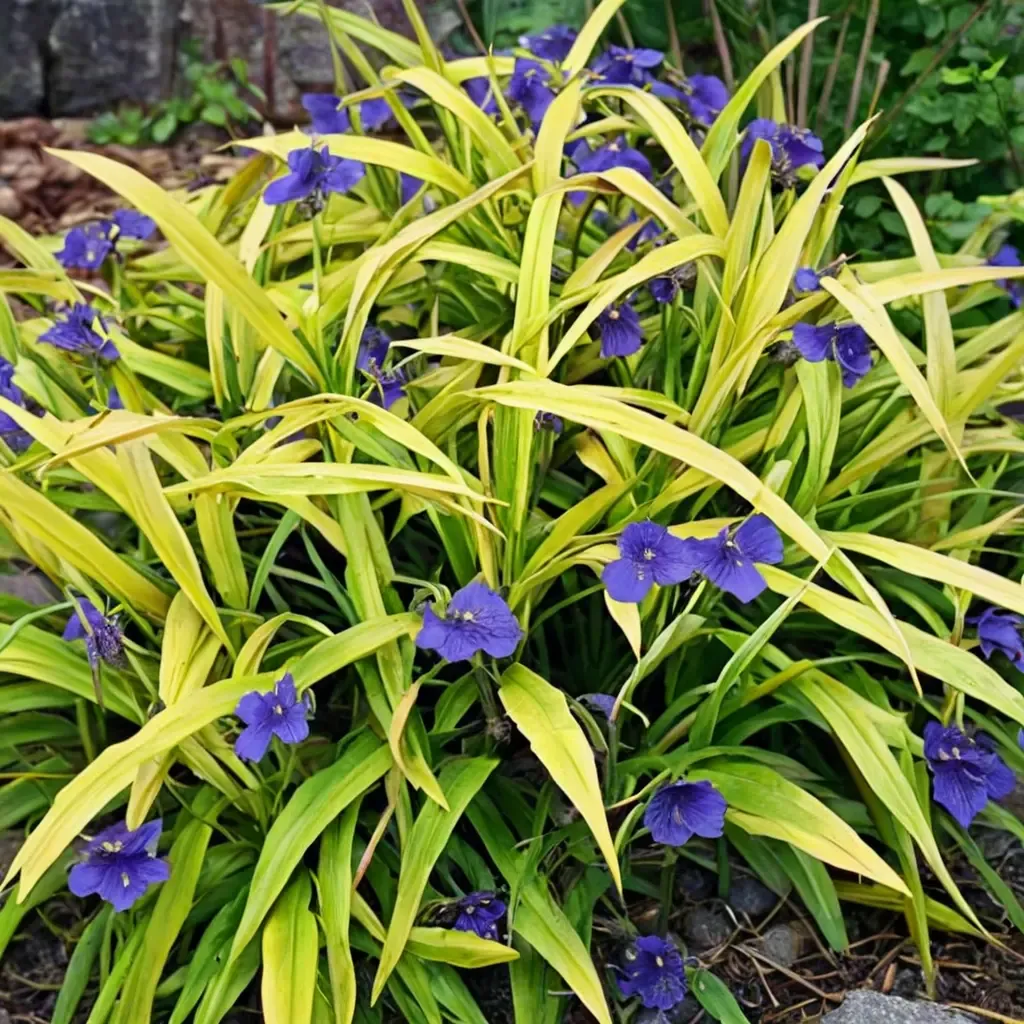
Sweet Kate Spiderwort
Tradescantia occidentalis 'Sweet Kate'
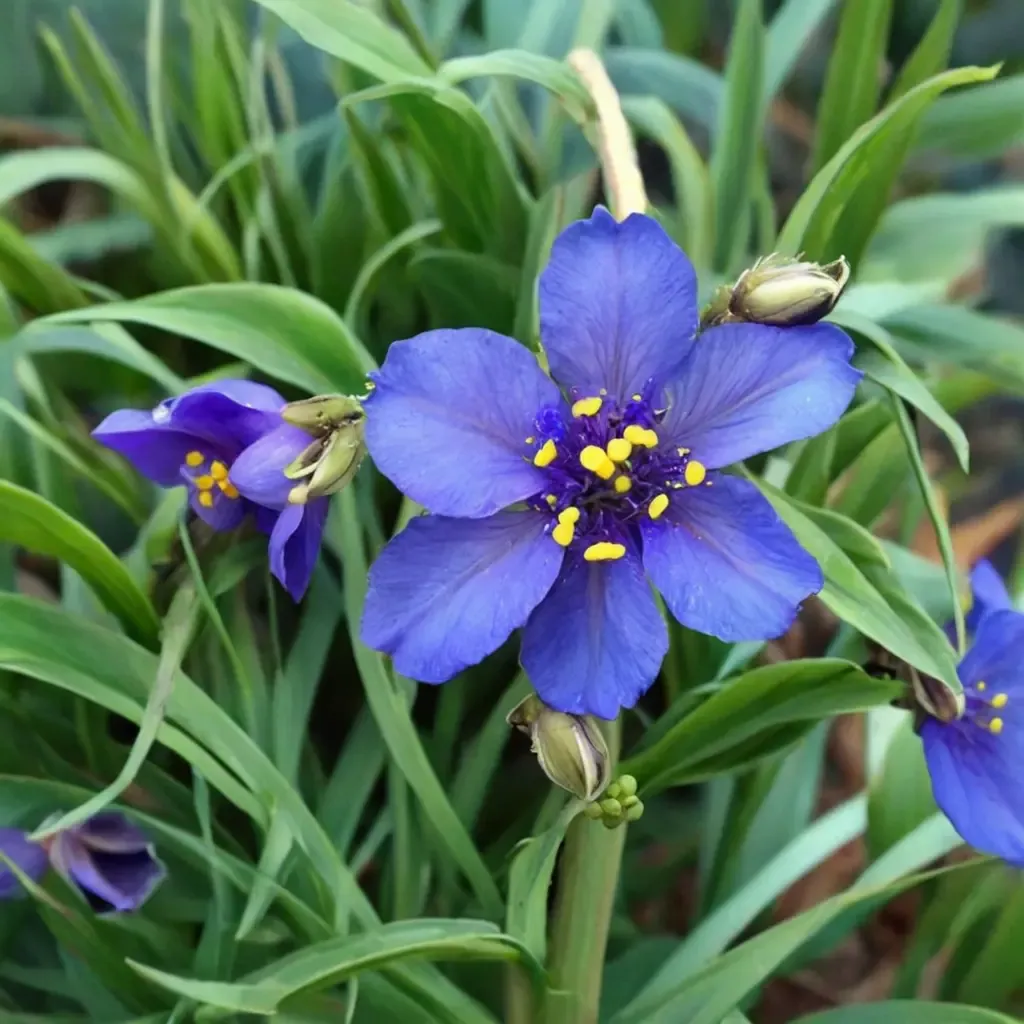
Virginia Spiderwort
Tradescantia virginiana
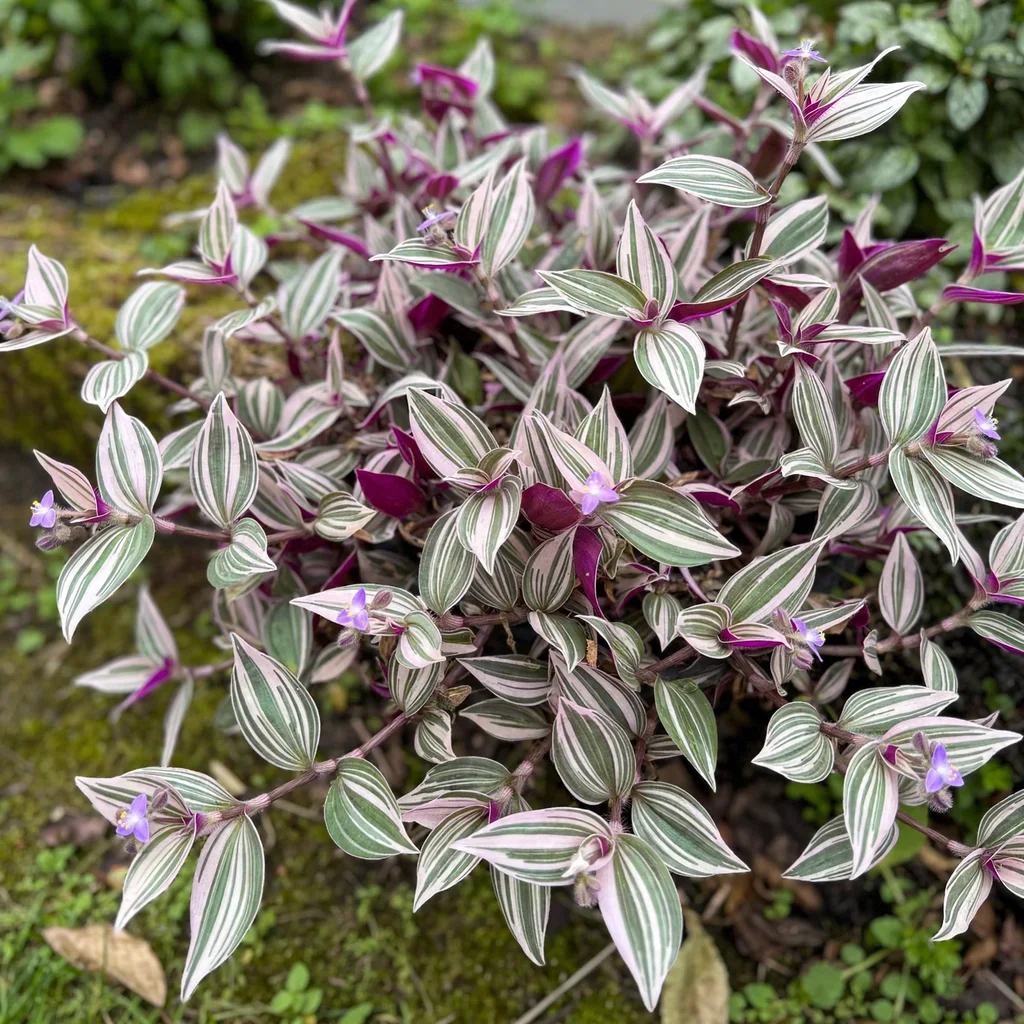
Variegated Wandering Jew
Tradescantia pallida 'Variegata'
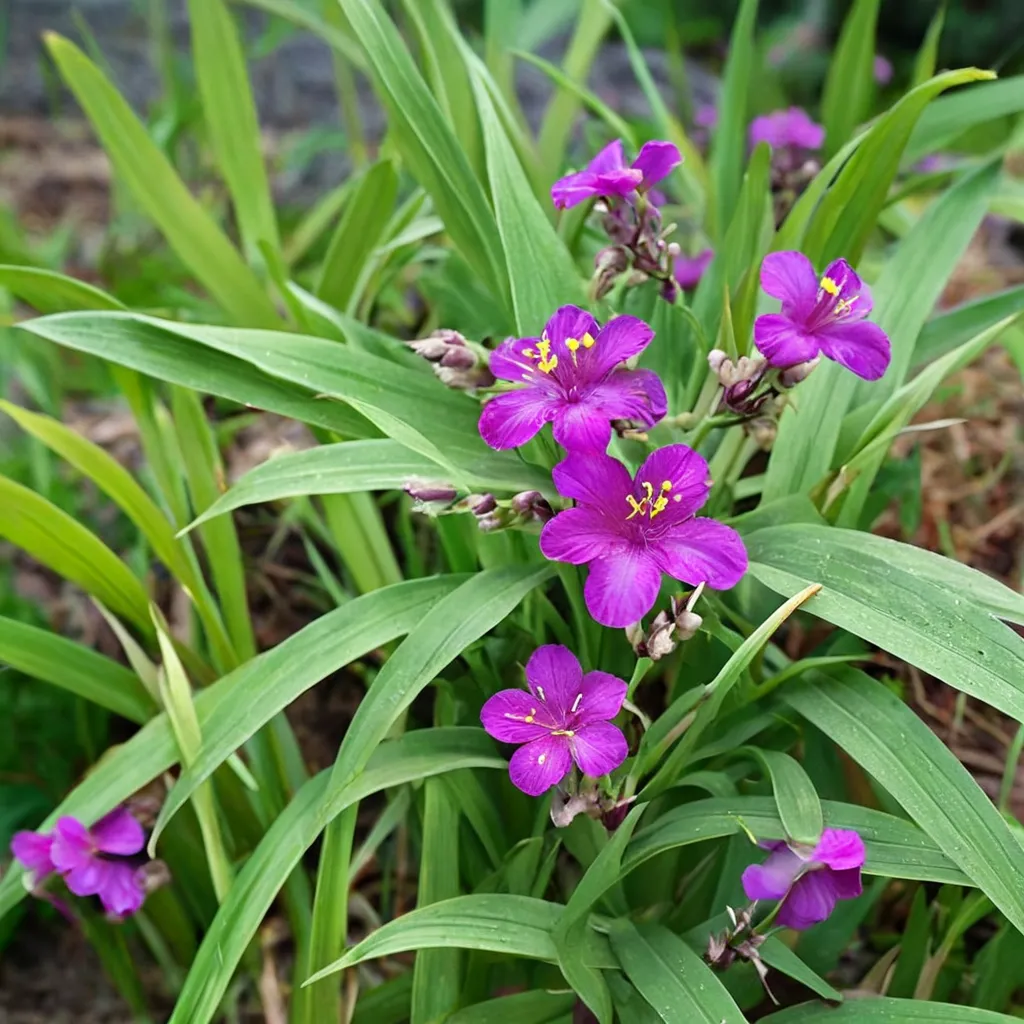
Carmine Glow Spiderwort
Tradescantia x andersoniana 'Karminglut'
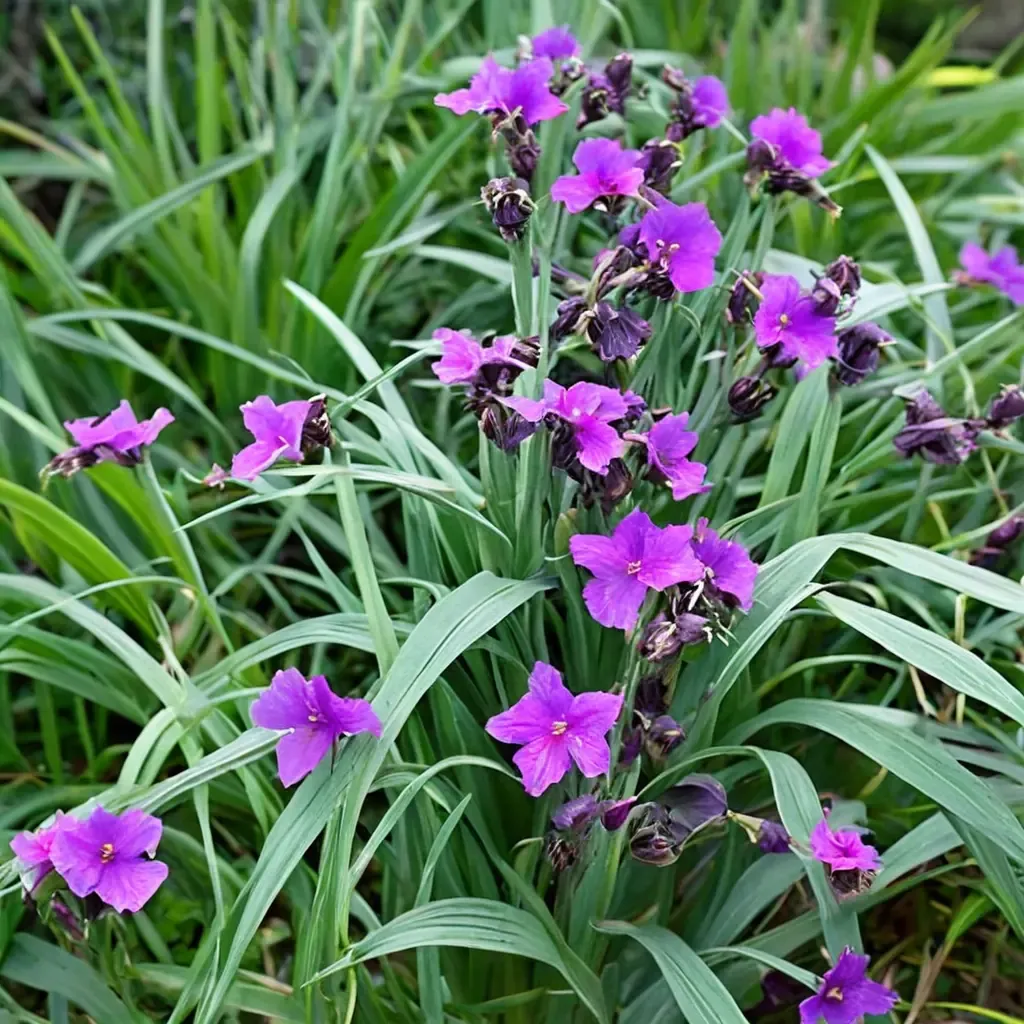
Concord Grape Spiderwort
Tradescantia x andersoniana 'Concord Grape'
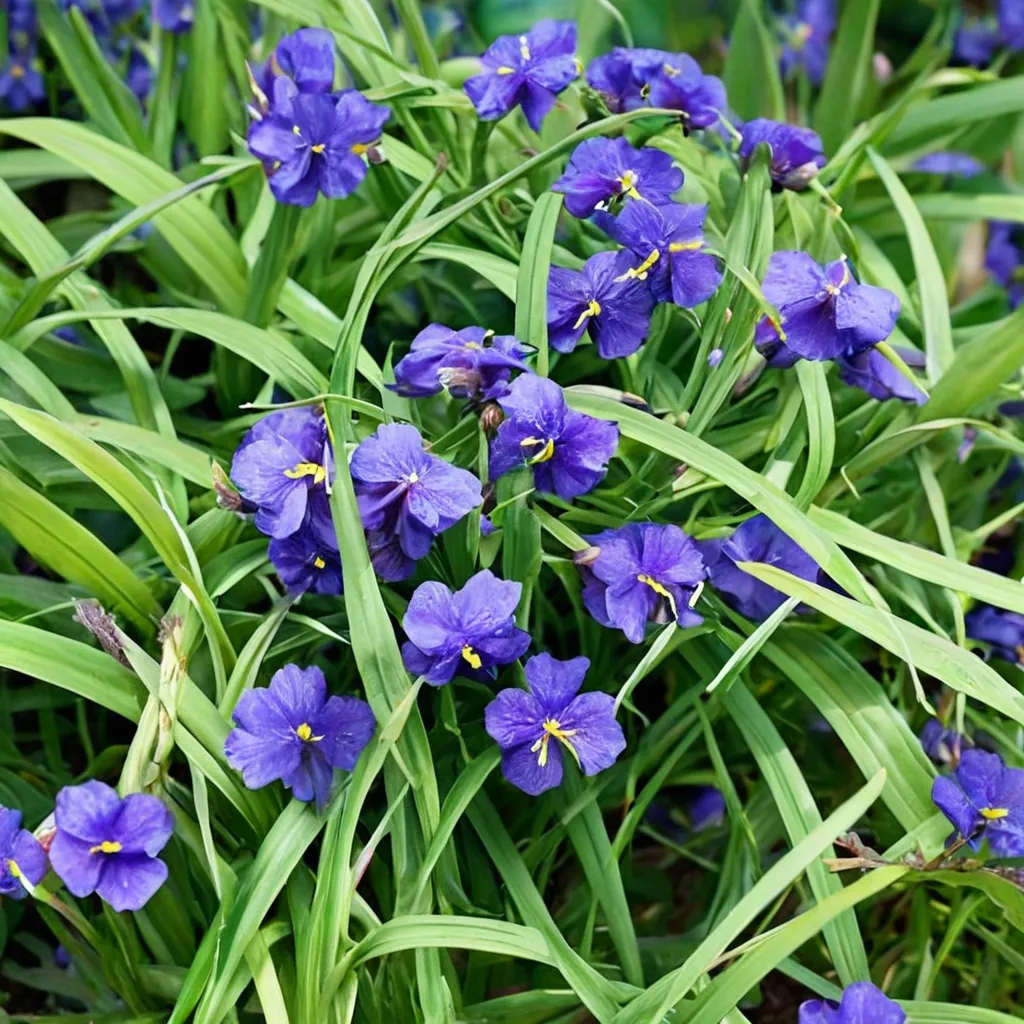
Leonora Spiderwort
Tradescantia x andersoniana 'Leonora'
Keep exploring
Explore the genus
Hardy in your zone?
Grow Prairie Spiderwort with confidence
See it in a design of your actual yard, get zone-matched care reminders, and track it season by season in your garden journal.