



The Story
Plant Bio
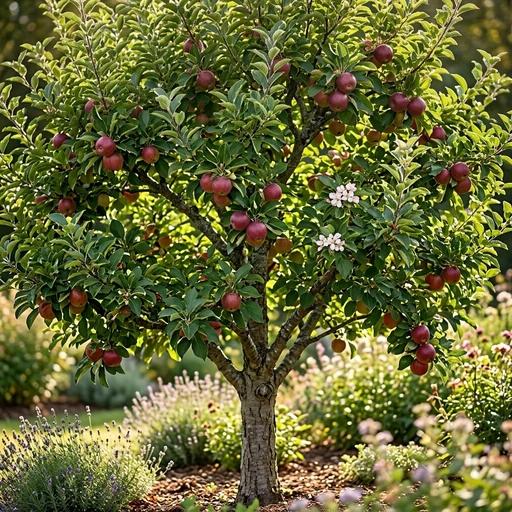
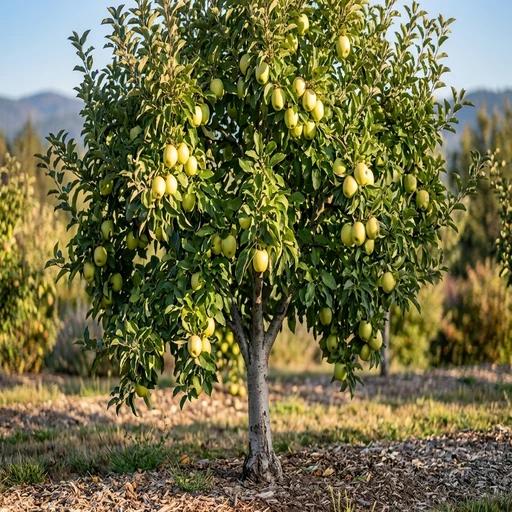
The domestic apple is a deciduous tree widely cultivated for its delicious fruit. It offers beautiful spring blossoms and a rewarding autumn harvest.
'Liberty' is a modern cultivar renowned for its exceptional, genetically-based resistance to the four major apple diseases: apple scab, cedar-apple rust, fire blight, and powdery mildew, making it ideal for organic or low-spray orchards.
Uses & Benefits:
Essentials
At a Glance
Plant Type
Tree
Height
180"
Width
180"
Light
Full Sun
Zones
4, 5, 6, 7, 8
Water
Moderate
Humidity
Moderate
Lifespan
30-50 years on semi-dwarf stock
Native To
Cultivated origin
Toxicity
Seeds contain cyanogenic glycosides; toxic if many are chewed and swallowed.
Bloom period
Mid-spring – Late spring
In flower about 2 months of the year
Planting
How to Grow
- Select a site with full sun and fertile, well-drained loamy soil
- Dig a hole twice as wide as the root system
- Plant the tree so the graft union is 2-3 inches above the final soil level
- Backfill with native soil, eliminating air pockets
- Water thoroughly and apply a 3-foot wide circle of mulch
- Install a trunk guard to protect against rodents and sunscald
Pro Tip
Plant at least one other different, compatible apple or crabapple variety within 50 feet for successful cross-pollination and fruit set.
Keep It Thriving
Care Guide
Do
- Prune annually in late winter to maintain an open, productive structure.
- Thin fruit in early summer to one apple per cluster to improve size and quality.
- Provide consistent water, especially during fruit development.
Don't
- Do not allow the graft union to be buried.
- Avoid high-nitrogen fertilizers, which promote leafy growth over fruit.
- Do not plant a single apple tree and expect fruit; most require a pollinator.
Seasonal Care Calendar
| Task | Jan | Feb | Mar | Apr | May | Jun | Jul | Aug | Sep | Oct | Nov | Dec |
|---|---|---|---|---|---|---|---|---|---|---|---|---|
| Harvest | ||||||||||||
| Prune | ||||||||||||
| Spray |
Watch Out For
Pests & Diseases
Common Pests
Common Diseases
In the Garden
Landscape Uses & Companions
Landscape Uses
Multiply
Propagation Methods
Good to Know
Common Questions
Liberty Apple questions
What zones can Liberty Apple grow in?
Liberty Apple is hardy in USDA Zones 4–8. Inside that range it survives winter in the ground; outside it, grow it as an annual or a container plant you protect.
Is Liberty Apple deer resistant?
Not reliably. Deer may browse Liberty Apple, especially tender spring growth — plan on repellents or fencing where pressure is high.
When does Liberty Apple bloom?
Liberty Apple typically blooms in mid-spring through late spring. Exact timing shifts a week or two with your zone — Sow's bloom calendar maps it to your garden.
Does Liberty Apple need full sun?
Liberty Apple does best in full sun (6+ hours).
More Malus to compare
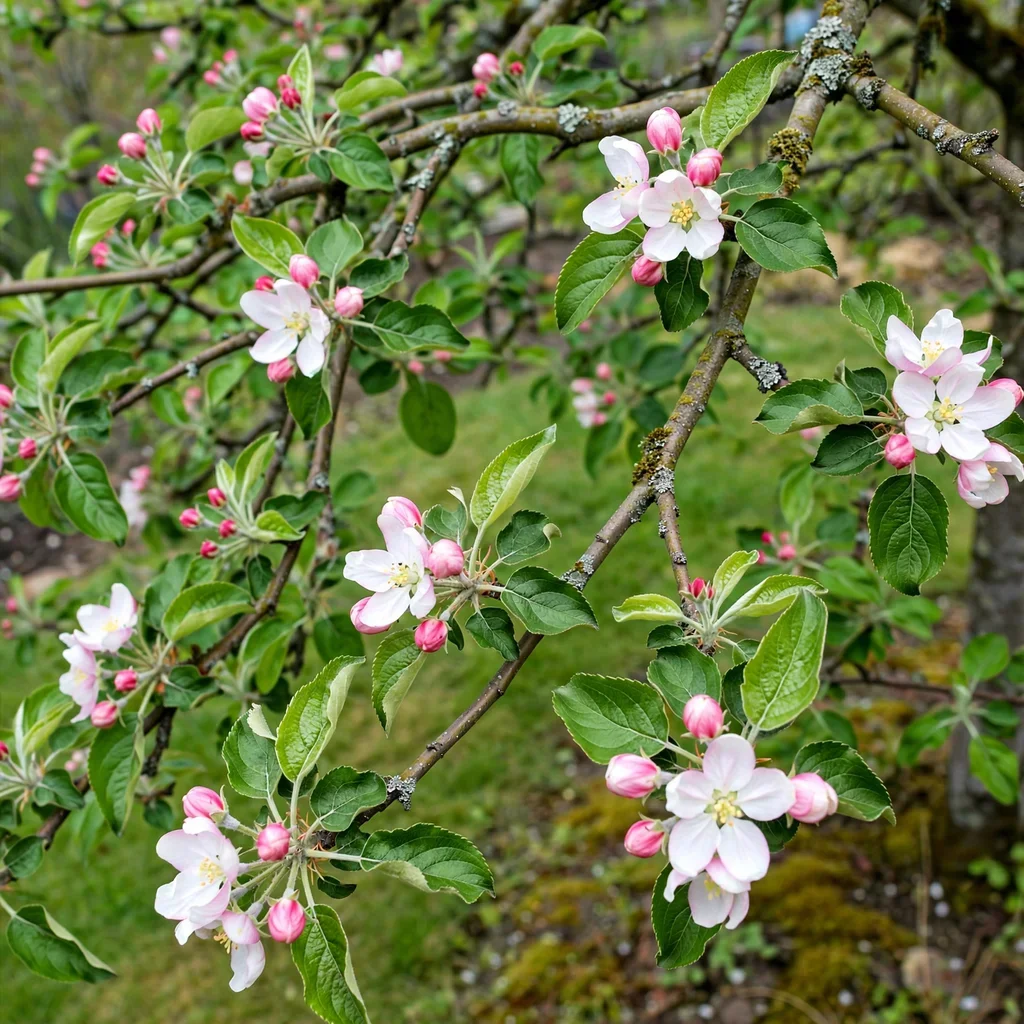
Honeycrisp Apple
Malus domestica 'Honeycrisp'
Golden Treat Apple
Malus domestica 'Golden Treat'
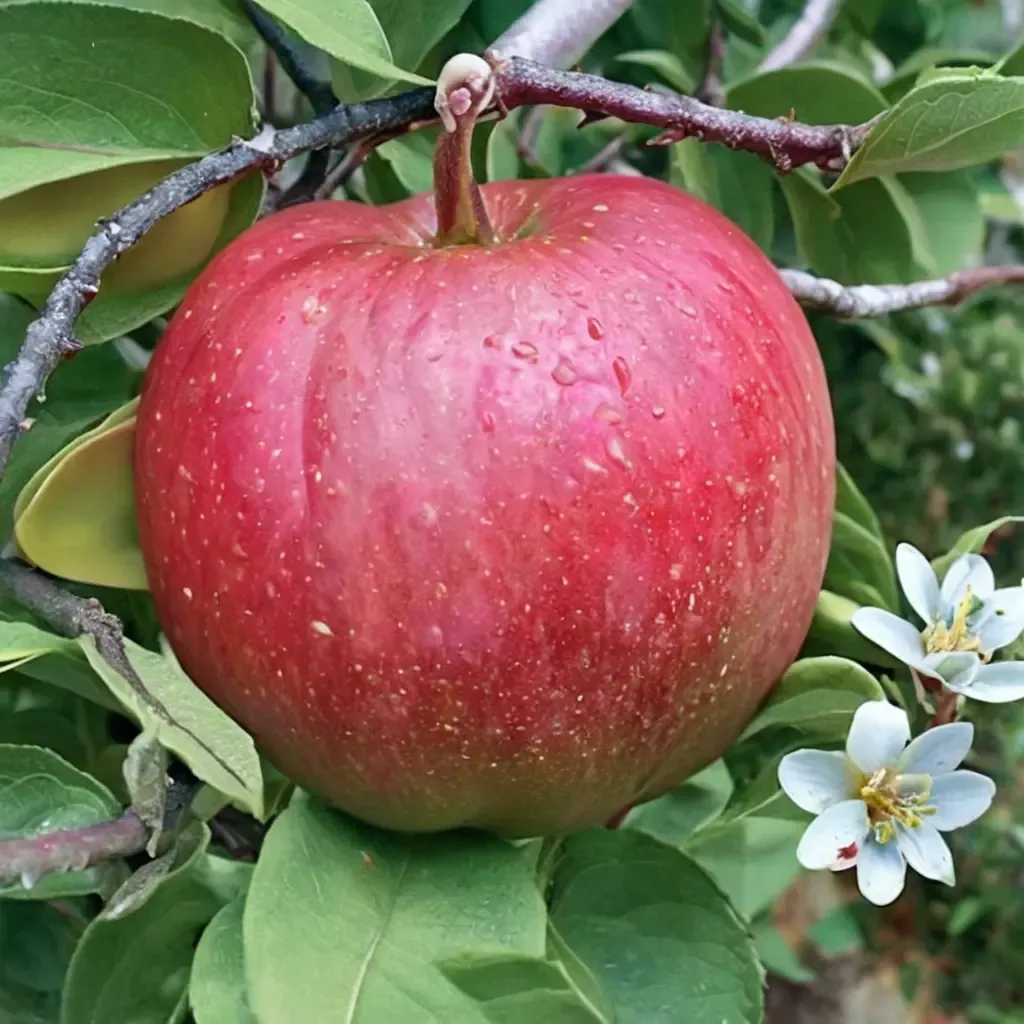
Pixie Crunch Apple
Malus domestica 'Pixie Crunch'
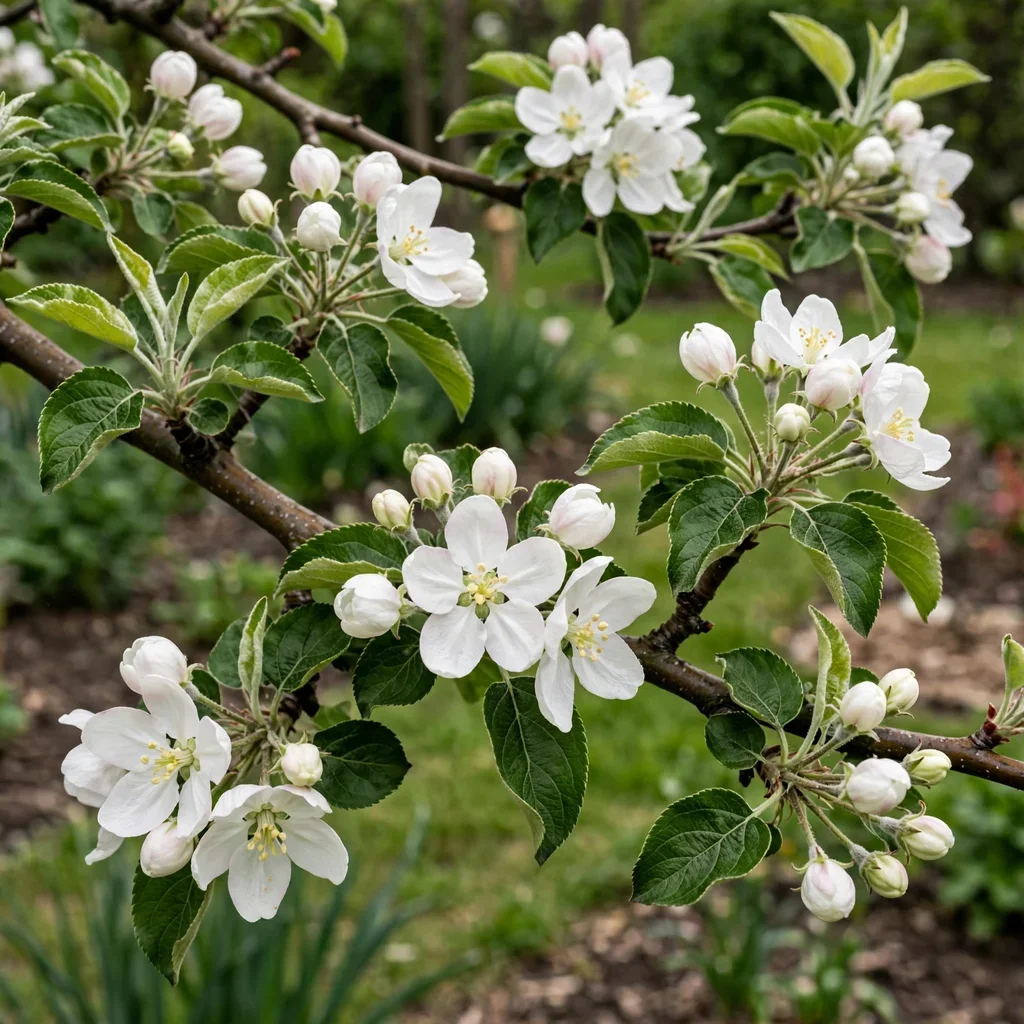
Apple
Malus domestica
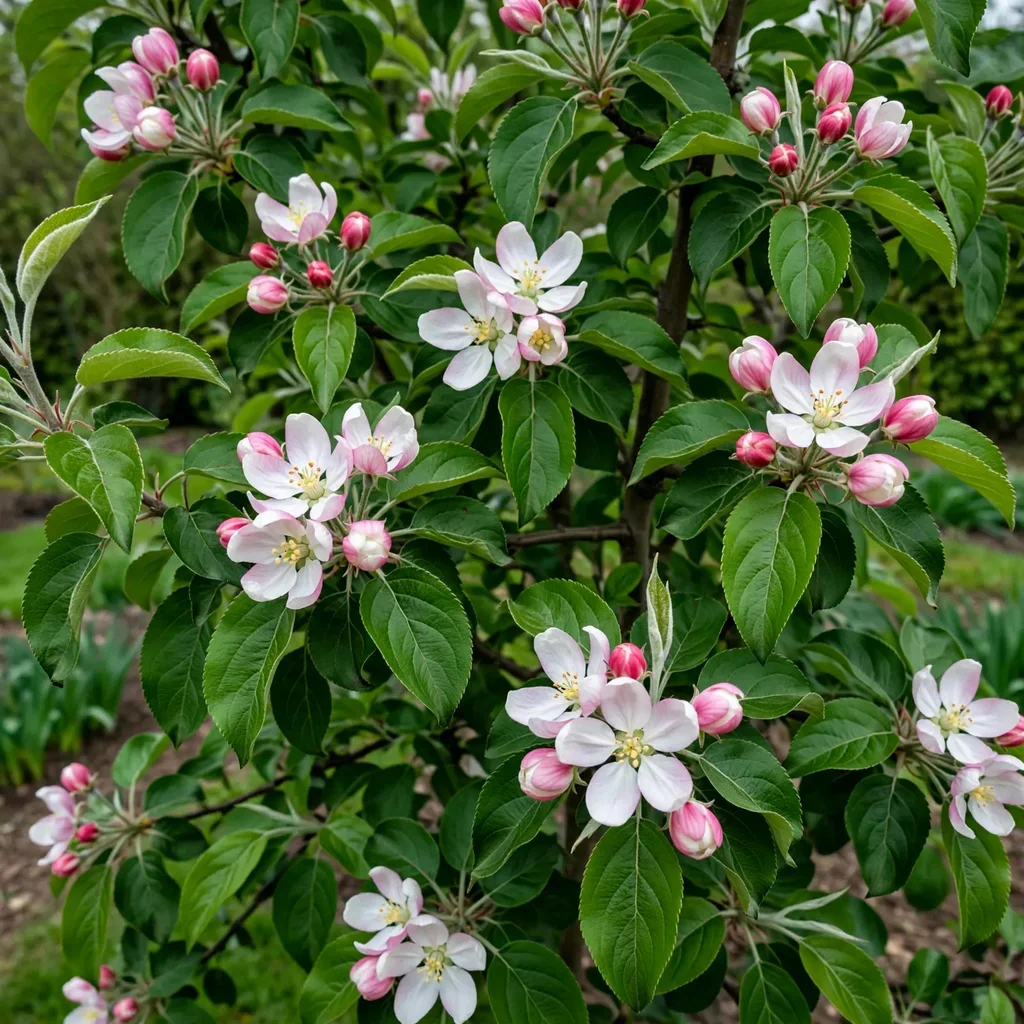
Blushing Delight Apple
Malus domestica 'Blushing Delight'
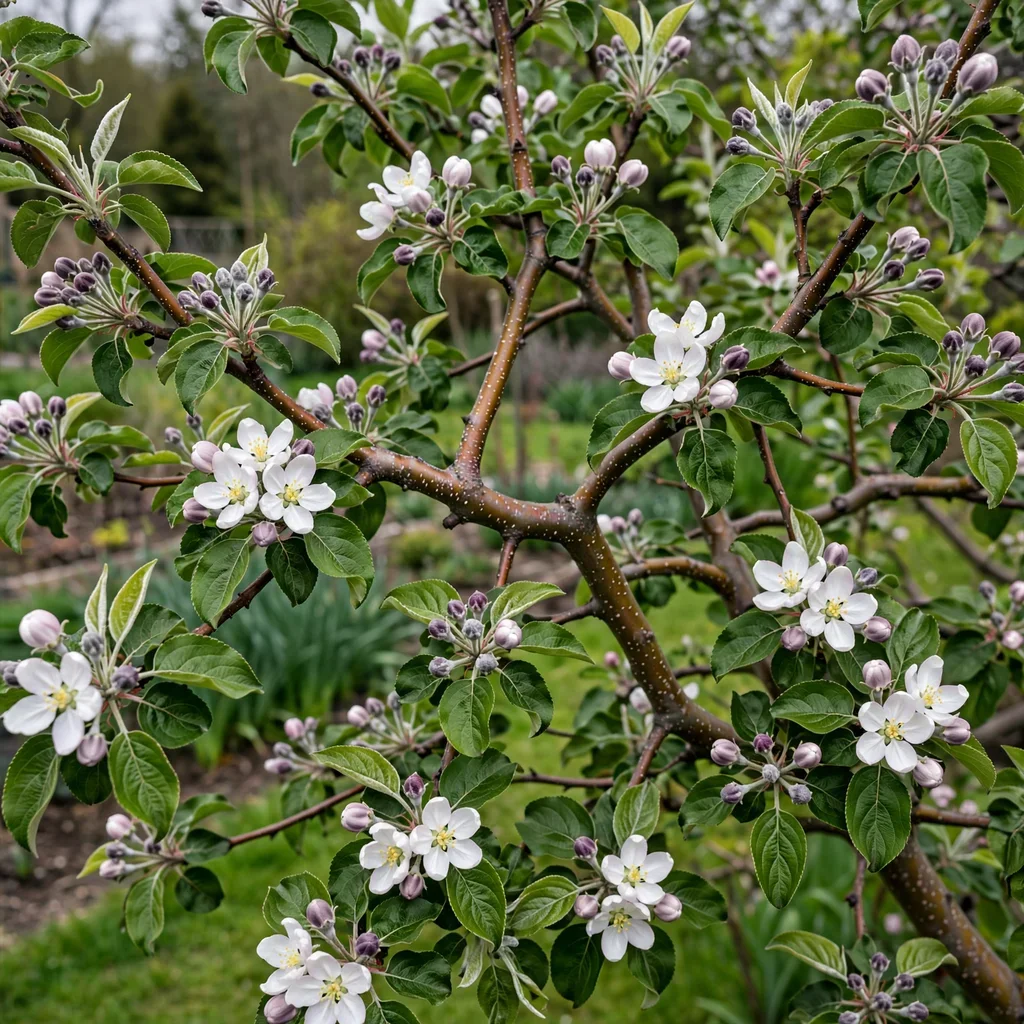
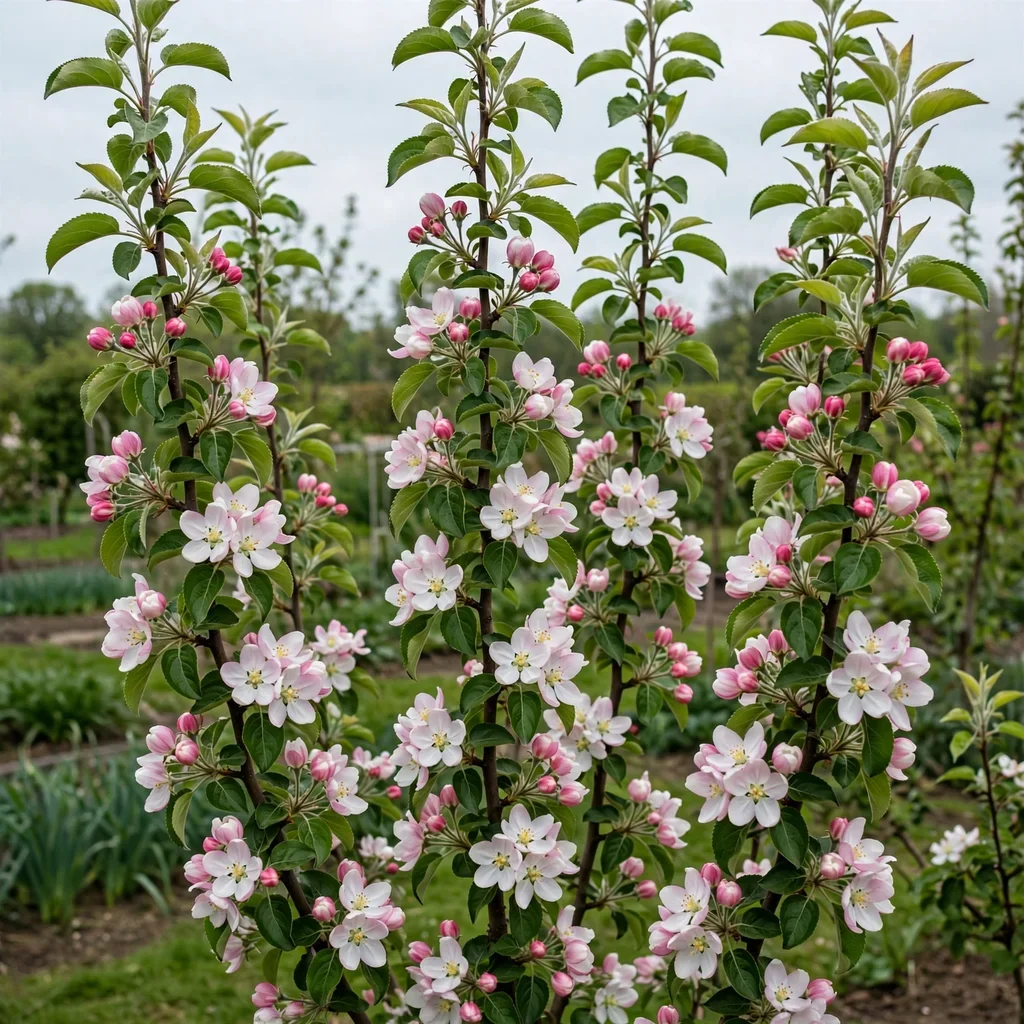
Reachable Apple
Malus domestica 'Reachables'
Keep exploring
Explore the genus
Hardy in your zone?
Grow Liberty Apple with confidence
See it in a design of your actual yard, get zone-matched care reminders, and track it season by season in your garden journal.