Also known as Apple / Crabapple · 1.7k saves
Malus
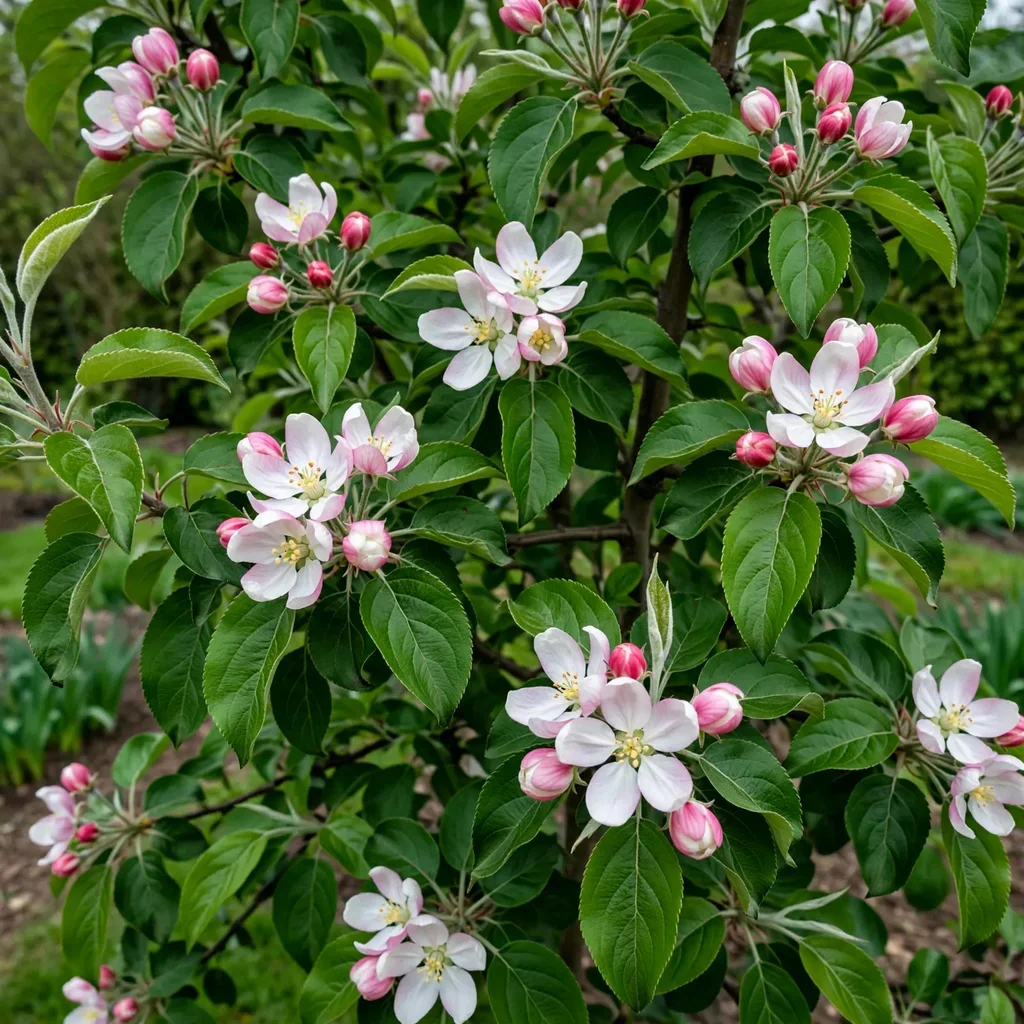
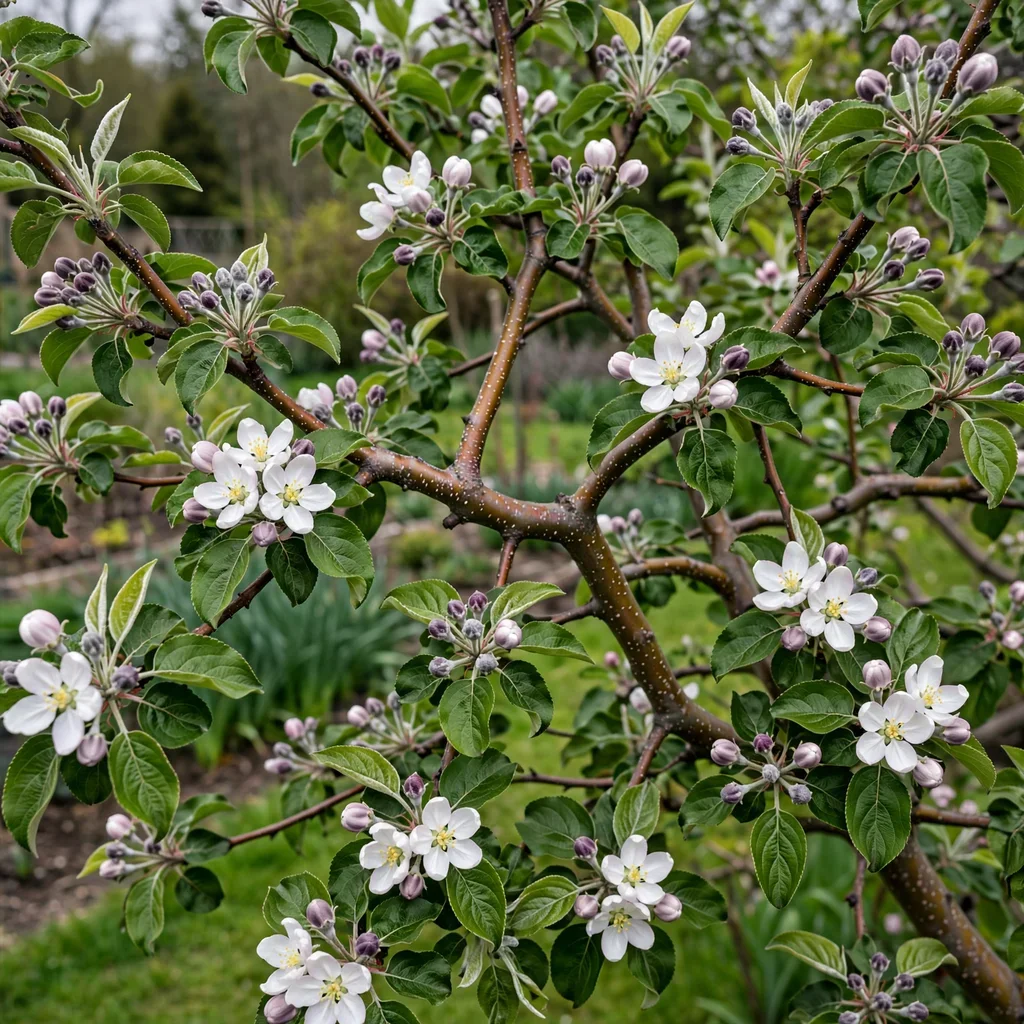
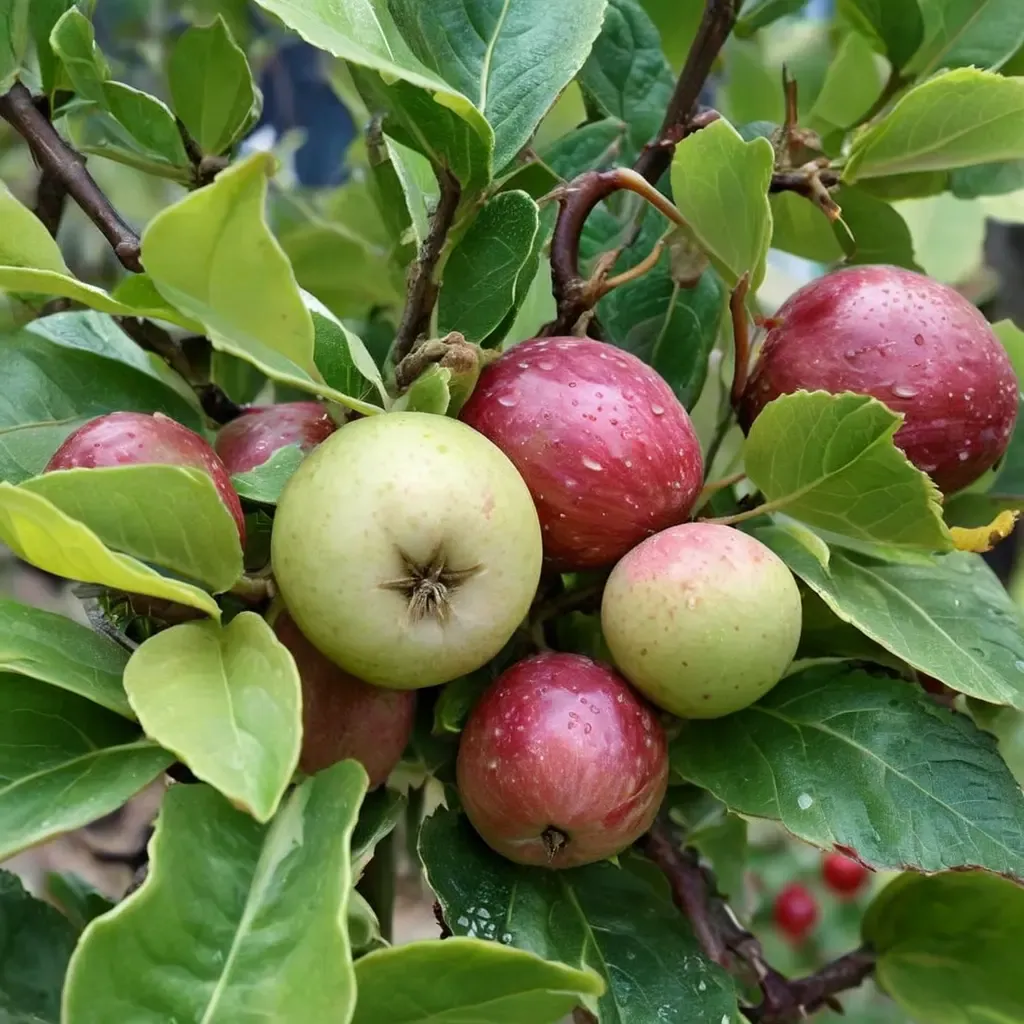
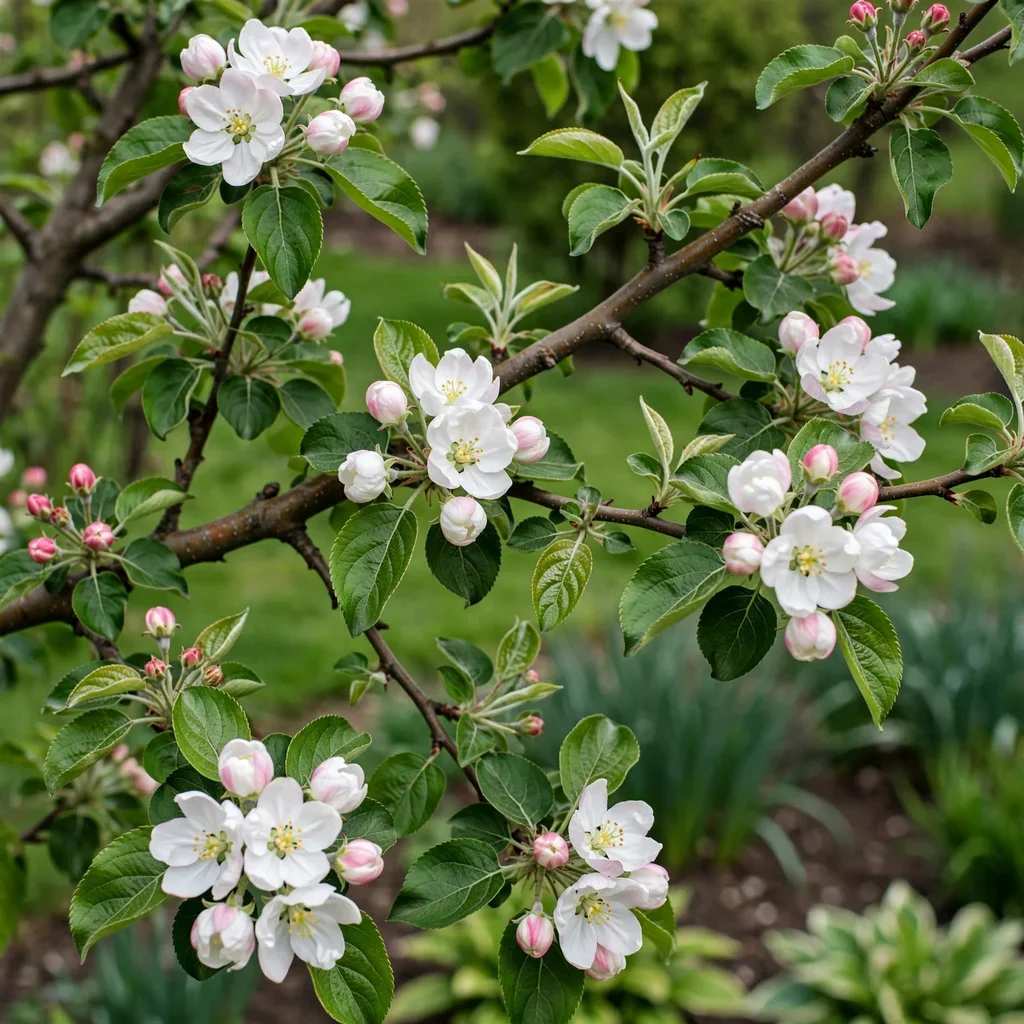
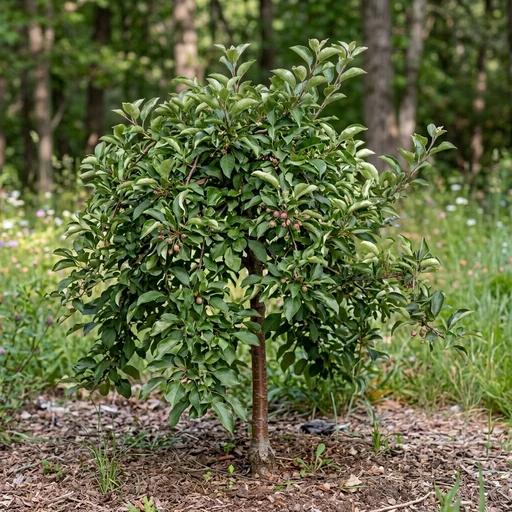
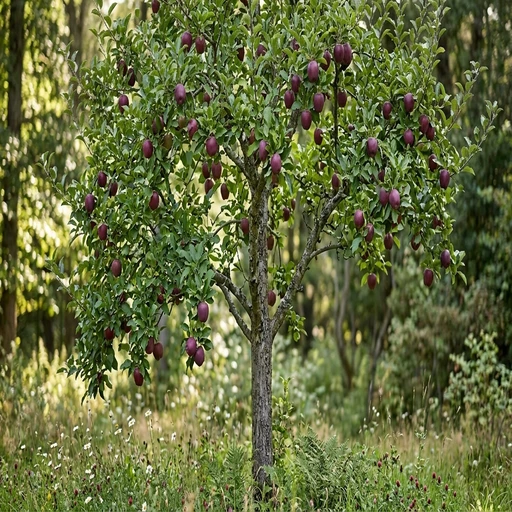
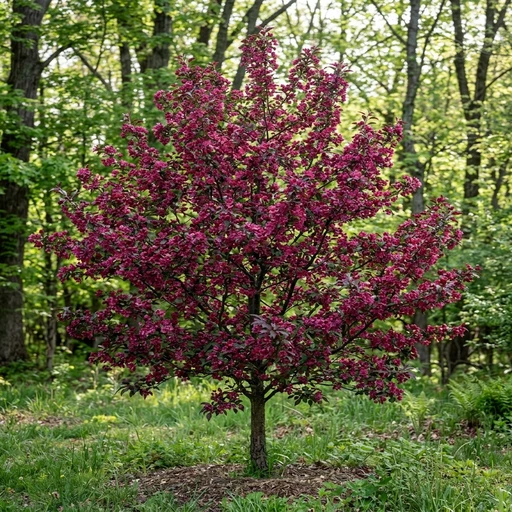
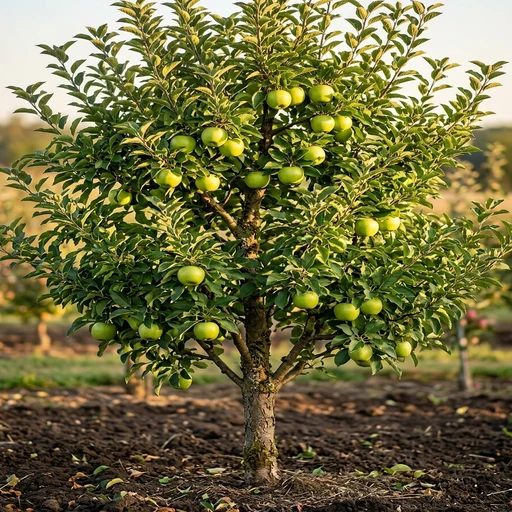
Malus, the genus most gardeners know as apple / crabapple. We track 56 varieties; the ones most used by real gardeners.
The 24 most-saved Malus varieties
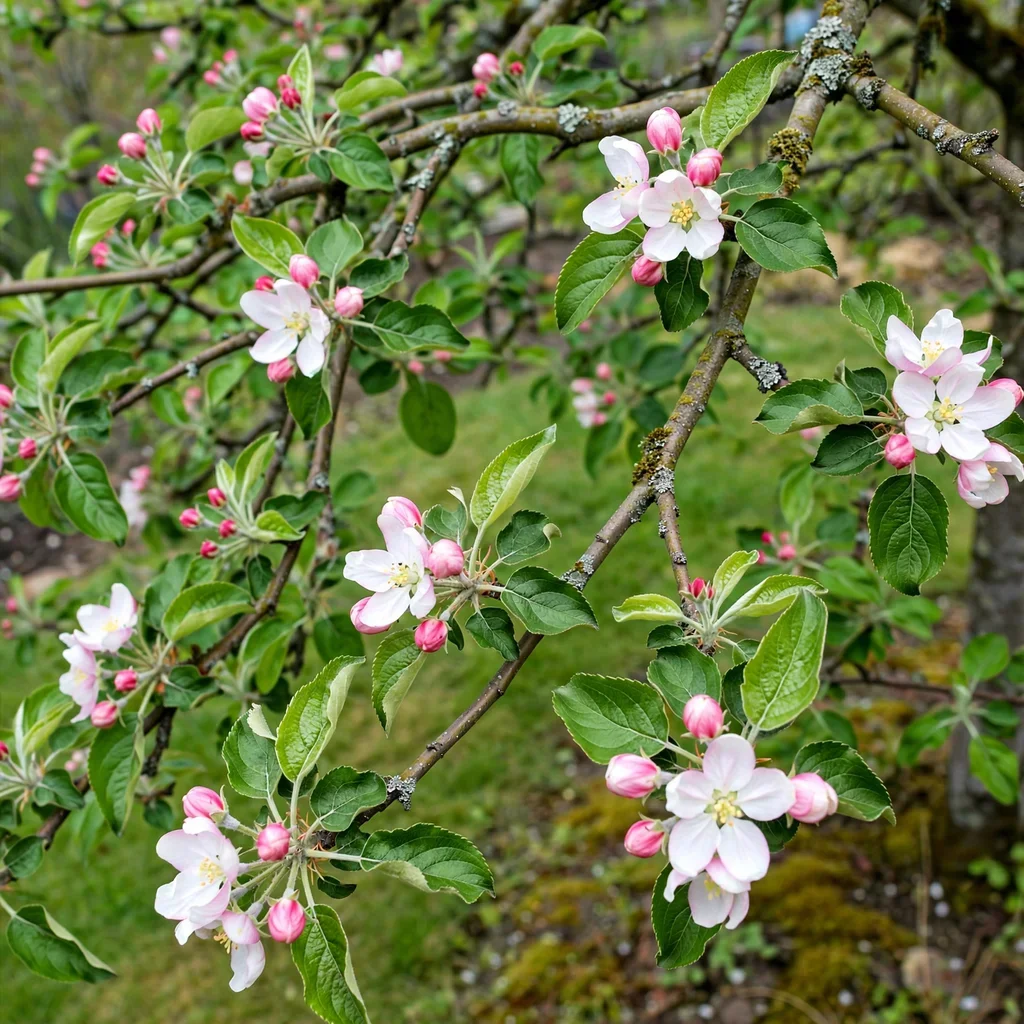
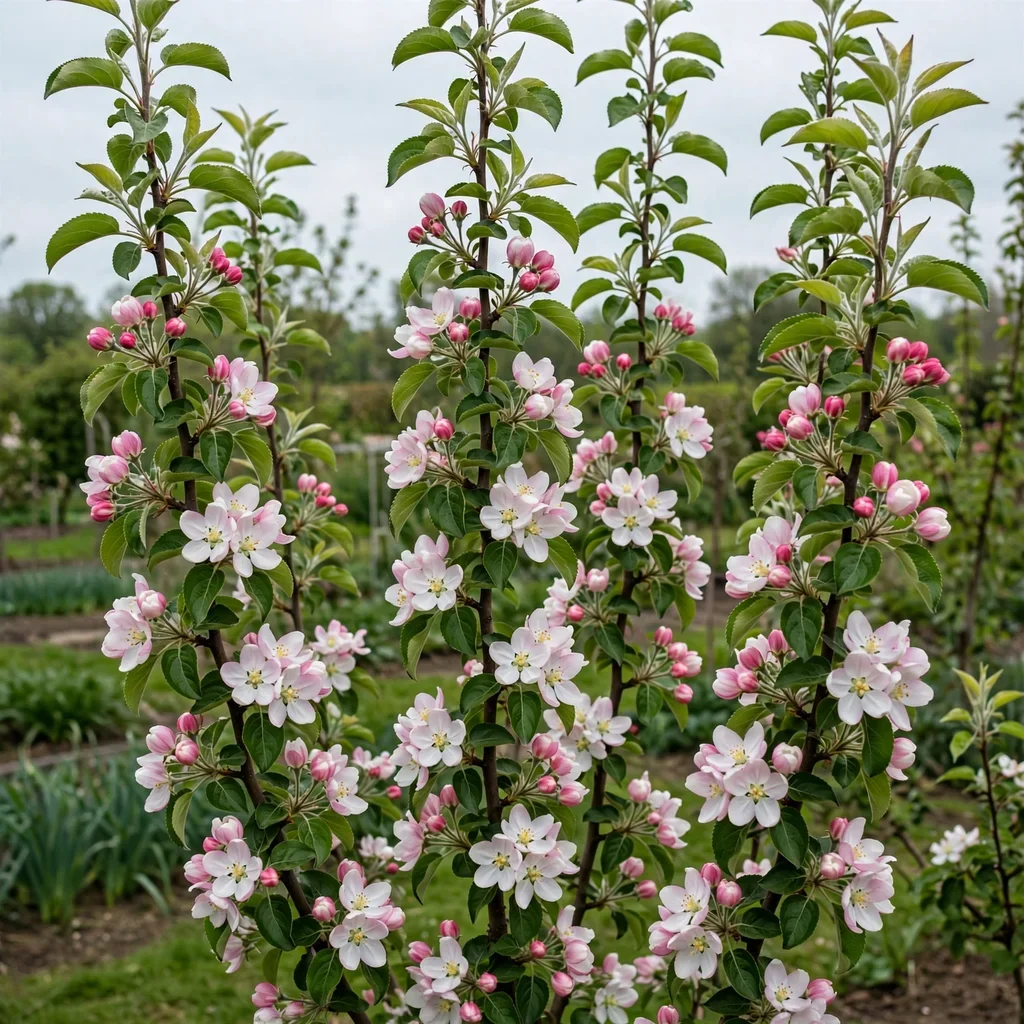
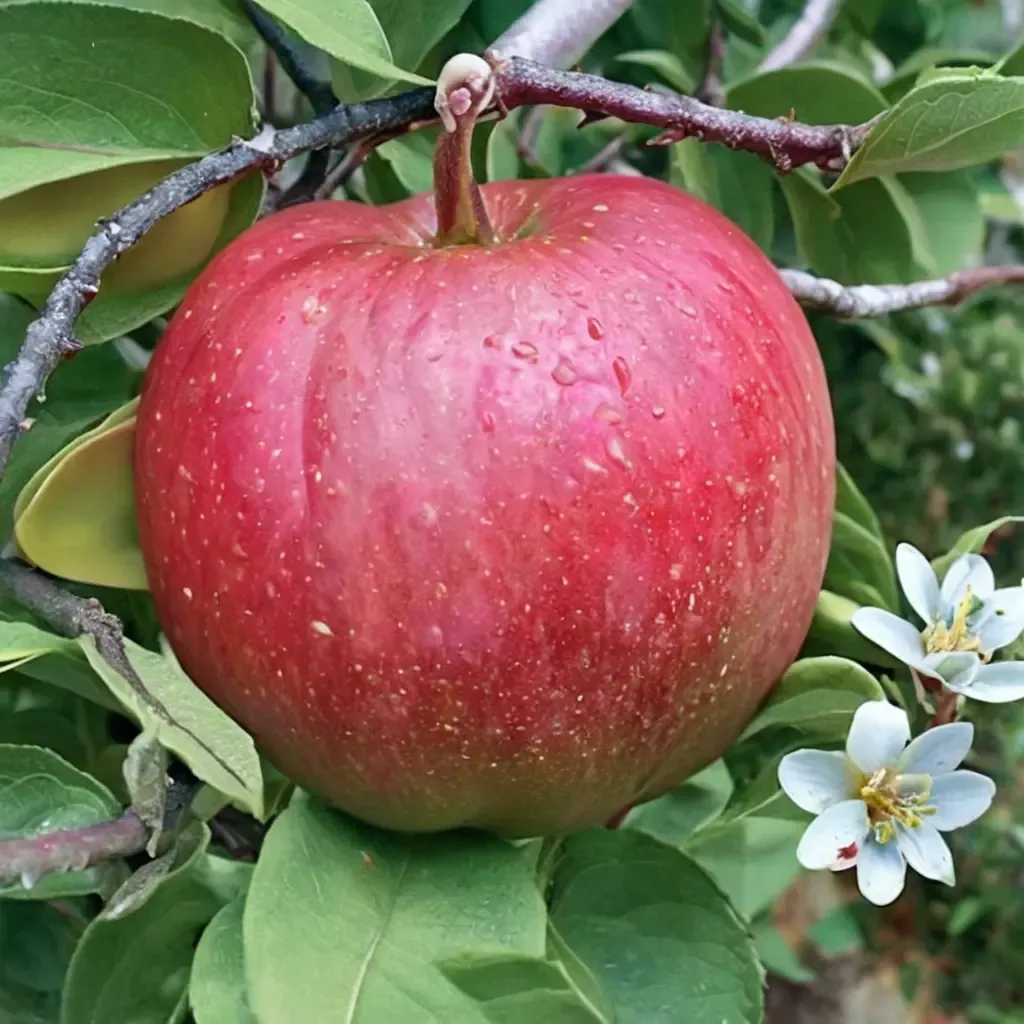
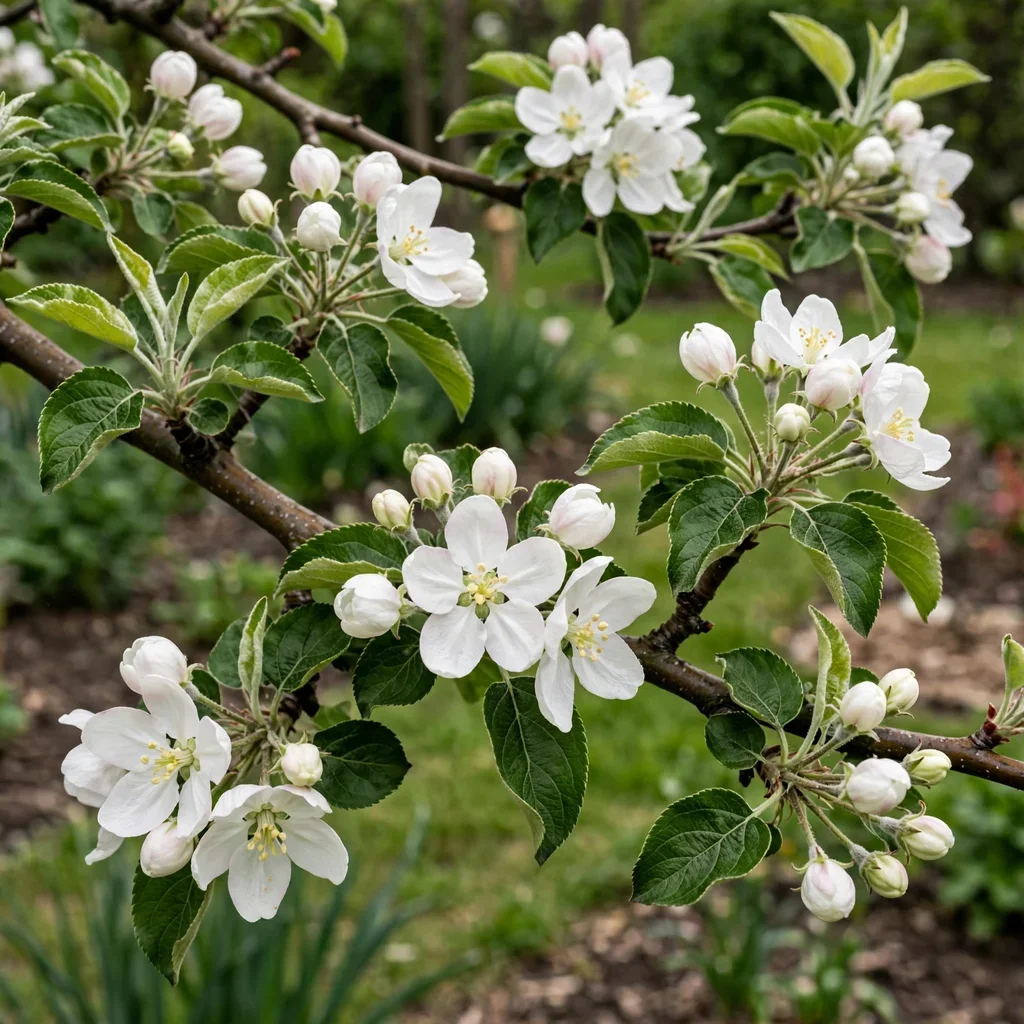
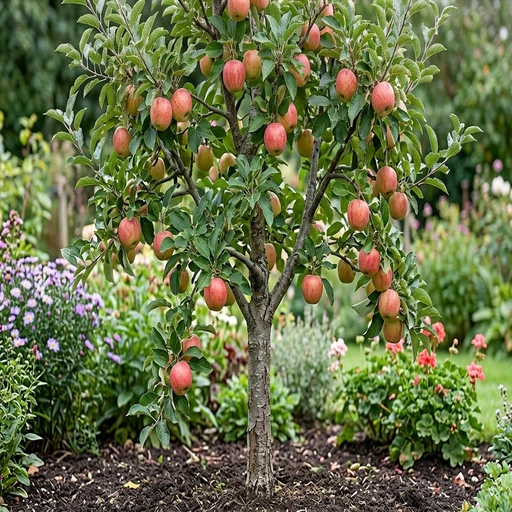
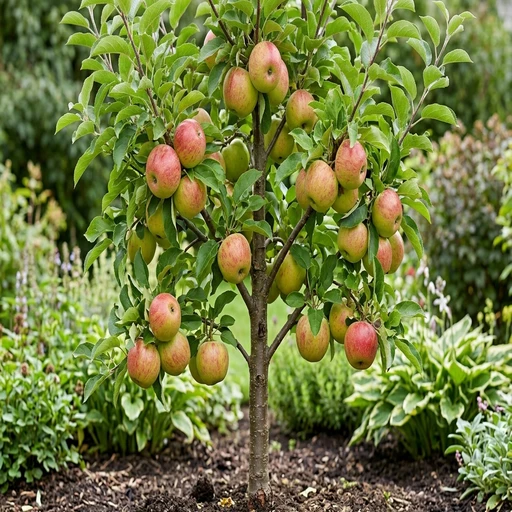
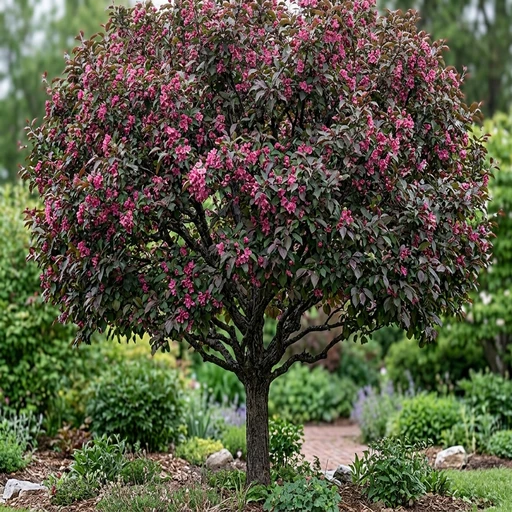
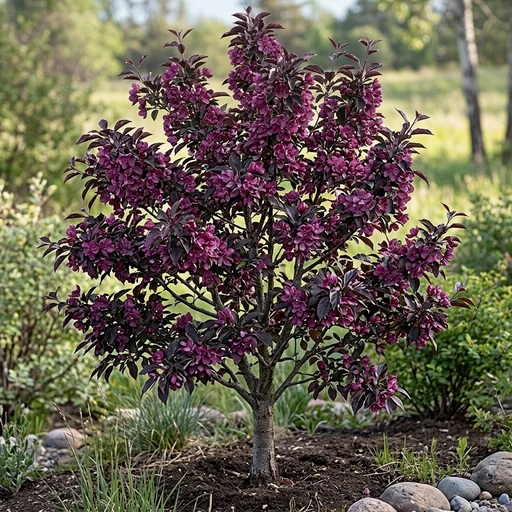
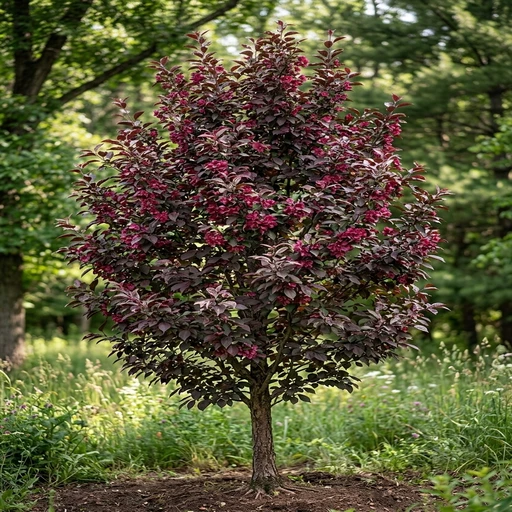
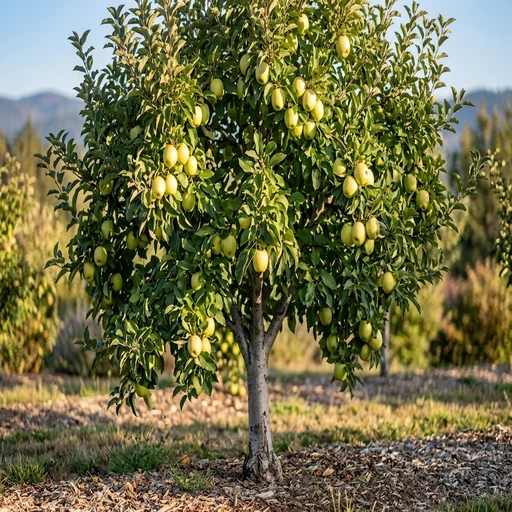
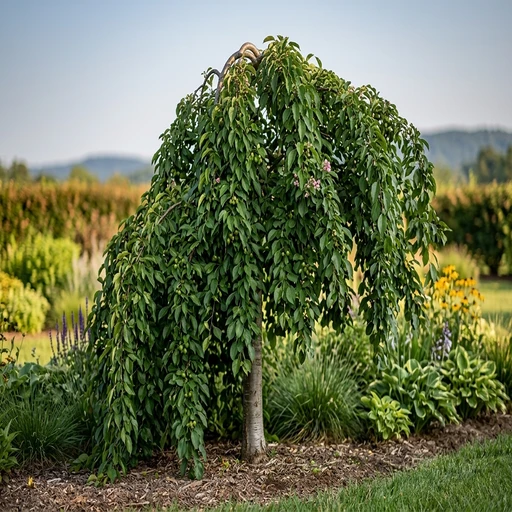
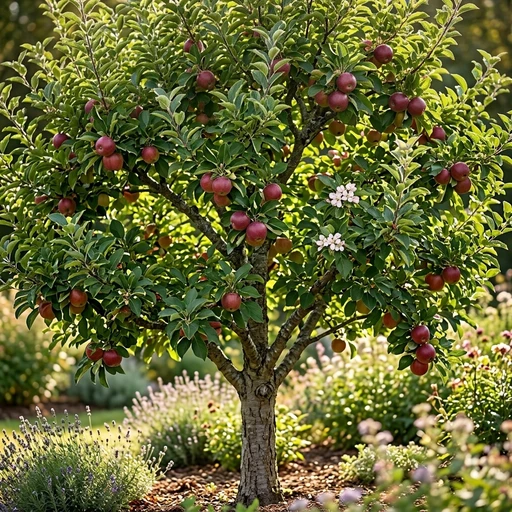
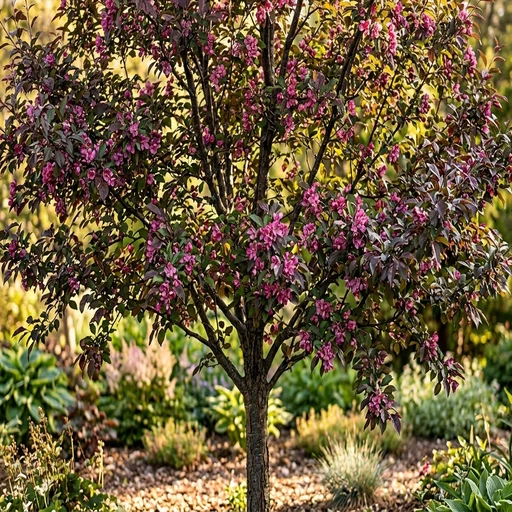
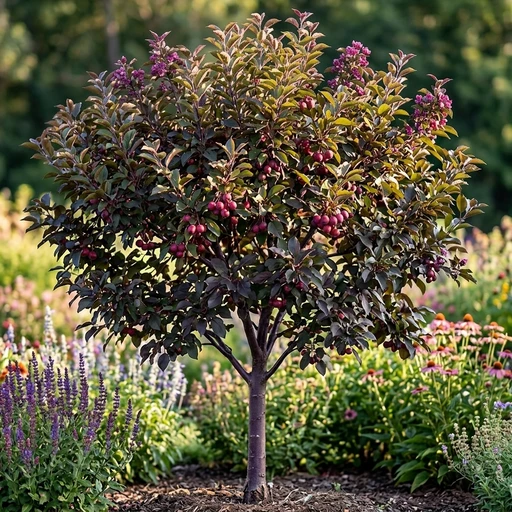
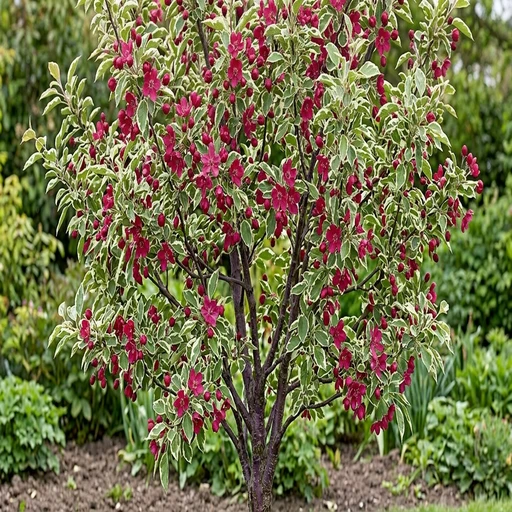
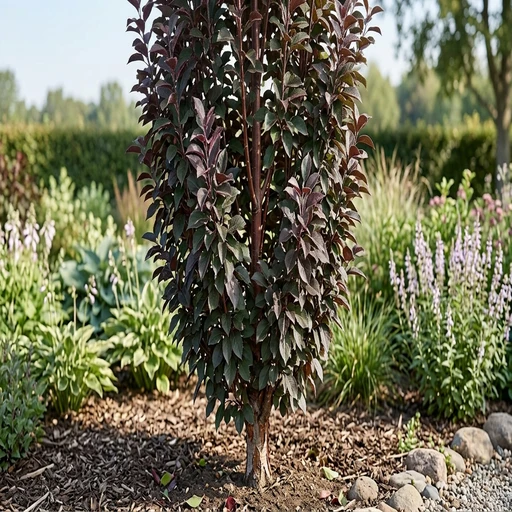
See all 56 Malus varieties →Search this genus →
4 species of Malus
Each one is a parent of the varieties above.
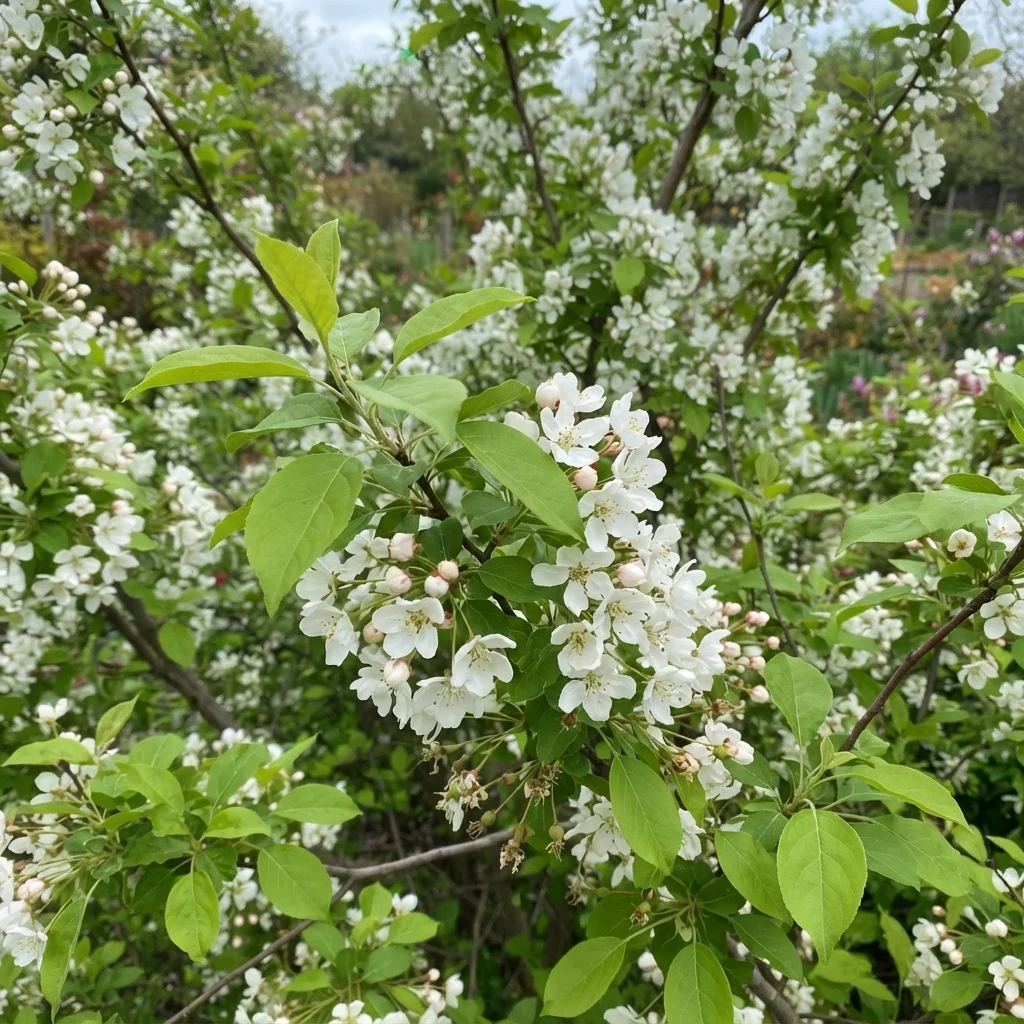
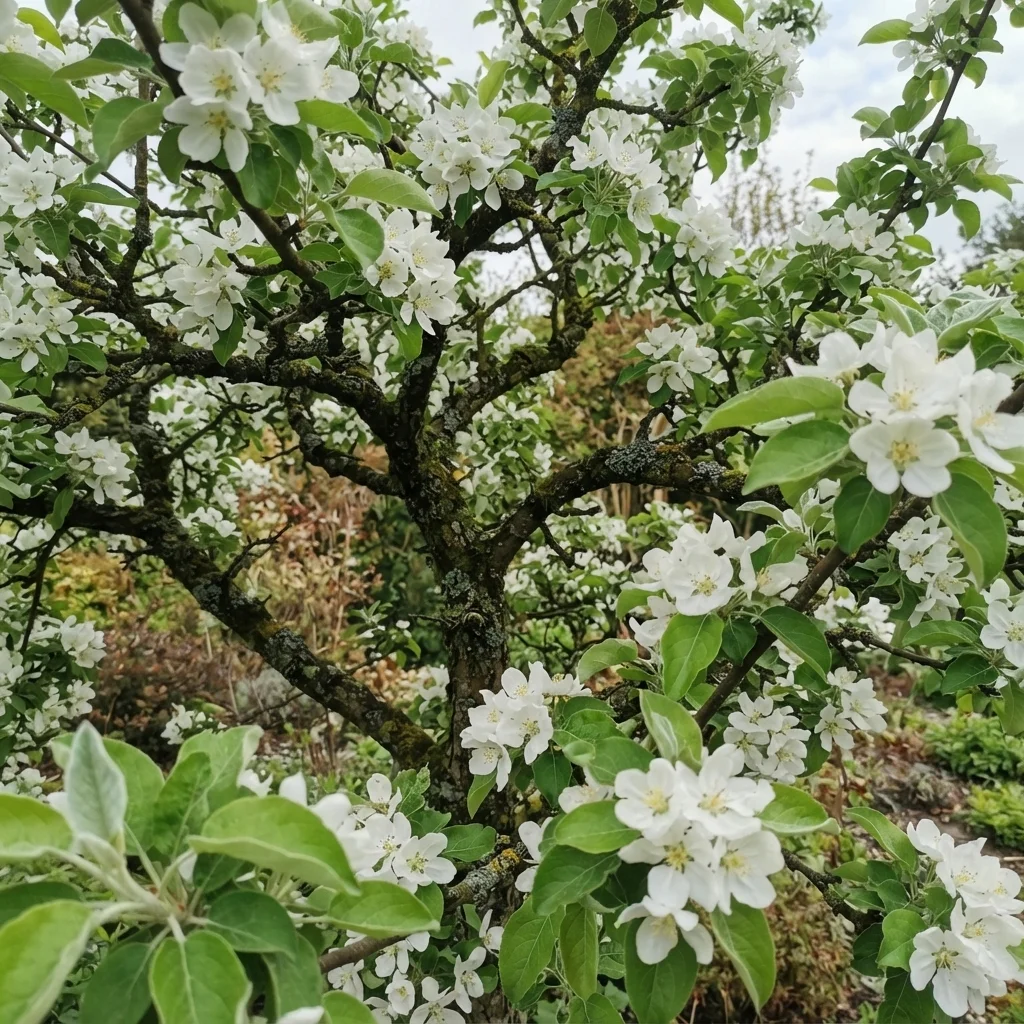
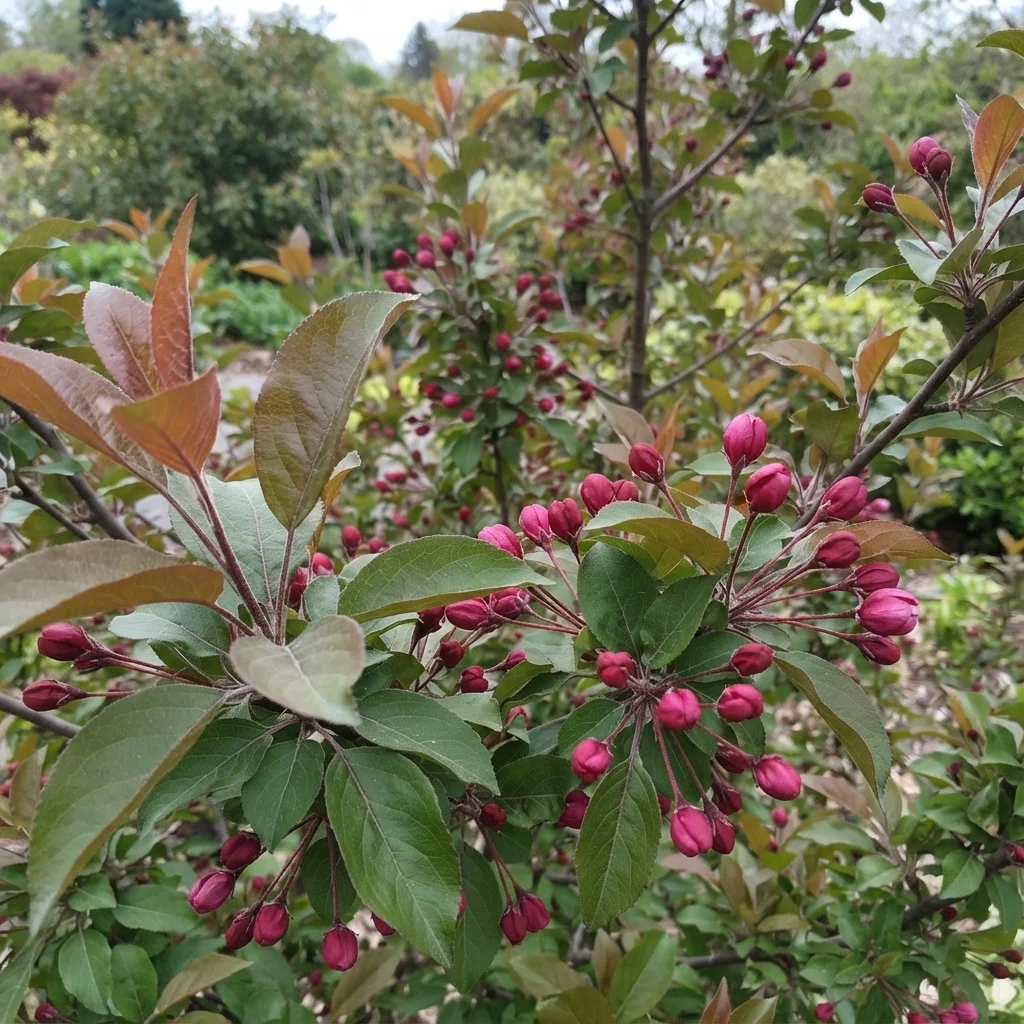
Track your Malus in Sow
Save the Malus you grow and get care reminders timed to your zone.
How to grow Malus
Whats common across all Malus varieties in our catalog — drawn from the care records of the 40 most-grown of them.
The Malus year
- PruneFebruary and March100% of varieties
Prune in late winter to remove suckers, water sprouts, and crossing branches.
- FertilizeApril78% of varieties
Apply a balanced fertilizer before new growth begins in spring, if needed.
- Check for PestsMay–July65% of varieties
Monitor for aphids and other common pests on new growth.
- Spray TreatmentMarch–June48% of varieties
Apply dormant oil and follow a spray schedule for pests and diseases.
- HarvestSeptember and October38% of varieties
Harvest apples when they are firm, crisp, and easily detach from the spur.
- PlantApril, May, October and November33% of varieties
Plant in spring or fall in a full sun location.


Do
- Water regularly during the first growing season to establish roots.
- Prune suckers from the base of the tree as they appear.
- Provide good air circulation to minimize disease risk.
- Water deeply during dry spells 🌱
- Prune annually in late winter to maintain an open, productive structure.
Avoid
- Avoid overwatering to prevent root rot ❌
- Do not plant in shady or poorly drained locations.
- Avoid high-nitrogen fertilizers, which promote leafy growth over fruit.
- Avoid planting in poorly drained soil
What goes wrong with Malus
| Problem | What you'll see | What to do |
|---|---|---|
| Aphids | Curled, distorted new leaves and sticky honeydew. | Spray with insecticidal soap or neem oil. Encourage natural predators like ladybugs. |
| Japanese Beetles | Skeletonized leaves during mid-summer. | Hand-pick into soapy water in the morning. Systemic insecticides like imidacloprid can be applied in spring. |
| Codling Moth | Wormy apples with tunnels and frass near the core. | Use pheromone traps to monitor. Bag individual apples. Apply sprays containing spinosad or carbaryl after petal fall. |
| Apple Maggot | Brown, winding trails under the apple's skin. | Hang red sticky sphere traps. Pick up and destroy fallen fruit. Kaolin clay sprays can provide a barrier. |
| Apple Scab | Olive-green spots on leaves and fruit, leading to defoliation. | 'Durleo' has excellent resistance. For susceptible varieties, apply preventative fungicides. Rake up fallen leaves. |
| Fire Blight | Branch tips appear scorched and blackened, with a characteristic 'shepherd's crook'. | 'Durleo' has good resistance. Prune out infected branches, cutting 12 inches into healthy wood. Disinfect pruners between cuts. |
| Powdery Mildew | White, powdery coating on leaves and new shoots. | Prune for better air circulation. Apply horticultural oil or fungicides specifically for powdery mildew. |
Making more Malus
Grafting
- Collect dormant scion wood from a 'Golden Delicious' tree in winter
- In early spring, graft the scion onto a compatible apple rootstock
- Use a whip-and-tongue or bench graft
- Wrap the union securely and seal with grafting wax
- Allow 1-2 years of growth before planting out
Budding
- Choose a healthy bud during late summer
- Make a T-cut on rootstock
- Insert bud and wrap tightly
- Allow to heal for 3‑4 weeks
Malus questions
How many types of Malus are there?
The Sow catalog tracks 56 distinct Malus varieties. The most popular — ranked by 1.7k real gardeners — are shown first above.
What zones does Malus grow in?
Across its varieties, Malus covers USDA Zones 4–9. Individual varieties differ — each plant page lists its exact range, and Sow filters the catalog to your zone automatically.
When does Malus bloom?
Most Malus varieties bloom in early spring, mid-spring, spring. Staggering early, mid, and late varieties extends the genus's season in one bed.
Which Malus should I choose?
Start from the most-saved varieties above — popularity across thousands of gardens is a strong signal of reliability — then filter by your zone and sun. In the Sow app you can preview any of them in a photo of your actual yard before you buy.